REVIEW · CUSCO
Sacred Valley Wonders: Magical Full-Day Experience – Group Tour
Book on Viator →Operated by Valencia Travel Agency S.a.c. · Bookable on Viator
Sacred Valley, planned like a pro. This full-day group tour strings together Pisac, Ollantaytambo, and Chinchero with hotel pickup and drop-off and a guided walk through the Inca sites. It’s built for first-timers who want the big names without figuring out buses and ticket lines.
One thing to plan around is the Tourist Ticket for Sacred Valley entrances, plus your own lunch in Urubamba. I’d also confirm the exact pickup spot and where you’ll be dropped off, since some hotels require a short walk or stairs.
The day runs about 10 hours, starts at 8:00 AM, and stays within a manageable pace with a maximum group size of 16. If you’re up for moderate walking and some uphill/uneven ground, this is a solid way to see a lot of Peru’s Inca engineering in one go.
In This Review
- Key points before you go
- Why This 10-Hour Sacred Valley Loop Works
- Hotel Pickup and Drop-off: Smooth When It Hits, Tricky When It Doesn’t
- Pisac Morning: Market Time, Then the Ruins Above the Valley
- Stop 1: Pisac Market (about 30 minutes)
- Stop 1: Pisac Archaeological Site (about 90 minutes)
- Urubamba Lunch Break: Plan for Paying Yourself
- Ollantaytambo: Temple of the Sun and Inca Water Engineering
- Temple of the Sun and giant stone fitting
- Agricultural terraces and microclimates
- Water fountains and channels
- Chinchero Finale: A Colonial Church on Inca Foundations
- The Inca stone wall with ten niches
- The colonial church built over an Inca palace
- Local clothing and big peak views
- Guide Style That Makes the Day Feel Worth It
- Price and Ticket Reality: What You Pay vs. What You’ll Still Need
- Student discount and partial ticket option
- Physical Effort: Moderate Fitness Means Shoes Matter
- Who This Tour Fits Best (and Who Should Rethink It)
- Should You Book This Sacred Valley Wonders Tour?
- FAQ
- What time does the tour start in Cusco?
- How long is the Sacred Valley Wonders tour?
- Is hotel pickup and drop-off included?
- Is lunch included in the tour price?
- Do I need to pay an entrance fee for the Sacred Valley sites?
- How much is the Cusco Tourist Ticket?
- Is there a discount for students?
- Can I buy a smaller ticket for only certain sites?
- How many people are in the group?
- What is the cancellation window?
Key points before you go
- Small-group pace (max 16) that still feels efficient
- Pisac market + guided ruins with time for views
- Ollantaytambo’s Temple of the Sun and terraces explained clearly
- Chinchero’s Inca wall niches and colonial church in one short stop
- Your biggest budget variable is the entrance ticket and lunch in Urubamba
Why This 10-Hour Sacred Valley Loop Works
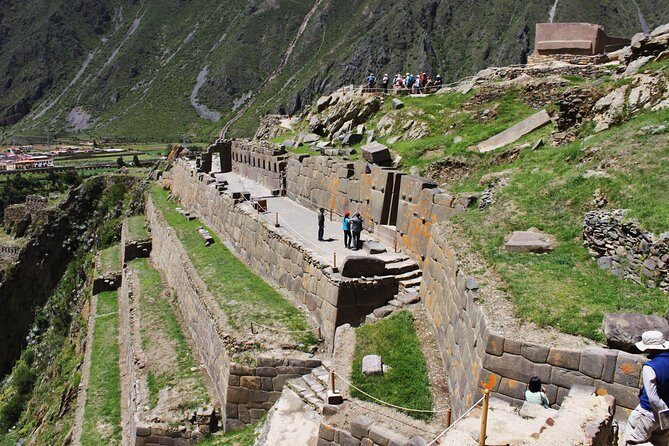
This tour is a classic Sacred Valley highlights route, run in a single day from Cusco. You start at 8:00 AM and end back at your hotel later that morning-to-afternoon stretch (about 10 hours total). For many people, that’s the sweet spot: long enough to feel like a real day trip, short enough that you don’t burn your whole vacation on transit.
The route also makes sense. You begin with Pisac, move through the valley to Ollantaytambo, then finish with Chinchero. That order helps the day flow geographically, and you get variety: markets, ruins high above the valley, an active town, and a church built over an Inca palace foundation.
Transportation is by bus/coach (and it’s typically a comfortable van-sized setup), and the schedule is built around guided time at each stop. You’re not stuck wandering with no context. The guide helps you read what you’re seeing instead of treating ruins like a random pile of stones.
You can also read our reviews of more tours and experiences in Cusco

Hotel Pickup and Drop-off: Smooth When It Hits, Tricky When It Doesn’t
Pickup and drop-off are included, which is a big deal in Cusco. You don’t have to solve where to meet or how to get back. That said, I’d take the extra minute to confirm two things with the operator once you book:
- Where the driver can pull up closest to your hotel
- How the return drop-off works for your exact hotel entrance
One common friction point on Cusco-style routes is access. Some hotels sit up a hillside, so the vehicle might not reach the front door. In that case, you might walk a few minutes in the rain or deal with stairs at the end of the day. If you’re traveling with someone older, or you’re carrying extra gear, ask the tour company what the usual situation is for your specific hotel.
Pisac Morning: Market Time, Then the Ruins Above the Valley
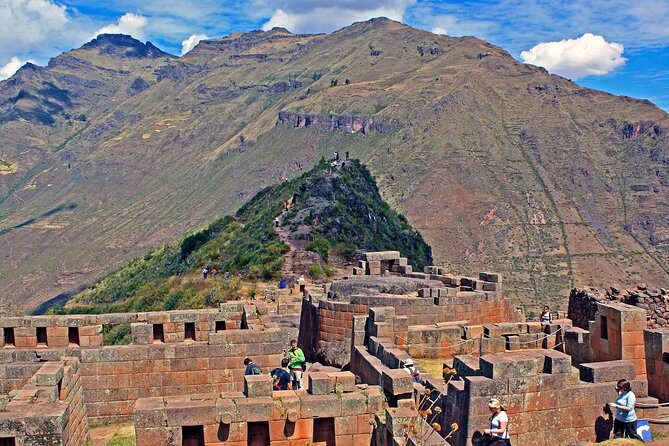
Pisac is where the Sacred Valley tour starts to feel magical. First you head through the mountains and pass Saqsaywaman on the way out of Cusco. Then you descend into the valley and arrive in the charming village area of Pisac.
Stop 1: Pisac Market (about 30 minutes)
You get a quick slice of local life with the traditional market. This is the best moment for souvenirs that feel like they belong here: textiles, small crafts, and colorful items made by local artisans. Don’t rush it. If you see something you’d actually want at home, grab it now. Later stops are shorter.
Practical move: bring small bills and expect to spend a few minutes comparing items. Markets are fast, and you won’t want to lose your guide-led timing for the ruins.
Stop 1: Pisac Archaeological Site (about 90 minutes)
After the market, the group ascends to the Pisac ruins perched above the valley. The guided visit is the main event: you’ll walk among ancient structures, ceremonial altars, and intricate stonework. A standout is the Intihuatana stone, a famous carved feature tied to Inca astronomy and ritual use.
The views do the rest of the work. Even if you’ve seen photos, the valley feels bigger in person, and the ruins’ height makes the setting click. The tour typically gives about 90 minutes here, with guidance focused on what the site was for, not just what it looks like.
If you’d rather linger in the market, the tour structure allows flexibility: you can spend a little extra time there and rejoin the group later, as long as you stay aware of the meeting point timing.




Urubamba Lunch Break: Plan for Paying Yourself
Between Pisac and Ollantaytambo, you stop in Urubamba for lunch (around 45 minutes). Lunch is not included, so you’ll pay 30–45 soles for a meal.
Here’s the smart approach: treat lunch as a budget choice, not a captive audience experience. Some group tours push a pre-arranged buffet option in busy areas, and that can run higher than you might expect compared to smaller spots. If the price feels steep, you can often find better-value meals earlier in the day, including options near Pisac.
Even if you decide to eat in Urubamba, keep your expectations realistic. You’re on a schedule, so service may be quick-and-standard rather than slow and charming. Bring a water bottle and a light snack for backup, especially if you’re sensitive to hunger during long guided visits.
Ollantaytambo: Temple of the Sun and Inca Water Engineering
After lunch, the drive brings you to Ollantaytambo, an important Inca site and also a real town. That matters. You’re not looking at a deserted museum. People live here, and the stone terraces and structures feel practical, not staged.
Temple of the Sun and giant stone fitting
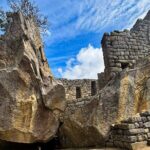
You’ll spend about an hour exploring the area. The guide focuses on the Temple of the Sun, where huge stones were carved and fitted with Inca precision. It’s the kind of place where your brain has to adjust from modern building logic to Inca logic: everything is planned, measured, and placed.
Agricultural terraces and microclimates
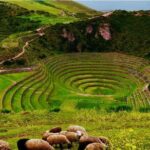
Another key theme is how the Inca used the land. The terraces aren’t just for show. You’ll see how they supported farming and helped create microclimates—small zones with different growing conditions. It’s one of the clearest examples of engineering working with nature instead of fighting it.
Water fountains and channels
Ollantaytambo also shows Inca hydro-engineering. Look for the stone water fountains and channels, where water management supports irrigation and daily use. This is where a good guide really earns their fee. When someone explains what the channels do, the ruins go from pretty to useful in your mind.
Chinchero Finale: A Colonial Church on Inca Foundations
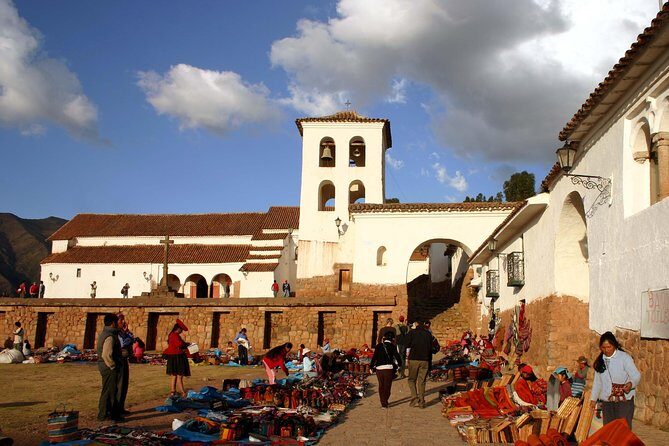
The final stop is Chinchero, and it’s a short one on purpose: about 30 minutes to see the main points and get back to Cusco.
The Inca stone wall with ten niches
In the main plaza, you’ll notice a massive Inca stone wall with ten trapezoidal niches. It’s a striking detail because it’s so orderly and specific. The guide usually helps connect these shapes to how the Inca designed space and possibly use.
The colonial church built over an Inca palace
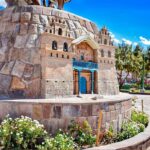
The headline here is Chinchero’s colonial church, built in the early 1600s on top of what used to be an Inca palace. Inside, the walls include intricate floral and religious designs, showing a mix of Andean and Spanish artistic styles.
This mix is why Chinchero works as a closing chapter. You see how Spanish rule layered onto Inca foundations rather than wiping them out completely.
Local clothing and big peak views
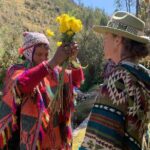
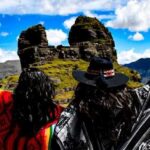
You’ll also spot locals wearing colorful attire that reflects a blend of indigenous and Spanish influences. And if the weather behaves, you’ll get views of Chicón and Veronica, two snow-capped peaks that frame the village.
Guide Style That Makes the Day Feel Worth It
On paper, this is just a route: three sites, a lunch break, back to Cusco. What makes it better is the guiding.
When the guide is strong, you feel it fast. You get context like where to look, what to interpret, and which features matter most. Some guides also pace the group so you can enjoy time with fewer crowds. That’s huge at Pisac and Ollantaytambo, where people tend to bottleneck around the same highlights.
Two names that have come up in the leadership of this kind of Sacred Valley day are Oscar and Ricardo. Both are known for clear explanations and for giving people space to explore when it makes sense—like letting you tour parts on your own after the key points are explained.
And yes, professional guiding matters at a site like this because the stone doesn’t label itself. A good guide helps you build a mental map quickly: this is ritual space, this is agriculture, this is water, this is astronomy-linked design.
Price and Ticket Reality: What You Pay vs. What You’ll Still Need
Here’s the honest math. The tour price is $46 per person. That includes hotel pickup/drop-off and a professional guide, which is good value compared to DIY transport and the time cost of planning.
But Sacred Valley entrances typically require the Cusco Tourist Ticket, listed at 130 soles (around $45 USD). So, even if the stops are marked as free on the schedule, you should budget for the ticket purchase as the big add-on.
That means your likely total is closer to:
- $46 tour cost
- ~$45 entrance ticket
- Plus lunch (not included)
So you’re paying roughly $90–$100 all-in per person, give or take exchange rates and the exact lunch you choose.
Student discount and partial ticket option
If you travel with an ISIC card, there’s a 50% discount for the Tourist Ticket. Also, there’s a partial ticket option for a one-day visit focused on just Pisac and Ollantaytambo, which can be a smart pick if you’re skipping other Cusco-area sites.
My advice: decide early whether you’ll visit more than these Sacred Valley stops. If your Cusco plan includes other sites, go with the full logic of the Tourist Ticket. If this is your only archaeological day, a partial ticket can save money.
Physical Effort: Moderate Fitness Means Shoes Matter
The tour is listed for people with moderate physical fitness. That’s accurate. You’ll do more than sit in a seat.
You’ll be climbing:
- Up from the market to the Pisac archaeological area
- Across uneven paths at ruins
- Plus driving time doesn’t remove the walking time
Also, the logistics at pickup and especially drop-off can involve short walks or stairs depending on your hotel location. If you’re bringing a parent or you have knee or ankle issues, ask the operator how close the vehicle can get.
Bring:
- Comfortable walking shoes with grip
- A light rain layer (Cusco weather can change fast)
- Water, even though you’ll be stopping for breaks
Who This Tour Fits Best (and Who Should Rethink It)
This Sacred Valley day tour is a strong fit if:
- You’re short on time in Cusco and want the top sites
- You’d rather ride with others than plan transport
- You like guided explanations more than wandering alone
- You want a route that includes a culture-and-history mix (market + ruins + church)
You might rethink it if:
- You need step-free logistics at pickup and drop-off
- You hate crowds and prefer long quiet explorations with no schedule pressure
- You’re trying to travel as cheaply as possible, since the entrance ticket is a major add-on
Should You Book This Sacred Valley Wonders Tour?
If you want a straightforward, well-paced Sacred Valley day from Cusco, I’d book it. The combination of Pisac, Ollantaytambo, and Chinchero hits the big themes: Inca ritual and engineering, plus the later colonial layer in Chinchero. Add hotel pickup, and you remove most of the headaches that usually derail day trips.
Before you pay, do two quick checks:
- Confirm what entrance ticket you need and estimate your total cost with it included.
- Confirm exactly where you’ll meet and how close the vehicle can get to your hotel at the end of the day.
Do those, and this tour becomes a very efficient way to see the Sacred Valley without turning your trip into a logistics project.
FAQ
What time does the tour start in Cusco?
The tour starts at 8:00 AM.
How long is the Sacred Valley Wonders tour?
It lasts about 10 hours (approx.).
Is hotel pickup and drop-off included?
Yes. Hotel pickup and drop-off are included.
Is lunch included in the tour price?
No. Lunch in Urubamba is not included.
Do I need to pay an entrance fee for the Sacred Valley sites?
Yes. The tour notes a Sacred Valley sites entrance fee via the Cusco Tourist Ticket (about 130 soles).
How much is the Cusco Tourist Ticket?
It’s listed as about 130 soles (around $45 USD).
Is there a discount for students?
Yes. There is a 50% discount for students with an ISIC card.
Can I buy a smaller ticket for only certain sites?
Yes. You can purchase a partial ticket for a one-day visit of just Pisac and Ollantaytambo.
How many people are in the group?
The maximum group size is 16 travelers.
What is the cancellation window?
Free cancellation is available if you cancel at least 24 hours before the experience’s start time for a full refund.