REVIEW · CUSCO
Sacred Valley Experience and Machu Picchu Sunrise 2-day Journey
Book on Viator →Operated by Inca Soul Tours · Bookable on Viator
A sunrise over Machu Picchu is a big promise. This 2-day Sacred Valley and Machu Picchu journey is interesting because it strings together the Inca world from Pisac and Ollantaytambo to the citadel itself, with a private guide doing the explaining while you focus on the views and the walking. I like that it’s built for people with limited time and still gives you a proper run at both the day-before landscapes and the Machu Picchu sunrise option.
I also really like the practical safety and comfort touches: you get an air-conditioned vehicle, meals included (breakfast, lunch, dinner), and oxygen tank and first aid support during the trip. The one drawback to plan for is timing and effort—this starts at 5:00 am, and even with a private setup, you’ll be moving early and doing real steps around Inca sites (plus an optional climb if you add Huayna Picchu).
In This Review
- Key highlights to clock fast
- Sacred Valley to Machu Picchu in 48 hours: what this trip feels like
- Day 1 in Sacred Valley: Pisac, Ollantaytambo, and the move toward Aguas Calientes
- Llama Experience: a quick, friendly start before the ruins
- Pisac and the mountain-town feel
- Urubamba river scenery and lunch by the route
- Ollantaytambo archaeology and the town museum stop
- Train to Machu Picchu Pueblo (Aguas Calientes) and your transfer
- Manos De La Comunidad: animals, weaving practice, and animal care
- Getting ready for Machu Picchu Day 2: the 5:00 am start makes sense
- Machu Picchu at sunrise: bus up, guided citadel tour, and Huayna Picchu as an option
- What you’ll notice during the guided time
- Optional Huayna Picchu: the climb, the limits, and the trade-off
- After Machu Picchu: down to Aguas Calientes, then back
- Meals, hotel night, and the practical comfort details that actually matter
- Price and value: what $509 includes, what it doesn’t, and how to judge it
- Who this tour is best for (and who should consider alternatives)
- Should you book the Sacred Valley + Machu Picchu sunrise 2-day journey?
- FAQ
- What’s the duration of the Sacred Valley and Machu Picchu sunrise journey?
- Where does the tour take place?
- Is this tour private?
- What’s included in the price?
- What is not included?
- Does the tour include sunrise at Machu Picchu?
- Is Huayna Picchu included?
Key highlights to clock fast
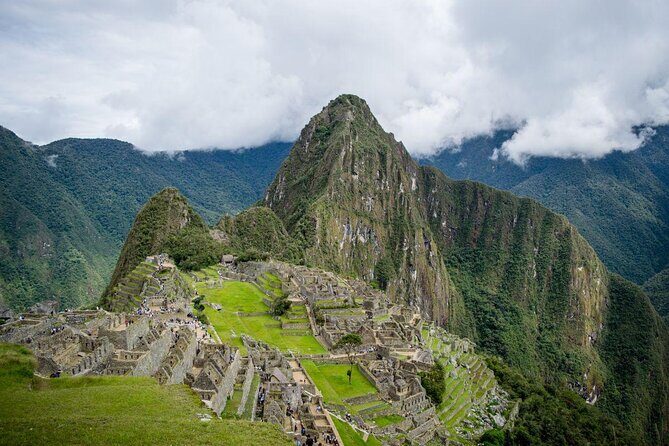
- Machu Picchu sunrise option: you can reach the citadel early enough to watch the sun come up, if timing works.
- Sacred Valley sites plus a train to Aguas Calientes: Pisac and Ollantaytambo come first, then you shift into Machu Picchu logistics.
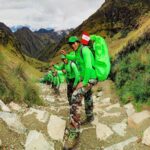
- Inca Trail-style hiking segment: the tour is marketed to include a portion of the Inca Trail experience, so expect walking time.
- Huayna Picchu is possible (up to request): a nearby peak climb is available, with official visitor limits that matter.
- A private tour: only your group rides together and learns together.
- On-the-ground animals and weaving: the Manos De La Comunidad stop adds hands-on cultural learning with alpacas/llamas and even condor viewing.
Sacred Valley to Machu Picchu in 48 hours: what this trip feels like
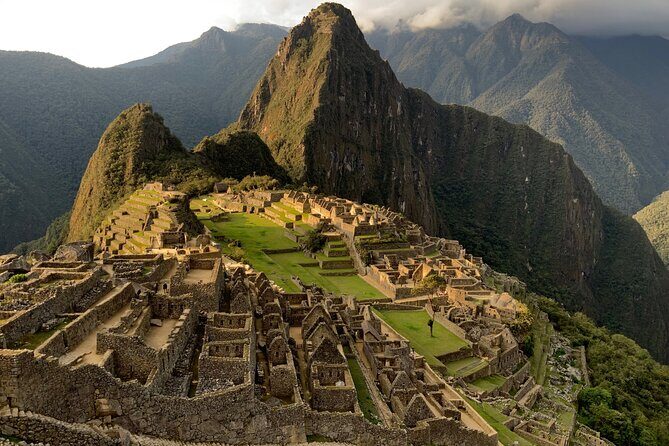
This is the “good use of time” version of Peru. In two days, you cover multiple Inca hubs—Sacred Valley stops, then Aguas Calientes, then Machu Picchu—without you having to personally stitch together every bus, ticket line, and schedule puzzle.
The private format matters more than you might think. It’s not just comfort. When a guide is moving you through the right sequence, you lose less time on confusion and you spend more time understanding what you’re looking at: terraces, stonework, sight lines, and why each place mattered.
Price-wise, $509 per person is not cheap. But a chunk of that cost is doing work for you: private transportation, meals, guided access to Machu Picchu, and key safety support (including an oxygen tank and first aid). The big thing to watch is what’s not included—train tickets are separate, and that can change your total.
You can also read our reviews of more tours and experiences in Cusco


Day 1 in Sacred Valley: Pisac, Ollantaytambo, and the move toward Aguas Calientes
Your day begins with a hotel pickup in Cusco and a drive out toward the northern Sacred Valley area. The schedule is packed, but it’s not random. It’s arranged so you see the Inca story in chunks: learn first, ride next, then explore the main ruin stops before you head to Machu Picchu’s base town.
Llama Experience: a quick, friendly start before the ruins
The first stop is the Llama Experience, where you feed llamas and learn about camelids—part fun, part useful prep for understanding how humans and animals shaped Andean life. You’re not just watching cute animals. You’re also getting a short grounding in the bigger picture of Andean resources and adaptation.
If you’re the type who likes context more than checklists, this is a smart opener. It sets a relaxed tone before the day turns into stone temples and sweeping valley views.
Pisac and the mountain-town feel
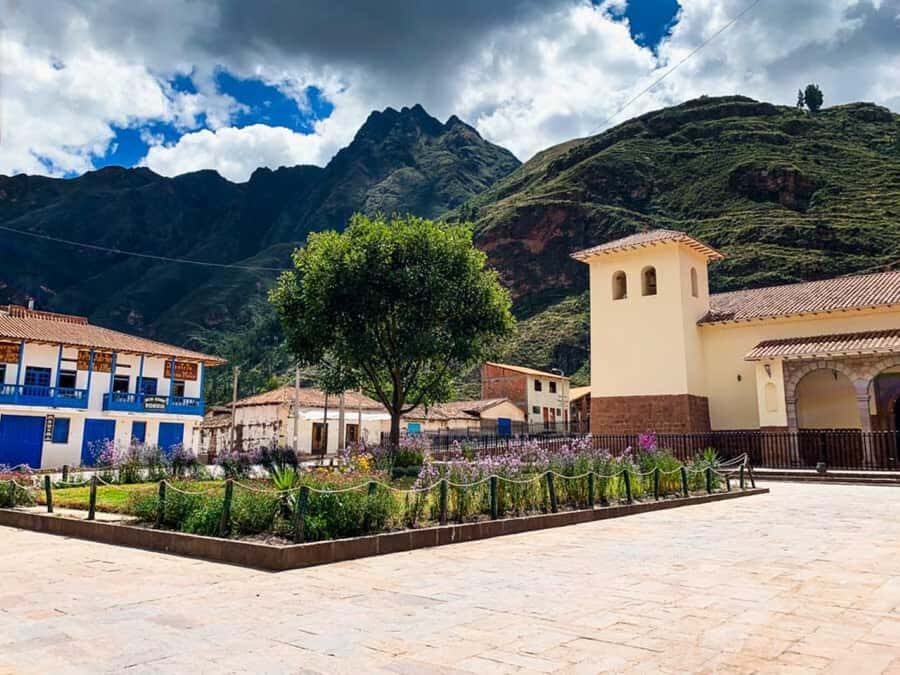
Next up is Pisac, both the Inca site and the town atmosphere. Pisac is important because it mixes ruin and settlement logic. You’re not only seeing architecture; you’re seeing a place that was designed for how people lived, farmed, and moved through steep terrain.
One consideration: the day is already active, so you’ll want to pace yourself. Pisac rewards slow looking—so if you rush through, you’ll miss the way the terraces and pathways guide your eye.
Urubamba river scenery and lunch by the route
The drive follows the Urubamba River corridor. Even if you’ve seen Andean valleys before, this river route is one of the easiest ways to appreciate scale. The trip keeps rolling, and you get a practical lunch at a nearby restaurant—good for keeping energy up before more walking.
You can also read our reviews of more tours and experiences in Cusco

Ollantaytambo archaeology and the town museum stop
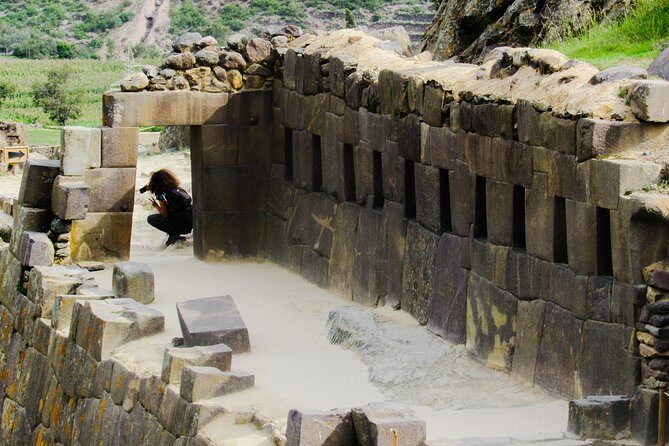
Then comes Ollantaytambo, where the Inca presence is extremely visible. You’ll visit the Archaeological Park Ollantaytambo and see the major Inca temple structures. After that, you step into the Ollantaytambo museum area and explore the original streets.
That museum-and-streets combo is valuable. Ruins can feel like someone else’s past until you connect them to living patterns. Here, you can start thinking about what still exists, what changed, and what it means to have an Inca town layout surviving through modern life.
Train to Machu Picchu Pueblo (Aguas Calientes) and your transfer
After Ollantaytambo, you board the train to Machu Picchu Pueblo (Aguas Calientes) and then get a transfer to your hotel. Expect the vibe shift here: you’re leaving the Sacred Valley’s wider-scene calm and stepping into the hub that feeds Machu Picchu mornings.
Important practical note: train tickets are not included, so budget for that separately when you price your total trip.
Manos De La Comunidad: animals, weaving practice, and animal care

A highlight stop is Manos De La Comunidad, an animal center focused on Andean techniques for weaving and close animal interaction. This is where the tour becomes more than “ruins and photos.”
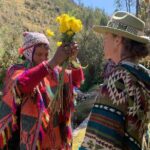
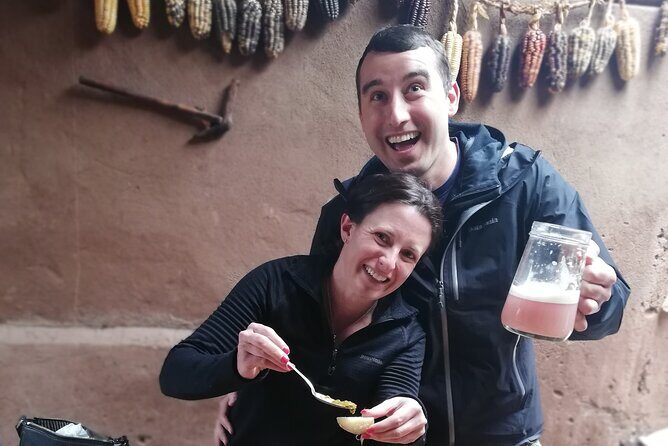
You can pet a llama or alpaca, learn about weaving techniques, and you may even get the chance to see an Andean condor. Even if you’re not a textile person, it’s still a good way to understand how Andean cultures turn natural fibers into clothing and identity.
The value here is that it brings you back from pure sightseeing mode. It also helps break up the intensity of Machu Picchu day. If you like experiences that are hands-on and human-scale, this stop is a strong add.
Getting ready for Machu Picchu Day 2: the 5:00 am start makes sense
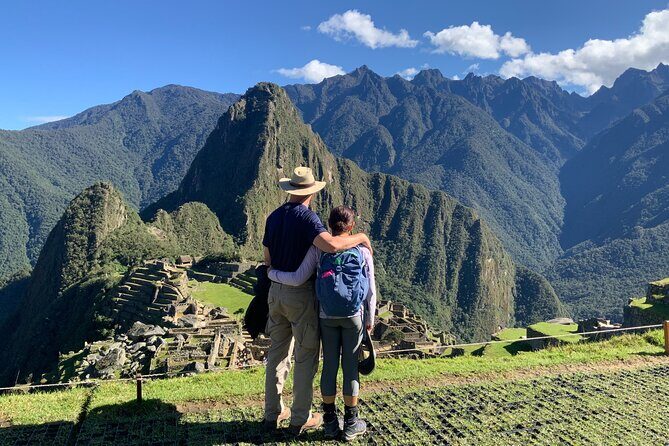
Day 2 begins with an early plan for Machu Picchu. The tour start time is 5:00 am, and that early start is the whole point: Machu Picchu is best when you’re not stuck in later crowds with tired legs and fading light.
Even if you’re not guaranteed sunrise conditions all the way through the citadel, you’re setting yourself up for better visibility and more breathing room. Also, having a guide matters in the dark-to-dawn transition—you’ll know where to go and how to pace the visit.
Machu Picchu at sunrise: bus up, guided citadel tour, and Huayna Picchu as an option

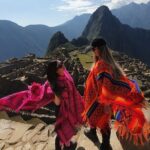
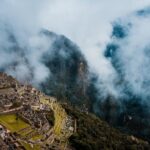
The Machu Picchu morning follows a clear rhythm. You head to the bus station for about a 25-minute drive up to the site. Then you get a guided tour of the citadel, timed so you can reach a good viewing spot. If you go super early, you can catch the sun rise over Machu Picchu.
What you’ll notice during the guided time
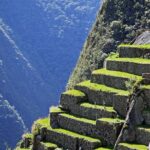
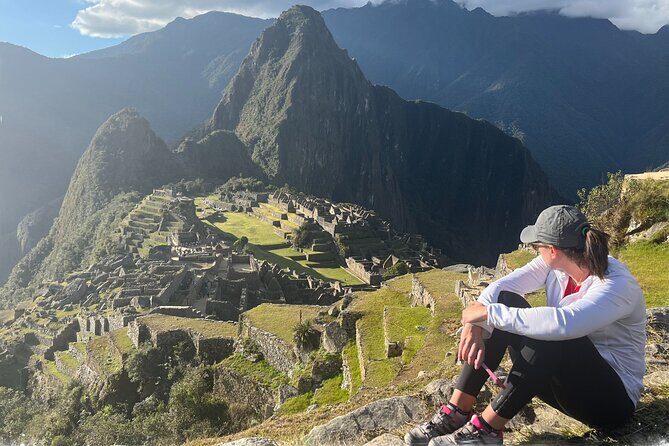
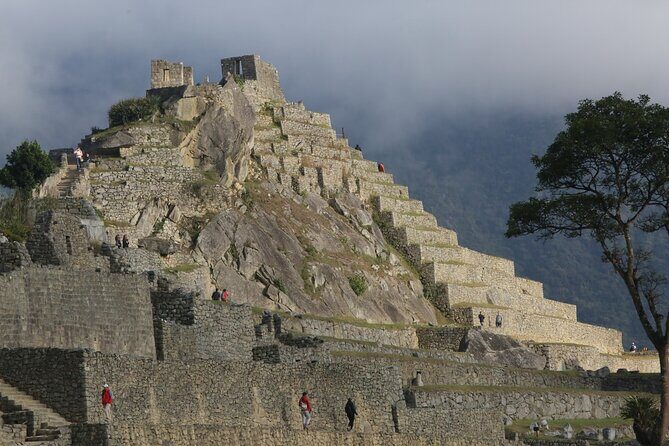
Machu Picchu isn’t just pretty; it’s engineered. The guided part helps you notice how the stonework precision contrasts with the surrounding steep green highlands. You’ll likely see how the Inca engineers used placement, slope, and structure to make the place both functional and dramatic.
The guide’s job here is translating what you’re seeing into something that clicks. When you have the right explanations, the site stops feeling random and starts feeling like a designed system.
Optional Huayna Picchu: the climb, the limits, and the trade-off
The tour also mentions Huayna Picchu (and the Drawbridge area) as optional viewpoints. If you want the challenge, there’s a 55-minute climb up Huayna Picchu. There’s also an official visitor cap—400 per day—and tickets must be purchased in advance.
Here’s the trade-off to be honest about: you’ll spend energy climbing, and you’ll get a payoff in views. If you’re short on stamina, you might prefer to skip it and spend more time absorbing the main citadel on your first pass.
After Machu Picchu: down to Aguas Calientes, then back
After your Machu Picchu visit, you take the bus back down to Aguas Calientes. Then you return to Ollantaytambo (the logistics are arranged as part of the tour plan). The key thing is that you’re not left scrambling. You have a route back lined up after the main sightseeing window.
Meals, hotel night, and the practical comfort details that actually matter
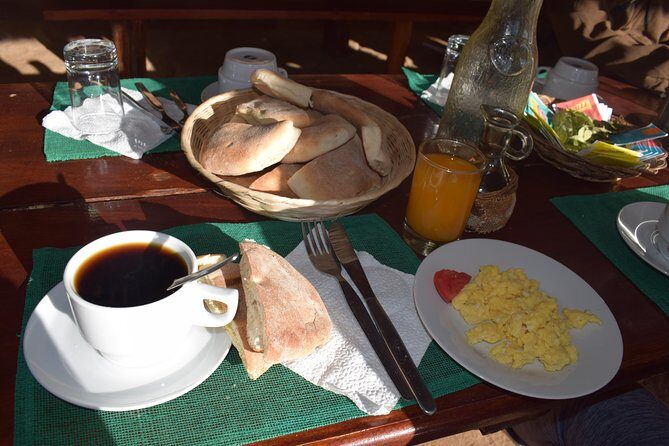
This trip includes breakfast, lunch, and dinner, with lunch on the second day not included. In practice, that means you’re covered for the hardest-to-plan parts of the day: you won’t have to find food while you’re juggling altitude, timing, and transport.
It also helps that the tour is set up as an “experience package,” not an endless series of separate tickets and self-booked meals. One of the best parts of good guided tours is that your day doesn’t turn into a series of small stress decisions.
On the overnight side, the plan includes a transfer to your hotel in Aguas Calientes after Day 1 arrival. In at least one reported experience from people who booked this route, the overnight hotel was described as comfortable and well kept—exact standards can vary, but the fact that you’re not arriving and hunting for lodging yourself is the key comfort win.
Price and value: what $509 includes, what it doesn’t, and how to judge it
At $509 per person, this isn’t a budget add-on. But let’s break down where the value comes from based on what’s included:
Included items to count:
- Private transportation (so you’re not stuck with random shared-group timing)
- Entrance to Machu Picchu and Huayna Picchu up to request
- Round trip bus to Machu Picchu (so you’re not figuring out schedules at altitude)
- Meals: breakfast, lunch, dinner
- 24 hours assistance with oxygen tank and first aid
Not included (and this is where your total can swing):
- Train tickets to/from the Machu Picchu area
- Drinks and personal expenses
- Lunch on the second day
- Tips/gratuities
My take: this price is best if you want a guided, low-friction route with safety support and you’re okay paying for convenience. If you’d rather DIY trains, buses, and guided time slots, you could likely do it cheaper. But you’ll be trading that for more work and more risk of timing problems—especially with an early Machu Picchu start.
Who this tour is best for (and who should consider alternatives)
This is a strong fit if you:
- Have limited time in Peru but want Machu Picchu without building everything yourself
- Like the idea of seeing multiple Sacred Valley anchors (Pisac and Ollantaytambo) before the big day
- Want a private guide for context and pacing
- Are comfortable with early mornings and doing some walking
You might want to think twice if you:
- Struggle with early wake-ups. Starting at 5:00 am is not optional here.
- Know you’ll skip challenging hikes (like Huayna Picchu). You can still do Machu Picchu, but the value equation changes if you don’t use the optional climb.
- Are aiming for the lowest possible price. The inclusions are real; so is the cost.
Should you book the Sacred Valley + Machu Picchu sunrise 2-day journey?
If your goal is a guided, time-efficient Machu Picchu experience with the sunrise option and a smooth Sacred Valley build-up, I think it’s a smart booking. The private setup, meals, and safety support (oxygen and first aid) make it feel designed for busy travelers who still want depth, not just a photo stop.
Before you commit, do two checks:
- Confirm how you’ll handle train tickets in your total budget.
- If Huayna Picchu matters to you, plan ahead because there are official daily limits.
If those pieces fit your schedule and comfort level, this is the kind of trip that lets Machu Picchu earn its reputation—without you doing all the logistics work yourself.
FAQ
What’s the duration of the Sacred Valley and Machu Picchu sunrise journey?
It’s a 2-day experience, starting at 5:00 am.
Where does the tour take place?
The tour runs in Cusco, Peru, with Sacred Valley visits and a Machu Picchu day that includes travel to Machu Picchu from Aguas Calientes.
Is this tour private?
Yes. It’s a private tour/activity, so only your group participates.
What’s included in the price?
The tour includes breakfast, lunch, dinner, private transportation, Machu Picchu & Huayna Picchu entrance up to request, round trip bus to Machu Picchu, and 24 hours assistance with an oxygen tank and first aid.
What is not included?
Not included are train tickets, drinks, personal expenses, lunch on the second day, and gratitudes/tips.
Does the tour include sunrise at Machu Picchu?
The plan is early enough that, if you go super early, you can reach the citadel in time to see the sun rise over Machu Picchu.
Is Huayna Picchu included?
Entrance to Huayna Picchu is up to request. It’s optional, and there are visitor limits for Huayna Picchu, so planning ahead matters.