REVIEW · CUSCO
2 Days Sacred Valley Private Tour and Sunrise in Machu Picchu
Book on Viator →Operated by Agencia de Ecoturismo Eco Peru Tours E.I.R.L · Bookable on Viator
Sunrise at Machu Picchu starts with smart timing. This private Sacred Valley + Machu Picchu plan strings together big ruins, small details, and early entry so you see a lot without feeling like you’re sprinting. Two things I especially like: the guidance from Jesús (clear stories and calm logistics) and the way the itinerary connects sites in efficient order, including your train and overnight. One consideration: it’s still a packed two days, with an early morning for the Machu Picchu bus and a moderate fitness requirement for the walking.
If you’re the type who likes your history with real-world context—markets, farming experiments, and how people lived—this route fits. You’ll also get useful on-the-ground help in Aguas Calientes, since your guide meets you there and explains what to expect for the next day.
In This Review
- Key Highlights You’ll Feel Fast
- Sacred Valley First: Why This Order Works
- Cusco Pick-Up and Taray: A Scenic Warm-Up Before Ruins
- Pisac: Inca Terraces Plus Market Energy
- Maras Salt Mines: A Thousand Small Pools
- Moray’s Circular Terraces: Microclimates Without a Clear Answer
- Ollantaytambo: The Ruins That Lead to Machu Picchu
- Aguas Calientes Overnight: Where the Next Day Starts
- Early Entry to Machu Picchu: Bus Up and Guided Circuit Time
- What the Guide Really Adds at Machu Picchu
- The Train Back Through Ollantaytambo and Onto Cusco
- Price and Value: What $700 Gets You (and What to Double-Check)
- Who This Tour Is Best For
- Should You Book This Sacred Valley and Machu Picchu Sunrise Tour?
- FAQ
- What’s the duration of the tour?
- How much does the private tour cost?
- What’s included for Machu Picchu entry and movement?
- Do I get a hotel night near Machu Picchu?
- How do you travel between Cusco area and Machu Picchu?
- What food is included?
- Where does the tour start and end?
- Is this a private tour?
- What’s the cancellation policy?
Key Highlights You’ll Feel Fast
- Jesús runs the show with pace and patience, including thoughtful route choices for comfort levels.
- Sacred Valley sites in a logical sequence, from Taray viewpoints to Ollantaytambo and onward.
- Maras salt pools and Moray’s microclimates give you the science side of Inca ingenuity.
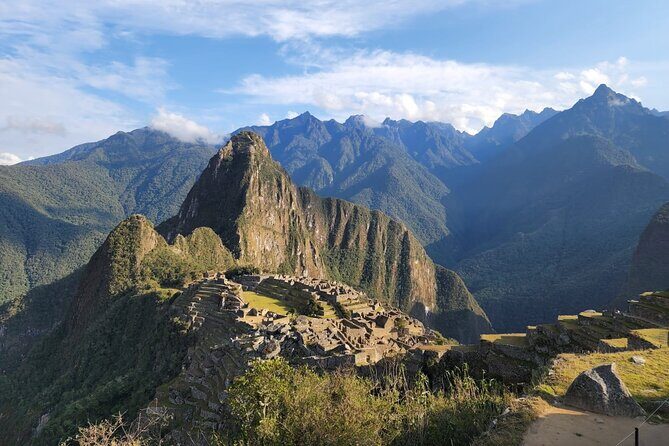
- Machu Picchu with a guided circuit (01 or 02) plus time for photos on the upper platforms.
- Efficient transportation bundle: bus up and down + round-trip train, with hotel included for one night.
- A guide who handles photos and questions, including historical visuals like Hiram Bingham images.
Sacred Valley First: Why This Order Works
The big win here is the flow. You start in the Sacred Valley and build momentum, then you sleep near Machu Picchu and go early the next day. That’s the difference between seeing Machu Picchu “when you can” versus experiencing it while the day is still fresh.
Your route is also designed to mix scale. Taray offers sweeping views and an easy warm-up. Pisac shifts to ruins plus the human side of the Andes, since the market scene can bring crafts, textiles, and regional food into the picture. Then you pivot to specialized places like Maras and Moray, where the story is less about grand palaces and more about how people engineered everyday life.
You can also read our reviews of more private tours in Cusco

Cusco Pick-Up and Taray: A Scenic Warm-Up Before Ruins
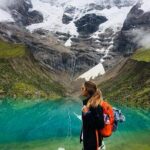
You meet at the Plaza de Armas de Cusco (Del Medio 123, Cusco 08000). From there, the tour heads to Taray, stopping at a viewpoint where your certified guide points out the Sacred Valley’s layout: snowy mountains, the Willcamayu River, and a big panoramic scene for photos.
Taray is short—about 10 minutes—but it serves a clear purpose. It gets you oriented quickly, so the next stops don’t feel like random geography dumps. It also sets expectations: you’re in a high, dramatic valley system where elevation changes matter.
If you’re the type who likes to have something “easy” before a site tour begins, this is a nice start. You’re not yet doing steep movement; you’re learning where everything sits.
Pisac: Inca Terraces Plus Market Energy
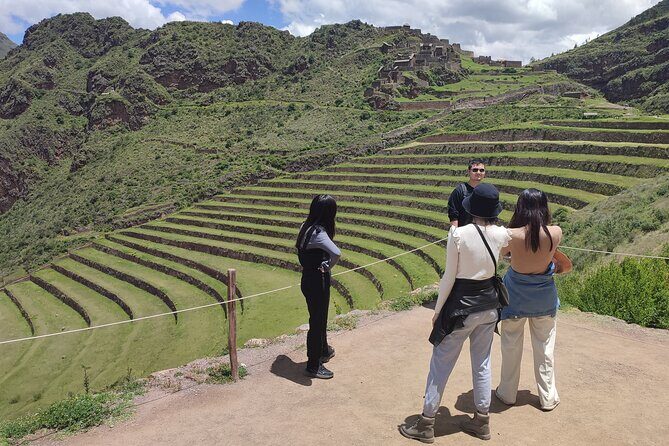
Pisac is one of the most satisfying stops because it has two layers. You get the archaeological side: Inca ruins on a hill with agricultural terraces, residential areas, and ceremonial buildings—often linked to the 15th-century era of Pachacuti. And you get the living side: the market, which (the itinerary notes) takes place every Sunday and draws vendors across the region.
This is a good place to practice a simple travel skill: look at the ruins, then switch to the market and ask what day-to-day life might have looked like. The terraces and settlement pattern tell you food and community were central, not optional.
The time here is about 2 hours, so it’s enough to walk, listen, and still not feel rushed. If you’re visiting on a non-Sunday, you may still enjoy the ruins, but you’ll miss the market rhythm described in the plan.
Maras Salt Mines: A Thousand Small Pools
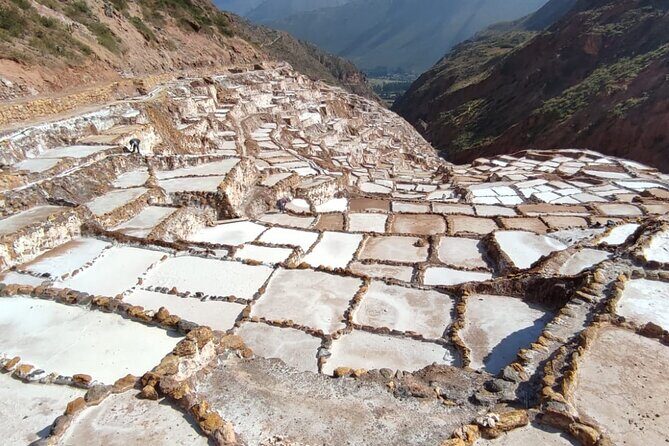
Maras Salt Mines are short on time (about 30 minutes), but they’re unusual. You’re walking in a place shaped by thousands of small salt pools carved into the mountainside, fed by saltwater from a natural spring. Sun evaporation leaves salt crystals, and harvesting is done by hand using traditional methods.
What makes Maras click is that it’s not just scenery. The itinerary highlights that this salt production reaches back before the Inca era and that the methods have stayed largely the same. If you care about continuity—how old knowledge persists—you’ll likely find Maras especially memorable.
You also get a sense of how something small-scale can matter economically. The tour explains the salt’s quality and how it’s used in traditional Peruvian dishes. In other words: this isn’t a museum you look at. It’s a working system.
Moray’s Circular Terraces: Microclimates Without a Clear Answer

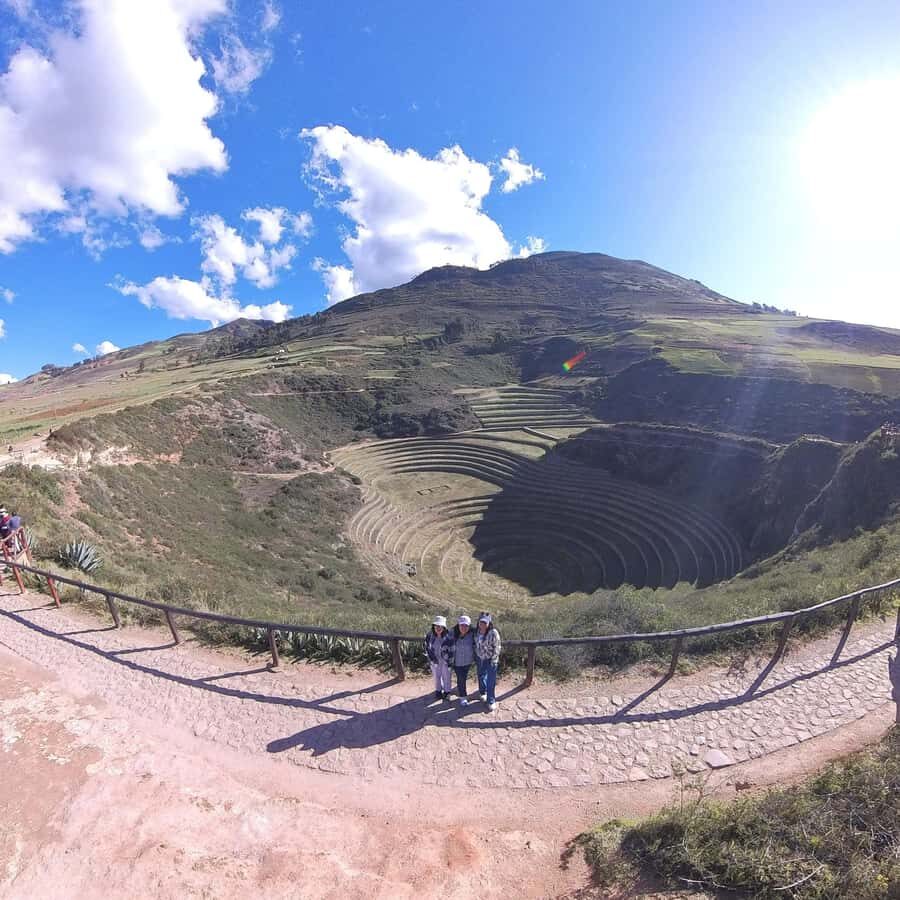
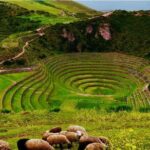
Moray is one of those stops where the “why” is half the fun. You see circular terraces like an amphitheater, with rings that shrink as they descend. The purpose is still unclear, but the explanation offered is that the Incas used the site for agricultural experimentation and research.
Here’s the science hook the guide shares: the terraces create microclimates, with temperature differences of up to 15°C (27°F) between top and bottom levels. That matters because it shows the Incas weren’t only building strong structures—they were testing conditions and studying crop performance.
This stop is about 30 minutes. That’s enough time to take in the geometry and listen, without it dragging. If you hate unclear mysteries in your travel plans, Moray might feel frustrating. But if you like the real puzzle of ancient engineering, it’s a smart pause between bigger sites.
You can also read our reviews of more tours and experiences in Cusco




Ollantaytambo: The Ruins That Lead to Machu Picchu
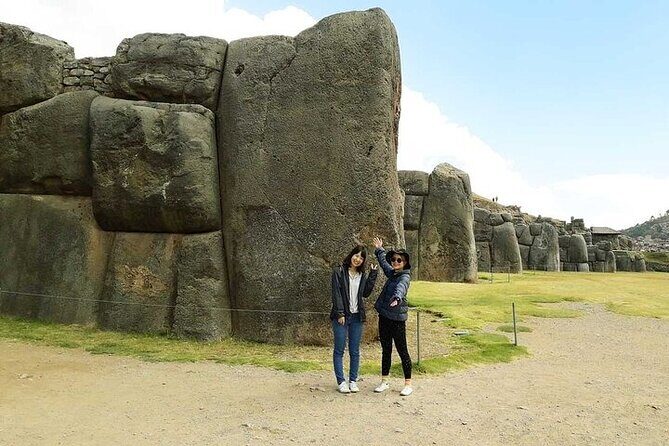
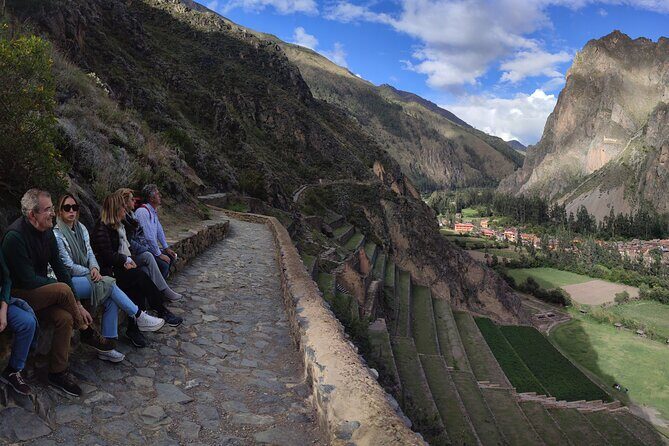
Ollantaytambo is where the Sacred Valley story turns into a Machu Picchu story. The tour describes it as an important administrative and religious center, about 72 kilometers northwest of Cusco. You visit a fortress and temple complex made with massive stone blocks, plus terraces, stone walls, and water channels.
This stop matters for two reasons. First, it’s visually strong—steep terraces and the sheer scale of stone blocks make the engineering feel immediate. Second, it’s a practical gateway. The itinerary notes Ollantaytambo as the starting point for the Inca Trail and as a common route into Machu Picchu.
Expect about 1 hour here. It’s a good amount of time before the next phase of logistics. You’re mentally shifting from exploring the valley to getting ready for Machu Picchu the next morning.
Aguas Calientes Overnight: Where the Next Day Starts
After Ollantaytambo, you arrive in Aguas Calientes. Your certified guide waits at the train arrival station to take you to your hotel and give you next-day essentials: pick-up time, what clothing to wear, and what to bring for the tour.
This is quietly important. Machu Picchu mornings can get confusing fast—buses, entry rules, and timing. Having a guide explain the plan the night before is how you avoid the stress spiral.
Aguas Calientes is also described as a place known for hot springs, and the itinerary frames it as a relaxing way to unwind after a long day. Even if you don’t soak, the town gives you choices: accommodations, restaurants, and souvenir shops.
One more practical point: since your plan includes a train and a bus-based climb to Machu Picchu, your sleep and meal timing the night before can make a real difference. Use your hotel time to get rested, and keep your morning simple.
Early Entry to Machu Picchu: Bus Up and Guided Circuit Time
Day 2 starts with your guide picking you up from the hotel early to board the bus up to Machu Picchu (about 30 minutes to the main entrance). This is part of why the tour is titled sunrise: the schedule is built around seeing the site early, not late in the day when crowds and light can be less friendly for photos.
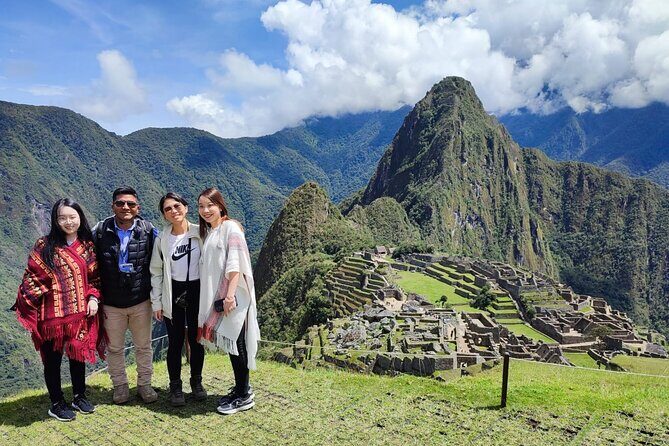
At Machu Picchu, your certified guide stays with you for around 3 hours. You explore the upper platforms for great views and photos, plus you get explanations and time for questions.
The core facts you’ll hear are solid and classic: the citadel was built by the Incas in the 15th century as a royal estate for Pachacuti. There are more than 200 structures—temples, palaces, and residences—built from massive stone blocks without mortar. And the site sits at about 2,430 meters (7,970 feet), surrounded by steep mountain terrain and views over the Urubamba River valley.
What the Guide Really Adds at Machu Picchu
Lots of tours show ruins. The best ones explain how to look. Here, the guide’s role is built into the structure: they lead you through the Machu Picchu Ticket Circuit 01 or 02 (a full visit) and then guide you around the upper areas for photos and clarity.
You’ll also get historical storytelling. The itinerary notes the guide shows pictures taken in 1911 by Hiram Bingham. That’s a smart touch because it ties what you’re seeing today to the moment outsiders started documenting it. It also helps you understand how Machu Picchu entered modern awareness.
One thing I like about this setup is the balance between structure and questions. You aren’t stuck marching silently. The plan specifically includes time for your questions, so if you’re curious about terraces, construction methods, or what areas were for different purposes, you can ask on the spot.
The Train Back Through Ollantaytambo and Onto Cusco
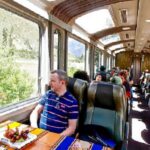
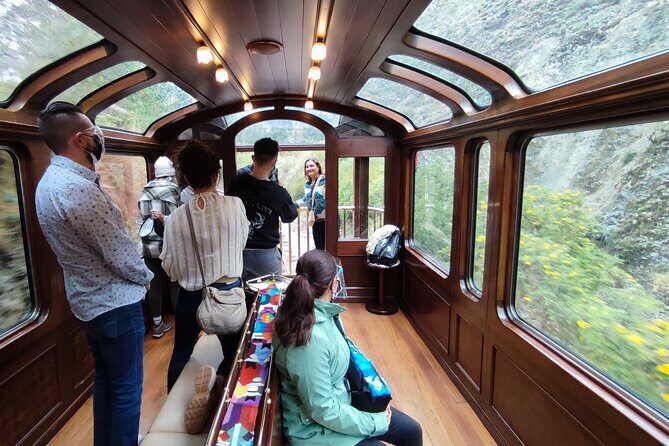
After the Machu Picchu experience, you return by train. The plan then includes a transfer back to Cusco, finishing at the original meeting point. It’s a clean reset: you explore, you see the site, and then you’re not left piecing together multiple legs on your own.
This part is about comfort and avoiding friction. When you’ve already done early entry and walking on-site, the less you have to coordinate, the better. That’s especially true if you’re traveling as a pair or a small family group.
Price and Value: What $700 Gets You (and What to Double-Check)
At $700 per person, this isn’t a budget “hop-on-hop-off” package. But it also isn’t just guiding. The included items listed cover a lot of the expensive moving pieces, including:
- Sacred Valley entrance tickets
- 1 night hotel in Machu Picchu area
- Train ticket Expedition round trip from Ollantaytambo to Machu Picchu
- Transfers back to Cusco from Ollantaytambo
- Up and down ticket to Machu Picchu from Aguas Calientes
- Machu Picchu ticket circuit 01 or 02 (full visit)
- Dinner (2) and breakfast (2)
That combination is what you’re paying for: less uncertainty, fewer tickets to manage, and a tight schedule that connects the valley to Machu Picchu without wasting time. If you were to piece together all of those parts separately, you’d likely spend similar money—sometimes more—plus you’d add more coordination stress.
There’s one thing worth checking carefully: the “Included” list mentions two dinners and two breakfasts, while the “Not Included” notes say meals aren’t included. Before you book, confirm exactly which meals are covered for your dates. That’s the only potential snag I’d want to remove ahead of time.
Who This Tour Is Best For
This private tour model fits best if you want control without chaos. Since it’s private, you’re not stuck in a huge group with one slow member and ten rushed photos. Reviews tied to Jesús highlight that he’s patient, organized, and responds to comfort levels when shaping the day.
It also suits you if you like the mix of hands-on elements. Moray and Maras bring agricultural thinking and production history. Pisac brings ruins plus market life. And Machu Picchu brings guided explanation plus time for your questions.
If you’re chasing a very fast, solo-style itinerary, you might find it structured. But if you want a plan that covers the big Sacred Valley hits and then delivers Machu Picchu early with guided time, this is a strong match.
Should You Book This Sacred Valley and Machu Picchu Sunrise Tour?
I’d book it if you want a private guide-led Sacred Valley route that sets you up for Machu Picchu at first light, with transportation and tickets handled. The big selling points are the smooth connection between days, the guided circuit approach at Machu Picchu, and the guide quality—especially Jesús, who gets praise for organization, patience, and making logistics feel easy.
I’d pause and ask a few questions before booking if you’re highly sensitive to walking time or if you want very specific meals covered. Also confirm whether your date aligns with the Pisac Sunday market description, since the itinerary calls that out specifically.
If you like your Machu Picchu with context—and you want less stress while still having time to look and photograph—you’re exactly the kind of person this tour is built for.
FAQ
What’s the duration of the tour?
The tour runs for 2 days, and the duration is listed as travel time included.
How much does the private tour cost?
The price is listed as $700.00 per person.
What’s included for Machu Picchu entry and movement?
The package includes an up and down ticket to Machu Picchu from Aguas Calientes, and it includes Machu Picchu Ticket Circuit 01 or 02 (full visit).
Do I get a hotel night near Machu Picchu?
Yes. It includes 1 night hotel in Machupicchu.
How do you travel between Cusco area and Machu Picchu?
You use the Expedition train round trip from Ollantaytambo to Machupicchu, and you also have a bus ride up to Machu Picchu from Aguas Calientes.
What food is included?
The included list states Dinner (2) and Breakfast (2). The not included section also states meals are not included, so it’s worth confirming what’s covered for your specific booking.
Where does the tour start and end?
The tour starts at Plaza de Armas de Cusco, and it ends back at the meeting point.
Is this a private tour?
Yes. It’s a private tour/activity, and only your group participates.
What’s the cancellation policy?
Free cancellation is available up to 24 hours in advance for a full refund. If you cancel less than 24 hours before the start time, the amount paid will not be refunded.