REVIEW · CUSCO
Sacred Valley of the Incas – Full Day 2024
Book on Viator →Operated by Inca Town Travel · Bookable on Viator
Incas and alpacas in one day. This Sacred Valley full-day trip strings together real Andean life, major Inca sites, and big viewpoint moments, all with a guide who keeps the meaning clear as you go. I love the hands-on start at an alpaca farm, and I also like how the day mixes time on stone ruins with practical stops that break up the long drive.
Two things I really like: the camelid lesson at Manos de la Comunidad, where you learn the differences among llamas, alpacas, vicuñas, and guanacos, and the way the route pairs stunning valley views with walkable history at Pisac and Ollantaytambo. One consideration: it’s a long day (about 7–11 hours) starting at 7:30 am, and you should expect extra time on uneven ground plus possible entrance charges not included in the base price.
In This Review
- Key highlights worth your attention
- How this Sacred Valley day fits together (and why it works)
- Pickup at 7:30 am and what 7–11 hours means in real life
- Manos de la Comunidad alpaca farm: the camelid lesson that makes everything click
- Mirador Taray: a short viewpoint stop with a strong payoff
- Pisac archaeological site: temples, tombs, terraces, and why the layout matters
- Pisac town and the jewelry workshop: craft, metals, and direct sales
- Urubamba lunch: buffet time that keeps the day moving
- Ollantaytambo: the last living Inca city feel, plus the Machu Picchu link
- Chinchero optional stop: Tupac Inca Yupanqui and weaving with natural dyes
- Price and entrance fees: where the value really comes from
- What to pack so the day feels easy (not exhausting)
- Who this tour suits best (and who should consider a different plan)
- Should you book Sacred Valley of the Incas – Full Day 2024?
- FAQ
- How long is the Sacred Valley of the Incas full-day tour?
- What time does the tour start?
- Is this tour private?
- What’s included in the price?
- Are entrance fees included?
- Which main places does the itinerary include?
- Is Chinchero part of the tour, or optional?
- Is lunch provided, and what is it like?
- What is the cancellation policy?
Key highlights worth your attention
- Camelids, not just photos at Manos de la Comunidad, with a clear explanation of llamas, alpacas, vicuñas, and guanacos
- Mirador Taray for a quick 15-minute viewpoint over the Urubamba River and farm country
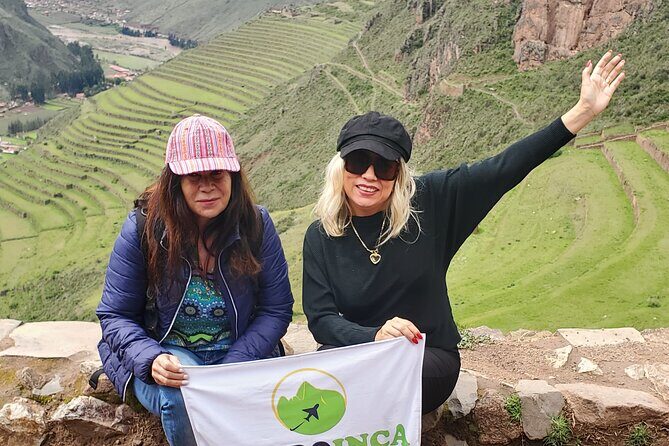
- Pisac’s Inca village layout: temples, houses, tombs behind massive walls, plus terraces you can explore
- Ollantaytambo’s living streets: original Inca streets people still use, plus the citadel that guarded the area
- Chinchero optional add-on for an Inca ceremonial center and weaving with natural dyes
How this Sacred Valley day fits together (and why it works)
This tour is built like a story with stops that actually help the story make sense. You start with Andean animals and everyday farming context, then you move into Inca engineering and settlement patterns. That order matters. After the alpaca lesson, ruins don’t feel like random rocks. They start to feel like places built for real life in the Andes.
You also get enough variety to keep the day from feeling like a nonstop museum. There’s a viewpoint break, a town stop for craft and metals, a full meal in Urubamba, and then a focused block of archaeological time at Pisac and Ollantaytambo. If you’re coming from Cusco and you want one solid day in the Sacred Valley without trying to DIY every turn, this route is a practical way to do it.
The best part is the human side. On this experience, the guide Walter (and the driver Milton, where mentioned) show up again and again in the feedback, with guidance that’s patient and attentive. If you prefer Portuguese explanations, this tour has that covered in at least some cases, which can be a real comfort when you’re tired and the day is long.
You can also read our reviews of more tours and experiences in Cusco



Pickup at 7:30 am and what 7–11 hours means in real life

Starting at 7:30 am, you’ll likely be moving through Cusco-era morning rhythms—early, but manageable if you sleep the night before. The tour length is listed as about 7–11 hours, which is a wide window. That usually reflects driving distance, site pace, and whether you choose the optional Chinchero stop.
This is also a private tour, meaning it’s only your group. That can make the day feel smoother: fewer waiting games, and the guide can adjust how long you spend at viewpoints or photo stops.
The physical requirement is moderate fitness. Translation: expect walking on uneven terrain at archaeological sites and climbing around terrace or village layouts. You don’t need to be an athlete, but you should wear supportive shoes and plan for some steady effort.
Also, it’s worth knowing that lunch is included (buffet-style), and the meal functions like a reset. You’ll feel better for Ollantaytambo if you eat well earlier rather than skipping.
Manos de la Comunidad alpaca farm: the camelid lesson that makes everything click
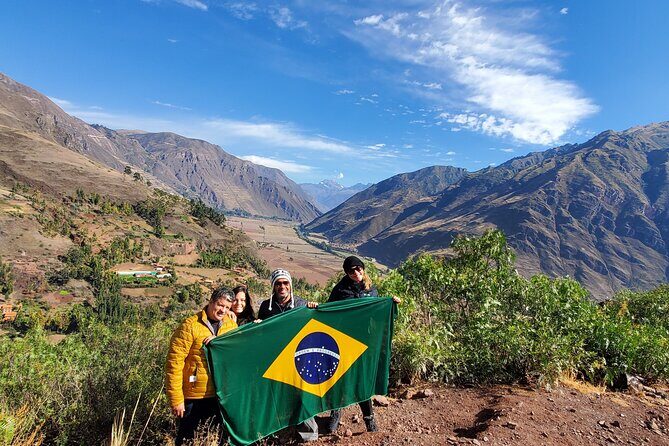
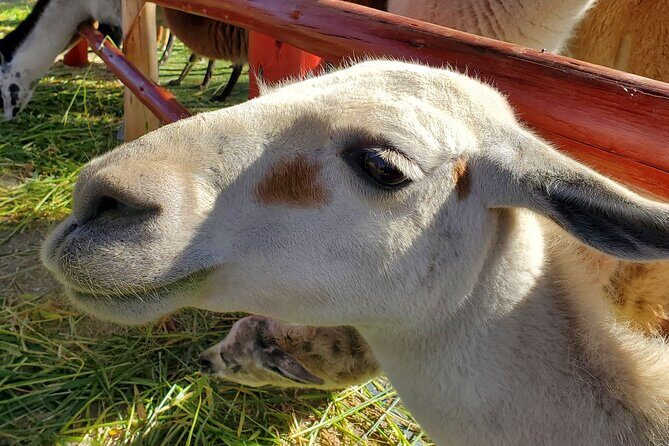
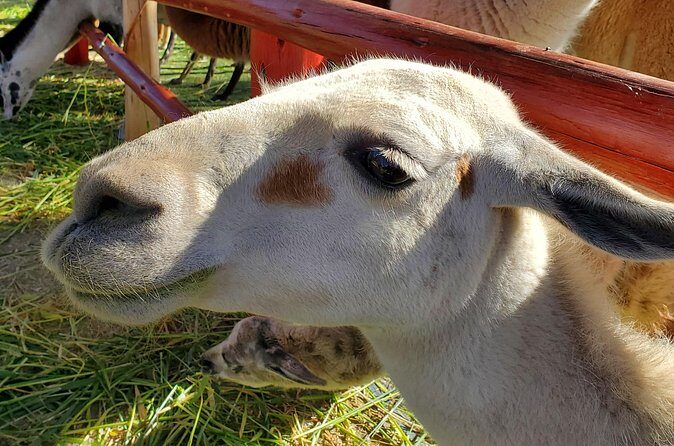
The first stop, Manos de la Comunidad, sets the tone. This isn’t a “look at animals and move on” stop. You learn the differences and habits of the four well-known South American camelids: llamas, alpacas, vicuñas, and guanacos.
What you gain from this, beyond cuteness, is context. These animals mattered in the Andes for fiber, transport, and local livelihoods. A guide can explain how they differ in temperament and use, and you’ll carry that understanding into later moments when you’re walking through Inca agricultural terraces. It’s one thing to see stone fields; it’s another to understand the environment those systems supported.
Timing here is tight but workable: you’re at the farm for about 40 minutes. That’s enough to get the main lesson without turning this into an all-morning detour.
Tip for you: if you’re sensitive to cold mornings, bring a light layer. Early in the day, the Andes can feel sharp before the sun warms up.
Mirador Taray: a short viewpoint stop with a strong payoff
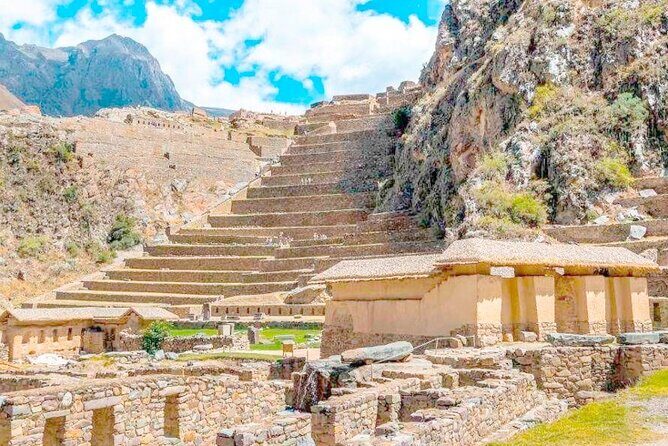
After the farm, you’ll head to Taray, the Mirador Taray observation platform. The time is about 15 minutes, so don’t expect a long break. But this is the kind of stop that helps your brain map the Sacred Valley: you can see the Urubamba River and the farming lands spread across the Andes.
Even a brief viewpoint moment is useful on a day like this. When you later visit Pisac or Ollantaytambo, you’ll be able to “place” what you’re seeing in the wider terrain. That makes the ruins feel less abstract.
Drawback? If you’re the type who likes long scenic pauses, 15 minutes may feel short. Still, for most people trying to cover multiple sites in one day, it’s a smart time balance.
Pisac archaeological site: temples, tombs, terraces, and why the layout matters
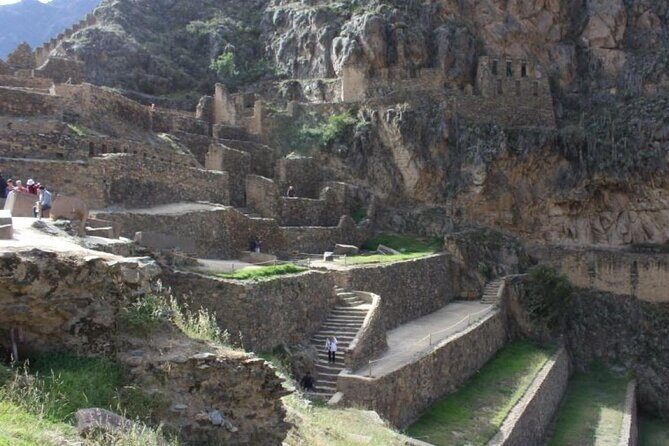
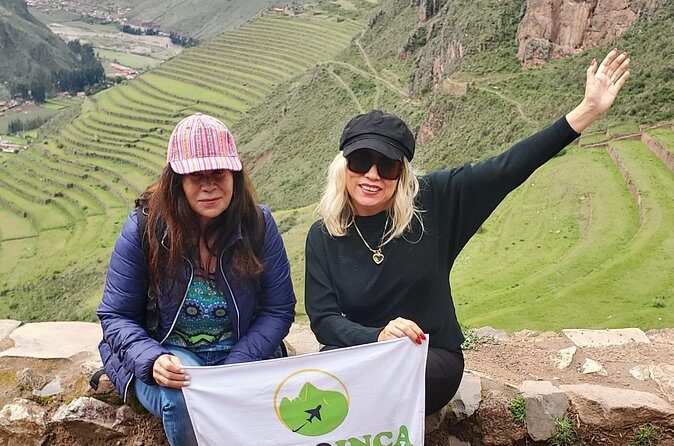
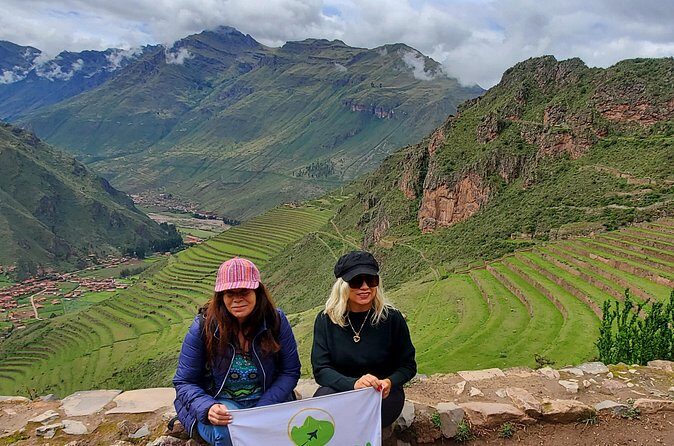
Pisac is one of the main anchors of the day, with about 1 hour on site. It’s an Inca village built on a mountain, and the features are memorable because they reflect how Inca communities organized space.
Here’s what you’re looking at:
- Temples and houses arranged within the village layout
- Hundreds of tombs enclosed by gigantic walls
- Agricultural areas, including terraces you can explore
That mix is important. Many Inca sites give you a single “wow” moment. Pisac gives you layers: ritual space, living space, and burial space all tied together by the way the stonework follows the slope of the mountain.
In a group tour format, you get just enough time to walk key sections and feel the scale. You won’t be doing an archaeology seminar, but you will leave with a stronger sense of how an Inca settlement worked in the Sacred Valley.
Practical note: because it’s built into a hillside, expect uneven surfaces. Go slowly, especially if altitude is making you breathe a little faster.






Pisac town and the jewelry workshop: craft, metals, and direct sales
After the archaeological time, you’ll drive into Pisac town for Pisacvillague (about 40 minutes). This is a stop focused on jewelry and artisan production. The idea here is to learn about different metals used in jewelry and how manufacturers make and sell their goods directly to visitors.
For you, this can be a nice mid-day switch from stone ruins to human hands-on craft. If you like seeing how items are made, you’ll probably enjoy the explanation and the time to browse.
The potential downside is that it can be easy to treat this like shopping time only. I suggest you treat it like a mini cultural stop: ask what materials are used and why, then enjoy the show rather than hunting for deals.
If your goal is strictly archaeology, you may feel this section is less “mission-critical.” Still, it’s part of the flow and helps break up the pace between Pisac and Urubamba.
Urubamba lunch: buffet time that keeps the day moving
You’ll reach Urubamba for lunch, with about 1 hour. Lunch is included and is buffet-style, with several options and ingredients sourced from the area.
This is more than a break. In the Andes, food timing matters. A good lunch helps you maintain energy for Ollantaytambo later, which is one of the most active walking blocks of the day.
Because it’s a buffet, you can usually make your meal match your appetite. Eat what feels easiest for your stomach, and don’t overthink it—your main job is to refuel and keep moving.
Ollantaytambo: the last living Inca city feel, plus the Machu Picchu link
After lunch, you’ll go to Ollantaytambo for about 1 hour. This town is known as the Last Living Inca City, and that phrase is more than marketing. The town still has its original Inca streets, and locals still use them.
The citadel is the other big focus. You’ll have a chance to see the Inca citadel built to defend the Inca people from potential attackers. Even with limited time, you’ll feel why this place mattered: it’s positioned and built for control, not comfort.
There’s also a practical, logistics-level connection. Ollantaytambo serves as a gateway to Machu Picchu, and from there you can travel to Aguas Calientes by train.
That makes this stop valuable even if your main destination is Machu Picchu next. You’ll learn the geography and timing logic that later affects your route.
Good to know: one hour here moves quickly. Wear shoes you trust on stones, and keep your camera ready—this is one of those places where you’ll want photos from multiple angles.
Chinchero optional stop: Tupac Inca Yupanqui and weaving with natural dyes
The final stop, Chinchero, is optional, and it adds time—about 1 hour 20 minutes. If you want one more Inca-centered experience after Ollantaytambo, this is the add-on.
Chinchero is described as a royal estate and ceremonial center during the Inca Empire. It’s associated with Tupac Inca Yupanqui, the 10th Inca king, said to have favored the place.
On site, you explore an Inca Palace, learn about local weaving techniques, and how natural dyes are used. This is where you get a more hands-on cultural side—fiber knowledge, materials, and craft logic.
Who should pick it? If you enjoy weaving, textile culture, or want more Inca ceremony context, Chinchero makes the day feel more complete. If you’re already tired from walking and driving, you can skip it and still have a full, satisfying itinerary.
Price and entrance fees: where the value really comes from
The tour price is $150.00 per person, and it includes private transportation, lunch, and a tour guide. For a Sacred Valley day that covers multiple sites, that bundled structure is usually the biggest value: you’re paying for time saved and for someone to translate what you’re seeing into something meaningful.
One catch: entrance fees are not included. The information lists S/ 70 each (about $20.00). At the same time, the stop list shows admission tickets as free for several sections. What that means in practice is simple: some components may not charge a ticket, but you should still budget for entrance fees at sites where charges apply. Bring cash or be ready to pay the required amount on the day.
Bottom line: If you’re traveling with limited time and want a smooth, guided route, this price can be fair—especially because you’re not just riding; you’re learning with a guide and sitting down for lunch.
What to pack so the day feels easy (not exhausting)
Because this is a full day starting early, I’d plan like you’re combining sightseeing with light hiking.
Bring:
- Comfortable walking shoes for uneven, stone terrain
- A light layer for the morning cold
- Sun protection (hat/sunglasses/sunscreen) since you’ll be outdoors
- Water for the gaps between stops
Also, because entrance fees may apply, keep some small cash available.
If Portuguese explanation matters to you, pay attention to the guide you’re paired with. In the feedback, Walter is specifically mentioned for Portuguese guidance, and that can make the day feel less stressful when you’re trying to understand details.
Who this tour suits best (and who should consider a different plan)
This tour is a great fit if you want:
- A one-day Sacred Valley plan with multiple major stops
- A guided route that turns ruins into understandable story
- A mix of culture, views, and practical breaks (like lunch)
It’s especially worth it if you prefer not to handle logistics yourself between Cusco and the major sites. And since it’s private, it’s a good option for families or couples who want a calmer schedule.
If you hate long drives or you want maximum time at only one site, you might feel the day is paced too tightly. But the overall structure is built to give you many key moments without letting any one stop swallow the whole day.
Should you book Sacred Valley of the Incas – Full Day 2024?
I’d book it if you want a well-paced, guided overview of the Sacred Valley in one day, with enough variety to keep you interested from the alpaca farm through Ollantaytambo. The strongest reason is the combination of clear guiding, practical stops (including lunch), and iconic Inca sites that you can actually walk through.
I’d think twice if you’re trying to minimize walking or you know you won’t enjoy a day that starts early and includes optional add-ons. Also, budget for the entrance fee not included in the base price.
If Walter is your guide and Portuguese works for you, that’s a big plus for understanding details without losing the thread.
FAQ
How long is the Sacred Valley of the Incas full-day tour?
It runs approximately 7 to 11 hours, depending on pacing and whether you include optional stops.
What time does the tour start?
The start time is 7:30 am.
Is this tour private?
Yes. It’s a private tour/activity, so only your group participates.
What’s included in the price?
The price includes private transportation, lunch, and a tour guide.
Are entrance fees included?
No. Entrance is listed as S/ 70 each (about $20.00 per person) and is not included in the tour price.
Which main places does the itinerary include?
The route includes Manos de la Comunidad (alpaca farm), Mirador Taray, Pisac Archaeological Site, Pisac town/Pisacvillague (jewelry stop), Urubamba (lunch area), Ollantaytambo, and an optional Chinchero stop.
Is Chinchero part of the tour, or optional?
Chinchero is optional and adds about 1 hour 20 minutes.
Is lunch provided, and what is it like?
Yes. Lunch is included in Urubamba and is described as a buffet-style meal with several options and fresh ingredients from the area.
What is the cancellation policy?
The experience is non-refundable and cannot be changed for any reason. If you cancel or amend, the amount paid is not refunded.