REVIEW · CUSCO
Open-top bus in the city of Cusco, 3-hour tour with panoramic views
Book on GetYourGuide →Operated by Bus Panoramico Cusco · Bookable on GetYourGuide
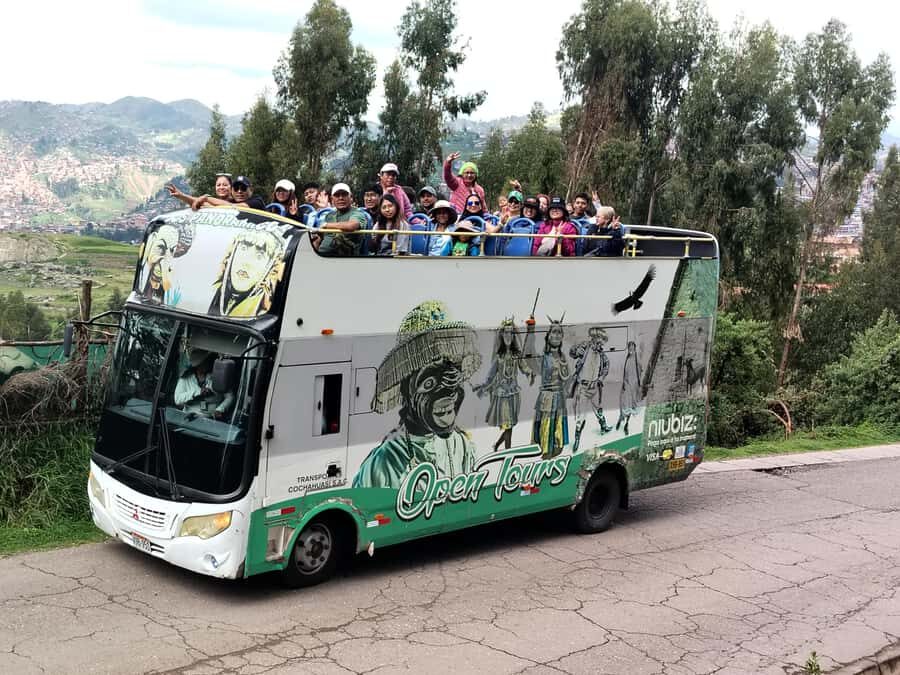
Cusco’s best angles come with stories attached. This open-top panoramic bus tour strings together viewpoints and cultural stops so you get context, not just photos. It’s a smart way to see a lot of Cusco in one half-day without burning energy walking uphill.
I especially like two parts: first, the alpaca and llama experience, where you learn the differences and can take photos with the animals (plus see how alpaca fiber becomes textiles). Second, you’ll witness the Payment to the Earth ritual led by an Andean sage, with translation support so you can follow what’s being said in Quechua.
One watch-out: getting to the meeting module can be confusing if your start point isn’t clearly identified. If you’re unsure, double-check the exact address/area and use the provided coordinates, then arrive a bit early.
In This Review
- Key highlights to look forward to
- An open-top panoramic bus that keeps your energy (and photos) in check
- Cristo Blanco: the viewpoint stop you can actually enjoy
- The ritual at Llaullikasa: Payment to the Earth with translation support
- Alpacas, llamas, and textiles: the learning portion that lasts
- Watching Cusco’s archaeology without constant walking
- Llaullikasa details: ceramics, stone models, and snacks decision time
- Price and value: why $12 can work for the right traveler
- Who should book this tour, and who should skip it
- Practical tips to make the day smoother
- Should you book the open-top Cusco panoramic tour with Llaullikasa?
- FAQ
- How long is the Cusco panoramic bus tour?
- Where does the tour take place?
- How much does it cost?
- What is included in the price?
- Are archaeological sites visited on foot?
- What happens at Llaullikasa?
- Is the guide available in English and Spanish?
- Do I need to pay for snacks or empanadas?
- Where is the meeting point?
- What should I bring, and what’s not allowed?
Key highlights to look forward to
- Cristo Blanco viewpoint: a dedicated stop with about 10 minutes of panoramic viewing time.
- Inka ritual, translated: the Payment to the Earth, guided in Quechua with English and Spanish interpretation.
- Llamas vs alpacas: practical, hands-on learning you can use on your next alpaca encounter.
- Alpaca-fiber textile knowledge: you’ll learn how traditional Inca textiles are made from alpaca wool.
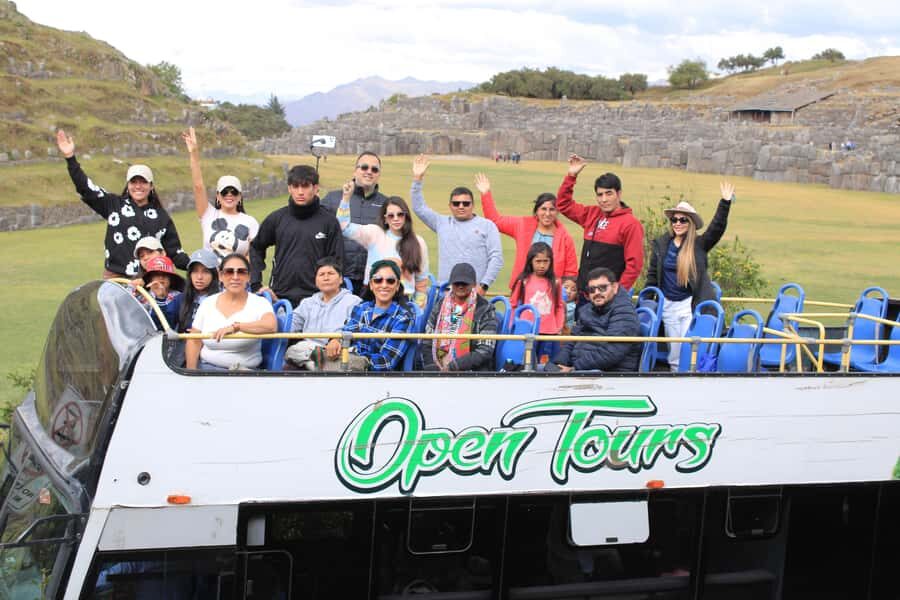
- Archaeology from the bus: key sites like Sacsayhuamán, Pucapucara, and Qenqo are seen from the road.
An open-top panoramic bus that keeps your energy (and photos) in check
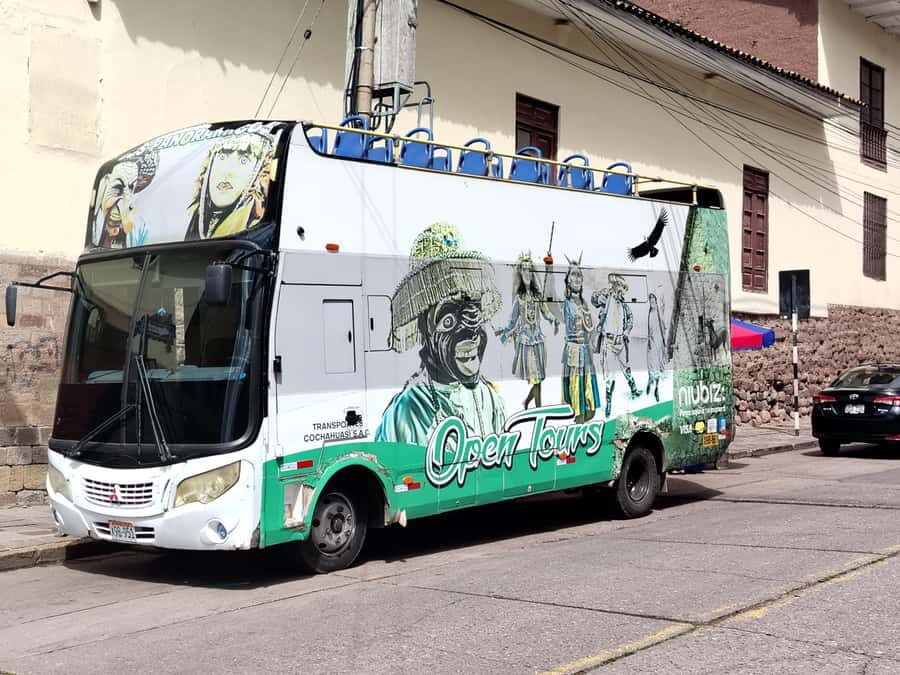
Cusco can be a little chaotic on foot—steep streets, sudden turns, and crowds near the Plaza de Armas. This tour solves a big problem fast: it gives you a rolling “big picture” view while still plugging you into what you’re looking at. The open-top format is great for photos and quick orientation, and the route is built for sightseeing rather than getting you lost.
The other big win is that you don’t have to constantly get on and off the bus. You’ll see major archaeological highlights from the bus along the way, then concentrate your walking and attention at the cultural center stop. For a 3-hour tour, that balance feels efficient in a good way.
Just remember you’re in Cusco, not a climate-controlled museum. Bring sunscreen and plan for sun and wind while you’re up top. Comfortable shoes matter too, because you’ll want to move around when you arrive at the Llaullikasa cultural center.
You can also read our reviews of more city tours in Cusco
Cristo Blanco: the viewpoint stop you can actually enjoy
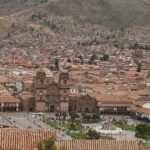
The tour’s end highlight is the Mirador del Cristo Blanco, with about 10 minutes to take in the view. Ten minutes doesn’t sound like much until you realize it’s designed for your attention span. You get a real panorama time window without feeling like the tour is dragging.
Why this stop works: it helps you connect Cusco’s layout—hills, valleys, and the way streets run—with what you’ve been hearing about on the tour. If your first day in town feels like information overload, this “reset” viewpoint gives your brain a chance to reorganize.
Practical tip: have your camera ready during the approach so you’re not fumbling when the bus pulls in. The best views usually happen while everyone is still quiet enough to look up.
The ritual at Llaullikasa: Payment to the Earth with translation support
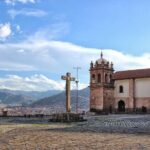
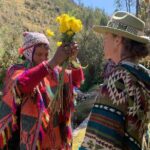
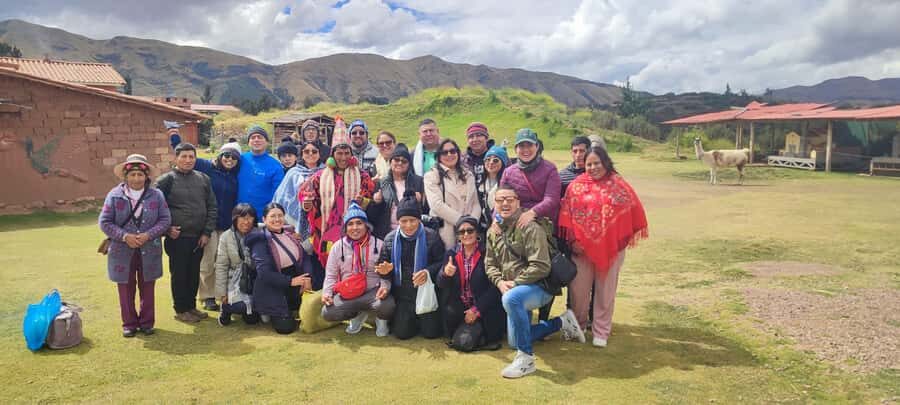
The cultural center stop is where the tour shifts from sightseeing to meaning. At Llaullikasa, you’ll witness an ancient Inka ritual called the Payment to the Earth. It’s led by an Andean sage and performed in Quechua.
What makes this more valuable than a quick show is that your guide translates it into Spanish and English. That translation matters because ritual language and symbolism can otherwise be easy to miss. Even if you’re not familiar with Andean worldviews, you’ll get the basic thread: respect for nature, reciprocity, and the idea that the environment isn’t just scenery—it’s part of everyday life.
One detail that stood out in a written account: the ritual experience can include coca leaf. If that’s part of what you witness on your date, treat it as an important cue of what’s being offered and why. You’ll get enough explanation to understand what you’re seeing, without needing a degree in anthropology.
A quick note on tone: this isn’t framed as a tourist performance. It’s presented as a living practice, and the guide’s job is to help you understand it without turning it into spectacle.
Alpacas, llamas, and textiles: the learning portion that lasts
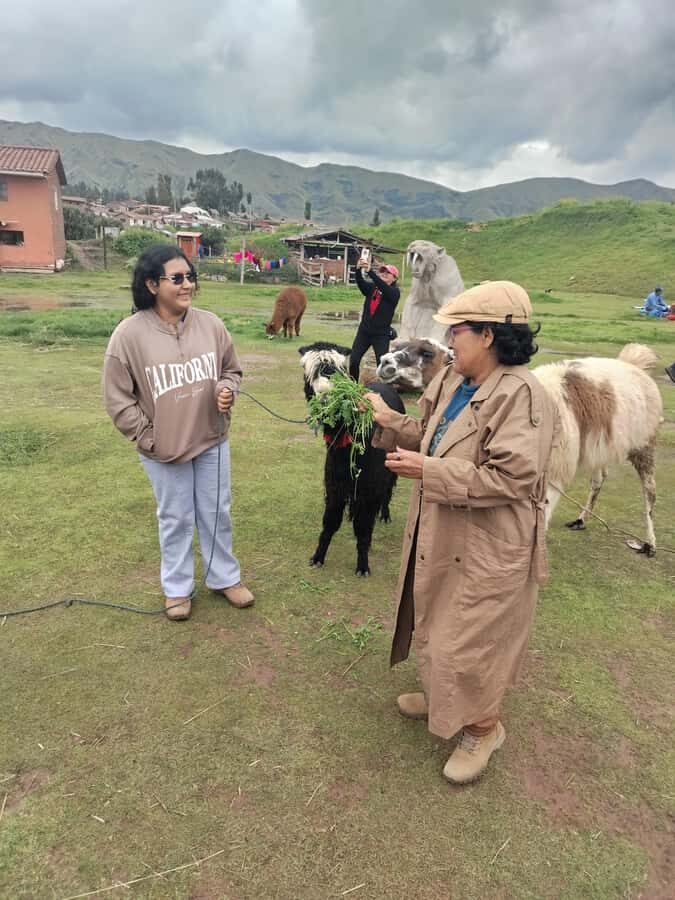
If you like taking home knowledge you can use, this is the stop. You’ll learn the difference between llamas and alpacas, and you’ll also get time for photos with them. That sounds simple, but in practice it helps you spot the right animals later—especially if you’re comparing farms, markets, and shops across Peru.
The tour also focuses heavily on alpaca textiles—how alpaca fiber becomes woven fabrics, and why the craft still matters today. You’re not just being told textiles are important. You’re shown the pathway: from fiber to finished product, with a cultural context for why the art survived and still has demand.
There’s also a shop element where you can browse handmade crafts made from these animal wools. This is where you can make purchases thoughtfully. If you care about what you’re buying, ask questions about materials and what’s made from alpaca fiber. Learning the process before you shop gives you better judgment at the checkout.
Watching Cusco’s archaeology without constant walking
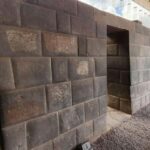
On the bus, you’ll make strategic stops where you can observe major archaeological centers such as Sacsayhuamán, Pucapucara, and Qenqo. The key detail is that you can comfortably watch from the bus, without having to get off for each site.
This is a real plus for a first-timer. Cusco’s archaeological areas can mean steep paths and long detours on a day when you’re also adjusting to altitude. Here, you get the visuals and context with less physical stress.
Still, it’s worth keeping expectations realistic: you’re not doing a deep hike at each stop. You’re getting the big sightlines and the orientation. If you want detailed exploration of any one site, you can plan a separate visit later. This tour is best as the “connect the dots” version.
You can also read our reviews of more tours and experiences in Cusco

Llaullikasa details: ceramics, stone models, and snacks decision time
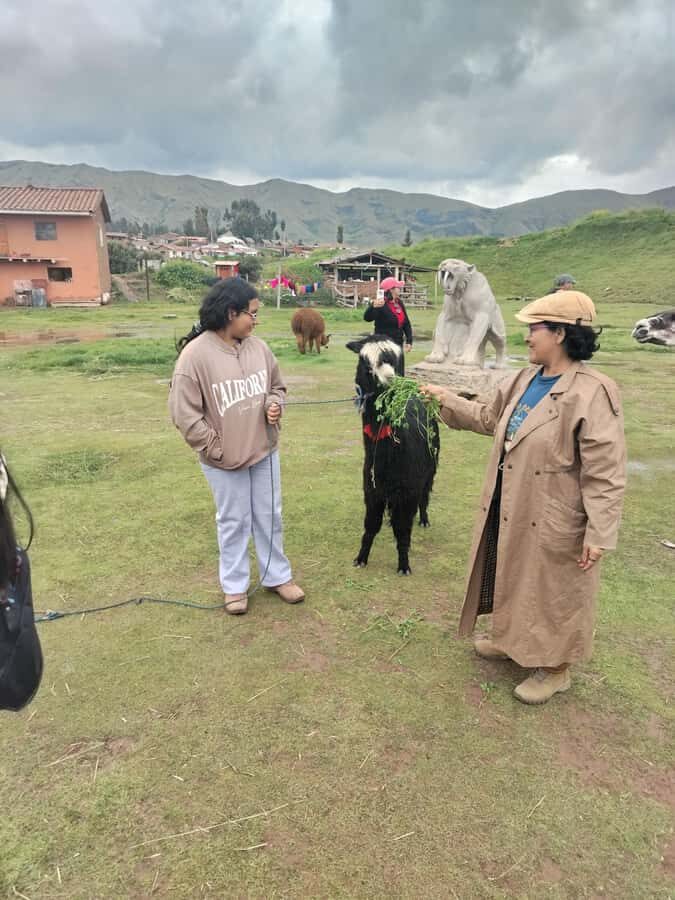
Inside the center, you’ll see more than the ritual and textiles. The tour includes prehistoric Pleistocene animal sculptures and stone models of Cusco icons like Sacsayhuamán and the Cathedral of Cusco. These are useful in a strange way: they help you understand scale and idea-making. You start seeing Cusco not only as a place with famous ruins, but as a layered timeline.
There’s also mention of trying Andean snacks such as empanadas baked in a colonial oven. One important clarification for your planning: snacks and empanadas are not included as part of the tour price. So if you have a snack budget, decide before you go rather than assuming food is covered.
If you want an easy win, come with a light meal or plan to bring cash for the center’s food options. That way you’re not suddenly negotiating hunger while you’re trying to watch the ritual or listen to textile explanations.
Price and value: why $12 can work for the right traveler
At $12 per person for about 3 hours, this tour is priced in the “best value” zone for Cusco. The main reason it feels fair: you’re paying for an open-top bus ride, a professional guide in English and Spanish, and an included entrance to the center where the ritual and alpaca textile activities happen.
A lot of budget tours in Cusco get you transportation only. This one adds interpretation and access to the cultural center experience. In other words, you’re not just buying a bus ticket for a scenic loop—you’re buying guided understanding.
Where the value depends on you: if you’re already planning to spend a long day at multiple archaeological sites on foot, you might choose a different day. But as a “half-day foundation” tour—especially if it’s your first visit—this price-to-time ratio is strong.
Who should book this tour, and who should skip it
This tour fits best if you want:
- an easy first overview of Cusco’s key sites,
- a guided cultural stop (not just photo stops),
- a hands-on learning session with alpacas/llamas and textiles,
- and a comfortable pace that avoids repeated climbing.
It may not be for you if you need a very accessible route. The tour is not suitable for people with epilepsy, and it’s also marked as not suitable for visually impaired or hearing-impaired travelers. Also note that it’s an open bus experience, so high-visibility needs and comfort with vehicle movement matter.
If you hate crowds, try to go in the time window where you can avoid the busiest busier hours around key pickup areas. And if you’re sensitive to sun, plan for it—open-top rides in Cusco can feel intense.
Practical tips to make the day smoother
A few small things can make a big difference.
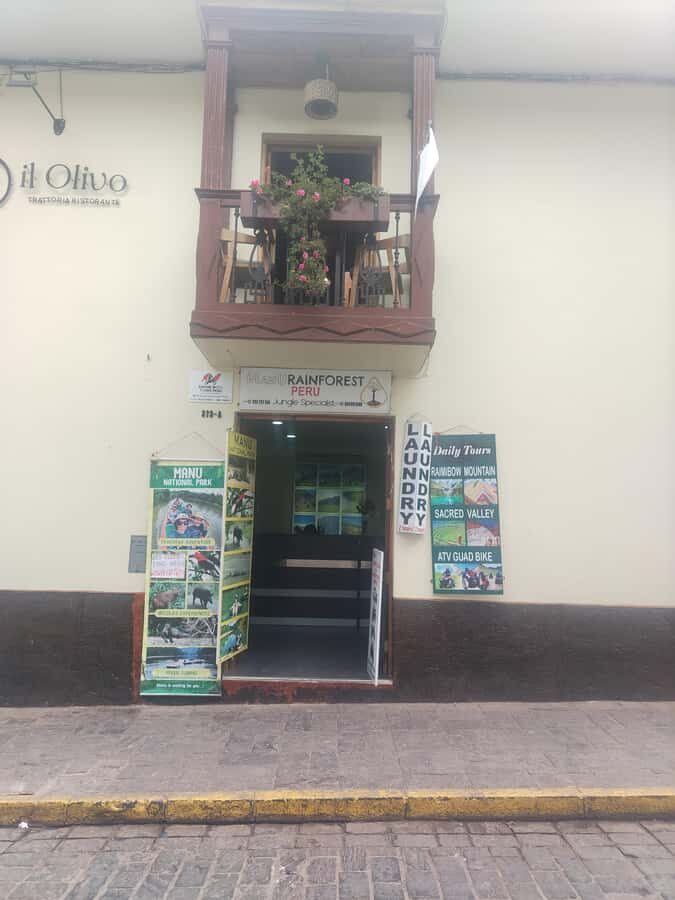
- Find the meeting module early. The meeting point is an indoor module at the provided address area (coordinates: -13.5154293, -71.9807116). If you’re early, you’ll have time to confirm you’re at the right entrance.
- Bring a camera and charged smartphone. You’ll likely want photos of the alpacas and the Cristo Blanco panorama.
- Pack sunscreen. The tour includes an open-top segment plus time outdoors at viewpoints. Use biodegradable sunscreen if that’s a concern for your habits.
- Wear comfortable shoes. Even though much is observed from the bus, you’ll still be moving at stops.
- Bring cash and a credit card. The center has shop options and snack chances, and the tour data lists both payment types as useful.
- Avoid restricted items and behavior. Don’t bring weapons or sharp objects. Smoking and making fire are not allowed.
Also, bring your full name as required. And if you’re on any personal medication, keep it accessible.
Should you book the open-top Cusco panoramic tour with Llaullikasa?
I’d book this tour if you want a first-day-style Cusco experience that balances viewpoints with cultural context. The combination of Cristo Blanco panorama time, bus-based sightseeing of major sites, and the included Payment to the Earth plus alpaca/llama learning and textile process makes it a strong value for the money.
Skip it if you already have your heart set on long archaeological walks, or if you need an itinerary that’s better suited to your specific accessibility requirements. And if meeting points can throw you off, plan extra time at the start so you don’t waste your morning chasing a module entrance.
If you want a half-day that teaches you what you’re seeing, this one is a dependable pick.
FAQ
How long is the Cusco panoramic bus tour?
The tour lasts 3 hours.
Where does the tour take place?
It’s in the Cusco Region, Peru, with the tour ending near the Plaza de Armas area.
How much does it cost?
The price listed is $12 per person.
What is included in the price?
Included are open bus transportation, a professional English/Spanish guide, and entrance to the demonstration center for activities like the Payment to the Earth and the alpaca wool process.
Are archaeological sites visited on foot?
You’ll observe places like Sacsayhuamán, Pucapucara, and Qenqo from the bus without needing to get off for each site. The main off-bus experience is at the demonstration center.
What happens at Llaullikasa?
At Llaullikasa, you’ll witness an Inka ritual called the Payment to the Earth and learn about traditional Inca textiles and alpaca-fiber work. You’ll also learn the difference between llamas and alpacas and can take photos with them.
Is the guide available in English and Spanish?
Yes. The live tour guide is English and Spanish.
Do I need to pay for snacks or empanadas?
Snacks and empanadas at the center called Llaullikasa are listed as not included.
Where is the meeting point?
It’s an indoor module at the address indicated, with coordinates -13.5154293, -71.9807116.
What should I bring, and what’s not allowed?
Bring items like comfortable shoes, a camera, sunscreen, cash/credit card, and a charged smartphone. Not allowed includes weapons or sharp objects, and smoking (including smoking indoors and in the vehicle).