REVIEW · CUSCO
Sacred Valley & Salt Flats Tour (A Journey to the Heart of the Incas)
Book on Viator →Operated by Naturea Peru · Bookable on Viator
Waking up early for the Sacred Valley can sound like a chore. Still, this day tour makes it feel manageable by grouping the best Inka-era stops around one smooth route, with a bilingual guide who ties it all together. I especially liked the sequence of sites (Chinchero → Moray → Maras → Ollantaytambo → Pisac) and the huge buffet lunch that actually gives you a proper break. The main drawback is that the early start means you should sleep well the night before, and you’ll also want to budget for separate entrance fees.
What makes the trip work is the balance: you get big archaeological moments plus cultural stops, without turning the day into nonstop sprinting. The walking is described as low to moderate, but you’ll still move between viewpoints and ruins, so comfortable shoes matter. Also, the salt terraces require an extra entry fee paid in cash, so come prepared.
In This Review
- Key highlights
- 6:30 a.m. Cusco start: how the day tour really feels
- Chinchero market and traditional textiles: culture you can touch
- Moray’s circular terraces: an agricultural puzzle in plain sight
- Salineras de Maras salt terraces: stunning views with a cash fee
- Urubamba lunch buffet: the mid-day reset that makes the long day work
- Ollantaytambo: monumental ruins that feel made for your camera
- Pisac viewpoints and agricultural terraces: the best way to end strong
- Guide quality and small-group size: why the learning feels personal
- Transportation, bathrooms, and pacing: the practical parts that prevent fatigue
- Value for $49: what you get, and what costs extra
- Who should book this Sacred Valley and Maras salt terraces tour?
- Should you book Sacred Valley and Maras with Naturea Peru?
- FAQ
- How long is the Sacred Valley & Salt Flats tour?
- What’s included in the $49 price?
- What admission fees are not included?
- Where do you meet and what time does it start?
- Is there a lot of walking or a high fitness level required?
- How large is the group?
- What languages does the guide speak?
- What is the cancellation policy?
Key highlights
- Bilingual guide support (English & Spanish) with story-led explanations that help the sites click
- Chinchero market and textile traditions that show Inka culture in everyday form
- Moray’s circular terraces, a fascinating agricultural layout you can picture as a working system
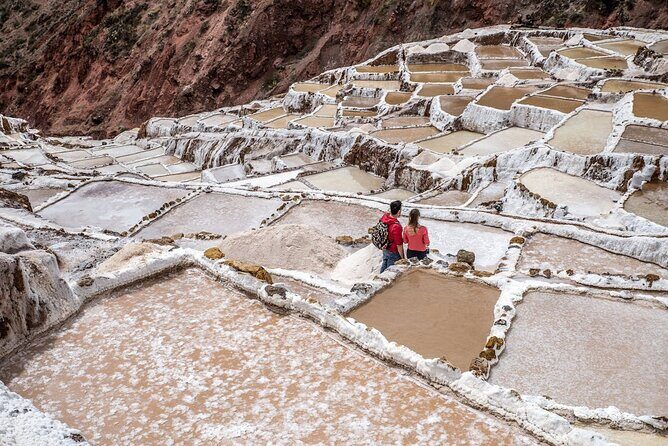
- Salineras de Maras salt terraces, with a small cash entry fee to plan for in advance
- Urubamba buffet lunch, large portions and lots of variety for a full reset mid-day
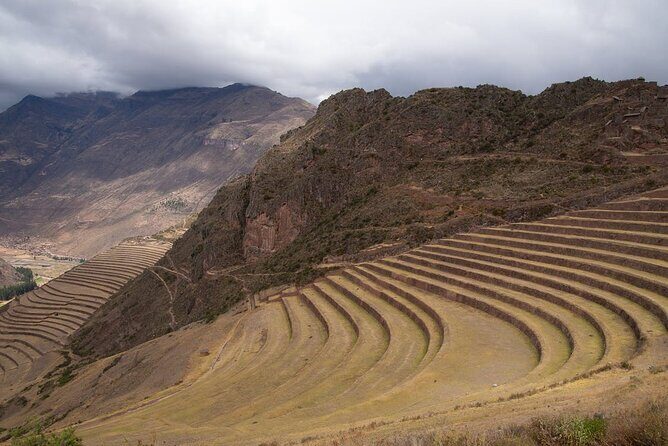
- Ollantaytambo and Pisac ruins, built-in viewpoints that make the long ride worth it
6:30 a.m. Cusco start: how the day tour really feels
You meet near Plaza de Armas in Cusco at 6:30 a.m. The tour is designed as a full-day loop, ending back near the same central area in the late afternoon or evening. Expect to spend roughly 14 hours total (with about 12 hours at the main sights), which is why the early departure is key: it buys you time before crowds and before the day gets hot.
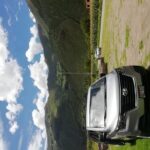
The group size stays small, with a maximum of 16 travelers, so you’re not lost in a giant bus shuffle. You’ll ride in transportation that stays with the tour for the archaeological centers, which helps a lot in the Sacred Valley where distances add up fast. You also get a water bottle, which is handy on highland days.
Practical tip: if you’re prone to mornings, grab breakfast near your hotel before pickup. You’ll thank yourself later when the day is still rolling but your energy is already high.
You can also read our reviews of more tours and experiences in Cusco.


Chinchero market and traditional textiles: culture you can touch
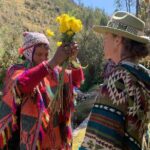
The day kicks off with Chinchero, a place known for its market and traditional textiles. This is one of the stops where the tour goes beyond stone and gives you a living look at how people keep cultural skills going today. You don’t need to be an expert to appreciate it; the guide’s explanations help you see what you’re looking at.
What I like about starting here is the pacing. Before the bigger archaeological sites, Chinchero gives you context: you’re reminded that Inka influence isn’t only ruins—it’s also craft, trade, and daily life. If you enjoy shopping for honest souvenirs (things that aren’t mass-produced everywhere), this stop tends to be the right moment.
A consideration: markets can be busy and you may want to move at your own pace. The tour rhythm is guided, but you’ll still have some time to look around and take photos.
Moray’s circular terraces: an agricultural puzzle in plain sight
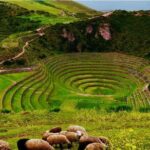
Next comes Moray, famous for its circular terraces. Even if you’ve seen terrace farming before, Moray has a different feel because the design looks like an idea you could study. The tour explains it as an agricultural complex, and once you understand the layout, it’s easier to imagine how people used the space.
This stop is also where the tour’s story style really matters. When a guide points out what the circles might have been used for, you stop treating it like a photo op and start treating it like a system. That’s a big part of the tour’s value for first-time Sacred Valley visitors.
You’ll likely do a modest amount of walking at each stop, and Moray is no exception. It’s not described as intense, but comfortable shoes and a light layer help.
Salineras de Maras salt terraces: stunning views with a cash fee
Then you reach Salineras de Maras, the salt terraces that look otherworldly—rows and channels shaped into a hillside. The scenery here is a big reason this tour gets booked again and again, but the practical part is just as important: there’s an entry fee for the salt area.
One detail to plan around: there’s a 20 soles per person entry fee you need to pay in cash. Overall entrance fees for the day are listed as approximately $23 USD, and that figure can vary depending on the sites included and how admissions are handled. Bottom line: don’t count on cards or a last-minute ATM working smoothly.
Good news: the tour route is organized, and you can find free bathrooms along the way. That reduces stress on a long day.
Urubamba lunch buffet: the mid-day reset that makes the long day work

After Moray and Maras, the tour stops for lunch in Urubamba. This is a buffet of Peruvian cuisine, and it’s one of the most consistently praised parts of the day. The meals are described as large and varied, which matters because the tour is long and you’ll want real fuel, not a quick snack.
If you’ve ever done early tours where lunch turns into a disappointment, this is a strong fix. The buffet format also gives you options if you don’t want to eat everything suggested by your tablemates. You get a breather before the last archaeological stretch.
Small advice: go easy on the heaviest items if you tend to get sleepy after lunch. You’ll still have more sights ahead, including viewpoints that benefit from steady energy.




Ollantaytambo: monumental ruins that feel made for your camera

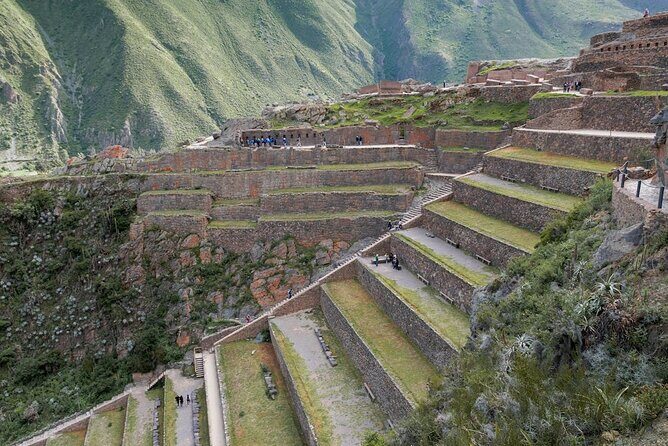
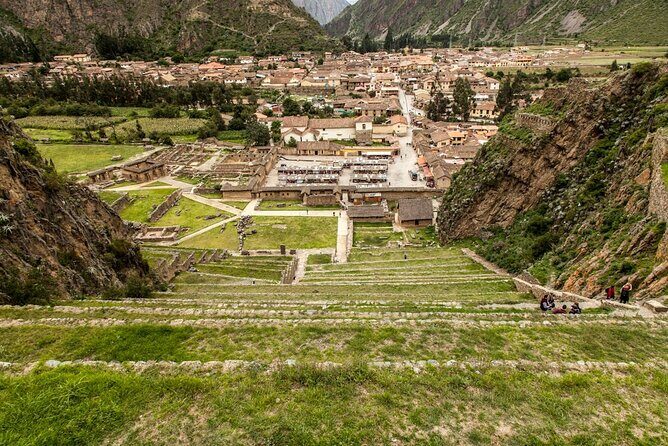
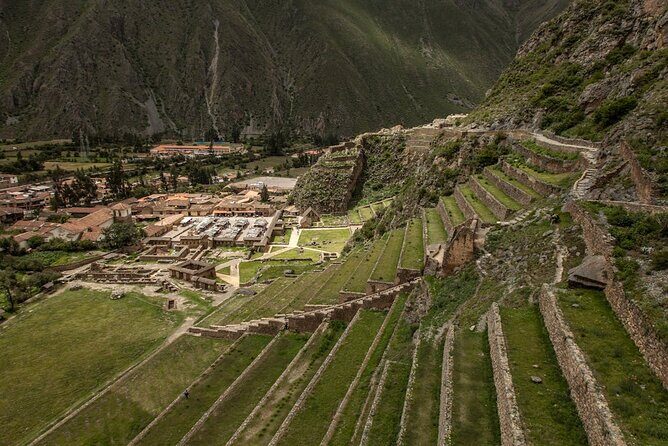
After lunch, you visit Ollantaytambo, described as a monumental archaeological site. This is where the day shifts back into larger history and stronger “wow” factor. Ollantaytambo has a presence that’s hard to capture from a distance; once you’re inside and moving around, it’s easier to see why it was so important.
This is also where a strong guide helps the most. The storytelling approach—explaining what you’re seeing and why it mattered—turns ruins into a timeline instead of scattered stones. In the examples from past tours, guides like JC and William stood out for being friendly, open to questions, and clear about the history and purpose of each location.
Walking here is still described as low-moderate overall, but you should expect some uneven footing and stair steps. Take your time and you’ll be fine.
Pisac viewpoints and agricultural terraces: the best way to end strong
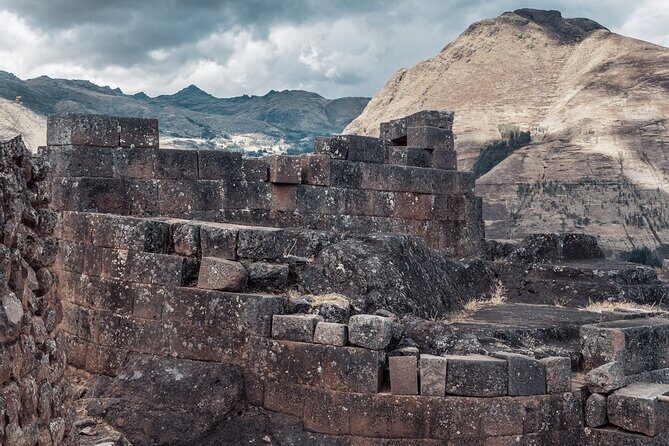
The final big stop is Pisac, famous for its viewpoint and agricultural terraces. Ending with Pisac is smart because the place works as both an archaeological stop and a scenic payoff. You can look out and connect what you’re seeing to how people lived in the valley—terraces, paths, and land shaped for farming.
This is also a good place to slow down. The tour ends later back in Cusco, so you don’t want the last stop to feel rushed. If your guide gives you a short timeframe, I’d still encourage you to take a moment at a viewpoint even if you’re tempted to rush for photos. The return ride feels much shorter when you’ve already gotten your best angles.
Guide quality and small-group size: why the learning feels personal
This tour runs with a certified bilingual guide in English & Spanish. That matters because the Sacred Valley can be complicated, and you’ll get more out of the day when you can follow the explanations clearly. The guide also tends to handle questions well, with a relaxed style rather than lecturing.
Two guide names show up in standout moments: JC and William. People praised them for making the day fun while also answering questions and giving a story for each place. That’s not just “nice to have.” When you understand how the Inka used geography and built systems like terraces, the sites make far more sense.
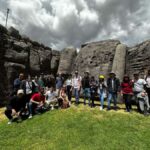
With a maximum of 16 travelers, you usually get a better rhythm than on huge group buses. It’s easier to hear the guide, and you’re more likely to have small moments to catch up if you want to linger at a viewpoint.
Transportation, bathrooms, and pacing: the practical parts that prevent fatigue
The tour includes transportation throughout the visit to the archaeological centers. That’s a big value add because between stops you’re dealing with valley roads and altitude-related timing. You don’t want to waste precious morning energy figuring out local transit or negotiating rides.
The pacing is also built for realism. The walking is described as a small amount overall, with low-moderate fitness required. That still means you should expect some stairs, uneven ground, and uneven surfaces near ruins.
The route includes free bathrooms along the way, which is rare comfort for a full-day tour. Still, it’s smart to treat bathrooms as a bonus, not a guarantee every time. Plan to drink water and move when you can.
Value for $49: what you get, and what costs extra
At $49 per person, this tour is one of those deals that works because it bundles the expensive parts: a bilingual guide, transportation, and lunch. For a full day around major sites, the price makes more sense when you consider that you’d likely pay separately for entry tickets, guide time, and multiple rides.
Here’s the cost reality check:
- Included: guide, transportation to the sites, buffet lunch, and a water bottle
- Not included: admission tickets, listed at around $23 USD (plus the salt terraces entry fee noted as 20 soles cash)
So you should think of the $49 as the “day package” and then carry extra cash for entrances. That’s why I suggest planning for an extra budget rather than just assuming it’s all covered.
Also remember: the tour requires good weather. If conditions are poor, you’ll be offered a different date or a full refund. In the Sacred Valley, weather can be unpredictable, so you’ll feel better if your schedule has some flexibility.
Who should book this Sacred Valley and Maras salt terraces tour?
You’ll probably love this tour if:
- It’s your first time in the Sacred Valley and you want the high-impact sites in one day
- You like guided storytelling that helps you understand what you’re seeing
- You want a real lunch stop, not a hurried snack
- You prefer a small group over a giant coach
You might want to think twice if:
- You hate early starts (it begins around 6:30 a.m.)
- You don’t want to pay cash for the Maras salt entry fee
- You need long breaks with minimal walking
Overall, the setup fits best for people who enjoy “see and learn” travel—getting a clear sense of Inka places, rather than only chasing photos.
Should you book Sacred Valley and Maras with Naturea Peru?
If you want one well-run day that covers the big Sacred Valley highlights with a guide who explains things clearly, I’d book it. The strongest points are practical: transportation that keeps the day flowing, a serious buffet lunch, and stops that mix cultural context with major ruins.
Just go in prepared. Bring cash for the salt terraces entry, wear shoes you trust on uneven ground, and plan for a long day with an early start. If you do those three things, this tour is a solid way to experience the heart of the Inka world without the stress of logistics.
FAQ
How long is the Sacred Valley & Salt Flats tour?
The tour runs about 14 hours total, with 12 hours noted for the main sightseeing portion.
What’s included in the $49 price?
It includes a certified bilingual guide (English & Spanish), transportation to the archaeological centers, a Peruvian cuisine lunch buffet, and a water bottle.
What admission fees are not included?
Admission tickets are not included and are approximately $23 USD. The salt terraces have an additional 20 soles per person entry fee that you need to pay in cash.
Where do you meet and what time does it start?
You meet at Plaza de Armas in Cusco. The tour starts at 6:30 a.m. and ends back at Plaza de Armas or near it.
Is there a lot of walking or a high fitness level required?
There is a small amount of walking and it’s described as low-moderate fitness. You should still wear comfortable shoes for uneven ground and stairs.
How large is the group?
The tour has a maximum group size of 16 travelers.
What languages does the guide speak?
The guide is bilingual, offering English & Spanish.
What is the cancellation policy?
You can cancel for a full refund as long as you cancel at least 24 hours before the tour start time. The experience may also be rescheduled or refunded if it’s canceled due to poor weather or if a minimum number of travelers is not met.