REVIEW · CUSCO
Maras and Moray Biking Tour from Cusco
Book on Viator →Operated by Conde Travel · Bookable on Viator
Moray and Maras on a bike feels like cheating time. In one full day you pedal through the Sacred Valley, stop at the terrace experiments of Moray, then ride down to the Maras Salt Mines for a totally different kind of Inca story. It’s a practical way to see big sights without spending the day stuck on a bus.
I especially like two things: the ride is set up for real mountain biking on rural roads and trails, and your day includes lunch plus the core gear (bike, helmet, gloves). You also get hotel pickup and drop-off, so the “how do we get there” headache stays low.
One thing to consider: this is a moderate ride at high altitude, with steep parts where you might walk your bike, plus some technical downhill sections. If you’re brand new to MTB or hate heights and effort, you’ll feel it.
In This Review
- Key Highlights You’ll Actually Feel
- From Cusco to the Sacred Valley by Bike: Why This Day Works
- 8:30 Pickup, Private Transport, and the Real Flow of Your Day
- Cruz Pata to Moray: The Ride That Sets the Tone
- Moray Terraces: What You’re Seeing and How to Enjoy It
- Maras for Lunch: A Village Stop That Breaks Up the Effort
- Salineras (Maras Salt Mines) Ride: The Last Big Visual Payoff
- Difficulty, Elevation, and Skills: What Moderate Really Means Here
- Bikes, Gear, and Guide Style: The Stuff That Makes or Breaks the Day
- Price and Value: Is $160 Fair for This One-Day Ride?
- Practical Packing for High Andes Cycling (Bring This, Skip That)
- Should You Book This Conde Travel Maras and Moray Biking Tour?
- FAQ
- What time does the tour start?
- How long is the tour?
- Do I get hotel pickup and drop-off?
- Is lunch included?
- What biking gear is provided?
- What kind of fitness level do I need?
- Are Moray and Maras entrance tickets included?
- Are there entrance fees for other sites?
- How many people are in the group?
- What should I bring?
- How does cancellation work?
Key Highlights You’ll Actually Feel
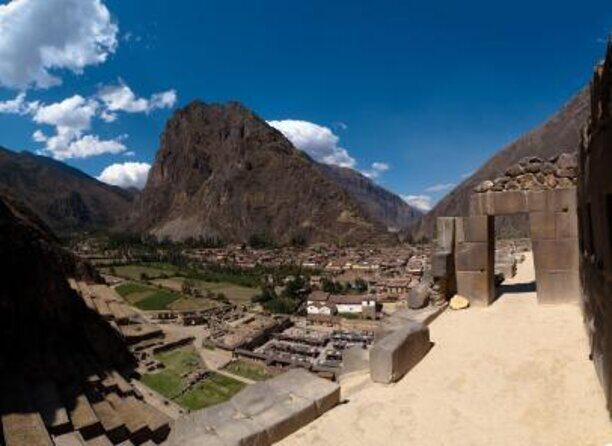
- Moray’s circular terraces: an Inca agricultural research site that looks like a grass amphitheater
- A working Salt Mines ride: Salineras shows how saltwater evaporated in terraced pools
- Small groups (max 12): easier pace and more attention from the guide
- Bike + helmet + gloves included: you show up, they sort you out
- No-vehicle rural routing: the ride sticks to dirt roads and trails rather than traffic
From Cusco to the Sacred Valley by Bike: Why This Day Works
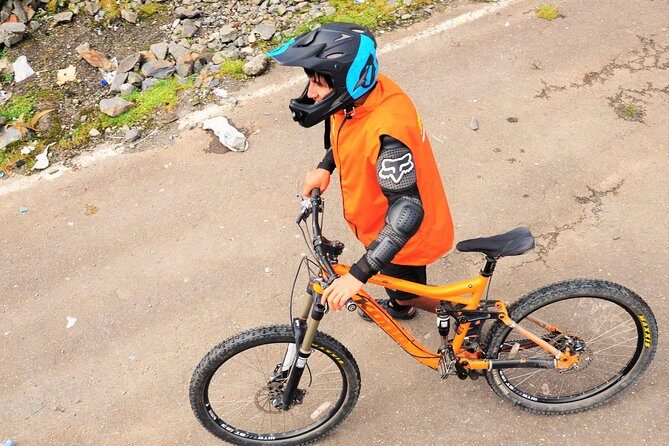
This is the kind of tour that makes sense if you want maximum scenery per hour. You start in the Cusco orbit, then spend the day moving along the Sacred Valley instead of just looking at it from the inside of a van.
Moray and Maras Salt Mines also give you a rare two-for-one. Moray is all about experimentation—Incas testing crops at different altitude conditions. Maras (the salt) is about a working process—people harvest salt using terraced pools carved for the sun and evaporation. Seeing both in one ride helps the places click together.
And yes, the biking is the point. You’re not only ticking off sites—you’re getting dust on your shoes and views in your lungs as you go up, crest, and then drop toward the next stop.
You can also read our reviews of more cycling tours in Cusco
8:30 Pickup, Private Transport, and the Real Flow of Your Day
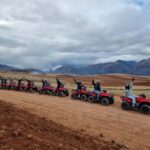
The day starts at 8:30. You’ll be picked up from your Cusco hotel and transferred to the starting sector (Cruz Pata) where you meet your guide and get matched with your bike.
You’ll ride for a mix of uphill effort and downhill thrills. Plan for breaks, photos, and time to explore Moray on foot. Lunch happens in Maras in the middle of the ride, which helps you keep energy for the salt mines part later.
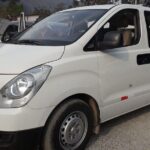
By late afternoon, you’ll ride toward the Urubamba River area (Pichingoto sector). From there, a private bus picks you up in Urubamba, and you’re dropped back in Cusco around 6:00 pm. It’s long, but it’s paced like a full-day plan, not a rushed checklist.
Cruz Pata to Moray: The Ride That Sets the Tone
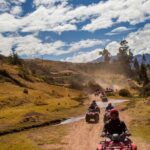
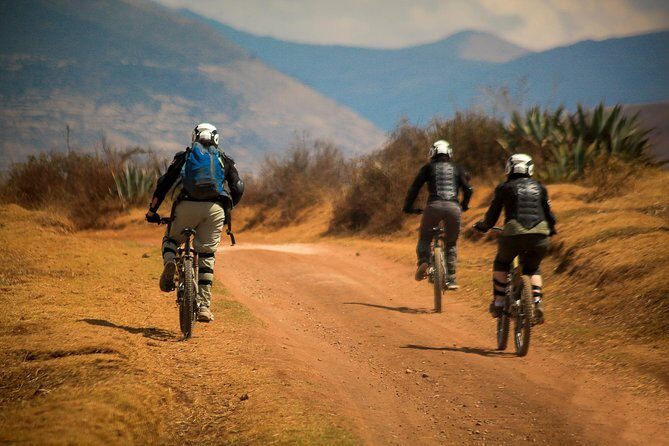
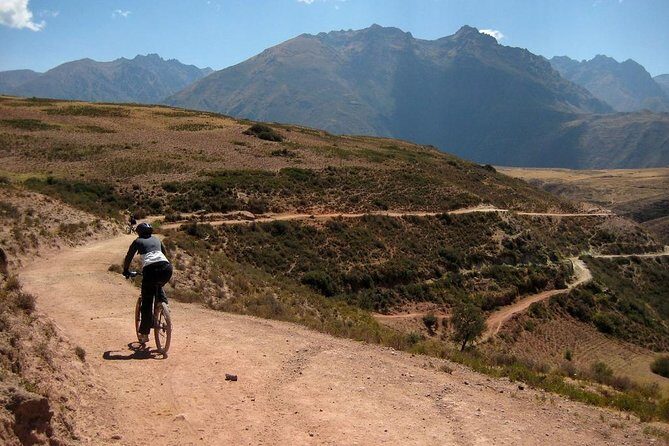
After the transfer, the biking begins with a professional guide. This leg takes you along dirt roads and mountain trails, with about 7 km (4.5 miles) of riding before you reach Moray.
Expect a real change in scenery as you move through the Andes. You’ll get valley views, then angle toward the terraces. That moment when the terrain opens up and you see what you’re coming to—Moray’s amphitheater shape—makes the uphill feel more worth it.
One more detail that matters: you’re not fighting urban traffic the whole time. The route is rural roads and trails, which keeps the ride calmer and more about terrain and scenery than road stress.
Moray Terraces: What You’re Seeing and How to Enjoy It
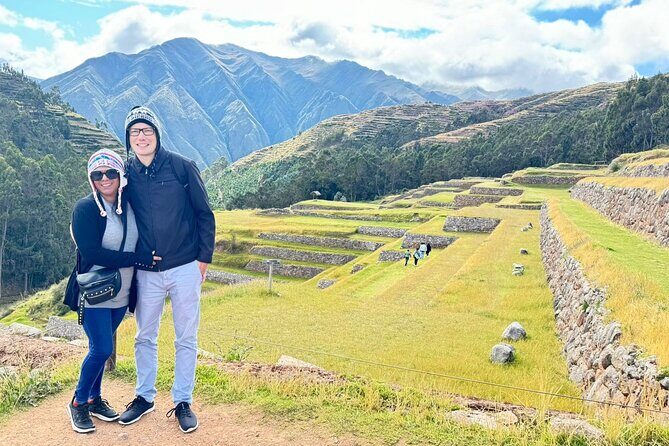
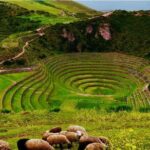
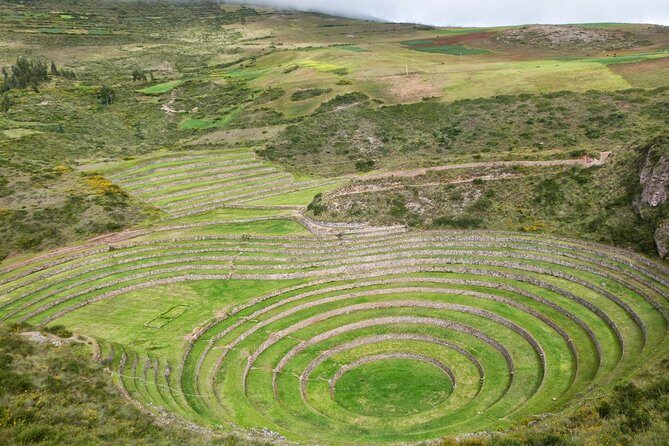
Moray is the star stop for a reason. The terraces are circular and built as an agricultural research station—think of it as an Inca prototype greenhouse or experimental biological station. The clever part is altitude and microclimates: different growing conditions are created by the terrace placement.
When you hop off your bike, you’ll have time to explore and take photos. Look for the way the terraces form a bowl-like shape, and imagine how people could test crops across levels. If you’re the type who likes connecting places to how people lived, Moray hits.
A practical tip: bring sun protection seriously. This area can feel intense, and you’ll be out of the saddle while you explore.
Maras for Lunch: A Village Stop That Breaks Up the Effort
After Moray, you continue descending toward Maras, a small village in the Sacred Valley. This is where the tour gives you a proper break with a box lunch (included).
The lunch stop isn’t just about food. It’s about resetting your legs and soaking in the Sacred Valley views from a different angle. You get a breather before the salt mines portion, which helps a lot because the downhill/technical sections later can feel more intense when you’re tired.
If you’ve been pushing uphill, this is the time to steady your breathing and drink water. Your pace will likely feel better from here to the finish.
Salineras (Maras Salt Mines) Ride: The Last Big Visual Payoff
In the afternoon, you head to the Maras Salt Mines, also called Salineras. Here’s the concept in simple terms: saltwater is held in hand-built terraced pools, and then it’s harvested after the water evaporates in the sun.
You’ll cross the ancient salt mines as part of the ride. Then you’ll keep descending until you reach the Urubamba River at the Pichingoto sector. After that, the bus waits in the town of Urubamba, and you return to Cusco around 6:00 pm.
This part is where biking feels most meaningful. You’re moving through the area at a human pace, so you notice details—terraces, water channels, the way the pools step down the hillside—without the tunnel-vision that comes from sitting in a vehicle.
Difficulty, Elevation, and Skills: What Moderate Really Means Here
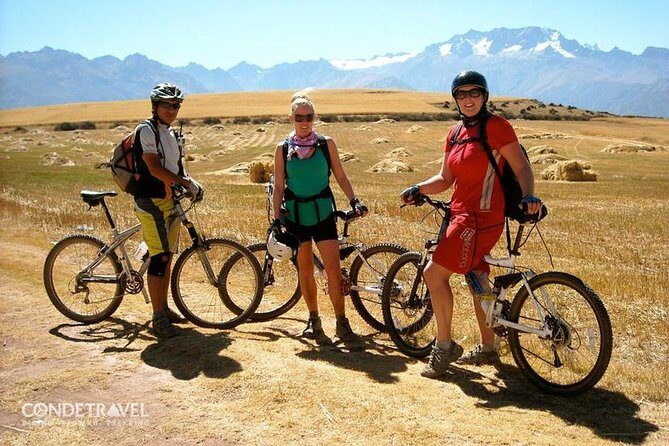
This tour is labeled moderate, and you’ll want some experience with mountain bikes. That fits with what the ride actually feels like: there are steeper segments where you might need to walk your bike up, and there are technical downhill moments where dismounting can make sense.
If you’re comfortable with the basics—braking on loose dirt, staying balanced on uneven trails, and riding with short climbs—you’ll probably find the day doable. If you’re totally new to MTB, you may spend more time pushing and dismounting than you expected.
Elevation matters too. Cusco sits high, and this route stays in that high-altitude world. Plan to acclimate before your ride day. If you’re still feeling breathless at rest, tell your guide right away so route adjustments and breaks can happen early, not after you’re drained.
Bikes, Gear, and Guide Style: The Stuff That Makes or Breaks the Day
Good news: you’re not showing up to guess what you’re riding. The tour includes professional bikes, plus gloves and a helmet. That’s a real value because it cuts down your packing and keeps you safer.
Guides are also a big part of the experience. You’ll have a qualified guide in English or Spanish. Some of the best moments people remember are the guide’s pacing, route choices, and explanations of what you’re seeing while you’re moving.
One useful detail: mechanical problems do happen on a mountain bike day, even when everything is set up well. A guide on this tour is prepared to handle flats quickly, so you spend more time riding and less time waiting around.
Price and Value: Is $160 Fair for This One-Day Ride?
At $160 per person, this tour is priced like an all-in adventure day, not a barebones transport-only outing. Here’s what you get for that money:
- Hotel pickup and drop-off in Cusco
- Private transportation Cusco – Chinchero – Cusco
- Bike rental, gloves, and helmet
- Box lunch
- A qualified English/Spanish guide
- A maximum group size of 12 travelers
- Mobile ticket
Now the costs that can add up: entrance fees. You’ll want extra cash because entrance ticket fees are not included for:
- Moray (70 soles)
- Maras Salt Mines area (15 soles)
- Chinchero entrance ticket (not included)
Also, Sacred Valley admission appears as a fee of PEN 70.00 per person in the provided details. The notes around it aren’t fully consistent, so don’t guess—ask the operator to confirm what you will pay and when.
When I look at value, the key question is whether you want to actively ride through the Sacred Valley. If yes, this price starts to feel fair because it bundles transport, rental gear, and a full guided day with lunch.
Practical Packing for High Andes Cycling (Bring This, Skip That)
You’re riding outside, often in strong sun, with time off the bike at sites. Pack like your comfort depends on it (because it does).
Bring:
- Sport clothing
- Sunblock and sunglasses
- A small backpack
- Extra cash for entrance tickets
And don’t forget your basics: a valid passport is required on the day of travel.
If you run warm easily, light layers help. If you run cold easily, you’ll want something that can handle changes in altitude and evening air on the way back.
Should You Book This Conde Travel Maras and Moray Biking Tour?
If you have at least some mountain bike experience and you’re up for a high-altitude day, I think this is a smart way to see Moray and Salineras. It’s built for movement—pictures are great, but you’re really coming for the ride between the sites.
Book it if:
- you like dirt-road and trail biking
- you want lunch included and gear handled for you
- you want a smaller group day (max 12) with a guide who explains what you’re seeing
- you’re okay with possible bike walking on steeper bits
I’d hesitate if:
- you’re a true beginner on MTB
- you’re struggling with altitude already
- you hate technical downhill sections and don’t want the option of dismounting when needed
FAQ
What time does the tour start?
Start time is 8:30 am. You’ll be picked up from your Cusco hotel.
How long is the tour?
It’s a 1-day experience. The group returns to Cusco around 6:00 pm.
Do I get hotel pickup and drop-off?
Yes. Pickup is offered from your Cusco hotel, and you’re dropped off back in Cusco at the end of the tour.
Is lunch included?
Yes. You’ll have a box lunch during the ride in Maras.
What biking gear is provided?
You get a professional bike, plus gloves and a helmet.
What kind of fitness level do I need?
Moderate physical fitness is recommended. The ride includes challenging parts, and some sections may require walking your bike.
Are Moray and Maras entrance tickets included?
No. Entrance tickets are listed as not included: Moray 70 soles and Maras 15 soles.
Are there entrance fees for other sites?
Chinchero entrance is listed as not included. Sacred Valley admission is listed as PEN 70.00 per person in the provided details.
How many people are in the group?
The tour has a maximum of 12 travelers.
What should I bring?
Wear sport clothing, bring sunblock and sunglasses, pack a small backpack, and bring extra cash for entrance fees. A valid passport is required on the day of travel.
How does cancellation work?
Free cancellation is available up to 24 hours before the experience start time for a full refund. Less than 24 hours before start time is not refundable.
If you want, tell me your current MTB comfort level (mostly flat, some climbs, or technical downhill experience) and I’ll help you decide if this ride is a good match.