REVIEW · CUSCO
Lost Inca Trail to Machu Picchu
Book on Viator →Operated by Inca Soul Tours · Bookable on Viator
A good Inca trail day is equal parts walking and waiting for the view. This route gives you both, with a classic Machu Picchu day plus the lead-in hike through Huchuy Qosqo. You start with Cusco pickup, climb high on day one, then reach Machu Picchu via the Sun Gate on day two.
I love that this plan feels well-paced for a short itinerary. You get full days that build toward the big moments: ruins, cloud-forest trail, and that first clear look from the Sun Gate. And you’re not doing it alone either, because the tour is private and led in English.
One thing to consider: this is not a casual stroll. Day one includes a moderate uphill climb to about 4,200 m, and the overall route reaches 2,650 m, so you need solid stamina and good walking shoes.
In This Review
- Key highlights worth marking on your map
- Cusco pickup at 6:00 a.m. and the ride toward the Patabamba trail
- Huchuy Coscco climb: 4,200 m views and Inca ruins at Pukamarka
- Why this day matters
- Ollantaytambo reset: a short town feel before the trail launch
- Day two route at KM 104: cloud forest, Chachabamba, and the trail rhythm
- Wiñay Wayna to Sun Gate: the “seen from here” moment
- Into Machu Picchu and down to Aguas Calientes: day two evening flow
- Machu Picchu at 5 a.m.: guided sunrise plan and Temple of the Sun
- Optional add-on: Huayna Picchu and spending one more day at the ruins
- Price ($690) and value: what you’re actually paying for
- Fitness and altitude reality check: 4200 m to 8690 ft
- Who this tour suits best (and who should rethink it)
- Should you book Lost Inca Trail to Machu Picchu?
- FAQ
- What time does the tour start and how does pickup work?
- How long is the Lost Inca Trail to Machu Picchu experience?
- Is this tour private and in English?
- What kind of physical fitness do I need?
- What’s included in the price?
- Can I cancel for a full refund?
Key highlights worth marking on your map
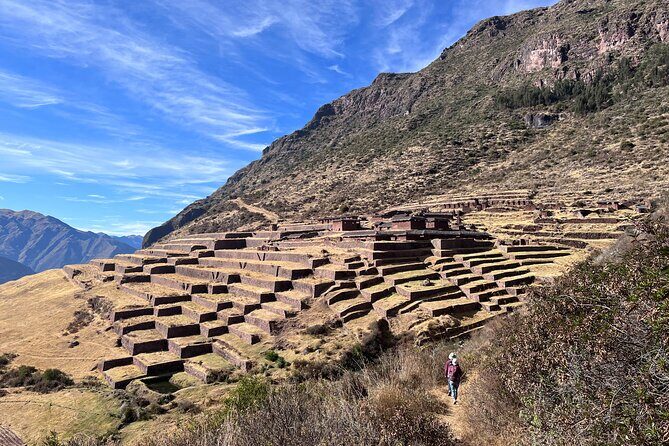
- Huchuy Qosqo ruins plus Sacred Valley descent: day one mixes big views with Inca sites before you head for Ollantaytambo
- KM 104 cloud forest start: you begin in forested mountain terrain, not a flat access road
- Wiñay Wayna to Sun Gate: the route is set up so you get a major Machu Picchu reveal on the way in
- Two Machu Picchu visits: day two includes an entry and day three focuses on an early, guided sunrise plan
- Guides named Freddy, Valerio, and Elistan: reviews highlight clear explanations and a friendly, organized team
- Meal support on trail days: breakfast, lunch, and dinner are included to keep energy steady while hiking
Cusco pickup at 6:00 a.m. and the ride toward the Patabamba trail
The trip starts early, with pickup from your Cusco hotel. The start time is 6:00 a.m., which is exactly what you want for a hiking itinerary. It helps you beat crowds, avoid later-day fatigue, and get on the trail with daylight.
Before any serious climbing, you drive for about an hour to the Patabamba Head Trail Community area. This isn’t just transport time. It’s a scenic warm-up that helps you get used to Andean altitude and road conditions. You also get an admission ticket there, so you’re not paying extra just to begin your day.
Cusco mornings can feel a bit punchy on the lungs, so treat this first hour like a breather. Sip water, move slowly, and don’t sprint to beat the group. The day’s best moments come later.
You can also read our reviews of more tours and experiences in Cusco.
Huchuy Coscco climb: 4,200 m views and Inca ruins at Pukamarka
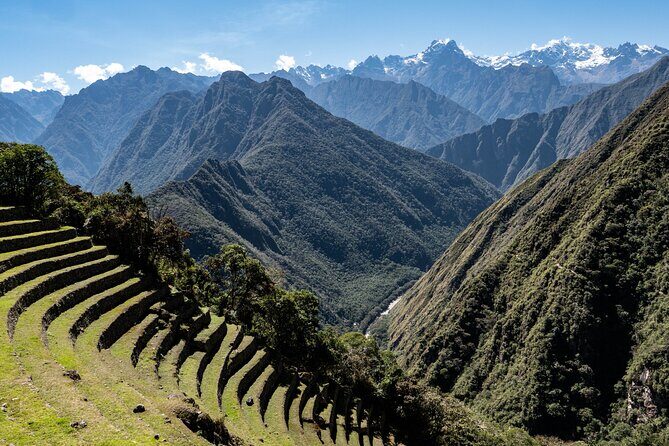
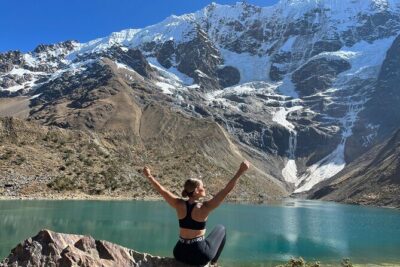
Day one is the “work” day, and the reward is real. After reaching the Juchuy Coscco area, you start a moderate uphill climb for about three hours. Your highest point is listed at 4,200 m (13,779 ft). That altitude number is your clue: you’ll feel it in your breathing even if you’re fit.
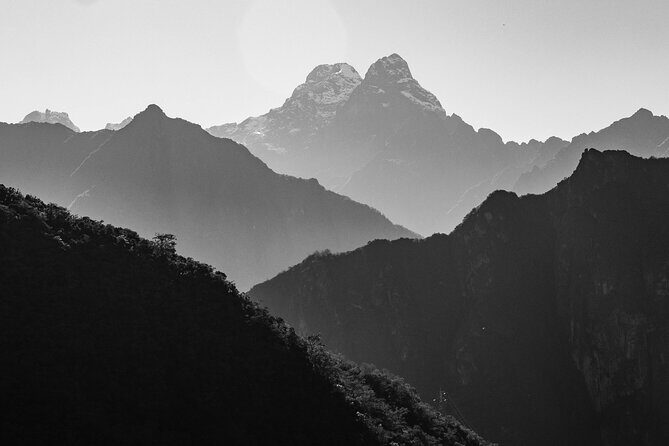
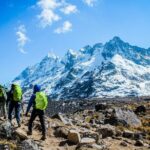
Once you’re headed up, the walking style changes from “wander” to “steady effort.” You’ll be putting on your backpack and pushing into a rhythm. From there, the views open up: snowcapped peaks, valleys, and ridgelines that look close enough to touch.
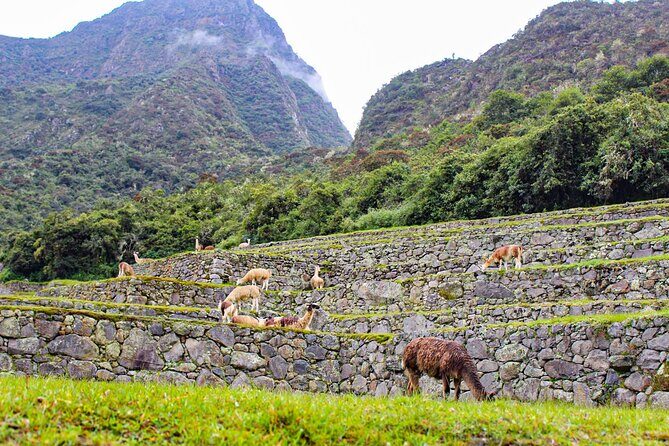
Then the route shifts into ruins time. You drop at Pukamarka for lunch and spend time visiting Inca remains. After that, you travel along an old Inca path toward Huchuy Qosqo. This is where the hike stops being only a workout and starts turning into a history walk with real scenery around it.
You tour the city and then head toward Lamay, walking about two hours downhill. Downhill can sound easier, but it can also be hard on knees. Take shorter steps, keep your weight controlled, and save your energy for tomorrow.
Why this day matters
This is how you make a short itinerary feel full. Instead of going straight to Machu Picchu, you earn the big look by spending day one among high viewpoints and Inca sites.
Ollantaytambo reset: a short town feel before the trail launch
After your day one walk, you travel to Ollantaytambo for the night in the Sacred Valley area. The itinerary notes limited time in the town itself, which is a practical choice. You’re not paying for a “town day.” You’re paying for access to the trail and Machu Picchu experience.
When you arrive, you check into your hotel. Then you have about two hours to explore Ollantaytambo on foot. This is enough time to stroll, take photos, and get your bearings without feeling like you’re rushing.
Ollantaytambo is also a useful mental reset. You’ll sleep, get breakfast, and be ready for the next day’s Inca Trail-style section.
Day two route at KM 104: cloud forest, Chachabamba, and the trail rhythm
Day two begins with a short move to the train station. You take a 15-minute ride to the head trail area. This is one of the reasons the itinerary works in only three days: it trims transport while still delivering the walking experience.
From there, you start at KM 104 in a cloud forest setting. You stop at Chachabamba, described as one of the first Inca structures before entering Machu Picchu citadel—thought to have been a guard house and offering place.
Then the climb begins in a gradual, steady way for about three hours, reaching 2,650 meters (8,690 feet). You pass a waterfall on the way, and that adds a sensory break from uphill breathing. The trail then leads you toward Wiñay Wayna, which translates as forever young.
The important part here: you’re not just ticking off sites. The trail conditions are different. Cloud forest air usually feels cooler and less intense than exposed ridge walking. Still, don’t let that fool you. You’re building effort for a day that ends with Machu Picchu.



Wiñay Wayna to Sun Gate: the “seen from here” moment
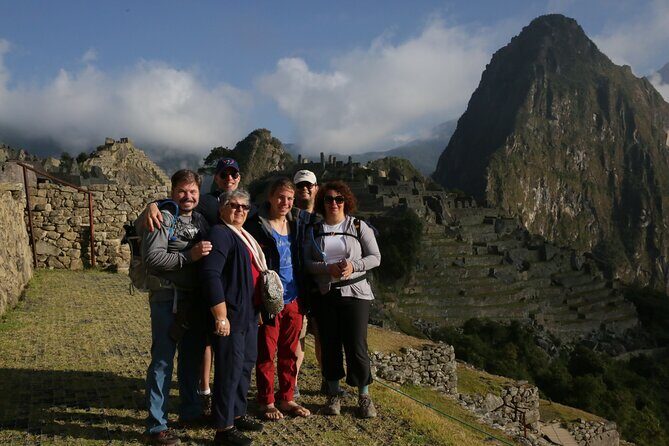
Wiñay Wayna is a key stop on this route and is described as one of the most exquisite and best-kept Inca sites. You’ll tour and explore there, and you also have lunch during this stretch.
After Wiñay Wayna, the walking shifts to level ground for about 1.5 hours. That matters because it gives your legs a chance to recover before the big reveal. Then you reach Inti Punku, also called the Sun Gate.
From the Sun Gate vista point, Machu Picchu is clearly seen. This is why people talk about this part of the route. You’re not getting the view only once, and you’re not seeing it from the bus. You’re seeing it from a historic vantage point at the end of a long day.
If you struggle with pacing, this is the moment to slow down on purpose. Take the photos, but also just stand there and let the scene register.
Into Machu Picchu and down to Aguas Calientes: day two evening flow
After the Sun Gate, you descend for about 40 minutes toward the main structures of the citadel. The route is described as following the paved classic Inca Trail. Walking that final stretch is part spiritual, part practical: you can feel your eyes wanting to sprint ahead, but your brain starts absorbing details.
At this stage, the itinerary includes bus travel to Aguas Calientes for dinner and overnight. Day two also lists a Machu Picchu visit with entry and time to watch the sunset.
That combination—entry plus sunset—changes the feel of Machu Picchu. Some places are better at sunrise because the light is cleaner. Others are better at sunset because the ruins soften. This itinerary lets you catch both opportunities across two days.
Machu Picchu at 5 a.m.: guided sunrise plan and Temple of the Sun
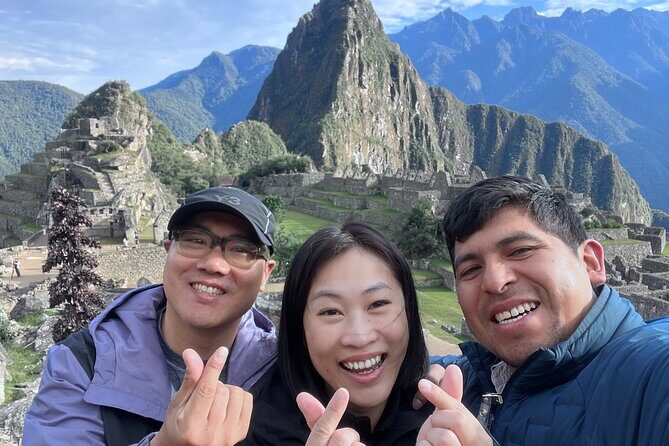
Day three is set up to make the most of early access. The guide plan recommends leaving early, and it specifically mentions 5:00 a.m. so you can reach the citadel in time to watch the sun rise over the ruins.
There’s a practical reason for this early start. The itinerary notes that due to Machu Picchu new laws, the location will be vacant at that time. Translation for your trip: less waiting, fewer interruptions, and a smoother sunrise experience.
You take a bus up to the sanctuary (about 20 minutes). Then you get a guided tour of about two hours. This is where having a real guide matters. The tour highlights the design and craftsmanship of the Incas—especially how carved stone details stand out against wild slopes and rocky peaks.
A stop specifically includes the Temple of the Sun. It’s a strong “wrap” to the morning because it anchors you in the purpose and symbolism of the site, not just the scenery.
After the guided time, you ride the bus back down to Aguas Calientes and then continue onward with train travel toward Ollantaytambo, followed by a transfer back to Cusco.
Optional add-on: Huayna Picchu and spending one more day at the ruins
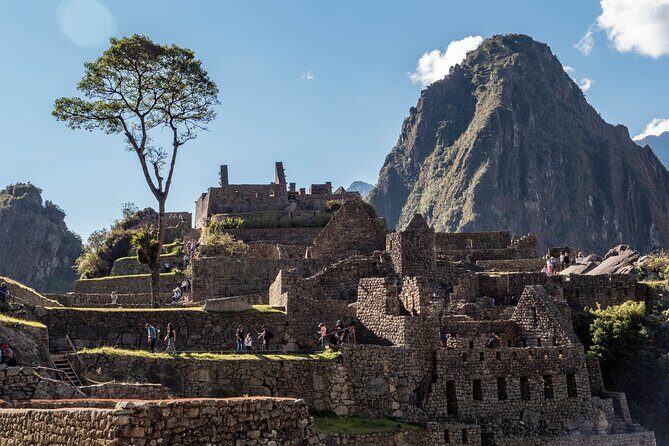
This plan includes a note that tours to Huayna Picchu can be customized, and you can also spend an extra day in Machu Picchu. That’s a big deal because Huayna Picchu is the taller peak viewpoint that many people chase for dramatic photos.
The catch is simple: adding days means adding cost and scheduling pressure. But if you’re the type who wants one more angle on Machu Picchu beyond the standard circuits, it’s the right kind of upgrade.
Price ($690) and value: what you’re actually paying for
At $690 per person, this is not a cheap trip. But the value is in what’s wrapped into the price: expert guiding, permits, and key entrance tickets tied to Huchuy Qosqo and Machu Picchu.
Included items list:
- Inca Trail permits and Machupicchu entrance ticket
- Huchuyqosqo entrance
- Expert guide
- Transportation (including private transportation and buses for day three)
- Meals: breakfast (2), lunch (2), and dinner
- Taxes and fees connected to those entries
- Private tour format: only your group participates
One practical note: the “Not included” list says train tickets aren’t included, even though the route uses a train segment. That doesn’t mean it’s a bait-and-switch, but it does mean you should confirm the exact train ticket handling when you reserve. In short: make sure you understand what you personally still need to purchase before you pay.
Also, you’re not paying for a generic guide-only day. You’re paying for a structured route that strings together: high-altitude hiking, Inca ruins touring, and two-day access patterns at Machu Picchu.
Fitness and altitude reality check: 4200 m to 8690 ft
The itinerary calls for moderate physical fitness. That sounds friendly, but the numbers tell you what’s coming.
- Highest point on day one: 4,200 m
- Day two maximum altitude: about 2,650 m (8,690 feet)
- The hike is listed as difficult on day one, covering about 17 km and 7 to 8 hours.
So you need real walking stamina. You should also plan for uneven steps, downhill foot fatigue, and breath control at altitude. This isn’t the kind of hike where you can fully “push through” without slowing down.
A smart approach:
- Wear shoes you trust for grip and support
- Keep your pace comfortable enough that you can breathe steadily
- Drink water regularly and don’t wait until you feel terrible
If you’re prone to altitude issues, talk with a doctor before you go. The route is high enough that caution is sensible.
Who this tour suits best (and who should rethink it)
This tour is best if you want an Inca experience that feels bigger than a basic Machu Picchu day trip. You get hiking, ruins, and a sunrise plan, which makes it ideal for couples, friends, and solo travelers who like structure.
It’s also a good fit if you care about clear communication. Reviews mention guides like Freddy and Valerio providing a lot of explanation, and they even mention getting a PDF summary of steps before you start. That kind of prep reduces stress, especially when you’re arranging a once-in-a-lifetime visit.
Who might rethink it?
- People who want a fully low-effort sightseeing schedule
- Anyone who can’t handle long walking hours at altitude
- Travelers who don’t want to coordinate early mornings (like the 5 a.m. sunrise plan)
Should you book Lost Inca Trail to Machu Picchu?
If you want maximum value from a short window in Peru, I think this is a strong choice. You’re paying for more than a ticket to Machu Picchu. You’re paying for a trail build-up, ruins time, and an early sunrise day that’s timed for a quieter experience.
Book it if:
- You’re comfortable with a long day of hiking (day one is the main effort)
- You want guided interpretation, not just walking between stones
- You like a private group setup and early starts that make the experience smoother
Think twice if:
- You hate altitude or you’re unsure you can handle 4,200 m and long hours
- You want zero walking time before Machu Picchu
- You haven’t confirmed how train ticket costs are handled in the final package
If those boxes fit you, this route delivers. The trail-to-ruins arc is the whole point, and the itinerary clearly aims to get you to the best Machu Picchu moments with less hassle than DIY.
FAQ
What time does the tour start and how does pickup work?
The experience start time is 6:00 a.m. You’ll be picked up from your Cusco hotel, and you need to share your hotel details so the team can verify pickup availability.
How long is the Lost Inca Trail to Machu Picchu experience?
It’s listed as 3 days (approx.).
Is this tour private and in English?
Yes. It’s a private tour/activity, and it’s offered in English.
What kind of physical fitness do I need?
The info says you should have a moderate physical fitness level. The itinerary includes a climb to about 4,200 m and hiking that can take 7 to 8 hours on day one.
What’s included in the price?
Included items list dinner, breakfast (2), lunch (2), an expert guide, taxes and fees for Huchuyqosqo and Machu Picchu entrances, Inca Trail permits, and transportation/buses used during the route.
Can I cancel for a full refund?
Yes. There is free cancellation and you can cancel up to 24 hours in advance for a full refund.