REVIEW · CUSCO
Manu Jungle Tour (4 Days)
Book on Viator →Operated by Peru Amazon Trips · Bookable on Viator
Manu starts with a plan, then lets the rainforest take over. This 4-day run from Cusco is built for the real Amazon experience: long jungle days, forest hikes, and the chance to see animals in their home range. It also throws in a culture stop along the way, so you’re not just stuck in transit.
I especially liked the small group size (max 15). You’ll move at a human pace on the trails and get better attention from your guides when wildlife pops up. I also love that the guides lean practical and hands-on, and you’ll hear names like Alan, Jorge, Ivan, Cesar, and Danilo come up in people’s experiences.
One thing to consider: this is rainforest travel, not hotel life. The lodges are described as basic/primitive, so you should be ready for minimal comfort, humidity, and the usual jungle sounds.
In This Review
- Quick take: what makes this Manu Jungle tour special
- Manu Jungle Tour in plain terms: what you’re really buying
- Day 1: Cusco to cloud forest hikes, orchids, and cock-of-the-rock territory
- Day 2: Atalaya to Soga de Oro Lodge by motorboat, with swim time in the river
- Day 3: tapirs, orchids, Lake Machuwasi capybaras, and night frogs
- Day 4: back to Cusco and a shorter final travel day
- Small-group guiding: why you get better sightings (and better stories)
- What’s included (and why that matters for value)
- Lodges and comfort level: what to expect in the jungle
- Animal-watching chances: what you should focus on
- Practical tips so you enjoy the long days
- Who should book this Manu Jungle tour?
- Should you book this 4-day Manu Jungle Tour?
Quick take: what makes this Manu Jungle tour special
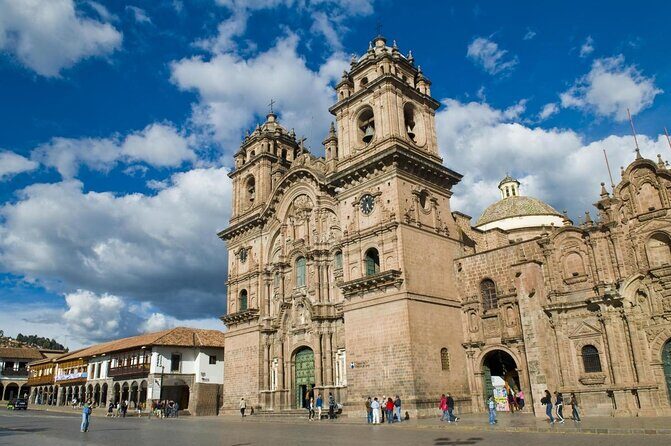
- Max 15 people means easier spotting and more guide attention during hikes and night walks
- Cloud forest to deeper rainforest on consecutive days gives you a real change in scenery and wildlife
- Guide-led animal watching covers daytime mammals and birds plus after-dark frog/toad and insect life
- Rubber boots, snacks, water, and a first aid kit take stress off your packing and daily routine
- Two lodging areas helps you avoid the same-feeling “one basecamp” approach
Manu Jungle Tour in plain terms: what you’re really buying
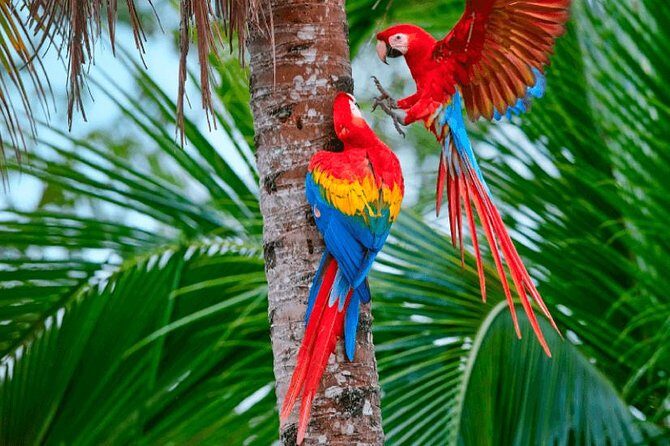
This tour is a focused jump from Cusco into the Manu National Park region, using a mix of roads, buses, and river transport. Over about four days, you’ll do the kind of day rhythm that rainforest travel demands: early starts, hiking when conditions are best, and lodge time when it gets hot, wet, or dark.
The best part is that it’s not trying to sell you “just a view.” It’s built around wildlife and habitat. You’re walking through cloud forest plants on Day 1, transitioning into tropical river-and-lodge life on Day 2, and then spending a lot of Day 3 time looking for animals around rivers and Lake Machuwasi. Night walks are part of the package, so you’re not only seeing the rainforest in daylight colors.
And because the tour is capped at 15 travelers, you’re more likely to actually notice smaller things—birds, frogs, and the smaller movement that you’d miss in a crowd.
You can also read our reviews of more tours and experiences in Cusco
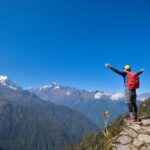
Day 1: Cusco to cloud forest hikes, orchids, and cock-of-the-rock territory
Day 1 starts with a mini-van leaving Cusco and climbing toward the town of Paucartambo. This matters because you’re gaining altitude and shifting ecosystems early. You’re not just “going somewhere.” You’re changing the environment before you even reach the main jungle.
On the drive, you stop for the pre-Incan funeral towers of Ninamarca. It’s a short detour, but it gives context: this region isn’t only rainforest—it’s also a long-settled landscape with older traditions tied to the land.
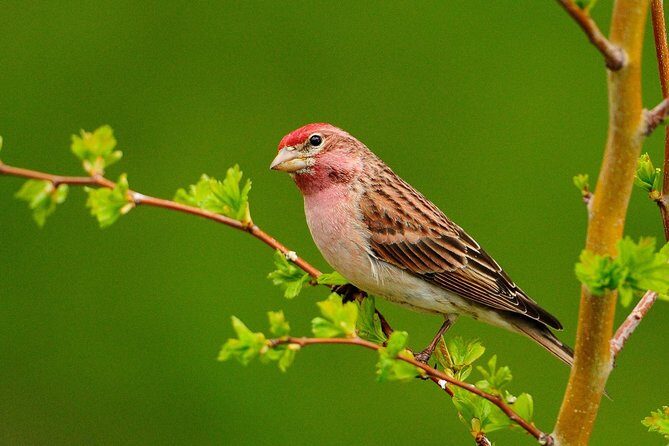
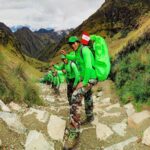
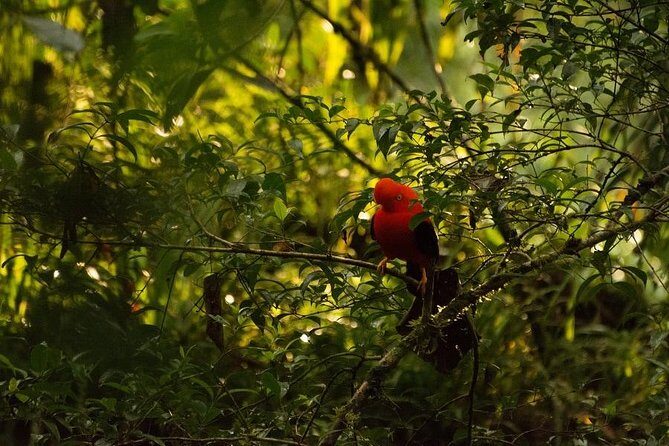
Then comes cloud forest time. You’ll pass through a zone known for dense plant life and orchids, and you’ll do your first hike with a realistic chance of wildlife sightings. This is also where you can be looking for the Andean cock-of-the-rock (Rupicola peruvana), plus monkeys and a mix of birds.
A realistic expectation here: animal sightings aren’t guaranteed. But the tour’s structure is smart: you hike in the right habitat at the right time, and you’re guided by people who know where to look and what to listen for.
In the evening, you arrive at Bambu Lodge for the night in a typical ensuite room. Based on past traveler notes, think clean and functional, with mosquito protection. It’s not luxury, but it’s set up for jungle realities.
Day 2: Atalaya to Soga de Oro Lodge by motorboat, with swim time in the river
Day 2 turns the volume up on the rainforest feel. After breakfast, you board a bus to Atalaya, then travel by motorboat toward the Madre de Dios river and up to Soga de Oro Lodge. The boat segment is a big part of why this tour feels like a genuine jungle trip instead of just a car-and-hike day.
Along the way, you get stunning river landscapes and a shift into the tropical rain forest atmosphere. If you’ve never traveled in this ecosystem, it’s the kind of change you notice immediately—thicker air, denser greenery, and a different rhythm to bird calls.
There’s also a built-in break that people often enjoy: you can swim in the river. Jungle swimming is not the same as pool time. It’s refreshing, but also expect river conditions and keep an eye on where you step.
In the afternoon, you do a jungle walk for a few hours with the goal of spotting caimans (crocodile relatives), birds, and medicinal plants. This is the day where you tend to see more “life in the canopy” moments—sudden bird movement, reptile attention near water, and the guides calling out what matters in the plants.
Then you return to the lodge and spend the night. The overall pace is long—Day 2 lists about 9 hours—but it’s spread across driving, boat travel, and walks instead of nonstop hiking.
Day 3: tapirs, orchids, Lake Machuwasi capybaras, and night frogs
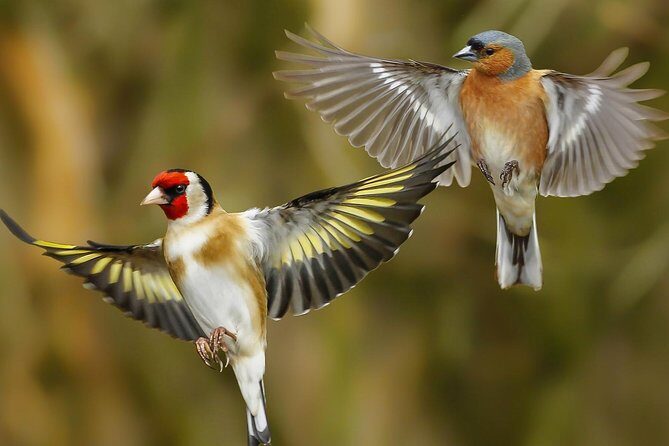
Day 3 is where the tour leans hardest into wildlife variety. In the morning, you walk around and look for giant trees and medicinal plants, plus orchids again (a reminder that the “jungle” is really many different habitats packed together).
This morning stretch also includes the chance of spotting larger mammals such as tapirs. Tapirs aren’t something you assume you’ll see. But you’re in habitat that supports them, and your guide’s job is to notice signs—tracks, feeding behavior, and the kinds of movement that might not look like anything to you.
In the afternoon, you cross the river and walk about 30 minutes to Lake Machuwasi. This stop is the tour’s capybara moment. The capybara (Hydrochaeris) is described as the largest rodent in the world, and Lake Machuwasi is where you’ll be looking for them—along with caimans and birds.
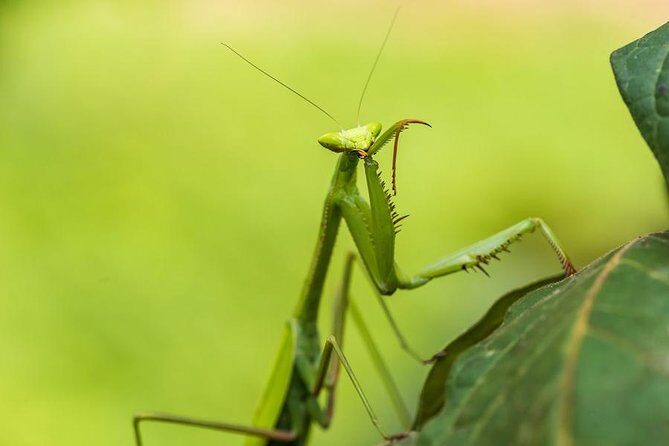
Then the night plan: you do a walk into the forest after dark to spot typical frogs, toads, insects, bats, and snakes. This is one of the most memorable pieces of the whole itinerary for a lot of people because it changes how you experience the rainforest. Daytime animals are often visible. Night animals are often heard first, then spotted if you’re patient.
You sleep at another typical lodge for the night in an ensuite room. Expect again that this is a functional jungle lodge: clean where it matters, mosquito-aware, and designed for practicality over polish.
Day 4: back to Cusco and a shorter final travel day
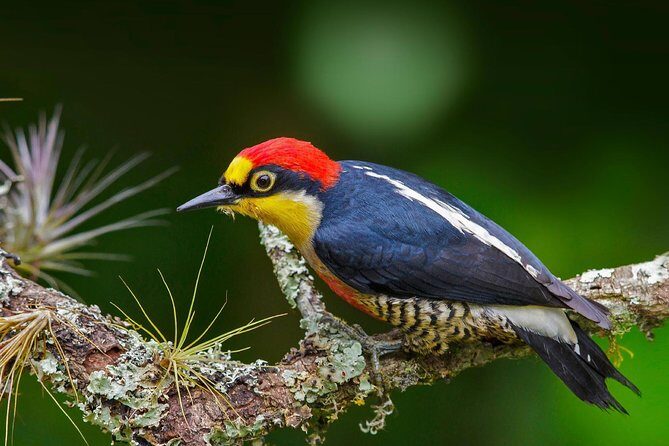
Day 4 is simpler: after breakfast, you pack up and take the mini-van back to Cusco. The day is listed at about 6 hours, so it feels like a breather compared to the long 9-hour days.
You’re not doing more hiking on the final day. Think of it as decompress time—letting your brain come down from rainforest mode, then getting back to regular air, sidewalks, and actual predictability.
Small-group guiding: why you get better sightings (and better stories)
A lot of wildlife tourism fails because the group is too big. Here, the max 15 limit helps in two key ways.
First, it reduces the chaos on trails. When you’re walking narrow paths through humid forest, you can’t “power through.” You’re moving slowly, stopping often, and waiting for the guide to point out what you’re seeing. Smaller groups make those pauses calmer.
Second, it makes it easier for guides to adjust on the fly. If you miss something the first pass, your guide can reposition you for another look while the rest of the group stays together.
In the experiences people describe, guides like Alan, Jorge, Ivan, Cesar, and Danilo come up repeatedly—often praised for both plant-and-animal explanations and for being attentive in how they manage the group. Even organizer communication is mentioned in people’s notes, with names like Hilda showing up in how smoothly the plan worked before the trip.
What’s included (and why that matters for value)
This tour’s price is $665 per person, which makes value depend on what’s bundled and what’s not. Here’s the bundle that really matters:
- Private transportation by minivan and motorized boat
- Rubber boots (helpful because jungle paths can get muddy and wet)
- Mineral water and a first aid kit
- Bi-lingual tour guide and guided activities every day
- Accommodation at the lodges (ensuite rooms at the stops described)
- Meals: 3 meals a day are included as normal or vegetarian buffet style, plus snacks (cookies, sweets, fresh fruit, juice)
- Entrance to Machuwasi Lake
What’s not included is also clear: the first breakfast and the last day lunch and dinner. That’s normal for tours. It just means you’ll want to plan for at least one meal outside the provided package.
When I look at the $665 cost, I see it as paying for the hardest-to-organize parts: long transfers, boat time, lodge stays, and guiding in a remote environment. If you were pricing those components separately, the bundled approach usually wins—especially with the included meals and gear like boots.
Lodges and comfort level: what to expect in the jungle
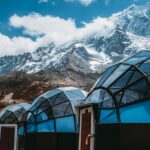
This isn’t a “pack a tux” itinerary. The lodges are described as primitive/basic, but also clean and designed to handle mosquitoes and jungle conditions. Past notes highlight mosquito nets and fully meshed walls. Beds and ventilation matter here, and you’ll want to use what’s provided.
What to keep in mind:
- Expect humidity and jungle nighttime sounds.
- You’ll likely shower, sleep, and eat with basic-but-sorted amenities.
- If you need high-end comfort, you might find it difficult. If you’re okay trading luxury for wildlife time, you’ll probably love it.
The guides and lodge staff seem to aim for comfort where possible, and that effort shows up in how people describe the food and nightly rooms.
Animal-watching chances: what you should focus on
You’re not going on a “one animal only” trip. The tour’s design spreads your odds across habitats:
- Day 1 (cloud forest): orchids, monkeys, birds, and possible cock-of-the-rock in the Andean bird world
- Day 2 (river and lodge surroundings): birds, medicinal plants, and possible caimans
- Day 3 (river + Lake Machuwasi + night): tapir possibility, capybaras, caimans, birds, and after-dark frogs/toads/insects
Reviews also mention additional activities that can show up depending on weather and season, such as a clay lick, a tower overlooking tree tops, pirana fishing, kayaking, monkey island, and a native family visit. Don’t count on every add-on every time. But it’s a good sign that the team knows how to use conditions to keep the experience varied.
Practical tips so you enjoy the long days
This tour works best when you set yourself up for jungle travel reality.
Bring:
- Lightweight rain protection or a packable layer for wet weather.
- Quick-dry clothes and a dry bag if you have one.
- Bug protection (even if nets/mesh are provided—bring your own comfort level).
Use:
- The rubber boots provided. If you’re used to regular sneakers, you’ll appreciate the traction once trails get wet.
Mental mindset:
- Don’t fixate on one “must see” animal. The more you watch the habitat—water edges, tree movement, bird calls—the more satisfying the day becomes.
And small humor helps: the rainforest does not care about your schedule. The guide’s skill is matching your day to what the environment is willing to show.
Who should book this Manu Jungle tour?
You’ll likely enjoy it if:
- You want a guided wildlife experience with small-group pacing.
- You’re excited by both daytime hikes and night walks.
- You’re okay with basic jungle lodge comfort and long travel days for the payoff of being in habitat.
You might want to think twice if:
- You need guaranteed luxury accommodations.
- You get overwhelmed by humidity, insects, or nighttime darkness.
- You have strong mobility limits and don’t want walking days plus a few river crossings.
Should you book this 4-day Manu Jungle Tour?
If you’re aiming for a real rainforest experience—walks in cloud forest, boat travel, lodge nights, and chances at capybaras, caimans, and a whole mix of birds and frogs—this is a solid fit. The small group, included boots and meals, and the structured habitat progression (cloud forest → river lodge → Lake Machuwasi + night) make it feel like more than a checklist tour.
Book it if you’re flexible and want to trade comfort for proximity to the rainforest. Skip it if “primitive” is a dealbreaker for you.