REVIEW · CUSCO
Sacred Valley and Machu Picchu 2 days
Book on Viator →Operated by Peru Inkas Top Travel · Bookable on Viator
Two days, one of the Andes’ big moments. This plan is interesting because you get the Sacred Valley highlights in one tight day, then the next morning you hit Machu Picchu with a real guide who explains what you’re seeing. The trade-off is simple: you’ll need to pay a 90 soles Sacred Valley ticket on site.
What I like most is the pacing and the hand-holding: pick-up in central Cusco, a guided route through major archaeological stops, and meals that keep you from running on empty. I also like the small-group feel (max 15 people) and the fact that transport is stitched together with the train and the round-trip bus to Machu Picchu.
One more note before you go: if you’re flying in and trying to tour immediately, altitude can kick your butt. In one case, the advice was basically to not schedule tours right after landing, because getting acclimated first helps a lot.
In This Review
- Quick hits
- Sacred Valley to Machu Picchu in 2 Days: what this tour gets right
- Price and value: what’s included in the $457 per person
- Day 1 in the Sacred Valley: Chinchero, Moray, Maras, Urubamba, Ollantaytambo
- Chinchero: weaving, alpacas, and the human scale
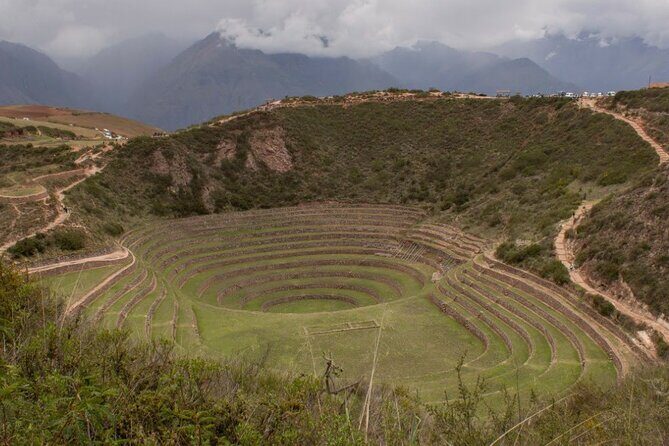
- Moray: Inca microclimates in terrace form
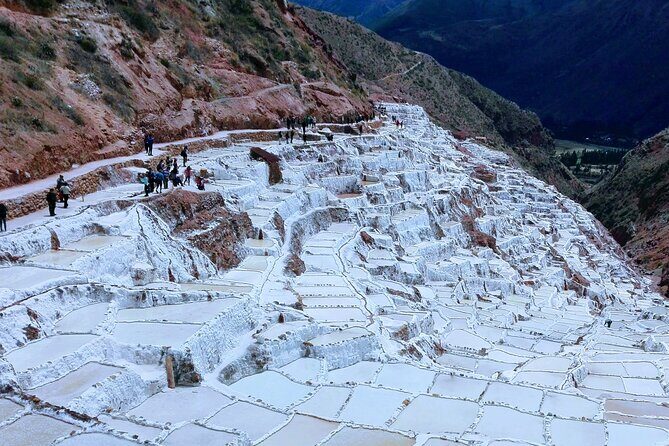
- Salinas de Maras: salt ponds and the famous photo moment
- Urubamba lunch: a real break, with vegetarian options
- Ollantaytambo: terraces, ruins, and the train pivot
- The Aguas Calientes night: check-in and how to use your free afternoon
- Day 2 at Machu Picchu: bus timing, a guided route, and time to wander
- The guide’s job: connecting stones to meaning
- Your free time: use it for photos and perspective
- Getting back to Cusco: train ride comfort and a late-day finish
- Small-group tour: why the max 15 people matters
- What could trip you up: tickets, timing, and altitude reality
- Site fees you should budget for
- Altitude: plan to arrive and ease in
- Optional extras
- Who should book this Sacred Valley and Machu Picchu 2-day plan
- Should you book? My take
- FAQ
- What time does the tour start in Cusco?
- Do they pick me up from my lodging?
- Is lunch included during the Sacred Valley day?
- Are Machu Picchu tickets included?
- Do I pay for Sacred Valley entry tickets separately?
- Can I cancel or change the booking after purchase?
Quick hits
- 7:30 AM start in Cusco with door-to-door pick-up from your hotel or central Airbnb
- Chinchero, Moray, Salinas de Maras, Ollantaytambo packed into Day 1 with a guide
- Machu Picchu access and round-trip bus included, plus a guided citadel walk
- Train Ollantaytambo ⇄ Aguas Calientes and hotel included so you’re not juggling details
- Wayna Picchu costs extra (and reservations depend on availability)
Sacred Valley to Machu Picchu in 2 Days: what this tour gets right
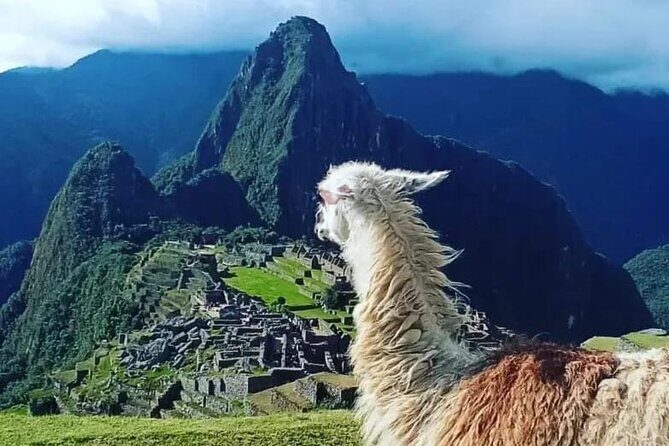
If you’re short on time in Peru (or you just don’t want to coordinate every move), this is the kind of 2-day structure that works. The key value is not just seeing Machu Picchu. It’s how the tour frames the landscape and ruins as a connected system: farming experiments, salt production, fortress-style strategy, then—finally—the spiritual and ceremonial center at Machu Picchu.
The day-to-day flow is practical. Day 1 moves early from Cusco, then steadily works through high-interest stops with time to breathe and take photos. Day 2 is built around a morning Machu Picchu visit with a guided route, then you’re back on the train and headed toward Cusco by late evening.
Also, the “real-life” logistics are handled: you get hotel accommodation (selected category) and breakfast on Day 2, plus a buffet lunch on Day 1 and one bottle of water during the tour. That might sound basic, but in the Andes, it matters.
You can also read our reviews of more tours and experiences in Cusco
Price and value: what’s included in the $457 per person
At $457 per person for about 2 days, you’re paying for convenience and transportation as much as the sights. Here’s the value math in plain terms:
Included that saves you time and stress:
- Door-to-door service in Cusco (pick-up and drop-off)
- Guided Sacred Valley tour covering 4 stops with an expert guide
- Buffet lunch in the Sacred Valley (including vegetarian options)
- Train tickets round-trip: Ollantaytambo to Aguas Calientes, then back to Cusco
- Machu Picchu bus transport both ways
- Machu Picchu ticket with guaranteed access
- Guided Machu Picchu citadel tour
- Hotel for the night, plus breakfast Day 2
- Small supports like water during the day
- Train and transfers, meaning you’re not piecing together schedules on the fly
Not included (budget these):
- Flights to Cusco
- Sacred Valley ticket (90 soles) paid on site
- Wayna Picchu (the extra mountain) at $65 USD, only if available via reservation
- Tips, personal expenses, and any meals not specifically mentioned
One more cost detail: pricing is based on double occupancy. If you want a single room, there’s an additional $40. If you’re traveling solo, that can change the value equation.
Day 1 in the Sacred Valley: Chinchero, Moray, Maras, Urubamba, Ollantaytambo
Day 1 is built like a route map of the region’s “why.” You’re not just hopping from ruin to ruin. You’re seeing how the Inca world used farming experiments, controlled resources, and protected access routes.
Chinchero: weaving, alpacas, and the human scale
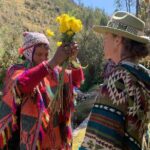
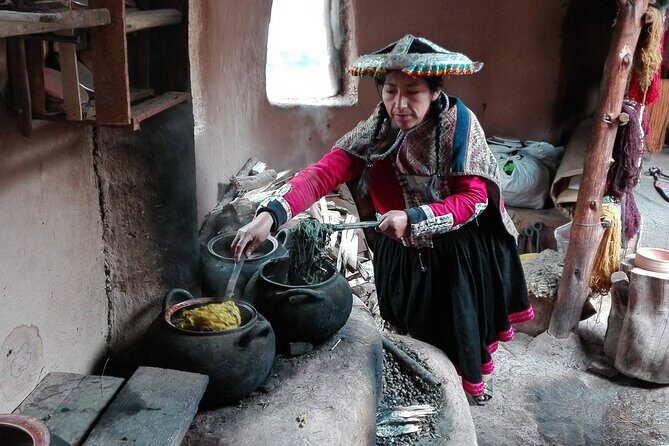
Chinchero is close to Cusco, about 45 minutes away, and that shortcut matters because you start early. The stop is designed to feel local rather than museum-like: you meet a local family and learn about weaving using ancient techniques.
This is also where you’ll likely see regional animals up close—alpacas and cuyes are part of the experience. It’s a useful contrast to stone ruins: you get a sense of how culture continues in daily life.
Practical note: the weaving experience is usually the kind of stop where questions are welcome. I like it when guides set context so it doesn’t feel like you’re only watching a demonstration.
Moray: Inca microclimates in terrace form
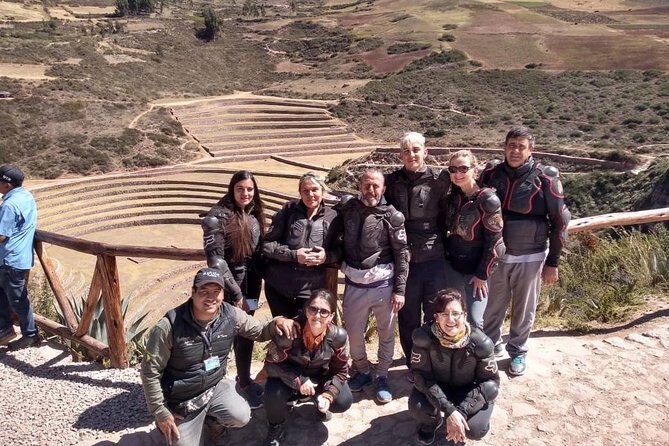
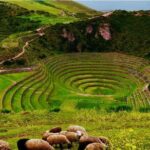
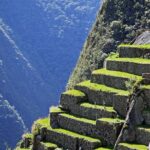
Moray is one of those sites that feels almost scientific—terraces in a bowl-like arrangement that the Inca used as an agricultural laboratory. You’ll walk among the terraces and learn how the setting created microclimates, meaning different growing conditions within the same general area.
The Andes backdrop does the rest. Even without getting super technical, it’s easy to understand why this mattered: if you can test growing conditions, you can improve food security.
The park entry isn’t included, so factor that into your on-site budgeting even though the visit itself is relatively short.




Salinas de Maras: salt ponds and the famous photo moment
Maras is next, and it’s the kind of place where you immediately understand the photo. You’re looking at thousands of salt ponds that have remained in use since Inca times.
There’s usually a camera focus here, and it’s not just pretty—it’s historical technology in action. If you care about resource management and how people worked the land, this stop lands well.
This stop also has an admission cost not included. So, yes, you’ll be paying a few site fees throughout the day.
Urubamba lunch: a real break, with vegetarian options
Lunch in Urubamba is a buffet in a local restaurant. The practical win: you get a proper meal without trying to hunt down something open and good while you’re on a tight schedule. Vegetarian options are available, which is a relief for travelers who don’t want to gamble on food.
I like buffet lunch days because you can adapt. If you’re feeling sluggish from altitude, you can eat light. If you’re feeling fine, you can load up before the afternoon drive.
Ollantaytambo: terraces, ruins, and the train pivot
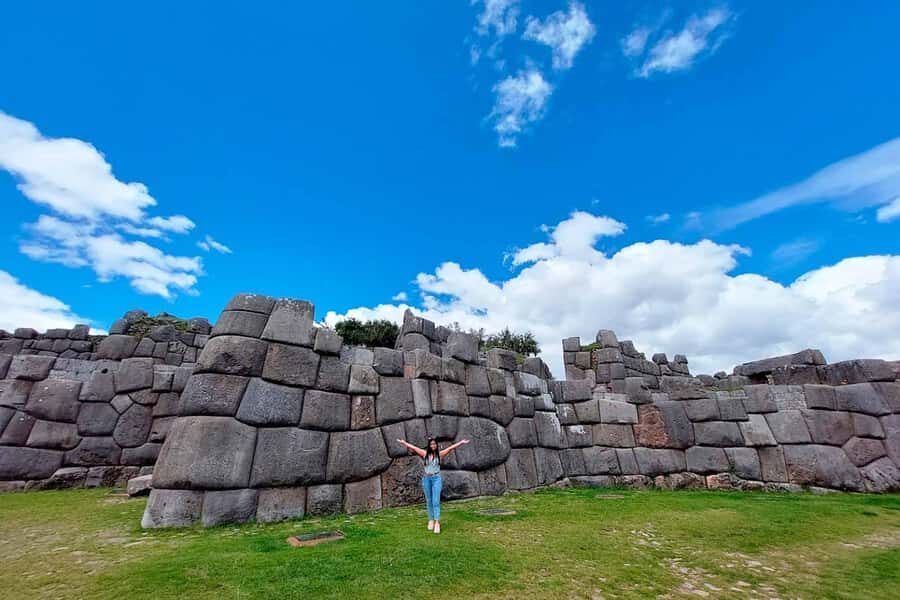
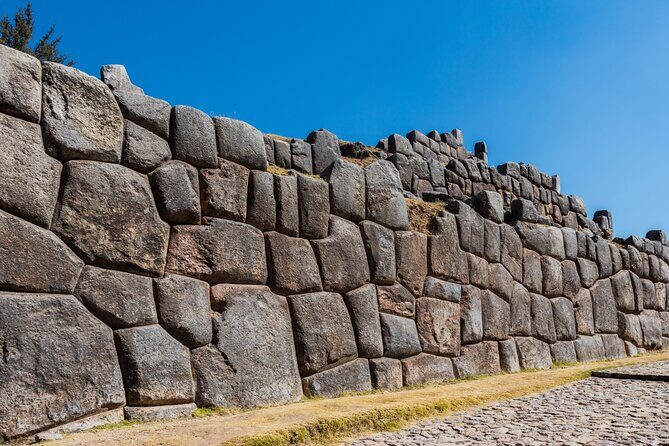
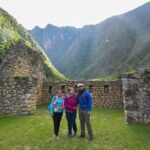
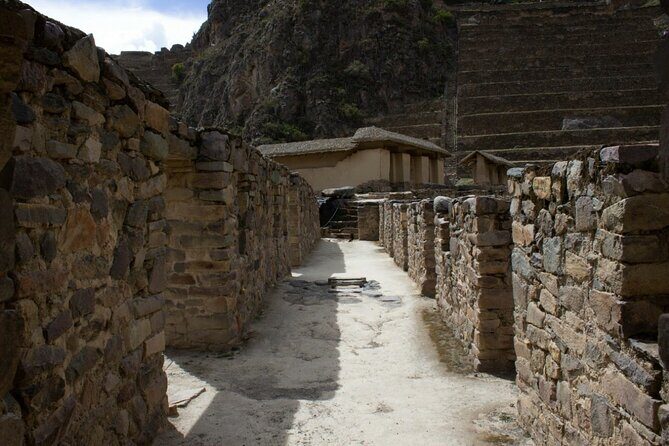
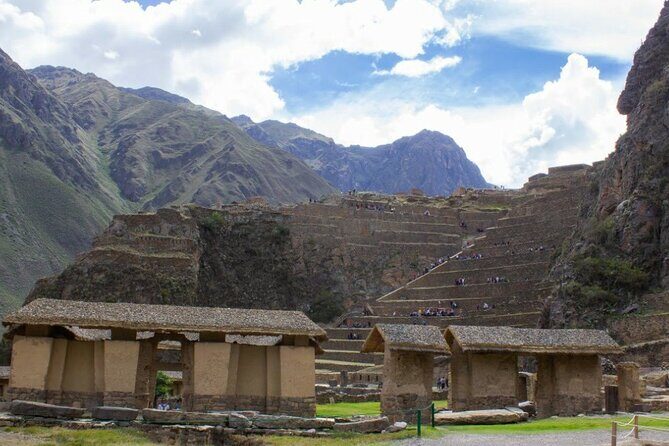
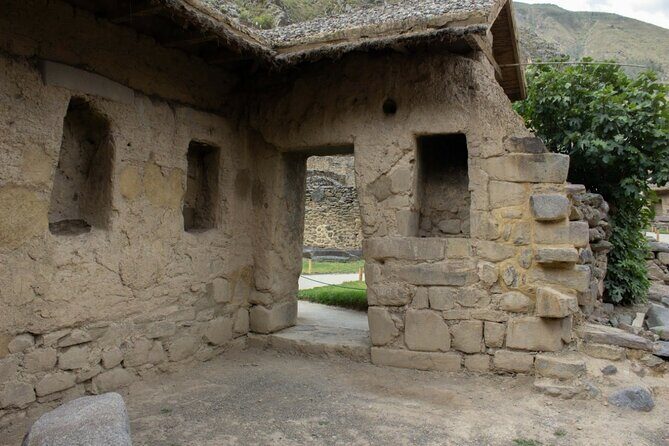
Ollantaytambo comes in the afternoon and acts like a hinge between sightseeing and travel. You explore its terraces and ruins, and you learn how it helped protect access to the Inca Trail to Machu Picchu.
Then the tour shifts into motion: you take the train to Aguas Calientes. The ride is part of the experience. You’re gaining elevation, watching the scenery change, and transitioning from the broad Sacred Valley views into the tighter valley around Machu Picchu.
The Aguas Calientes night: check-in and how to use your free afternoon
Once you reach Aguas Calientes, the tour has you checked in to your hotel, and your afternoon becomes your own.
This is where you can choose your tempo. If you want photos without rushing, this is often your best window. If you want to rest, resting is not just allowed—it’s smart. Day 2 starts early, and Machu Picchu mornings are not the time to feel behind.
Also, this is where you’ll want to confirm you’re ready for the bus up to Machu Picchu the next day. The more you can reduce last-minute decision stress, the better your morning feels.
Day 2 at Machu Picchu: bus timing, a guided route, and time to wander
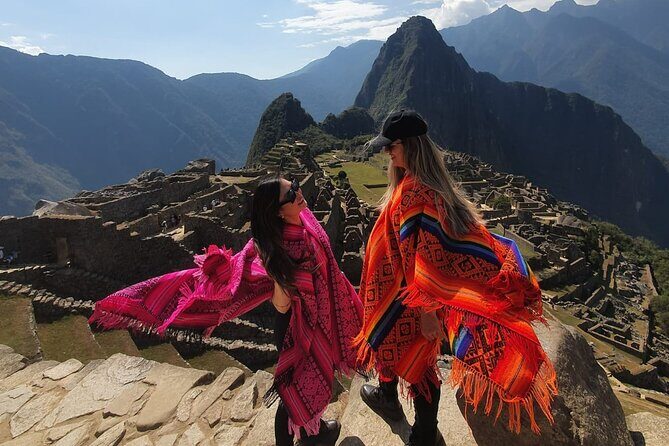
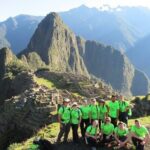
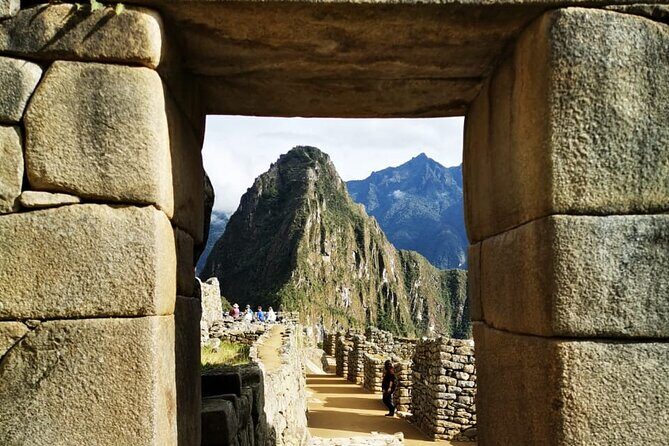
Day 2 starts with breakfast included, then you head to the bus station and climb to the main gate. The core Machu Picchu visit is about 5 hours, including a guided tour of the citadel plus time to enjoy the site on your own.
The guide’s job: connecting stones to meaning
A good Machu Picchu guide doesn’t just name buildings. They explain history, architecture, and spirituality. That’s exactly what this tour is set up to do: you’ll get a guided path through the main points, then time to let the place sink in.
If you end up with a guide like Erika, the pattern is clear from the way she’s been described: friendly, attentive, and strong at explaining what you’re looking at. Even if you don’t get the same person, the tour’s structure aims for that level of clarity.
Your free time: use it for photos and perspective
The tour includes free time to connect with the magic of the place. I suggest using that time for two things:
- Re-walk any section your guide pointed out, but slower
- Take photos from spots you didn’t prioritize during the guided pace
The citadel can feel overwhelming at first. A guided route helps you understand what matters, and free time helps you appreciate it.
Getting back to Cusco: train ride comfort and a late-day finish
After the Machu Picchu visit, you take the train back to Ollantaytambo and then transfer back to your hotel in Cusco. The expected arrival time is around 18:30.
This is a key benefit: you’re not stuck searching for transportation after a big day. You also avoid the worst kind of decision fatigue—meaning, you don’t have to figure out how to get from “Machu Picchu high” back to “sleep in Cusco” when your energy is gone.
Small-group tour: why the max 15 people matters
A max group size of 15 isn’t just a comfort detail. It usually helps with:
- Keeping the pace manageable at each site
- Making it easier for your guide to answer questions
- Avoiding the long queues and lost-in-the-crowd feeling
This is especially important on Machu Picchu days, where timing matters and buses and entrances can get tight.
What could trip you up: tickets, timing, and altitude reality
This tour is well structured, but there are a few points worth weighing before you commit.
Site fees you should budget for
Even though Machu Picchu access is included, you’ll pay:
- 90 soles for the Sacred Valley ticket on site
- Admission that isn’t included for stops like Moray and Salinas de Maras
- Optional Wayna Picchu at $65 USD if you want that extra viewpoint and can reserve it
So the headline price isn’t the full picture. It’s close, but not identical to your final out-of-pocket total.
Altitude: plan to arrive and ease in
Cusco and the route up to Machu Picchu are at altitude. One traveler’s takeaway was blunt: don’t schedule tours immediately after landing. Even if you feel okay on day one, altitude can hit later. I recommend building in at least a little acclimation time whenever your schedule allows.
Optional extras
One account noted that a jewelry visit could feel skip-able. That doesn’t sound like a core museum stop. If your guide includes any shop time on the day, decide quickly. If it doesn’t interest you, don’t stretch your patience.
Who should book this Sacred Valley and Machu Picchu 2-day plan
This tour is a strong match if you:
- Want Machu Picchu plus Sacred Valley without planning every transport step
- Like guided storytelling at ruins and historical sites
- Prefer a structured schedule with included meals and lodging
- Are traveling in a small group (max 15) rather than a huge bus crowd
You might want to rethink it if you:
- Want total freedom to linger at every viewpoint (this route is timed)
- Hate paying multiple site fees on top of the main price
- Are sensitive to altitude and haven’t given yourself time to adjust
Should you book? My take
If you want maximum “done for you” value—hotel, train, Machu Picchu bus, guides, and the main ticket—this is a practical way to get there in only two days. The Sacred Valley portion is not filler. You get major stops that explain how the Incas used their land and resources, then you move to Machu Picchu with context.
Book it if your priority is efficiency plus guided understanding. If your priority is slow travel and spending lots of unplanned time on-site, you may prefer a more flexible plan. Either way, do budget for the on-site Sacred Valley ticket and any extra mountain option, and give yourself a fighting chance against altitude.
FAQ
What time does the tour start in Cusco?
The tour starts at 7:30 AM in Cusco.
Do they pick me up from my lodging?
Yes. You’ll get door-to-door service, with pick-up from your hotel or a central Cusco Airbnb. Airport pickup is available on advance request.
Is lunch included during the Sacred Valley day?
Yes. Day 1 includes a buffet lunch in a local restaurant in the Sacred Valley, with vegetarian options.
Are Machu Picchu tickets included?
Yes. The tour includes a ticket to Machu Picchu with guaranteed access, plus the roundtrip bus to reach it.
Do I pay for Sacred Valley entry tickets separately?
Yes. The Sacred Valley ticket (90 soles) is not included and must be paid on site. Tickets for some specific stops are also not included.
Can I cancel or change the booking after purchase?
No. This experience is non-refundable and cannot be changed for any reason.