REVIEW · CUSCO
Desde Cusco: Moray Salinas de Maras y Tejedores de Chinchero
Book on GetYourGuide →Operated by Chullos Travel Peru · Bookable on GetYourGuide
A day in the Sacred Valley that pays off fast. This tour strings together Chinchero textiles, Moray’s experimental terraces, and the famous Salineras de Maras salt pans into one very doable 6-hour loop from Cusco.
What I like most is the hands-on feel of the morning: you’ll see how people turn salt water into salt, and you’ll learn how the Incas used agriculture as an experiment, not just subsistence. The views also make sense for photos, especially around Moray and the stepped salt terraces.
One thing to think about: the pick-up process can be a little hit-or-miss, so I’d plan to be ready early in the hotel lobby when your guide calls or writes ahead of time.
In This Review
- Key highlights at a glance
- A 6-Hour Sacred Valley Loop From Cusco
- Chinchero Textile Center: The Weaving You Can Actually Understand
- Moray Agricultural Terraces: The Inca Lab in Plain Sight
- Salineras de Maras: The Salt Mine Process You’ll Remember
- Photography, Timing, and What the Day Feels Like
- Price and Value: What $16 Really Buys You
- Who Should Book This (and Who Should Skip It)
- Final verdict: should you book?
- FAQ
- What time is the pick-up in Cusco?
- How long is the tour, and when do we return to Cusco?
- What’s included in the $16 per person price?
- Which entrance fees are not included?
- Are meals included?
- Does this tour involve a lot of walking?
- What should I bring, and is there anything not allowed?
Key highlights at a glance
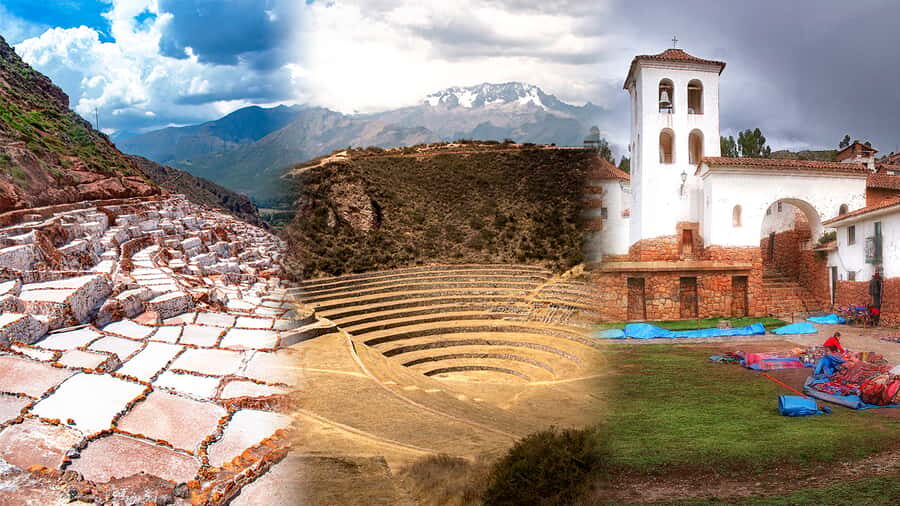
- Chinchero textile center: Get the full picture of how traditional weaving works and why patterns matter.
- Moray agricultural terraces: See how the Inca used terraces for experimental growing conditions.
- Salt pans since Inca times: Learn the salt production process step by step.
- Photo-friendly stops: Moray terraces and Salineras de Maras are built for cameras.
- Straightforward timing: Pick-up at 8:00 a.m., back to Cusco around 3:00 p.m.
A 6-Hour Sacred Valley Loop From Cusco
This is a compact, efficient day built for people who want the Sacred Valley without losing half the vacation to logistics. You’ll be picked up from a hotel in Cusco’s historic center at 8:00 a.m., then you’ll travel out and return by about 3:00 p.m. That schedule matters because it keeps the day from dragging, even if you’re not a big “early starts” person.
The tour is designed around three learning-focused stops, with time to look around and take pictures. It doesn’t involve much walking, which helps a lot if you’re adjusting to altitude or just prefer to keep your feet for Cusco itself later.
A practical note: your guide will message you about 15 minutes before pick-up, and you should plan to wait about 10 minutes in the hotel lobby. I recommend confirming your lobby address and being ready to go as soon as the message comes in, especially since one past experience flagged weak pick-up execution.
You can also read our reviews of more tours and experiences in Cusco.

Chinchero Textile Center: The Weaving You Can Actually Understand
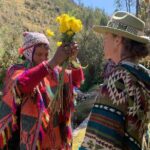
Chinchero is where the day starts to feel more than just sightseeing. You’ll head there first for a visit to a textile interpretation center, where you’ll learn the whole story of weaving instead of just seeing finished products.
The value here is context. Textiles in the Andes aren’t only craft; they’re communication. Even if your main interest is photography or the Inca sites, the Chinchero stop gives you a lens for understanding what you’ll notice later: patterns, materials, and the idea that traditional techniques were built to last and adapt.
Also, this is a good “warm-up” stop before you get to the more physically dramatic terrain of Moray and Salineras de Maras. The morning pace stays calm, and you’ll move on with a clearer sense of what the region’s knowledge systems were trying to do.
If you’re the type who likes to ask questions, this is usually where the guide’s English/Spanish explanations click best. You can ask how designs relate to daily life, what tools people use, or what makes certain techniques practical in the Andes.
Moray Agricultural Terraces: The Inca Lab in Plain Sight
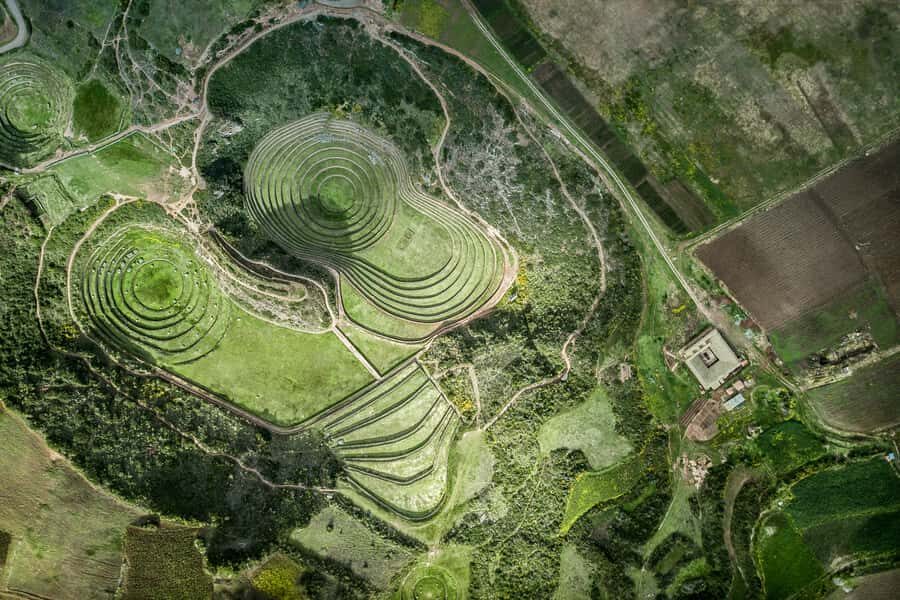
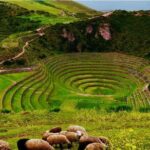
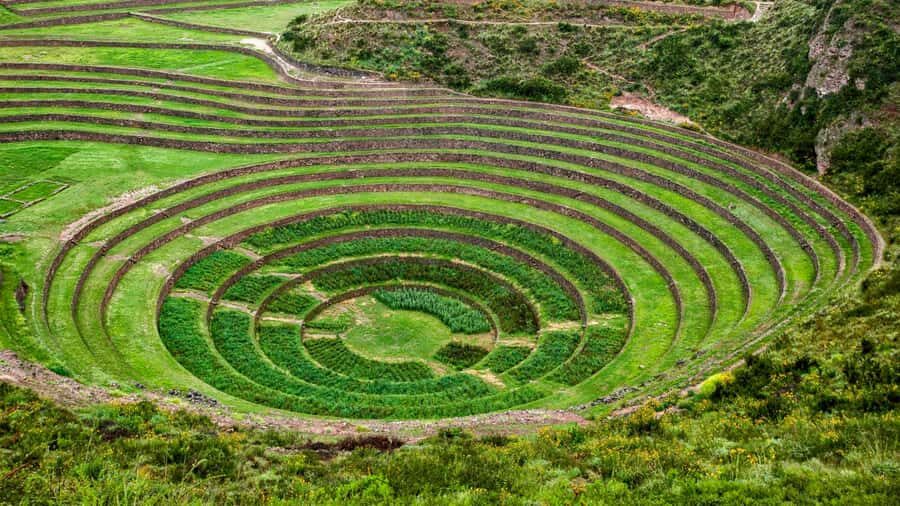
Moray is the day’s biggest “wait, what?” moment for many people, and that’s a good thing. You’ll visit the Moray agricultural terraces, described as an experimental agricultural laboratory. Translation: the Incas weren’t just planting and harvesting; they were actively testing conditions.
What you’re looking at are terraces engineered to create different growing environments. Even if you don’t get lost in the science, the overall point lands quickly: by shaping the land, you can shape climate and growing results. That’s why Moray feels like an open-air classroom.
This is one of the top stops for photos because the terraces form strong lines and depth. If you want shots that show scale, come ready to spend a few minutes just staring from different angles. The best pictures usually come when you’re willing to step slightly left or right and let the terracing do the work.
Tickets matter here. The entrance to Moray requires a general tourist ticket, which you purchase on site. The fee isn’t included in the tour price, so if you’re budgeting tightly, set aside time to handle it after you arrive rather than assuming it’s covered.
Salineras de Maras: The Salt Mine Process You’ll Remember
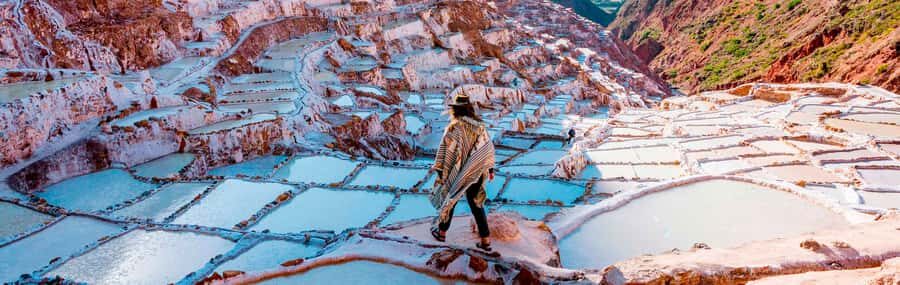
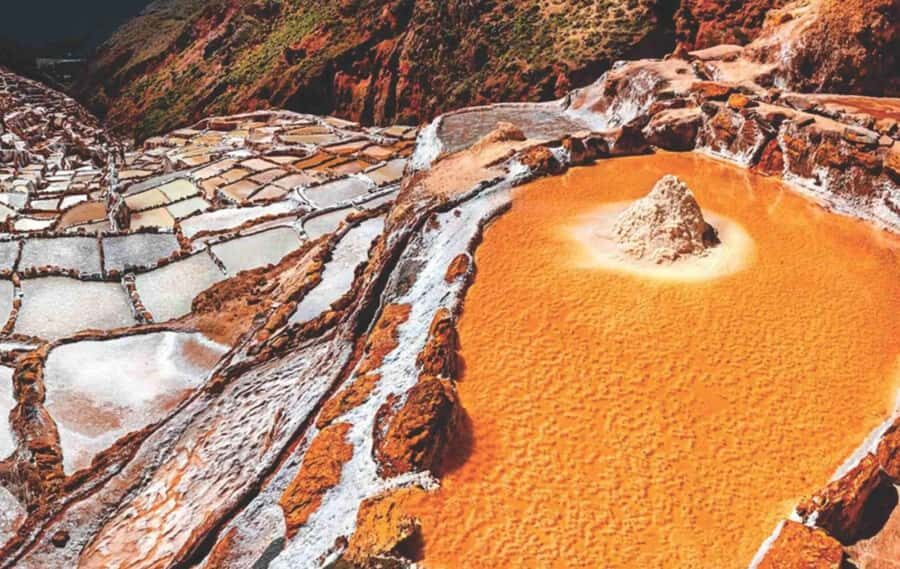
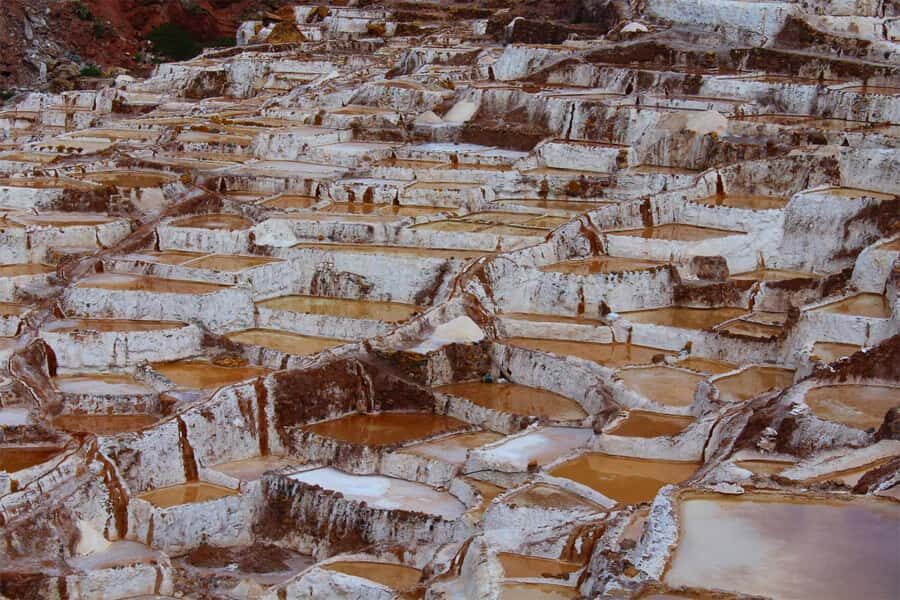
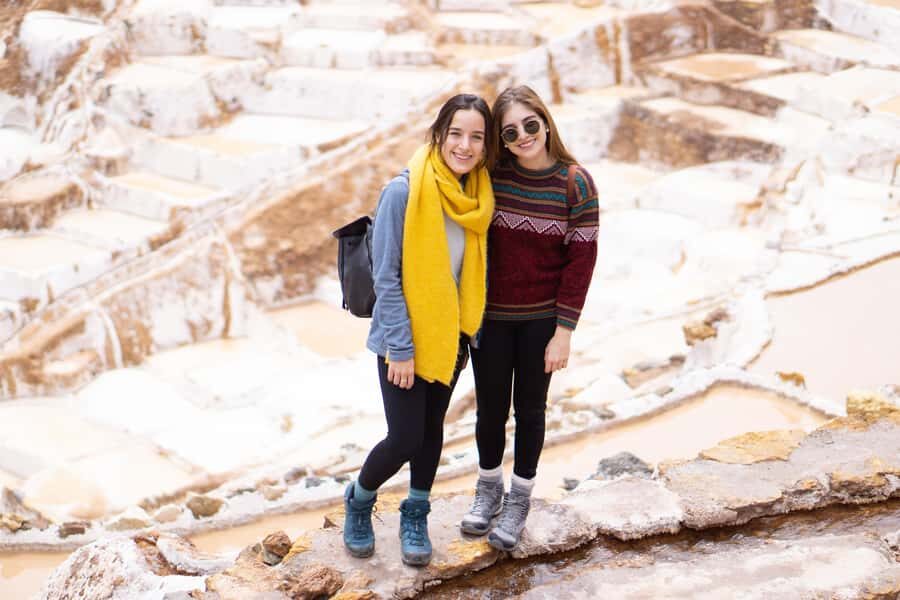
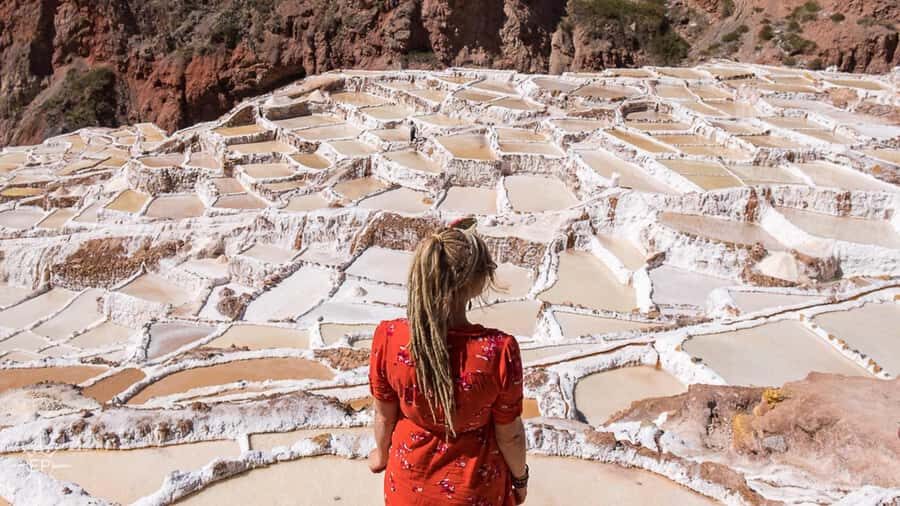
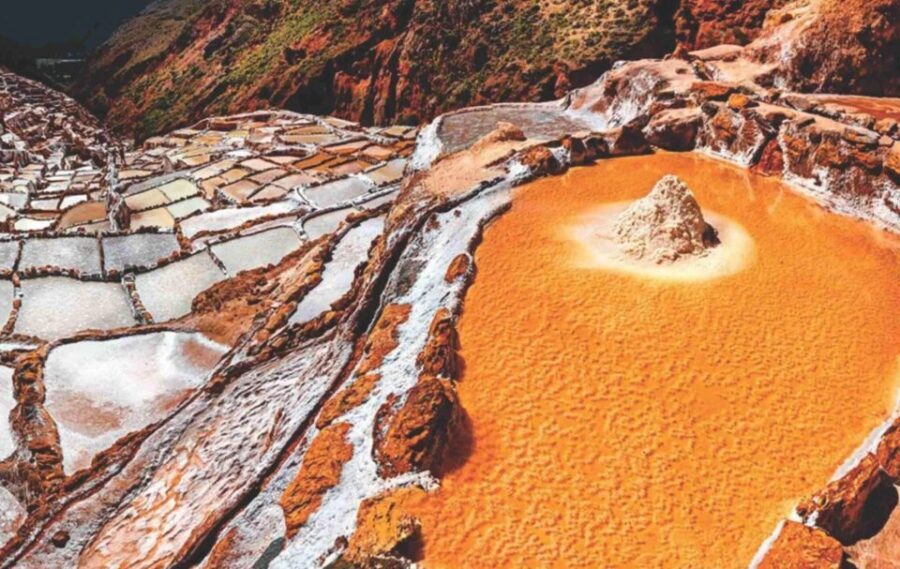
After Moray, you’ll reach Salineras de Maras, the salt mines famous for being used since Inca period times. The setting does the convincing: the salt pans climb along a hillside, and you can understand the logic immediately once you see the system.
Here’s what I find so educational: the guide explains how the Incas took advantage of a salt water spring, then turned the mountainside into a network of evaporation chambers. That’s the heart of the salt story. Water comes in; it evaporates; salt is left behind; people manage the next steps.
Even if you’ve seen photos before, seeing it in person tends to make it feel more real and less like a postcard. The salt pans are built to be functional. You can almost imagine the routine: maintenance, timing, and careful use of the hillside.
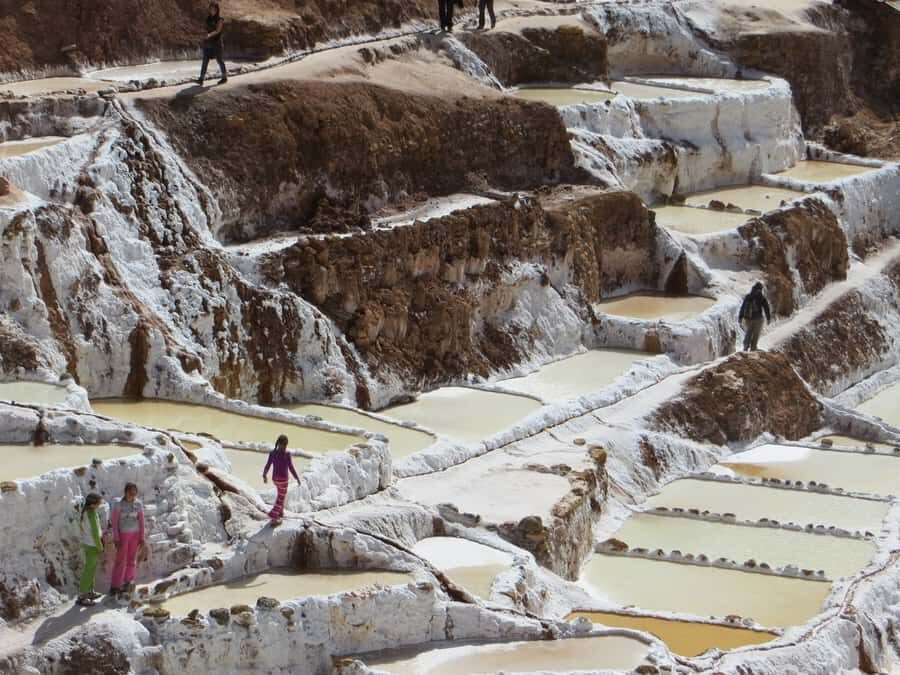
This stop also rewards patience. Don’t rush straight to the nearest viewpoint. Walk a bit (within what feels comfortable for you), look for the evaporation patterns, and watch how the terraces create repetition. Those repeating shapes are what make good pictures without needing fancy staging.
Entrance fee check: Maras entrance is 10.00 soles, and you purchase it on site.
Photography, Timing, and What the Day Feels Like
The tour is 6 hours long, and you’ll be back in Cusco by around 3:00 p.m. That means you can still plan an evening in town without feeling like you’ll be wiped out.
For photos, this order matters:
- Chinchero first: calmer, more “people and craft” energy.
- Moray second: you get the dramatic terrace geometry.
- Salineras de Maras last: the salt pans give you texture and repetition.
What I’d watch for is sun intensity. You’ll spend time outdoors in high-altitude light, so bring sun protection seriously: sunglasses, a sun hat, and sunscreen. Comfortable shoes help too, even though the tour doesn’t involve much walking.
Also, think about vertigo or motion sensitivity. The activity isn’t marketed as an extreme trek, but the hillside terrain at Salineras de Maras can still feel visually intense. If you’re the type who gets uneasy on heights, take that seriously before booking.
One more “feel the day” detail: the vehicle rules include no alcohol or drugs in the vehicle, and you should expect a normal sightseeing day pace rather than a party vibe. If you want a laid-back cultural outing, that’s a plus.



Price and Value: What $16 Really Buys You
At $16 per person for 6 hours, the big question is what you’re paying for—and what you’re not. The tour includes:
- Pick-up from your hotel in Cusco’s historic center
- Tourist transport
- A bilingual guide (English/Spanish)
What’s not included:
- Maras entrance (10.00 soles)
- Moray entrance (general tourist ticket)
- Meals
So, is it good value? For me, yes, because you’re not just buying transportation. You’re paying for interpretation: the guide connects the dots between weaving traditions, Inca agriculture, and salt production. Those explanations make the sites more than “look at the thing.”
To budget accurately, add entrance fees on top of the tour price. Also plan for at least one break for food since meals aren’t included. If you like traveling light, you can keep lunch simple, but don’t assume it’s provided.
A final value tip: since there’s no heavy walking, you can keep your energy for Cusco afterward. That often matters more than shaving a little money off your day.
Who Should Book This (and Who Should Skip It)
This tour is a strong match if you want:
- Inca agriculture explained clearly (Moray is the star)
- A real lesson on salt production at Salineras de Maras
- Photo time that doesn’t require a long hike
- A day that starts at 8:00 a.m. and ends early enough for Cusco evenings
It’s not suitable for:
- Pregnant women
- People with vertigo
- Visually impaired people
- People with recent surgeries
- People with motion sickness
If you’re unsure, think honestly about your comfort on uneven terrain and your tolerance for height visuals. Even though walking is limited, the setting includes hillside views that can challenge some people.
Final verdict: should you book?
I’d book this tour if you want a well-paced Sacred Valley day that blends craft (Chinchero) with two of the region’s most distinctive Inca-linked sites (Moray and Salineras de Maras). The $16 price feels fair because you’re paying for guided context, not just a car ride.
The only reason I’d hesitate is logistics around pick-up. If you do book, be proactive: confirm where you’ll meet your guide and be waiting in the lobby when the call or message comes in about 15 minutes before pick-up.
If you want, tell me your travel dates and whether you prefer photography or more conversation time with the guide, and I’ll suggest how to plan your day before and after this 6-hour trip.
FAQ
What time is the pick-up in Cusco?
Pick-up is included for hotels in Cusco’s historic center, starting at 8:00 a.m. Your guide will write or call you about 15 minutes before pick-up, and you should wait about 10 minutes in the hotel lobby.
How long is the tour, and when do we return to Cusco?
The tour duration is 6 hours, and you arrive back in Cusco at approximately 3:00 p.m.
What’s included in the $16 per person price?
The price includes hotel pick-up (historical center of Cusco), tourist transport, and a bilingual tour guide (English/Spanish).
Which entrance fees are not included?
Entrance to Maras costs 10.00 soles and Moray requires a general tourist ticket. Both can be purchased on site.
Are meals included?
No. Meals (breakfast/lunch) are not included.
Does this tour involve a lot of walking?
No. This tour does not involve much walking.
What should I bring, and is there anything not allowed?
Bring passport or ID card, comfortable shoes, sunglasses, a sun hat, sunscreen, water, and comfortable clothes. Alcohol and drugs are not allowed, and alcoholic drinks are also not allowed in the vehicle.