REVIEW · CUSCO
4-Day Salkantay Trek
Book on Viator →Operated by SAM Travel Peru · Bookable on Viator
Four days, one wild mountain-to-Machu arc. This 4-day Salkantay trek from Cusco puts you in a small group (max 8) with private, crowd-free camps and a guided 2-hour visit at Machu Picchu. The route walks you from high glacier views down through cloud forest, then back up again for classic Inca scenery.
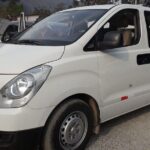
I also like the way meals and logistics are handled. You’re picked up early, driven to the trailhead in a private van, fed on schedule (4 breakfasts, 3 lunches, 3 dinners), and shuttled into Aguas Calientes and back to Cusco at the end. The main drawback to plan for is the altitude and early starts: this is high-country trekking, and the schedule kicks off around 4:30am.
In This Review
- Key Things to Know Before You Go
- From Cusco’s Early Pickup to Soraypampa: Day 1’s Glacier Views
- Day 2: Salkantay Trail Descent Into Cloud Forest and Real Coffee
- Day 3: Puncuyoc Pass, Llactapata Ruins, and the Hydroelectric Lunch
- Day 4: Machu Picchu With a 2-Hour Guide and Time for Your Choice
- Private Camps, Real Camp Comfort, and Chef-Driven Meals
- Altitude, Pace, and What to Pack So You Don’t Feel Miserable
- Price and Value at $777: What You’re Paying For
- Who This Salkantay Trek Suits Best
- Should You Book This 4-Day Salkantay Trek?
- FAQ
- What time is pickup in Cusco?
- How many people are in the group?
- How physically demanding is the trek?
- Where do you sleep during the trek?
- What meals are included?
- Is Machu Picchu guided?
- Can you climb Huayna Picchu or hike to the Sun Gate?
- How do you get back to Cusco on the last day?
- Is admission included for Day 2, Day 3, and Day 4?
Key Things to Know Before You Go
- Early pickup from Cusco (around 4:30am) with a private van ride to Soraypampa
- Max 8 travelers so you get more hands-on attention when pace or conditions change
- Private, crowd-free campsites with big mountain views
- Day 2 cloud forest plus a coffee experience (coffee tour plus hands-on picking, roasting, grinding, and brewing)
- Llactapata Inca ruins on Day 3 right before you reach Machu Picchu
- Return timing is tight on Day 4: bus to Machu Picchu, then train back toward Cusco by late afternoon
From Cusco’s Early Pickup to Soraypampa: Day 1’s Glacier Views
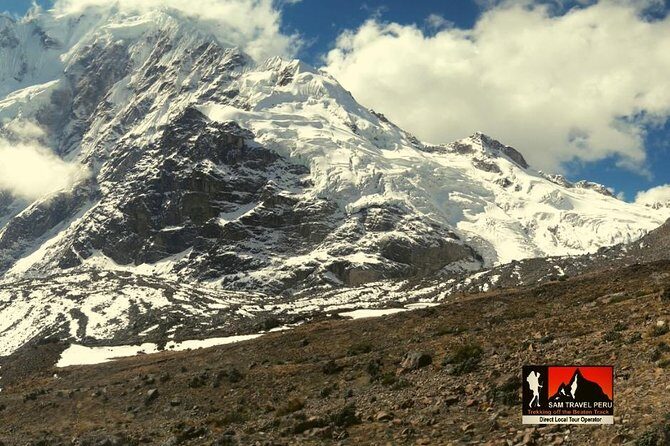
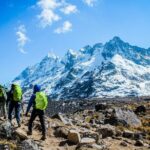
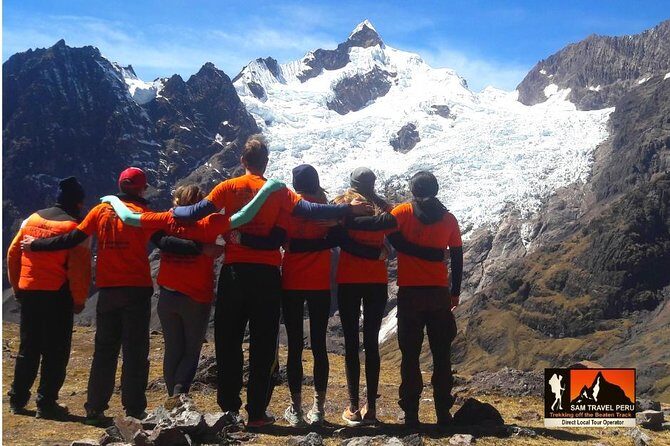
Day 1 starts very early. You’re collected from your hotel lobby at about 4:30am, then ride roughly 3 hours in a private van along curvy Andean roads. As you climb into the higher valleys, you’ll catch views of villages along the route, the surrounding valleys, and Salkantay itself in all its snowcapped glory.
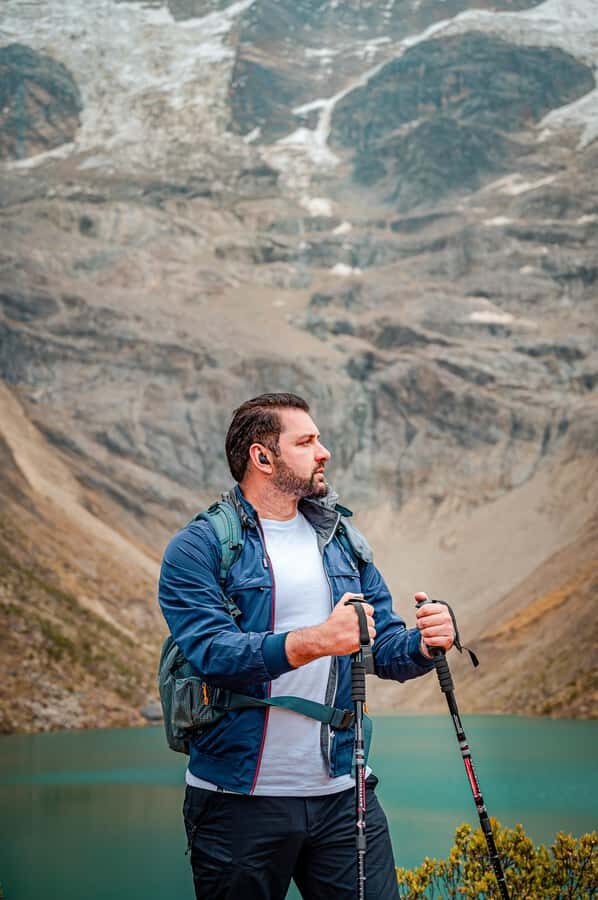
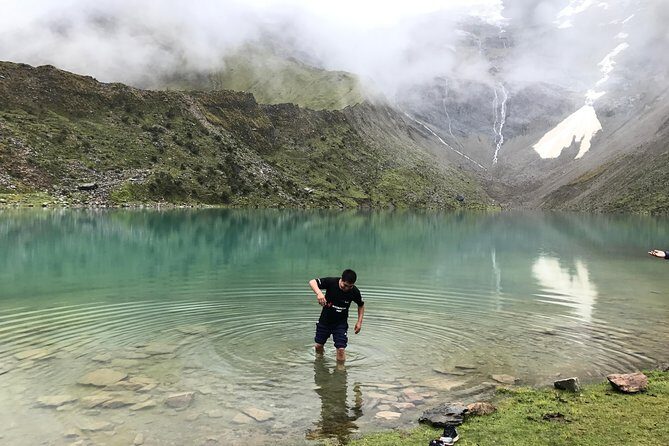
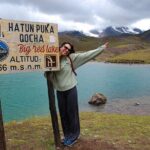
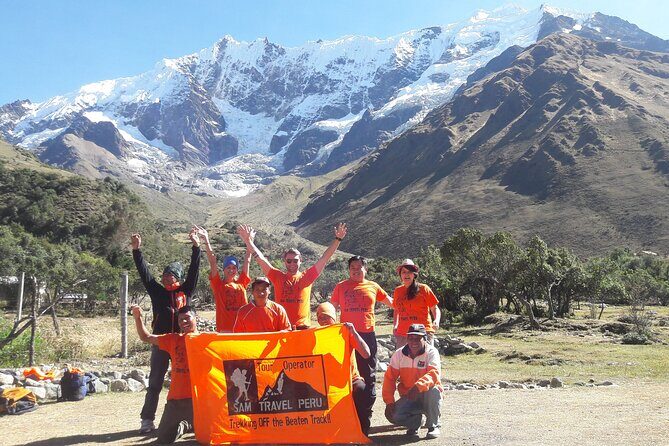
At Soraypampa, the trailhead, the trek begins with breakfast and glacier scenery. You’re looking at the Humantay and Salkantay glaciers, and that big, cold-backed panorama helps you understand what kind of hike you’re in for. Then the walking starts gently and steadily, moving through Andean valley scenery before you reach Sorococcha at about 4,400m for lunch.
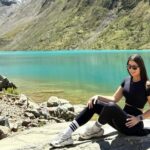
The day’s high moment comes with the climb to Apacheta Pass (about 4,650m). This is where the views get brutal-in-a-good-way: snowcapped peaks, agitated white rivers, and small lakes scattered into the distance. After that, you hike about 35 minutes to turquoise Salkantay Lake, then make your way down about 2 hours to camp at Huayracmachay.
What to keep in mind: Day 1 is not just a warm-up. Even if the walking feels gradual, the altitude sits in your lungs from the first hour, and you’ll feel the drop in air pressure quickly while looking at glaciers.
You can also read our reviews of more hiking tours in Cusco
Day 2: Salkantay Trail Descent Into Cloud Forest and Real Coffee
After breakfast, Day 2 turns into a different kind of energy. You descend for about 3 hours toward the rural community of Chayllayand, passing through lush green valleys and seeing waterfalls along the way. It’s a welcome change from the cold, high glare of Day 1.
Lunch comes partway through the day, then the route continues with a long walk (about 5 hours) into the beginning of the Peruvian cloud forest. This is where you’ll notice the temperature shift first, then the vegetation changes. Fruit-bearing trees, varied plant life, and birds show up as the air gets more humid and the scenery becomes greener and more layered.
The night stops at Lucmabamba (about 2,050m). You also get something you don’t usually get on mountain treks: a relaxing, hands-on coffee tour tied to Peru’s coffee exporting region. You start by browsing coffee fields, learning about bean types, and even picking your own. Then you roast and grind the coffee, and finally brew and drink the coffee you made. It’s also paired with the farming reality around tomatoes and avocados, so you’re not only learning a product story—you’re seeing the ecosystems that support it. Then your trekking chef cooks the dinner using food you pick from those fields.
From a practical standpoint, I like Day 2 because it breaks the trekking routine. The coffee part is not a theme park show; it’s a real food chain moment, and it gives your body a mental break while you’re still moving through changing climates.
Day 3: Puncuyoc Pass, Llactapata Ruins, and the Hydroelectric Lunch
Day 3 is when the trek starts feeling like it’s closing in on Machu Picchu, without taking away the wilderness feel. After breakfast, you walk along a remote stretch connected to the Inca Trail for about 3 hours uphill to Puncuyoc Pass (around 2,700m). The views here are long and stretching—valleys and fruit plantations running out toward the horizon—so even when your legs slow down, your eyes stay busy.
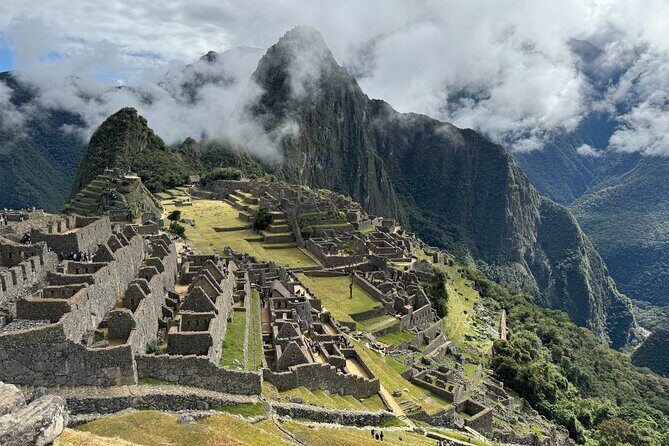
You arrive at Llactapata Inca ruins, positioned right in front of Machu Picchu. This stop matters because it gives you that first “I see the whole plan” feeling. You get time to look at the ruins and take in Huayna Picchu, Machu Picchu, and Apobamba Canyon from the right angle, before you’re dropped into the main site.
After that viewpoint break, the walking becomes a descent: about 2 hours down to the hydroelectric plant, where you have lunch. Then you take a short train ride (about 30 minutes) to Aguas Calientes, where you sleep in a hotel with a proper bed.
This is a nice value point: you get one night where you can sleep flat on a mattress before the big Machu Picchu day. It helps more than you might think when you’ve been trading comfort for scenery.
Day 4: Machu Picchu With a 2-Hour Guide and Time for Your Choice
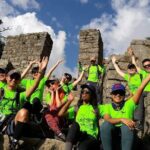
Day 4 is the payoff day. You leave your hotel after a very early breakfast and take the bus up to the ruins. Once inside, you get a guided 2-hour tour of the Machu Picchu site, with time afterward to explore on your own, take photos, and choose what you want to do next.
The options given are important if you like flexibility. You can climb Huayna Picchu, climb Machu Picchu Mountain, or hike to the Sun Gate. Then you return to Aguas Calientes at about 12pm, where your Machu Picchu day continues more comfortably with a leisurely lunch.
Later, you catch the train back to Cusco. At 4:22pm, you return on the Expedition train to Ollantaytambo, then transfer by private van back to Cusco, arriving around 8:30pm.
Tip for planning your day: Machu Picchu is crowded, and your time inside is valuable. The structure here gives you a guided start (so you understand what you’re seeing) and then a free window to focus on what you personally want: longer views from a climb, or quiet time at the main zones.
Private Camps, Real Camp Comfort, and Chef-Driven Meals
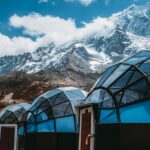
A big reason people pick this trek is not just the route. It’s the feeling of being cared for on the ground. The camps are described as private and crowd-free, which changes the mood at night. You’re not sharing your tent valley with hundreds of strangers, so it feels more controlled and calmer after a long day.
Camp comfort details show up in guest feedback too. People have described tents that are warm and bigger than expected, with fleece lining, a real mattress instead of a thin foam pad, and thick blankets. In practice, that means less shivering at night and more sleep before the next altitude push. Some guests also mention hot water bags and hot water available for washing up.
Food is another standout. You’re not eating just to survive. Meals are described as hearty, fresh, and often some of the best food they had in Peru. And because you’re on a trekking schedule, the meals are timed to keep your energy up. You get multiple full meals each day (breakfast, lunch, dinner depending on the day), and you can refill fresh, potable water at meal stops.
One more useful angle: the trek is often run by a full crew, not just a guide. When a head chef and team are doing the cooking and camp support, you spend your effort on walking, not on guessing what dinner might be.
You can also read our reviews of more tours and experiences in Cusco
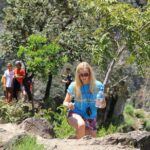
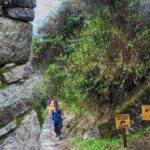
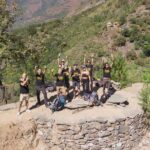
Altitude, Pace, and What to Pack So You Don’t Feel Miserable
This is the part you can’t ignore. The trek goes up to high passes—Apacheta Pass around 4,650m, and Puncuyoc Pass around 2,700m—and nights will feel cold at altitude. The tour data calls for a strong physical fitness level, but even fit people get slowed by altitude.
Here’s what helps, based on practical advice shared by guests:
- Plan acclimatization in Cusco before your trek. A week is recommended by one solo traveler, and it makes a real difference in how quickly you recover.
- Consider altitude support like patches, drops, or even oxygen cans. Not everyone needs them, but they can help you feel steadier.
- Bring a thicker coat for the first nights. Cold can hit fast even when the day sun is strong.
- Pack smart for water. Some people used a water bladder plus an extra bottle and found it plenty.
- If you get sick, there may be mules available to help carry you through parts of the route.
Pace can also be a factor in how the trip feels. With a maximum group size of 8, your guide can often adjust timing. Still, if you’re a strong hiker and prefer to move fast, you may need to communicate what your ideal pace feels like.
Price and Value at $777: What You’re Paying For
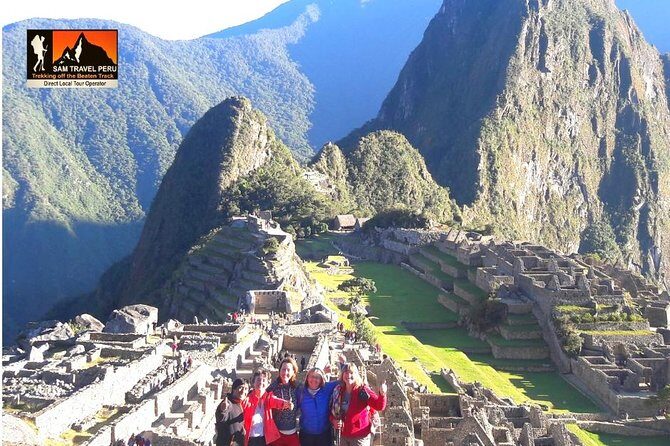
At $777 per person for about four days, this is not the cheapest way to do Salkantay. But you’re not just paying for a trail. You’re paying for a full operation: private van transport from Cusco, organized trail logistics, camp setup, and meals scheduled every day.
Here’s where the value becomes clear:
- Small group size (max 8) usually translates to better support when altitude hits or weather turns.
- Meals are included (4 breakfasts, 3 lunches, 3 dinners), which removes one of the biggest unknown costs in trekking.
- Machu Picchu includes a guided tour plus time to explore and options for a climb or Sun Gate hike.
- The itinerary also includes a hotel night in Aguas Calientes with a proper bed, which reduces fatigue and makes the Machu Picchu day more enjoyable.
Also, some solo travelers reported added flexibility such as luggage transport between stops and no single supplement in at least one case. That’s not a promise written into the basic details you were given, but it signals that the company tries to keep solo trekking from feeling like a financial penalty.
Who This Salkantay Trek Suits Best
This trek fits best if you want the route, but also want support. You’ll like it if:
- you want private, crowd-free camps instead of party-style trekking camps
- you care about food quality and warm camp comfort, not just survival hiking
- you like guided context at Machu Picchu, then time to roam
- you prefer a smaller group so the guide can match your pace and needs
It may be less ideal if you hate early mornings or you’re unsure about altitude. This isn’t an easy stroll. You need strong fitness and you should take acclimatization seriously.
Should You Book This 4-Day Salkantay Trek?
Book it if you want a classic Salkantay-to-Machu Picchu trek with small-group attention, included meals, and a calmer camp setup. The coffee stop on Day 2 and the Llactapata ruins on Day 3 are smart additions that keep the trek from feeling like one long line of the same scenery.
Skip it (or at least postpone) if altitude scares you and you’re not willing to prepare. At this elevation, one bad plan turns into a miserable trek fast. If you handle the basics—acclimatize, pack warm, and accept that your pace might slow—you’re set up for a very memorable, well-run adventure.
FAQ
What time is pickup in Cusco?
You’re collected from your hotel lobby at about 4:30am. The tour lists a start time of 4:00am, so plan to be ready early.
How many people are in the group?
The tour has a maximum of 8 travelers, which helps keep the experience more personal.
How physically demanding is the trek?
The tour notes that it requires strong physical fitness. You’ll hike long days, including high passes like Apacheta Pass and Puncuyoc Pass.
Where do you sleep during the trek?
You’ll sleep at campsites on the trek and then in a hotel with a proper bed in Aguas Calientes before Machu Picchu.
What meals are included?
Meals included are 4 breakfasts, 3 lunches, and 3 dinners. Any meals not listed are not included.
Is Machu Picchu guided?
Yes. You get a guided 2-hour tour inside Machu Picchu, plus free time afterward.
Can you climb Huayna Picchu or hike to the Sun Gate?
The plan includes options to climb Huayna Picchu, climb Machu Picchu Mountain, or hike to the Sun Gate, depending on what you choose.
How do you get back to Cusco on the last day?
You return to Cusco on the Expedition train. The schedule states departure at 4:22pm from Ollantaytambo, then a private van transfer back to your Cusco hotel around 8:30pm.
Is admission included for Day 2, Day 3, and Day 4?
The schedule marks Admission Ticket Included on Day 2 and Day 3, and Day 4 is tied to the Santuario Historico de Machu Picchu, indicating tickets are handled as part of the experience.