REVIEW · CUSCO
Half Day Cusco City Tour with an English speaking local guide
Book on Viator →Operated by Magical Cusco Travel Agency · Bookable on Viator
Cusco’s stones teach fast. This half-day tour strings together the key sites around town with a bilingual local guide and Cusco Tourist Transport that keeps things moving without rushing you into confusion. You get a clear story arc from Inca devotion to Sun God Inti at Qorikancha, up to the big fortress energy of Sacsayhuaman, and then to smaller, more “why is this here?” ritual spaces like Q’enqo.
I especially like that this is short enough to do at 2:00 pm and still feel like you saw the real Cusco building blocks, not just bus windows. I also like the small-group feel (max 18), because you can actually ask questions and not shout over everyone’s camera click-frenzy. The one drawback to plan for is practical: entrance tickets aren’t included, and Qorikancha’s admission in particular is not covered, so you should budget extra before you go.
In This Review
- Key things to know before you go
- A tight half-day route that hits Cusco’s power places
- Meeting at Plaza de Armas and what pickup really means
- Qorikancha: Sun Temple energy and the Inca–Spanish mix
- Sacsayhuaman: zigzag engineering and fortress views
- Q’enqo: carved tunnels, ritual space, and a smaller sense of awe
- Puka Pukara: the Red Fortress and its strategic logic
- Tambomachay: the Bath of the Inca and sacred water
- Price and value: what $17 buys, and what you still need
- Who should book this afternoon tour
- Quick strategy tips for getting the most out of each stop
- Should you book this Cusco City Tour?
- FAQ
- How long is the Cusco City Tour?
- What time does the tour start?
- Where is the meeting point?
- Does the tour offer pickup?
- Is an entrance ticket included for the sites?
- Are mobile tickets used?
- Will the guide speak English?
- What is the maximum group size?
- Is there free cancellation?
- Are service animals allowed?
Key things to know before you go
- English support is built in, since the guide is listed as bilingual and you’ll get local context on what you’re seeing.
- Pickup and transport are included, which matters in Cusco when streets, timing, and finding the right corner can get annoying fast.
- A tight 4-hour loop works well if you only have one afternoon and want multiple iconic stops.
- Qorikancha, Sacsayhuaman, Q’enqo, Puka Pukara, and Tambomachay are covered in one pass, each with a different purpose (sun, fortress, ritual, military, water).
- Group size stays capped at 18, so you’re less likely to feel like you’re packed into a commuter bus.
A tight half-day route that hits Cusco’s power places
This tour is built for people who want a strong overview without burning an entire day. You start in the afternoon, and about four hours later you’re back where you began, which is ideal if you’re still getting your bearings in Cusco or you want time afterward for dinner and wandering.
What makes the route feel smart is the variety of the stops. You’re not just seeing “old rocks.” You’re bouncing between sites tied to different parts of Inca life: worship and symbols, defense and engineering, rituals, strategic outposts, and sacred water. When the sites are spaced like this, you start to notice patterns in how the Incas built meaning into stone.
The big thing to keep in mind: because it’s a half day, you’ll have shorter time slices at the middle stops. That doesn’t make them less interesting, but it does mean you should come with a simple goal: learn the basics at each place, then let the setting do the rest.
You can also read our reviews of more guided tours in Cusco

Meeting at Plaza de Armas and what pickup really means
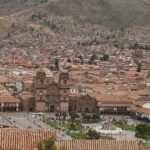
You’ll meet at Plaza de Armas de Cusco, Del Medio 123, Cusco 08000, Peru, with a 2:00 pm start time. Pickup is offered, and the tour ends back at the meeting point, so you’re not left figuring out transportation at the end.
In a city like Cusco, logistics can make or break an afternoon. I’d treat this as a “show up ready, confirm details, then relax” kind of tour. Aim to arrive a bit early at the plaza so you’re not waiting in the cold air or trying to interpret vague pickup directions while your phone battery does that thing phones do.
One more practical caution, based on past experience with this kind of operation: some bookings have had issues like an operator not showing up or needing to swap groups. Also, there have been cases where the guide’s English wasn’t enough to fully lead the group, and people got moved to another group. So if you care a lot about clear English guiding, keep your expectations grounded, and be ready for a brief plan adjustment if needed.
Qorikancha: Sun Temple energy and the Inca–Spanish mix
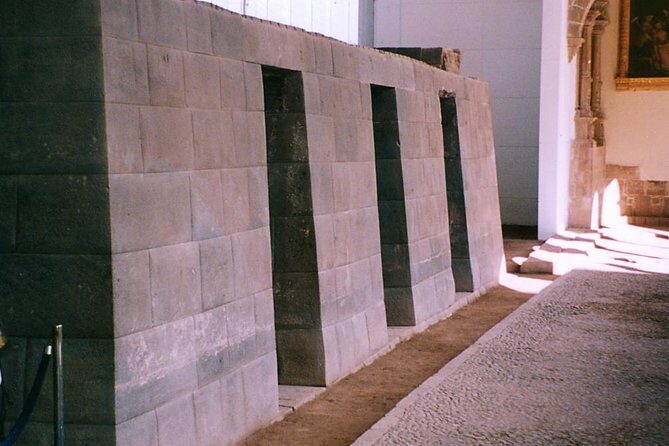
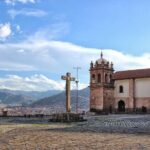
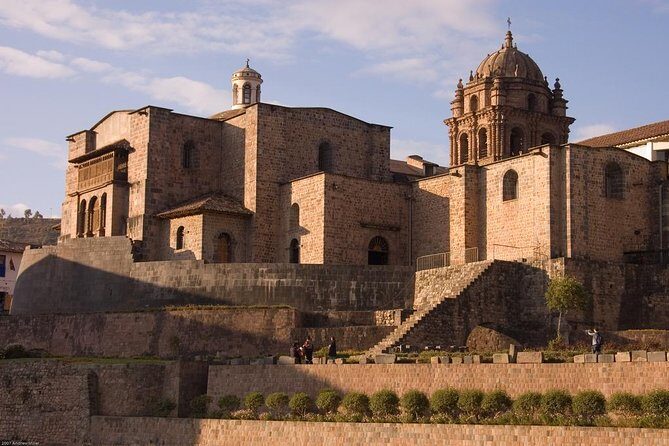
Your first stop is Qorikancha, often described as the Temple of the Sun. This is where you start to understand Cusco as a place of layers. The Inca worldview was centered on Inti, the Sun God, and Qorikancha was the empire’s jewel. You’ll see references to the former splendor, including walls that were once clad in gold sheets, which helps explain why this site mattered so much.
The real value of starting here is that the day’s theme clicks into place. After Qorikancha, the rest of the route makes more sense: the Incas weren’t just building impressive walls; they were shaping belief, authority, and everyday meaning.
You’ll have about 40 minutes here, which is enough time to orient yourself, understand what you’re looking at, and still move on before the afternoon gets too stretched. Just remember: entrance ticket for the sites isn’t included, and the entry for Qoricancha is specifically not included. Build that into your budget and don’t wait until you’re at the ticket window in a hurry.
Sacsayhuaman: zigzag engineering and fortress views
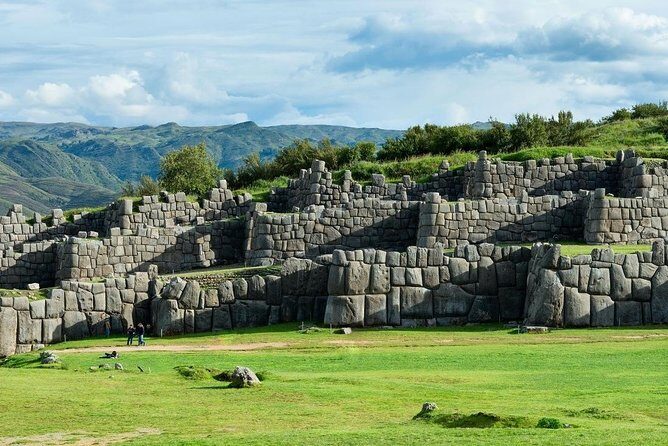
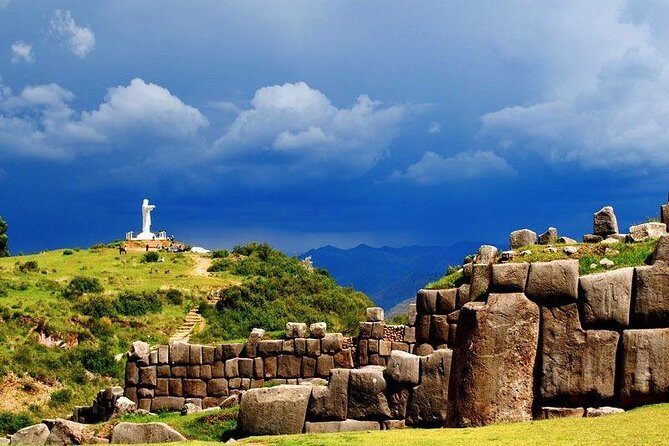
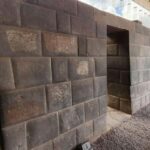
Next up is Saqsaywaman (Sacsayhuaman), a monumental fortress overlooking the city. This is the stop where the Inca engineering story becomes obvious, even if you’re not a stone nerd. The walls are famous for their unusual shapes and the way they fit the terrain, and that “zigzag” look is part of what made the site feel impossible in its own era.
Your time here is about 40 minutes, which works well because the site is visual. You don’t need a lecture to appreciate scale; you need a few angles. Look for how the stonework sits, how the walls relate to the slopes, and how the height changes your perspective over Cusco.
Why this stop matters for your day: it adds the military and political side. If Qorikancha is about cosmic importance, Sacsayhuaman is about control, defense, and power made visible. And since you’re already in the afternoon, you can often catch better light than at midday, which helps the fortress feel even more dramatic.
Entrance tickets aren’t included, so again: budget for it. The guide will help you understand what each section means, but the site entry is still on you.
Q’enqo: carved tunnels, ritual space, and a smaller sense of awe
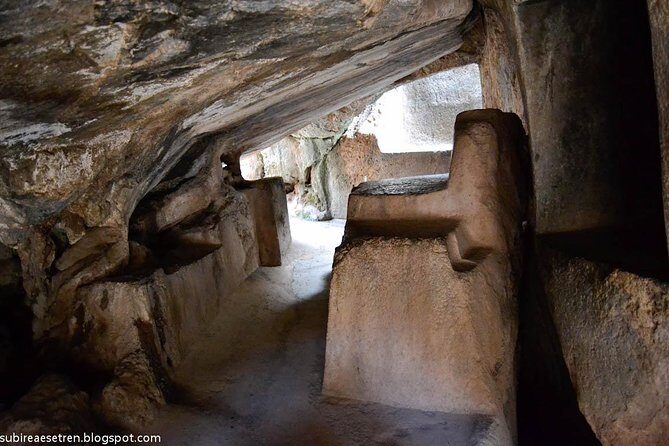
At Q’enqo, the vibe shifts. This isn’t the huge fortress scale. It’s more intimate, and that makes it interesting. You’ll find tunnels and chambers carved into rock, and the place is tied to ritual activity.
You’ll have about 20 minutes here, so keep your focus sharp. In a short visit, I’d spend most of my time locating the main carved areas and letting the guide’s explanations make sense of the layout. The key value isn’t exhausting every corner; it’s understanding why the rock was cut this way and what that would have meant to the people who used the space.
A practical thought: at Q’enqo, your best payoff comes from paying attention early. Once you’re walking out, it’s hard to “re-enter” the feeling. So if you want photos, take them as you go, but don’t let the camera steal the whole visit.
You can also read our reviews of more city tours in Cusco
Puka Pukara: the Red Fortress and its strategic logic
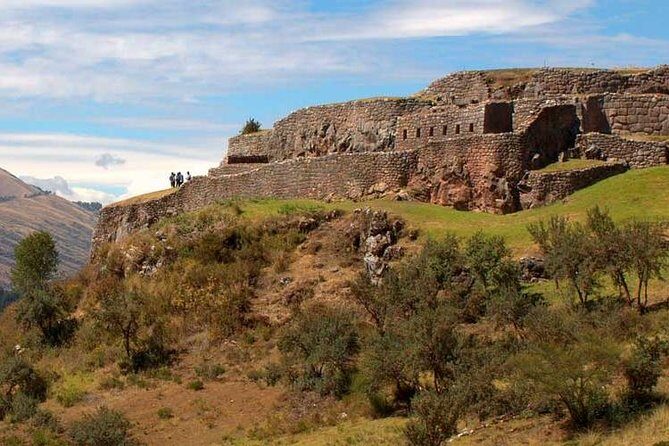
Then you head to Puka Pukara, sometimes called the Red Fortress because of the reddish hue of its stones. Even if you’re not sure what the site is used for, the name helps you read it with your eyes.
This stop is about 20 minutes, and it’s a good one for people who like military and practical design. Puka Pukara isn’t presented as a purely ceremonial location. It’s framed as a strategic outpost, meaning it likely had a role in watching, controlling movement, or supporting defense.
Here’s how to get more out of your short time: stand where the view makes sense. The site’s vantage point is part of the point, and when you understand that, you stop seeing it as random ruins and start seeing it as deliberate placement. The information you get from the guide will help connect the landscape to the purpose.
If light is right later in the afternoon, you might see why it’s linked with a sunset look. Don’t count on perfect timing, but do take advantage of the moment when colors shift and the “red” shows up.
Tambomachay: the Bath of the Inca and sacred water
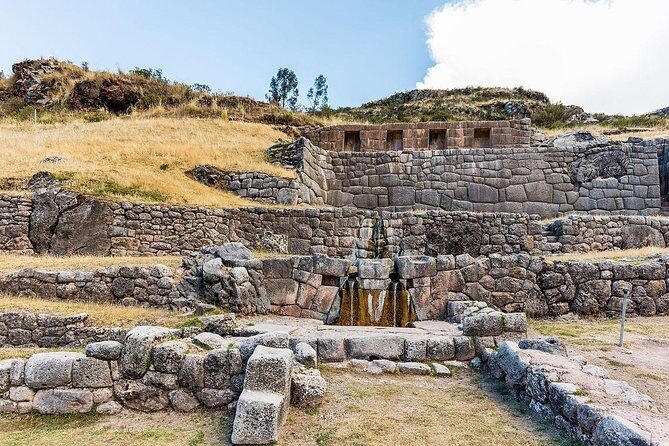
The final stop is Tambomachay, often referred to as the Bath of the Inca. This is the water-themed finale, and it gives your brain a rest from stone walls and carved tunnels.
You’ll hear about aqueducts and the significance of flowing water. This stop is described as having a series of aqueducts, and the idea is that water wasn’t just practical. It was sacred, organized, and respected.
Your time here is about 30 minutes, which is the longest stop after Qorikancha and Sacsayhuaman. That extra time matters. Water-related sites are easier to enjoy slowly. You can stand, listen for the movement, and let the explanations connect what you see to why it was important.
Also, because it’s the last stop, it’s where your afternoon pacing matters. If you arrived hungry, this is often where you’ll realize you should have eaten earlier. Keep an eye on your energy so you can enjoy the last part instead of counting down to the ride back.
Price and value: what $17 buys, and what you still need
At $17 per person, this tour is priced like a budget-friendly way to see major Cusco sights. The included cost components are clear: Cusco Tourist Transport and a bilingual local guide.
That’s the core value. In practical terms, you’re paying for someone to keep the route logical, explain what each place is, and handle transport so you don’t have to piece together multiple half-day tickets and schedules on your own.
The catch is also clear: entrance tickets aren’t included, and Qorikancha’s entry is specifically not included. So your all-in cost depends on current site pricing. I’d treat $17 as the “guided transport portion,” then add a separate budget for site admissions.
Also consider the group size. A cap of 18 people is small enough that the experience can feel human when things run smoothly. But if you’re sensitive to English clarity or rigid timing, you should plan for the reality that guiding and logistics can vary day to day.
Who should book this afternoon tour
I think this tour fits best if:
- you want a one-afternoon overview of Cusco’s most famous nearby Inca sites
- you like guided context, especially on what symbols and layouts meant
- you’d rather pay modestly for transport and explanation than manage everything solo
It’s less ideal if:
- you need very detailed English narration at every stop without any chance of shifting groups
- you’re traveling with a tight schedule that can’t handle delays from ticket lines or pickup hiccups
- you prefer long, slow exploration at fewer sites rather than shorter stops at many places
If you’re unsure, your best move is to decide what matters most: breadth and structure, or pace and deep time in one or two spots.
Quick strategy tips for getting the most out of each stop
A half day is fast. Here’s how to make it feel complete:
- At Qorikancha, focus on the theme of Inti devotion and the Inca–Spanish layers, not just photos.
- At Sacsayhuaman, walk slowly enough to notice how the walls and angles change your view.
- At Q’enqo, let the guide connect the carved rock layout to ritual use, then take a couple of photos and move.
- At Puka Pukara, prioritize viewpoint moments where the landscape explains the purpose.
- At Tambomachay, take advantage of the extra time to listen and absorb the water significance.
Finally, since tickets aren’t included, I’d arrive with a clear plan for site entry costs so you don’t lose time at the beginning of the day.
Should you book this Cusco City Tour?
Yes, if you want an efficient, guided afternoon through the big Cusco Inca highlights and you’re happy to budget for entrance fees on top of the $17 tour price. The main payoff is the smart sequence: sun worship at Qorikancha, fortress engineering at Sacsayhuaman, ritual rockwork at Q’enqo, a strategic viewpoint at Puka Pukara, and sacred water at Tambomachay.
But don’t ignore the practical caution. This operator can be fine when everything lines up, yet there have been documented problems like no-shows, address confusion, and occasional English shortfalls. If your trip is mission-critical, I’d confirm pickup details close to departure and plan some flexibility.
If you’re the kind of traveler who likes structured sight-seeing and can roll with minor day-of adjustments, this tour can be a very good use of an afternoon in Cusco.
FAQ
How long is the Cusco City Tour?
It’s about 4 hours.
What time does the tour start?
The start time is 2:00 pm.
Where is the meeting point?
You meet at Plaza de Armas de Cusco, Del Medio 123, Cusco 08000, Peru.
Does the tour offer pickup?
Yes, pickup is offered.
Is an entrance ticket included for the sites?
No. Entrance tickets to the sites aren’t included, and Qoricancha entrance is also not included.
Are mobile tickets used?
Yes, the tour includes a mobile ticket.
Will the guide speak English?
The tour includes an English speaking local guide, and the guide is listed as bilingual.
What is the maximum group size?
The tour has a maximum of 18 travelers.
Is there free cancellation?
Yes. You can cancel for a full refund up to 24 hours in advance.
Are service animals allowed?
Yes, service animals are allowed.