REVIEW · CUSCO
Salkantay Trek to Machu Picchu in 4 Days
Book on Viator →Operated by Andes Peru Tour & Adventure · Bookable on Viator
Two words: fewer crowds. This 4-day Salkantay Trek to Machu Picchu gives you a quieter route than the Inca Trail, plus the pace feels more human in a small group of 10 total (your group max is 9 others). I love how the hike mixes big Andean views with lived-in rural stops, and I love the early Machu Picchu morning with a guided 2-hour visit. The one drawback to weigh is the altitude: you’ll reach the trek’s high point at 4,650 m, and the first day’s climb is not gentle.
I also like that you’re not just “moving from point A to B.” Your local guide (Jose Ttito is mentioned by name in past groups) brings Andean history and culture into the walk, and he’s the type to answer questions without making you feel rushed.
Then there’s the variety day to day: a cloud forest walk one day, a coffee farm experience the next, and an ensuite hotel night in Aguas Calientes before Machu Picchu. If you want the classic achievement of Machu Picchu without the biggest crowds, this format can make sense.
In This Review
- Key things to know before you go
- Salkantay in 4 days: why this feels like a smarter Machu Picchu approach
- Your group size and guide: the difference between a trek and a checklist
- Day 1: Cusco pickup to Soyroqocha, Salkantay views, and the high pass
- Day 2: Chaullay valleys, cloud forest walking, and a coffee farm you help run
- Day 3: Llactapata on the original Inca trail, lunch by Machu Picchu, then train to Aguas Calientes
- Day 4: Early Machu Picchu entry with a guided 2-hour tour and free time
- Price and logistics: when $585 feels fair (and when it might not)
- Who this trek suits best (and who should look elsewhere)
- Should you book this Salkantay Trek to Machu Picchu in 4 days?
- FAQ
- How long is the Salkantay trek to Machu Picchu?
- What is the group size limit?
- Is the tour offered in English?
- What fitness level do I need?
- Where is the meeting and where does the tour end?
- Do I visit Machu Picchu on the last day?
- Is there an overnight stay at Aguas Calientes?
- Is Machu Picchu admission included?
- What is the cancellation policy?
Key things to know before you go
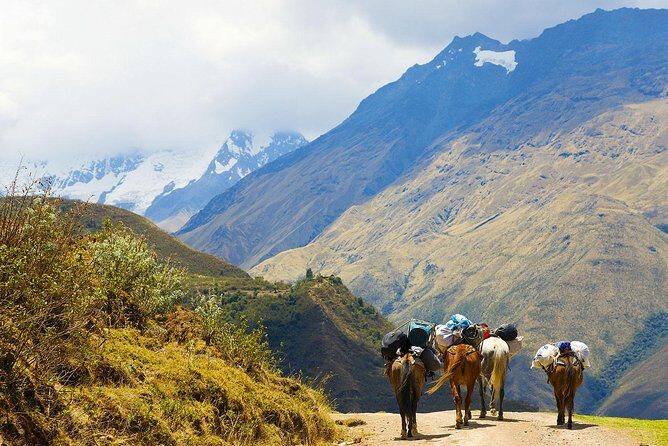
- Quieter than the Inca Trail: Salkantay is a popular alternative, and your group stays small.
- Altitude is real: the highest pass tops out around 4,650 m.
- Cloud forest + plantations: Day 2 includes waterfalls, orchards/orchids, birds, and coffee/cacao fruit areas.
- A real coffee-to-cup stop: you can pick beans, roast, grind, and brew your own.
- Early Machu Picchu access: you’ll head up in the early morning for one of the first entries, plus a guided visit.
Salkantay in 4 days: why this feels like a smarter Machu Picchu approach
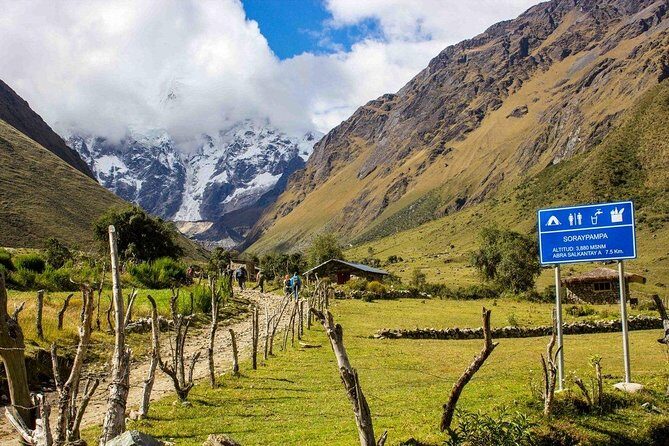
Most people plan Machu Picchu as a single day. This trek flips the script. You spend days earning the views, and by the time you reach the citadel, you already have a mental map of the region’s mountains, ruins, and cultural rhythms.
I especially like this itinerary’s balance of effort and payoff. Day 1 pushes you up to the high point at 4,650 m and drops you into a mountain-camp setting. Day 2 slows down into valleys, waterfalls, and the cloud forest. Day 3 brings the dramatic reveal from Llactapata and gets you to Machu Picchu by lunch time. Day 4 is a focused Machu Picchu morning with guided time and then train back toward Cusco.
Value-wise, the price can look steep at first glance ($585 per person for about 4 days). But you’re not just paying for walking. You’re also paying for the whole connection chain: transport from Cusco area on the first day, the multi-day trek structure (including nights at the trek campsites/stopovers), the train to Aguas Calientes, a hotel with an ensuite bathroom, and Machu Picchu day entry plus a guided tour and return transport (train + mini-bus to Cusco). That package structure is what can make it feel like good value compared with DIY planning.
You can also read our reviews of more hiking tours in Cusco
Your group size and guide: the difference between a trek and a checklist
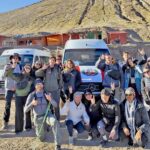
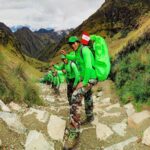
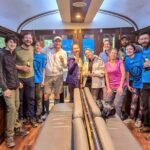
This tour caps at a total of 10 people, including you (max 9 other travelers). That matters. With a small group, it’s easier to move at a steady pace instead of getting swallowed by a crowd. It also helps the guide keep an eye on how you’re feeling at altitude and adjust the rhythm.
The guides also shape the experience. In past groups, Jose Ttito is specifically praised for being enthusiastic and knowledgeable, with solid answers to questions. One review also mentioned a pre-trek hotel briefing and coca leaves for acclimatization, plus an airport-to-hotel introduction in Cusco for at least one participant. Not every trip will include the same exact moments, but it’s a clear sign of how this operator tends to work: human, present, and proactive.
Day 1: Cusco pickup to Soyroqocha, Salkantay views, and the high pass
You start early, with pickup from your hotel area in Cusco and a drive via Mollepata to Sorayapampa. That early start isn’t random. It sets you up to get the toughest portion of the trek done while you’re fresh.
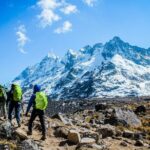
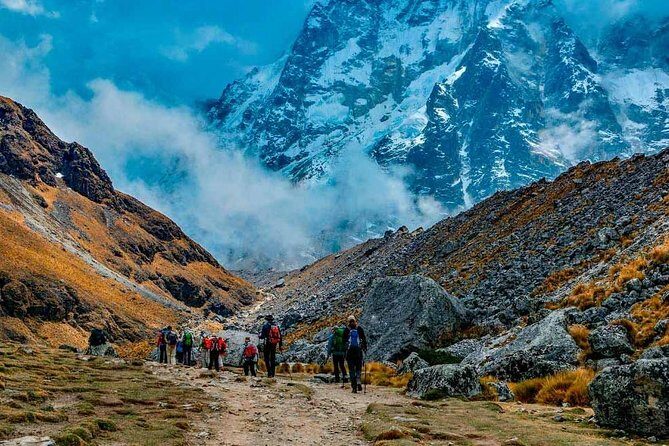
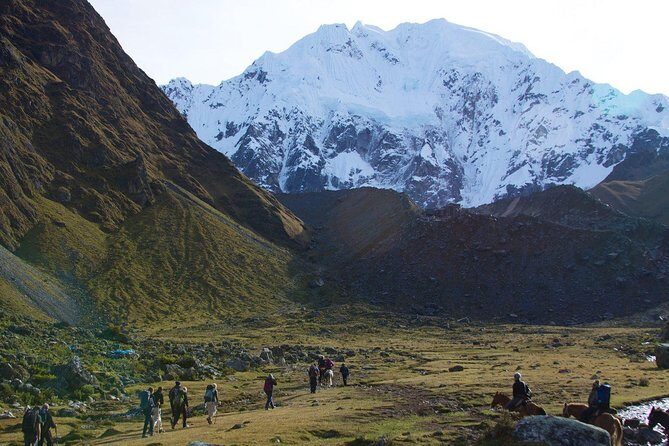
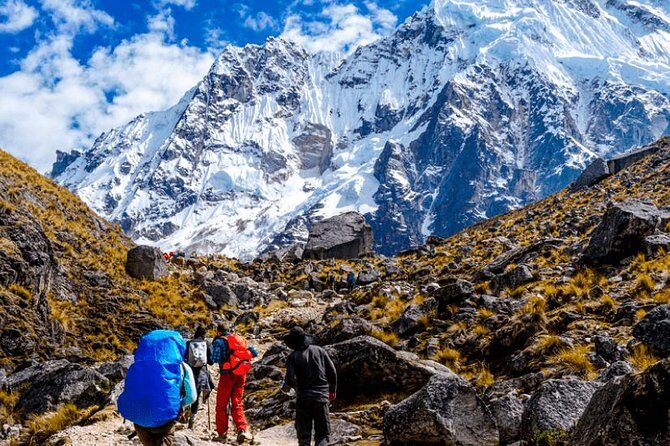
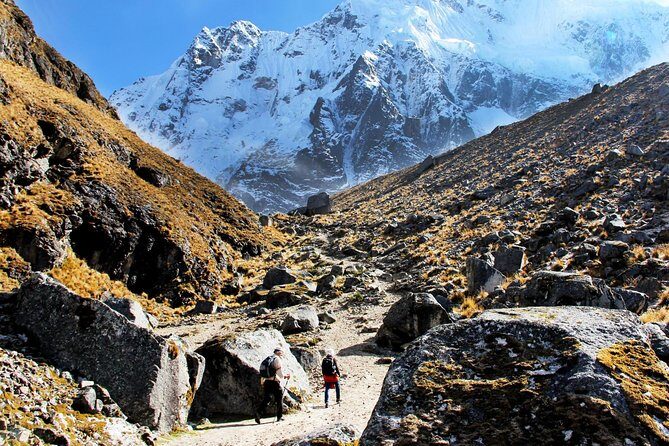
From Sorayapampa you begin with a hike to Soyroqocha for lunch. The food break is timed for one of the route’s big visual rewards: you stop with a view of Salkantay, listed at 6,271 m / 20,575 ft. Seeing a mountain like that from close enough to feel its scale is one of those moments you don’t get from a normal day trip.
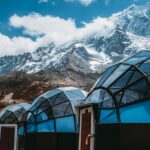
After lunch, you climb to the trek’s highest point: 4,650 m / 15,200 ft. Then you descend to the campsite of Arrayanniyoq. That pattern matters for how you’ll feel later. The high point is a clear challenge day, and then you’re rewarded with the relief of going downhill and settling into camp.
What to consider: If you’re sensitive to altitude or you tend to start too fast, Day 1 can feel intense. Since the trek requires only “moderate physical fitness,” you’re probably fine if you pace yourself and follow the guide’s rhythm, but don’t treat the high pass as a casual stroll.
Day 2: Chaullay valleys, cloud forest walking, and a coffee farm you help run
After an early breakfast, you shift gears. Instead of climbing toward another peak, Day 2 takes you down for about 3 hours toward the rural community of Chaullay for lunch.
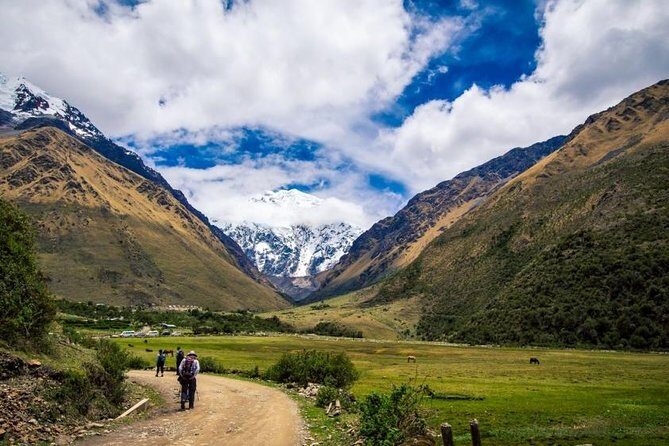
Along the way, you’re in lush valley terrain with waterfalls. That’s a nice change from the Day 1 “gain elevation, keep your head down” vibe. You’ll be walking through scenery that feels more alive and lived-in, with water features breaking up the long stretches.
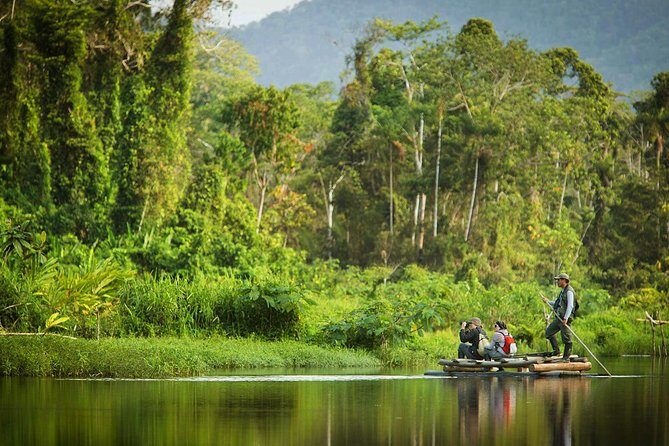
Then you walk about 5 more hours through the Peruvian cloud forest. This is where the tour gets specific in a way that makes it feel real: you’re not just saying “pretty forest.” You’re looking for orchids, birds, and the edges of different plant and farm zones—coffee, cacao, and fruit plantations are named as part of the experience.
You end Day 2 in Lucmabamba at 2,050 m / 6,767 ft, your second night stop. And here’s one of the standout “you participate” elements: depending on the time, you can do a coffee tour right at the plantation beside the campsite.
In that coffee experience, you’re guided through the fields—learning about different beans, even picking beans yourself. There are also fields of tomatoes and avocados, and you can gather those vegetables that the chef will use for dinner that night. The process continues with roasting and grinding, and then brewing and drinking coffee you helped make.
Why it’s valuable: It’s not a staged tasting. It’s a full chain—from plant to cup—which matches the feel of this trek: you’re learning how people live in the mountains, not just passing through.
Possible drawback: This kind of farm stop depends on timing. If you’re someone who likes a strict schedule with no “optional” segments, ask your guide how it’s likely to work on your specific departure.
Day 3: Llactapata on the original Inca trail, lunch by Machu Picchu, then train to Aguas Calientes
Day 3 is often the day people remember most clearly because the route starts blending hiking, history, and the first major “wow.”
After breakfast, you walk about 3 hours uphill along the original Inca trail toward the ruins of Llactapata, at 2,700 m / 8,907 ft. This is where Machu Picchu starts to show up as a sight you can actually frame—along with Huayna Picchu and the Salkantay mountain presence in the wider view.
Then the schedule tightens for the payoff. You head down for about 10 minutes and have lunch right in front of Machu Picchu. That detail is huge. It means you’re not only arriving, you’re experiencing the citadel in an in-between moment: food on the table, time to look up and process what you’ve been hiking toward.
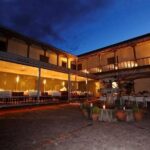
After lunch, you descend for about 2 hours to Hidro electrica. From there you take the train to Aguas Calientes, where you stay in a hotel with an ensuite shower and toilet.
Why I think this structure works: It keeps Day 3 from feeling like nonstop movement. You hike to a viewpoint (Llactapata), you slow down near Machu Picchu (lunch), then you switch to easier transport (train) to get you into comfortable sleeping mode.
Consideration: The day includes a downhill section after lunch. If your knees complain on descents, keep an easy pace and take short breaks when you need them.
You can also read our reviews of more tours and experiences in Cusco

Day 4: Early Machu Picchu entry with a guided 2-hour tour and free time
The last day begins early again, with breakfast and then a bus ride up to Machu Picchu. The tour highlights call out that you’ll be among the first to see the sunrise. Even if you’re not the type who wakes instantly from alarm mode, that early timing often helps you beat the biggest crush.
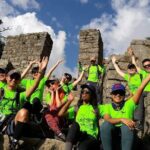
Inside the citadel, you get a 2-hour guided tour, with plenty of free time afterward to explore at your own pace. This is a smart mix: the guide helps you understand what you’re seeing, and then you can linger without feeling like you’re missing the “correct” route.
After your Machu Picchu time, you return to Aguas Calientes. Around 4:22 pm, you take the train back to Ollantaytambo, and then there’s a mini-bus connection to Cusco. Expect to arrive back to your hotel in the evening.
Admission is included for the Machu Picchu portion, and the Machu Picchu segment is listed at about 3 hours total.
What to do with your free time: Use it to slow down and look from multiple angles. This is your chance to see the terrain and structures beyond what the guide can cover in a strict walk-and-talk format.
Price and logistics: when $585 feels fair (and when it might not)
Let’s talk value plainly. At $585 per person, you’re paying for a package that bundles a lot of moving parts:
- Multi-day trek route with scheduled stopovers (including campsite nights on the itinerary)
- Train to Aguas Calientes and a hotel stay there with an ensuite bathroom
- A guided Machu Picchu visit (plus admission included) and transport up by bus
- Return train to Ollantaytambo and the mini-bus connection back to Cusco
If you were to plan the trek and Machu Picchu day yourself, you’d still need guide coordination, transport timing, and the same entry constraints for Machu Picchu. Those constraints can cost time and stress. So, even if you don’t love the price number, the cost can feel more reasonable when you compare it to the time pressure of DIY.
When I’d be cautious: If you already know you’re a slow hiker, or altitude makes you anxious, you might end up spending extra effort managing your pace rather than enjoying the day. Also, the experience requires good weather. If conditions are poor, the plan can change.
Who this trek suits best (and who should look elsewhere)
This is a good fit if you:
- Want Machu Picchu with fewer crowds than the Inca Trail style route
- Like a small-group pace (max 9 other people)
- Enjoy learning context while you hike, not just taking photos
- Prefer an early Machu Picchu day with a guided walkthrough
- Would enjoy a hands-on coffee experience (picking, roasting, grinding, brewing)
You might want to think twice if you:
- Know altitude is a big issue for you (the route reaches 4,650 m)
- Want an easier, mostly flat trek
- Don’t want any weather dependency, since the experience requires good weather
Should you book this Salkantay Trek to Machu Picchu in 4 days?
If your dream is Machu Picchu with a serious hike attached, but you want to dodge the most crowded feel of other famous routes, I’d say it’s worth booking. The combination of small group pacing, early Machu Picchu access, and the day-by-day variety (cloud forest walking plus a coffee farm you participate in) makes it more than a transport-heavy day tour.
On the other hand, respect the altitude. Day 1 pushes toward the highest point at 4,650 m, and that’s the one piece you can’t skip. If you can handle that with a steady pace and realistic expectations, this itinerary is a strong, practical way to reach Machu Picchu with real mountain context attached.
FAQ
How long is the Salkantay trek to Machu Picchu?
The tour runs for 4 days approximately.
What is the group size limit?
The maximum group size is 9 travelers.
Is the tour offered in English?
Yes, it is offered in English.
What fitness level do I need?
You should have a moderate physical fitness level.
Where is the meeting and where does the tour end?
The activity ends back at the meeting point. The ticket redemption point listed is Aguas Calientes.
Do I visit Machu Picchu on the last day?
Yes. On Day 4 you take the bus up to Machu Picchu, receive a guided tour for about 2 hours, and then have free time to explore.
Is there an overnight stay at Aguas Calientes?
Yes. After Day 3’s train to Aguas Calientes, you stay in a hotel with an ensuite shower and toilet.
Is Machu Picchu admission included?
Yes. Admission is included for the Machu Picchu portion on Day 4.
What is the cancellation policy?
Free cancellation is available up to 24 hours before the experience starts for a full refund. If poor weather cancels the experience, you’ll be offered a different date or a full refund.