REVIEW · CUSCO
From Cusco: Machu Picchu Full-Day Guided Tour
Book on GetYourGuide →Operated by Peru & U · Bookable on GetYourGuide
One day, one giant Inca story. This full-day guided tour takes you from Cusco through the train ride to Aguas Calientes, then up to Machu Picchu with a guide explaining what you’re seeing. The big payoff is a structured day at one of the New Seven Wonders, plus real time inside the site rather than a rush-by.
I like the organized bus/train/bus flow. You’re not stuck figuring out connections on your own, and you’ll be handed tickets and an itinerary before you go (in some departures, a guide such as Rodrigo meets you the day before and explains the full process). I also like the on-site guided time, typically around 2.5 hours, with a tour that hits the Temple of the Sun, agricultural terraces, and the classic photo viewpoint.
One thing to weigh: this is a long day built on schedules. Train category and timings can shift because availability decides what you get, and once you’re back on your own in Aguas Calientes, you’ll need to be sharp about timing so you don’t miss the next bus or train.
In This Review
- Key points before you go
- Cusco to Machu Picchu in one day: what this tour really changes
- Pickup and transport flow: Cusco to Ollantaytambo to Aguas Calientes
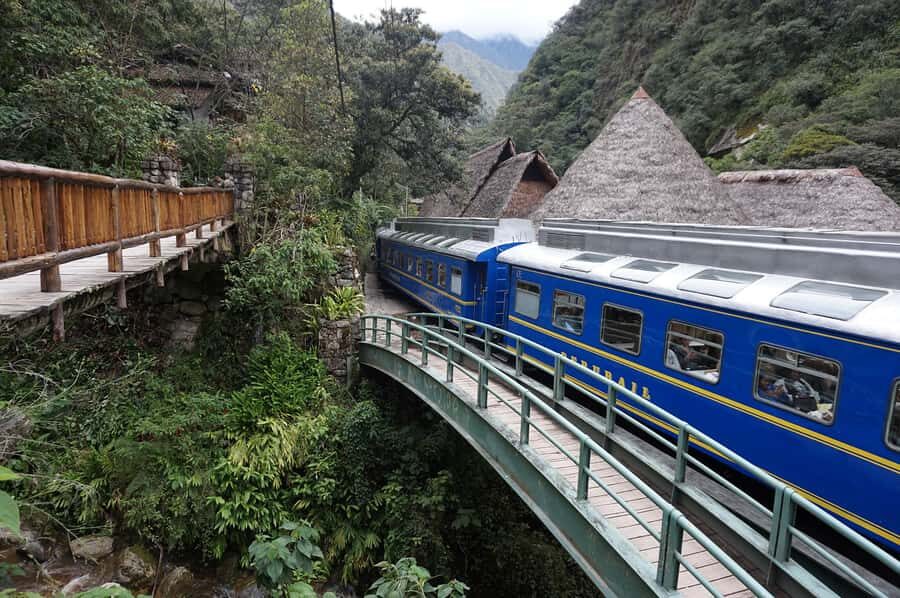
- The train to Aguas Calientes: views, a standard category, and timing risk
- Bus up to the citadel: meeting your guide and getting oriented fast
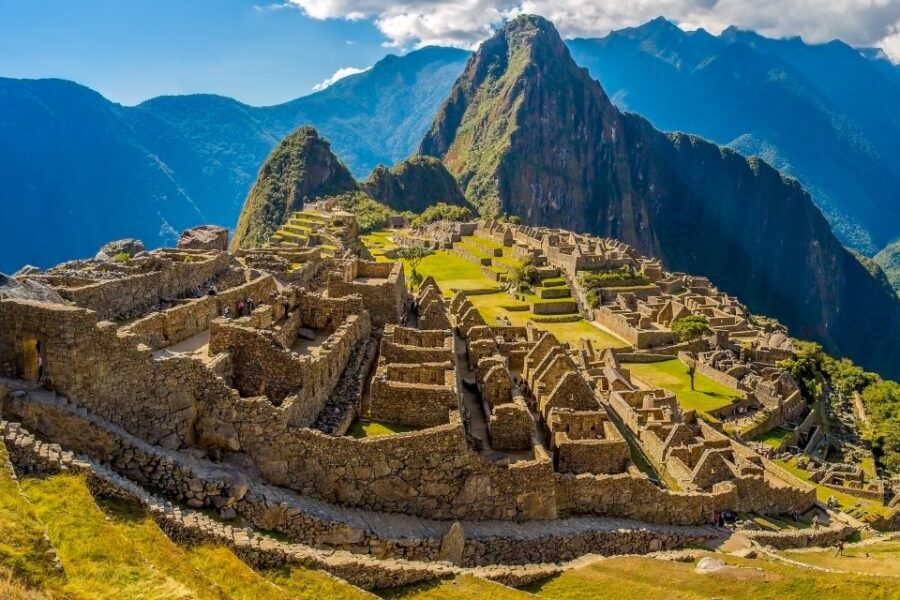
- Your guided circuit at Machu Picchu: Sun Temple, terraces, and the observatory photo
- Aguas Calientes return and the evening transfer back to Cusco
- Price and value: is $465 for Machu Picchu day-tripping actually fair
- Packing, rules, and timing reminders that keep the day smooth
- Should you book this Cusco to Machu Picchu full-day guided tour?
- FAQ
- How long is the Cusco to Machu Picchu full-day guided tour?
- What’s included in the price?
- What’s not included?
- Do I get hotel pickup in Cusco?
- Are train times guaranteed?
- What should I bring?
- What items are not allowed?
- Is the tour refundable if plans change?
Key points before you go
- Day-before ticket handoff: some departures include meeting a staff member at your hotel (example: Rodrigo) to go over the itinerary and tickets.
- 2.5 hours with the guide at Machu Picchu: enough time to understand the site instead of just taking snapshots.
- Round-trip transport is bundled: bus between Aguas Calientes and Machu Picchu plus train between Ollantaytambo and Aguas Calientes.
- Lost Citadel entrance is included: so you get access to a key section, not just a basic circuit.
- Your free time is mainly Aguas Calientes: you can eat there and reset before the return to Cusco.
Cusco to Machu Picchu in one day: what this tour really changes
This is the kind of Machu Picchu day that makes sense if you hate logistics. Your day is built around one goal: get you to the citadel with the right tickets already arranged, then walk you through the site while someone explains the meanings behind the stones.
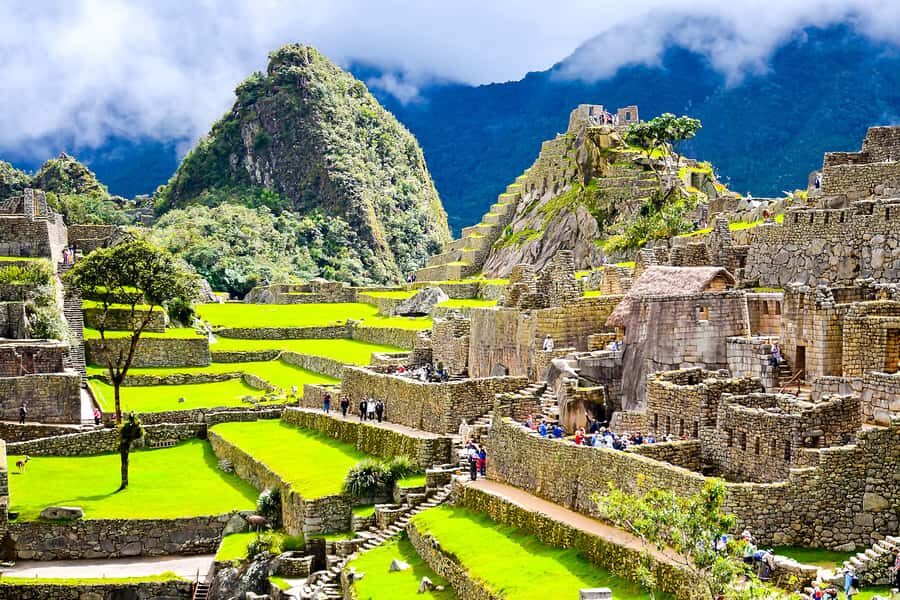
Machu Picchu matters because it survived largely unscathed and, for a time, went unseen by the Spanish conquistadors. That’s a big part of why guides spend real energy on the story—what the city was for, how Inca engineering worked, and how the site fits the mountain.
The tour’s structure also helps you enjoy Machu Picchu instead of just enduring it. You’re not constantly asking where to go next. You get guided time on the ground, then you use the remaining day to ride, rest, and come back down with a transfer included.
You can also read our reviews of more guided tours in Cusco


Pickup and transport flow: Cusco to Ollantaytambo to Aguas Calientes
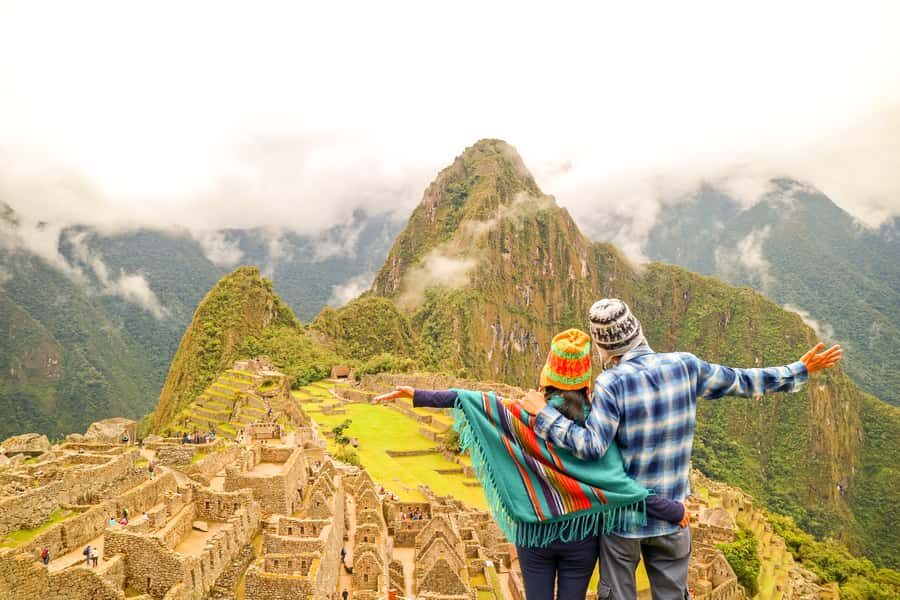
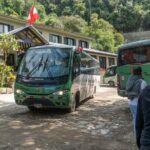
The day starts with pickup from hotels in Cusco and suburbs. Important catch: pickup is only available between May and December. If your hotel sits on narrow streets where a vehicle can’t reach you, a local partner escorts you to the pickup point. If you’re outside the pickup area, you’ll be directed to the closest possible meeting point.
From there, the tour handles the movement that usually trips people up. You’ll go to the bus station in Cusco, ride the bus to Ollantaytambo, then board the train to Aguas Calientes. In real-life flow, you’ll often see staff holding signs and guiding you to the next step, which is exactly what you want when you’re half-awake and altitude is still in your system.
There’s also a human touch in how the process is explained. Some departures include a day-before hotel meeting where a guide like Rodrigo shares tickets and a step-by-step plan. That matters because Machu Picchu is not just “show up and go.” It’s a chain of specific times and specific boarding points.
The train to Aguas Calientes: views, a standard category, and timing risk
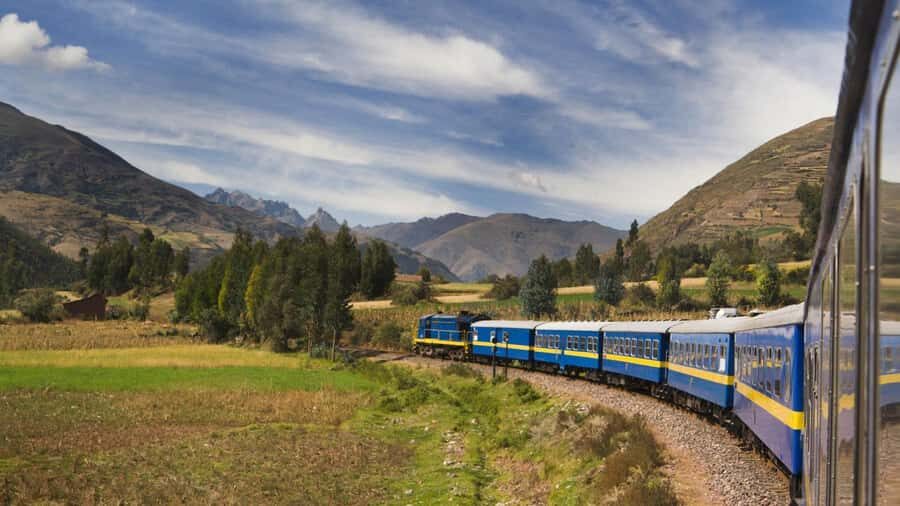
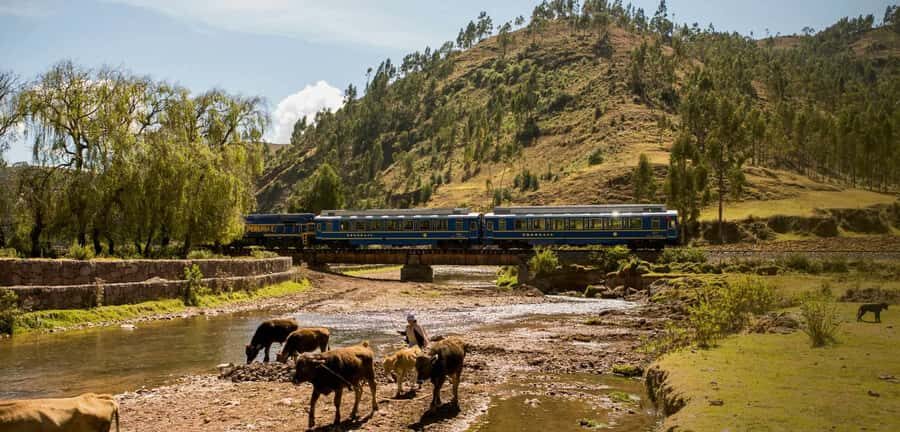
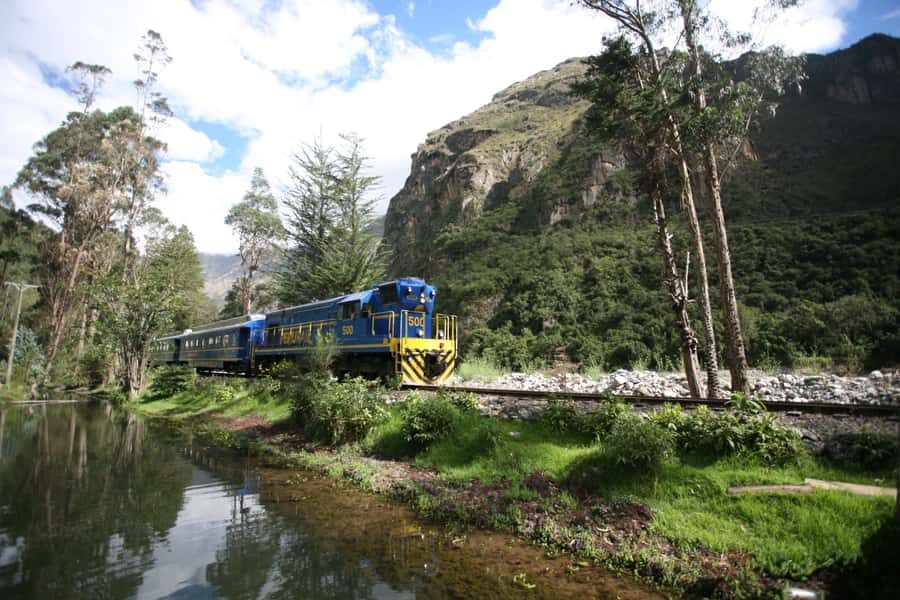
The train ride is one of the best parts of the whole day because it transitions you from city altitude into the Machu Picchu region gradually. You also get scenery along the way, and at least one guide-style comment you’ll see is that the standard train is totally fine for the experience.
A practical note: the tour includes round-trip standard train tickets between Ollantaytambo and Aguas Calientes. The operator assigns the best possible options, but they can’t guarantee exact times. That’s not a dealbreaker, but it is a reason to plan your expectations around “early start and lots of waiting in between connections” rather than expecting everything to run like a clock.
Food and drinks are not included. Since you’ll be moving from stage to stage, I recommend bringing snacks and water so you can keep energy steady. It also helps to have cash, since you might want a meal during your time back in Aguas Calientes.
One more detail worth considering: some people found the return leg a bit uncomfortable. If you’re sensitive to cramped seating or motion during the train ride, bring a light layer and plan for a long stretch.
Bus up to the citadel: meeting your guide and getting oriented fast
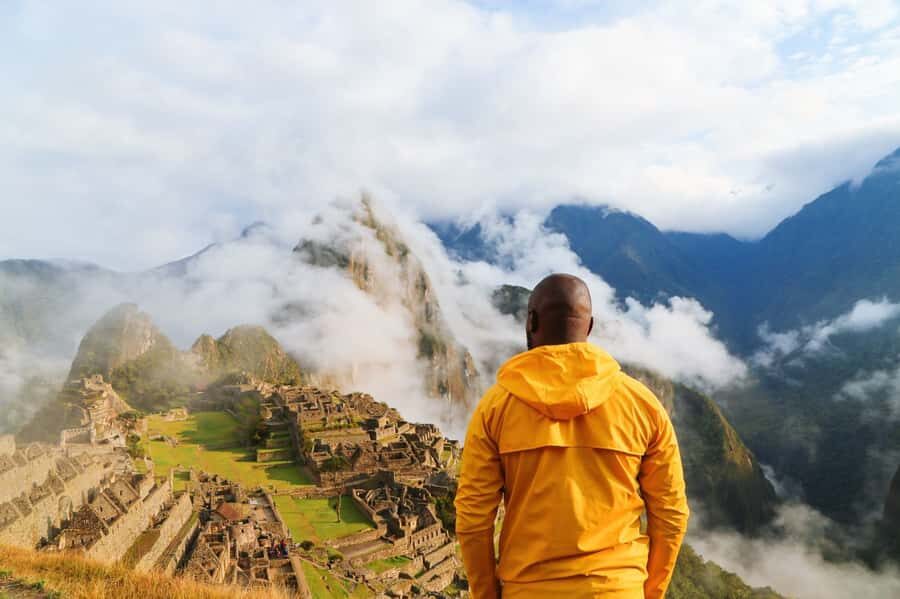
Once you arrive in Aguas Calientes, the next step is the bus up to Machu Picchu. This is where the tour’s “you don’t have to figure it out” strength really shows. You should expect a guide or representative to meet you at the station area and direct you to the bus that climbs to the site.
At the top, you meet your guide for your time inside Machu Picchu. Guides named in the experience include Alvin, Walter, and Jan, and they were specifically praised for being helpful and clear on history and how to move through the site at a good pace.
Your guided visit is described as around 2.5 hours. That’s a sweet spot. It gives you time to stop at the big Inca landmarks, ask questions, and learn what each area was for—without turning the day into a multi-hour classroom.
Also included is the Lost Citadel entrance fee. That’s important because it shapes which parts of the site you’ll access during your guided time. If you were planning to do this on your own, entrance planning can get confusing quickly.
Your guided circuit at Machu Picchu: Sun Temple, terraces, and the observatory photo
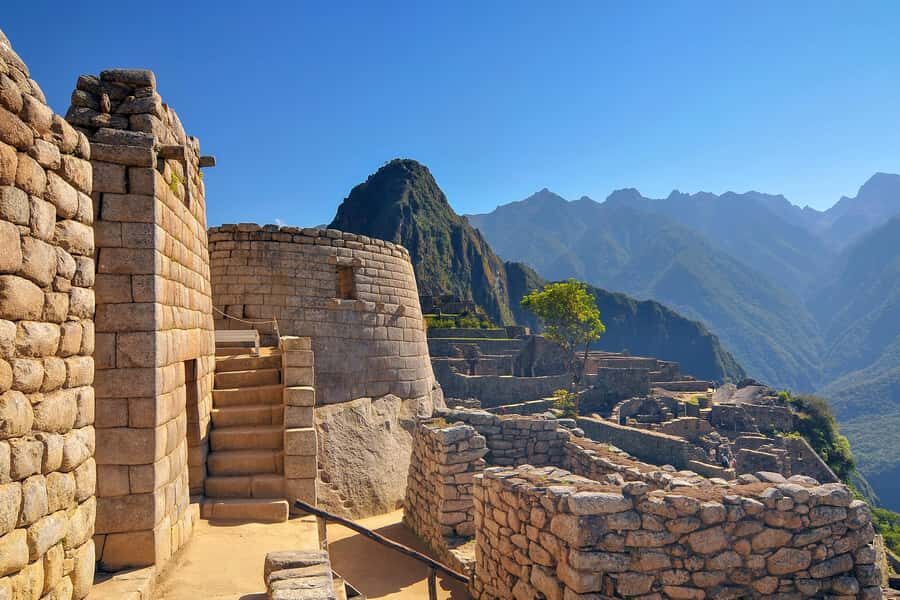
This is where the tour delivers on its promise. You won’t just wander; your guide points you to the places that make Machu Picchu feel like a living system instead of random ruins.
A few highlights you’ll be taken to include:
Temple of the Sun
This is one of the most recognizable anchor points. A guide’s explanation helps you see how the site connects religious purpose, architecture, and the surrounding mountain setting.
Terraced fields in the agricultural sector
Inca farming is a huge part of the story, and terraces are a visible reminder of how they managed steep land. When a guide explains why these terraces matter, you’ll start noticing water management logic and how agriculture shaped the city’s survival.
The classic observatory viewpoint with the lost citadel behind
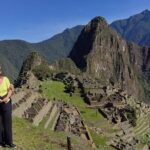
You’ll get the famous picture angle: the viewpoint where the citadel sits in the background. It’s not only about the photo. Your guide’s narration gives you context for what you’re looking at and why the placement was intentional.
The big practical benefit of a guided circuit is pacing. Machu Picchu can feel crowded and confusing if you’re trying to interpret everything at once. With a guide, you’re walking a route that turns “I saw ruins” into “I understood what I saw.”
You can also read our reviews of more tours and experiences in Cusco




Aguas Calientes return and the evening transfer back to Cusco
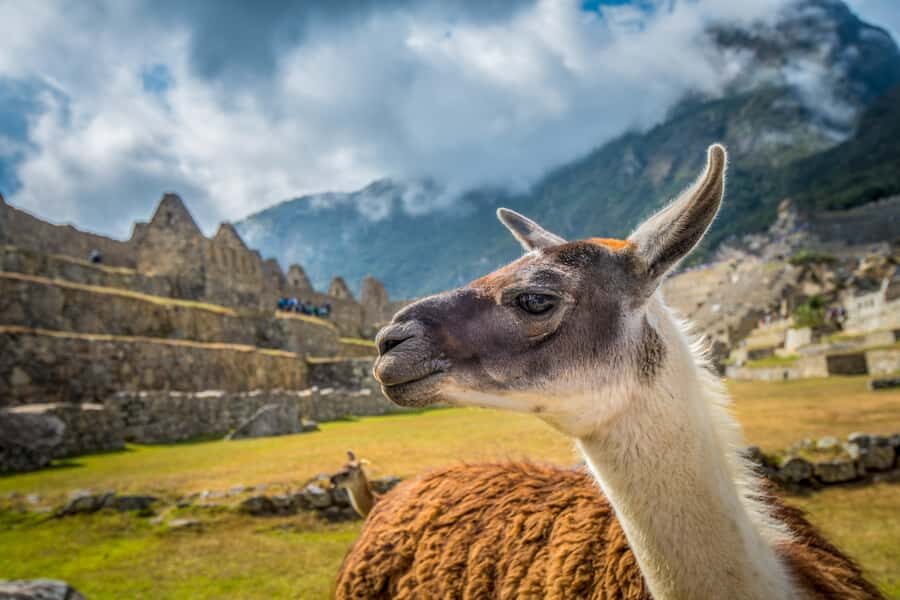
After the guided time at Machu Picchu, the tour returns you to Aguas Calientes by bus. You’ll then have a window to explore the town before catching your train back to Ollantaytambo.
This is also where you’ll handle your own meals. A nice, real-world example from the experience data: Govinda Restaurant VEGANO received a positive note for food. Since food isn’t included, having at least one restaurant idea helps you avoid decision fatigue when you’re tired.
Finally, there’s a complimentary transfer back to Cusco in the evening. That’s one of the best-value parts of the package because it closes the loop. You’re not left hunting for a plan after a long travel day.
One caution: long days sometimes include waiting between connections. One experience noted a long pause after the scheduled train plan, which reduced time before the return. It’s not guaranteed, but it’s a good reason to stay patient and keep an eye on your timing.
Price and value: is $465 for Machu Picchu day-tripping actually fair
At $465 per person for a 1-day outing, you’re paying for far more than the entrance to Machu Picchu. Your ticket bundle includes:
- Entrance fee for Machu Picchu, including the Lost Citadel access
- Round-trip bus between Aguas Calientes and Machu Picchu
- Round-trip standard train tickets between Ollantaytambo and Aguas Calientes
- Professional guide in English and Spanish
- Pickup from Cusco and suburbs (May–December)
- A complimentary evening transfer back to Cusco
What’s not included is also clear: food and drinks, plus hotel drop-off at the end.
So where does the value really come from? It comes from cutting out the hardest parts: securing the right transport chain, timing the rides, and having someone explain the site while you’re there. Machu Picchu days can turn stressful fast because timing matters. When you outsource the chain and keep guided time inside, the extra cost can feel worth it—especially if you don’t want to spend hours coordinating trains and buses.
Also remember: this activity is non-refundable. That’s a risk factor for anyone who’s unsure about health, weather, or train-dependent changes.
Packing, rules, and timing reminders that keep the day smooth
You’ll enjoy this day more if you show up ready for heat, sun, and walking. The provided list is practical, and I’d treat it as your checklist:
Bring:
- Passport or ID card
- Comfortable shoes
- Sunglasses and a sun hat
- Snacks and water
- Insect repellent
- Cash
- Weather-appropriate clothing
Not allowed:
- Pets
- Smoking
- Luggage or large bags
- Drones
- Plastic bottles
Those rules matter because a day at Machu Picchu isn’t built for hauling extra stuff. If you’re used to traveling heavy, switch to light. Also plan for basic weather swings—some departures can bring rain, which can make the walk surfaces slicker.
For timing, here’s the simplest mindset: your day is scheduled, and you’re moving by connections. You’ll have moments when you’re on your own (especially after the guided time), so keep your attention on the next bus or train boarding.
If you’re choosing between train options, at least one experience noted there wasn’t a meaningful difference for the trip experience. Still, the tour operator’s standard category assignment depends on availability, so don’t count on specific times unless the operator confirms them.
Should you book this Cusco to Machu Picchu full-day guided tour?
Book this tour if you want a Machu Picchu day that is ticketed, guided, and structured. It’s a strong pick for first-timers who don’t want to wrestle with train and bus logistics, especially because the package handles the core transport links and includes the Lost Citadel entrance.
Skip it (or at least reconsider) if you strongly dislike long travel days and variable connection timing. This is still one day packed with multiple legs—bus, train, bus—so if you’re prone to getting irritated by delays or waiting time, you might find the day draining.
If you’re deciding, I’d use one question: do you want your energy spent on Machu Picchu itself, or on figuring out how to reach it? If your answer is the first one, this tour usually makes sense—particularly with the on-site guided time and the “signs and handoff” support that keeps you moving in the right direction.
FAQ
How long is the Cusco to Machu Picchu full-day guided tour?
It’s listed as 1 day. Starting times depend on availability.
What’s included in the price?
The tour includes hotel pickup in Cusco and suburbs (May to December), round-trip bus transport between Aguas Calientes and Machu Picchu, round-trip standard train tickets between Ollantaytambo and Aguas Calientes, a professional English/Spanish guide, and the Machu Picchu Lost Citadel entrance fee.
What’s not included?
Food and drinks are not included, and there’s no hotel drop-off listed at the end of the tour (though you do get a complimentary transfer back to Cusco in the evening).
Do I get hotel pickup in Cusco?
Yes, pickup from hotels in Cusco and suburbs is available only between May and December. If your accommodation is hard to access due to narrow streets, a partner will escort you to the pickup point. If you’re outside pickup areas, you’ll be given the closest possible meeting point.
Are train times guaranteed?
The tour states that the standard train category is subject to availability, and the operator assigns the best possible options, but they cannot guarantee specific times.
What should I bring?
Bring your passport or ID card, comfortable shoes, sunglasses, a sun hat, snacks, water, insect repellent, cash, and weather-appropriate clothing.
What items are not allowed?
Pets, smoking, luggage or large bags, drones, and plastic bottles are not allowed.
Is the tour refundable if plans change?
No. This activity is listed as non-refundable.