REVIEW · CUSCO
Cusco Walking Tour: Downtown, Sun Temple & San Blas Views
Book on GetYourGuide →Operated by Cusco Guide · Bookable on GetYourGuide
Cusco’s stones tell stories fast. This pay-what-you-want walking tour is an easy, first-time-friendly way to get oriented, with local guide Jose Martinez leading you through key downtown spots in about 2 hours 15 minutes. I like how the walk feels personal, not rushed, starting right in the Plaza de Armas where the Inca world begins to make sense.
What really hooked me is the mix of engineering and everyday life: you’ll see Inca stonework up close, then shift into the Spanish-layered city and the craft-filled streets of San Blas. The Qoricancha segment is especially strong because you learn what the Temple of the Sun meant for astronomy, ritual, and imperial power—before it was reshaped under Spanish rule.
One thing to plan around: this is mostly walking, and it is not suitable if you have altitude sickness (or if you’re over 70). Also, you view major sites from the outside, so if you want inside tickets, you’ll need to choose that separately.
In This Review
- Key highlights I’d put on your must-see list
- Why this 135-minute Cusco walk is smart for your first days
- Plaza de Armas: where the Inca road system starts
- Sun Street (Intikijllu) and the feel of Inca engineering
- Qorikancha from the outside: what the Sun Temple meant
- Cusicancha and the massive blocks that show elite urban planning
- The Twelve-Angled Stone: precision you can see with your own eyes
- San Blas: cobblestones, artisan corners, and a slower kind of Cusco
- San Cristóbal viewpoint: rooftops, mountains, and Cusco’s “why”
- Price and tips: how this pay-what-you-want model becomes real value
- What kind of traveler should book this
- Practical walking advice for Cusco’s altitude and weather
- Should you book the Cusco Downtown, Sun Temple & San Blas Views walk?
- FAQ
- How long is the Cusco Walking Tour?
- Where do we meet for the tour?
- Is the tour price fixed?
- Do I need tickets to see the stops?
- What departure times are available?
- Is the tour offered in English and Spanish?
- What should I bring?
- Is the tour suitable for altitude sickness or older travelers?
- What is the cancellation policy?
Key highlights I’d put on your must-see list
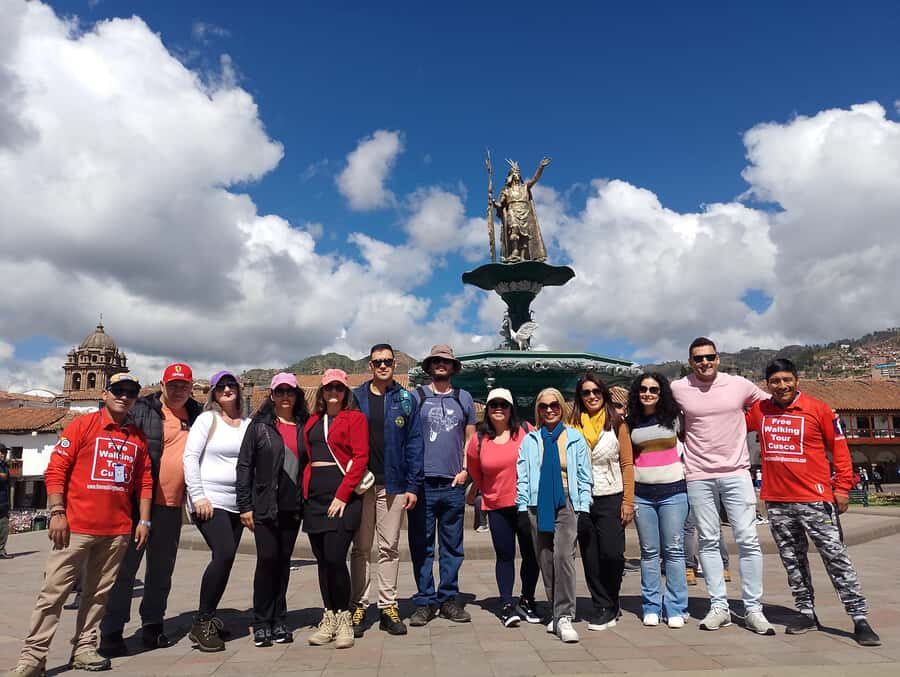
- Plaza de Armas as the ceremonial heart of Tawantinsuyo and the starting point for the four great Inca roads
- Sun Street (Intikijllu), where you can still read the logic of Inca stone walls and their symbolic layout
- Qoricancha explained from the outside, linking astronomy, ritual, and power
- The Twelve-Angled Stone, a real-life example of Inca precision you can actually stand beside
- San Blas + Seven Lambs Street, with artisan workshops and photo stops at street corners
- San Cristóbal viewpoint, where you connect Cusco’s rooftops to the mountains around it
Why this 135-minute Cusco walk is smart for your first days
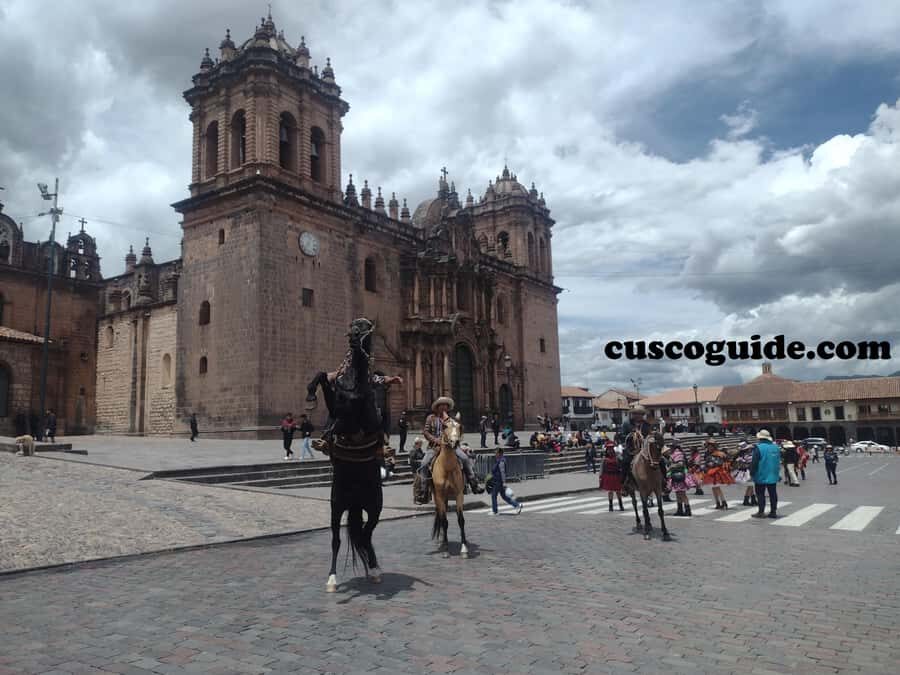
If you arrive in Cusco and feel like everyone is talking about Incas, but you don’t yet know what to look at, this kind of walking tour is gold. You’re not stuck reading signs for an hour. You’re moving. And as you move, the guide connects the dots: Inca empire planning, Spanish transformation, and Andean life that continues right now.
The timing also helps. At 135 minutes, you get real context without burning a whole afternoon. That matters in Cusco, where altitude can slow you down and where you may want energy later for a museum, a good meal, or just wandering without a mission.
You’ll also appreciate that the format is no fixed price. The booking fee secures your spot, and the actual guide pay comes from what you choose to give afterward. That’s not just a pricing gimmick; it usually means the guide’s focus stays on delivering an experience, not upselling.
You can also read our reviews of more walking tours in Cusco


Plaza de Armas: where the Inca road system starts
The tour begins in front of the Inca statue at Cusco’s Plaza de Armas, the ceremonial center tied to Tawantinsuyo. Even if you’ve only glanced at Cusco from postcards, this square tends to anchor everything. It’s where your brain starts building a map.
Here’s what I like about starting at Plaza de Armas: the guide doesn’t treat it like a generic “meet here” point. They explain that it connects to the start of the four great Inca roads that linked the empire. When you hear that, you start noticing details differently as you walk—how streets align, where buildings sit, and why this city feels planned rather than accidental.
This is also where you’ll get the basics about what you’ll see next, which helps a lot later. You’ll catch the names as they come up—like Sun Street (Intikijllu)—instead of feeling lost when the conversation speeds up.
Sun Street (Intikijllu) and the feel of Inca engineering
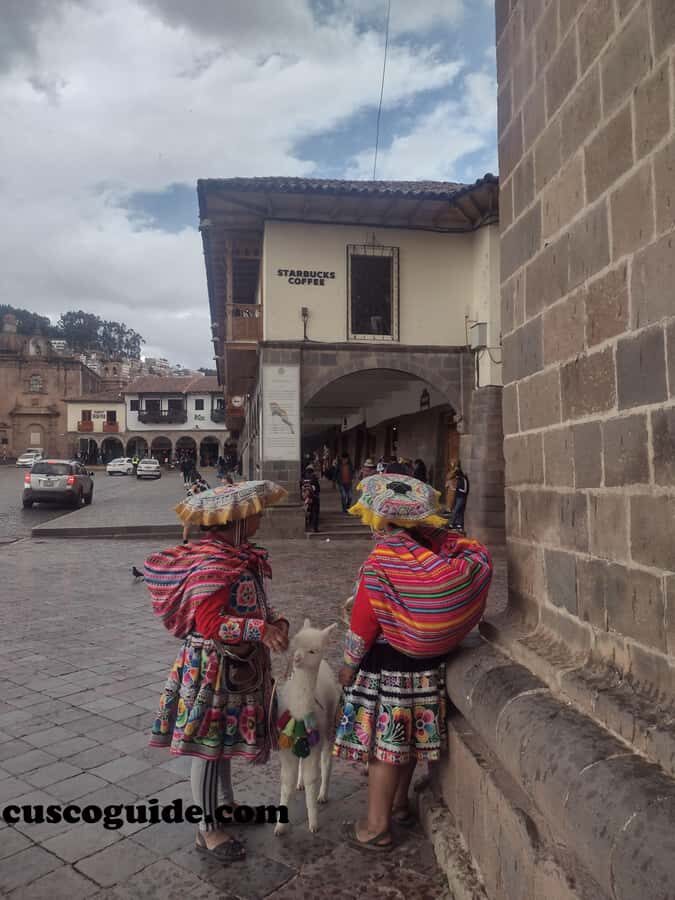
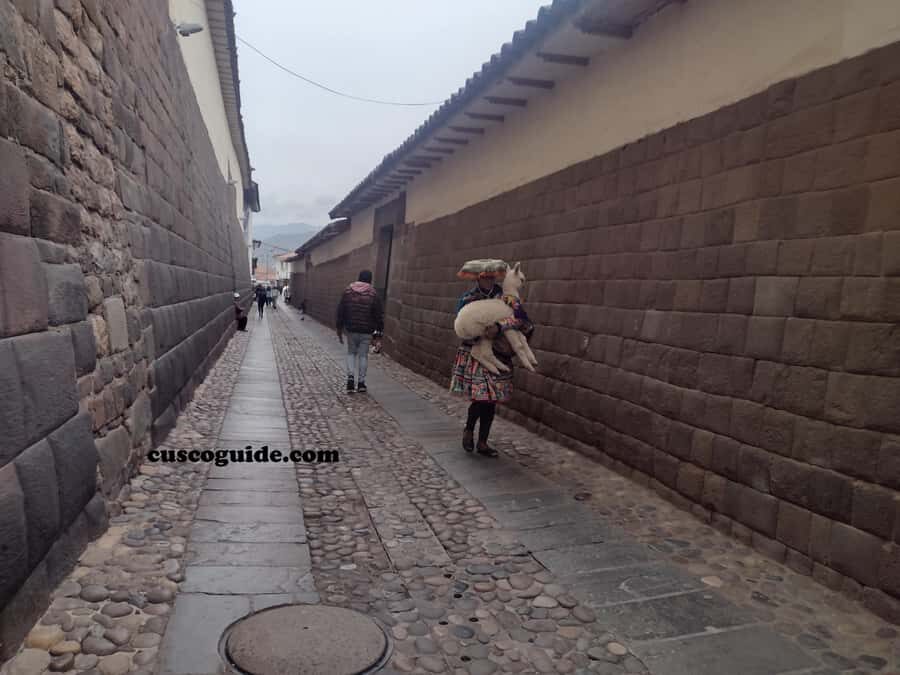
Next you walk along Sun Street, Intikijllu, following original Inca stone walls. This is where Cusco stops being just a pretty city and turns into a master class in practical design.
The guide focuses on why these stones mattered:
- how the walls were built with seismic resistance in mind
- how the design also carried symbolic meaning
- how Inca construction reads like it was engineered for the place, not imported from elsewhere
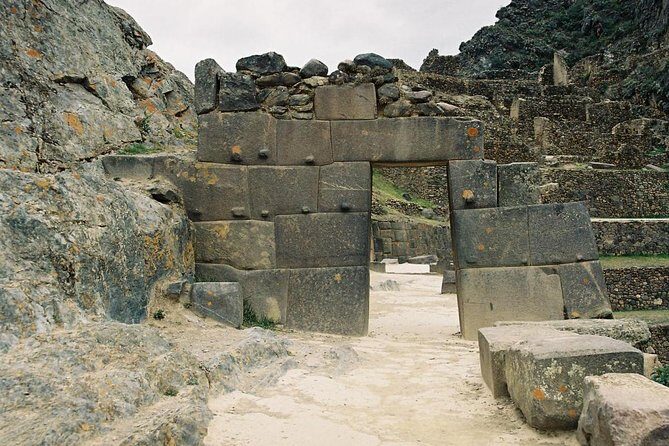
It’s easy to admire Inca stonework from a distance. Up close, it’s different. You start seeing how the stones fit so tightly that they look grown together. Even if you’re not a construction nerd, your eyes will do the work.
And because you’re outside on foot, you can keep moving at a human pace. That’s a relief if you’re adjusting to altitude. You’re not stuck standing still for long stretches waiting for a group.
Qorikancha from the outside: what the Sun Temple meant
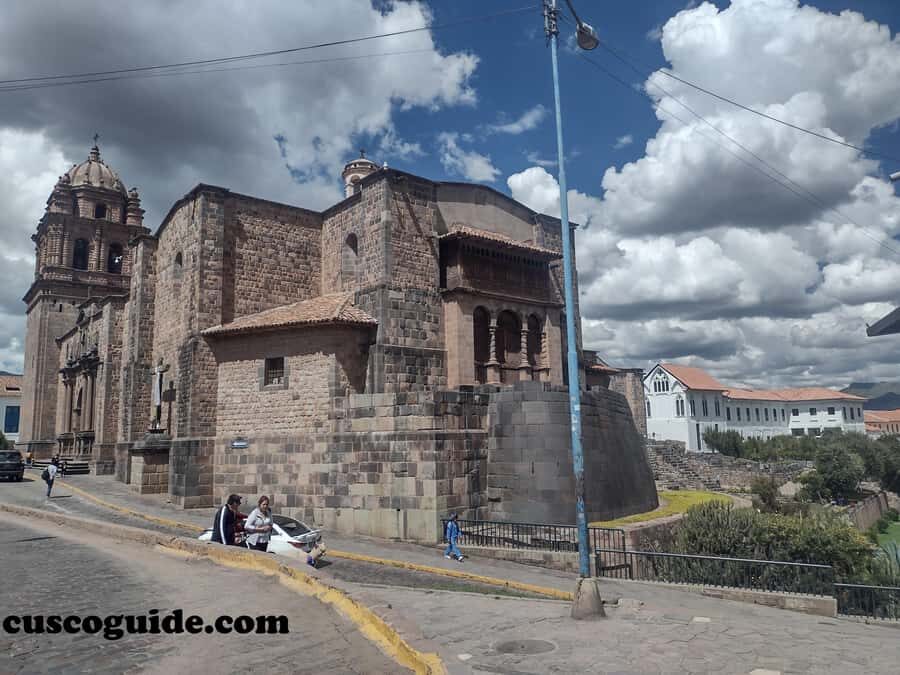
You’ll pass Qorikancha, the Temple of the Sun, and you’ll learn its role even though you view it from outside and don’t need tickets. That outside-only approach is a plus for many people in Cusco: you stay on schedule, and you avoid the hassle of buying or timing entries when your body is still acclimating.
What makes this stop worth your attention is the story the guide gives:
- Qorikancha combined astronomy with ritual
- it reflected imperial power, not just religion
- and during the Spanish conquest, it was transformed in ways you’ll recognize as you see the Spanish presence layered over Inca foundations
Even without entering, the meaning lands. You understand why people treat this area as more than a landmark. It was a center of worldview—then it became something else, while still carrying echoes of what came before.
I also like that the guide keeps the tone clear. There’s a difference between hearing random facts and getting a guided narrative you can repeat to yourself while walking.
Cusicancha and the massive blocks that show elite urban planning
After Qorikancha, the walk continues through Cusicancha, described as an ancient Inca neighborhood and palace area. This is the segment where you can really sense that Incas weren’t just building monuments—they were shaping how people moved, lived, and organized space in the city.
The highlight here is seeing those massive stone blocks and learning how they demonstrate:
- advanced urban planning
- elite Inca architecture
- a kind of city design that feels systematic rather than accidental
If you’ve ever wondered why Cusco feels different from other South American cities, this is part of the answer. The Inca layer isn’t just “a wall here.” It’s embedded in how the city works.
Also, because this tour keeps things outside, you can take it in without getting stuck inside a single site. You get continuity: one concept leads to the next as you walk.




The Twelve-Angled Stone: precision you can see with your own eyes
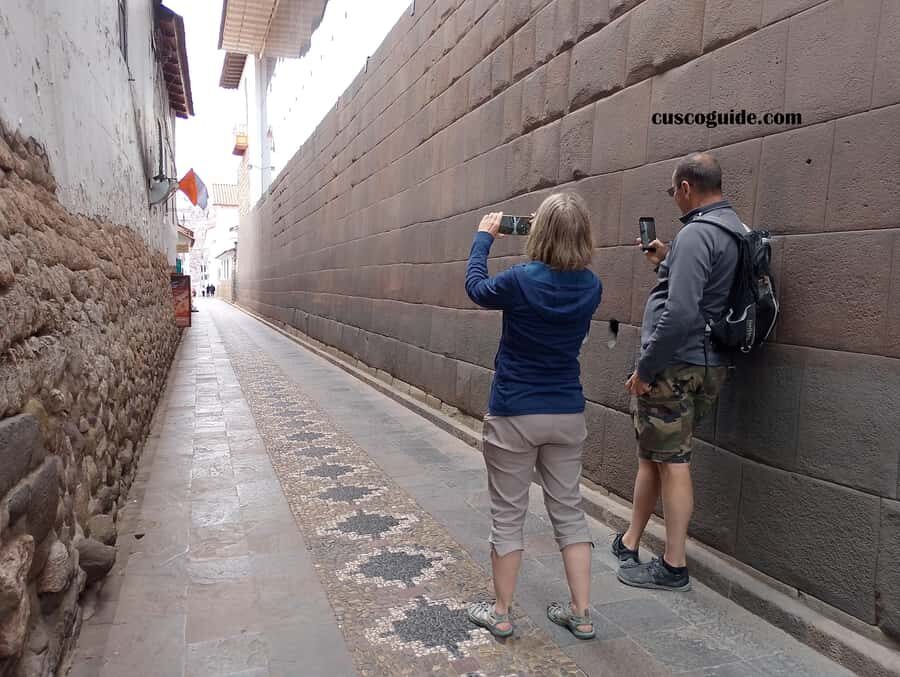
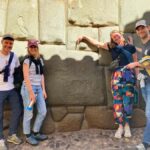
No Cusco walking tour that respects your time skips the Twelve-Angled Stone. It’s one of the most famous examples of Inca precision, and it’s famous for a reason: you can stand beside it and feel the logic of the stone fitting.
This stop works because it’s concrete. You don’t just hear about Inca craftsmanship—you’re asked to look. The guide’s explanation makes it easier to understand why these stones mattered beyond aesthetics, especially in a region where earthquakes were (and still are) a reality.
If you’re traveling with someone who normally says they’re “not into history,” this is where you often win them over. The stone is the argument.
San Blas: cobblestones, artisan corners, and a slower kind of Cusco
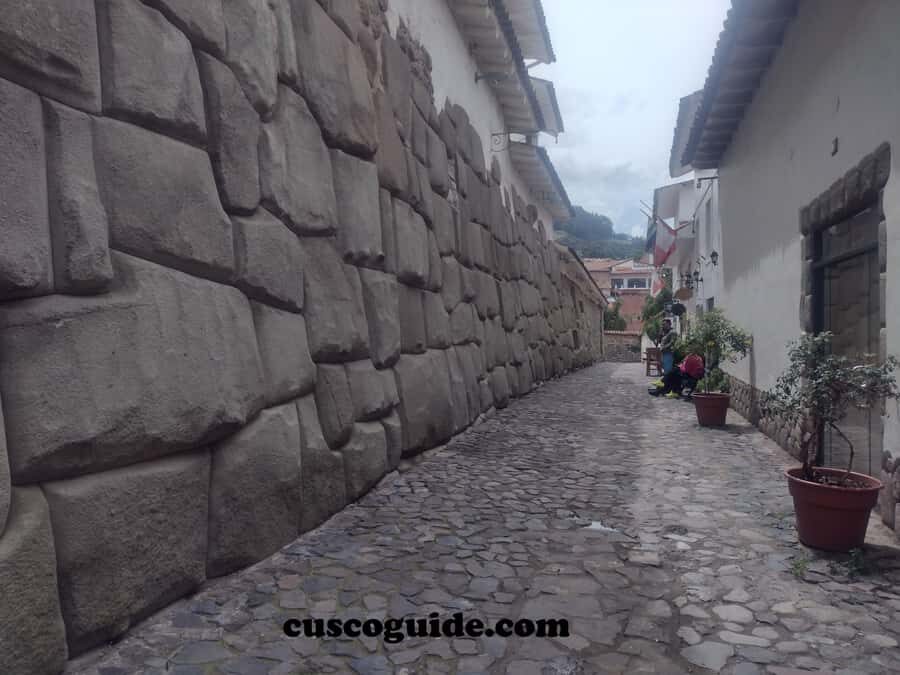
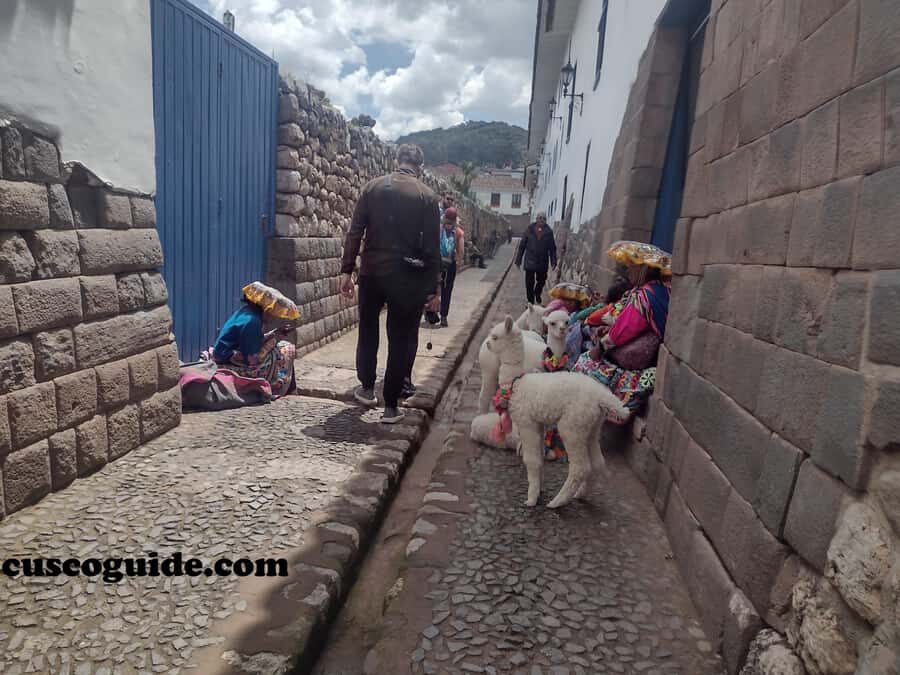
Then the vibe shifts. You head into San Blas, Cusco’s artistic neighborhood, where narrow cobblestone streets and small workshops create that cozy, local-walk feeling.
This part is about atmosphere, but it also has meaning. The guide helps you notice how the neighborhood’s character is tied to how Cusco lived through centuries—Inca foundations under Spanish influence, then an Andean city where craft and daily routines continue.
A great detail here is Seven Lambs Street. It’s the kind of street name that makes you stop and look, and it gives you a natural photo-and-story break. You’ll also pass colorful corners and artisan spaces, so it feels like you’re walking through an active neighborhood, not a theme park.
If you like neighborhoods more than temples, this is your payoff.
San Cristóbal viewpoint: rooftops, mountains, and Cusco’s “why”
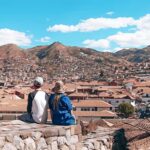
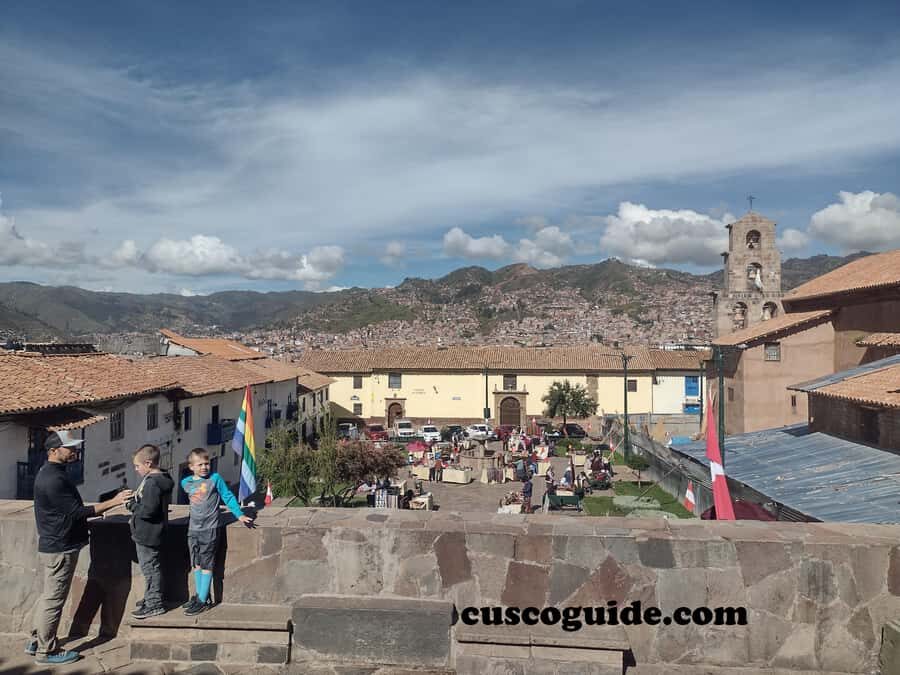
The tour ends near San Cristóbal, where you get panoramic views over Cusco’s rooftops and the mountains around it. This is one of those moments where a city finally clicks.
When altitude is making you feel slow, a viewpoint can still be hard. But it’s worth it because the guide ties the geography back to what you just learned: Cusco is positioned in a way that shaped the culture around it, and you can see the relationship between buildings and the surrounding peaks.
A practical tip: spend a minute just looking before you start checking photos. If your guide points out the key direction or feature, follow their lead. That helps you remember the view later, not just capture it.
Price and tips: how this pay-what-you-want model becomes real value
The price shown can look surprisingly low, but the important part is how the system works here. It’s a tip-based walking tour. There’s no fixed price, and the booking fee is there to reserve your spot—not to be your final tour payment.
So what’s the value? You’re paying for:
- a local guide who has done hundreds of journeys and understands what first-time visitors need
- a structured route through downtown highlights
- clear explanations that connect Inca, Spanish layers, and daily Andean life
- and the fact that major sites are viewed from the outside, so you don’t have to plan around entry tickets
For many travelers, that outside-only format is a money saver and a time saver. You’re not juggling lines, entrances, or schedules while your body is adjusting to altitude.
As for tips, the best advice is simple: base it on how useful the guide was for you. One reviewer emphasized that the guide even shared advice for acclimatizing with local products, which is the kind of practical help that goes beyond facts. If you felt guided through the city—then leave a gratuity that matches that.
What kind of traveler should book this
This tour fits best if you:
- want a first-time orientation to Cusco without committing to a full-day plan
- enjoy walking with a guide who explains what you’re seeing as you go
- care about Inca engineering details but prefer a conversation style
- like ending with a viewpoint so you leave with the city “in your head,” not just in your camera
It’s not a great fit if you:
- have altitude sickness issues
- are over 70 years old
- need everything to be inside-ticketed and fully museum-style
Also, since it’s in English and Spanish, you’ll be fine even if your Spanish is basic, but the guide can switch depending on the group.
Practical walking advice for Cusco’s altitude and weather
Cusco weather can change fast, so come prepared to adjust. The tour suggests a light jacket, and I agree. In mountain cities, you can start in sun and end in cooler air.
Pack the basics:
- comfortable shoes (you’ll be on cobblestones and uneven walking)
- water (don’t guess on how fast you’ll get thirsty)
- sunscreen (altitude + sun adds up)
One more thing: start times vary—there are departures at 7:30 am, 9:45 am, 12:30 pm, 3:00 pm, and 6:00 pm. The tour starts about 5 minutes after the scheduled time, so don’t show up right at the minute. Give yourself a small buffer around Plaza de Armas, where it’s easy to lose track of time.
Should you book the Cusco Downtown, Sun Temple & San Blas Views walk?
Yes—if you want a smart, scenic introduction to Cusco that blends Inca stonework, Spanish transformation, and real neighborhood streets. This is the kind of guided walk that helps you understand what you’re looking at instead of just ticking off famous names.
Book it especially if you like tours where the guide does more than recite dates. The strongest moments here are the outside views that come with explanations: Qorikancha’s meaning, the Twelve-Angled Stone’s precision, and the payoff viewpoint at San Cristóbal.
Skip it if altitude is already hitting you hard, if long walking will be a struggle, or if you’re only interested in inside access with tickets.
FAQ
How long is the Cusco Walking Tour?
The duration is about 135 minutes (around 2 hours 15 minutes).
Where do we meet for the tour?
Meet in front of the Inca statue at Cusco’s Plaza de Armas. The guide wears a red T-shirt with the Cusco Guide logo.
Is the tour price fixed?
No. This is a pay-what-you-feel walking tour with no fixed price.
Do I need tickets to see the stops?
All main sites are viewed from the outside, so you do not need tickets for those parts. Optional entrance fees may apply if you choose to enter sites on your own.
What departure times are available?
There are departures at 7:30 am, 9:45 am, 12:30 pm, 3:00 pm, and 6:00 pm.
Is the tour offered in English and Spanish?
Yes. The tour is available in English and Spanish.
What should I bring?
Bring comfortable shoes, water, sunscreen, and a light jacket (weather can change quickly).
Is the tour suitable for altitude sickness or older travelers?
No. It is not suitable for people with altitude sickness, and it is also noted as not suitable for people over 70.
What is the cancellation policy?
Free cancellation is available up to 24 hours in advance for a full refund.