REVIEW · CUSCO
4 Days Inca Trail To Machu Picchu
Book on Viator →Operated by MachuPicchu Journey · Bookable on Viator
The Inca Trail wakes you up early. I love the way this trek stacks big moments—the Inca Trail pass days and a guided Machu Picchu finale—into a tight 4-day story. I also like that you camp for three nights with meals handled, so you focus on walking, breathing, and soaking it all in. The main drawback is that it is not a stroll: day 2 is built around a high, demanding climb to Warmiwañiusca.
Plan for an early start and basic camp life. You’ll get picked up from your hotel around 4:20 am, then ride out to km 82 and get moving before the light really takes hold. This is a small-group trek (up to 15 people), so you won’t feel lost in a crowd—but you should still expect limited comfort once you’re in tent mode, with no power and simple facilities.
In This Review
- Key Highlights You’ll Actually Care About
- Why the 4-Day Inca Trail Still Feels Special in 2026
- Cusco Pickup and the Km 82 Start You Need to Prepare For
- Day 1: From Km 82 to Huayllabamba (Patallacta Lunch Included)
- Day 2: Warmiwañiusca Pass, Big Elevation, and the Descent to Pacaymayo
- Day 3: Phuyupatamarca, Chaquicocha, and Wiñaywayna’s Evening Payoff
- Day 4: Sun Gate (Inti Punku), Guided Machu Picchu, and the Aguas Calientes Reset
- Food, Tents, and the Real Meaning of Camp Basics
- Price and Value: What $725.20 Covers and What It Doesn’t
- Who This Inca Trail Trek Is Best For
- Should You Book This 4-Day Inca Trail to Machu Picchu?
- FAQ
- What is the duration of the 4-day Inca Trail to Machu Picchu?
- Where does the tour start and how do you get to the trail?
- Is there a passport check on the trail?
- How many nights do you camp, and what is provided?
- What meals are included?
- What transfers are included on the way back from Machu Picchu?
- Are Machu Picchu and Inca Trail entrance fees included?
- What is included for the guided Machu Picchu portions?
- Do I need a sleeping bag or walking sticks?
- Can I get a full refund if I cancel?
Key Highlights You’ll Actually Care About
- A high-pass day at Warmiwañiusca sets the tone fast, with a top around 13,779 ft
- Guided Machu Picchu time plus free-photo time makes it easier to enjoy without feeling rushed
- 3 nights of camping with meals included removes a lot of day-to-day stress
- A team that handles the details (porters, cooks, guides) so you can concentrate on the trail
- Small group (max 15) keeps the experience feeling personal
Why the 4-Day Inca Trail Still Feels Special in 2026
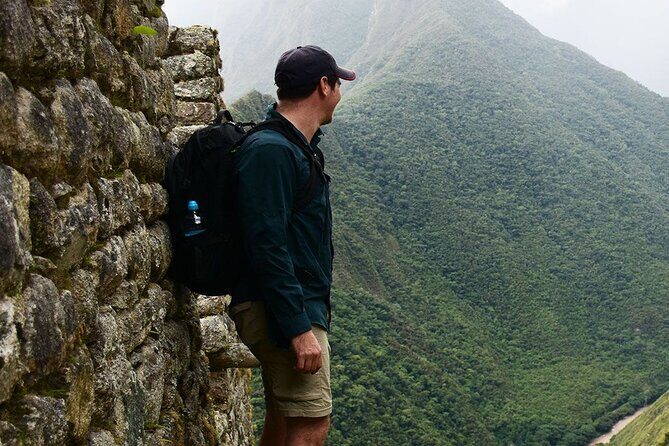
There are lots of ways to get to Machu Picchu. This one has a pulse. You’re not just arriving—you’re earning the view, step by step, as the path climbs through old Inca spaces and high Andean passes.
What I like most is the pacing: three nights out in the field, then a full day in the Machu Picchu zone. That mix helps you appreciate what you’re seeing. The ruins don’t feel like a photo op. They feel like the end of a journey.
The tradeoff is effort. This route is for people with moderate fitness who can handle sustained uphill and stair-heavy sections at altitude. If you go in with realistic expectations, you’ll have a much better time.
You can also read our reviews of more tours and experiences in Cusco


Cusco Pickup and the Km 82 Start You Need to Prepare For
Your trek begins in Cusco with a hotel pickup around 4:20 am. You’ll travel until km 82, where you’ll stop at a checkpoint to show your passport before you start walking.
That early timing matters. In the Andes, the schedule is tied to altitude and trail access, and starting before the day heats up can make your hike feel more doable. Also, those first hours set your rhythm—strong and steady rather than frantic.
Practical tip: keep your most-needed items easy to grab. From the checkpoint onward, you’ll want quick access to water, rain protection, and your basic day gear.
Day 1: From Km 82 to Huayllabamba (Patallacta Lunch Included)
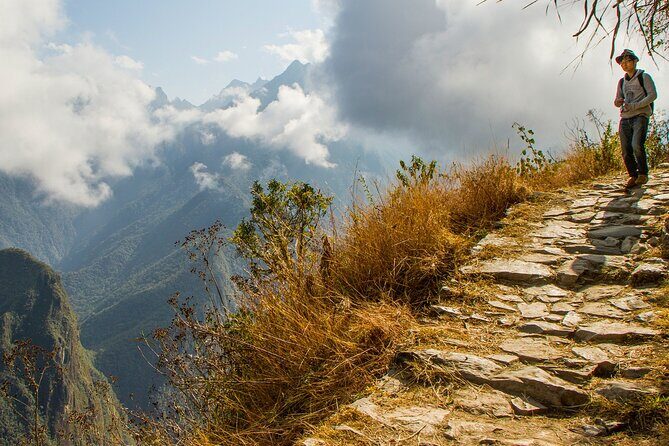
Day 1 is your “get your legs under you” day, starting after the km 82 checkpoint. You’ll walk for about two hours, reach Patallacta, then meet your partners and porters there for lunch. After that, you continue onward until you reach Huayllabamba camp for dinner and the night.
What makes Day 1 valuable is the gradual ramp. You’re not throwing yourself into the steepest terrain right away. Instead, you’re building confidence while your team runs the logistics—porters handling gear, cooks working meals, and your guide keeping the route coherent.
One thing to be mentally ready for: camping logistics. You’ll sleep in a tent setup (you’ll have a tent for two travelers, plus a foam mattress per person), so it helps to treat camp as part of the adventure—not an inconvenience.
Day 2: Warmiwañiusca Pass, Big Elevation, and the Descent to Pacaymayo
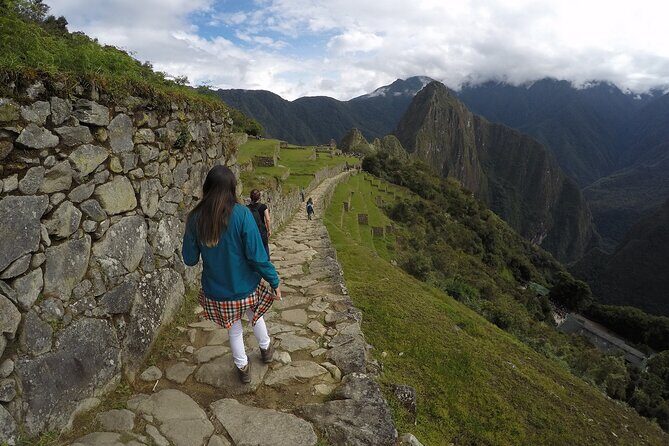
Day 2 is the hardest part of the hike. After breakfast, you’ll head toward the highest point of the Inca Trail route, around 13,779 ft, and you’ll work through Warmiwañiusca, which means dead woman.
This is the day where patience pays. You’ll walk for several hours, including going up and over the pass. Once you reach the top, you’ll feel that “okay, I did it” relief before lunch. Then the work continues with a long descent to Pacaymayo for dinner and overnight.
Why this day matters for your trip: it changes how you see everything afterward. Even if you’re not a super-athletic hiker, finishing Warmiwañiusca gives you a mental win that makes the rest feel more rewarding.
Practical advice: plan for slow steps. At this elevation, speed can backfire. If you can keep a steady pace and breathe well, you’ll likely feel stronger when the pass levels out.
Day 3: Phuyupatamarca, Chaquicocha, and Wiñaywayna’s Evening Payoff
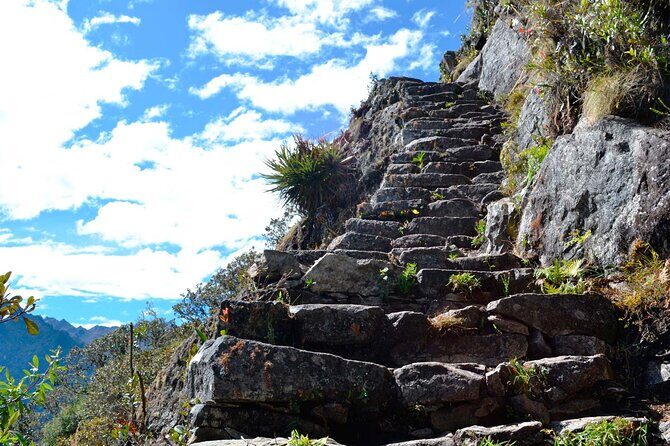
Day 3 starts with breakfast and then an approximately 15 km walk. You’ll pass through Runcurakay and Chaquicocha, where lunch is served. After lunch, you’ll continue toward Phuyupatamarca, often described as a city above the clouds, and then finish the day at Wiñaywayna for dinner and overnight at camp.
This day is special because it blends trail effort with frequent “wait, look at that” moments. The path moves through places that feel like they were meant to be experienced on foot. Even during tough climbs, you’ll notice Inca sites along the way rather than just hiking from checkpoint to checkpoint.
The emotional rhythm is also different on Day 3. You’re past the biggest pass day, so your body has more familiarity with the altitude. That makes the late-day arrival feel sweeter.




Day 4: Sun Gate (Inti Punku), Guided Machu Picchu, and the Aguas Calientes Reset
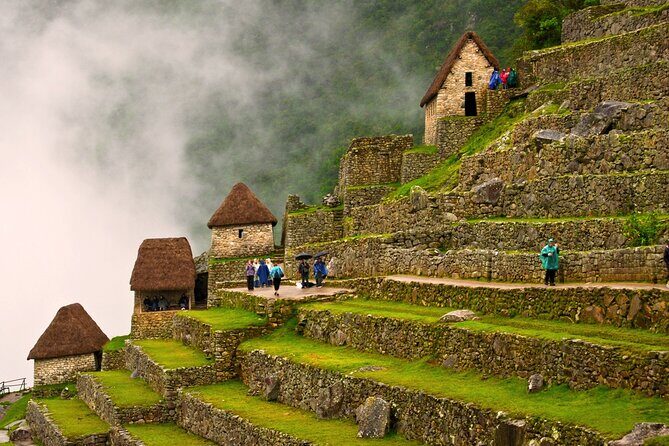
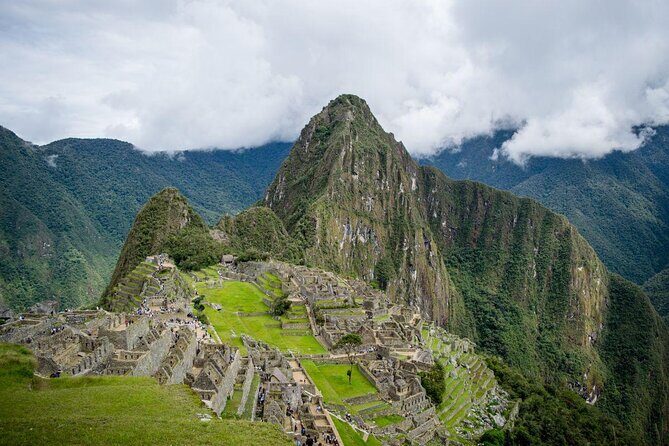
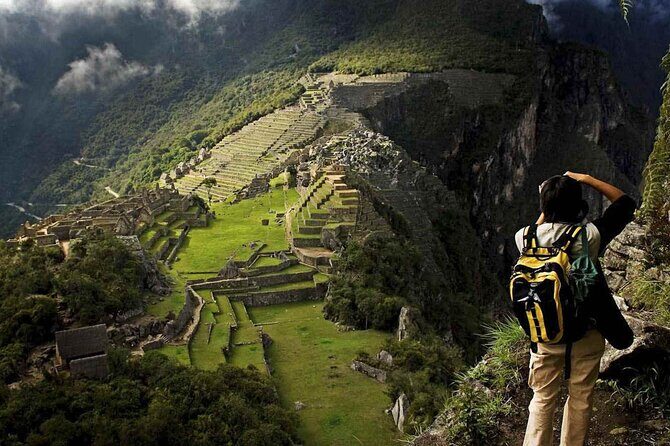
Day 4 starts with the classic approach: you’ll walk through Inti Punku, the Sun Gate entrance, and then head down toward Machu Picchu (around 7,970 ft). You’ll show your entry ticket, then join a guided tour of about 2 hours 30 minutes.
After that guided time, you’ll get free time to explore on your own and take photos. Then you’ll return for another guided portion focused on the Historic Sanctuary of Machu Picchu, with about 3 hours of guided experience total in that segment, plus more time to take pictures and wander.
Then comes the very practical part: you’ll head back to Aguas Calientes for lunch. After lunch, you’ll go to the train station and take the train back to Ollantaytambo, where a representative will meet you with a sign and take you back to Cusco to your hotel.
This last day is a lot. But the structure is helpful: guided first (so you don’t miss major context), then free time (so you can slow down for views and photos), then the return logistics so you aren’t stranded.
Practical tip: bring a little patience for your body after three days of hiking. By Day 4, you’ll still be on your feet—just in a different mode: walking paths, standing in viewpoints, and absorbing the place with your guide’s explanations.
Food, Tents, and the Real Meaning of Camp Basics
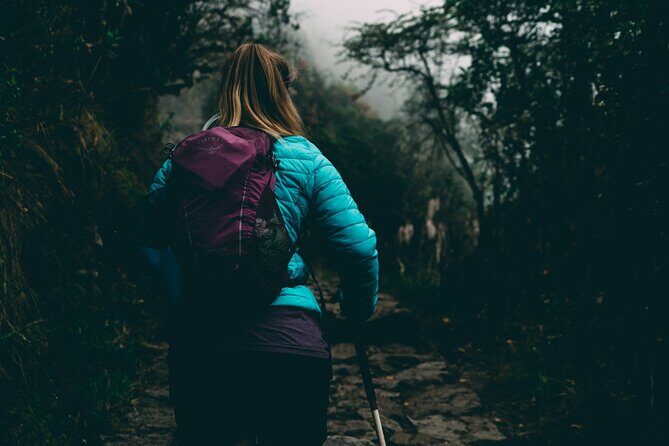
Meals are included during the trek: you’ll have 3 breakfasts and 3 dinners, plus 4 lunches. You’ll also get snacks (listed as 3). That matters more than it sounds. When you’re hiking hard at altitude, being forced to improvise food every day can drain energy—and can make the hike feel harder than it needs to be.
Cooking seems to be a real strength of this operation. One chef name that comes up is Dante, noted for meals described as four-course style, with delicious portions at lunch and dinner. Even if your chef team differs, the takeaway is consistent: this isn’t just plain fuel.
Camp setup is simple. You’ll sleep in a tent (for two travelers) with a foam mattress per person. Facilities are described as basic, with bathrooms and showers at camp, and no electricity. So think of this as “comfortable enough for the journey,” not “hotel camping.”
What you should consider bringing (since these aren’t included): a sleeping bag and walking sticks can be rented from the company. If you’re sensitive to cold nights, plan your sleeping gear carefully.
Price and Value: What $725.20 Covers and What It Doesn’t
At $725.20 per person for an approximately 4-day trek, you’re paying for a full, managed package: the hike route, the tent and mattress setup, the meal plan, and the big-ticket entry costs for the Inca Trail and Machu Picchu (subject to availability).
You’re also paying for logistics that add up quickly on your own: round-trip transfers from Cusco (including hotel pickup), the round train ticket Ollantaytambo to Aguas Calientes, and the round bus ticket Aguas Calientes to Machu Picchu.
So the value question becomes: do you want to handle permits, entry planning, porters, and transport coordination yourself? If not, this format is where the price makes sense. The trek is timed and controlled, and the value is in the execution.
What’s not included: sleeping bag and walking sticks (rental available), and tips for your Inca Trail team (guide, porters, chef) are optional.
Who This Inca Trail Trek Is Best For
This tour fits people with moderate physical fitness who want an iconic high-altitude hike without managing the day-to-day details.
It’s also a good match if you:
- want a small group (up to 15) rather than a giant herd
- like guided context, especially for Machu Picchu
- appreciate camping as part of the experience, not a detour
It may be a tough fit if you dislike elevation or long walking days. Day 2 is built for effort, and that high pass is the centerpiece challenge.
Should You Book This 4-Day Inca Trail to Machu Picchu?
If your goal is a structured, guided Inca Trail experience that ends with serious time at Machu Picchu, I think this is a strong option. The best part is the balance: meals and camp gear are handled, the Machu Picchu day is thoughtfully organized with guided and free time, and the return through Aguas Calientes keeps things practical.
I’d book if you’re ready for basic camp conditions and you genuinely want that “trail first” story. I’d pause if you’re expecting comfort at camp or you know you struggle with high-altitude hikes.
If you’re also thinking about adding something like Huayna Picchu, plan ahead. The advice here is to reserve around four months in advance and tell the agency if you want to climb it, since it’s reserved in advance too.
FAQ
What is the duration of the 4-day Inca Trail to Machu Picchu?
The trek runs for approximately 4 days.
Where does the tour start and how do you get to the trail?
You’re picked up from your hotel in Cusco around 4:20 am, then transferred to km 82 to begin the hike.
Is there a passport check on the trail?
Yes. At the km 82 checkpoint, you’ll need to show your passport before you start walking.
How many nights do you camp, and what is provided?
You’ll camp for 3 nights. A tent for 2 travelers and a foam mattress per person are included.
What meals are included?
The tour includes 3 breakfasts, 3 dinners, and 4 lunches, plus snacks (3).
What transfers are included on the way back from Machu Picchu?
After Machu Picchu, you return to Aguas Calientes for lunch, then take the train to Ollantaytambo. From there, a representative meets you and takes you back to Cusco.
Are Machu Picchu and Inca Trail entrance fees included?
Yes. Entrance tickets for the Inca Trail and Machu Picchu are included, subject to availability.
What is included for the guided Machu Picchu portions?
You’ll have a guided tour around 2 hours 30 minutes after entering Machu Picchu, plus an additional guided tour of the Historic Sanctuary of Machu Picchu, with free time to explore and take photos.
Do I need a sleeping bag or walking sticks?
They are not included, but you can rent them from the company.
Can I get a full refund if I cancel?
Free cancellation is available if you cancel at least 24 hours before the experience start time. If you cancel less than 24 hours before, the amount paid is not refunded.