REVIEW · CUSCO
Cusco: Maras and Moray Tour ending in Ollantaytambo
Book on GetYourGuide →Operated by PVTravel · Bookable on GetYourGuide
Moray and Maras in one morning. This tour strings together Inca engineering and real-world salt wealth, with a straightforward drive to Ollantaytambo. I like that it’s a small group (15 max) and that lunch in Urubamba is included, so you’re not scrambling for food between stops. One thing to consider: the schedule moves fast, so if you want long photo breaks, plan to work quickly.
You’ll start with pickup in Cusco around 6:30am, then head to the Sacred Valley. Expect terraces first at Moray, then the famous salt ponds at Maras, followed by a buffet lunch in Urubamba and a final stop at Ollantaytambo ruins. The tour ends around 3pm, and you’ll be dropped at Plaza de Armas in Ollantaytambo—just make sure your train is after 3pm.
In This Review
- Key points worth knowing
- Cusco to the Sacred Valley: how this 6-hour plan really works
- Moray’s circular terraces: Inca science you can still walk through
- Maras salt mine: 3,000+ pools that changed hands for centuries
- Urubamba lunch: a real reset between ruins and salt
- Ollantaytambo ruins and Wiracocha imagery: finishing with a wow
- Price and value: what $49 really covers (and what doesn’t)
- The day’s rhythm: small-group comfort vs tight timing
- Who should book this tour (and who should skip it)
- Should you book? My honest take
- FAQ
- What is the duration of the Cusco: Maras and Moray Tour ending in Ollantaytambo?
- Where do you get picked up, and where do you get dropped off?
- What’s included in the price?
- What extra fees should I expect?
- What time does the tour end, and does it affect train schedules?
- What languages is the guide?
Key points worth knowing
- Moray’s circular terraces sit in natural sinkholes and show off serious Inca experimentation
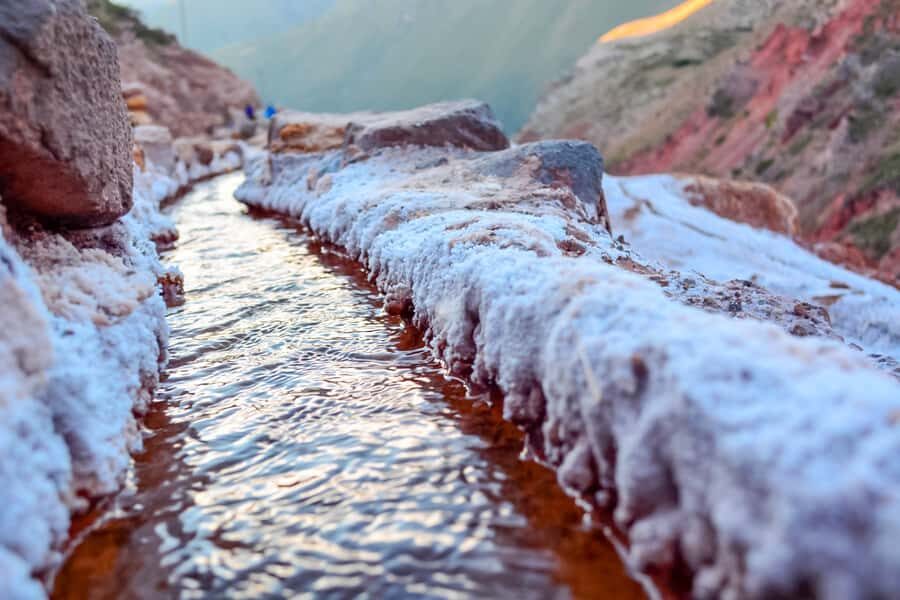
- Maras salt pools are still worked today after starting in Inca times
- Buffet lunch in Urubamba is included, which helps keep the pace realistic
- Small group (15 max) means you’re not lost in a crowd
- Drop-off in Ollantaytambo Plaza de Armas makes train connections easier
- Extra fees apply (touristic ticket and salt mine entry)
Cusco to the Sacred Valley: how this 6-hour plan really works
This is a 6-hour day built like a good sampler platter: you don’t go deep into just one site. Instead, you connect three very different Sacred Valley highlights—Moray, Maras, and Ollantaytambo—then finish where the rail station and buses are easiest to reach.
From a practical standpoint, the biggest value is time management. You start early (pickup about 6:30am) so you can get to Moray and Maras while the day is still manageable. You also get a planned lunch stop in Urubamba. That matters because these areas aren’t “hop on a street corner and grab a snack” friendly. If you’re sensitive to hunger or timing, the included buffet helps a lot.
The main drawback is pace. Some experiences in the region can feel slow and floaty once you’re there. This one is more “see it, learn it, move on.” That’s why it’s best for people who like ticking off key places without turning the day into an all-day marathon.
You can also read our reviews of more tours and experiences in Cusco.


Moray’s circular terraces: Inca science you can still walk through
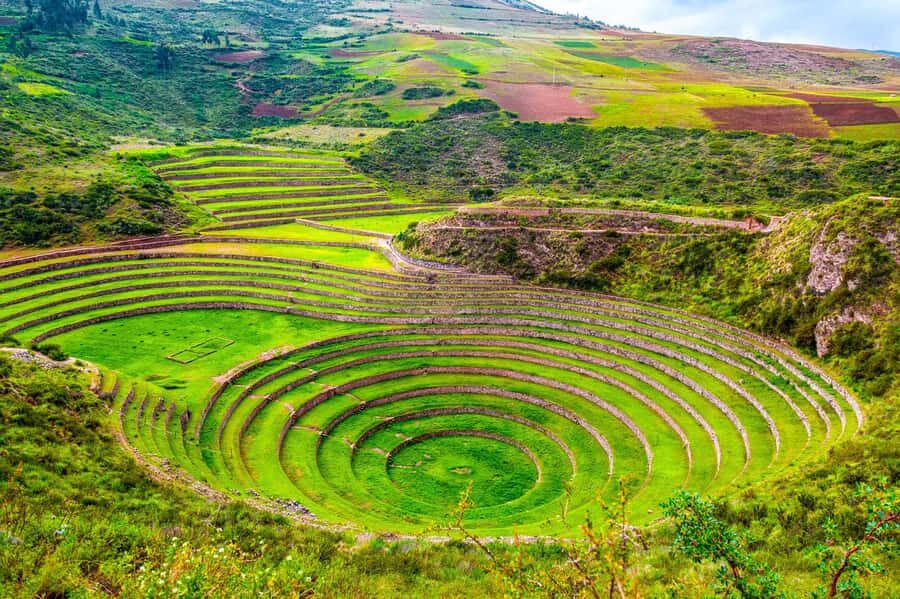
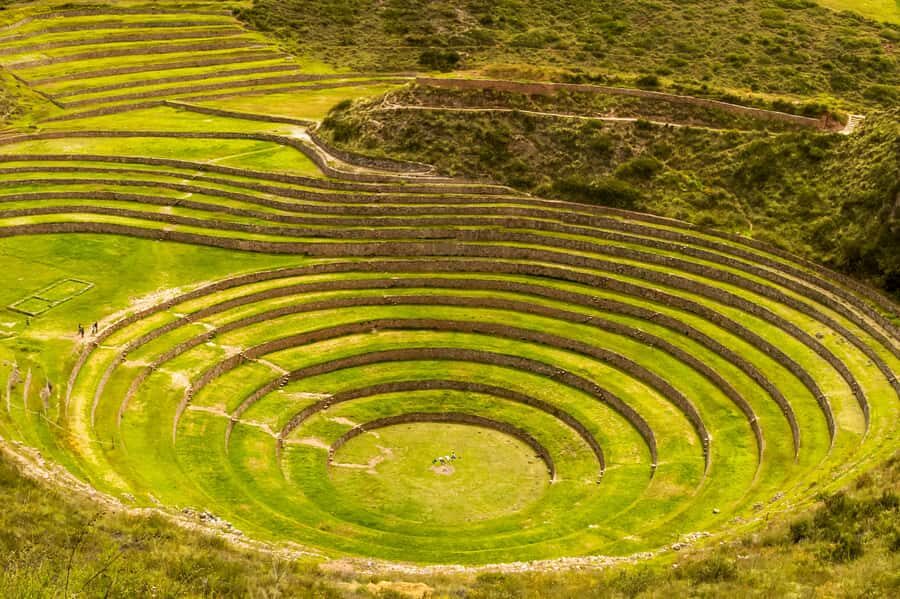
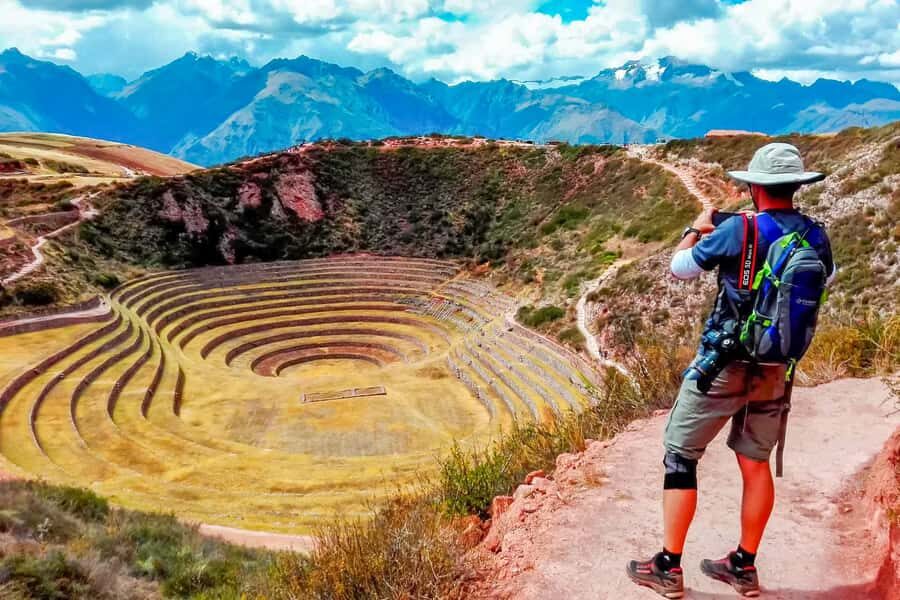
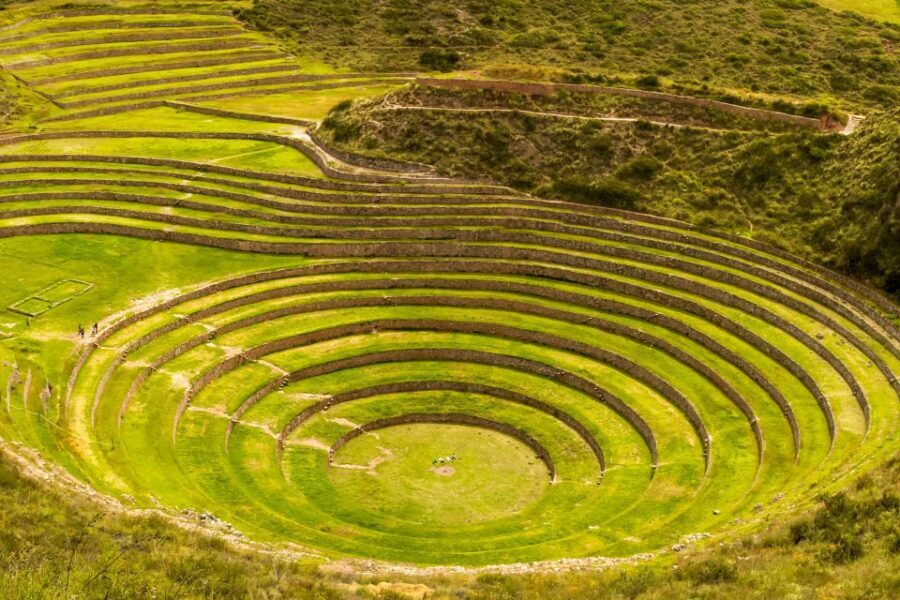
Moray is your first major stop, about 50 km northwest of Cusco. You arrive at an archaeological site built on a limestone plateau overlooking the Urubamba Valley. The headline here is the circular agricultural terraces laid out inside natural sinkholes.
What makes Moray interesting is that it looks like a puzzle the Incas kept fiddling with. The terraces are arranged in circles and levels, and they create a setting where different micro-conditions can exist across the sinkholes. That’s why the site is often framed as an “agricultural lab.” You can see the logic visually, even if you don’t get a perfect, one-size-fits-all answer to what every terrace was meant to do.
Some explanations suggest the terraces had cosmological meaning as well. But the function beyond agriculture isn’t fully clear. For you, that’s actually a good thing. It means your guide’s job isn’t just reciting facts—it’s helping you read the site: the shape, the terrain, and why a farming experiment would be worth building at this scale.
Tips that will help at Moray:
- Wear comfortable shoes. You’ll be on uneven ground.
- If you like photos, take them efficiently. The group timing is tight, and you won’t want to be the person holding up the line.
- Pay attention when you’re standing in the sinkhole. That’s where the terrace pattern becomes easiest to understand.
Maras salt mine: 3,000+ pools that changed hands for centuries
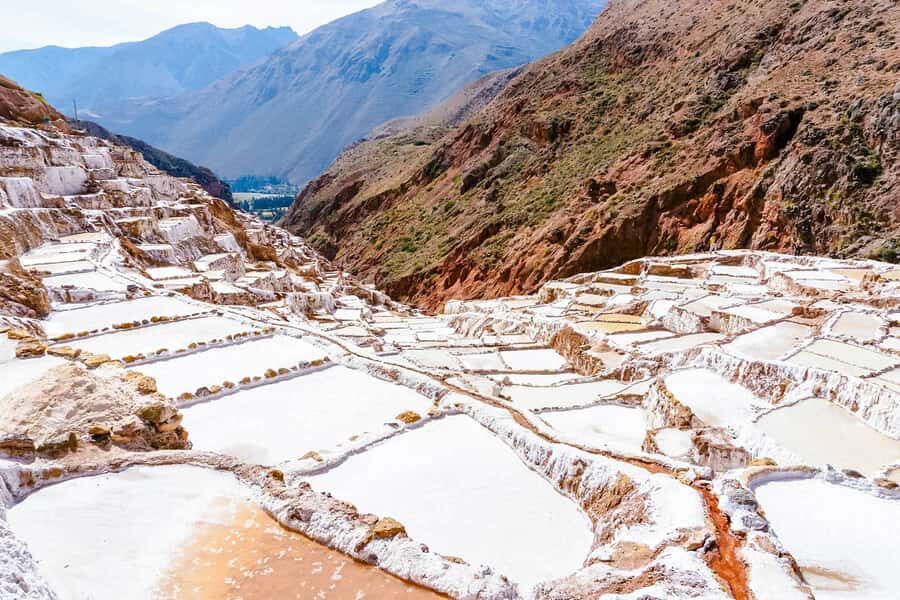
After Moray, you head to Maras, a colonial village in the Sacred Valley area. The town itself is a charming “base,” but the real star is what’s nearby: the salt evaporation ponds just up-slope and less than a kilometer west of town.
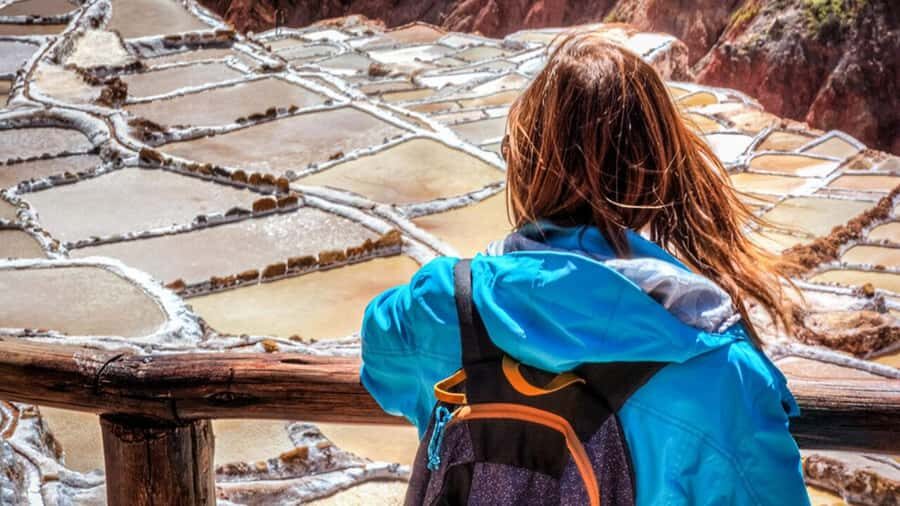
This is one of those places where the view tells you the whole story. You look down across a patchwork of salt pools—more than 3,000 of them. The salt is created by letting water evaporate, leaving minerals behind. What’s powerful here is continuity. These ponds have been used since Inca times, and they continued through the colonial period and into today.
That long timeline is why Maras feels more real than a purely “ruins” stop. Inca-era engineering, colonial-era use, modern working ponds. Same basic idea. Different eras of control. It gives you a sense of how resources shaped daily life here, not just royal ceremonies.
Entry detail you should plan for: the tour includes transport, guide, and lunch, but entrance to the salt mines is not included. On top of that, there’s a touristic ticket (S/70 per person) listed as not included as well. So when you budget, build those add-ons into your total day cost.
How to make Maras easier on yourself:
- Bring sunscreen. The salt flats and open areas don’t do you any favors for shade.
- Keep an eye on your timing. The salt ponds are visually addictive, but the schedule is designed to move you through.
- If you want extra time to browse, do it quickly and in small breaks, not one long pause.
Urubamba lunch: a real reset between ruins and salt
Midday, you’ll have buffet lunch in Urubamba. This is a smart inclusion, because it stabilizes the day. You’re moving from one site to another, and once you’re in the rhythm of Sacred Valley walking, a decent meal helps your energy last until the final stop.
The tour description doesn’t specify the menu, so I can’t promise a particular dish. But practically, buffet lunches in this part of Peru usually mean you can find something filling even if you’re not sure what you’ll be served. Plan to eat like you have stairs coming after (you do). Also, consider that the day is early and the route is long enough that lunch shouldn’t be treated like a light snack.
If you’re the type who gets sluggish after eating, try to keep it balanced—something with protein and carbs—so you don’t crash before Ollantaytambo.
Ollantaytambo ruins and Wiracocha imagery: finishing with a wow
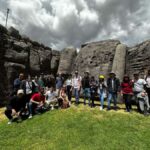
Your final stop is Ollantaytambo, reached by driving along the Urubamba River. Then you’ll visit the ruins there. This is an important Incan construction site from the Incas’ heydays, and it’s especially memorable for what you can spot in the rocks.
The tour notes that you can find rock formations representing the Inca god Wiracocha. That’s a big part of why Ollantaytambo feels different from Moray and Maras. Moray is about design and agriculture. Maras is about production and salt wealth. Ollantaytambo is about monumental stone and symbolic power—an ending that lands on the theatrical side of Inca heritage.
Ollantaytambo is also an excellent place to finish logistically. You’ll be dropped off at Plaza de Armas in the town. That makes it easier to get to onward plans, including rail.
Important connection rule: the tour ends around 3pm, and your train must be after 3pm. That’s not just a suggestion. It’s the real schedule boundary. If you book tight rail times, you’re choosing stress over convenience.




Price and value: what $49 really covers (and what doesn’t)
At $49 per person for a 6-hour small-group day, this tour is priced like a practical “get the highlights” package. What you’re getting for that price:
- Pickup and transfer from your hotel in Cusco
- Transport between sites
- A bilingual guide (English and Spanish)
- Buffet lunch in Urubamba
- Drop-off at Plaza de Armas in Ollantaytambo
Where you should adjust your budget: the tour lists two key add-ons as not included:
- Touristic Ticket: S/70.00 per person
- Entrance to the salt mines
So yes, the base price looks friendly. But the real cost is the base fare plus those site fees. I recommend factoring those in early so you don’t end up doing the money math at the doorway.
Is it good value? For the right traveler, yes. If you want Moray + Maras + Ollantaytambo in a single day with lunch handled and transport arranged, this is a time-saver. If you’re the type who enjoys lingering at each stop, you might feel rushed, because the day is built to cover a lot in limited hours.
The day’s rhythm: small-group comfort vs tight timing
This is a small group tour, limited to 15 participants. That’s a sweet spot. In Peru, small groups often mean:
- easier communication with the guide
- fewer people clustering for photos
- a better chance of getting answers when you ask
At the same time, small groups still need a schedule. A few issues show up in the feedback pattern for this kind of tour: pickup can be late or confusing, and sometimes the guide’s direction can be brief. Also, the overall time at each stop can feel short if you want more photo time or more explanations.
So how do you make it work smoothly?
- Be ready for a pickup time that may not be perfectly on the minute.
- When you arrive at your first site, take one minute to ask how the timing will work. You’re not being difficult; you’re setting yourself up.
- If photos are a priority, plan where you want to stand before the group starts moving.
Who should book this tour (and who should skip it)
This tour fits you best if:
- You want three Sacred Valley highlights in one day
- You’d rather pay a set price than coordinate separate buses and guides
- You like structured sightseeing and don’t mind a faster pace
- You want lunch included so your day doesn’t fall apart around midday
- You’re okay paying extra for the touristic ticket and salt mine entrance
Skip it if:
- You want long, slow wandering at each stop
- You need lots of assistance navigating uneven ground
- You’re a wheelchair user (this tour isn’t suitable for wheelchair users)
- You don’t want to manage extra ticket payments
Also note what you can’t bring: pets and luggage or large bags are not allowed. So pack light.
Should you book? My honest take
Book this tour if you want an efficient day with real Sacred Valley texture: engineered terraces at Moray, still-working salt ponds at Maras, then stone symbolism at Ollantaytambo. The included Urubamba buffet and the small group size are genuine comforts, and the end drop-off at Plaza de Armas makes train timing easier.
Don’t book it if you need lots of free time for photos or you hate being on a clock. This is a highlights route, not a sit-and-stare day. And make sure you budget for the S/70 touristic ticket plus the salt mine entrance so there are no surprises at the gate.
If your train is after 3pm and you’re comfortable with a packed schedule, this is a solid way to cover a big chunk of the Sacred Valley without headaches.
FAQ
What is the duration of the Cusco: Maras and Moray Tour ending in Ollantaytambo?
The tour duration is 6 hours.
Where do you get picked up, and where do you get dropped off?
You’re picked up from your accommodation in Cusco around 06:30am, and you’re dropped off at Ollantaytambo Main Square (Plaza de Armas).
What’s included in the price?
Included are transfers from your Cusco hotel, transport, a bilingual guide, a buffet lunch in Urubamba, and the Ollantaytambo Plaza de Armas drop-off.
What extra fees should I expect?
A touristic ticket (S/70.00 per person) and entrance to the salt mines are not included.
What time does the tour end, and does it affect train schedules?
The tour ends around 3pm, and your train must be after 3pm.
What languages is the guide?
The guide is bilingual: Spanish and English.