REVIEW · CUSCO
Cusco: Tour al Valle Sagrado + Maras y Moray + Almuerzo Buffet
Book on Viator →Operated by Machupicchu Turístico · Bookable on Viator
That first taste of the Sacred Valley comes fast. This all-day route strings together six major Inca highlights with a traditional buffet lunch, so you make real progress without spending days on logistics. I like that it’s structured, with clear stop times, and that the day is built for photos and learning, not just rushing from bus to bus. One thing to consider: it’s a fast-paced day, and the entrance tickets (including the Salineras de Maras fee) aren’t included.
What really sells this tour is the mix of sites. You get Inca engineering at Moray and Ollantaytambo, the salt-mines scene at Maras, plus Cusco-area culture in Chinchero and sweeping views from Pisac. I also appreciate that the lunch is included and scheduled (not a random scramble), which helps keep the day comfortable.
Still, there’s one red flag to note. One past booking reported a missed pickup (even though a refund reportedly happened). If you book, I’d plan to confirm your pickup the day before and keep your morning buffer in mind, just to protect your schedule.
In This Review
- Quick hits before you go
- A practical way to see the Sacred Valley in one day
- Meeting in Cusco: where you start (and why it matters)
- Chinchero (Stop 1): ruins, a church, and textiles you can learn from
- Moray (Stop 2): the Inca farming lab feel
- Maras Salt Mines (Stop 3): the photo stop, plus the ticket you need
- Urubamba lunch (Stop 4): included buffet time that actually helps
- Ollantaytambo (Stop 5): Inca stronghold and water channels that still work
- Pisac (Stop 6): terraced agriculture and unfinished temples
- Price and what you’re really paying for
- Transportation comfort: private and air-conditioned, but it’s still a long day
- Guides, group size, and the difference between a good day and a great one
- A word of caution: confirm your pickup
- Who this tour is best for
- Should you book this Sacred Valley day tour?
- FAQ
- How long is the tour?
- Where does the tour start and where does it end?
- What’s included in the price?
- What tickets are not included?
- How many people are on the tour?
- Will I get confirmation after booking?
- Is free cancellation available?
Quick hits before you go
- Up to 15 people: smaller groups usually mean less crowding at viewpoints.
- Private, air-conditioned transport: makes the long day easier on your body.
- Six big sites in ~12 hours: short visits, but you cover the essentials.
- Urubamba buffet lunch included: a real break with Peruvian and Andean dishes.
- Tickets extra for Chinchero/most entrances and Maras: budget for PEN 70 + Maras PEN 20.
- Guides can change the experience: some guides are praised for patience and explanations, plus photo help.
A practical way to see the Sacred Valley in one day
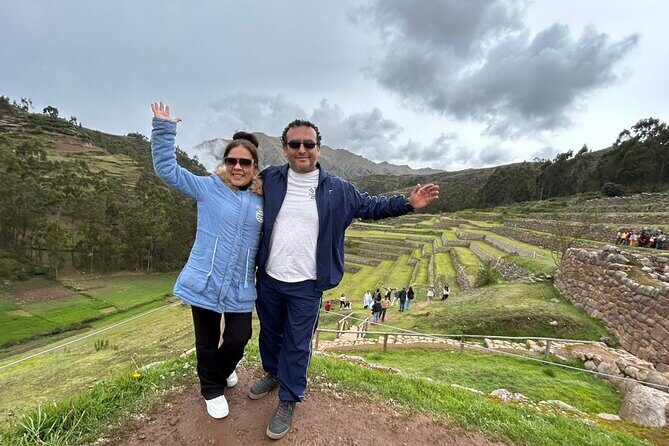
This is the kind of tour that helps you get your bearings fast. In roughly 12 hours, you’ll move through multiple valleys and viewpoints, hitting the sites most people put on their Peru wishlist. The key is pacing: each stop is about an hour, with a longer lunch break to reset.
If you’re short on time in Cusco, this route is efficient. You’re not choosing between Moray, Maras, or the big Inca complexes like Ollantaytambo and Pisac. Instead, you’re getting a full arc: Inca agriculture and experimentation, salt extraction at Maras, and then the fortress-and-terraces story at Ollantaytambo and Pisac.
The tradeoff is that you won’t linger. This tour is built for seeing a lot, learning enough, and moving on. If you prefer slow travel—sitting with a view for an hour—this might feel rushed. If you like structured days where you know what’s next, it’s a good match.
You can also read our reviews of more tours and experiences in Cusco


Meeting in Cusco: where you start (and why it matters)
The tour starts at Plaza de Armas (Cusco) and ends near Plaza Regocijo, at the square next to the main one. For your morning, that’s helpful because you can aim for a central landmark instead of needing a complicated hotel lobby pickup.
It also helps that the tour meets near public transportation. If you’re staying anywhere in the Cusco center, you’ll likely be able to reach the meeting point with less stress. On the flip side, if you’re staying far out, you’ll want to plan extra time to get to Plaza de Armas.
Chinchero (Stop 1): ruins, a church, and textiles you can learn from
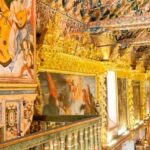
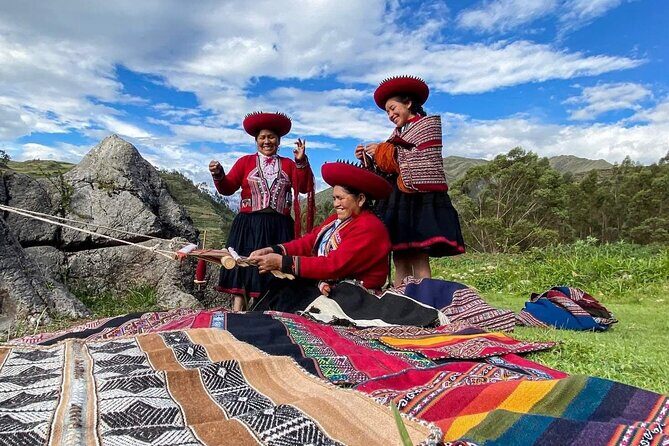
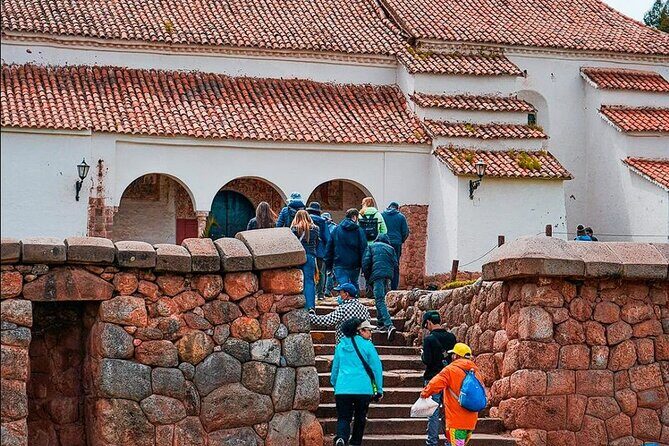
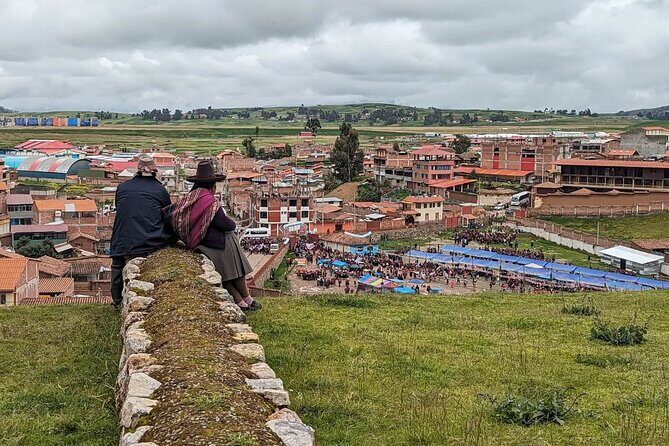
Chinchero is a strong first stop for one reason: it mixes scenery with culture. You’ll see Inca ruins, a colonial church, and you’ll get hands-on exposure to the traditional weaving tradition that Chinchero is known for. It’s also a place where the mountain views do some of the storytelling for you.
Why I like this stop early in the day: it sets context. Before you jump into purely technical sites like Moray and Maras, you’re reminded that these landscapes were lived-in and worked on, not just visited.
One practical consideration: the entry ticket for this stop isn’t included. You’ll want to be ready with the cost (the tour includes some tickets as free at certain sites, but not at Chinchero).
Moray (Stop 2): the Inca farming lab feel
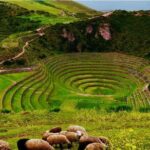
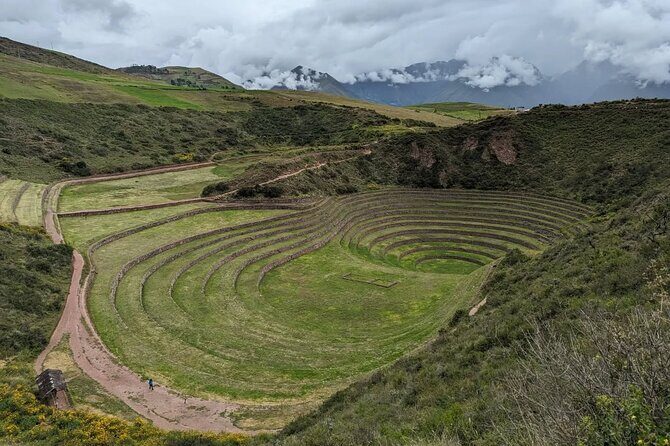
Moray is one of those places where the layout makes the lesson click. The site features circular terraces that were used to study microclimates. That means you’re not just looking at old stone; you’re looking at an agricultural research concept.
This stop is great if you like history with an engineering angle. The terraces show how the Incas dealt with altitude and growing conditions. Even with a short visit, the structure of Moray helps you understand why this kind of place mattered.
You’ll get about an hour here. For that length of time, I’d focus on two things: (1) the shape of the terraces, and (2) how the guide explains the microclimate idea. If you try to walk every edge and read every stone, you’ll lose the explanation that makes Moray worth more than a quick photo.
Maras Salt Mines (Stop 3): the photo stop, plus the ticket you need
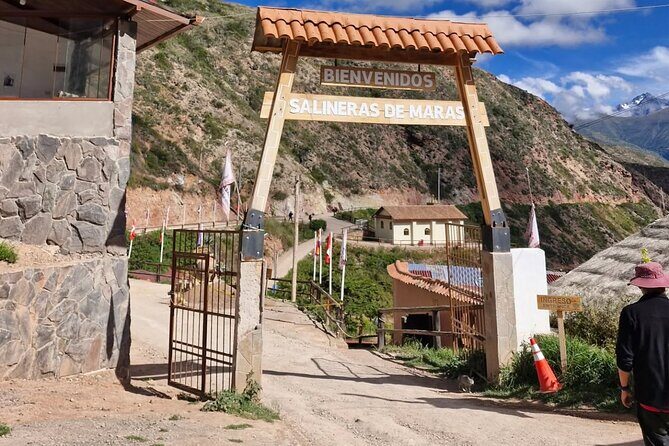
Maras is a visual wow. You’ll visit the Salinas de Maras, where thousands of salt pools form a geometric scene. The tour also frames it as a living practice: the salt extraction process used today connects back to older methods.
This stop is often the one people remember most, mainly because it’s so photogenic. The best advice I can give: don’t treat it like a one-shot photo hunt. Pause, look for where the light hits the pools, and then work your way through a few angles instead of racing.
Here’s the budget detail you must plan for: the tourist ticket is PEN 70, and the entrance to Salineras de Maras is PEN 20. Those are not included in the tour price. If you arrive without planning for that, it can slow you down at a point in the day where you’ll want to be moving.



Urubamba lunch (Stop 4): included buffet time that actually helps
Urubamba is your scheduled reset. You’ll descend into the Sacred Valley and enjoy a traditional buffet lunch for about 1 hour 30 minutes. The buffet includes a mix of Peruvian and Andean specialties, which is exactly what you want on a long day.
I like that lunch is both included and time-boxed. That means you’re not searching for food while your group’s schedule compresses. The longer lunch window also gives you a realistic chance to eat, chat, and regroup.
One small consideration: because it’s a buffet, not a cooked-to-order meal, the quality can vary by plate and timing. The best move is to sample what looks freshest and easiest, then decide if you want a second round. Don’t overcommit at first if you’re going to spend the afternoon walking and climbing.
Ollantaytambo (Stop 5): Inca stronghold and water channels that still work
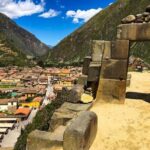
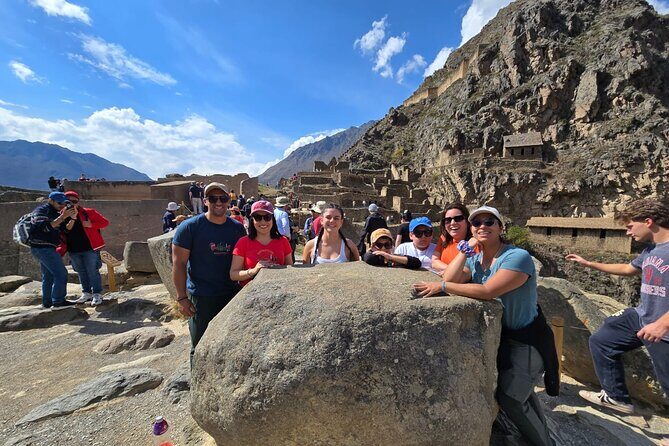
Next comes Ollantaytambo, often described as the last Inca stronghold. You’ll see towering stone terraces, plus intricate water channels that still function today. That detail matters because it turns the ruins from something purely decorative into something functional.
Expect about an hour here. In that time, you’ll likely get a guided explanation of ceremonial areas and the way the town and terraces relate to the valley. This is one of the stops where a good guide can make the stone feel meaningful, not just impressive.
If you’ve read about this region before, you’ll still learn something practical: how the stonework, slope, and water system all work together. I’ve seen how patient guides can really help you ask questions without feeling rushed, and this is the type of site where that helps.
Pisac (Stop 6): terraced agriculture and unfinished temples
Pisac rounds out the day with two things you can’t fake: agricultural terraces and broad views. You’ll see expansive terraces carved into the mountainside, plus an area with unfinished stone temples, which gives you a peek into how the building process worked (at least in what the site shows).
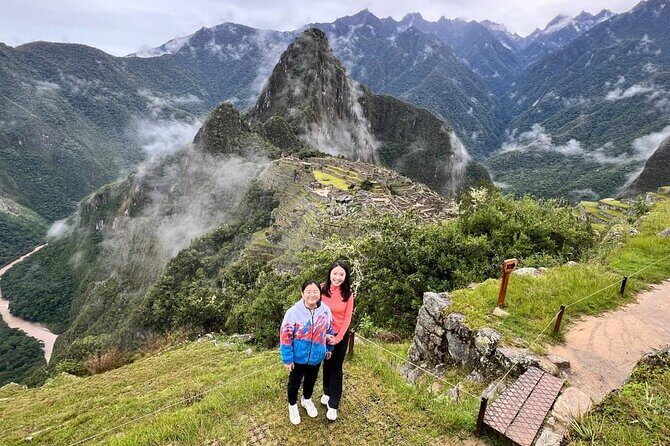
The tour also calls out stunning panoramic views of the Sacred Valley. Even if the main reason you’re here is history, the views change your sense of scale. You start to understand why terraces and paths made sense on steep terrain.
You’ll get about an hour for Pisac. To make that hour count, prioritize (1) the terraces you can see most clearly, and (2) the unfinished section if the guide points it out. Trying to do everything equally can leave you with a bunch of photos but not enough comprehension.
Price and what you’re really paying for
The tour price is listed at $29 per person, which is low for a day that covers multiple major sites and includes private transportation plus an air-conditioned vehicle and lunch.
But you should calculate the total reality before you go:
- The tourist ticket is PEN 70
- Salineras de Maras entrance is PEN 20
- Some other site admissions are listed as free in the tour (like Ollantaytambo and Pisac)
So the value here comes from what’s packaged: transport, guide time, and your big meal. If you compare this to doing everything independently, paying for separate transport and timing can add up quickly. The included buffet also saves time and effort, especially if you’re not sure where to eat near the Sacred Valley stops.
The one “gotcha” is that you can’t treat the advertised price as a complete day cost. Plan for the extra ticket fees so you don’t hit a surprise payment at Maras.
Transportation comfort: private and air-conditioned, but it’s still a long day
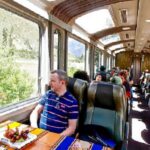
This is a private-transport style day. You’ll ride in an air-conditioned vehicle, and that matters in Peru when road time stacks up. The tour is about 12 hours, so you’ll spend a meaningful chunk of time traveling between Cusco and the Sacred Valley sites.
If you get motion sick easily, the A/C and private setup can still be more comfortable than hopping between vehicles. Bring a bottle of water and keep an eye on the schedule. Short stops are great, but only if you show up on time.
The best mindset for this tour is simple: you’re not just visiting places, you’re also managing a day. Keep your energy steady with water, light snacks if you need them, and good footwear.
Guides, group size, and the difference between a good day and a great one
The group size max is 15 travelers. That’s small enough that the guide can generally keep the pace moving while still answering questions. It also usually means less time waiting for everyone to regroup at stairs and viewpoints.
The reviews emphasize something important: the guide quality can really shape the experience. Some guides have been praised as super patient, great at answering doubts, and helpful with photos. Others have been credited with delivering an Inca history lesson that goes beyond the basics, adding clarity about religion, society, and nature through examples tied to the sites.
That’s a key point for you: when the day is fast, explanation becomes the value. If your guide tells you what to look for, you’ll leave with understanding, not just snapshots.
A word of caution: confirm your pickup
One serious negative account involves a missed pickup. In that case, the booking reportedly ended with a refund, but the bigger problem was losing the morning and needing to book a different tour.
I’m not saying the tour will fail you. I am saying this: if you book anything with a tight start time from central Cusco, confirm your pickup the day before, and have a contingency plan if you don’t see your guide. It’s not overthinking. It’s protecting your day.
Who this tour is best for
This one-day route is a great fit if:
- You want the main Sacred Valley stops without stretching your trip
- You like a guided structure with clear timing
- You’re okay with about an hour at each major site
- You value included lunch and comfortable transport
It’s less ideal if you:
- Want slow, unhurried exploration
- Prefer spending more time at fewer sites instead of seeing more in one sweep
- Want minimal additional ticket spending
Should you book this Sacred Valley day tour?
If you want a one-day sampler that still feels like more than a drive-by, I’d say this tour is worth booking—especially for the price once you factor in private transport and lunch. Chinchero adds culture, Moray adds agricultural science, Maras gives you the iconic salt-pool views, and Ollantaytambo plus Pisac close the loop with strong Inca architecture and terrain-adapted design.
Just go in with two practical expectations: plan extra cash for PEN 70 and PEN 20, and accept that it’s a fast schedule. If you’re the type who benefits from good guiding—patient explanations and help with what to photograph—this day format can be a real win.
FAQ
How long is the tour?
It runs for about 12 hours.
Where does the tour start and where does it end?
It starts at Plaza de Armas in Cusco and ends at Plaza Regocijo, near the square next to the main one.
What’s included in the price?
Private transportation, an air-conditioned vehicle, and a traditional buffet lunch.
What tickets are not included?
The tourist ticket is listed at PEN 70, and the entrance to Salineras de Maras is PEN 20.
How many people are on the tour?
The maximum group size is 15 travelers.
Will I get confirmation after booking?
Confirmation is received at the time of booking.
Is free cancellation available?
Yes. You can cancel for a full refund up to 24 hours before the experience’s start time.