REVIEW · CUSCO
Cusco: 3-Hour Peruvian Cooking Class
Book on GetYourGuide →Operated by ChocoMuseo · Bookable on GetYourGuide
A cooking class in Cusco is food with a story. You’ll start at the Peruvian Central Market to see the ingredients that shape local meals, then you’ll cook a full menu with step-by-step guidance from instructors like Miguel or Yil. I especially liked the hands-on cooking time and the market stop, which makes dishes like ceviche and ají de gallina feel more than just recipes. One thing to keep in mind: your main dish is partly set by demand, since the first participant booked chooses between Lomo Saltado and Ají de Gallina.
This is a 3-hour small-group class (up to 10 people) inside ChocoMuseo, on the corner of Plaza Regocijo. You’ll finish by eating what you made: ceviche, your chosen main, and chocolate fondue with local fruits, plus a pisco sour. If you prefer, you can request a swap from pisco sour to fresh fruit juice, and vegetarian options can replace the meat.
In This Review
- Key things to know before you go
- Peruvian Central Market shopping: why it matters in Cusco
- Inside ChocoMuseo: getting from shopping bag to cutting board
- Ceviche starter: fresh flavors, real technique
- Your main dish decision: Lomo Saltado vs Ají de Gallina
- Pisco sour lesson: the drink course you’ll actually remember
- Chocolate fondue with local fruits: the dessert that ties it up
- The full 3-hour experience: how the timing works
- Price and value: is $49 worth it?
- Where to meet: ChocoMuseo at Plaza Regocijo
- Who this cooking class is perfect for (and who should think twice)
- Tips to get the most out of your 3 hours
- Should you book this Cusco cooking class?
- FAQ
- How long is the Cusco Peruvian cooking class?
- Where does the class meet?
- What is included in the price?
- Do you serve pisco sour?
- Can I choose between Lomo Saltado and Ají de Gallina?
- Are vegetarian options available?
- Is wine included?
- What are the cancellation terms?
Key things to know before you go
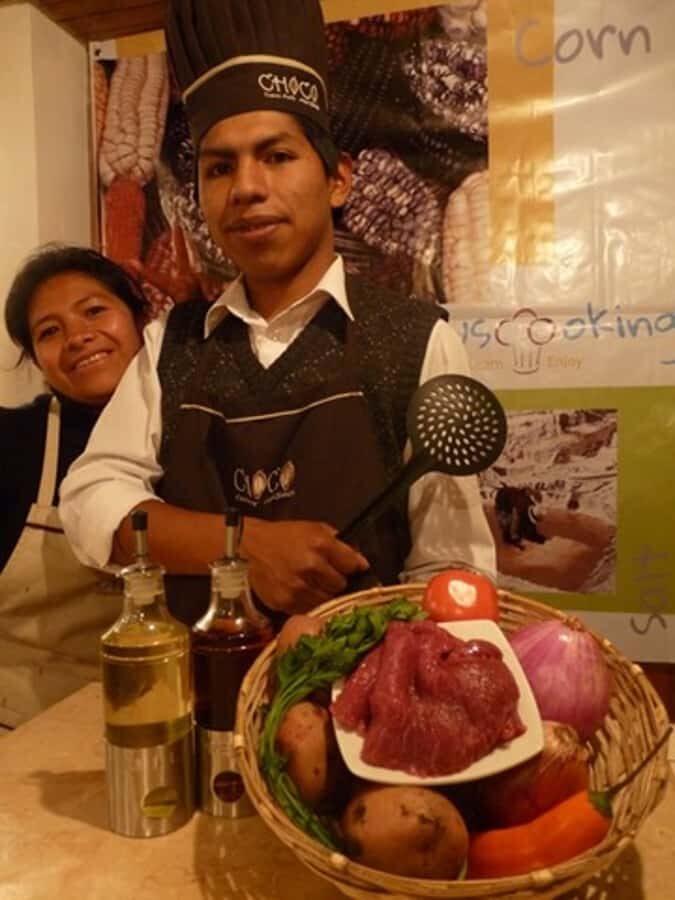
- Market walk with guided shopping focused on the ingredients behind classic Peruvian cooking
- 4-part menu experience: ceviche, main choice, pisco sour, and chocolate fondue with seasonal fruits
- Expert instruction in Spanish or English with practical, step-by-step cooking support
- Small group size (10 max), so you get real attention while you cook
- Flexible substitutions by request for vegetarian options and fruit juice instead of pisco sour
Peruvian Central Market shopping: why it matters in Cusco
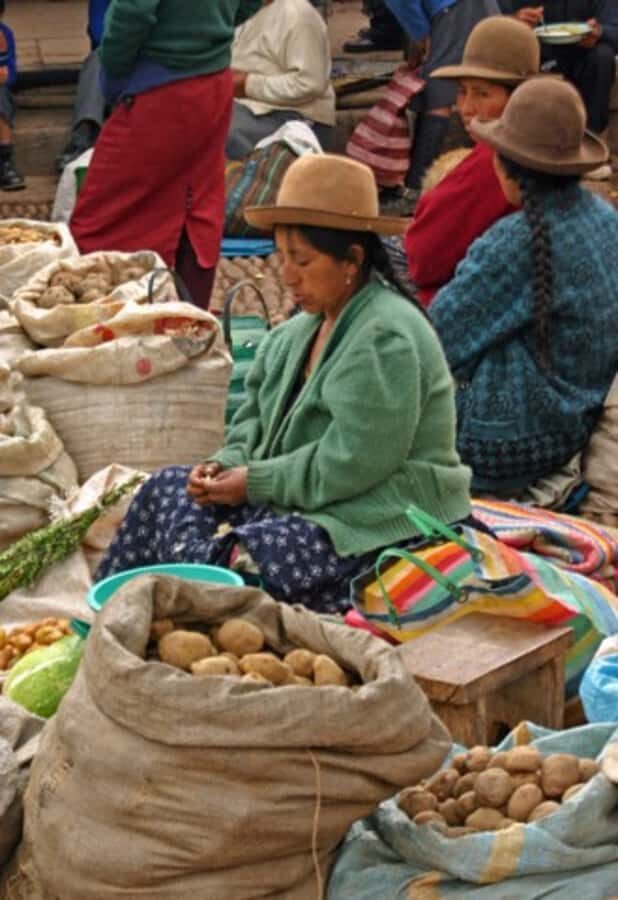
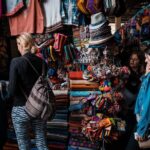
The class starts with a guided trip to the Peruvian Central Market, and that’s not just a nice add-on. Market shopping is where you understand what Peru actually cooks with: fruit, herbs, vegetables, and pantry staples that become the flavor base for dishes you recognize.
I love this format because it gives you a shopping-to-plate connection. When you buy ingredients with your instructor and learn what they do in the kitchen, later cooking steps feel way less like following someone else’s script and more like making smart choices yourself.
You’ll also get context while you shop—things like fun facts and cultural notes tied to what’s on display. That kind of commentary helps Cusco feel less like a stop on a map and more like a place with daily food traditions.
You can also read our reviews of more cooking classes in Cusco
Inside ChocoMuseo: getting from shopping bag to cutting board
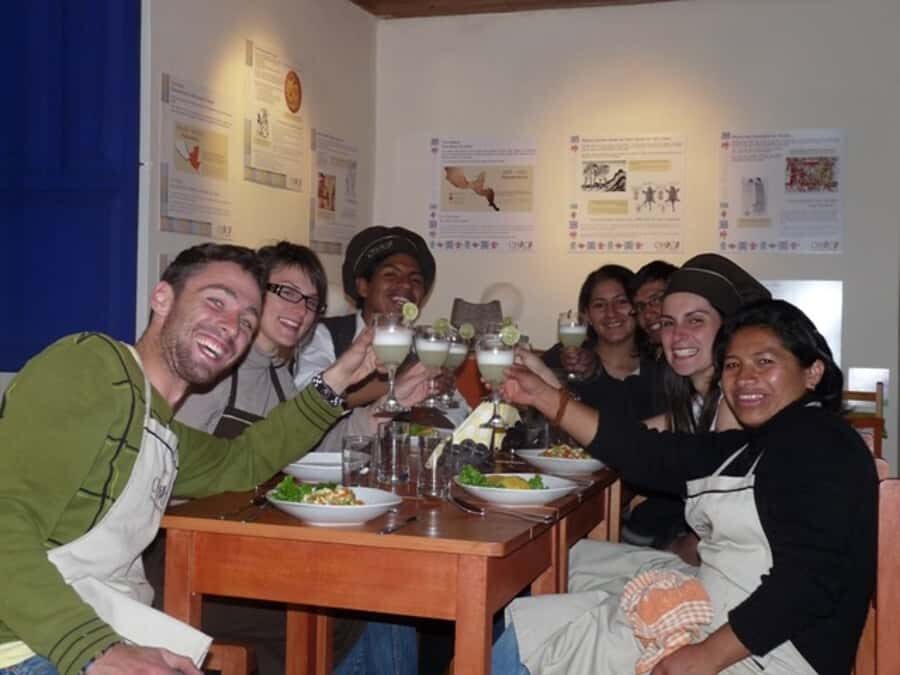
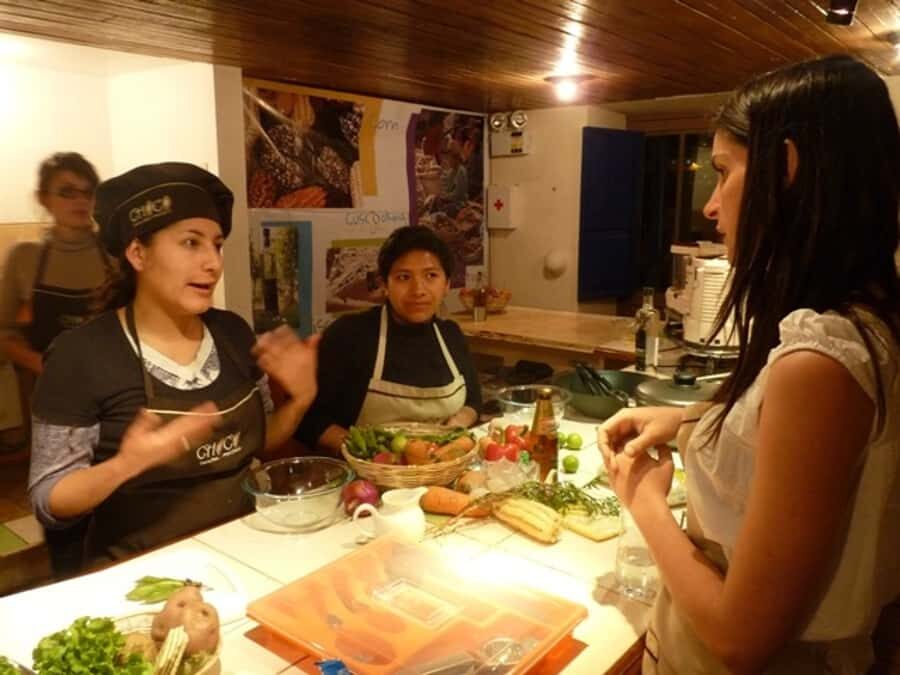
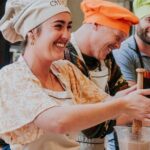
After the market, you return to the kitchen at ChocoMuseo to cook. This is where the class turns practical: you’ll prep, cook, and plate with a teacher watching your technique and guiding your timing.
The standout here is how much you do in a short time. You’re not just tasting. You’re chopping, cooking, and assembling, and you get the kind of pacing that works for a 3-hour schedule.
One detail I’d flag: the class is designed to move through courses efficiently, so a bit of food temperature can depend on timing when dishes are finished and served. If you’re picky about hot starches, plan to eat right when your portion arrives.
Ceviche starter: fresh flavors, real technique
Your first course is ceviche. Even if you’ve had ceviche before, cooking it with an instructor tends to teach you the logic behind the flavors—how acid, seasoning, and freshness work together.
This part of the class is a good warm-up. It gets you comfortable with kitchen rhythm, and it sets expectations for how the rest of the menu will taste: bright, balanced, and ingredient-driven.
Also, if you’re interested in knife skills, this is one of the times you’ll likely practice hands-on prep. The class style is built around doing the work, not just watching.
Your main dish decision: Lomo Saltado vs Ají de Gallina
Here’s the key choice: you’ll make either Lomo Saltado (sauteed beef) or Ají de Gallina (chicken in a yellow pepper sauce). You’re asked to share your favorite option, but the important catch is that the first participant who booked gets to choose first.
So for best results, decide early which dish you truly want. If you care a lot about Lomo Saltado’s beefy stir-fry style, say so right away when you book. If you’re more into the creamy yellow pepper sauce vibe of Ají de Gallina, do the same.
Both options are classic Peruvian comfort food, just in different directions. Lomo Saltado leans into quick sauteed cooking and savory sauce. Ají de Gallina leans into pepper-forward flavor and a richer, sauce-based texture. Either way, you’ll leave knowing how to build the dish, not just how it tastes.
If you’re vegetarian, you can request meat replaced with vegetarian options. That’s not a guarantee for every dish without seeing how the instructor adapts on that day, but the option is specifically offered by request.
Pisco sour lesson: the drink course you’ll actually remember
Next up is pisco sour. You’ll learn how to prepare it as part of the class, and then you’ll get to drink it with your meal.
What I like about including the drink is that it anchors the meal culturally. It also gives you something concrete to practice afterward at home, because the pisco sour isn’t a vague seasoning—it’s a defined recipe you’ll walk away with.
One nice flexibility: the pisco sour can be swapped with a fresh fruit juice upon request. That’s a great call for anyone who doesn’t want alcohol, but still wants to keep the drink part of the menu.
You can also read our reviews of more tours and experiences in Cusco
Chocolate fondue with local fruits: the dessert that ties it up
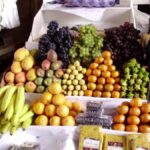
For the final course, you’ll make chocolate fondue with local seasonal fruits. It’s a satisfying way to end the class because it balances the savory and spicy parts of the menu with something sweet and simple to enjoy.
The fruits matter here. You’re not just eating generic dessert. You get to taste what’s local, and that makes the finish feel more grounded in Peru than in a generic catering-style dessert.
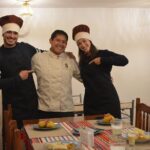
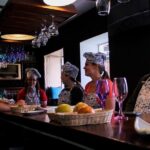
This is also the moment when cooking stops being work and becomes part of the fun. After all the prep and cooking, you sit down in a relaxed, friendly environment and eat together.
The full 3-hour experience: how the timing works
The class runs for 3 hours, and the menu structure is built for that pace. You’ll do market shopping, then cook your starter and main, prepare the pisco sour, and finish with dessert.
Because everything is packed into one short session, timing becomes part of the experience. It’s not a slow, day-long food project. Instead, it’s closer to a guided cooking sprint where you learn key steps and taste the results without losing momentum.
If you’re wondering how much time you’ll get actively cooking: the class format includes instructed cooking and supplies, and the small-group cap helps you get attention when you need it.
Price and value: is $49 worth it?
At $49 per person, you’re paying for a full service experience: guided market shopping, ingredients for your menu, an instructor-led cooking class, and a meal that includes a pisco sour plus dessert.
For a food-focused activity, that price makes sense because you’re not paying only for instruction. You’re also paying for the market guidance, ingredients, and the finished meal itself. You also get water, and cooking supplies are included.
You’ll notice what’s not included is also clear: there’s no wine included, though wine may be available for purchase. If you want alcohol beyond the included pisco sour, plan to pay extra.
Where to meet: ChocoMuseo at Plaza Regocijo
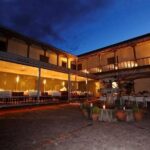
Meet inside ChocoMuseo, on the corner of Plaza Regocijo. Look for the green and orange flags hanging from the balconies. If you get there early, use that time to orient yourself around the plaza so you’re not hunting when your group is forming.
ChocoMuseo is the hub for the cooking portion, so once you’re inside you’ll be in the right place for the kitchen instructions and the rest of the class flow.
Who this cooking class is perfect for (and who should think twice)
This class is a great fit if you want a hands-on Cusco food experience in a small group, and you like learning by doing. If you enjoy markets, you’ll appreciate the chance to see ingredient variety first, then translate it into dishes quickly.
It’s also ideal if you want a menu with clear anchors: ceviche, either lomo saltado or ají de gallina, pisco sour, and chocolate fondue. You’ll leave with a memorable set of dishes rather than a vague food tour.
Two reasons it might not be your best match. First, if you booked later and you’re strongly set on one main dish, the first booking choice rule can affect what you cook. Second, because the class runs fast, food temperature can depend on how the kitchen times courses and serves plates.
Tips to get the most out of your 3 hours
Keep your expectations practical. This is guided cooking, not a slow tasting workshop. Pay attention during the market stop, because the ingredients you pick up are the same ones you’ll handle later.
Also, tell the instructor your main dish preference when possible. The class specifically asks you to indicate whether you want Lomo Saltado or Ají de Gallina, but the first participant booked has priority.
Finally, if you prefer no alcohol or meat-free cooking, request those options ahead of time. The class offers a swap from pisco sour to fresh fruit juice and vegetarian options replacing meat, but you need to ask.
Should you book this Cusco cooking class?
Yes, I’d book it if you want a compact, hands-on Cusco food lesson that includes both market context and a full meal you cooked yourself. The best reasons are the guided ingredient shopping, the expert-led instruction, and the clear menu that ends in dessert and pisco sour (or a juice swap).
Hold off if you’re very strict about your main dish choice, since priority goes to the first booking. Also consider skipping if you’re ultra-sensitive to meal timing and want everything served at peak heat, because a fast class can create small temperature differences.
Overall, for $49 and 3 hours, it’s a strong way to spend an evening in Cusco—less sightseeing for sightseeing’s sake, more learning how Peruvian flavors get built in the real world.
FAQ
How long is the Cusco Peruvian cooking class?
The class lasts 3 hours.
Where does the class meet?
It takes place inside ChocoMuseo, on the corner of Plaza Regocijo. Look for the green and orange flags hanging from the balconies.
What is included in the price?
You get a guided tour of the Peruvian market, ingredients for preparing the menu, an instructed cooking class, dinner with a 3-course meal and a pisco sour, water, and cooking supplies.
Do you serve pisco sour?
Yes. Pisco sour is included with the dinner. You can request it be swapped for fresh fruit juice.
Can I choose between Lomo Saltado and Ají de Gallina?
You should inform the team of your preferred option. The first participant booked chooses which dish is made.
Are vegetarian options available?
Vegetarian options are available on request, including replacing the meat with vegetarian alternatives.
Is wine included?
Wine is not included. It may be available for purchase, but it’s not part of the package.
What are the cancellation terms?
Free cancellation is available up to 24 hours in advance for a full refund.