REVIEW · CUSCO
Salkantay Trek & Inca Trail to Machu Picchu 7D-6N
Book on Viator →Operated by Inca Trail Specialist · Bookable on Viator
You’re not just hiking to Machu Picchu here. You’re stacking two Inca routes and sleeping in the mountains for nearly a week.
The trip stands out for two reasons I really like: the high-pass challenge (Dead Inca’s Pass and Dead Woman’s Pass) plus the way you still reach Machu Picchu with a guided plan instead of chaos.
One consideration: it’s a tight, group-paced schedule, and on busy days you may get more “keep moving” than lingering for photos—especially around viewpoints and the Inca Trail sections.
In This Review
- Key highlights worth knowing before you go
- How this 7D/6N route works: two treks, one payoff
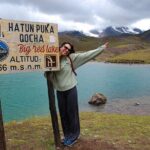
- Day 1: Cusco to Soraypampa, then Humantay Lake
- Day 2: Pampa Japonesa, the summit push, then Sisaypampa (coldest night)
- Day 3: Paucarcancha ruins and the link into the Classic Inca Trail
- Day 4: Wayllabamba switch, Llulluchapampa camp, microclimates
- Day 5: Dead Woman’s Pass, Runkurakay and Sayacmarca, Chaquicocha sunset
- Day 6: Phuyupatamarca and Intipata, then Winay Wayna and porter ceremony
- Day 7: Sun Gate first, a guided Machu Picchu tour, then back down
- Price and what $1,670 gets you (and what it doesn’t)
- Guides, crew, and camp reality: the difference between hard and brutal
- Altitude, weather, and pace: your three main risks
- Who should book this Salkantay + Inca Trail week
- Should you book it?
- FAQ
- How long is the Salkantay Trek & Inca Trail to Machu Picchu (7D-6N)?
- Where does the tour start?
- What time is pickup?
- Is it a private tour?
- What physical fitness level do I need?
- What is included in the price?
- What is not included?
- Do you include Machu Picchu entry and a guided tour?
- What happens if weather cancels the trek?
Key highlights worth knowing before you go
- Dead Inca’s Pass around 16,495 ft / 5,200 m: this is the big altitude gut-check of the week
- Humantay Lake + the Salkantay start: you begin with classic day-one wow, not straight into suffering
- You join the Classic Inca Trail at Wayllabamba and switch from mules to porters to protect the route
- Cloud forest trekking and quiet camp energy on Day 5 at Chaquicocha
- Winay Wayna with a thanks ceremony: a meaningful send-off for your porter team
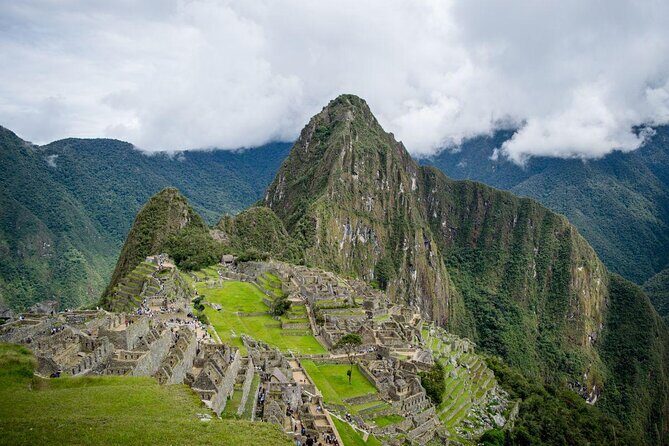
- Machu Picchu timing: Sun Gate view first, then a guided tour, then free exploration
How this 7D/6N route works: two treks, one payoff
This is a combo week that starts with the Salkantay trek and then connects you onto the Classic Inca Trail corridor, ending at Machu Picchu. You’ll start early in Cusco (pickup around 5:00 am) and spend the week walking, camping, and visiting ruins—before you finally settle into the famous stone city on Day 7.
The value angle is that the week bundles the hard parts: transport, park/entry fees, guided Machu Picchu time, and most meals. The tradeoff is you’re moving on someone else’s rhythm for 6 hiking days, so you need to accept some “go now” moments.
You can also read our reviews of more hiking tours in Cusco
Day 1: Cusco to Soraypampa, then Humantay Lake
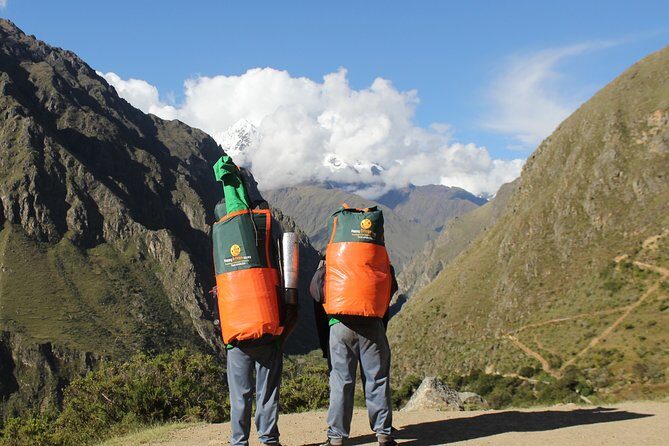
The day starts with a pick-up from either your hotel or the main square in Cusco, followed by a bus ride out toward Mollepata (about two hours). You stop for breakfast along the way, then continue to Challacancha before hiking uphill to base camp at Soraypampa, where lunch is served.
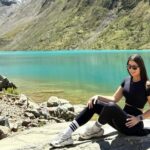
After lunch you climb up to Humantay Lake. It’s a great first taste of what you signed up for: thin air, steep moments, and that sudden feeling when the scenery opens up and you can actually breathe again—just to get going uphill once more.
One detail to plan for: breakfast on Day 1 is not listed as included, so budget time and money if you arrive hungry before the pick-up.
Day 2: Pampa Japonesa, the summit push, then Sisaypampa (coldest night)
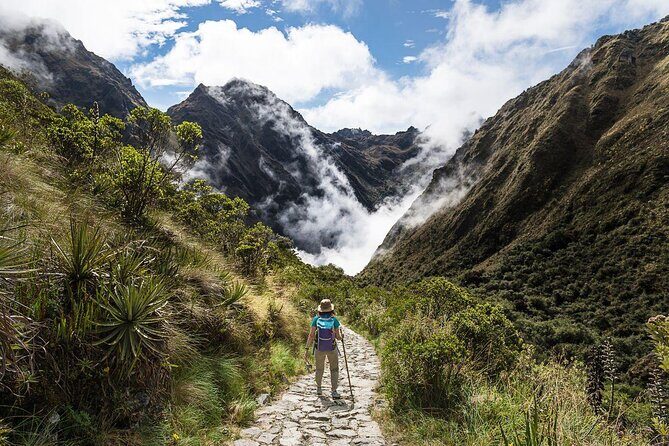
Day 2 is where the week starts getting serious. You hike up for about four hours to Pampa Japonesa, the lunch spot before you head toward the highest point of the trek—Dead Inca’s Pass.
From there it’s a 1-hour push to reach the summit area, then you descend toward campsite Sisaypampa. This campsite is described as the coldest night of the adventure trek, so don’t underestimate the temperature drop even if your legs still feel awake.
If you’re altitude-prone, Day 2 is when you want your pacing to be smart. Go slow on the climb, take short breaths, and drink water even if you don’t feel like it.
Day 3: Paucarcancha ruins and the link into the Classic Inca Trail
After the summit, the mood often flips from survival mode to “wow, this is why we’re here.” You get big views and the sense of why locals and Incas treated mountains like Salkantay with real reverence.
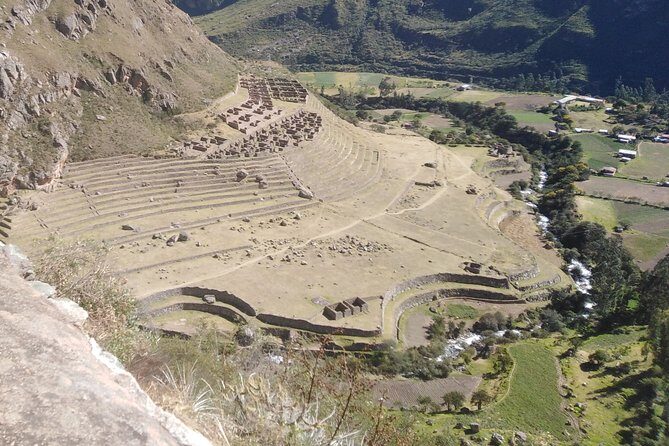
You then shift into a long downhill day—around 6 hours in total—to Paucar Cancha, a key spot that connects you to the Classic Inca Trail. You’ll also see Paucarcancha ruins, and this is one of those days where the terrain does some of the work for you while your lungs still do their own complaining.
Expect more walking time than you’d get on a shorter day-hike. This is a multi-day route, so the “downhill” doesn’t mean “easy.”
Day 4: Wayllabamba switch, Llulluchapampa camp, microclimates
You get a free morning to visit Paucarcancha Inca site. After lunch, the route drops into the valley and you connect up with the Classic Inca Trail at Wayllabamba.
Here’s a practical detail that matters: you switch from mules (for gear carry) to porters. The reason given is to help prevent damage to the Inca Trail, so your trek supports conservation while you keep moving efficiently.
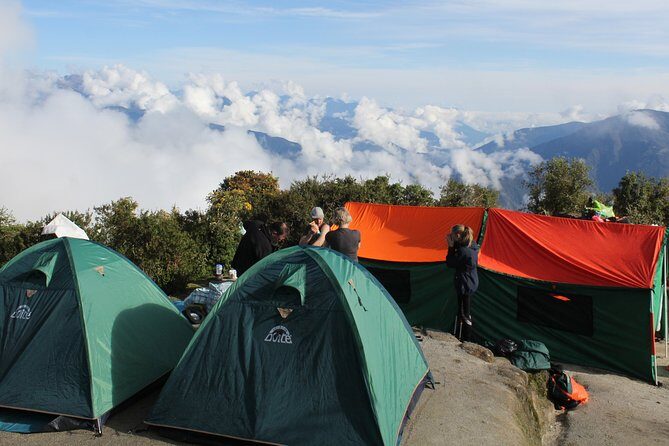
Tonight’s campsite is at Llulluchapampa (3,800 m / 12,460 ft), described as the closest campsite to Dead Woman’s Pass and also the second coldest night. One more thing that helps you mentally: the route passes through various microclimates, so you might feel like you’re packing three climates into one day.
Day 5: Dead Woman’s Pass, Runkurakay and Sayacmarca, Chaquicocha sunset
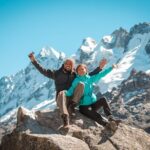
Day 5 is billed as a two-pass day. You start with fresh organic breakfast, then cross over two passes—luckily close to where you camped, so you’re not starting from the valley like some classic itineraries.
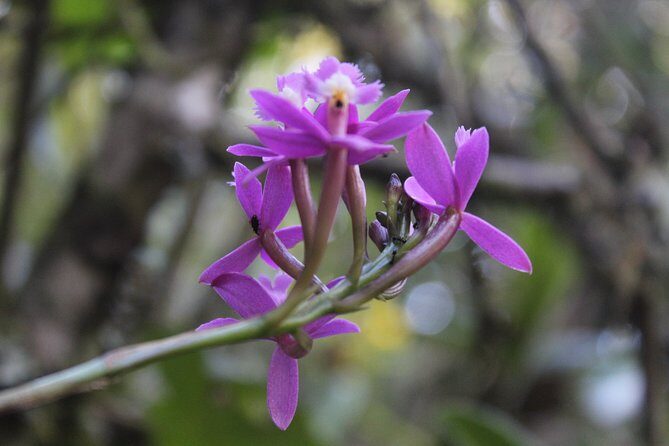
As you go, you’ll see two Inca sites—Runkurakay and Sayacmarca—plus you transition into the area known as cloud forest. This part of the trek often feels different: more plant life, different air, and a vibe that shifts from “high and stark” to “alive and damp.”
You finish at Chaquicocha (3,600 m / 11,800 ft). It’s described as one of the quieter camps, with a beautiful chance to watch the sun setting over the mountains. This is a good day for slow breathing and slower appreciation—because tomorrow still brings ruins and stairs.
Day 6: Phuyupatamarca and Intipata, then Winay Wayna and porter ceremony
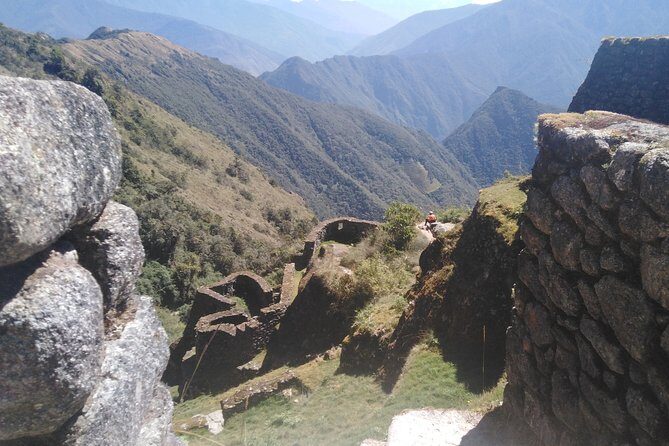
You start early and hike toward the last summit area at Phuyupatamarca. This is described as a good section for flora and fauna, meaning it can feel less like bare rock and more like you’re walking through a living ecosystem.
Lunch happens after about three hours of downhill hiking using many Inca steps. Then you explore the Phuyupatamarca and Intipata ruins, with time to look closely at details instead of just moving past them.
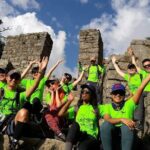
After lunch you take a longer nap, and then you walk around 10 minutes to Winay Wayna—the final major site on the route. Tonight includes a small ceremony to thank your porters, and it’s described as the last time you see them. That alone is worth planning for emotionally: these are the people who helped your trek happen safely and calmly.
Day 7: Sun Gate first, a guided Machu Picchu tour, then back down
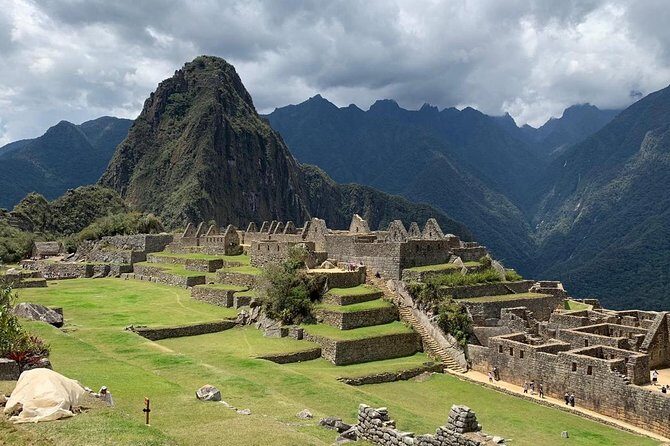
Day 7 is the payoff, and it runs like a guided plan. You head straight to the checkpoint to enter Machu Picchu. Once the site opens, you go to the Sun Gate first, which gives your first fantastic view of Machu Picchu.
After arriving at the citadel, you get a 2-hour guided tour focused on important temples and key parts of the site. Then you have free time to explore on your own, so you can linger in spots that catch your eye.
In the afternoon, you take the train back to Ollantaytambo and continue by bus back to Cusco. The included transport matters here because it keeps you from spending your last day negotiating schedules after a week of hard hiking.
Price and what $1,670 gets you (and what it doesn’t)
The price is listed at $1,670 per person. For a route this long and this famous, the big question is: are you paying for the name, or for the logistics that keep you moving?
Here’s what’s explicitly included:
- Salkantay, Inca Trail, and Machu Picchu fees
- Train and bus tickets
- Breakfast (6), Lunch (6), Dinner (6)
- Lunches and meals that cover the trekking days and most evenings
What’s not included:
- Tips for Inca Trail staff
- Breakfast on Day 1
- Lunch and dinner on Day 7
- Sleeping bag (but you can hire one)
In real-world value terms, the “included meals” piece saves you from hunting food in cold mountain towns while you’re already tired. The fees + entrance + transport combo also reduces the risk of last-minute surprises.
One more cost note from lived experience: a couple reported renting equipment for an extra $238 for two people, including a sleeping bag, inflatable sleeping pad, and hiking poles. Rental gear can help with weight, but it’s still smart to inspect what you’re handed, especially sleeping pads.
Guides, crew, and camp reality: the difference between hard and brutal
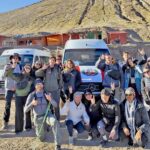
You’re hiking with a guide and a team handling camp work and supplies. You’ll likely deal with some early mornings and tight start times, but the point of the crew is that you’re not stuck doing everything yourself.
In one example, the guide Franklin A. was described as funny, knowledgeable, and helpful during altitude symptoms like headaches and nausea. Another group highlighted Rolando as the expedition guide who did everything possible to keep the tour excellent. Either way, pay attention to how your guide handles pace and safety. That part matters as much as the views.
Camp basics are also a real factor. You’ll have dinners and breakfasts at camp, and meals are described as varied day to day. One experienced traveler specifically praised the chef and assistant team for cooking multiple-course meals on limited camp setup, even while porters are carrying equipment. When your body is burning calories, that matters.
If you rent equipment, do a quick check on arrival. One traveler noted the inflatable pad had a seam issue that caused an uneven bulge, and they felt the sleeping bag fit snug but ran a bit short. You don’t need luxury gear, but you do want gear that works for your body shape and cold tolerance.
Altitude, weather, and pace: your three main risks
This trek includes extreme altitude points. Dead Inca’s Pass is described around 5,200 m / 16,495 ft. Dead Woman’s Pass is another high crossing near your Llulluchapampa camp. That’s not “nice scenery at elevation”—that’s the kind of altitude where you can feel rough if you push too hard.
Plan for altitude management:
- Keep your pace controlled on the climbs. Short steps beat brave stumbles.
- Drink water steadily, even if appetite drops.
- Don’t wait until symptoms get bad to slow down.
Weather is another variable. The route requires good weather, and if it’s canceled due to poor weather, you’ll be offered a different date or a full refund. But you still need to show up assuming conditions can change quickly—rain can happen. One traveler mentioned two full days of rain during the week, which tells you to bring waterproof layers that can handle steady weather, not just a light drizzle.
Finally, pace and crowds can shape your experience. Some parts of the day are intentionally “move, reach, photograph, move again,” especially when other groups are on the same regulated corridors. If you’re the type who wants 20-minute viewpoint sittings every time, pick your battles: spend extra time where the day gives you it, and accept that other spots are quick hits.
Who should book this Salkantay + Inca Trail week
This fits best if you want:
- A serious trekking challenge with high passes
- A mix of mountain scenery plus Inca ruins across multiple days
- A structured itinerary that ends with a guided Machu Picchu visit
You should also book if you like the idea of a guided plan that handles admissions and transport, so your brain is focused on hiking—not on sorting logistics at 3,800 m.
This is likely not your best match if:
- You want a slow, flexible hike with lots of long stops
- You’re not comfortable with very cold nights at higher campsites
- Altitude scares you and you’re not ready to pace conservatively
Should you book it?
I’d book this if you want the full Peru “from trail to stones” arc in one week, and you’re okay with group pacing. The included fees, meals, and the structured Machu Picchu Day 7 plan are practical wins when you’re tired and altitude is real.
I’d think twice if you’re extremely sensitive to cold, altitude, or crowds around viewpoints. Also, if you plan to rent sleep gear, take care: inspect your sleeping pad and bag quickly so your sleep doesn’t become the weak link in an already tough week.
If you decide to go, go prepared. Start slow on the big pass days, pack for rain and cold, and treat photos as bonuses, not promises.
FAQ
How long is the Salkantay Trek & Inca Trail to Machu Picchu (7D-6N)?
It’s approximately 7 days and 6 nights.
Where does the tour start?
It starts in Cusco, Peru.
What time is pickup?
Pickup starts at 5:00 am.
Is it a private tour?
Yes. It’s listed as a private tour/activity, meaning only your group participates.
What physical fitness level do I need?
The guidance says travelers should have a strong physical fitness level.
What is included in the price?
Included are Salkantay, Inca Trail, and Machu Picchu fees; train and bus tickets; and breakfast (6), lunch (6), and dinner (6).
What is not included?
Not included are tips for Inca Trail staff, breakfast on Day 1, and lunch and dinner on Day 7. A sleeping bag is also not included (but can be hired from the provider).
Do you include Machu Picchu entry and a guided tour?
Yes. The plan includes entering Machu Picchu, going to the Sun Gate, and a 2-hour guided tour of important temples, plus free time to explore afterward.
What happens if weather cancels the trek?
The experience requires good weather. If it’s canceled due to poor weather, you’ll be offered a different date or a full refund. The experience is otherwise listed as non-refundable and not changeable for any reason.