Four ruins in one day sounds almost too good. This Cusco city tour is interesting because it runs on a tight loop with small-group attention, plus complimentary pickup so you can start and finish without extra fuss. I especially like the way it connects colonial Cusco to Incan ideas at Qorikancha, and then brings you to major Inca works like Sacsayhuamán. The main thing to watch is that the schedule moves fast, and entrance tickets are not included, so you’ll want to budget time and cash/card for those.
One detail I like: the guides are set up to explain in Spanish and English. And in at least one recent tour, the guide Santiago added a local wind-instrument moment on the ride back, which turned the last stretch into something memorable instead of just a transfer.
In This Review
- Key things you’ll notice on this Cusco tour
- A small-group Cusco loop that actually fits into a day
- Price and value: what $15.99 covers (and what it doesn’t)
- Stop 1: Cusco Cathedral and the colonial art layer
- Stop 2: Qorikancha (Temple of the Sun) and the Inca calendar
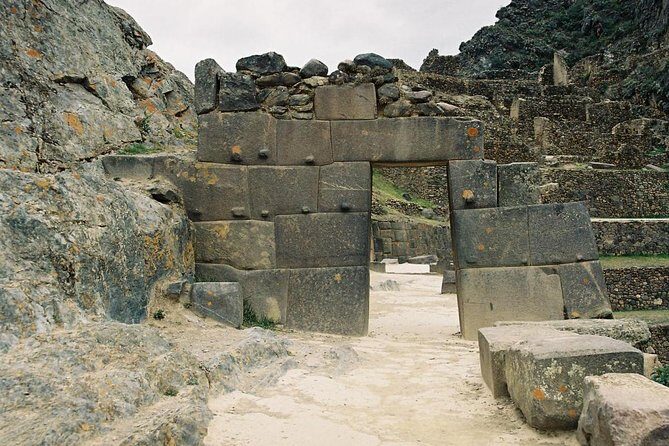
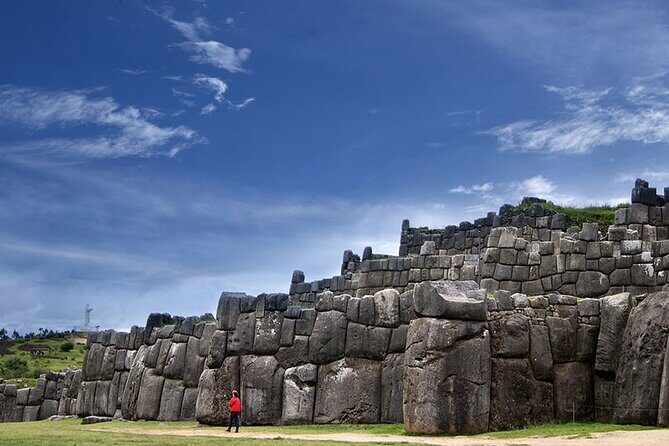
- Stop 3: Sacsayhuamán and the story in stone walls
- Stop 4: Q’enqo and the ceremonial huaca feeling
- Stop 5: Tambomachay and fountains that still do their job
- The pace: when fast can still feel worth it
- How to get the most from your guide (without guessing)
- Logistics that matter in real life
- Who should book this Cusco city tour
- Should you book this Cusco city tour?
- FAQ
- How long is the Cusco city tour?
- What does the tour cost?
- Is pickup from my accommodation included?
- Are entrance tickets included for the sites?
- Which places are visited on the tour?
- Is there a group size limit?
- Does the tour include transportation?
- When will I receive confirmation after booking?
- Can I cancel for a full refund?
Key things you’ll notice on this Cusco tour
- Small-group feel (max 15), so questions don’t get lost in a crowd.
- Pickup from your accommodation, which helps on a first day in Cusco.
- Five stops in one outing, including both colonial and Inca-era sites.
- Star-and-symbol explanations at Qorikancha, tied to the Inca calendar.
- Sacsayhuamán’s giant stone walls and hydraulic engineering, built to do real work.
- Ceremonial fountains at Tambomachay, still functioning since the Inca era.
A small-group Cusco loop that actually fits into a day
This tour works because it respects reality: you have limited time in Cusco, and you still want to see the big names. With a maximum of 15 people, you’re less likely to get the classic bus-tour experience where everyone hears the same script with zero back-and-forth.
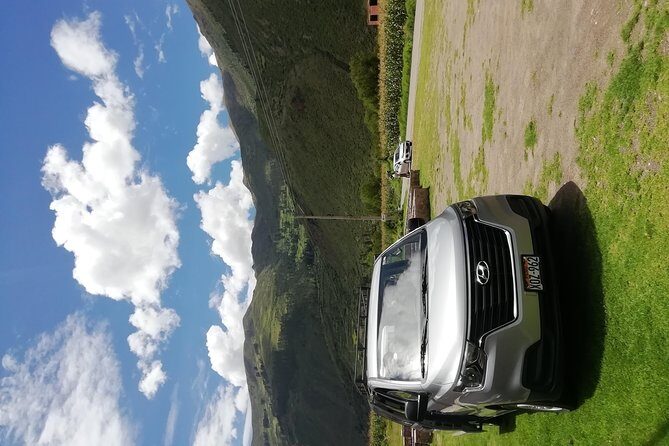
The vehicle is air-conditioned, which is a practical win in Peru no matter when you’re traveling. The stops are packed, but the overall plan is designed to keep you moving efficiently between sites—without turning it into a sprint where you never get context.
You can also read our reviews of more city tours in Cusco
Price and value: what $15.99 covers (and what it doesn’t)
At $15.99 per person, this is priced like an overview tour, not a luxury museum day. What makes it good value is that it includes a professional guide at all the locations and an air-conditioned vehicle to handle transit for you.
The catch: entrance tickets are not included. That’s not a deal-breaker, but it changes your budgeting. Expect to pay separately at the sites, and plan a little extra time at each stop in case lines or ticket processing take a moment.
One more value note: the tour has confirmation within 48 hours of booking, depending on availability. That’s useful if you’re still building your Cusco schedule and don’t want everything locked in too far ahead.
Stop 1: Cusco Cathedral and the colonial art layer
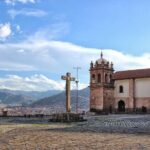
You start at Cusco Cathedral, a colonial basilica church that also functions like an art stop. The key detail here is that it houses the largest art gallery of the Cusco School of Art, so you’re not just looking at big doors and old stone—you’re seeing one of the most important artistic movements of colonial Cusco.
This is the first “anchor” stop. Even if you’re focused on Inca remains, this helps you understand why Cusco looks the way it does: Spanish colonization didn’t erase what was already there; it layered over it. You’ll have about 30 minutes, so keep an eye on the overall feel of the place first, then zero in on what catches your attention.
If you’re the type who likes a guided narrative, this stop can pay off. The more the guide connects architecture and symbolism to the broader Cusco story, the more satisfying those 30 minutes become.
Stop 2: Qorikancha (Temple of the Sun) and the Inca calendar
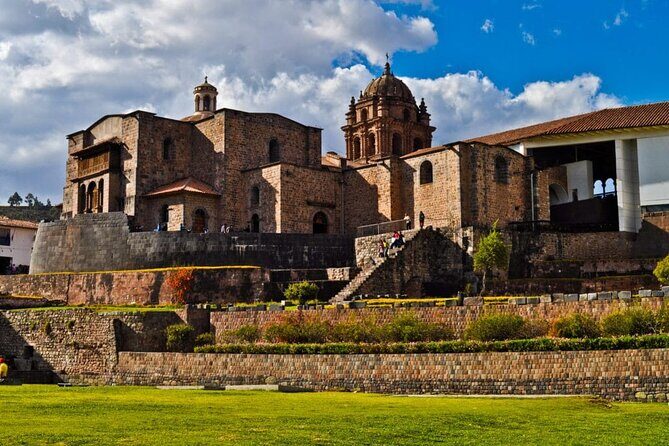
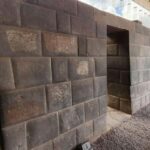
Next comes Qorikancha, also known as the Temple of the Sun. This is one of the stops where the tour’s storytelling matters most, because it’s not only about walls and foundations. You’ll learn Andean symbolism, the connection with the stars, and why this mattered for the Inca calendar.
The Inca way of thinking about the sky is one of the fastest paths to understanding why these sites weren’t just decorative. When your guide ties star patterns to timing—planting, rituals, and seasonal cycles—it clicks. That’s where Qorikancha turns from a photo stop into a meaning stop.
You’ll have about 40 minutes here. That’s a decent chunk of time, but the site is still easy to outpace if you’re only chasing pictures. Slow down once. Pick one or two elements and let the guide’s explanation frame what you’re looking at.
Stop 3: Sacsayhuamán and the story in stone walls
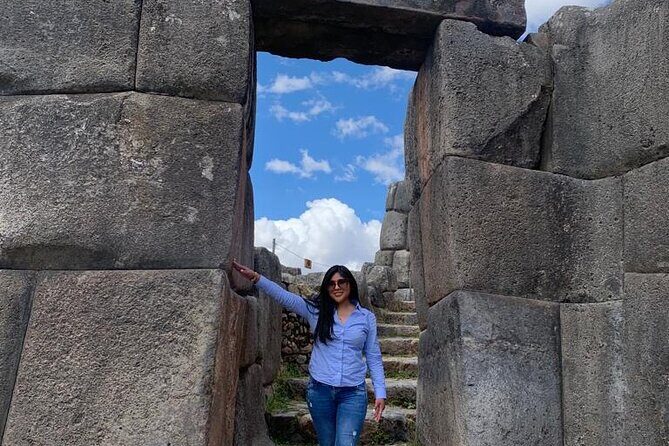
Then you head to Sacsayhuamán Archaeological Park, and the first thing you notice is scale. Massive stone walls dominate the scene, and the tour connects those constructions with the god of Lightning. Even if you don’t know the myth in detail, the physical presence helps the symbolism land.
The other big reason Sacsayhuamán belongs in your day is the tour’s focus on hydraulic engineering. Inca builders weren’t only creating ceremonial spaces; they designed systems that worked. When your guide points out how water management and construction logic fit together, you start seeing the site as engineering first, art second.
You get about 40 minutes. This is enough to appreciate the layout, but if you’re prone to lingering, set yourself a small goal: look for one engineered feature and one wall section you want to understand. Otherwise, it’s easy to drift through and remember the photos more than the ideas.




Stop 4: Q’enqo and the ceremonial huaca feeling
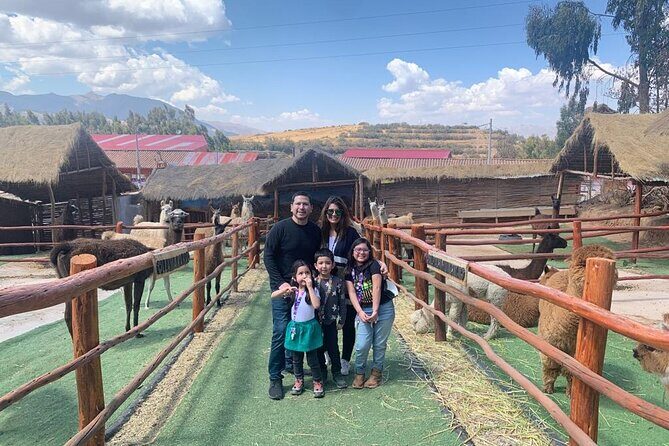
At Q’enqo, you’ll visit one of the city’s most important ceremonial huaca sites. This stop tends to work best when the guide helps you understand how people used the space and why that matters in Inca religious life.
You’ll have about 30 minutes. That short time means you should treat Q’enqo like a focused conversation, not an all-day museum. If you get a chance, ask a question about what makes it ceremonial in practice, not just in theory—what people did, how the space supports ritual, and how it relates to the rest of the day.
Also, if your preference is for big-picture explanations, bring that up early. A quick request at the start like Can you give the main idea in plain terms before the details can shift the whole experience. Some guides are stronger at context, while others speak heavily in specifics—adjusting your questions helps.
Stop 5: Tambomachay and fountains that still do their job
Your final stop is Tambomachay, known for its ceremonial fountains. The standout detail here is practical: the fountains have been functioning perfectly since the Inca era.
That’s a rare moment in archaeology tourism where the “how it was made” and the “how it still works” meet in one glance. Even if you’re not a water-engineering person, you can see what the tour means by drawing a line from original construction to current function.
You’ll have about 30 minutes. Use that time to focus on the water features and the surrounding logic of the site rather than rushing to the final viewpoint. The more you pay attention here, the more the day ends on a satisfying note: not just ruins, but function.
The pace: when fast can still feel worth it
A common trade-off with a 5–6 hour city tour is pacing. This one is built to cover four major archaeological sites plus the cathedral in a single day, so you’ll spend less time at each location than you would if you visited them one by one.
That can be totally fine if your goal is orientation: you want to see the major players, understand the big themes, and decide what to revisit later. It’s less ideal if you want slow, detailed wandering and lots of downtime for sketching, long reads, or unhurried photography.
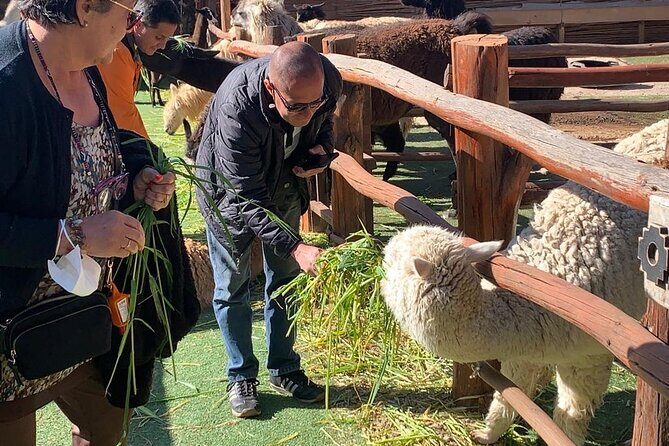
Also, there’s sometimes an extra stop at the end connected to alpaca products. Some people felt that part could be shorter. If you’re not interested in shopping, politely tell the guide you want to keep time for the sites and wrap up promptly.
How to get the most from your guide (without guessing)
Your guide is the difference between a checklist day and a meaning day. Here’s how to help that happen.
- At the start, ask for one simple storyline: how these sites relate across the day.
- If explanations start feeling like constant details, nudge for context: what should I remember as the big idea?
- Keep an eye out for guide styles. Some guides pack in lots of facts quickly, while others slow down to explain symbolism and purpose.
Language support is also a practical factor. The tour can be explained in Spanish and English, which matters because clear storytelling is what turns “standing in a ruin” into “understanding why it exists.”
If you’re sensitive to rushed explanations, you can also use your phone to look up a site plan during transit or right after a stop. That’s not about replacing the guide—it’s about keeping your understanding connected when your brain is juggling five places in one day.
Logistics that matter in real life
Pickup and return are handled by a vehicle with air-conditioning. The tour is also described as near public transportation, which can be reassuring if you’re trying to stay flexible.
The group size stays under control with a maximum of 15 travelers, so you should be able to hear explanations and move as a group without getting swallowed.
One more reality check: confirmation comes within 48 hours, depending on availability. If you’re traveling in peak season or on a tight schedule, book with enough buffer so you don’t get stuck trying to rearrange your Cusco plan at the last minute.
Who should book this Cusco city tour
This tour is a strong match if you:
- Want a fast orientation to Incan and colonial Cusco without planning five separate logistics steps.
- Like getting a guided story, especially at Qorikancha, Sacsayhuamán, and Tambomachay.
- Prefer a small group over big-bus chaos.
It might not be the best fit if you:
- Want long stops at just one or two sites.
- Get frustrated by a schedule that feels busy.
- Are hoping entrance tickets are included in the price.
Should you book this Cusco city tour?
I’d book it if you’re in Cusco for a limited time and you want the main sites lined up in one efficient outing. At $15.99, the combination of a professional guide, air-conditioned transport, and a route that covers major Inca sites plus the cathedral is a very workable value.
I’d think twice if you hate feeling rushed or if you’re counting every minute and every extra payment. In that case, you might prefer a slower, site-by-site plan where you can take longer at the places you care about most.
If you do book, go in with one simple strategy: treat this as your first pass. After the tour, you’ll know where you want to return, and you’ll have a better idea of what to look for the next time.
FAQ
How long is the Cusco city tour?
It runs about 5 to 6 hours.
What does the tour cost?
The price is $15.99 per person.
Is pickup from my accommodation included?
Yes. The tour includes complimentary pickup from your accommodation.
Are entrance tickets included for the sites?
No. Entrance tickets are not included.
Which places are visited on the tour?
You visit Cusco Cathedral, Qorikancha (Temple of the Sun), Sacsayhuamán, Q’enqo, and Tambomachay.
Is there a group size limit?
Yes. The maximum group size is 15 travelers.
Does the tour include transportation?
Yes. It includes an air-conditioned vehicle.
When will I receive confirmation after booking?
You should receive confirmation within 48 hours of booking, subject to availability.
Can I cancel for a full refund?
Yes, you can cancel up to 24 hours in advance for a full refund.