REVIEW · CUSCO
Sacred Valley: Chinchero, Moray, Maras, Ollantaytambo and Pisaq
Book on Viator →Operated by TARVOS PERU TOURS · Bookable on Viator
One day, five Sacred Valley stops, big variety.
I like how this route mixes Inca farming experiments, working craft, and major ruins without wasting time. Two things I especially enjoy are the guide’s explanations in English and Spanish, and the early hit at Chinchero, where you can connect Andean daily life with the archaeological complex.
The main thing to watch is money for entrance fees. Maras has a separate PEN 20 ticket, and the tour also lists a PEN 70 tourist ticket that’s not included—so your day cost depends on which sites you’ll need to pay for beyond what’s covered.
If you like structured days with clear timing and a guide who keeps moving, this is a good fit. If you’re the type who wants to linger for hours in one place, plan on shorter stops and focus on the highlights.
In This Review
- Key Things You’ll Notice on This Sacred Valley Route
- Price and Logistics (What You’re Really Paying For)
- First Stop: Chinchero Textiles and the Archaeological Complex
- Salineras de Maras: The Salt Wells at Close Range
- Moray’s Experimental Terraces: Inca Agriculture as Science
- Urubamba Buffet Lunch: Fuel for the Rest of the Day
- Ollantaytambo: A Living Inca City After Lunch
- Pisac Market and Archaeological Site: Two Experiences in One Stop
- How to Get the Most Out of a Long Day Like This
- Who This Tour Fits Best (And Who Should Skip It)
- Should You Book This Sacred Valley Tour?
- FAQ
- What time does the Sacred Valley tour start?
- Where do I meet the guide?
- How long is the tour?
- Is lunch included?
- Do I need to pay entrance tickets?
- What languages is the guide in?
Key Things You’ll Notice on This Sacred Valley Route
- Chinchero textile manufacturing: a practical look at how local weaving connects to the culture you’ll then see in the archaeological complex.
- Salineras de Maras salt wells: a short stop that still lets you observe the extraction layout in detail.
- Moray’s experimental agriculture: terraces that explain how the Incas tested conditions rather than just building for decoration.
- Buffet lunch in Urubamba: a real midday break with food energy to keep going through a long day.
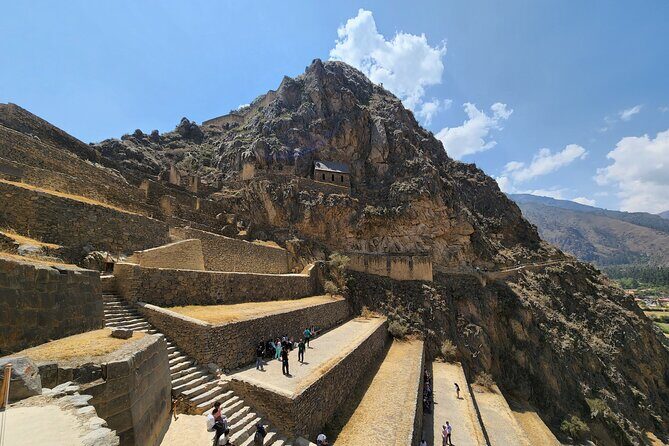
- Ollantaytambo as a living Inca city: major sites visited after lunch, so the ruins feel connected to present-day life.
- Pisac market plus archaeological site: you get both the everyday scene and the named archaeological stop.
Price and Logistics (What You’re Really Paying For)
At about $30 per person, this is a budget-friendly way to see a lot of Sacred Valley in one go. The tradeoff is that it’s a full 11 to 12 hour day—so the value comes from covering distance efficiently, not from slowing down.
The day runs with pickup in Cusco’s historic center (where the vehicle can access). If your hotel is outside that access zone, you’ll be pointed to a meeting place with the guide, and the tour starts from Plaza Regocijo at 6:30 am.
You’ll end back near the center of Cusco—your transport drops you about one block from the main square. That’s helpful if you want to sleep, shower, and still have a plan for the evening without figuring out extra transit.
One more practical thing: the vehicle is air-conditioned, which matters because even if the sites are cool in the morning, travel times in the afternoon can feel long. You’ll also want the bottled water problem solved on your own, since the included lunch excludes cold drinks like bottled water and soft drinks.
You can also read our reviews of more tours and experiences in Cusco.
First Stop: Chinchero Textiles and the Archaeological Complex
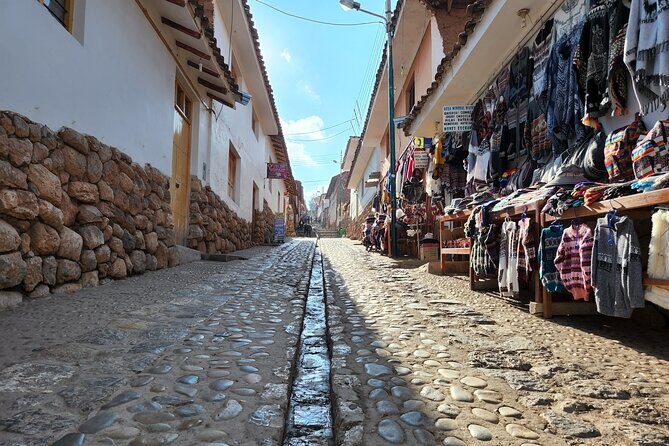
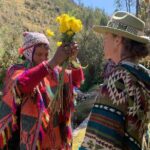
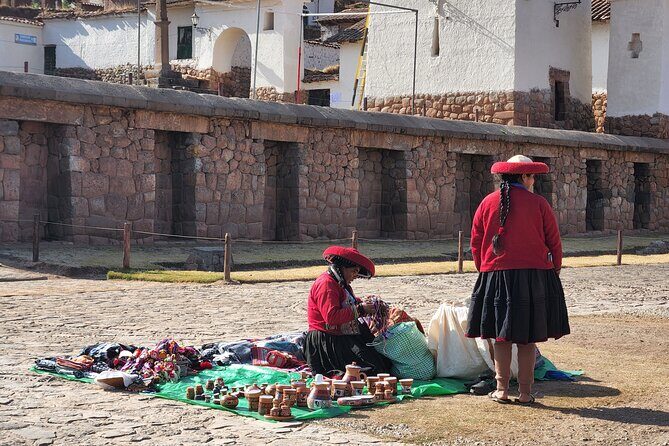
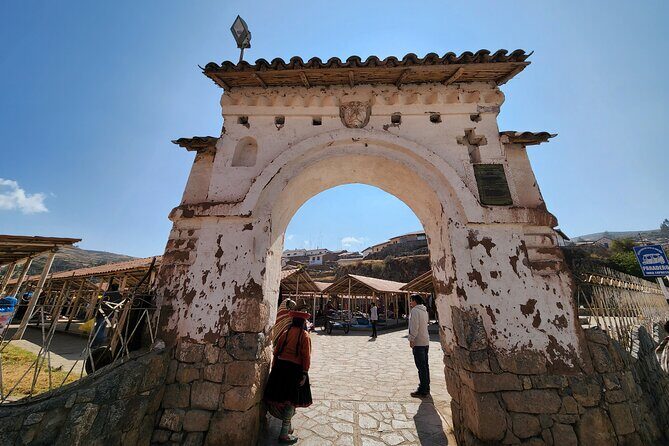
Chinchero is a strong start because it sets context. After roughly 40 minutes from Cusco, you’ll arrive and first visit an Andean textile manufacturing center. Even if you don’t buy anything, it gives you a mental bridge for what you’ll see in the Inca-related parts of the stop later.
Then you move on to the archaeological complex of Chinchero. This is where the craft and the ruins click together—because weaving isn’t just decoration. It’s tied to identity, tradition, and how people historically lived with the land and seasonal cycles.
Time is tight here: the visit is about 45 minutes, and the admission ticket for this stop is not included. For me, that means you should go in with a simple goal: use this stop to learn what matters, take your photos, and accept that you won’t get a slow museum-style experience.
If you’re the kind of traveler who loves technique details, keep your eyes open during the textile portion. Even general explanations can change how you see patterns later at other stops.
Salineras de Maras: The Salt Wells at Close Range
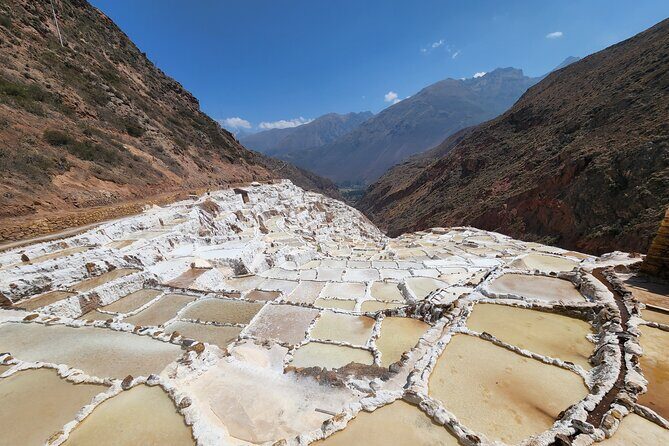
Next comes a shorter travel time—about 30 minutes—to the Salineras de Maras. This is one of those Sacred Valley places where the view does most of the work. You’re there to observe the salt extraction wells, and the structure of the site makes it easy to understand why this area became valuable.
The stop is around 30 minutes, and Maras is listed with an admission ticket. The tour shows it as PEN 20 per person and not included. Even though the visit is short, this is still a worthwhile payoff because you’re not just looking at ruins—you’re looking at a working landscape.
Practical tip: bring your patience for crowds and cameras at peak times. The site is visual and people move in bursts. If you want calmer photos, try to adjust your timing within the stop rather than waiting for the last minutes.
Moray’s Experimental Terraces: Inca Agriculture as Science
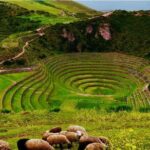
From Maras you head about 20 minutes to Moray, known as an experimental site of Inca agriculture. The idea is fascinating: this wasn’t only about display. It was about testing conditions—using the shape and structure of the terraces to influence microclimates.
You’ll have about 30 minutes here, and admission is not included. The tour lists a PEN 70 tourist ticket that isn’t included, and since Moray is part of the paid-site mix, you should expect you may need that ticket for at least some entries that day.
This stop is ideal for travelers who like learning how people solved real problems with architecture. If you only want the biggest ruins, Moray can feel more abstract. But if you enjoy agriculture, engineering, or the “how did they think?” angle, you’ll likely find it memorable.
Urubamba Buffet Lunch: Fuel for the Rest of the Day
After Moray, you’ll go to Urubamba for a buffet lunch. The lunch stop is about 1 hour, and it’s included. That’s important on a day like this because you’re still going to visit Ollantaytambo and Pisac afterward.
The lunch is buffet style, but cold drinks like bottled water and soft drinks are not included. That’s not a deal-breaker, just a budget reality. If you drink water throughout the day (you will), plan to buy it separately.
This is also where the tour rhythm becomes clear. You’re not rushing through a meal. You’re eating enough to keep your legs and brain working through the late afternoon. If you’re tempted to snack early, don’t overdo it—lunch is your main reset.


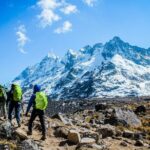
Ollantaytambo: A Living Inca City After Lunch
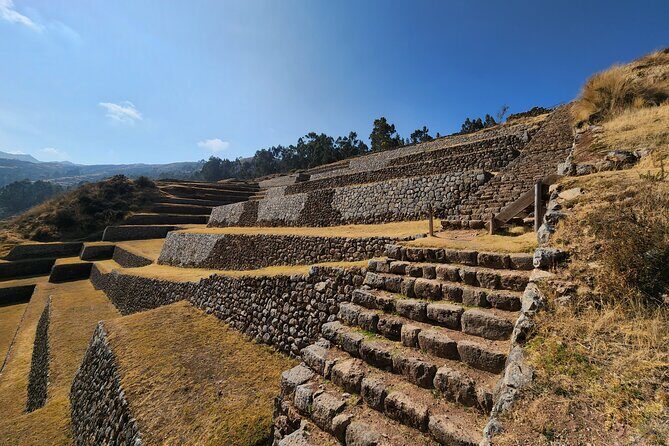
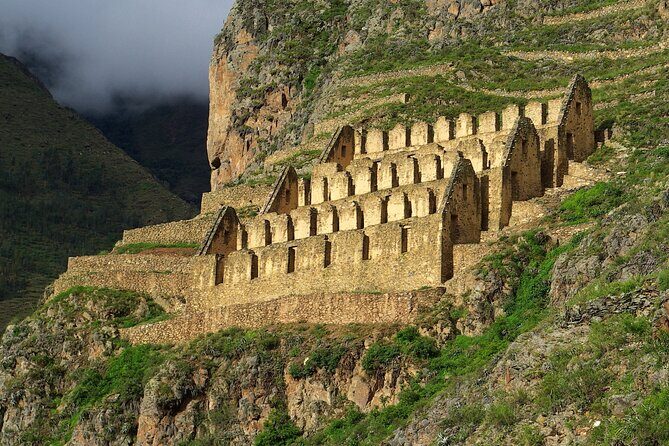
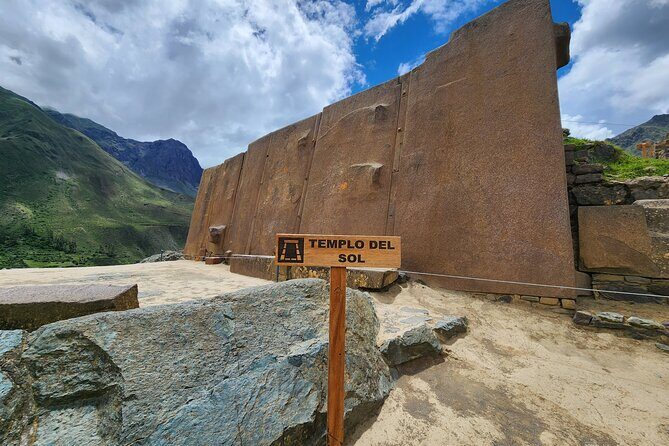
Then it’s off to Ollantaytambo, roughly 45 minutes after lunch. This stop is described as a living Inca city, and you’ll visit the main sites.
The admission for this stop is listed as free in the tour information, which is one of the reasons this itinerary feels structured like a value deal. You’ll still want to manage expectations: the stop is about 45 minutes, so you’ll get a focused overview rather than hours of wandering.
What I like about placing Ollantaytambo after lunch is pacing. Earlier in the day you learned context (textiles, agriculture, salt). Ollantaytambo then hits as a major ruin experience while you still have energy.
If you’re a photographer, this is a strong stage for framing. The terrain and stonework give you lots of angles, and the human presence around you makes the site feel connected to everyday life.
Pisac Market and Archaeological Site: Two Experiences in One Stop
Your final stop is Pisac, after another travel segment (listed as 45 minutes). This portion includes a traditional market and then the archaeological site of Pisac.
Like Ollantaytambo, admission for this stop is shown as free in the tour details, which makes it easier to see the full value without extra ticket surprises. The market is your chance to slow down slightly in a different way. Ruins are about interpretation and structure. Markets are about senses—colors, goods, and what people are choosing to buy today.
Then you shift to the archaeological site. Because this is the last stop, the tour is likely to move at a steady pace. I’d recommend setting a small list of what you want to capture: maybe one wide view, one close detail, and a final shot that shows scale.
After the visit, you return to Cusco, with drop-off near Plaza Regocijo area and about one block from the main square.
How to Get the Most Out of a Long Day Like This
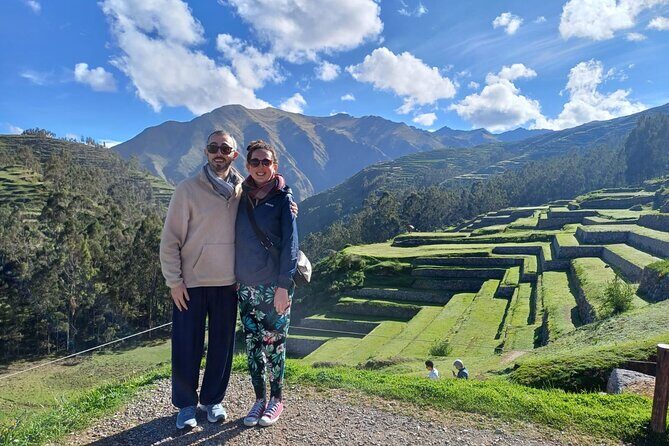
This is a full-day route, so the winning strategy is energy management. Start with a good breakfast before pickup—6:30 am is early, and you’ll be on the move until late.
Dress in layers. Morning can feel cool around Cusco, and the day can warm up while you’re traveling and standing in exposed areas. Comfortable shoes matter more than style here.
If you’re traveling with family or friends, this itinerary works because each stop has a clear theme:
- Chinchero = craft + archaeology
- Maras = working salt wells
- Moray = experimental agriculture
- Ollantaytambo = major ruins in an inhabited setting
- Pisac = market + archaeological site
Even if you don’t love every stop equally, you’ll likely take something from each.
Also, remember the tour includes lunch but not cold drinks. If you rely on bottled water, bring extra money for it so the last third of the day doesn’t get uncomfortable.
Who This Tour Fits Best (And Who Should Skip It)
I think this tour is a great match if you want a high-coverage Sacred Valley day with a guide who keeps you informed in English and Spanish. It’s also a smart option if you’re short on time in Cusco and don’t want to arrange separate transport for each place.
It’s less ideal if you hate long drives or want long, slow wandering at each site. The itinerary is packed, and even the stops that feel “short” are timed—so you’ll have to choose what matters most to you.
If you’re traveling solo, the small group size helps. This tour caps at 18 travelers, which usually makes it easier to hear the guide and keep track of the schedule.
Should You Book This Sacred Valley Tour?
Yes, if your goal is seeing the Sacred Valley highlights efficiently—textiles at Chinchero, salt wells at Maras, agriculture experiments at Moray, major sites at Ollantaytambo, and the market + archaeology at Pisac. For the price, you’re getting a full structured day with pickup, an air-conditioned vehicle, a professional bilingual guide, and a buffet lunch.
I’d book with extra planning if you care about ticket totals. Because Maras costs PEN 20 and the PEN 70 tourist ticket is listed as not included, check what you’ll need before you go. Also, consider the schedule reality: it’s an early start and a long day, so choose this if you’re ready for movement more than for lingering.
If that sounds like your style, this is a practical way to turn one day into a lot of Sacred Valley learning and scenery.
FAQ
What time does the Sacred Valley tour start?
The tour starts at 6:30 am in Cusco.
Where do I meet the guide?
You meet at Plaza Regocijo (F2M9+5X2, Cusco 08002, Peru). Pickup is offered from hotels within the historic center where the vehicle can access; otherwise you’ll be given a meeting point.
How long is the tour?
It’s listed as approximately 11 to 12 hours.
Is lunch included?
Yes. Lunch is a buffet-style meal. Cold drinks such as bottled water or soft drinks are not included.
Do I need to pay entrance tickets?
Some tickets are not included. Maras is listed at PEN 20 per person, and there is also a tourist ticket listed at PEN 70 per person. Admission is listed as not included for Chinchero and Moray, while admission is listed as free for Urubamba, Ollantaytambo, and Pisac in the tour details.
What languages is the guide in?
The guide is listed as offering professional guiding in English and Spanish.