REVIEW · CUSCO
Rainbow Mountain & Red Valley (first ones to arrive)6 Small Group
Book on Viator →Operated by Visit South America · Bookable on Viator
Rainbow Mountain at dawn can change your whole day. This first-to-arrive hike pairs an early start with major 360-degree views and a box breakfast timed for calmer trails. The big consideration is the altitude—this trek goes to about 5,033 m / 16,518 ft, so pace and breathing matter.
In a 6-person small group, you get private transportation and a tight schedule that still leaves room for stops to catch your breath and soak up the scenery. I especially like that the company includes an oxygen tank and a first aid kit, not just a smile and a water bottle. That setup makes this feel more like a managed mountain day than a gamble with self-guided hiking.
One more practical note: if clear communication is important to you during an altitude situation, you’ll want to feel confident in how your guide explains things in the moment. In the mountains, wording matters—so don’t be shy about asking questions early.
In This Review
- Key things to know before you go
- Why the very early start from Cusco is the whole point
- The Vinicunca (Rainbow Mountain) hike: 5 km, 5,033 m, and that last push
- The viewpoint moment (and why it matters)
- What the “local community lunch” really adds to the day
- Box breakfast timing: snacks, tea, and the crowd advantage
- Red Valley (behind Vinicunca): why the second stop feels worth it
- Transportation, oxygen tank, and first aid: the safety pieces you actually feel
- Pace and how to use your time
- What to wear and pack for a high-altitude morning
- Horseback option: when it helps, and when it can complicate things
- Price and value: is $165 fair for this mountain day?
- Weather, altitude sickness, and how to make the day work
- Who this tour is best for
- Should you book Rainbow Mountain & Red Valley?
- FAQ
- What time do you get picked up for Rainbow Mountain?
- How long is the Rainbow Mountain hike and how far is it?
- How high will you go on this tour?
- Is oxygen provided during the tour?
- What’s included for food and drink?
- How long do you spend at Red Valley?
- Is horseback riding available?
- What should I bring for changing mountain weather?
- What happens if the tour is canceled due to weather?
Key things to know before you go
- Beat the crowds with a very early pick-up, so you reach the viewpoint before the mass of day-trippers.
- Altitude support is built in, with an oxygen tank and first aid kit listed as included.
- Short hike on paper, serious effort in reality: about 5 km and ~2.5 hours of hiking at high elevation.
- Alpacas and Ausangate views show up fast, with passes through a green valley and the snow-capped peak in the distance.
- Red Valley adds a second color hit with about a 45-minute stop after Rainbow Mountain.
- Horseback is optional, but locals who rent horses may not speak English and you assume riding risk.
Why the very early start from Cusco is the whole point
This is built around getting to Vinicunca Mountain early, when the air is colder, the trails are quieter, and the views feel more personal than chaotic. You’ll be picked up around 2:00 a.m. to 2:30 a.m. (flexible), and that sleep-deprived start pays off once you’re moving and the crowd wave hasn’t arrived.
The payoff isn’t just fewer people. It’s also a better rhythm for altitude. You’re not rushing to keep up with a long line of hikers that forms later in the morning. Instead, you can settle into your pace, stop when you need to, and take photos without battling shoulder-to-shoulder movement.
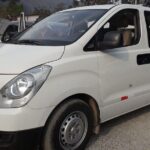
The tour also includes transportation in an air-conditioned vehicle and private logistics to the hike start point. In plain terms: after a night of little sleep, you don’t want to figure out timing, parking, or transfers. This takes that stress off your plate.
You can also read our reviews of more tours and experiences in Cusco.
The Vinicunca (Rainbow Mountain) hike: 5 km, 5,033 m, and that last push
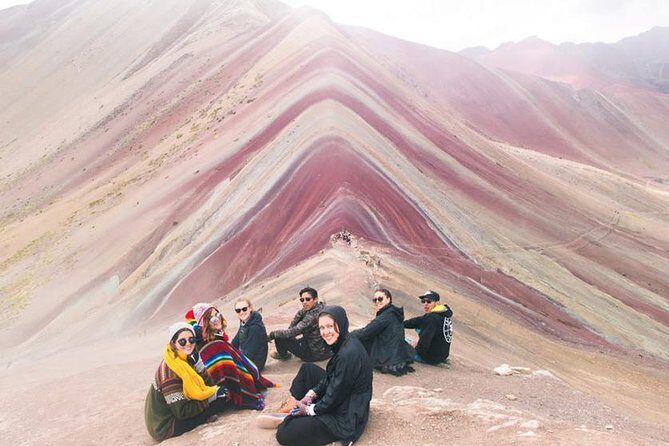
Your Rainbow Mountain experience centers on a moderate but challenging hike, mostly because of altitude—not distance. The hike is listed as about 5 km (3.1 miles) with a typical duration of around 2.5 hours of hiking, and you’ll be near 5,033 m / 16,518 ft.
If you’ve never hiked that high, here’s what you should plan for: even when your legs feel okay, your breathing may not cooperate. Move slower than you think you need to. Short steps help. If you start feeling lightheaded, stop immediately and use your guide’s support rhythm.
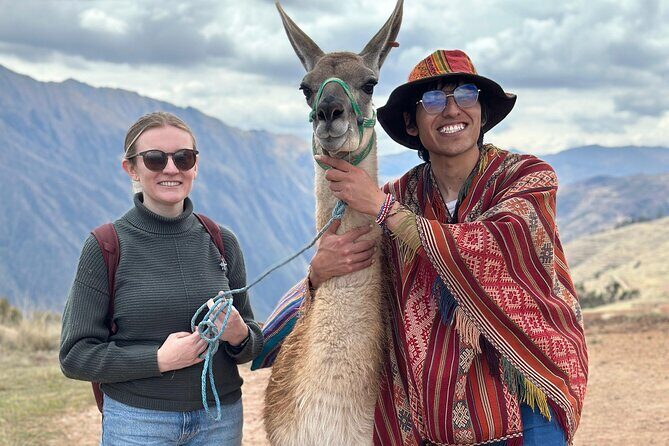
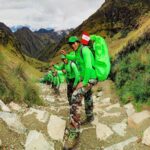
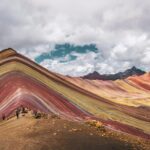
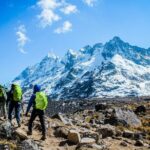
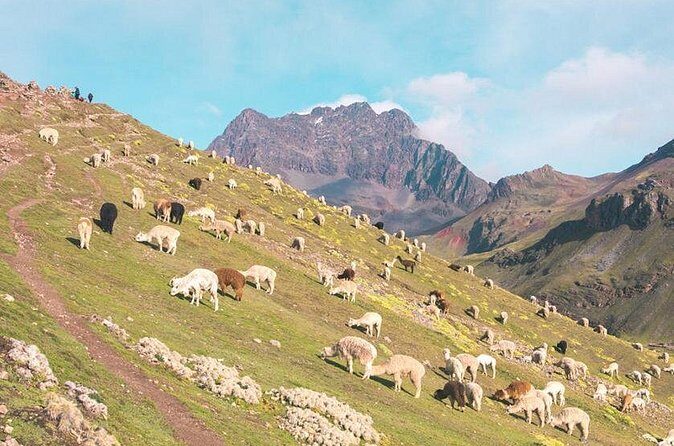
What’s special here is the way the trail unfolds. Early on, you’ll pass through a green valley with the snow-capped peak of Ausangate showing in the distance. Alpacas often show up in large numbers, and that gives the whole trek a more lived-in feel than a barren “just rocks” outing.
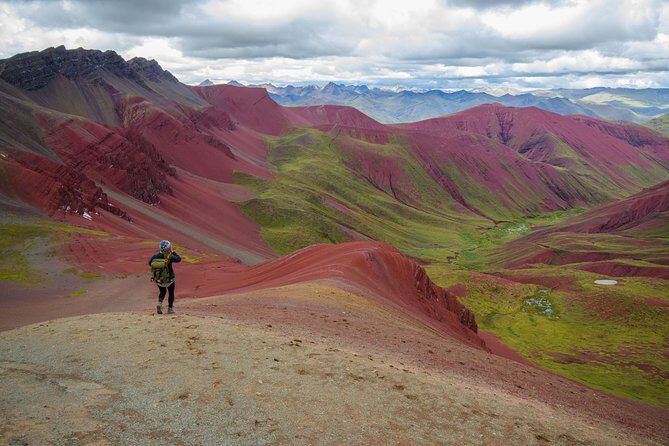
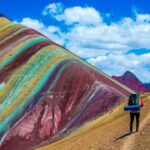
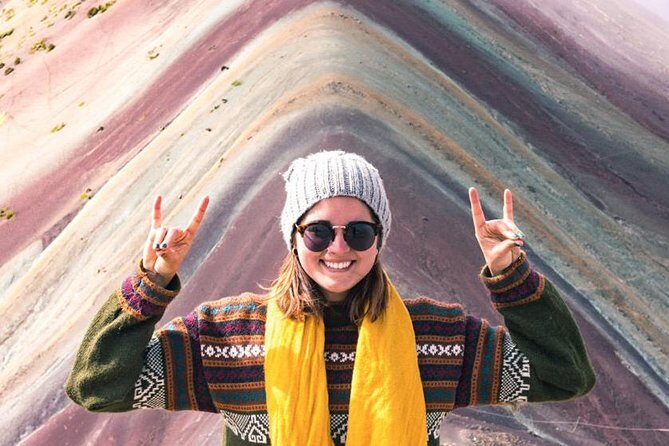
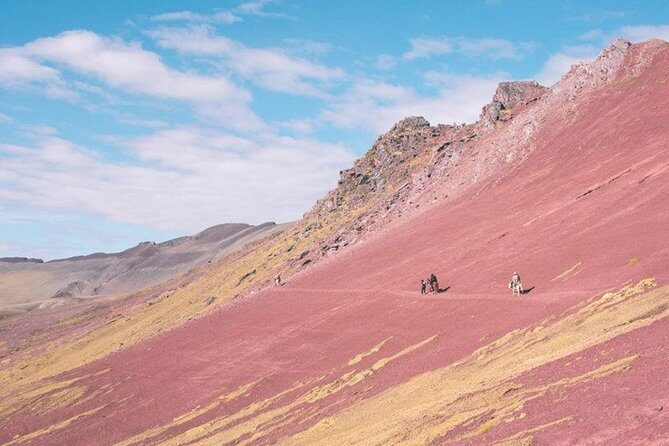
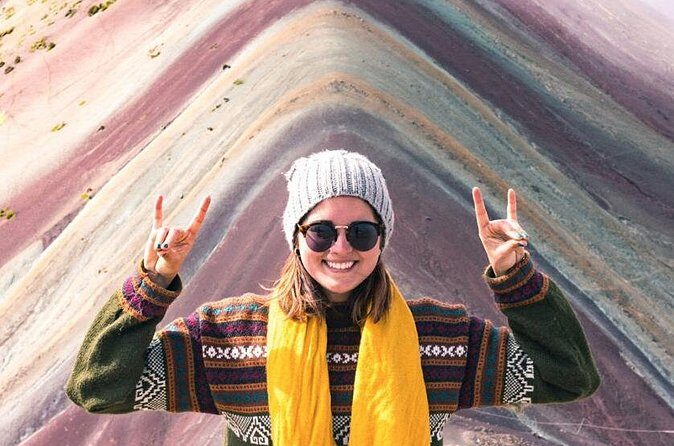
Then comes the moment you actually see why it’s called Rainbow Mountain. As you get closer, you’ll notice the rust-colored signs of colored minerals that created those painted hills. Your guide explains what makes Rainbow Mountain exist and mentions the processes behind its formation (including the idea of orogenesis). Even if geology isn’t your thing, it helps you look at what you’re seeing instead of just snapping photos.
The viewpoint moment (and why it matters)
The hike doesn’t stop at the first scenic spot. There’s a final push to a vantage point built for the big “wow” view—described as a 360-degree panorama over the mountain terrain. This is where you’ll want to slow down, breathe, and fully look around before the crowd pressure increases.
If you’re prone to altitude discomfort, the best strategy is not to “power through.” It’s to go steady, watch your breathing, and treat the final push like a careful climb, not a sprint.
What the “local community lunch” really adds to the day
A lot of mountain tours either cram snacks and call it a day, or they make you eat something fast and forgettable. Here, you get a lunch at a local Peruvian community as part of the day. That matters because it turns the hike into more than a photo mission.
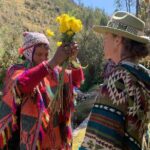
You’ll also hear about the Quechua people’s way of life as you move through the area. The tour mentions learning about how people live there genuinely—not as a staged performance. Even if your understanding is basic, it changes how you interpret what you’re seeing: alpacas, pastureland, weather patterns, and daily routines all fit together.
There’s a practical benefit too. Eating away from a tourist-only pit stop can keep your energy steady during the long day. After a cold early start, your body wants warm, real food—not just packaged crumbs.
Box breakfast timing: snacks, tea, and the crowd advantage
Breakfast is set up to work with the mountain schedule. The tour provides a box breakfast—including teas, a sandwich with avocado and cheese, plus snacks. The timing is designed so you eat at the beginning of the hike, when the views are best and you’re still ahead of the heavier crowd flow.
That’s a subtle but important value. People think they just need food, but what they really need is food at the right moment. At altitude, you’re more likely to feel sluggish or nauseous if you time meals poorly. Early fuel plus a controlled start can make the hike feel more manageable.
That said, there’s one thing to be careful about: meal inclusion has to be crystal clear when you book. The tour lists breakfast and snacks as included, but I strongly recommend confirming what your exact package includes (especially breakfast/snacks) before your departure, just to avoid any last-minute surprises.
Red Valley (behind Vinicunca): why the second stop feels worth it
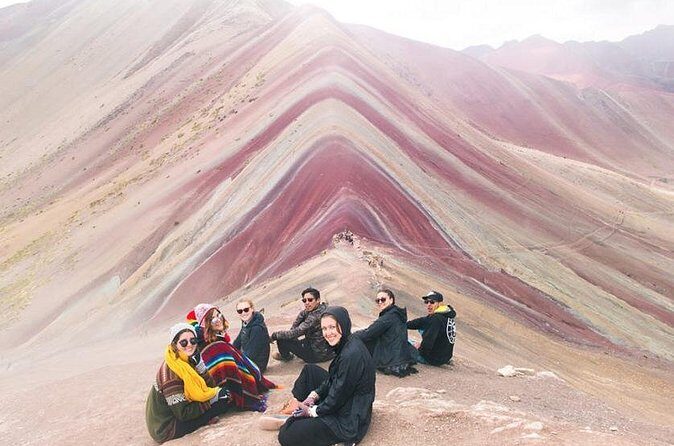
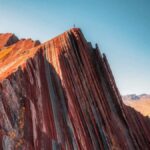
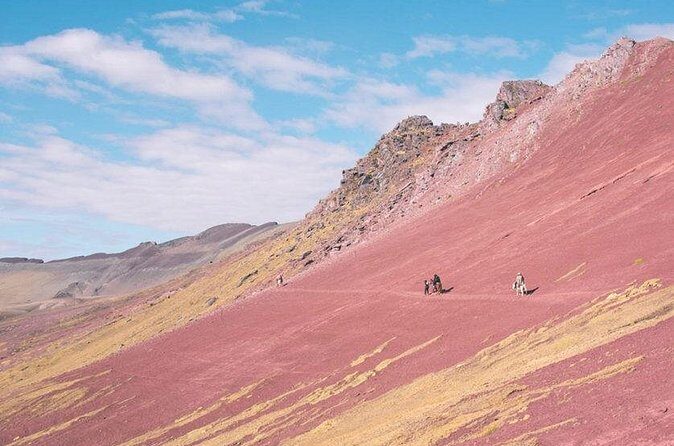
After Rainbow Mountain, the tour heads to Red Valley Cusco, described as a series of intense red mountains. This spot sits behind Vinicunca Mountain, and it has become a recent trend—meaning it’s popular enough that you’ll likely appreciate the added variety.
You spend about 45 minutes here, with admission included. Think of it as a second chapter of scenery rather than a full extra hike. The value is variety: you get one dramatic mineral formation moment, then another area that looks like it belongs to a different world.
If your first stop already took a lot out of you, Red Valley is a helpful balance. It’s not a long additional climb, but it gives you time to see the color palette shift and to photograph from angles you didn’t have earlier.
Transportation, oxygen tank, and first aid: the safety pieces you actually feel
This kind of hike isn’t only about endurance; it’s about risk management. The tour includes an oxygen tank and a first aid kit, both listed as part of what you pay for. In a high-altitude context, those inclusions matter because they reduce uncertainty.
Also included: private transportation and parking fees, plus the comfort of an air-conditioned vehicle. That’s not glamorous, but it’s meaningful when your day starts around 2 a.m. You want a smooth ride to the trailhead rather than extra stops and delays.
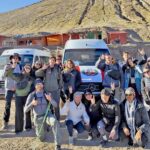
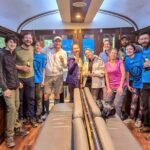
Group size is small (6). That makes it easier for your guide to watch pacing, check on how people are feeling, and keep the group together without turning it into a slow shuffling crowd.
Pace and how to use your time
The tour emphasizes rest stops whenever you like. In practice, this means you can slow down for breath and then regroup instead of being forced into one rigid pace. You’ll still want to follow the guide’s rhythm, especially if you feel symptoms that don’t settle quickly.
What to wear and pack for a high-altitude morning
Bring warm clothes. You’ll want gloves, a hat, and ideally an extra pair of socks. Weather changes are described as frequent, so pack waterproof clothing even if the forecast looks calm.
You’ll also want eye protection and sun gear:
- sunglasses
- sunscreen
- a buff-mask (helpful in cold wind and dry air)
The goal is simple: keep your core warm and your hands usable. At high altitude, being chilly often makes the hike feel harder than it needs to.
Horseback option: when it helps, and when it can complicate things
Horseback is available to hire on the morning of the trek from local horsemen. But read the conditions carefully before you choose it.
Key points:
- You’re hiring from local horsemen, and they do not speak English (so coordination may be different).
- The horses often walk faster than hikers, and horsemen may not always stick with the full group and guide.
- You ride at your own risk, and the operator notes that they’re not responsible for accidents tied to riding horses.
I’d treat horseback as an option for people who strongly prefer it for physical reasons, but who are also comfortable with less guidance and extra uncertainty. If you’re relying on communication for safety, the “English gap” piece is worth thinking about.
Price and value: is $165 fair for this mountain day?
At $165 per person, this isn’t a budget outing. What you’re paying for is the full package of mountain logistics: a very early start, private transportation, guiding, meals (breakfast, snacks, lunch), and practical safety items (oxygen tank and first aid kit).
If your alternative is self-arranging, the real hidden costs show up fast—transport at odd hours, guide planning, and the fact you’d still be responsible for your own altitude risk management. Here, those things are bundled.
The value is strongest if you:
- want to reduce decision-making at 2 a.m.
- care about crowd timing (because first-to-arrive is the core idea)
- appreciate included meals for energy and timing
- like the presence of safety gear in the plan
The weaker fit is if you already have a strategy for altitude hiking and only want the viewpoint without the full day setup. In that case, the cost may feel high for what you personally need.
Weather, altitude sickness, and how to make the day work
This experience requires good weather. If the day is canceled due to poor conditions, you’ll be offered a different date or a full refund. That’s important because mountain weather can change quickly.
For altitude, preparation is everything. Wear warm layers, move slowly, hydrate as best you can in cold air, and follow your guide’s cues. If someone in your party starts feeling unwell, this tour’s included oxygen/first aid setup is there for a reason, and you should take symptoms seriously instead of pushing ahead.
Communication can also matter. If you need very clear explanations, ask questions early so you’re confident you understand how the day will work if anything goes off-script.
Who this tour is best for
This is a good match for you if you want:
- the early crowd advantage at Vinicunca
- a small-group hike with breathing room to rest
- included meals so you’re not scrambling for food at altitude
- added safety support (oxygen and first aid)
It’s a harder fit if you hate early mornings, have significant altitude sensitivity, or need highly detailed instruction in your preferred language during emergencies.
If you like a hike that’s more “managed mountain day” than “DIY adventure,” you’ll likely appreciate how the schedule holds together.
Should you book Rainbow Mountain & Red Valley?
I’d book this if your top priorities are getting there early, having a guided plan with oxygen support, and enjoying a second scenery stop at Red Valley without adding extra hiking.
Skip or think twice if you’re extremely altitude-sensitive, expect fluent multi-language communication on every detail, or you’re concerned about making sure meals match what you expect. In that case, confirm breakfast/snacks in writing when you book.
For most people, the combination of small-group pace, early timing, and included safety gear makes the day feel worth it—especially when the payoff is a serious viewpoint and a full second stop of red mineral drama.
FAQ
What time do you get picked up for Rainbow Mountain?
Pickup is around 2:00 a.m. to 2:30 a.m. (flexible).
How long is the Rainbow Mountain hike and how far is it?
The hike covers about 5 kilometers (3.1 miles) and is described as taking around 2.5 hours, with a total round-trip hike time listed as about 3/4 hour.
How high will you go on this tour?
Vinicunca Mountain is listed at approximately 5,033 m / 16,518 ft.
Is oxygen provided during the tour?
Yes. An oxygen tank and a first aid kit are included.
What’s included for food and drink?
Breakfast is included (box breakfast with teas, a sandwich of avocado and cheese, and snacks). Lunch is included too.
How long do you spend at Red Valley?
You spend about 45 minutes at Red Valley Cusco.
Is horseback riding available?
Horseback is available to hire the morning of the trek from local horsemen. Horse rental is not included in the price, and you assume liability and ride at your own risk.
What should I bring for changing mountain weather?
Bring warm clothes like gloves and a hat, plus an extra pair of socks. Pack waterproof clothing because weather changes frequently, and also bring sunglasses, sunscreen, and a buff-mask.
What happens if the tour is canceled due to weather?
If canceled due to poor weather, you’ll be offered a different date or a full refund.