REVIEW · CUSCO
Cusco City Tour and Nearby Archaeological Sites
Book on Viator →Operated by LimaTours · Bookable on Viator
Cusco in half a day is not a myth. This tour strings together Coricancha, the cathedral, and key Inca archaeological stops with guided context, so you get meaning instead of just moving from rock to rock. The big win is that the schedule is tight but efficient—built to help you see major highlights without fussing over transport or figuring out routes on your own.
What I like most is (1) the convenience of round-trip hotel pickup and drop-off and (2) the smart mix of Spanish-era layers and Inca engineering. One real consideration: the pacing can feel “standing and listening” heavy, and Cusco’s altitude can make long explanations harder—especially if you arrive only recently.
Key points to know before you go
- Four major archaeological sites in one afternoon means less backtracking across Cusco
- Hotel pickup and drop-off keeps the day simple, even if you’re new to town
- Admission is included for Coricancha and Cusco Cathedral, but BTC is needed for the four archaeological sites
- Professional multilingual guides cover the story in English, Portuguese, French, or Spanish
- Small group size (max 15) helps the guide keep control of timing
- A packed 1:00 pm start works well for planning, but it can be long if you’re still acclimating
In This Review
- Price and value: what $49 gets you (and what it doesn’t)
- The 1:00 pm “hits list” schedule: how the timing feels
- Stop-by-stop: what you’ll see and why each place matters
- Stop 1: Qorikancha (Temple of the Sun) and the Spanish overbuild
- Stop 2: Cusco Cathedral and the Cusqueña art style inside
- Stop 3: Sacsayhuamán and the scale of Inca stonework
- Stop 4: Q’enqo and ritual life on natural rock
- Stop 5: Puka Pukara and the high-ground garrison idea
- Stop 6: Tambomachay and the underground hydraulic system
- Transport, group size, and the guide impact
- Admissions and tickets: avoid the easiest mistake
- What you’ll miss if you choose this tour (and why that’s okay)
- Who this tour suits best (and who should think twice)
- Should you book it? My straight recommendation
- FAQ
- FAQ
- How long is the Cusco City Tour and nearby archaeological sites experience?
- What time does the tour start?
- Is hotel pickup and drop-off included?
- Are admission tickets included for all stops?
- Do I need the Cusco Tourist Ticket (BTC)?
- What languages are the guides available in?
- How many people are in the group?
- Can I get a refund if I cancel?
Price and value: what $49 gets you (and what it doesn’t)
At $49 per person for about 5 hours, the value is strongest for people who want a guided “greatest hits” circuit and don’t want to wrestle with tickets and timing. You’re paying for more than sightseeing: you’re buying a guide, transport from your central hotel, and admission for two major stops.
Here’s the practical math:
- Included admissions: Coricancha (Qorikancha) and Cusco Cathedral.
- Not included: you’ll need the Cusco Tourist Ticket (BTC) to visit Sacsayhuamán, Q’enqo, Puka Pukara, and Tambomachay.
- Snacks and beverages are not included, so plan for water.
If you’re staying near the center and you want to do multiple sites in one go, this price often feels reasonable. If you already know you’ll want lots of downtime, or you’re on a super tight budget where BTC is a dealbreaker, you might prefer a shorter city-focused option.
The 1:00 pm “hits list” schedule: how the timing feels

The tour typically runs from 1:00 pm for roughly five hours. That afternoon start can be handy because Cusco days are often easier after morning settling-in. It also means you can pair it with your earlier activities—like walking acclimation routes, a café break, or a short visit to the main square area before this tour begins.
Still, this is a packed itinerary. Even though some stops are listed as short, you’re moving between multiple locations and then spending time listening and exploring within each site window. One caution from real-world experience: long explanations at the end of a day can feel tiring, especially if you haven’t fully acclimated.
If you’re sensitive to altitude, consider arriving early enough that you’re not rushing. And if you like independent wandering, bring the mindset that this is a structured tour—there’s less room for unplanned detours.
You can also read our reviews of more city tours in Cusco
Stop-by-stop: what you’ll see and why each place matters
Stop 1: Qorikancha (Temple of the Sun) and the Spanish overbuild
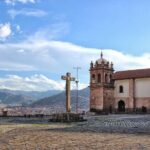
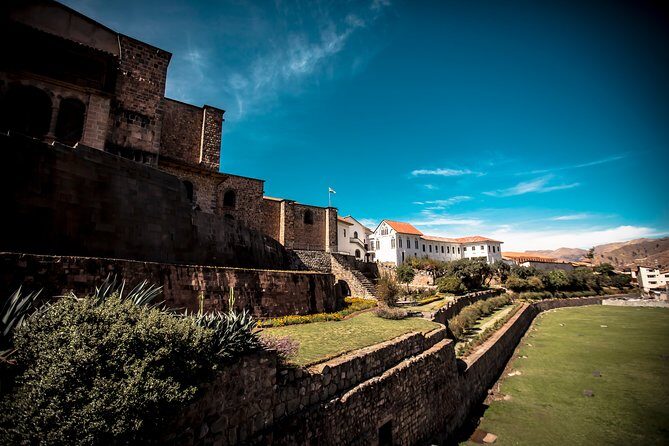
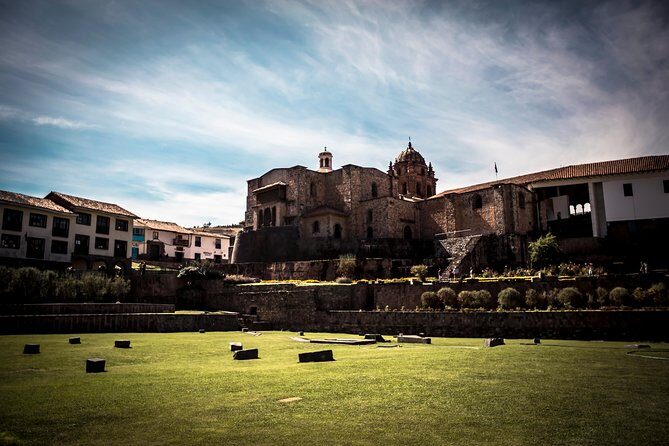
Your first stop is Qorikancha, also known as the Temple of the Sun. This is a key historical hinge for Cusco: Inca sacred architecture later became the base for the Santo Domingo Convent after the Spanish arrived.
What I find useful here is that a good guide can help you notice the layers. Even if you’re not a stone-nerd, it’s the kind of place where you can feel how conquest reshaped the sacred geography. You get a focused visit (about 45 minutes), with admission included, so you’re not scrambling with extra ticket details right away.
What to watch for: look for the feeling of enclosure and the way the space is arranged—Qorikancha is more than a photo stop. It’s a lesson in how power changes how people worship.
Stop 2: Cusco Cathedral and the Cusqueña art style inside
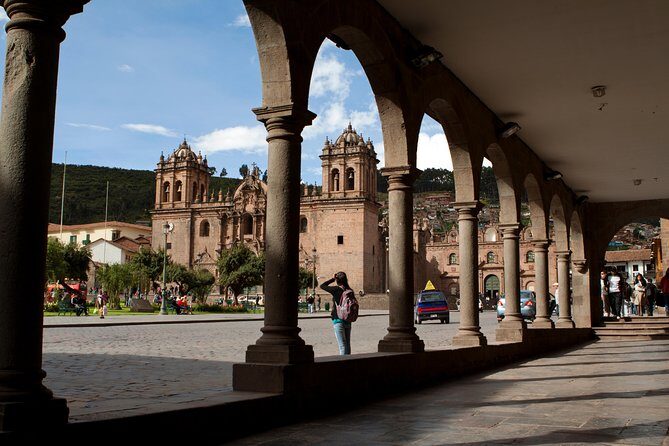
Next is the Cusco Cathedral (about 45 minutes). From the outside, it can look plain, but the payoff is inside. The cathedral includes works from the Cusqueña school, blending:
- European devotional painting styles from the 17th century, with
- indigenous Andes symbolism created by local artists.
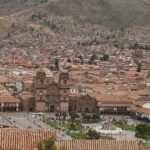
This is a smart counterpoint after Qorikancha. You’ve just seen Inca sacred space repurposed; now you see how Catholic religious art absorbed local meaning. If you want to understand Cusco as a hybrid city—Inca structure, Spanish institutions, indigenous creativity—this stop helps tie the story together.
One practical tip: if you’re standing a lot, bring patience for crowd flow and lighting. It’s an interior stop, so take your time looking before you get swept along.
Stop 3: Sacsayhuamán and the scale of Inca stonework
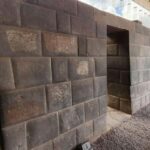
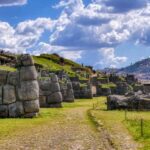
Then comes Sacsayhuamán, one of the most dramatic Inca fortification sites around Cusco. Construction began under Inca Pachacutec in the 15th century. The project was massive: more than 20,000 men extracted stones from nearby quarries and moved them about 20 kilometers to the hill in Cusco.
This is where the tour earns its archaeological focus. Even with a time limit (listed around 50 minutes), you’ll feel how deliberate the site is. The stonework is the headline, but the guide’s context matters because it turns “big rocks” into “planned defense and power.”
Important for planning: admission is not included, so you’ll need BTC for this stop.






Stop 4: Q’enqo and ritual life on natural rock
Q’enqo is a religious archaeological compound tied to natural rock formations. It’s associated with agricultural rituals, and guides often describe it as a place where sacrifices and mummifications are believed to have taken place.
The downside of places like this is that the site can look strange or unclear if you’re rushing. The upside is that it rewards a guided explanation. With time around 30 minutes, you can still get the basics: why this area was chosen, how the rituals fit the landscape, and what people may have believed here.
Again: admission is not included, so BTC is required.
If you’re the type who likes to “read” ruins like puzzles, this one can stick with you. If you only want classic fortress views, you might find it less visually immediate than Sacsayhuamán—but the meaning is what makes it worth including.
Stop 5: Puka Pukara and the high-ground garrison idea
Next is Puka Pukara, an ancient garrison that’s thought to have served military purposes. You can wander through rooms, open squares, terraces, and towers—set on high ground overlooking the Cusco valley, with a jungle-like feel around it.
This stop is listed at a short 10 minutes, so the goal is quick orientation and a taste of the setting. The views from the height can be worth the push, and the guide can help you understand how a garrison would fit into broader regional control.
BTC required again: admission not included.
Practical note: because the stop is brief, don’t expect a long “take your time” roam. If you want more time here, ask your guide (early) if there’s any flexibility.
Stop 6: Tambomachay and the underground hydraulic system
Your final stop is Tambomachay, located about 7 km from Cusco. This site has an underground hydraulic system linked to Inca beliefs around water as a deity.
Tambomachay gives you a different kind of Inca achievement than stone fortifications. You’re looking at how engineering supported religious meaning. With about 20 minutes here, you won’t get a full engineering class, but you can still see the logic of the water channels and understand why it mattered.
BTC required again: admission not included.
Transport, group size, and the guide impact
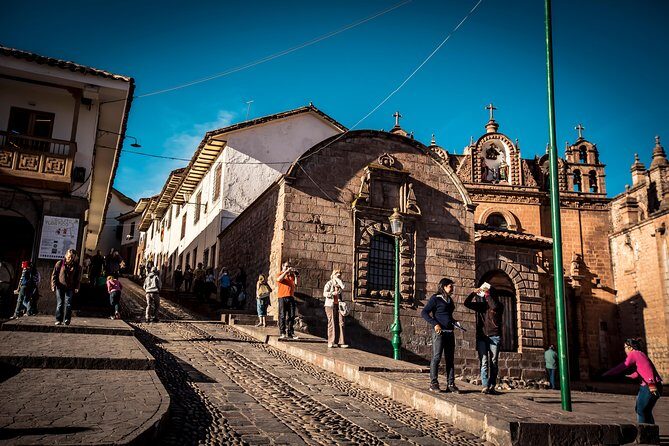
This tour includes pickup and drop-off, which matters a lot in Cusco. Even if you’re comfortable walking, the distance between city sights and archaeological sites adds up. The ride time also gives you a breathing buffer—especially if you’re already feeling altitude effects.
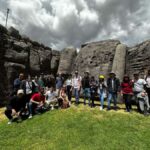
The group max is 15 travelers, which is helpful. Smaller groups tend to move more smoothly, and you’re less likely to be stuck watching others take photos while your own schedule drains.
The guide is central to how the day feels. Some people get a guide who hits the right pace and gives context without turning it into a lecture. Others may find the storytelling too long or repetitive. The good guides (for example, named guides like Martin, Freddy, and Juan Vargas show up in reported experiences) tend to balance “story” with “time to look.”
If you want the cathedral and archaeological stops to feel worth your effort, you’re best off coming with an attitude of curiosity—and asking for clarity when something is confusing. A strong guide will read your energy and adjust.
Admissions and tickets: avoid the easiest mistake
This is the part that can turn a smooth afternoon into a scramble, so take it seriously.
- Coricancha (Qorikancha): admission included
- Cusco Cathedral: admission included
- For Sacsayhuamán, Q’enqo, Puka Pukara, and Tambomachay you need the Cusco Tourist Ticket (BTC), and those admissions are not included.
So, make sure you plan for BTC early, not the night before. Also, keep your timing mindset: once you’re in a multi-stop itinerary, it’s hard to pause and solve ticket problems.
What you’ll miss if you choose this tour (and why that’s okay)

You’re trading depth for breadth. This half-day format covers a lot of ground, which means:
- You won’t spend hours on one site.
- You may not get long independent time at each stop.
- The day can feel rushed if you want to sit, sketch, or just soak in views without moving.
That trade-off isn’t “bad”—it’s just the choice you’re making. If you only have limited time in Cusco, this kind of tour is a practical way to build a mental map: where the Inca sites sit in relation to the city, what the Spanish-era changes look like, and how Cusco tells its story across centuries.
But if your schedule is flexible and you want slower pacing, you’ll likely prefer an itinerary with fewer stops or more free time.
Who this tour suits best (and who should think twice)
This tour is a good fit for you if:
- You want a guided introduction to major Cusco highlights fast.
- You like having someone explain what you’re looking at.
- You value hotel pickup and a structured route.
- You’re okay with a busy schedule and short site windows.
It may not suit you as well if:
- You need lots of downtime because of altitude.
- You hate standing around during long explanations.
- You want deep time at fewer places (this one tries to do six stops in one afternoon).
If you’re with kids, the tour notes that children must be accompanied by an adult. In practice, the pacing may still be challenging depending on ages and energy levels, so plan your expectations.
Should you book it? My straight recommendation
I’d book this tour if you’re using Cusco as a launchpad and you want a fast, guided understanding of what makes the area special. The best value is when you benefit from the included admissions (Coricancha and cathedral) plus the guide’s ability to connect Inca and Spanish-era layers across multiple sites—without you spending time figuring out transport.
I would pause and think twice if you’re arriving in Cusco and still struggling with altitude, or if you know you’ll feel annoyed by a schedule that’s heavy on listening and movement. In that case, pick a lighter plan, or make sure you’ve given yourself a recovery day.
FAQ
FAQ
How long is the Cusco City Tour and nearby archaeological sites experience?
It lasts about 5 hours (approx.).
What time does the tour start?
The start time is 1:00 pm.
Is hotel pickup and drop-off included?
Yes, pickup and drop-off are included.
Are admission tickets included for all stops?
No. Coricancha and Cusco Cathedral admissions are included, but the archaeological sites Sacsayhuamán, Q’enqo, Puka Pukara, and Tambomachay require the Cusco Tourist Ticket (BTC).
Do I need the Cusco Tourist Ticket (BTC)?
Yes. To visit the four archaeological sites, it’s important to acquire the Cusco Tourist Ticket (BTC).
What languages are the guides available in?
The professional tour guides are available in English, Portuguese, French, and Spanish.
How many people are in the group?
The tour has a maximum of 15 travelers.
Can I get a refund if I cancel?
Yes, there is free cancellation. You can cancel up to 24 hours in advance for a full refund. If you cancel less than 24 hours before the start time, the amount paid is not refunded.