REVIEW · CUSCO
Half Day Andean Llama Trek in the Sacred Valley
Book on Viator →Operated by Llama Pack - Llama Treks · Bookable on Viator
A short hike can still feel meaningful. This Half Day Andean Llama Trek in Cusco’s Sacred Valley blends a low-key climb with hands-on llama herding and an eco-focused lesson on mountain ecosystems and llama farming communities. I like that it’s active without being punishing, and I also like the clear “you’re helping” angle, from packing llamas with your lunch to walking in with the llama guild hosts.
One possible drawback: this route includes an uphill stretch and a return down the same path, so it’s not recommended if you have knee or hip problems.
In This Review
- Key highlights that make this trek worth it
- A short Sacred Valley hike with real llama work behind it
- The eco and community angle: why this trek feels different
- Your 3 hours 45 minutes: what happens from San Isidro to the Pumahuanca Valley view
- Meet at San Isidro (PVH9+9X)
- Herding up: about 40 minutes uphill at a slow pace
- Rest stop and hot-stone cooking
- The descent with a view back over the valley
- Food on the trail: snacks, tuber tasting, and lunch that’s more than a meal
- How hard is it really? Pace, distance, and who should reconsider
- Price and value: $78 for a half-day with local hosts and lunch
- What to bring and how to set yourself up for a smooth hike
- Should you book the Half Day Andean Llama Trek?
- FAQ
- How long is the trek?
- Where do I meet for the tour?
- What food is included?
- What difficulty level should I expect?
- Is it suitable if I have knee or hip problems?
- What happens if the weather is bad?
Key highlights that make this trek worth it
- You do real work, like helping pack llamas with lunch and herding them up the mountain in the traditional Andean style.
- A practical eco lesson on how positive support for llama farming can fit mountain ecosystems.
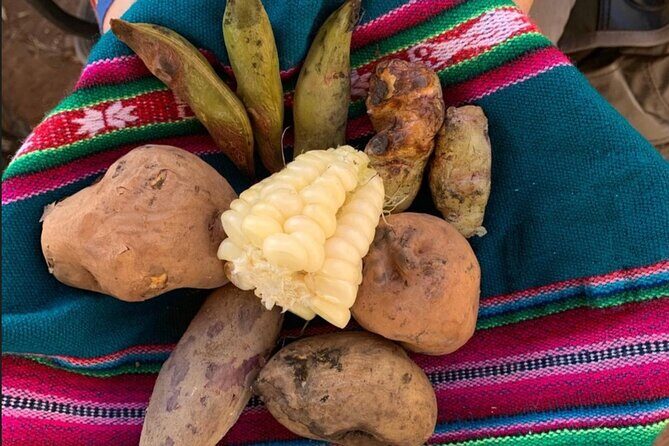
- Stone-cooked Andean lunch at a resting point, paired with tasting a variety of potatoes and tubers.
- A manageable format: about 40 minutes uphill at a slow pace, total trekking distance around 2 km (1.2 miles).
- Small group feel with a maximum of 20 travelers and local llama guild hosts leading the day.
A short Sacred Valley hike with real llama work behind it
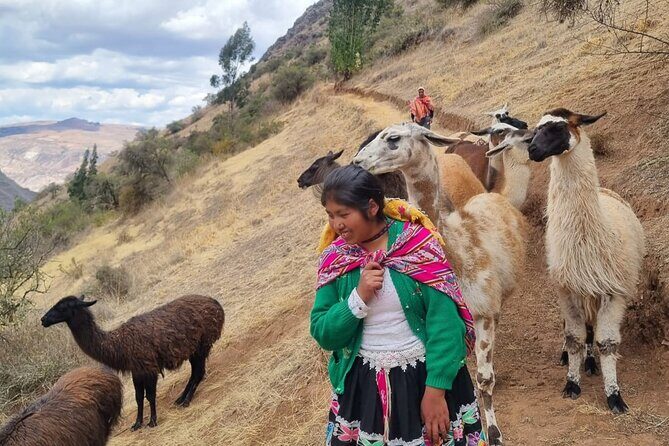
This is the kind of half-day outing that makes the Sacred Valley feel less like a postcard and more like a working place. You’re not just watching llamas from a distance. You’re walking with them while local llama farmers guide you through what their herding and farming actually means.
The best part is the flow: you learn, you help, you hike. The whole experience is built around that rhythm, so you spend your time doing something (and eating something good) instead of waiting around.
You can also read our reviews of more hiking tours in Cusco
The eco and community angle: why this trek feels different
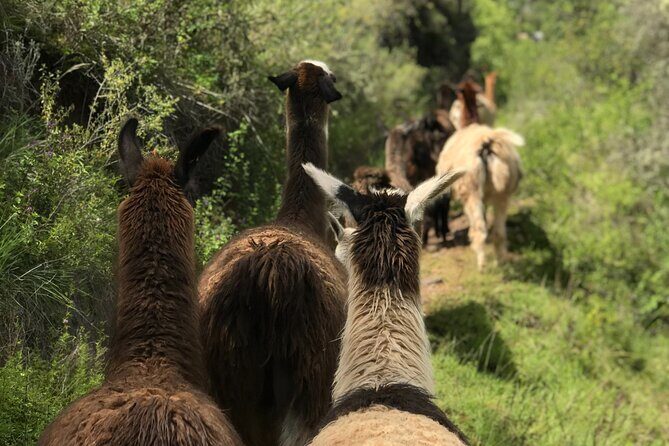
What makes this trek stand out is the “why” you get before you start climbing. You’ll learn about the positive impact your visit can have on llama farming communities and mountain ecosystems. It’s not just a cute animal encounter—it’s framed as support for how families manage llamas and land in the Andes.
When you help pack the llamas with your lunch, it turns the lesson into something you can picture. You’re seeing how the day’s routine fits together: animals, people, food, and terrain. That small shift—moving from observer to participant—makes the whole experience feel more honest.
The hosts are also the heart of the event. This isn’t set up to make you feel rushed; it’s built around local llama guild hosts explaining what you’re doing and why.
Your 3 hours 45 minutes: what happens from San Isidro to the Pumahuanca Valley view
Plan on about 3 hours 45 minutes total, give or take. The trek itself covers roughly 2 km (1.2 miles), and the uphill effort is the main push.
Meet at San Isidro (PVH9+9X)
You’ll meet at PVH9+9X in San Isidro, Peru. The activity ends back at the same meeting point, so there’s no long logistics trail afterward. That makes it easy to slot into a Cusco day without burning your whole afternoon.
Herding up: about 40 minutes uphill at a slow pace
After the introduction and learning portion, you’ll assist with packing the llamas with your lunch. Then you’ll help herd them up the mountain using the traditional Andean approach your hosts demonstrate.
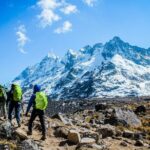
The uphill climb lasts about 40 minutes and is described as an easy-to-moderate effort. The pace is slow, which matters in altitude areas like this—slow usually feels smarter than fast. Expect a steady climb, not a sprint.


Rest stop and hot-stone cooking
Once you reach the resting point, the day shifts gears. The meal is cooked in the traditional Andean way under hot stones. That’s the moment where the hike becomes a break that actually feels worth it.
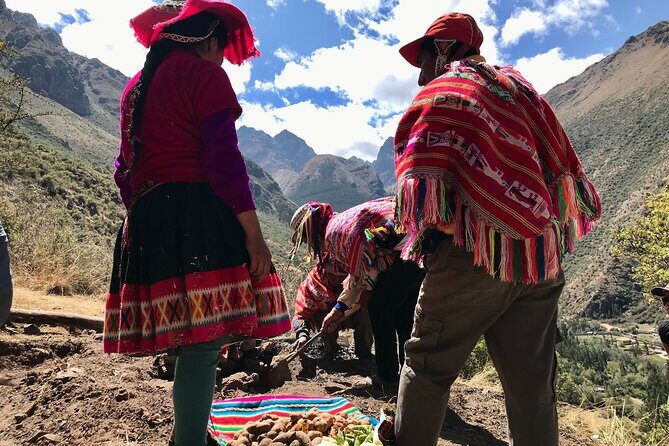
While the food cooks, you’ll likely learn more about your hosts and the life behind the llamas. You’ll also taste a variety of potatoes and tubers. This isn’t “snack time.” It’s part of the experience, and it’s a good chance to connect what you just learned about local farming with what’s on your plate.
The descent with a view back over the valley
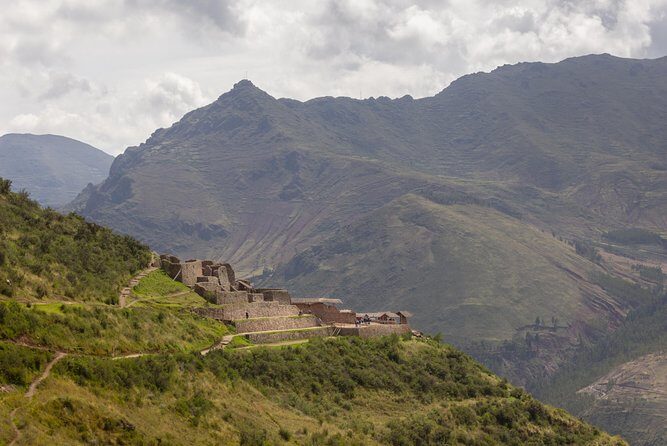
After the meal and tastings, you’ll den hike down the same path. On the way down, you get an amazing view of the Pumahuanca Valley.
Descending is usually easier than going up, but it still takes care—especially if the trail is uneven. This is also why the guidance around knee and hip issues is important. If your joints don’t handle downhill well, you’ll feel it.
Food on the trail: snacks, tuber tasting, and lunch that’s more than a meal
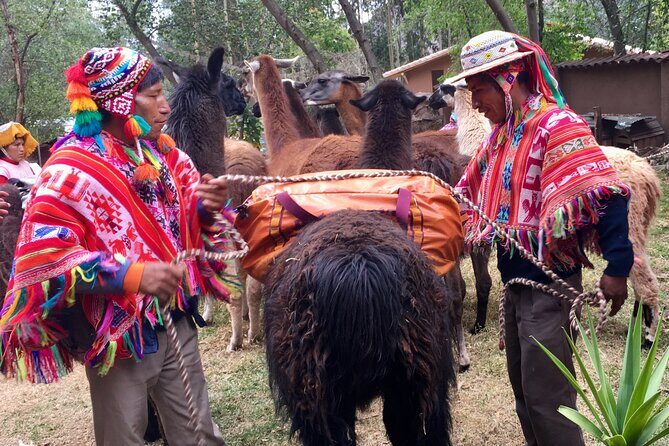
This trek keeps food simple and purposeful. You’ll have snacks (fruit, an energy bar, and water refill availability), plus your main lunch as part of the program.
The big food win is the lunch at the resting point. You’re getting a traditional Andean meal cooked under hot stones, then you’ll taste a variety of potatoes and tubers.
If you’re the kind of traveler who likes food stories, this part is for you. The Andes grow and use many potato varieties and tubers, and tasting them during a farming-and-ecosystem lesson makes it feel connected rather than random. It also helps you refuel for the downhill.
How hard is it really? Pace, distance, and who should reconsider
Let’s talk about effort in plain terms. The total trekking distance is 2 km (1.2 miles), which is short. But it includes a chunk of uphill work—about 40 minutes uphill at a slow pace.
So for many people, this will feel like a manageable hill walk rather than a full trek. The group size also helps: with a maximum of 20 travelers, the pace is easier for guides to manage.
Still, the tour specifically notes it’s not recommended for people with knee and hip problems. That makes sense because you’ll be climbing and then returning down the same path. If you know downhill triggers pain for you, this is the part to take seriously.
If you’re traveling with young kids, the guidance recommends having a child carrier backpack. That suggests the route isn’t designed as a stroller trail, and you’ll want a secure option for smaller travelers.
Price and value: $78 for a half-day with local hosts and lunch
At $78 per person, you’re paying for more than a walk. This price covers a guided trek with llama herding, the eco-and-community learning portion, and the food elements—snacks, lunch tasting, and water refill.
Here’s the practical value math: a short 3.75-hour experience with hands-on participation, local llama guild hosts, and a meal cooked under hot stones is usually hard to find at this length and cost. You’re also not stuck with a bare-minimum cookie-cutter format. The inclusion of potato/tuber tasting and the “packing the llamas” step adds real substance.
Also, the presence of a first aid kit is worth noting for peace of mind, even though you’re not doing anything extreme.
What to bring and how to set yourself up for a smooth hike
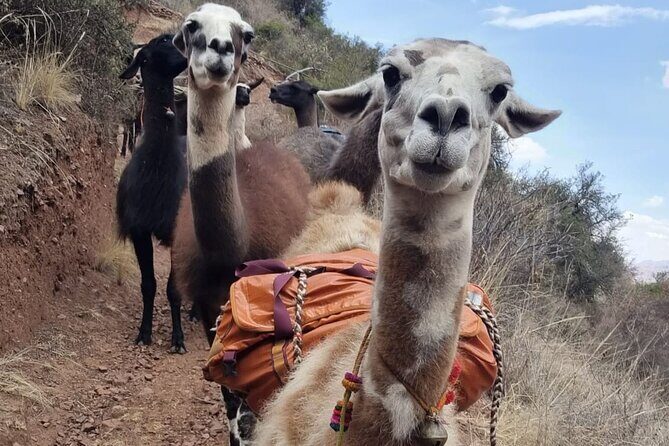
The tour info says it requires good weather. That means your best move is simple: plan for conditions and dress for changeable mountain afternoons. Even if it looks fine when you leave, the Andes can shift fast.
Bring gear that works for a short uphill and downhill:
- Sturdy shoes for uneven ground
- Layers for cooler air at elevation
- A small daypack for water and snacks (you’ll have water refill available)
If you’re visiting with children, follow the tour’s suggestion and bring a child carrier backpack, so everyone can move comfortably during the hike.
And one more tip: since the meal happens at a resting point and you’re tasting tubers, keep an eye on your appetite and energy. This is a half-day, so don’t plan a huge meal before you go.
Should you book the Half Day Andean Llama Trek?
Book it if you want a short Sacred Valley experience that’s hands-on, not just scenic. This works especially well for families who want something manageable with a meaningful theme—plus it includes stone-cooked lunch and potato/tuber tasting. The strong rating (4.8 out of 5 from 20 reviews) also suggests the program hits the mark for most people.
Skip it if your knees or hips don’t handle hills and downhill well. Also, if you hate getting involved at all, know that this trek asks you to do more than watch—it has you help pack llamas and herd them.
If you’re looking for a half-day that mixes education, community support, and an easy-to-moderate hike, this is a solid pick. It’s short enough to fit your itinerary, and specific enough to feel like more than a drive-by attraction.
FAQ
How long is the trek?
The activity lasts about 3 hours 45 minutes. The trekking time includes roughly 40 minutes uphill at a slow pace, and the total trekking distance is about 2 km (1.2 miles).
Where do I meet for the tour?
You meet at PVH9+9X in San Isidro, Peru. The tour ends back at the same meeting point.
What food is included?
You get snacks (fruit, an energy bar, and water refill) plus a lunch tasting of traditional Andean food with potatoes and tubers. The meal is cooked in the traditional Andean way under hot stones.
What difficulty level should I expect?
The hike is described as easy to moderate, with an uphill stretch of about 40 minutes at a slow pace. It also involves hiking back down the same path.
Is it suitable if I have knee or hip problems?
No. The tour specifically says it is not recommended for people with knee and hip problems.
What happens if the weather is bad?
This experience requires good weather. If it’s canceled due to poor weather, you’ll be offered a different date or a full refund.