REVIEW · CUSCO
Cusco Billingual Cooking Class at 6pm
Book on Viator →Operated by Ivanna Lescano Cooking Class · Bookable on Viator
Six p.m. cooking beats the afternoon rush. This bilingual Cusco class, run by chef Ivanna Lescano, is a focused way to learn Peruvian cooking plus the stories behind what you’re making, without stretching your day.
I especially like the small group size (max 12), which keeps the pace friendly and the instruction practical. I also like that you’ll make a full mini-menu: a Passion Fruit Pisco cocktail, classic ceviche, and lomo saltado, all hands-on.
The main thing to consider is timing: it starts at 6:00 pm and it depends on good weather, so build a little flexibility into your evening plans.
In This Review
- Key highlights
- Cusco at 6pm: why this class works when your time is tight
- Where you’ll meet (and why it matters in Cusco)
- The menu: what you’ll make during the evening lesson
- Ivanna Lescano and the chef-host factor
- Pisco kickoff: your Passion Fruit Pisco cocktail step-by-step
- Ceviche in a Cusco kitchen: making it the Peruvian way
- Lomo Saltado: the stir-fry finale that teaches heat control
- How the class connects cuisine to Peru’s history
- Small group max 12: what you gain (and what you don’t)
- Price and value: why $40 can make sense in Cusco
- Practical timing tips for a 6:00 pm start
- Dietary restrictions and allergies: what you can expect
- Who should book this Cusco cooking class
- Should you book the Cusco 6pm bilingual cooking class?
- FAQ
- Where is the meeting point?
- What time does the class start?
- How long is the cooking class?
- How much does it cost?
- How large is the group?
- Is the class bilingual?
- What dishes will I learn to make?
- Can you accommodate dietary restrictions or allergies?
- Is it near public transportation?
- What if the weather is poor?
- Do I get a full refund if I cancel?
Key highlights
- Bilingual instruction in Cusco so you can actually follow along
- Small group max 12 for more real coaching
- Passion Fruit Pisco cocktail lesson right at the start
- Ceviche from fresh ingredients, taught step by step
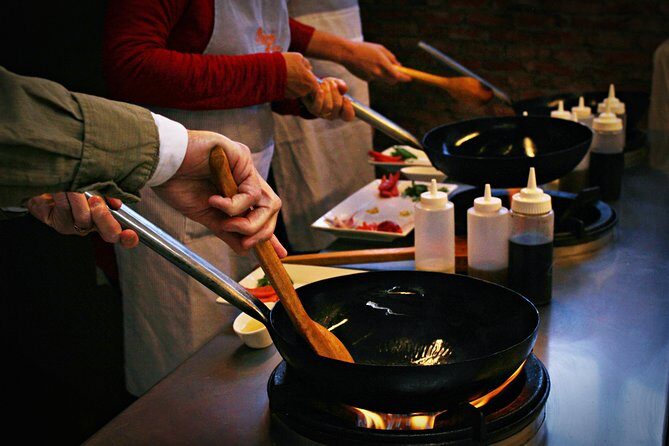
- Lomo Saltado cooked in a professional kitchen
- Chef-led, story-based cooking with the history behind the dishes
Cusco at 6pm: why this class works when your time is tight
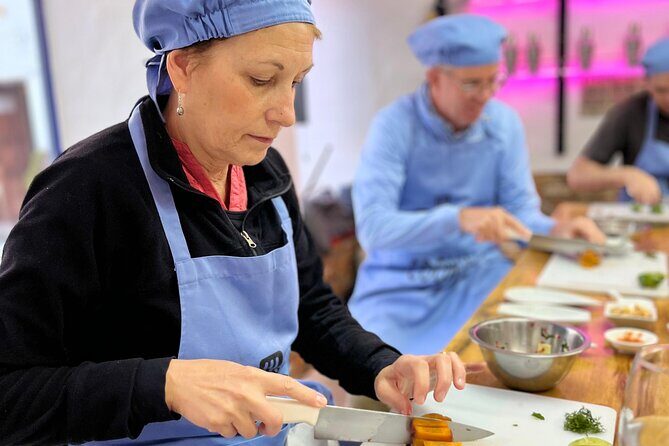
Cusco can swallow your whole day if you let it. This 6:00 pm cooking class is a smart fix. You get a full, hands-on food experience in about 1 hour 30 minutes, which makes it much easier to fit into a travel schedule than half-day tours.
Also, evening classes have a quiet advantage: you’re already done with the hardest part of the day, so you can relax into the lesson. No need to rush to another site. You’re going to cook, taste, and learn, then go back to where you started.
Finally, this class is built for real participation. You’re not just watching someone else cook. The idea is that you’ll leave with techniques you can actually repeat later.
You can also read our reviews of more cooking classes in Cusco

Where you’ll meet (and why it matters in Cusco)
You meet at C. Palacio 135, Cusco 08002. The good news is it’s in town and noted as being near public transportation, which helps if you don’t want to think about taxis right before a class.
The experience ends back at the meeting point. That’s a small detail, but it matters in Cusco. You don’t end up wandering for a ride with a bag full of food memories and a rumbling stomach.
If you’re planning dinner afterward, give yourself a short buffer. A cooking class can set up cravings fast, and you might want to keep your evening simple.
The menu: what you’ll make during the evening lesson
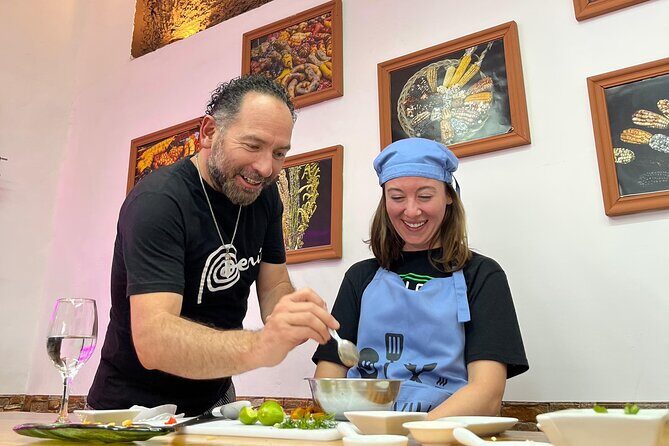
This class is structured like a mini course, with three main steps. Each one teaches a different skill set, so you don’t just learn recipes. You learn how these dishes work.
You’ll start with Peruvian Pisco, then move into making a Passion Fruit Pisco cocktail. After that, you’ll make ceviche, using the freshest fish and ingredients. The last big stop is lomo saltado, a stir-fried dish built around meat and local vegetables, cooked in the class’s professional kitchen.
That order is practical. The cocktail starts the evening and helps you ease into the kitchen rhythm. Ceviche teaches the precision part. Lomo saltado is the payoff: fast, hot, and satisfying.
Ivanna Lescano and the chef-host factor
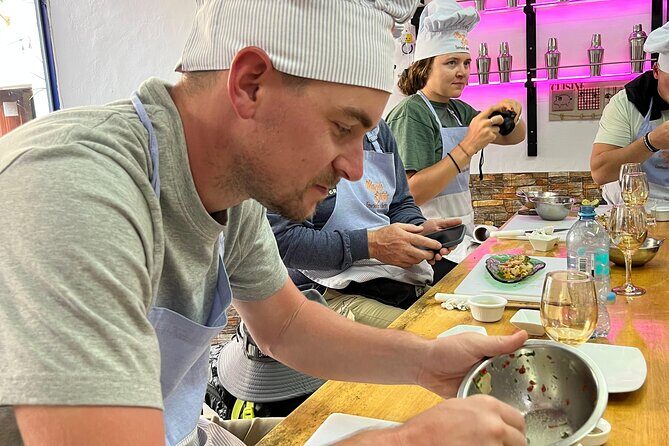
The provider is chef Ivanna Lescano, and the class is described as expert-led. One review I saw highlighted a chef-host named Fernando who kept things lively and made the evening enjoyable, even when there was only one participant.
Why does that matter for you? Because in a cooking class, the chef’s energy shapes the whole experience. You want someone who can explain clearly and keep you moving without making you feel rushed.
In small-group formats (and this one tops out at 12), that kind of host attention can make a huge difference. If you get stuck on a step, you’re more likely to get real help instead of waiting your turn in a huge crowd.
Pisco kickoff: your Passion Fruit Pisco cocktail step-by-step
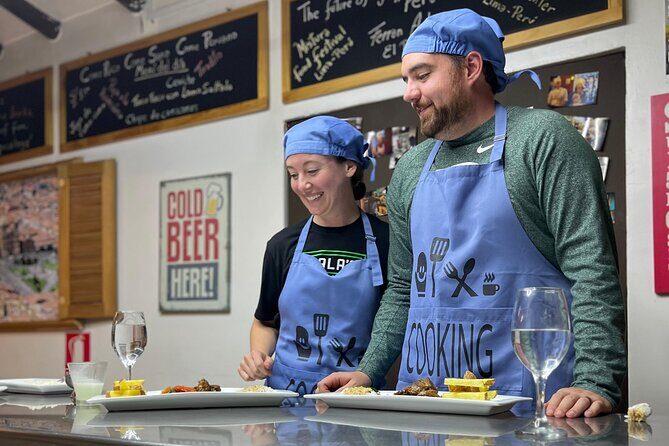
The class begins with the story of Peruvian Pisco, then you get hands-on with a Passion Fruit Pisco cocktail. Even if you don’t consider yourself a drink person, this is a smart start because it gets you into the mindset of Peruvian flavor.
Practical reasons this first lesson is good:
- It teaches you how ingredients combine, before you start working with cutting and seasoning.
- It gives you something to enjoy right away, so the evening doesn’t feel like a long intro.
- It helps you settle into the bilingual instruction without pressure.
You’ll be learning in a guided way, not just mixing at random. The goal isn’t complicated bartending. It’s understanding the flavor logic behind the drink.
You can also read our reviews of more tours and experiences in Cusco



Ceviche in a Cusco kitchen: making it the Peruvian way
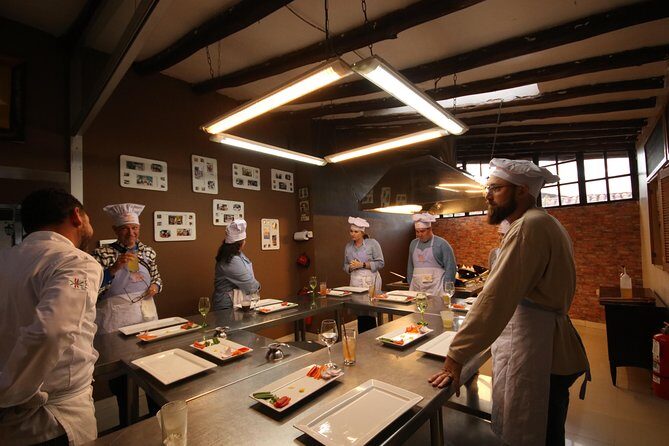
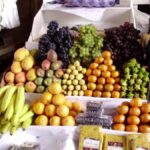
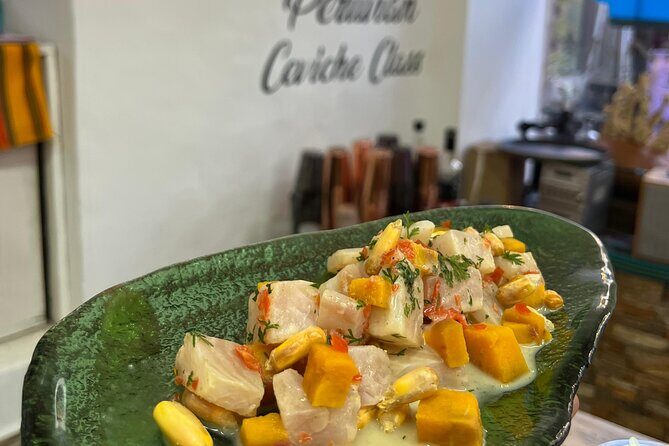
Next up is ceviche, one of Peru’s most recognizable dishes. You’ll learn how to make authentic Peruvian ceviche with the freshest fish and ingredients. This is the part where good instruction matters most.
Ceviche has a reputation for sounding simple. Cut fish, add citrus, wait, and eat. In reality, the balance is the trick. You want the flavors to hit at the right moment, and you want your ingredients treated properly.
This class keeps it hands-on. You learn by doing, which means you’re more likely to remember the method. And because it’s a short class, you’ll likely focus on the steps that matter most for results, rather than getting lost in technical lectures.
If you’re a fan of fresh, bright flavors, this is your moment. If ceviche feels intimidating, this is still a great choice because you’ll have a chef guiding your hand and your timing.
Lomo Saltado: the stir-fry finale that teaches heat control
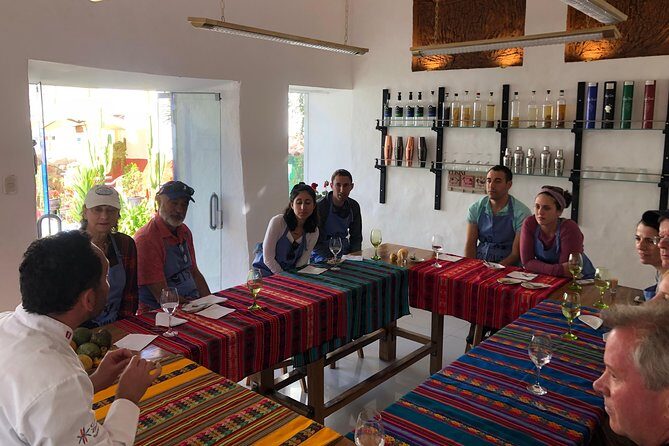
Finally, you move to lomo saltado. This dish is stir-fried with meat and local vegetables in a professional kitchen. The class is designed so you learn the “cook it right now” side of cooking, not just the prep side.
What you’re really practicing here is heat and timing:
- When to cook the meat so it stays tender
- When to add vegetables so they don’t go limp
- How to keep the stir-fry moving so it doesn’t turn into a soggy pan situation
Lomo saltado also gives you a satisfying end result that feels like a real meal, not just a snack between activities. After ceviche’s careful timing, stir-frying can feel like a different world. That contrast makes the class more fun, and it helps you learn multiple cooking styles in one evening.
How the class connects cuisine to Peru’s history
The class doesn’t only focus on recipes. It also includes the stories behind what you’re cooking. You’ll hear about Peruvian cuisine and how Peru’s history influenced it.
You don’t need to be a food historian to enjoy this part. The way it’s presented matters: you get context that helps you understand why ingredients and dishes developed the way they did. It makes the meal feel like culture, not just instruction.
This is one of those small-group advantages. When the chef explains the “why,” the class feels more complete. You’re not just chasing flavor. You’re learning how people think about food in Peru.
Small group max 12: what you gain (and what you don’t)
This is limited to 12 travelers (max). That number is high enough for a fun group energy, but low enough for you to actually get help.
Here’s what you’re likely to notice:
- You can ask questions without yelling over a crowd
- You spend more time cooking and tasting than waiting
- Instruction can adjust to skill level, even if you’re a first-timer
And what you won’t get: a slow, super-long culinary workshop. This is a tight schedule by design. It’s great if you want a strong experience that doesn’t eat your entire day.
Price and value: why $40 can make sense in Cusco
At $40 per person, this isn’t a “cheap add-on” and it isn’t a luxury tasting tour either. For Cusco, it sits in the category that often works best for value: a short, guided, hands-on cooking session with multiple dishes.
You’re paying for:
- Chef instruction
- A professional kitchen setup
- Ingredients for multiple recipes
- The bilingual experience, so you can follow along
The value gets better when you consider the alternative. If you try to copy ceviche and lomo saltado on your own, you’ll still pay for ingredients, and you may miss the method that makes the dish work. This class compresses that learning into 90 minutes.
The average booking time is also telling: this style of evening class is planned well ahead, with bookings averaging 33 days in advance. That’s usually a sign that people find it useful when their schedule is tight.
Practical timing tips for a 6:00 pm start
A 6:00 pm start is convenient, but it has a few ripple effects.
First, don’t schedule something that ends right at 6:00. Give yourself time to get to C. Palacio 135 and settle in. Even near public transportation, Cusco streets can be slow and busy.
Second, plan your evening dinner wisely. You’re making food here, and you’ll likely want to eat what you cook. If you arrive hungry, you’ll be happy. If you arrive stuffed, you might feel like the ceviche and lomo saltado are more for later.
Third, expect good weather to matter. The experience notes a good-weather requirement. If weather is poor, the plan may change with a different date or a refund.
Dietary restrictions and allergies: what you can expect
The class says it accommodates dietary restrictions and allergies. That matters because it’s often the difference between a cooking class that’s only “educational” and one you can actually enjoy.
If you have allergies, mention them clearly at booking and don’t assume ingredients are the same every time. Ask questions during the class if anything looks uncertain. A good chef should be able to explain what’s going into the dishes.
Because the menu includes fish (for ceviche) and meat (for lomo saltado), dietary needs can affect how your portion is prepared. The key point is that they intend to work with you.
Who should book this Cusco cooking class
This class is a strong fit if you:
- Want a short evening activity with a clear payoff
- Enjoy hands-on cooking more than watching
- Want bilingual guidance so you can follow steps and ask questions
- Like Peru’s food culture and want the story behind what you’re eating
- Prefer smaller groups and more personal attention
It may not be the best fit if you:
- Need a daytime activity instead of an evening one
- Have very inflexible scheduling, given the 6:00 pm start and weather sensitivity
- Want a super-deep technical class lasting half a day or more
Should you book the Cusco 6pm bilingual cooking class?
Yes, if you want a practical Cusco experience that ends your day well. The combination of small group instruction, a real mini-menu (pisco cocktail, ceviche, lomo saltado), and chef-led coaching makes it feel like you’re getting more than a recipe handout.
I’d especially recommend it for first-timers in Peru’s food scene. You get multiple classic dishes in one go, and the history context helps you understand what you’re tasting instead of just repeating steps.
If your schedule is tight, it’s also one of those rare activities where the timing actually works. Start at 6:00, finish around 7:30, eat something you made, and head back without the hassle of an all-day commitment.
FAQ
Where is the meeting point?
The meeting point is C. Palacio 135, Cusco 08002, Peru.
What time does the class start?
The class starts at 6:00 pm.
How long is the cooking class?
It lasts about 1 hour 30 minutes.
How much does it cost?
The price is $40.00 per person.
How large is the group?
The class has a maximum of 12 travelers.
Is the class bilingual?
Yes, it’s described as a bilingual cooking class.
What dishes will I learn to make?
You’ll make a Passion Fruit Pisco cocktail, ceviche, and lomo saltado.
Can you accommodate dietary restrictions or allergies?
Yes. The experience states that they gladly accommodate all dietary restrictions and allergies.
Is it near public transportation?
Yes, the meeting area is noted as being near public transportation.
What if the weather is poor?
The experience requires good weather. If it’s canceled due to poor weather, you’ll be offered a different date or a full refund.
Do I get a full refund if I cancel?
You can cancel for a full refund if you cancel at least 24 hours in advance of the experience’s start time. If you cancel less than 24 hours before, the amount paid is not refunded.