REVIEW · CUSCO
Meet Quechua people, food & traditions
Book on Viator →Operated by Pasitos Andinos: Meet Quechua people, food & traditions · Bookable on Viator
A half-day with the Quechua can feel like a whole week. This community visit in Chincheros gives you real contact with everyday traditions—how people dress, cook, and make textiles. You also get a tight, human-sized group that doesn’t feel like a production.
Two things I really like: the chance to learn from Jane Camacho and local hosts, and the hands-on culture—especially food and weaving—rather than just watching from the sidelines. You’ll also have time to ask questions and slow down.
One thing to consider: this is a cultural home-and-community experience, so expect a simple pace and a bit of travel time outside central Cusco.
Key highlights to know before you go
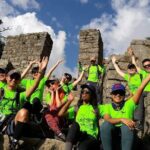
- Tiny group capped at 10, so you’re not lost in a crowd
- Welcome with music from the community, plus clear explanations in English
- Food tasting tied to local traditions, including pachamanca-style cooking in practice
- Weaving and dyeing lessons that connect wool to finished textiles
- Clothing details explained, including differences linked to marital status
- Shopping with real pricing power, since woven goods can cost less than in Cusco
In This Review
- Entering Chincheros: Why This Half-Day Feels Personal
- Price and Logistics: What You Get for $99
- Pickup at the Wyndham Cusco: Easy Start, Clear End
- A Warm Welcome in Chincheros: Songs, Customs, and What You’ll Learn
- Traditional Food Tasting: Beyond Just a Sample
- Wool, Dye, and Weaving: The Craft That Explains Everything Else
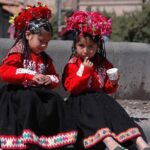
- Clothing, Hair, and Daily Signals: A Small Detail With Big Meaning
- Shopping Time Without the Push: How to Buy Responsibly
- Driver and Escort: The Work Behind the Scenes
- Who This Tour Fits Best (and Who Might Skip It)
- Practical Tips: Make the Most of Your Morning
- Should You Book Pasitos Andinos: Meet Quechua People, Food & Traditions?
- FAQ
- How long is the Meet Quechua people, food & traditions tour?
- What is the tour price?
- What time does the tour start in Cusco?
- Is hotel pickup included?
- How big is the group?
- What language is the tour conducted in?
- What’s included, and what’s not included?
- Can I get a refund if I cancel?
Entering Chincheros: Why This Half-Day Feels Personal
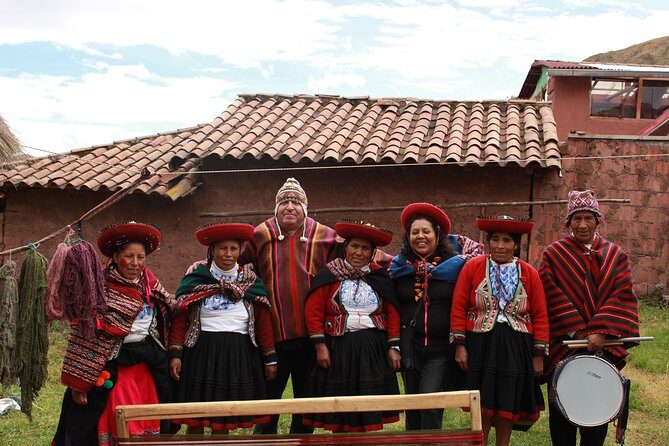
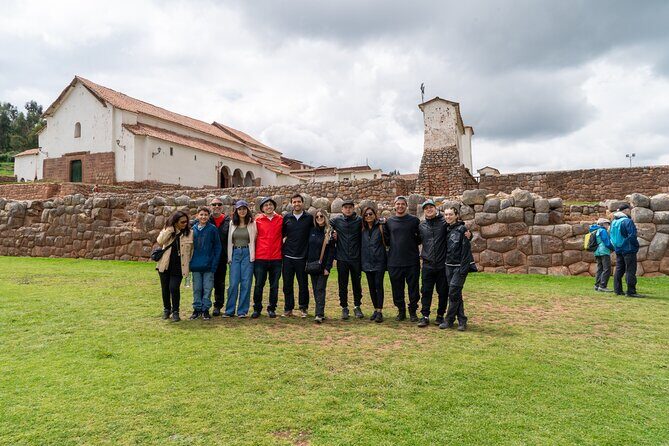
This trip is built around one main stop: Centro poblado Chincheros, a community area about 15 minutes from town. That short distance matters. It means you get more time with the people and less time bouncing around Cusco all morning.
You start at 8:30am and you’re back at the same meeting point at the end. The total day length is about 5 to 6 hours. It’s a good fit if your Cusco schedule is already packed with hikes, ruins, and altitude acclimation.
The feel here is less museum and more living practice. You’re not just seeing traditional clothing or textiles—you learn what they mean and how they’re made. If you care about Andean daily life, this kind of visit tends to satisfy.
Price and Logistics: What You Get for $99
At $99 per person, this isn’t a budget “walk-by” activity. But it also isn’t priced like a big-ticket luxury tour. What you’re paying for is the access: transportation, a host who translates, and entry into a community setting where the day’s activities happen.
Included in the price:
- private vehicle transport
- hotel pickup and drop-off (selected hotels only)
- tour escort/host
- all activities
- food tasting
Not included:
- food and drinks unless specified
That “food tasting” detail is important. You should expect samples tied to local cooking and traditions, not a full restaurant meal. If you get easily hungry, plan for a snack either before you go or after you return.
There’s also round-trip transportation from select points in Cusco and the Sacred Valley, which helps if you’re staying outside the city center. And because the group is capped at 10, you’re usually not being rushed.
You can also read our reviews of more food & drink experiences in Cusco

Pickup at the Wyndham Cusco: Easy Start, Clear End
The meeting point is straightforward: the front entrance of Costa Del Sol Wyndham Cusco, on Calle Santa Teresa 344. Pickup is offered from select hotels, but the listed meeting location is your reliable “anchor” if you’re not sure your pickup is included.
You can grab a mobile ticket. Confirmation comes at booking time, and the tour uses English. Service animals are allowed, and the tour notes that most travelers can participate.
The tour ends back at the meeting point. That matters because you don’t have to arrange a second ride or figure out transit after you return. Cusco mornings can get chaotic fast, so having everything end where it started is a real convenience.
A Warm Welcome in Chincheros: Songs, Customs, and What You’ll Learn
Stop one is where the day truly begins: the community women welcome you at Centro poblado Chincheros. You typically get around two hours here, with free admission for the visit portion.
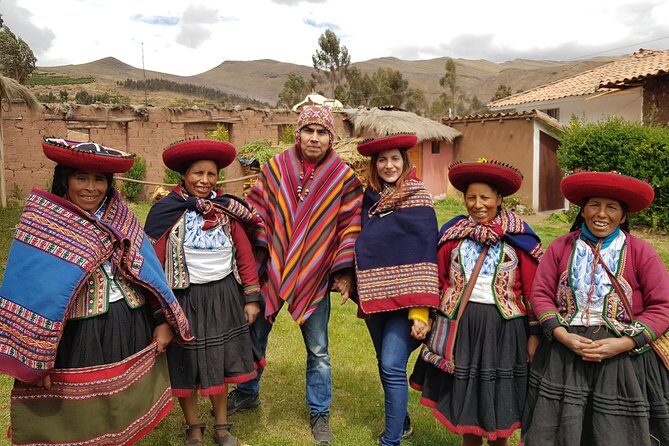
One of the most praised parts is the welcome itself. You may arrive to singing and a kind of ceremonial friendliness, not the hurried “here’s the brochure, next” style. Guides and hosts then explain key cultural meanings—especially around clothing.
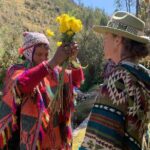
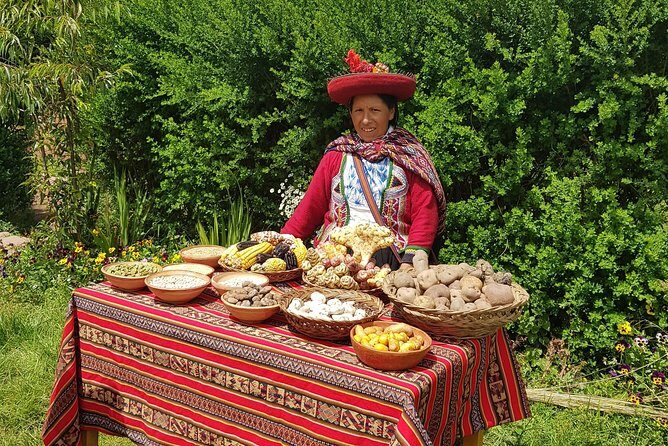
A specific detail I’d watch for: explanations of how women’s clothing and even hair presentation can differ by marital status. That’s the sort of thing you can’t easily spot on your own in Cusco shops. Here, you hear the reasoning directly from the people who live the tradition.
Names you might hear during the day include Mariluz (often described as a welcoming host), along with Tiburcia and Reyna in some experiences. And Jane Camacho appears as a frequent translator and organizer, which is exactly what you want on a community visit: someone who can keep the flow clear in English while still letting the hosts lead.
Traditional Food Tasting: Beyond Just a Sample
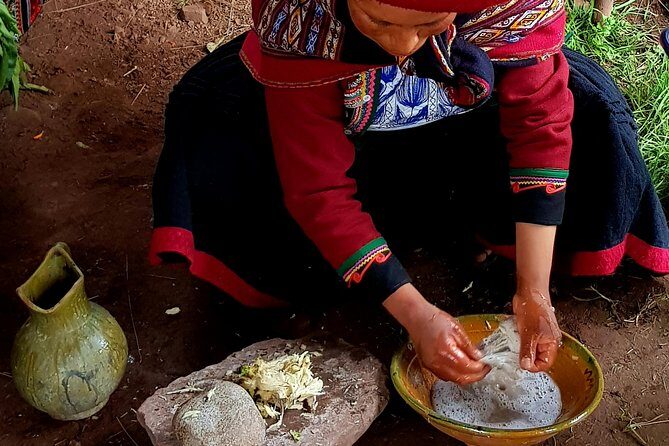
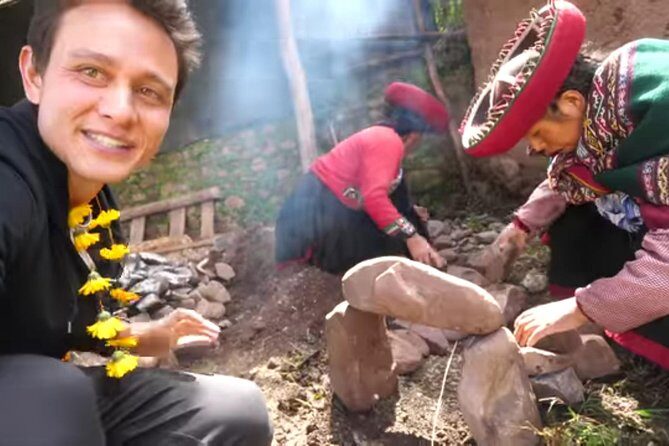
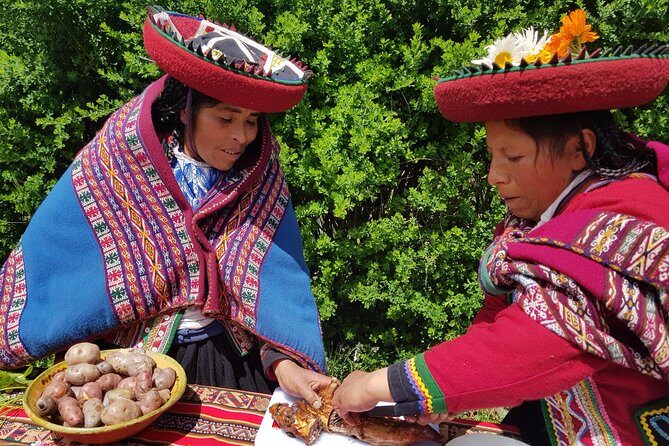
Food is included as tasting, and it’s one of the best value pieces of the tour. Multiple descriptions of the experience highlight traditional cooking and participation around pachamanca style preparation.
Here’s why this matters for you: Andean food is tied to place—altitude, seasonal ingredients, and cooking methods that make sense in rural settings. If you only eat in Cusco restaurants, you can miss the “why” behind the menu.
During the community time, you’ll get explanations that connect the meal to daily practice. Expect hands-on involvement at least at some level. One account praises the hands-on cooking and the shared feeling of being invited in, not just served.
Be ready for the reality of altitude and pacing. Cusco altitude can make you less hungry than usual, and a longer, heavier meal might not land the way you expect. A tasting format usually helps with that. If you’re sensitive, you’ll still get the cultural experience without needing to finish a huge plate.
Wool, Dye, and Weaving: The Craft That Explains Everything Else
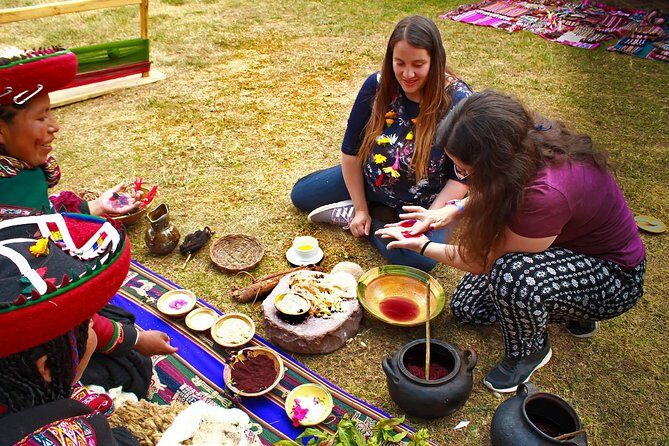
If you care about textiles, this part is the star. The day connects wool to finished items and explains what happens in between.
You’ll learn how wool is:
- cleaned
- dyed
- woven
- and then used in clothing and blankets
In some experiences, the community also discusses why certain blankets and textiles are multipurpose—more than just decoration. They can serve practical roles in daily life. That idea gives you a better eye when you later shop, because you’ll understand what you’re looking at.
And the best part is that the explanation doesn’t feel abstract. You’re watching the process and hearing how it fits into rural life. If you’ve ever bought a woven item in a market and wondered why some are softer or more intricate than others, this kind of lesson gives you the logic.
You can also read our reviews of more tours and experiences in Cusco
Clothing, Hair, and Daily Signals: A Small Detail With Big Meaning
Clothing in the Andes carries messages. That’s not just poetic talk—it shows up in how people describe their traditions.
On this tour, you’ll likely hear explanations about:
- how people dress for daily life
- why clothing differs in specific family contexts
- and how hair and appearance can signal certain roles
These are details that can be hard to catch as a visitor. Markets sell items, but they don’t always explain the rules behind them. Having a translator and community hosts makes the difference.
I also like how this kind of discussion reframes shopping. You’re not just buying souvenirs. You’re learning what makes a textile or garment meaningful to the people who made it.
Shopping Time Without the Push: How to Buy Responsibly
Shopping is often the moment where community tours can turn awkward. Here, the tone tends to be different. People describe being led to a shop area near the end of the visit, but with no pressure to buy.
Even better, pricing can be a major advantage. One account specifically points out that woven goods cost about half—or even less—than what people often pay in Cusco. That can change the value of the tour instantly.
If you plan to shop, a smart approach is:
- look first for what you actually want to use at home
- ask about materials and what the item is good for
- compare sizes and quality, not just the final price
Also, if you’re traveling with limited luggage, weigh your purchases carefully. Woven items can be heavier than they look, especially blankets. Choose one great piece rather than five “maybe” items.
Driver and Escort: The Work Behind the Scenes
The day includes a tour escort/host and private transport. The driver is a big part of a smooth experience because you’re moving out of central Cusco for the community visit and returning on time.
What you want from this setup is simple:
- no confusion about where to meet
- clear timing so you’re not late for the community welcome
- a guide who keeps translation flowing
Several experiences mention that Jane handles translation and organization well. That’s a big deal. When a guide is prepared, you spend your energy on the host conversation, not on trying to figure out what’s being said.
Who This Tour Fits Best (and Who Might Skip It)
This tour is a great match if you want:
- real cultural contact with the Quechua community
- hands-on craft learning, especially weaving
- meaningful food tasting instead of a quick snack stop
- a smaller group format (max 10)
It also seems family-friendly in the sense that kids can learn from the process and stories shared during the visit. If you’re traveling with children, it can be a strong way to give them something more human than ruins.
Consider skipping (or pairing with another type of day) if you:
- want a multi-stop itinerary with lots of different sights
- prefer a more formal museum-style explanation
- get restless with a slower, community-paced schedule
This trip is focused. That’s the point.
Practical Tips: Make the Most of Your Morning
A few practical points can help you enjoy the day more:
- Go in with curiosity. The value here is in questions—how textiles are made, what clothing signals mean, and why certain foods are prepared the way they are.
- Plan for simple food tasting, not a full meal. If you’re a big eater, think about what you’ll do after.
- Bring a light layer. Mountain mornings can be cooler, and community spaces may not be warm all the time.
- Take your time with purchases. If you buy, try to buy intentionally. Woven items are easier to love when you understand what you’re buying.
For altitude comfort, follow your normal Cusco routine. Hydrate, move slowly, and don’t assume everyone will feel like eating a lot during the first days in town.
Should You Book Pasitos Andinos: Meet Quechua People, Food & Traditions?
I’d book it if you’re looking for one half-day that gives you more than pretty photos. The small group size, community welcome, food tasting, and weaving explanations create a day that feels like a real cultural exchange rather than a sales route.
I’d think twice only if your main goal is a checklist of multiple attractions. This experience is concentrated on Chincheros and on learning from the people there. If that’s what you want, the $99 price starts to feel fair because it includes transport, translation, activities, and food tasting.
If you’re in Cusco and want to understand daily Andean life—how people make textiles, how traditions show up in clothing, and how food connects to place—this is a smart use of your time.
FAQ
How long is the Meet Quechua people, food & traditions tour?
It runs about 5 to 6 hours total.
What is the tour price?
The price is $99.00 per person.
What time does the tour start in Cusco?
The start time is 8:30am.
Is hotel pickup included?
Hotel pickup and drop-off are included for selected hotels. The meeting point listed is the front entrance of Costa del Sol Wyndham Cusco on Santa Teresa Street.
How big is the group?
The tour has a maximum of 10 travelers.
What language is the tour conducted in?
The tour is offered in English.
What’s included, and what’s not included?
Included: private vehicle transport, hotel pickup/drop-off (selected hotels), tour escort/host, all activities, and food tasting. Not included: food and drinks unless specified.
Can I get a refund if I cancel?
No. The experience is non-refundable and cannot be changed for any reason.