REVIEW · CUSCO
Inka Trail 4 Days to Machupicchu
Book on Viator →Operated by Chullos Travel Peru · Bookable on Viator
Hard hikes, big payoff at Machu Picchu. This 4-day Inca Trail route is built around real Inca sites and big altitude moments, then finishes at Machu Picchu with a walk through Intipunku. It is not a casual stroll, but it is also very organized from the first pickup to your return train.
I love how the trek keeps you moving day by day, yet still feeds you well and sets you up for rest. Camp comfort is part of the deal, with a dining tent, tables, and a foam mattress, plus porters who carry cooking and camping gear. The guides you might be paired with (like Yojhan or Zam) are described as upbeat and strong on the Inca story, which makes the ruins feel less like random stones.
The main consideration is the altitude and effort. Day 2 pushes you toward the highest pass area (Warmiwañusca around 4,200 m), and the whole trail is long and demanding even when the pacing is sensible.
In This Review
- Key things you’ll notice
- Cusco to Kilometer 82: the trek’s smooth start
- Day 1: Patallacta’s Inca site, then Huayllabamba at about 3,000 m
- Day 2: Warmiwañusca (Dead Woman) and the long push to the highest point
- Day 3: From Runcurakay towers to Wiñayhuayna and the gate-of-the-clouds feeling
- Day 4: Intipunku, Machu Picchu circuits 1 and 2, and the train back to Cusco
- Price and logistics: is $807.50 good value for this 4-day plan?
- Camp comfort: porters, foam mattresses, and meals that keep you moving
- Guides and group size: why max 10 matters on a high-altitude hike
- Packing and pacing: how to survive Warmiwañusca without panicking
- Should you book this Inca Trail 4-day trek to Machu Picchu?
- FAQ
- How long is the Inca Trail 4 Days to Machu Picchu tour?
- Where does the tour start from?
- What language is the tour offered in?
- What does the tour include for getting to Machu Picchu and back?
- Are Machu Picchu tickets included?
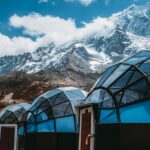
- What’s included for sleeping and camp setup?
- How many meals are included during the trek?
- Are there any meals that are not included?
- Is the trek suitable for beginners?
- What is the group size limit?
- What is the cancellation window for a full refund?
Key things you’ll notice
- Start from Kilometer 82 (Piscacucho) with an early transfer from your Cusco hotel or Airbnb
- Patallacta, then higher camps around 3,000 m to help you adjust before the big pass
- Warmiwañusca climb is the signature challenge, followed by a long descent to Pacaymayo
- Day 3 hits major Inca complexes including Runcurakay, Chaquicocha, Phuyupatamarka, and Wiñayhuayna
- Machu Picchu tickets are included but depend on availability and are tied to circuits 1 and 2
- Small group size (max 10) keeps the pace and logistics easier to manage
Cusco to Kilometer 82: the trek’s smooth start
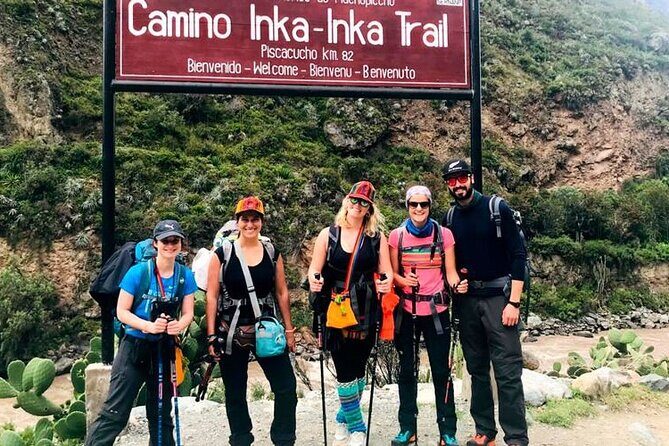
Your adventure begins in Cusco with pickup from your hotel or Airbnb. That matters more than it sounds: the Inca Trail has tight timing, and being late at a transfer point can turn a great day into stress.
From Cusco, you ride to Kilometer 82 (Piscacucho), which is where the first control is. Then you begin walking toward Patallacta, with about 2 hours to get there. This is a good first-day rhythm. You are not jumping straight into the steepest terrain, and you are still warming up your body before the higher camp night.
Also, this tour is offered in English, and it includes a professional bilingual guide. Even when your legs are working hard, a good guide keeps your brain busy in the best way—explaining what you’re seeing and why it mattered to the Inca.
You can also read our reviews of more tours and experiences in Cusco

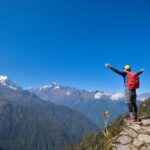
Day 1: Patallacta’s Inca site, then Huayllabamba at about 3,000 m
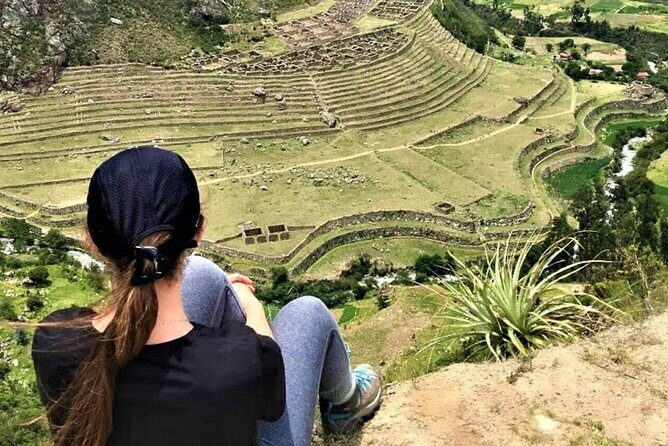
Day 1 is your entry into the trail’s higher world. The plan is straightforward: walk to Patallacta after transferring to Km 82, tour the archaeological site with your guide, then enjoy lunch prepared by the cook and team. After lunch, you keep trekking onward to Huayllabamba camp at around 3,000 m.
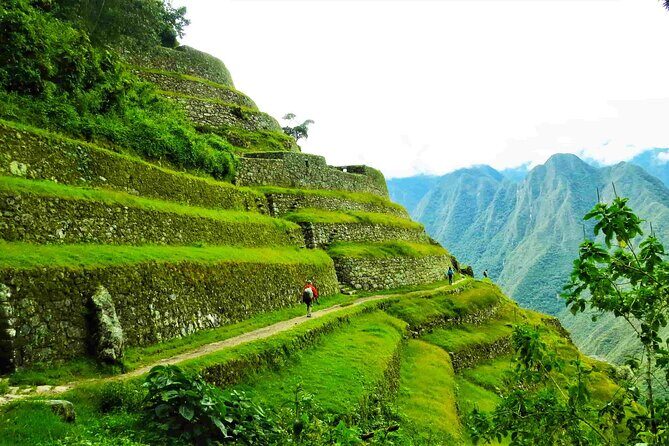
Patallacta (about 2,750 m) is an early highlight because you get to see Inca stonework before you’re fully exhausted. You also get guided context right away, which helps later when the trail keeps stacking archaeological stops and views.
From there, you climb to Huayllabamba, then settle in. What I like about this setup is that the day ends with food and rest handled for you:
- Lunch and dinner are included on the trek schedule
- You get a camp night with a foam mattress
- There’s a dining area with tables and chairs
The itinerary doesn’t promise the easiest day, but it does give you a sensible ramp up: you end Day 1 higher than you started, without doing the hardest pass yet.
A practical note: expect an early start and a “walk first, ask questions after” kind of day. If you hate mornings, bring a good mood anyway. The trail rewards it.
Day 2: Warmiwañusca (Dead Woman) and the long push to the highest point
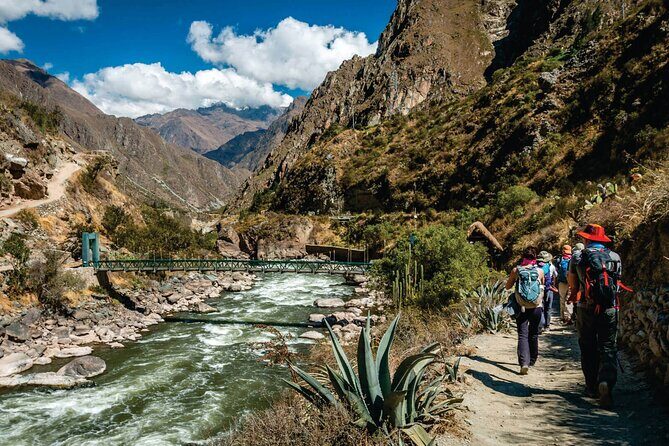
Day 2 is the signature test of the Inca Trail. After breakfast, you start what the itinerary calls the hardest section. The goal is to reach the highest point area with a panorama view where you can see different microclimates in the region.
After about 3 hours of walking, you reach Warmiwañusca, also called the Dead Woman pass, at around 4,200 m. This is the “pause and stare” moment. Even if you’re tired, you’ll likely want a few minutes to take it in and remind yourself that you are actually doing this.
Then the day shifts from altitude drama to endurance. You have lunch after the pass and continue descending until you reach Pacaymayo, where you have dinner and sleep.
Two ways to think about Day 2:
- It’s not just about leg strength. Altitude is your second opponent.
- The reward is not only reaching the pass—it’s what that effort buys you later: you get to enjoy more ruins and views without feeling like you’re still stuck in Day 1 mode.
If you’re the kind of person who trains with stairs, this is where that habit pays off. And if you’re more of a casual exerciser, you’ll still do fine—just keep your pace slow and consistent, especially in the climb.
Day 3: From Runcurakay towers to Wiñayhuayna and the gate-of-the-clouds feeling
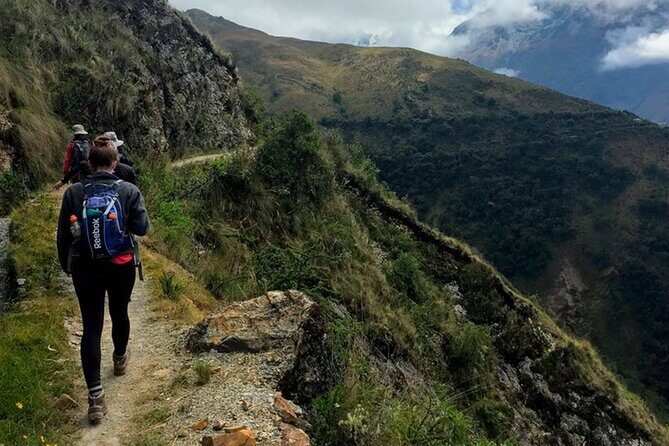
Day 3 is a packed day of Inca architecture and scenic variety, built around a 15 km stretch and several archaeology stops.
You start after breakfast and walk through a sequence of sites and viewpoints. The itinerary’s first major stop is Runcurakay (around 3,900 m). Here, you’ll see towers and understand how this complex functioned as a strategic watch point for the east valley. It’s a nice change of pace from just hiking—your brain gets to connect shapes and locations to real purpose.
Next comes Chaquicocha for lunch. Then you continue toward Phuyupatamarka, which means place above the clouds. On this segment, you pass through a tunnel carved out of rock. That detail is one of those small things that often turns into a memory you repeat later, because it feels both human and ancient at the same time.
You then head for Wiñayhuayna, described as another wonderful complex and the place you’ll spend the night. The itinerary notes that the “third camp may vary” depending on availability, so don’t lock your expectations to one exact camp name if the provider confirms a different option.
This is the day where the trek starts feeling like more than a hike. You’re moving through multiple ecological zones, passing sites with different functions, and ending near another major complex. Even when your body is tired, you’ll likely feel more engaged because the walk is constantly giving you something to look at and something to understand.
A small tip from the real-world experience angle: bring snacks and drink steadily. Some hikers recommend packing stomach-friendly basics like electrolytes, and a few have suggested travel meds such as Pepto-Bismol and Imodium just in case. Not because you’re guaranteed to get sick—just because long trips can upset anyone’s stomach.
Day 4: Intipunku, Machu Picchu circuits 1 and 2, and the train back to Cusco
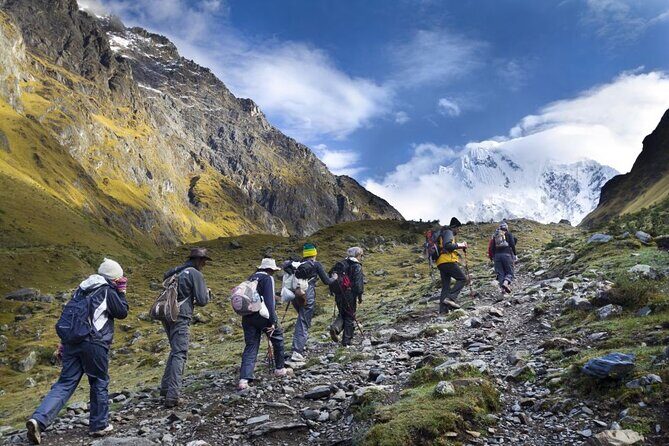
Day 4 turns into a timeline day. You keep trekking from the last checkpoint, then head toward Intipunku (Gate of the Sun) before arriving at Machu Picchu for that big first look.
From Intipunku, the itinerary says you’ll have an impressive view of the citadel. Then you continue to Machu Picchu and, after time at the site, you return to Aguas Calientes (Machu Picchu Pueblo) for lunch and then to the train station. Finally, you ride by mobility back to Cusco via Ollantaytambo.
Two practical notes you should plan for:
- Machu Picchu tickets are included, but subject to availability. The provider states that the only authorized seller is Peru’s Ministry of Culture, and tickets are purchased according to available circuits (1 and 2). If no ticket type is available, you get a full refund of your tour package.
- Lunch in Aguas Calientes is not clearly listed as included. The inclusion notes say lunch there is not included, so budget for food in town.
Even with those caveats, Day 4 is still the payoff. You are not reaching Machu Picchu from a bus stop; you arrive after days of walking and altitude work. That changes how the site lands emotionally. It feels earned.
Price and logistics: is $807.50 good value for this 4-day plan?
At $807.50 per person for a 4-day classic Inca Trail experience, you’re paying for more than hiking. You’re paying for logistics, permits, and a comfort layer that makes the trek feel doable.
Here’s what’s included (the big-ticket items):
- Professional bilingual guide
- Entrance to the Inca Trail and Machu Picchu
- Transportation to Kilometer 82
- Train return: Aguas Calientes to Ollantaytambo
- Transportation from Ollantaytambo to Cusco on Day 4
- Transport from Machu Picchu to Aguas Calientes
- Dining tent with tables and chairs
- Foam mattress
- Porters (carry cooking and camping equipment)
- Meals on the trek: breakfasts (3), lunches (4), dinners (3)
- First aid kit
What you should expect to pay extra for:
- Meals not listed as included (and lunch in Aguas Calientes may be on you)
- Single supplement (if you want your own room setup, it’s not included)
Is it good value? For the Inca Trail, yes—because you’re getting the permits, guided time, porter support, and the train connection bundled. If you tried to DIY all of that, you’d spend a lot of energy coordinating and you might still end up chasing ticket availability at the last moment.
And the tour is described as getting booked about 90 days in advance on average, so this is not a “maybe later” plan. If Machu Picchu and the classic dates matter to you, start early.
Camp comfort: porters, foam mattresses, and meals that keep you moving
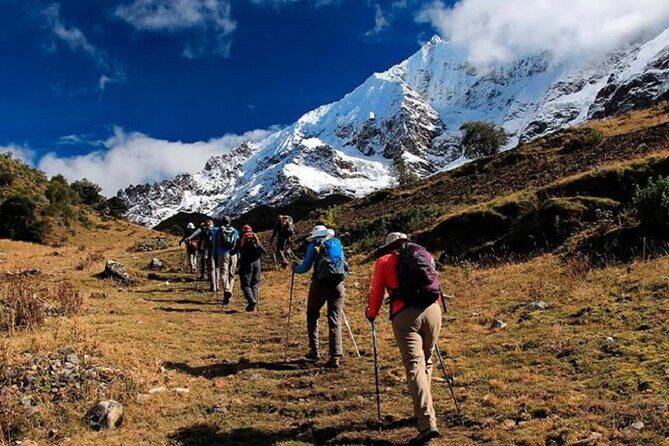
This trek works because the “camp part” is designed for recovery. You’re not just dropping into random camps and hoping for the best.
The tour includes:
- A dining tent with tables and chairs
- Foam mattresses in camp
- Porters who carry cooking and camping equipment
Some hikers describe porter effort as almost over-the-top—gear carried like it belongs in a hotel. Whether or not you think that comparison is fair, the underlying point is solid: your day stays focused on walking, not on hauling camp logistics.
Food is also part of the comfort equation. The included meals cover breakfast, lunch, and dinner across the days listed. Still, one caution from real-world experiences: a few hikers have reported stomach issues after eating camp meals, so it’s smart to pack your own backup for sensitive stomachs. Basic travel medicine and simple snack choices can help you stay confident even if you’re not feeling 100%.
Also, the first aid kit being included is a quiet reassurance. It won’t stop altitude or effort, but it does mean the provider planned for basics.
Guides and group size: why max 10 matters on a high-altitude hike
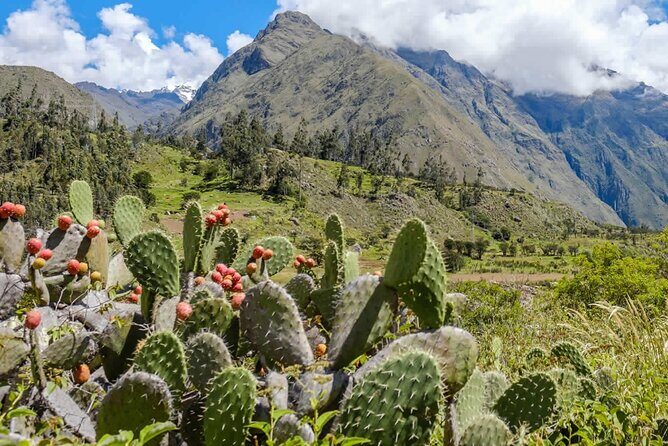
You can hike with a big group, but you can also feel like a number when things slow down. Here, the maximum group size is 10 people, which usually makes a trek easier to manage—especially on narrow trails and in the pass-area moments where the pace needs to stay flexible.
You also get a bilingual guide. That can be huge when you want the ruins explained in a way that sticks. Several named guides show up in real-world accounts—Yojhan, Zam, Percy, Mateo, and Giovany—plus supporting staff names like Fernando and Don Nicolás. The common theme across those mentions is that the guide stays on the job: keeping the group together and giving context while also staying upbeat.
This kind of guidance matters most when you’re tired. It turns “I’m trudging” into “I’m learning and still moving.”
Packing and pacing: how to survive Warmiwañusca without panicking
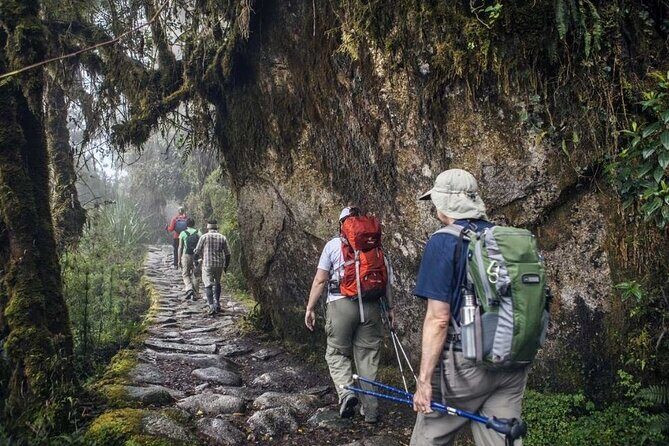
The tour data calls for moderate physical fitness, but the itinerary also makes it clear the trek is challenging. Day 2 is the toughest day, and you’re dealing with altitude at multiple points (Huayllabamba around 3,000 m, then pass area around 4,200 m).
Here’s how I’d pace and pack based on what this itinerary demands:
- Train for stair climbing if you can. It helps your legs and your breathing rhythm.
- Start slow on climbs and keep your effort steady. Altitude rewards patience more than heroics.
- Plan for long walking days: add snacks and keep water intake consistent.
- Bring electrolytes if you run low on energy when breathing feels hard.
- Pack basic stomach backup (some hikers suggest Pepto-Bismol and Imodium) so you’re not stuck scrambling for relief.
As for clothing and gear, the tour info doesn’t list packing items, so you’ll want to follow the provider’s recommended checklist when they confirm your booking. But you can count on one thing: you’ll be outdoors for hours, changing elevations, and sleeping at altitude.
Should you book this Inca Trail 4-day trek to Machu Picchu?
Book this if you want the classic Inca Trail experience with the major parts handled for you: guide, permits, camp setup, porter support, and the train back. The price makes more sense when you compare it to the cost and hassle of piecing everything together on your own. The max group size of 10 also makes the hike feel more controlled.
Don’t book it if you’re not ready for altitude and long, hard walking days. Day 2 is the obvious peak challenge around Warmiwañusca, and you need to enter with a calm pace mindset. Also plan for the fact that Machu Picchu tickets depend on availability, even though the provider includes them and states what happens if no ticket can be issued.
If you’re fit enough to handle a serious trek and you’re excited about earning Machu Picchu after multiple Inca sites, this is a strong choice.
FAQ
How long is the Inca Trail 4 Days to Machu Picchu tour?
The duration is about 4 days.
Where does the tour start from?
You’re picked up in Cusco, and you’re transported to Kilometer 82 (Piscacucho) as the trekking starting point.
What language is the tour offered in?
The tour is offered in English, and it includes a professional bilingual guide.
What does the tour include for getting to Machu Picchu and back?
You get transportation to the trail start, plus return train service from Aguas Calientes to Ollantaytambo, and transportation from Ollantaytambo back to Cusco on Day 4.
Are Machu Picchu tickets included?
Yes, Machu Picchu tickets are included, but they are subject to availability and purchased according to available circuits (corresponding to circuits 1 and 2). If no tickets are available, you receive a full refund of your tour package.
What’s included for sleeping and camp setup?
You get foam mattresses and camp support including a dining tent with tables and chairs. Porters carry cooking and camping equipment.
How many meals are included during the trek?
Meals included are breakfast (3), lunch (4), and dinner (3), based on the scheduled days.
Are there any meals that are not included?
Meals not specifically stated are not included. The information also notes that lunch in Aguas Calientes is not included.
Is the trek suitable for beginners?
The tour says travelers should have moderate physical fitness. The trek is described as challenging, especially on Day 2.
What is the group size limit?
The tour has a maximum of 10 travelers (and a minimum of 2 people is required).
What is the cancellation window for a full refund?
You can cancel up to 6 days in advance for a full refund, according to the local cut-off times.