REVIEW · CUSCO
Cusco: Tipón, Pikillacta, and Andahuaylillas Tour
Book on GetYourGuide →Operated by sayariq travel · Bookable on GetYourGuide
One look at Tipón’s water channels, and you get it. This day trip strings together Tipón’s still-working Inca hydraulic system and Andahuaylillas’ Cusco School murals in a way that feels focused, not rushed. I also like that you’re not left hungry: a light snack and water keep you going between stops. One thing to keep in mind: the schedule moves by bus, so you’ll want to be punctual at pickups and return times.
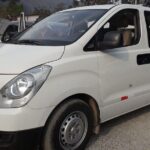
What makes this tour practical is how much it packs into one day for $18, including round-trip transport, hotel pickup from Cusco’s historic center, and a bilingual guide. I especially like the rhythm: one hour for Tipón, then two pre-planned cultural stops, and a good final finish back near the center. A minor catch: entry fees may require some cash on hand, so don’t rely on card-only habits.
The best part, in my view, is the human touch of the guidance. I’ve seen praise for guides like Isaías for passion and knowledge, and Samara for attentive care. I’ve also seen one less-ideal report about a guide named Jorge being stressed, which is a reminder that calm group management matters when the day is timed. If you like clear instructions and you show up on time, this day works well.
In This Review
- Key highlights you’ll care about
- Cusco South Valley, condensed: how the day actually flows
- Tipón’s working Inca water system: terraces, canals, and why it’s so impressive
- Pikillacta and Wari urban planning: walls, plazas, and a different kind of power
- Andahuaylillas and the Cusco School: the Sistine Chapel of America effect
- The included snack and Chuta bread from Oropesa: a small break that matters
- Pickup points, bus timing, and why punctuality counts
- Guides in Spanish/English: when passion helps and when stress shows
- What to bring: sun, bugs, camera, and cash for entry fees
- Is $18 good value for Tipón, Pikillacta, and Andahuaylillas?
- Who this tour suits best, and who should think twice
- Should you book the Cusco: Tipón, Pikillacta, and Andahuaylillas Tour?
- FAQ
- How long is the Cusco: Tipón, Pikillacta, and Andahuaylillas tour?
- How much does the tour cost?
- Where are the pickup locations in Cusco?
- Which sites does the tour visit?
- Is there a bilingual guide?
- What’s included during the tour?
- Do I need cash for anything?
- Does the tour include express security screening?
- Is free cancellation available?
Key highlights you’ll care about
- Tipón hydraulic engineering: terraces and canals that still function, not just a pretty ruin
- Wari planning at Pikillacta: a pre-Inca city layout with walls and plazas you can actually follow
- Andahuaylillas’ Cusco School art: murals and altarpieces that mix European style with Andean vision
- A Chuta bread taste break: a traditional Oropesa snack known for size and flavor
- Guided stops in English or Spanish: bilingual guide with real interpretation
- Skip-the-line style security check: an express security process to help keep the schedule sane
Cusco South Valley, condensed: how the day actually flows
This is a classic one-day “South Valley” loop around Cusco, built for people who want three big sites without planning buses on your own. You start with one of two pickup points in the historic center: Plaza Kusipata or Centro Histórico. Then you settle into coach time between locations: about 1 hour to reach the first stop, and multiple shorter transfers after that.
The overall pacing is straightforward: you get guided time where it matters, plus enough free time to look around and take photos. For me, the value isn’t just the destinations—it’s the structure. When you have limited time in Cusco, a tightly organized route saves energy and decision-making.
One thing to watch is that the tour depends on everyone syncing up. The experience quality can hinge on timing because the day is scheduled with defined return points. If you’re the type who likes a slow wander, build in a little flexibility mentally. If you like plans that keep you moving, you’ll feel right at home.
You can also read our reviews of more tours and experiences in Cusco.

Tipón’s working Inca water system: terraces, canals, and why it’s so impressive
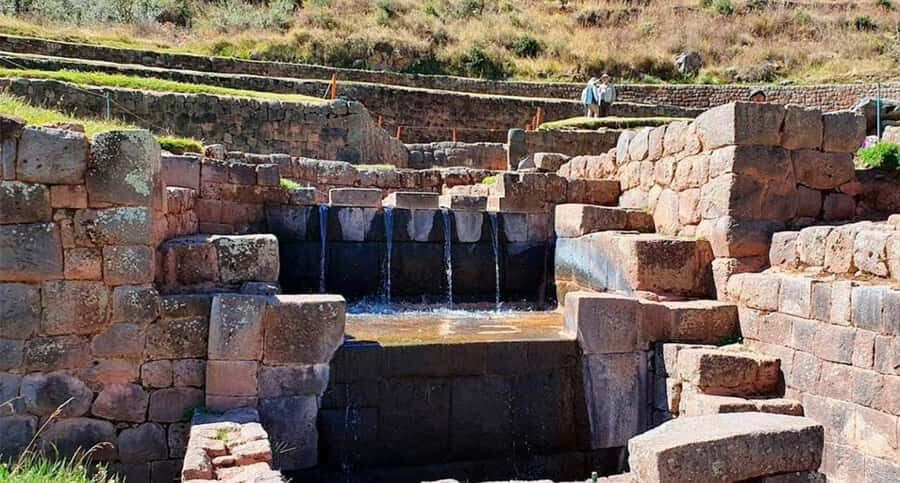
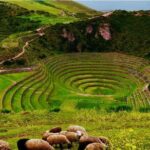
Tipón is the headliner for a reason. It’s often called the temple of water, and here you see why: the Inca engineered a hydraulic system with terraces and channels that are still in use. This isn’t just stones and views. It’s an active example of how engineering, landscape shaping, and agriculture work together.
You’ll have about one hour for the visit. I’d spend that hour in a simple way: first, look for the main channels and how the terraces guide water; then, rotate your attention between the channel lines and the stonework. The more you pay attention to how water runs, the more the place makes sense.
Practical tip: bring your camera, but also take a minute without it. The canal layout rewards patience. Quick snapshots are fine, but the real wow comes when you trace the system visually.
The tour hands you the basics for the conditions too—sunglasses and sunscreen are useful here because you’re exposed. And insect repellent is worth having, since you’ll be outside near vegetation and water sources.
Possible drawback: because Tipón is the first major stop, you’re still transitioning after the long coach ride. If you feel a little travel-stiff, plan to start with short photo pauses, then settle into a slower rhythm once you’re walking.
Pikillacta and Wari urban planning: walls, plazas, and a different kind of power
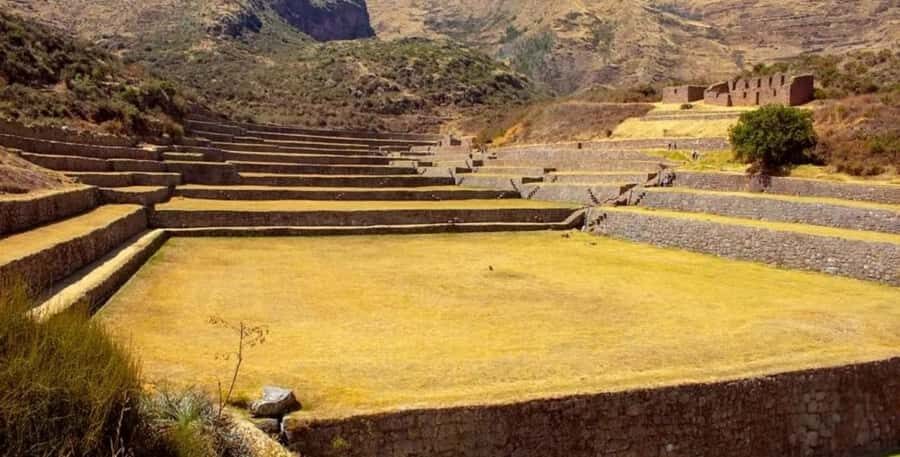
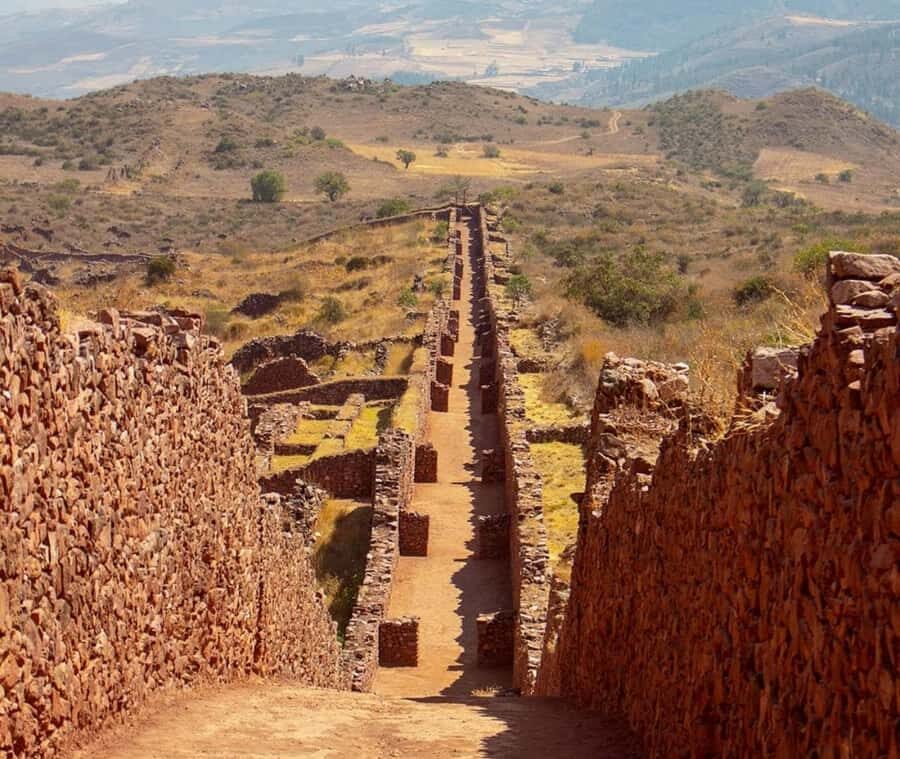
Next comes Pikillacta, a pre-Inca city planned by the Wari culture. If Tipón is about water engineering, Pikillacta is about planning—streets, walls, and plazas laid out with intention. You’ll get a guided tour of about 50 minutes, which is ideal here because the layout can feel “grid-like” until someone gives you the keys.
What I like about this stop is how it changes your perspective. Inca sites get a lot of attention in Cusco, but Wari planning adds a layer: you start to see that complex urban design existed before the Inca era as well.
For your visit, focus on two things:
1) the groupings of walls and open areas (how spaces relate), and
2) the sense of order in the city plan.
That’s what the guide helps with—connecting what you see to how a planned settlement works. If you’re a person who likes architecture and city layouts, this is one of the best stops of the day.
Potential drawback: because the stop is guided and timed, you might want a little extra time if you’re the slow, detail-photo type. In that case, your strategy is to ask the guide one quick question early and then use the remaining time to re-check what you were told.
Andahuaylillas and the Cusco School: the Sistine Chapel of America effect
Then you shift from ancient planning to a colonial-era spectacle. Andahuaylillas is known as the Sistine Chapel of America, mainly for the murals and altarpieces inside the church. Your guided time is about 50 minutes, which is plenty if you approach it the right way.
Here’s what makes it memorable: the murals and altarpieces are linked to the Cusco School, where European art style and Andean vision come together. You’re not just looking at paint on walls—you’re looking at a cultural blend. The guide’s job is to point out what’s European in the composition and what looks Andean in the details and interpretation.
My advice: don’t rush straight to the biggest mural. Pause once to get your bearings in the space, then let your eyes work from top-to-bottom or one panel at a time. Murals can be visually loud, so a slow scan prevents you from missing the real patterns.
Possible drawback: because this stop is interior and rule-based, the group can feel more constrained than at Tipón or Pikillacta. If you’re sensitive to crowds or limited movement, arrive with patience and expect a slightly tighter setup.
The included snack and Chuta bread from Oropesa: a small break that matters
This tour includes a light snack and a bottle of water during the day. That might sound minor, but it’s a big deal in practice. Bus time plus walking time plus guided stops can drain energy, and a small food reset helps you enjoy the sights instead of counting down to hunger.
The snack highlight is Chuta bread from Oropesa, known for its size, flavor, and ancestral preparation technique. You’ll want to treat this like an actual tasting, not just something to eat while you move. Take a moment, try a bite, and notice the texture and flavor. It’s a way the tour connects food culture to the region’s identity.
Important practical note: lunch is not part of the included deal. One of the guides may focus on getting you through the route; you should focus on feeding yourself too. If you need a full meal, plan accordingly before the tour or bring extra snacks you can buy along the way (cash helps).



Pickup points, bus timing, and why punctuality counts
Logistics are part of the experience here, whether you love them or not. You have two pickup options in Cusco’s historic area: Plaza Kusipata and Centro Histórico. After that, the day is built around multiple coach legs—roughly 1 hour before Tipón, 30 minutes after, then 45 minutes and 1 hour for later transfers.
That structure is efficient, but it also means the tour can feel “schedule-minded.” A good guide will keep people aligned. One report praised a guide’s organization and knowledge, while another mentioned transport confusion that the team handled by finding alternatives. Translation: this tour can run smoothly, but you should still show up early and confirm you have the right pickup point.
Also, there’s an express security check included, which helps the day avoid unnecessary waiting. That’s one of those small extras that make a difference when you have tight time blocks.
My practical advice:
- Be at your pickup point a bit early.
- Keep your phone charged and your cash accessible.
- Don’t treat return times like suggestions.
Guides in Spanish/English: when passion helps and when stress shows
You get a bilingual professional guide in Spanish/English, plus a first aid kit on hand. That matters because it’s easier to understand what you’re seeing, and first aid gives peace of mind when you’re outdoors for long hours.
The strongest positive signals from experience reports are about the guide’s readiness and passion. Isaías was specifically praised for being passionate and doing the job well. Another report mentioned Samara with positive attention to care. Those details matter because you don’t just need facts—you need someone to translate what you’re looking at into something you can actually appreciate.
On the other hand, one report criticized a guide named Jorge for stress during ticketing and timing issues, and for not ending the day calmly. That’s not the norm you want to gamble on, but it’s a real reminder: group experiences are human. You can’t control everything, but you can control your role—show up on time, follow instructions, and you’ll reduce the chances your day gets dragged down by avoidable chaos.
What to bring: sun, bugs, camera, and cash for entry fees
This tour is outdoor-heavy at Tipón and partly exposed around the route, so pack like you’re going to be in the sun. The recommended items are clear:
- sunglasses
- camera
- sunscreen
- insect repellent
- cash
The cash item is especially important because the instructions specifically say to have cash on hand for entry fees and personal expenses. That means you should expect some costs at the sites that aren’t handled by the tour inclusions.
If you’re the type to overpack, you can still keep it simple:
- sunscreen + sunglasses do most of the work for comfort
- repellent keeps minor bites from becoming major annoyance
- cash avoids last-minute stress at the gate
Is $18 good value for Tipón, Pikillacta, and Andahuaylillas?
At $18 per person for a one-day route, this price is mostly a value play on organization. You’re paying for round-trip tourist transport, hotel pickup from the historic center, bilingual guided interpretation, and included water plus a light snack.
Here’s the value math that makes sense from a traveler viewpoint:
- Three major stops in one day reduces your own transport and planning effort.
- Guided time at each site gives you meaning, not just photos.
- Express security check reduces schedule friction.
- Included water and snack keep the day from feeling like a constant scramble.
What could affect your total cost: entry fees. Since you’re told to bring cash for entry fees, assume you’ll pay some site costs on top of the tour price.
In other words, the tour fee is a bargain for the structure and guide time. Just don’t assume it covers everything at the gates.
Who this tour suits best, and who should think twice
I think this tour is a great fit if:
- you’re short on time in Cusco and want three well-known sites
- you prefer a guided route over figuring out transport and entrances yourself
- you like a day that’s active but still managed, with clear stop times and snack support
I’d think twice if:
- you get frustrated when schedules depend on punctuality
- you’re sensitive to buses or crowds in interior stops
- you need lots of extra free time at each attraction beyond the guided blocks
It’s not a bad tour for independent travelers. But it is a tour with a pace. If you love wandering without a clock, you might find it too structured.
Should you book the Cusco: Tipón, Pikillacta, and Andahuaylillas Tour?
If you want a solid one-day overview of Cusco’s South Valley—Tipón’s working water design, Wari-era planning at Pikillacta, and Andahuaylillas’ Cusco School murals—this is a strong option. The price is low enough to feel like a smart deal, and the included guide plus water/snack reduces common day-trip problems.
Before you book, do two things:
- Plan for entry fees by bringing the cash you’re asked to carry.
- Decide you’re okay with a schedule. If you commit to punctuality, the route should feel efficient and rewarding.
If you’re the type who wants your Cusco days to run with less stress and more meaning, this one deserves your spot on the calendar.
FAQ
How long is the Cusco: Tipón, Pikillacta, and Andahuaylillas tour?
The tour lasts 1 day.
How much does the tour cost?
The price is listed as $18 per person.
Where are the pickup locations in Cusco?
Pickup is available at Plaza Kusipata (Centro Histórico area) or Centro Histórico.
Which sites does the tour visit?
You’ll visit Tipón, Pikillacta, and Andahuaylillas.
Is there a bilingual guide?
Yes. The guide is bilingual in English and Spanish.
What’s included during the tour?
Included items are round-trip tourist transport, hotel pickup from Cusco’s historic center, a bilingual professional guide, a bottle of water, and a first aid kit. A light snack is also included.
Do I need cash for anything?
Yes. You should have cash on hand for entry fees and personal expenses.
Does the tour include express security screening?
Yes. It includes an express security check.
Is free cancellation available?
Yes. You can cancel up to 24 hours in advance for a full refund.