REVIEW · CUSCO
Inca Trail to Machu Picchu 4 Days – Small Group / Reservations 2026
Book on Viator →Operated by Incredible Peru Tours · Bookable on Viator
The Inca Trail is famous for a reason. You walk through real Inca spaces on scheduled, official trail sections, then you’re at Machu Picchu early enough to feel the place before the crowds. This 4-day small-group setup keeps things organized without turning it into a factory line, and the day-4 plan is built around a dramatic first look from Sun Gate/Inti Punku.
I especially like how much is handled for you: pickup, permits, porters, meals, and your camp setup. I also like the pacing and structure on the big days, with early starts, rest stops, and scheduled time for viewpoints and photos—plus a guide who explains what you’re seeing rather than just pointing. My one main consideration: you’ll be at high altitude and doing real climbs on multiple days, including Dead Woman’s Pass, so this is best if you have at least moderate fitness and you come prepared for cold, thin-air mornings.
In This Review
- Key things that make this tour worth your time
- Cusco pickup to km 82 check-in: start calm, not chaotic
- Day 1: easy walking, first bridges, and Patallacta’s agricultural terraces
- Day 2: Dead Woman’s Pass, thin air, and the view payoff
- Day 3: Runkuracay and Sayacmarca to Chaquicocha, then paved steps into Wiñay Wayna
- Day 4: Sun Gate at 7:00 am, a guided Machu Picchu circuit, and Huayna Picchu if you want more steps
- Price and logistics: what $860 buys you on the Inca Trail
- What to pack (and what to rent) so Day 2 doesn’t surprise you
- Who this Inca Trail small-group tour is best for
- Should you book the 2026 Inca Trail to Machu Picchu?
- FAQ
- What time do you start on the first day?
- How big is the group?
- Are meals included on the trek?
- Do I need to bring my passport?
- Is Huayna Picchu included?
- Is camping gear included?
- How do you get back to Cusco after Machu Picchu?
Key things that make this tour worth your time
- Small group max 8: quieter trail experience and more personal attention when you need it.
- Official control points and permits: you start at km 82 with document checks, then you stay on the sanctioned route.
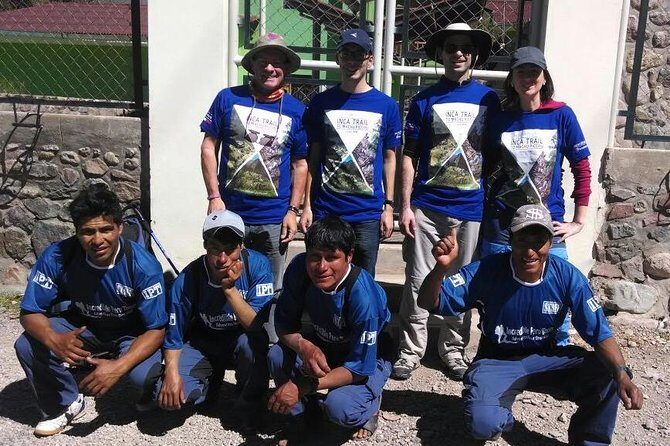
- Team support you can feel: native Quechua porters carry camping equipment, and there’s personal porter help for up to 7 kilos.
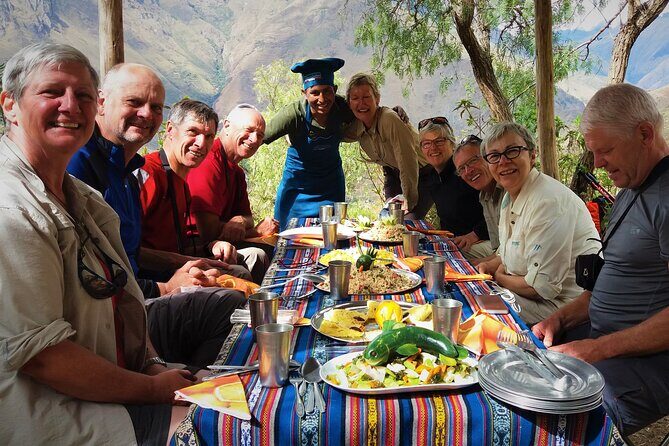
- Meal-and-camp comfort included: tent setup, Thermarest mat, pillow, hot drinks, and a proper dining tent at night.
- Machu Picchu early access plan: wake up at 4:00 am, be at the zone control post, and arrive first for the guided visit.
- Huayna Picchu is optional: not included, but you can add it for an extra fee if you want the climb.
Cusco pickup to km 82 check-in: start calm, not chaotic
Your day begins early. A pickup happens at 6:00 am from your hotel in Cusco, and they’ll also pick you up if you’re staying in the Sacred Valley. Before you leave, make sure you have your original passport. If you’re a student, bring your valid student ID too.
Then it’s the bus ride into the Sacred Valley. The drive is about 3.5 hours to the Piscacucho area (km 82), with scenic stops along the way—Urubamba River views, Andean towns, and a glimpse of the Inca Fortress of Ollantaytambo. There’s a last stop in Ollantaytambo for quick supplies and toilets, which matters because you won’t have the same convenience once you’re walking.
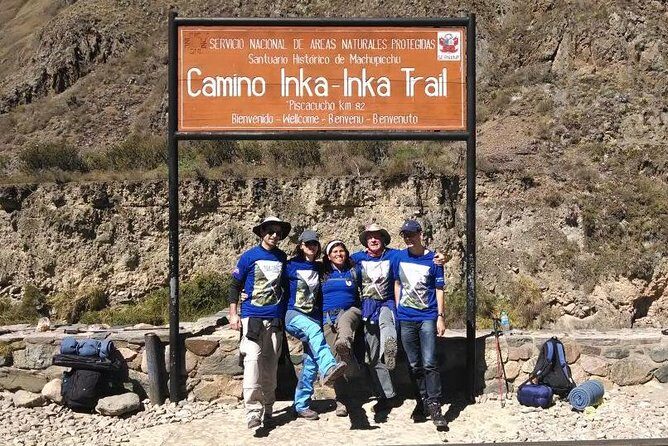
At km 82 (Piscacucho Estación de Tren), you meet the full team: your group, the porters, and the cook. This is also where the official paperwork is handled. You’ll present permits, entrance tickets, and passports at the first control post. After that, you start your trek with support—Quechua porters carrying camping equipment while you focus on walking.
One more practical note: there’s a meeting and preparation talk with your guide in Cusco the day before. That helps you get your bearings fast—especially useful when you’re packing for altitude and cold.
You can also read our reviews of more tours and experiences in Cusco
Day 1: easy walking, first bridges, and Patallacta’s agricultural terraces
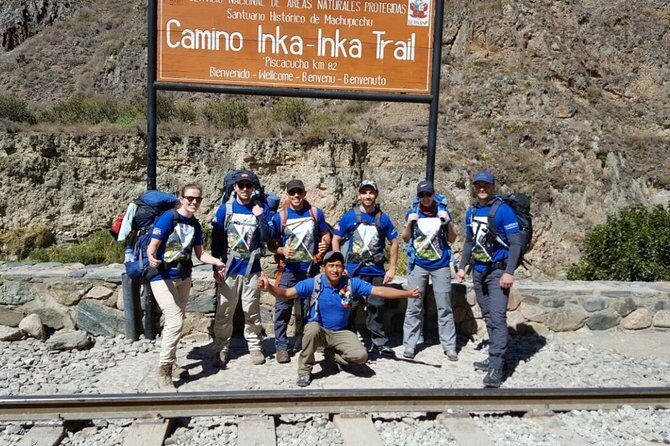
Day 1 is designed as a warm-up day. When you first start walking, the route begins with a slight climb, but it’s still manageable. You cross a suspension bridge over the Urubamba River early on, and that gives you a classic Inca Trail feel right away—movement, height, and river views.
The first main walking stretch takes about 2 hours toward Miskay, generally following the river with relatively flat terrain. You arrive around midday, and lunch is served there—prepared by the cook and handled by the staff. For many people, the first real relief of the Inca Trail isn’t the views. It’s the fact that your food shows up on schedule, hot and ready.
After lunch you continue to Patallacta, an ancient Inca town with agricultural terraces. This is a great moment to slow down mentally. Terraces aren’t just “old rocks.” They’re part of how the Inca managed farming on steep ground, and you’ll see that logic everywhere on the trail if you pay attention.
From Patallacta you keep walking for another two hours. This is also where the views tend to sharpen—snowy peaks like Wakay Willka (known today as Veronica) and the Urubamba region that sits between Andean highlands and the jungle influence. You’ll reach Wayllabamba around 5:00 pm, where you set up camp.
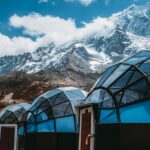
That evening is comfort-focused: tea time with hot drinks and snacks, dinner when it’s ready, and a night in camp. Your tent setup is part of what you’re paying for here—high-quality sleeping tents used by two people each, plus a Thermarest inflatable mat and a travel pillow delivered at the start.
Day 2: Dead Woman’s Pass, thin air, and the view payoff
Day 2 is the day you feel in your legs. It’s often described as the most difficult day, and the plan backs that up. You wake up with coca tea brought to your tent around breakfast time. Then you start walking at about 7:00 am from Wayllabamba.
The big climb begins. You walk roughly 4 hours to Llulluchapampa, with the first 2 hours uphill. You also get a nice nature bonus here: birds like hummingbirds, hawks, and eagles, plus shifting vegetation as you move through cloud forest. There are areas described as straw meadows too, which gives the route texture rather than just steep dirt.
After Llulluchapampa, you still have a hard climb left. Another 2 hours takes you to the highest point: Warmiwañusca Pass (Dead Woman’s Pass), around 4,200 meters. When you reach it, you get a rest stop built for photos and breathing. But don’t treat it like a postcard moment only. Temperatures can drop fast at altitude, so have your warm layer ready. A coat and hat on hand is a smart move.
From there, the route changes character. You descend toward the Pacaymayo Valley campsite, and the itinerary describes about two hours of pure descent on slopes before you reach the river area and lunch. After lunch, you get real rest time—tea time again in the late afternoon, dinner at night, then sleep.
In practical terms, the value of this day isn’t only the famous pass name. It’s the support structure: the guide and porters help you pace it, and the camp day is planned so you’re not scrambling for food or shelter when you’re tired.
Day 3: Runkuracay and Sayacmarca to Chaquicocha, then paved steps into Wiñay Wayna
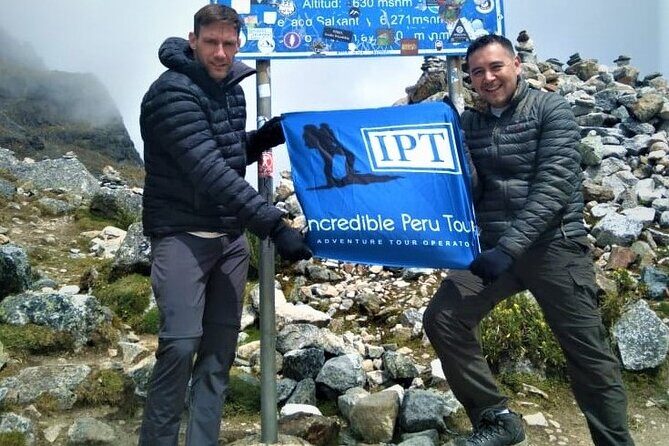
Day 3 begins with hot tea again around 6:00 am, then breakfast with the group. You leave camp at about 7:00 am, and the day mixes climbs with ruins and forest walks.
First stop is the area around Runkuracay Pass. You ascend for about 2 hours, with a visit to Runkuracay, a circular Inca archaeological site. Expect a guided explanation here, not just “look around.” After Runkuracay, you see two small lagoons on the way, then reach the Runkuracay Pass at around 4,000 meters.
Then comes a satisfying descent toward Sayacmarca, described as “inaccessible” in its meaning because it’s positioned among rocky cliffs. You get a guided tour at 3,497 meters, then continue walking toward Chaquicocha.
Chaquicocha is where your day becomes more break-friendly. You arrive for lunch, plus rest time and the option of restrooms. After lunch, you move through cloud forest that’s rich in orchids, hanging moss, bromeliads, and ferns. You’ll also pass through a tunnel carved into the mountain—one of those moments where it hits you that this was built for movement and function, not tourism.
The day has a second “third pass” moment around 3,700 meters, then you descend along paved stonework. You’ll find Phuyupatamarca (Village above the clouds), then continue down stone staircases toward Intipata, where terraces and water channels show how the Inca used this land. By around 5:00 pm, you reach the last official campsite: Wiñay Wayna.
Wiñay Wayna is popular because it’s close to Machu Picchu, but the more important part is what you do there. You settle in, have tea and snacks, and your guide gives you valuable info for the next morning. There’s also a tradition described here: a small ceremony during the last dinner to thank the porters and introduce the team. It’s a simple gesture, but it gives the day a more human feel—and it’s part of why the whole trail experience works when the team is doing their job smoothly.
Day 4: Sun Gate at 7:00 am, a guided Machu Picchu circuit, and Huayna Picchu if you want more steps
Day 4 is the “real arrival” day. You wake at 4:00 am, have breakfast around 4:30 am, and then you say goodbye to the cook and porters. After breakfast, you go toward the zone control post and wait for the gates to open at 5:30 am, aiming to be among the first to enter.
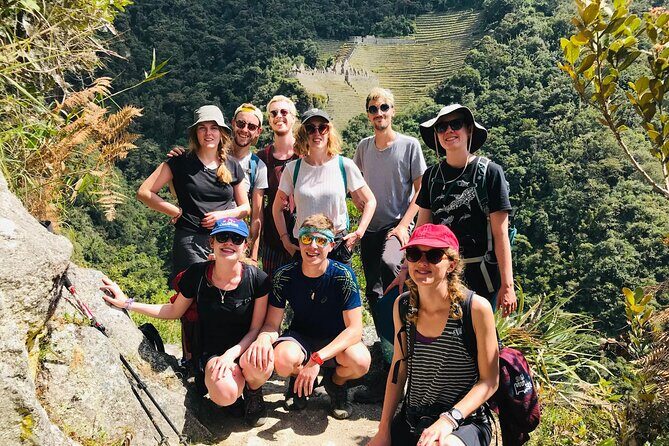
The first walking segment is flat, then you climb. From Wiñay Wayna to Inti Punku (Sun Gate) is about 1 hour and 20 minutes, along a narrow route through leafy cloud forest, with giant ferns mentioned along the way. After that, there’s an almost vertical climb of about 50 steps to Inti Punku.
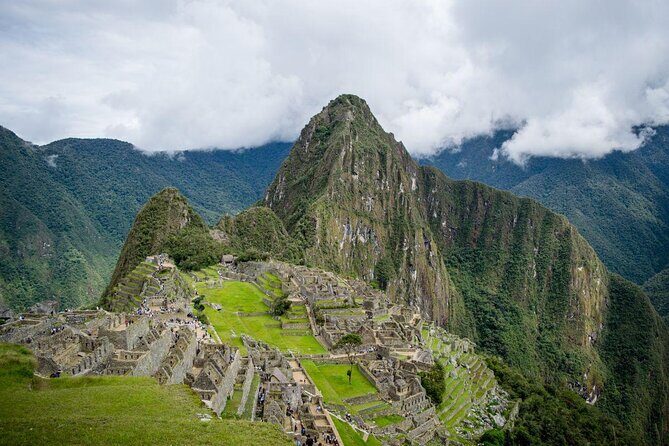
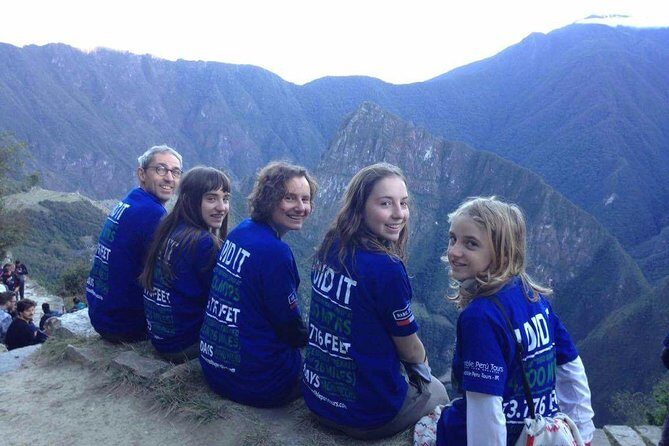
You arrive around 7:00 am and get your first big panoramic look: Machu Picchu plus surrounding mountains. This viewpoint is where the day goes from “trekking” to “standing in the moment.” You get time for photos and a short break before heading down.
From Inti Punku, you walk downhill for about 40 minutes to Machu Picchu. As you get closer, the views keep improving, and the route is planned so you’ll have time to capture the classic postcard perspective from multiple angles.
Next is registration at the final control post, then a guided tour of Machu Picchu for about 2 hours. The tour uses Circuit 1 and Circuit 3, which is helpful if you want a structured way to see major sections without guessing where to go first. After the guide, you have free time for photos and exploring at your pace.
If you added it, this is also where Huayna Picchu fits in. Around 10:30 am, you can climb with a guide to the top of Huayna Picchu. The itinerary gives the climb as about 1 hour, with time at the top for panoramic views, then descent back to Machu Picchu. Ticket access for Huayna Picchu is not included in the base price, and you must request it in advance for an extra $70 per person.
Later, you head to Aguas Calientes. You arrive around 1:00 pm, have lunch included at a restaurant, and you can choose to explore the town or visit thermal baths. Around 6:00 pm, you board the return train to Ollantaytambo, arriving around 7:50 pm. Staff then transfer you by tourist bus back to Cusco, arriving around 10:00 pm.
Price and logistics: what $860 buys you on the Inca Trail
At $860 per person, the standout value isn’t just “you get to walk to Machu Picchu.” It’s how much of the hard work is bundled into the price.
Here’s what you’re paying for, in real-world terms:
- Small-group care: maximum 8 people means less waiting and more guide attention.
- Porter power, properly used: you get personal porter service for up to 7 kilos, plus additional porters carrying tents, tables, chairs, kitchen equipment, and other camping needs.
- Camp comfort that actually helps: you get a bedroom tent setup for two, a Thermarest mat, and a delivered travel pillow. The dining tent is equipped with field tables, portable chairs, and a gas lamp for night comfort.
- Food logistics solved: you get 3 breakfasts, 4 lunches, 3 tea times, and 3 dinners. Vegetarian, vegan, and special diet meals are prepared based on request.
- Safety essentials: a first aid kit and emergency oxygen balloon carried by the guide are included.
- Key tickets and guided time: Inca Trail tickets and Machu Picchu Citadel tickets are included, as well as the Machu Picchu guided tour (Circuit 1 and Circuit 3).
This is also why the “hidden” costs are limited. You’re still responsible for basics like personal backpack choices, clothing, and shoes. But core trek operations—food, camp, and entry—are taken care of.
Two practical costs to plan for:
- Huayna Picchu is extra at $70 per person if you want it.
- A sleeping bag and walking sticks are not included, but you can rent them in the office up to 1 day before the tour.
What to pack (and what to rent) so Day 2 doesn’t surprise you
Your route crosses major altitude changes—Wayllabamba and Wiñay Wayna sit high, and passes climb to around 4,200 meters at Dead Woman’s Pass. That means your clothing needs to handle sun, wind, and cold morning air.
Based on what this tour provides, I’d plan this way:
- Bring layers that you can put on quickly at the pass. The itinerary specifically warns you to have a coat and hat for the cold at Dead Woman’s Pass.
- Pack for light walking, but also for weather. A rain poncho is included as a gift, which helps.
- Don’t assume you’ll have perfect gear for sleeping. The tour gives you the mat and pillow, but you’ll still need a sleeping bag (rent it at the office up to a day before, if you don’t have one).
- Walking sticks aren’t included, but they’re available for rental at the same time window.
Also, you’ll start with luggage storage in the Cusco office while you walk, which helps you travel lighter without leaving everything behind at your hotel.
Who this Inca Trail small-group tour is best for
This is a solid match if you want:
- A guided, structured Inca Trail experience with official checkpoints and interpretation.
- A calmer group environment (max 8), especially if you like moving at a steady pace with fewer bottlenecks.
- Camp comfort that makes high-altitude nights more manageable.
It’s less ideal if you have zero flexibility with altitude climbs or you don’t handle early mornings well. Day 2 and the early Day 4 start are real. You don’t just “walk.” You climb, descend, and do it again—then you still have a guided Machu Picchu day waiting.
One more fit detail: the itinerary notes moderate physical fitness. If you’re unsure, it’s worth being honest about your recent hiking routine. This tour gives support, but the mountains still do what mountains do.
Should you book the 2026 Inca Trail to Machu Picchu?
I’d book this tour if you want the core Inca Trail experience with fewer logistic headaches and more comfort built into the trek. The combination of small-group size, all-inclusive meals, porter support, camp gear, and an early Machu Picchu arrival plan is exactly what turns a famous route into a smooth memory instead of a constant problem-solving session.
I’d think twice if you’re only interested in a light stroll. Day 2’s climb to Warmiwañusca/Dead Woman’s Pass is demanding, and Day 4 requires an early wake-up and steady walking to Sun Gate and then down into Machu Picchu.
If you can hike moderately and you’re excited for sunrise views and guided interpretation at both the Inca Trail ruins and Machu Picchu, this is a strong 2026 choice.
FAQ
What time do you start on the first day?
Pickup happens at 6:00 am in Cusco (and also from the Sacred Valley if needed), and the tour begins then with transport to km 82 for the trek start.
How big is the group?
This is a small group with a maximum of 8 travelers.
Are meals included on the trek?
Yes. Meals are included with 3 breakfasts, 4 lunches, 3 tea hours, and 3 dinners. Vegetarian, vegan, and special diet meals are prepared based on your request.
Do I need to bring my passport?
Yes. You should bring your original passport for the start and permit/control checkpoints. Students should also bring a valid student ID.
Is Huayna Picchu included?
No. The Huayna Picchu ticket is not included. If you want to visit it, you must request it in advance for an additional $70 per person.
Is camping gear included?
You’ll get a high-quality bedroom tent (used by two people for more comfort), plus a Thermarest inflatable mat and a travel pillow. A sleeping bag and walking sticks are not included, but you can rent them in the office up to 1 day before the tour.
How do you get back to Cusco after Machu Picchu?
After lunch in Aguas Calientes, you take the return train to Ollantaytambo and then a tourist bus back to Cusco, arriving around 10:00 pm.