REVIEW · CUSCO
Traditional Sacred Valley
Book on Viator →Operated by Machupicchu By Car Vip by Midestino.pe · Bookable on Viator
This is a full day of Inca sites. The Sacred Valley hits fast, starting with big views and moving right into Pisac’s ruins and Urubamba’s market scene. I like that the pacing gives you both context and time to wander, not just a rush to check boxes. You’ll also get a buffet lunch stop in Urubamba, which keeps the day sane. One possible drawback: you’re out for about 11 hours, and you’ll do a guided hike portion at Pisac, so plan for walking.
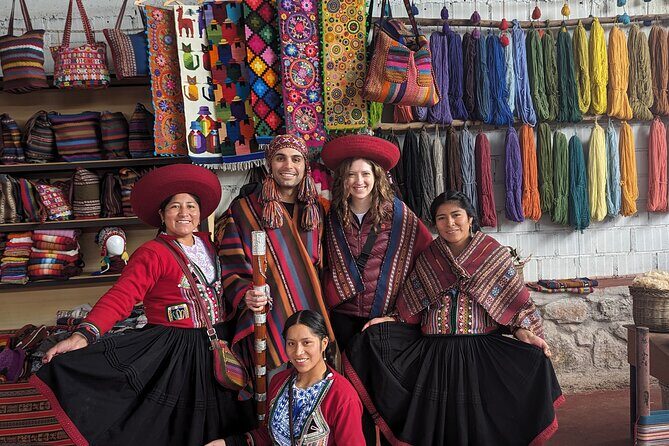
If you care about how the Inca landscape connected to daily life, you’ll enjoy this. Pisac isn’t just stones on a hill. You’ll see temples, residences, altars, canals, carvings, tunnels, and caves, and you get to focus on the famous Intihuatana at the site (people call it La picota del Sol). The most praised extra is the handmade textiles component, where the craft is explained in a way that tends to land well with visitors. The other thing to watch: tourist tickets aren’t included, so add that cost on top if you plan to enter every site.
In This Review
- Key highlights at a glance
- From Cusco to the Sacred Valley: the long ride with real altitude payoff
- What to consider
- Pisac market first, then a guided hike to the citadel
- Traditional market: souvenirs and local rhythms
- Ruins of Pisac: temples, tunnels, caves, and Intihuatana
- My practical take
- Urubamba buffet lunch: the stop that saves the day
- What I’d do
- Ollantaytambo: perfectly cut stone, terraces, stairs, and water
- The human layer
- Timing note
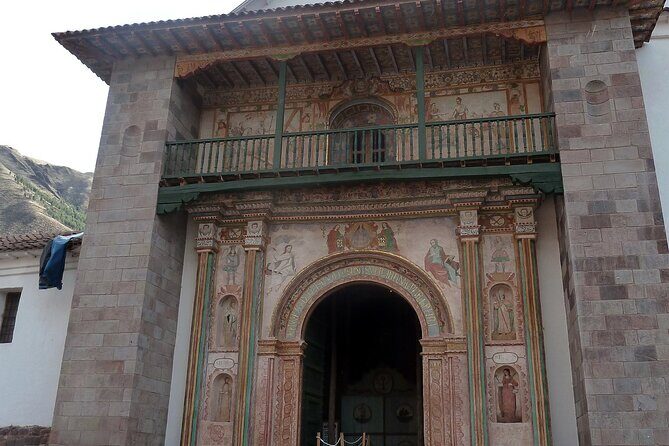
- Chincheros church and the archaeological site on the return to Cusco
- One caution
- Price and value: what $51.29 gets you and what it doesn’t
- Who gets the best value
- Group size, English, and how the day feels
- Weather matters
- Should you book this Traditional Sacred Valley tour?
- FAQ
- FAQ
- Where does the tour start?
- How does pickup work?
- Where does the tour end?
- How long is the tour?
- What’s included in the price?
- Are entrance tickets included?
- Do I need dinner planned?
- What language is the tour in?
- How big is the group?
- What happens if the weather is bad?
- Is it refundable if I cancel?
Key highlights at a glance
- Pisac ruins with Intihuatana focus: a guided hike through temples, canals, caves, and carved areas, plus La picota del Sol.
- Flexible market time in Pisac: you can tell your guide you want more market time and arrange where to meet up again.
- Urubamba buffet lunch: a proper sit-down meal between archaeology stops.
- Ollantaytambo’s engineered stone and water features: big carved blocks, terraces, stairs, and fountains around the sacred valleys.
- Chincheros church and archaeological site: a quick final cultural stop before you head back to Cusco.
From Cusco to the Sacred Valley: the long ride with real altitude payoff
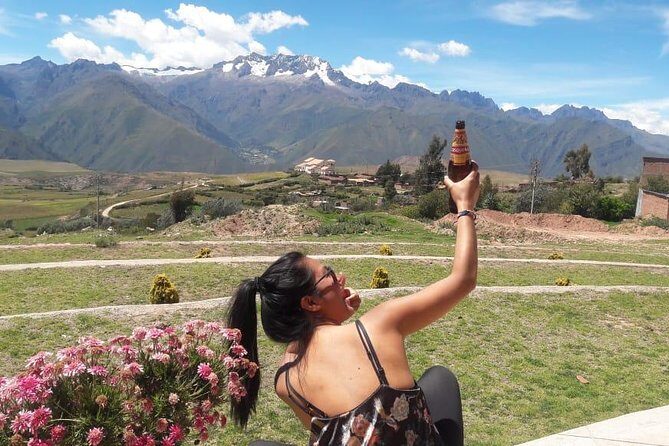
This tour starts early. You meet at Plaza de Armas de Cusco at 8:00 am, or you can coordinate pickup at your hotel/hostel if you share your address. If you prefer meeting in town, there’s also the option to meet at the water fountain in the middle of the main square area. Either way, you’ll be on a tourist bus and you’ll head through the mountains toward the Sacred Valley.
A key detail here is the altitude shift. The route drops about 2,800 meters down to the valley floor near the Urubamba River and Pisac. That’s not just trivia. That descent often changes the feel of the day. Higher, colder air can make walking feel harder. Dropping to valley elevations can make it easier to enjoy the ruins and the market without constantly fighting the cold or fatigue.
The day is guided from start to finish. You’re not just dropped at stops with a map. The bus ride also helps you avoid the stress of figuring out connections on your own, especially if it’s your first time in the Cusco area.
You can also read our reviews of more tours and experiences in Cusco.


What to consider
It’s still a long day. Plan for motion sickness if you’re sensitive on mountain roads. Bring a light layer. Even when the valley feels warmer, weather can shift quickly in the Andes.
Pisac market first, then a guided hike to the citadel
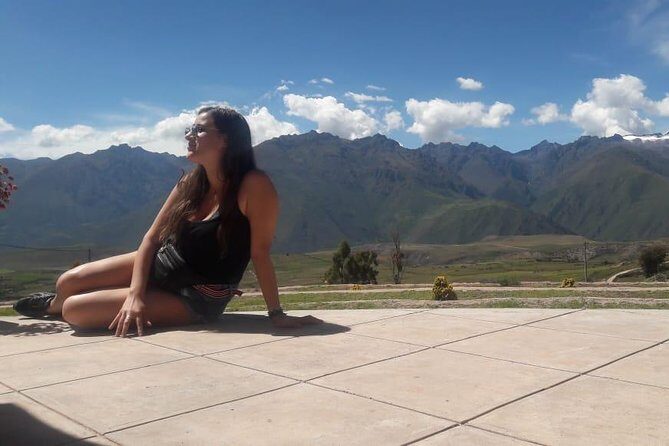
Pisac is where this tour makes its biggest first impression. After descending into the Sacred Valley, you’ll head to Pisac and do two things in sequence: a traditional market and the ruins.
Traditional market: souvenirs and local rhythms
You’ll visit the market area where you can buy local souvenirs. This is a good moment to orient yourself. You’ll see textiles, crafts, and everyday items in a setting that feels like a real place, not a staged shopping stop. It also helps you slow down and notice how the community organizes its day.
There’s also a helpful option built into the experience. If you’d rather spend more time in the market than visit the ruins right away, tell your guide. They can organize your time and let you know where and when to meet again when you return through the market. That’s smart, because Pisac can be the kind of place where you either rush or lose track of time.
Ruins of Pisac: temples, tunnels, caves, and Intihuatana
After the market, you’ll explore the extensive Inca ruins of Pisac with a guided hike to the Citadel of Pisac. This isn’t presented as a quick viewpoint stop. The guide helps you understand the site as a network of functional spaces. You’ll be shown temples, residences, altars, and practical features like canals and water-related elements. Expect carved areas, tunnels, and caves too.
The highlight for many people is the Intihuatana, described in the tour as La picota del Sol. This element is tied to Inca astronomical and ceremonial life, so it’s a focal point rather than just another corner of the ruins.




My practical take
Pisac works best when you’re open to moving at a guided pace. The hike is part of what makes the site feel alive. If you prefer totally flat walking, you may find the citadel route demanding. Still, since this is a day trip tour with a guide, you’re not left to guess your way around.
Also, remember that “not included” often means “you might pay on the ground.” The tour specifies tourist tickets are not included, so plan for site entry fees if they apply during your visit.
Urubamba buffet lunch: the stop that saves the day
After Pisac, you’ll continue to Urubamba. This is where you’ll taste the buffet lunch included in the price.
For a day like this, lunch isn’t just food. It’s your energy checkpoint. The itinerary stacks multiple major stops: market, ruins hike, then more archaeology and big stone architecture later. A buffet gives you flexibility. You can eat what you like, refill quickly, and keep going without spending the afternoon hunting for the right restaurant.
What I’d do
Eat earlier rather than later once lunch starts. You don’t want a full-length meal to steal time from Ollantaytambo.
Ollantaytambo: perfectly cut stone, terraces, stairs, and water
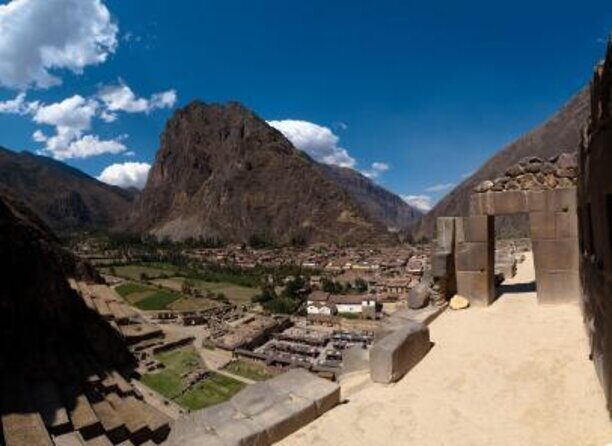
Next up is Ollantaytambo, set against sacred mountains and surrounded by valleys named Patacancha and Willoq Valley. This is one of those places where the engineering grabs you even if you’re not deep into archaeology.
You’ll rediscover the magnificence of Inca constructions. The guide points out the temple of the incredible sun, plus huge blocks of stone that were carved and polished with precision. Even if you’ve seen Inca masonry before, the scale here tends to feel more intense because you’re walking through the site’s layout, not just looking at it from a distance.
You’ll also see practical architectural elements: water fountains, stairs, and terraces. Inca design often blends ritual and daily logistics. Here, the water features and the stepped layout help you understand how the site functioned in real life.
The human layer
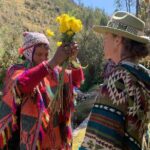
Another value in this stop is the presence of local life in traditional dress. The tour notes the beauty of the local population in their costumes. That matters, because you’re not only studying stone. You’re seeing how this region still carries its identity.
Timing note
Ollantaytambo is a big stop, but the day is still moving. That means you should expect a guided experience rather than unlimited wandering. If you love photos, try to use breaks between guided points to capture views before the group moves on.
Chincheros church and the archaeological site on the return to Cusco
After Ollantaytambo, you’ll return and do a quick visit to the famous church and the archaeological site of Chincheros. This is shorter than Pisac or Ollantaytambo, but it adds variety. It also keeps the day from being only ruins and more ruins.
By this point, you’ll probably feel the day in your legs and your attention span. That’s normal. Treat this stop like a cultural palate cleanser: a moment to switch gears from major Inca architecture to a different kind of historic presence.
You’ll arrive back in Cusco at about 7:00 pm. The tour ends at Plaza San Francisco, which is roughly five minutes from the main square, making it easier to get back to where you want to be without scrambling.
One caution
The tour does not include return to your hotel/hostel in Cusco. That’s common on group tours, and it can affect your evening plans. If you’re staying far from San Francisco square, you’ll want to plan transport after the tour ends.
Price and value: what $51.29 gets you and what it doesn’t
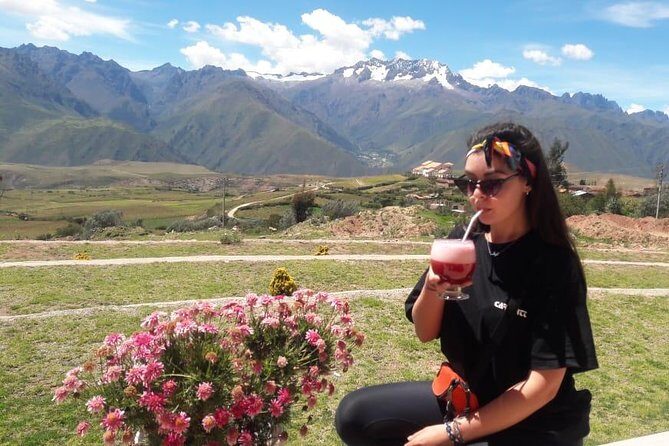
At $51.29 per person, this is priced as a budget-friendly day trip that still includes the things that usually cost money and time: a touristic bus, a professional guide, and a buffet lunch.
Here’s the value math that matters:
- You’re paying for transport plus a guided route through multiple stops. That’s often where independent travel costs pile up.
- Lunch is included, so you don’t have to stop for a sit-down meal and lose time.
- Group size is kept to a maximum of 15 travelers, which usually means less feeling like you’re part of a parade.
Now for the “watch this” list:
- Tourist tickets are not included. Some sites may require paid entry. Factor that into your overall budget.
- Dinner is not included. Since you end around 7 pm, you’ll want a plan for food after you’re back in Cusco.
Who gets the best value
This is a strong deal if you want structure and guidance for a one-day introduction to the Sacred Valley. If you already know you’ll want lots of extra entrance fees and you plan to linger on your own, the total day cost could rise, but you’ll still likely come out ahead versus organizing everything from scratch.
Group size, English, and how the day feels
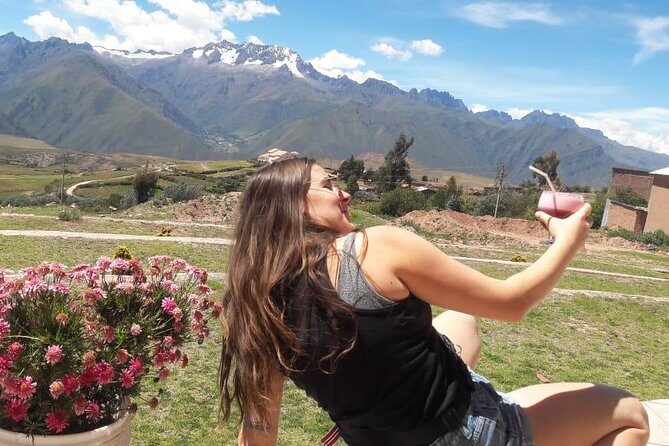
This tour runs in English and has a maximum of 15 travelers. That’s a sweet spot. It’s large enough to be comfortable in a bus group, but small enough that you can still hear the guide and ask questions.
Most travelers can participate, but the itinerary includes a guided hike portion at Pisac. So I’d treat this as a walking day. You don’t need to be an athlete, but you should be ready for uneven ground and time spent on your feet.
Weather matters
The experience requires good weather. If it’s canceled due to poor weather, you’re offered a different date or a full refund. Since the route includes mountain driving and outdoor ruins, that’s not a small detail. Pack with weather in mind and keep your schedule flexible around this day.
Should you book this Traditional Sacred Valley tour?
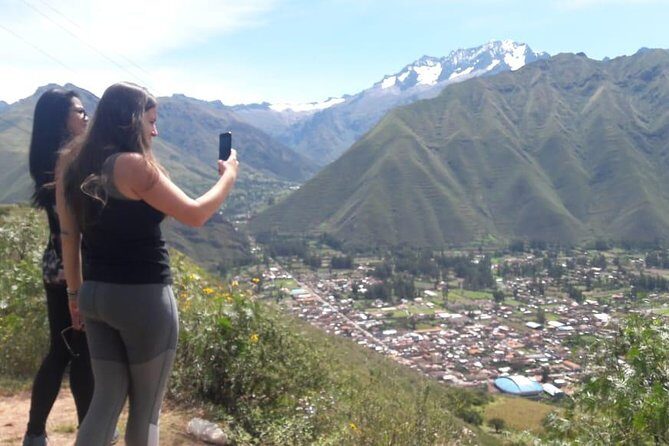
I think this is a good booking if you want a smart first hit of the Sacred Valley without spending extra mental energy on logistics. The included buffer lunch, guided stops at Pisac and Ollantaytambo, and the added cultural layer at Chincheros make it a full day that’s still organized.
Book it if:
- You want an English-guided route with transport from Cusco.
- You like the idea of a market plus ruins, not just one or the other.
- You’re excited about seeing the Inca site details like canals and the Intihuatana focus area at Pisac.
- You’d enjoy a handmade textiles presentation, which seems to be one of the experience’s more liked parts.
Skip or reconsider if:
- You don’t want to do a hike section at Pisac.
- You’re counting on the tour to bring you all the way back to your hotel in Cusco after 7 pm.
- You prefer to choose your own pace at ruins without any group timing.
FAQ
FAQ
Where does the tour start?
It starts at Plaza de Armas de Cusco (Del Medio 123, Cusco 08000, Peru) at 8:00 am.
How does pickup work?
Pickup is offered from your hotel or hostel in Cusco if you provide your name and location. You can also coordinate to meet in the main square at the water fountain in the middle.
Where does the tour end?
It ends at Plaza San Francisco in Cusco (Pl. San Francisco, Cusco 08002, Peru), about 5 minutes from the main square.
How long is the tour?
It runs about 11 hours (approx.), returning around 7:00 pm.
What’s included in the price?
The tour includes a tourist bus, buffet lunch, and a professional tourism guide. Mobile ticket is also offered.
Are entrance tickets included?
No. Tourist tickets are not included.
Do I need dinner planned?
Dinner is not included, and the tour ends around 7 pm.
What language is the tour in?
The tour is offered in English.
How big is the group?
The maximum group size is 15 travelers.
What happens if the weather is bad?
Good weather is required. If the tour is canceled due to poor weather, you’ll be offered a different date or a full refund.
Is it refundable if I cancel?
This experience is non-refundable and cannot be changed for any reason.
If you tell me your hotel area in Cusco and your comfort level with walking, I can help you judge whether this day trip fits your pace.