REVIEW · CUSCO
6 Days Exploring Cusco, Sacred Valley & Machu Picchu
Book on Viator →Operated by VIPAC Travel · Bookable on Viator
Six days, one mighty Inca lesson. This tour links Cusco and the Sacred Valley to the big finale: Machu Picchu, with guided stops that explain what you’re seeing instead of just marching you from point to point. You get the geography, the engineering, and the human stories that sit behind the stone.
What I especially like is how much is handled for you. You’re not just paying for sightseeing, you’re also paying for lodging and transfers to keep the trip moving without constant logistics.
One more thing I like: the group stays small, with a stated maximum of 14 people, which helps the experience feel more like a guided day than a cattle-herd schedule. The only real consideration is altitude sickness and the fact that you need moderate physical fitness for walking and the day’s travel segments.
In This Review
- Key Things You’ll Notice on This Cusco to Machu Picchu Tour
- Cusco First: San Blas, Plaza de Armas, and Koricancha
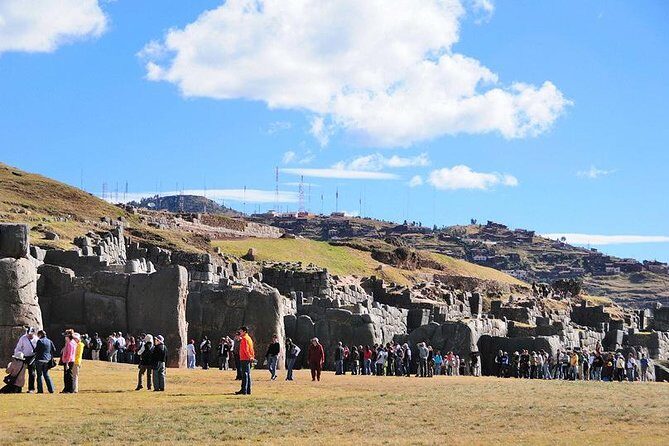
- Sacsayhuamán and Qenqo: Getting the Inca Stonework With Less Stress
- Pisac Market, Inkariy Museum, and Yucay’s Living Culture
- Moray’s Microclimates, Maras Salt Mines, and Ollantaytambo
- Machu Picchu Day: Voyager Train, Bus Ride, and Circuit 2 Planning
- Price Value: What $975 Covers (and Why It Matters)
- What the Pacing Feels Like: Walking, Altitude, and Practical Comfort
- Who Should Book This, and Who Should Think Twice
- Should You Book This Cusco, Sacred Valley, and Machu Picchu Tour?
- FAQ
- How long is the tour?
- What is included in the price?
- Is pickup offered?
- How many people are in the group?
- What kind of fitness level do I need?
- What should I do about altitude sickness?
- Are entrances and guides included at the sites?
- How does Machu Picchu handle visitor circuits?
- What if my flights are arriving from Lima?
Key Things You’ll Notice on This Cusco to Machu Picchu Tour
- San Blas and the Inca-to-Spanish mix in Cusco: a city tour that starts in the artistic San Blas area and moves through major colonial landmarks.
- A morning at Sacsayhuamán for fewer crowds: plus planned viewpoints toward Qenqo and other nearby ceremonial sites.
- Sacred Valley culture with hands-on moments: including time at Pisac market, an Inkariy Museum visit with lunch, and feeding Andean camelids at Yucay.
- Moray and Maras in one day: microclimate terraces paired with the iconic salt pools for a strong cause-and-effect story.
- Machu Picchu visits with modern circuit rules: circuit 2 is prioritized, with circuit 3B or 1B offered if needed before tickets are issued.
- The price covers the expensive pieces: hotel nights, entrances, train day, and key transfers are included rather than sprinkled in later.
Cusco First: San Blas, Plaza de Armas, and Koricancha
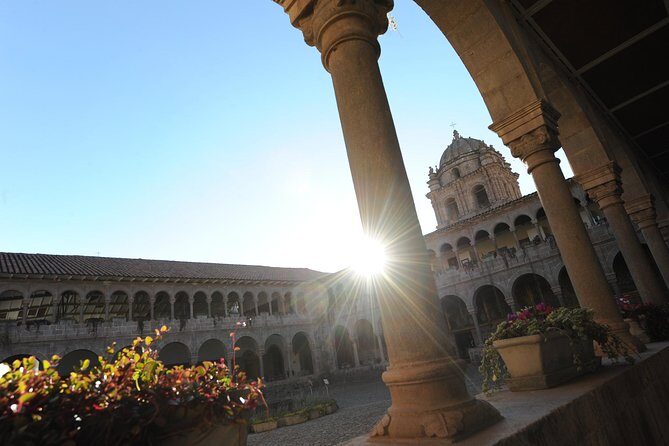
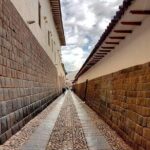
Cusco can feel like chaos the first time you step into it. This tour gives you a way to read the city quickly. You start in San Blas, known for its artistic vibe and for being one of the areas where Inca and Spanish layers show up in the streets and architecture. It’s a smart way to land on day one because you’re not beginning with just one famous monument—you’re getting bearings.
From there, you move through the Plazoleta Nazarenas area and past colonial-era landmarks like the old headquarters of San Antonio Abad University and the adjacent church. Then it’s to Plaza de Armas, where the cathedral holds colonial works of notable value. The finish (or centerpiece) is Koricancha, the famed Inca religious complex whose Quechua name is Quri Kancha, often linked to the legend of the Golden Temple.
For many first-timers, the payoff here is context. When you understand what the sites were for, the stone stops being just stone. It also helps you enjoy the later Inca engineering stops in the Sacred Valley, because you’ll recognize patterns in how the Incas used space, geometry, and water.
You can also read our reviews of more tours and experiences in Cusco
Sacsayhuamán and Qenqo: Getting the Inca Stonework With Less Stress
The second day is built around getting out of central Cusco and into major Inca sites before your patience has time to evaporate. You’ll visit Sacsayhuamán, described as a ceremonial fortress packed with colossal constructions and set into stunning surrounding views. You’re also told it’s in communion with the landscape around it, which matters because these sites weren’t isolated—they were meant to belong to their setting.
Then the schedule shifts to the panoramic direction with the Inca shrine of Qenqo. Qenqo is an ancient temple associated with a puma theme, and it includes an altar for sacrifices. Even if you’re not a hardcore archaeology person, the guided explanation tends to click because it links symbolism to physical layout.
The day keeps moving to viewpoints and water-and-ritual architecture. You’ll stop at Puca Pucara (as a viewpoint) and Tambomachay, noted for impressive Andean architectural knowledge and for being tied to Andean cosmic vision. If you like the feeling of a day that builds from one idea to the next, this one has that rhythm.
Practical note: this is a day of walking and moving between multiple sites. Moderate fitness is recommended, and if your body is still adjusting to altitude, plan to pace yourself and drink water.
Pisac Market, Inkariy Museum, and Yucay’s Living Culture
Sacred Valley days are where the trip starts to feel less like “tour stops” and more like a journey with changing scenery and a slower tempo. In the middle of it all, you get Pisac market and the broader Pisac area—Inca and colonial layers together.
The visit includes the archaeological site at the top of the mountain, with views over the colonial town of Pisac below. After that, there’s a walking tour through the colonial town itself. This matters because it gives you a chance to understand how communities grew around older sacred and strategic spaces.
Then you get shopping time at the handicraft market. If you’ve ever felt overwhelmed buying souvenirs in Latin America, this is usually one of the easier moments to shop because you’re already in the area specifically known for crafts, textiles, and local products. It’s also a natural break in a long day.
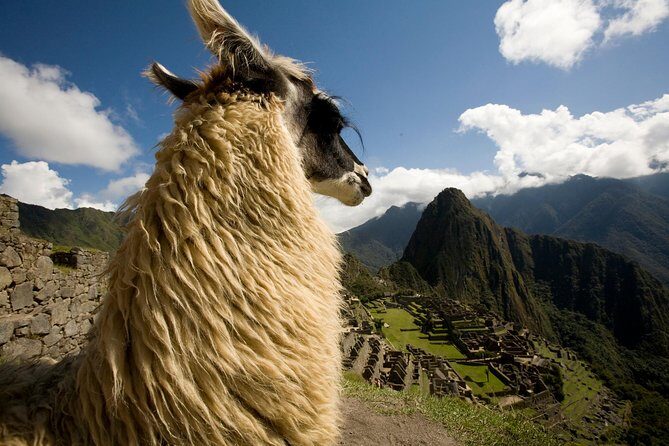
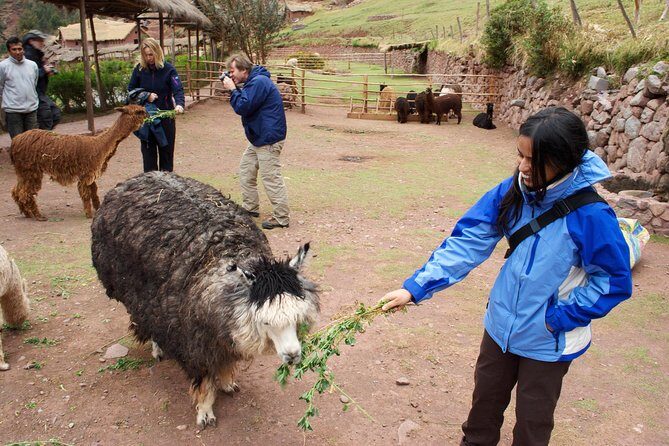
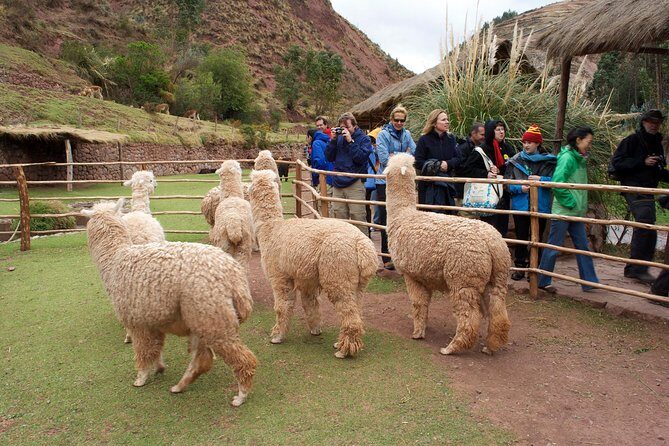
Lunch is handled in the next stop: Inkariy Museum. You’ll enjoy lunch and then get a guided tour focused on rooms showing cultural representations of pre-Hispanic civilizations of ancient Peru. After that, you shift to the more everyday-and-people side of the region at the Live Cultural Museum of Yucay, where you’ll see and feed Andean camelids like llamas and alpacas. The local team also shows weaving and dyeing techniques used in traditional textiles.
This day is one of the best examples of value in the whole package: entrance, transport, lunch, and guided learning are folded in, so you’re not paying extra to stitch it together on your own.
Moray’s Microclimates, Maras Salt Mines, and Ollantaytambo
Day four is the kind of schedule that makes sense if you like your sightseeing to include logic. You start with more Sacred Valley cultural context at the Yucay museum (the tour lists it again as a start point for the day). Then the core Inca engineering lesson kicks in.
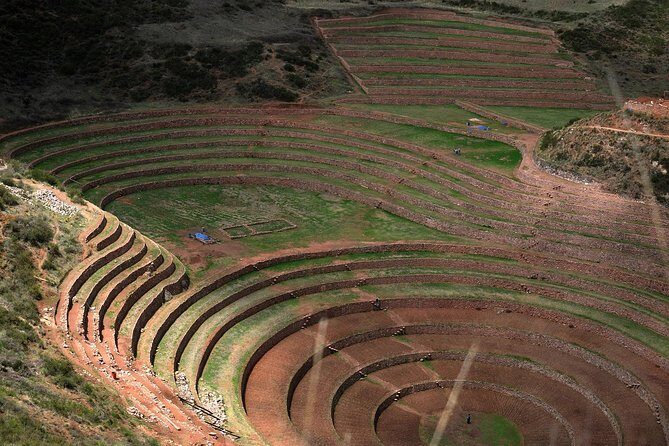
First comes Moray, famous for its concentric terraces. You’re told the viewing is awesome because of the massive circular shape and the way it looks carved into the earth. The purpose is explained as recreating microclimates—essentially how the empire used different conditions to support agricultural production.
Then you head to Maras, the “millenary” colonial salt mines. The visual contrast is a big part of why this stop lands: white salt pools against the green valley. It’s the kind of place where you can understand why people photograph it over and over, even if you’re not trying to be a photo machine.
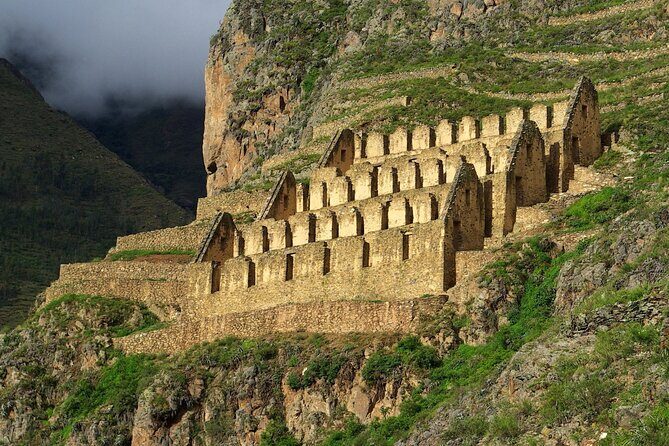
Lunch is included as a buffet at this stage, which helps you stay energized for the final archaeological stop of the day: Ollantaytambo Fortress. The tour includes time to explore Ollantaytambo’s archaeological complex, including the building techniques the Incas used. If Cusco gave you the background, these sites give you the proof—stonework and planning designed to endure.
If you’re thinking about who this day suits best, it’s great for people who like learning through cause and effect: climate engineering at Moray, resource extraction at Maras, and defensive/urban planning at Ollantaytambo.
Machu Picchu Day: Voyager Train, Bus Ride, and Circuit 2 Planning
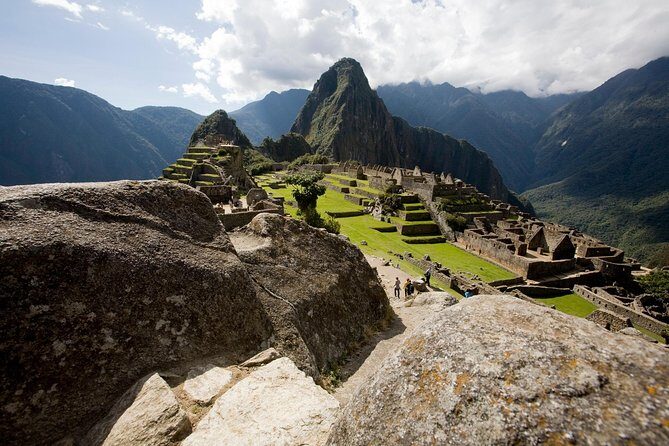
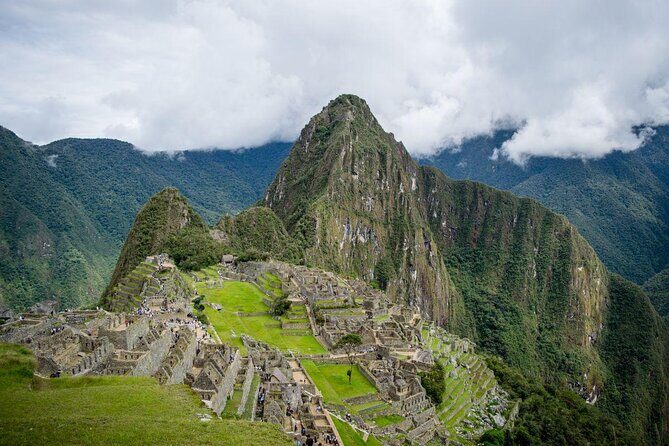
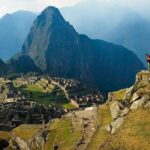
This is the day everyone remembers. You take a bus up winding roads to Machu Picchu, and the drive is part of the experience with views of the Urubamba River and its canyon. That approach matters because it turns the arrival into a slow reveal rather than a sudden pop-out-from-nowhere moment.
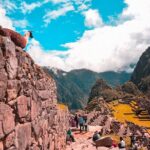
Once you’re at Machu Picchu, you’re guided through terraces, ceremonial shrines, steps, and urban areas. You also get time for lunch at a restaurant in the area, and then you return to Cusco by transfer. Your overnight is back in Cusco, which keeps your trip easier to manage than some itineraries that end later.
One important detail that can affect how the day feels: Machu Picchu now uses visitor circuits with three main routes that distribute people and help preserve the site. This tour states that circuit 2 is prioritized, and if it’s not available, you’ll be offered circuit 3B or circuit 1B. The key part is that you should confirm your decision before Machu Picchu tickets are issued. That’s not a tiny detail. The route you take can change what you experience first, what you see most, and how long you feel you’re walking.
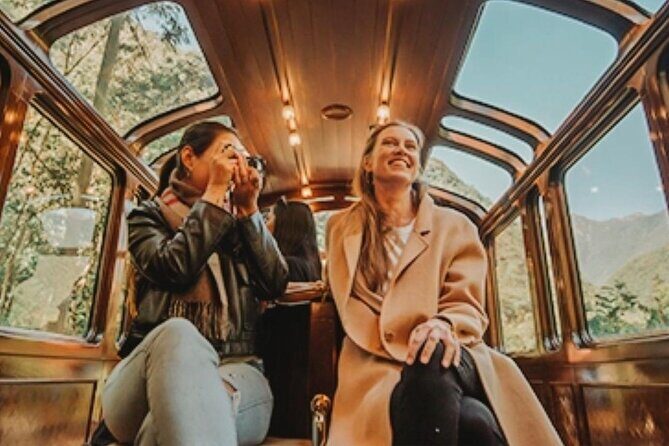
Transport-wise, the tour includes the Machu Picchu day by Voyager Train plus a full-day excursion structure and a buffet lunch at a local restaurant. In other words, you’re not trying to coordinate train schedules and on-the-ground timing while also wrestling with altitude and site crowds.






Price Value: What $975 Covers (and Why It Matters)
At $975 per person, the first question I ask is simple: does the price cover the expensive, hard-to-solve parts of a Cusco and Machu Picchu trip? On paper, the answer looks strong.
Your inclusions list includes:
- 3 nights in Cusco, plus 1 night in the Sacred Valley and 1 night in Aguas Calientes
- Daily breakfast (listed as 5 breakfasts across the days)
- Lunches (3), plus a buffet lunch on the Machu Picchu day
- Transfers airport/hotel/train station/hotel/airport
- Entrance fees and guided tours at major stops, including Sacsayhuamán and the Sacred Valley components
- Machu Picchu full-day excursion by Voyager Train
That combination is exactly where independent planning can get costly or annoying. Train tickets, hotels in three different towns, local transfers, entrance fees, and multi-day guiding are the items that typically balloon budgets and consume time.
You also get pickup offered, and the tour is capped at a maximum of 14 people, which can improve the day’s flow. That small-group size doesn’t mean private tour comfort, but it can reduce the “everyone hear the guide through a microphone from the back row” feeling.
The price isn’t the cheapest way to see these sites. But it’s also not trying to be. For most people, value here comes from reducing coordination stress while still delivering a packed, guided route.
What the Pacing Feels Like: Walking, Altitude, and Practical Comfort
The tour calls for moderate physical fitness. That’s a fair warning in Peru’s high country. Even when the sightseeing is guided, you’re still walking between viewpoints, archaeological areas, and museums, plus dealing with the altitude that makes ordinary tasks feel harder.
If you’re altitude-sensitive, the tour specifically advises you to bring medicine or talk to your doctor before you depart. I’d treat that as part of being smart, not a dramatic precaution. Cusco altitude can affect sleep, appetite, and energy levels, and it can shift the way you experience your day, especially on site-heavy mornings.
This schedule is also an intentional mix: one big day at Cusco monuments, another at major Inca fortresses and temples, a Sacred Valley day with market and museums, a second Sacred Valley engineering day, then a full Machu Picchu day, and finally a departure transfer. That means you’ll have some evenings to reset, rather than being on the move every hour.
One more human detail that can make or break your comfort: guide changes. A honeymoon departure review snippet mentions different guides across the trip, with Mario leading the opening days around Cusco and Jose Maria later. That’s not necessarily your exact lineup, but it’s a clue that your guide team may rotate. Rotation isn’t always bad—often it just means each guide covers the zone they know best.
Who Should Book This, and Who Should Think Twice
This works well if you want:
- A guided route connecting Cusco, Sacred Valley, and Machu Picchu in a tight 6-day window
- Included lodging in the key places where most people get stuck planning: Cusco, the Sacred Valley area, and Aguas Calientes
- A mix of archaeology and culture, including market time and textile/weaving demonstrations
- A small group size (max 14), so the experience stays more attentive
You might think twice if you dislike packed days, because the tour is schedule-heavy and includes multiple walking segments. Also, if altitude issues are a major concern for you, you’ll want to be extra careful with your preparation and pacing.
Should You Book This Cusco, Sacred Valley, and Machu Picchu Tour?
If your priority is seeing the main Inca highlights with less logistics stress, I’d lean yes. The big reason is the value stack: lodging in multiple towns, key transfers, entrance fees, multiple lunches, and a guided Machu Picchu day with Voyager Train are included. That’s a lot of the trip that normally costs extra or turns into last-minute scrambling.
The decision hinges on two practical points. First, you need moderate fitness and a plan for altitude. Second, read the Machu Picchu circuit approach and be ready to confirm which route you’ll get (circuit 2 prioritized, with alternatives).
If those fit you, this tour is a strong way to get from first-day Cusco stonework to that Machu Picchu moment without turning your vacation into a spreadsheet.
FAQ
How long is the tour?
The tour runs for 6 days (approx.), with sightseeing days and a final departure transfer.
What is included in the price?
Included items are transfers (airport/hotel/train station/hotel/airport), a city tour plus Sacsayhuamán, Sacred Valley experiences (including Inca Treasures Experience), Pisac and the Inkariy Museum with lunch, Moray/Maras/Ollantaytambo with lunch, the full-day Machu Picchu excursion by Voyager Train with buffet lunch, 3 nights in Cusco, 1 night in the Sacred Valley, 1 night in Aguas Calientes, and daily breakfast plus listed lunch meals.
Is pickup offered?
Yes, pickup is offered.
How many people are in the group?
The tour has a maximum of 14 travelers.
What kind of fitness level do I need?
A moderate physical fitness level is recommended.
What should I do about altitude sickness?
The tour advises bringing altitude sickness medicine or asking your doctor for advice before you depart if you tend to suffer from altitude sickness.
Are entrances and guides included at the sites?
Yes. Entrance fees and guided tours for the listed stops are included in the features and inclusions.
How does Machu Picchu handle visitor circuits?
Machu Picchu uses three main visitor circuits. Circuit 2 is given priority, and if it is not available you may be informed about circuit 3B or circuit 1B options so you can confirm before tickets are issued.
What if my flights are arriving from Lima?
When booking your flight from Lima to Cusco, it must be in the morning, and you should provide domestic and international flight itinerary details at booking time.