REVIEW · CUSCO
Moray and Maras half day tour
Book on GetYourGuide →Operated by tour machupicchu best E.i.r.l · Bookable on GetYourGuide
Moray and Maras in one go is a smart use of time. You get Inca farming science at Moray and then the salt mining work at Maras, with big Andean scenery between them, all in about five hours. If you like meaningful sites that still feel real, this combo works well.
I especially like the Moray circular terraces because the place makes sense as a practical Inca “lab,” not just a pretty ruin. I also like the Maras salt mines visit, where you see how salt is extracted and how workers have used this natural resource for centuries.
One thing to consider: the tour keeps a brisk pace, and the extra stops for shopping can feel pushy or time-pressured. If you’re the type who wants to linger at terraces, plan to be okay with “see it, understand it, move on.”
In This Review
- Key highlights to look for
- A Tight 5-Hour Route: Cusco, Chinchero, Moray, Maras
- Chinchero Textile Stop: Natural Dyes and How Wool Becomes Fabric
- Moray’s Circular Terraces: Inca Agriculture as a Climate Experiment
- How to make Moray time work for you
- Maras Salt Mines: Working Salt Extraction and the View Down the Valleys
- A practical note about time and shopping
- Price and Logistics: What You’re Paying For (and What You Aren’t)
- Cash and receipts: protect yourself
- The Guide Factor: Bilingual Explanation That Makes the Sites Click
- What to Bring and How to Think About the Day
- Who This Tour Suits Best
- Should You Book Moray and Maras Half Day?
- FAQ
- How long is the Moray and Maras half day tour?
- What is the price per person?
- What time is pickup in Cusco?
- Where does the tour end?
- What does the tour include?
- Are entrance tickets included?
- What stops are included during the half day?
- What language options are available?
- What should I bring besides cash?
Key highlights to look for
- Moray’s terraces as climate experiments: you’ll learn how the circles relate to different conditions and plant varieties.
- Maras salt extraction in action: you can watch the real-world salt production process.
- Chinchero textile stop: a quick look at how wool is dyed using natural products and how fabric gets made.
- Bilingual guiding: Spanish and English interpretation during key moments.
- Efficient timing: the schedule is designed to fit everything into half a day.
A Tight 5-Hour Route: Cusco, Chinchero, Moray, Maras
This is a compact half-day tour built for people who only have a small window in Cusco. You’re picked up in the historic city center area around 8:20 am, then you move by vehicle to Chinchero before hitting the two main stops: Moray and Maras.
The whole plan is about balance: enough time at each site to understand what you’re seeing, but not so much time that you lose the advantage of covering both Moray and Maras. If your Peru trip schedule is busy, this one helps you keep momentum without turning the morning into a blur of long transfers.
You’ll also be done by about 2:20 pm, with the tour ending near Plaza Kusipata (one block from the main square area). That matters if you plan to eat lunch downtown or stack another activity afterward.
You can also read our reviews of more tours and experiences in Cusco.


Chinchero Textile Stop: Natural Dyes and How Wool Becomes Fabric
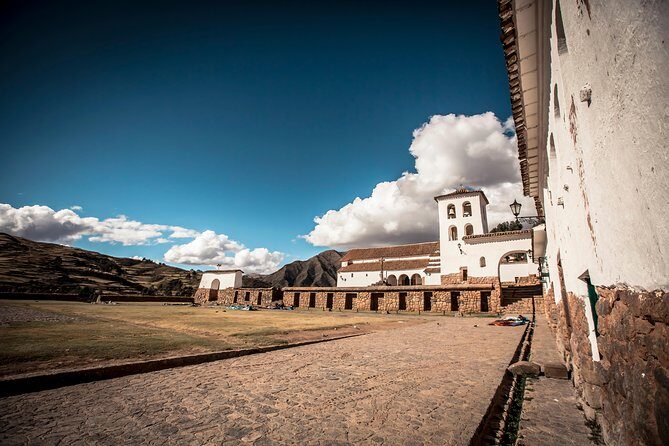
Chinchero is the warm-up stop, and it sets the tone for what you’ll see later. After the vehicle ride (about 40 minutes from Cusco), you get a 30-minute arts-and-crafts market visit and a chance to observe a textile shop’s process.
Here’s what you should pay attention to: the shop experience focuses on how wool is colored with natural products and how the fabric production process works. Even if you don’t buy anything, it helps you connect the craft to the materials and steps behind it.
That said, this is also the part where some people feel pressure to purchase. Some guides or shop partners can turn the stop into a sales-heavy moment. If you’re not interested in shopping, go in with a calm plan: look, ask a few questions, and be firm if you’re approached more than once.
Moray’s Circular Terraces: Inca Agriculture as a Climate Experiment
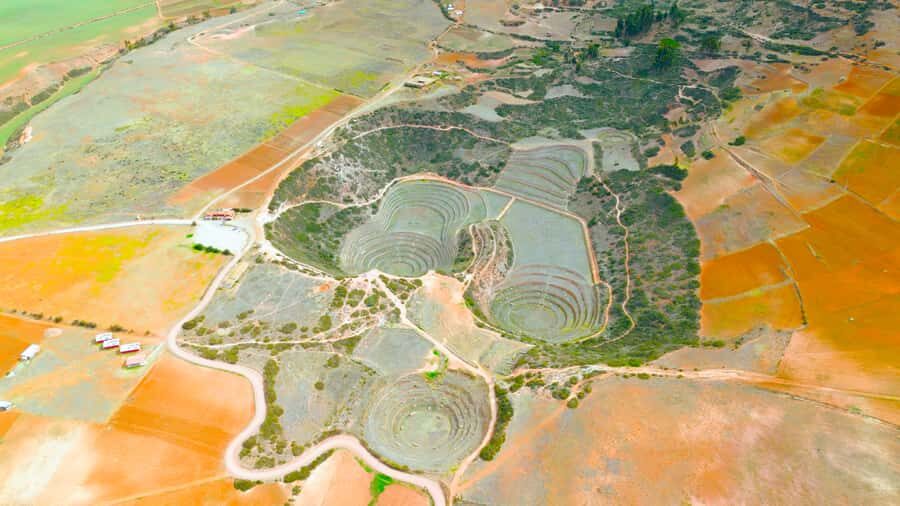
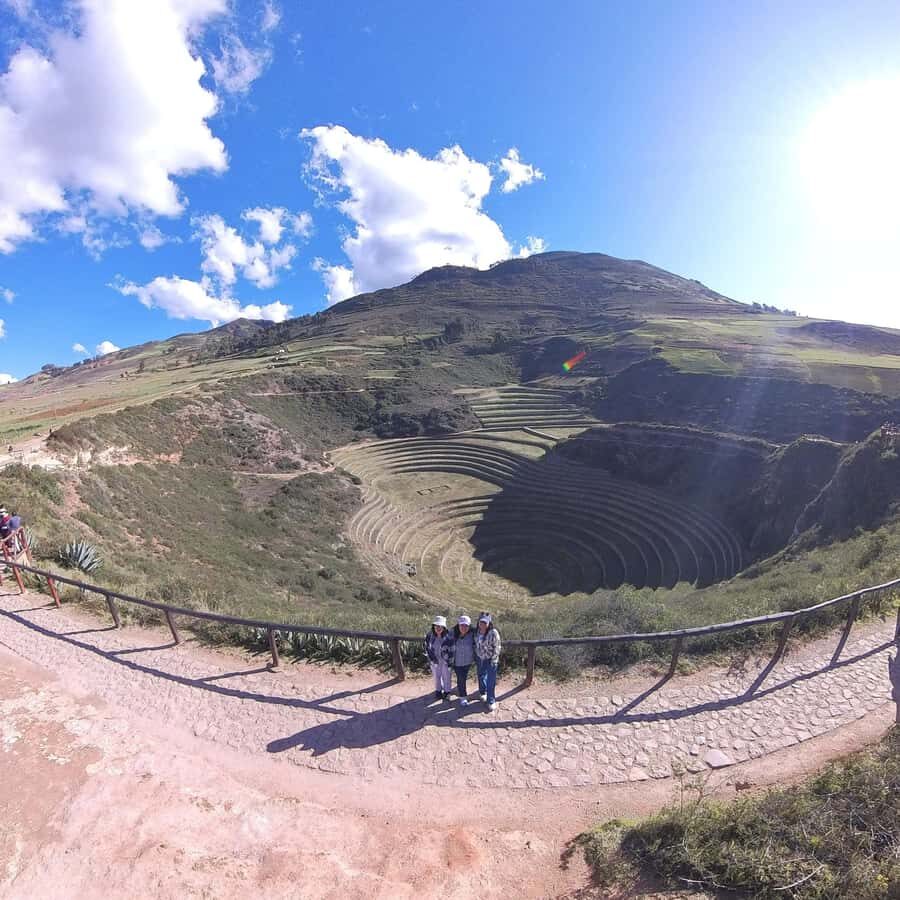
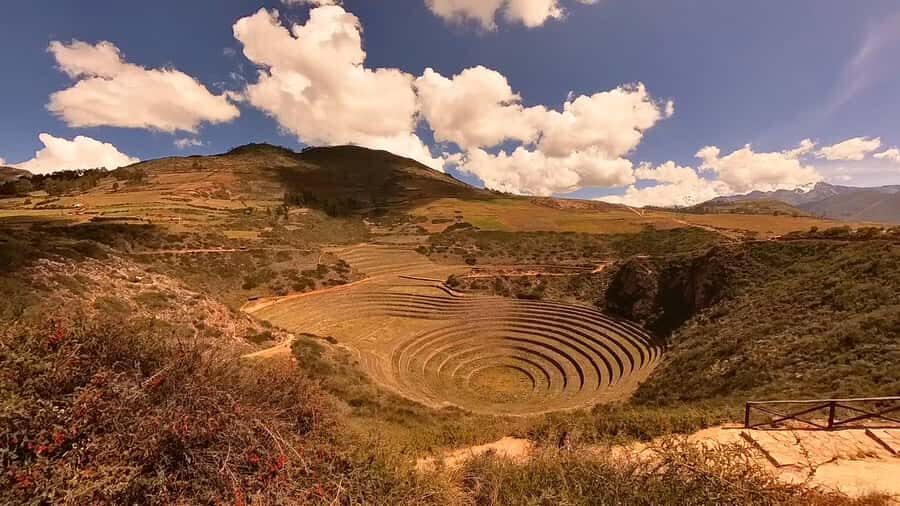
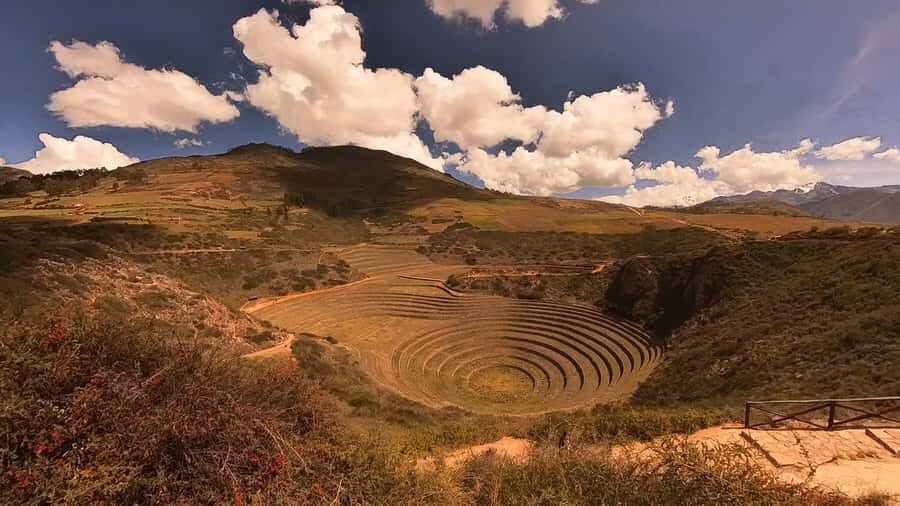
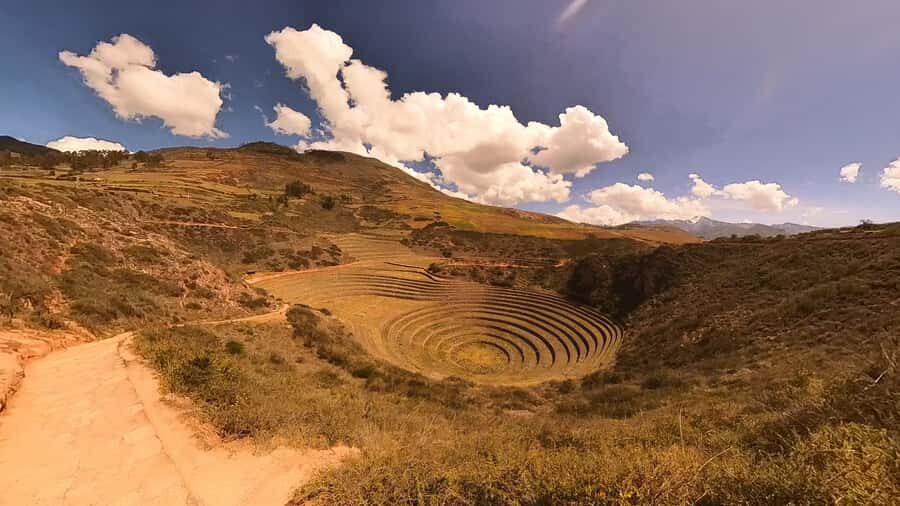
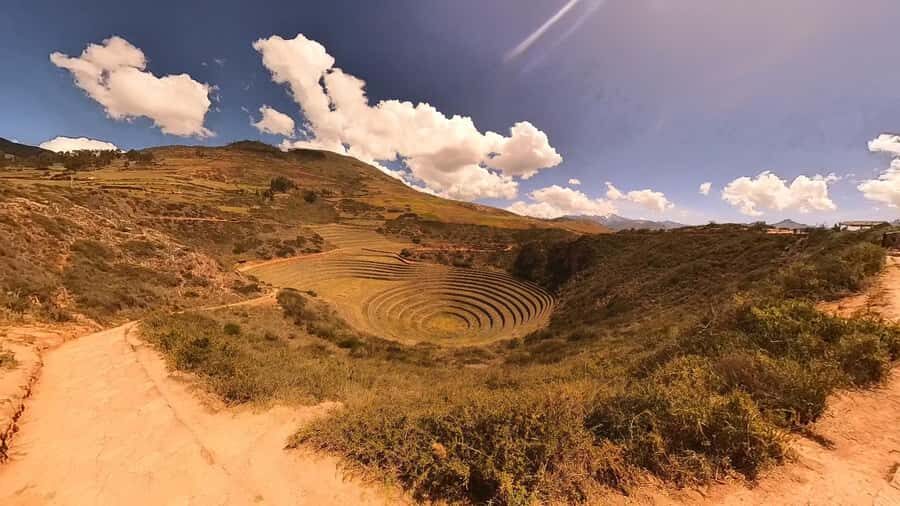
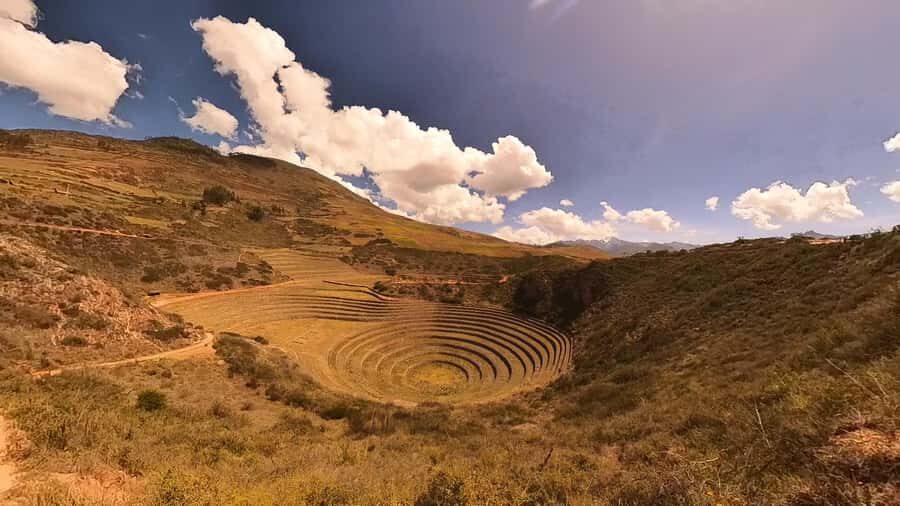
Moray is the main intellectual payoff of this tour. You’ll arrive and have about 40 minutes at the archaeological complex to see the circular terraces and understand what they were for.
Moray isn’t just a pattern in the dirt. The key idea is that these terraces were used to experiment with different climatic conditions. The Inca used the site’s natural variation in altitude and exposure to adapt different plant varieties to different conditions. So when you look at the terraces, you’re really looking at a system for testing and growing.
I like Moray because it’s readable. You can stand, look at the circles, and then your guide explains the logic of why they exist. Even with a limited time window, you still come away with a clear mental model instead of a vague “cool ruins” feeling.
How to make Moray time work for you
- Take a minute at the start to orient yourself around the main circles. Then let the guide’s explanation land.
- If you’re the slow-and-curious type, go in knowing your time is capped. Moray is short here by design, not by accident.
Maras Salt Mines: Working Salt Extraction and the View Down the Valleys
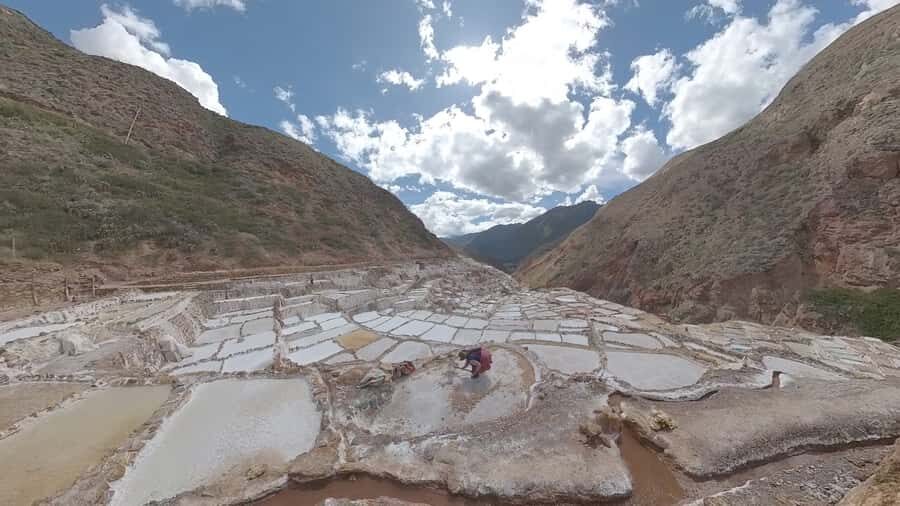
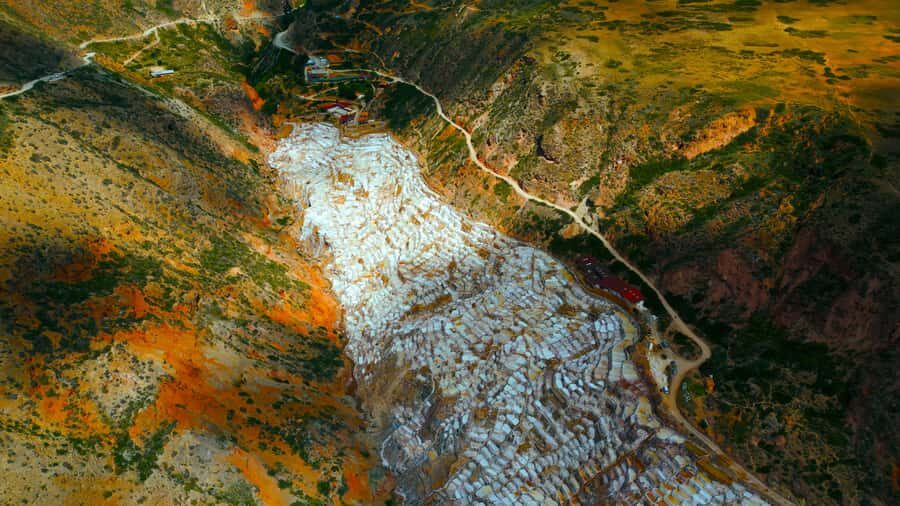
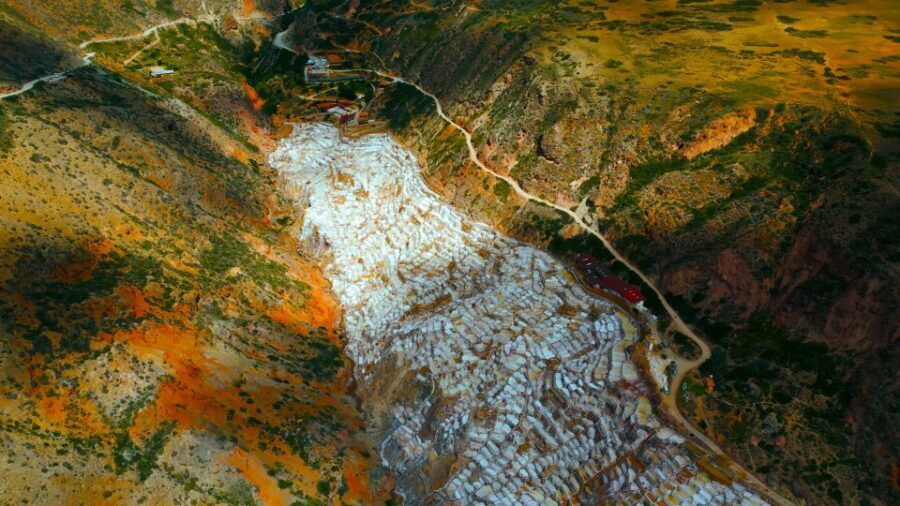
Next comes the Maras Salt Mines, about 45 minutes from Moray by vehicle. You get another 40-minute visit once you arrive, which is long enough to understand the extraction process and appreciate what makes this place unusual.
Maras is famous because it’s not abandoned history. You can see how salt is extracted from the mineral resource and how workers have exploited it for centuries. Instead of “one big monument,” it’s a functioning landscape of salt pans and the activity that goes with it.
The scenery also plays a role. Between viewpoints and the route through the mines, you’ll see the Andean hills and valleys that frame the operation. It’s the kind of place where your photos look dramatic even without trying, mostly because the setting is built for contrast: pale salt against earth tones.




A practical note about time and shopping
Like Chinchero, this stop can include additional shopping tie-ins in the broader experience. Some people have felt that time at the main attractions gets trimmed to funnel the group into a salt-related store. You can reduce frustration by treating the mines visit as your “must-do” and keeping your expectations realistic: this tour is efficient, but it does not slow down for lingering.
Price and Logistics: What You’re Paying For (and What You Aren’t)
At about $14 per person for the half-day, you’re paying mainly for two things: transport and a bilingual guide. That’s a solid deal in a place where getting between Cusco and the surrounding sites on your own can eat time fast.
The big catch is entrance tickets. Moray and the salt mines require tickets you must pay on the day (bring 80 soles in cash). The tour itself is set up to move quickly, so you don’t want to be caught without cash at a gate.
Cash and receipts: protect yourself
Some past participants reported messy handling around ticket money. I can’t confirm how every guide runs this, but I strongly suggest you protect yourself in two ways:
- Make sure you know the ticket amount (80 soles cash is what you’re told to bring).
- If anyone collects cash for entrances, ask how you’ll be issued tickets or how payment is recorded, and keep your own notes of the amount you handed over.
This is the difference between a smooth day and one where you spend your energy worrying instead of seeing the sites.
The Guide Factor: Bilingual Explanation That Makes the Sites Click
A good guide is the difference between “I visited Moray” and “I understand why Moray was built this way.” This tour includes a professional guide who speaks English and Spanish, so you don’t lose the key meanings when you’re not fluent.
From what you can infer about how the tour runs, the guide usually explains the structures and purpose efficiently. Some people appreciated that the tour moves briskly without wasting time. That can be ideal in the short morning format, especially when you want to cover multiple sites and still feel you learned something.
The trade-off is that brisk guiding can come with shorter personal time at each stop. If you need long pauses for photos, sketching, or quiet reading, this tour may feel a bit like a “fast classroom” rather than a slow walk.
What to Bring and How to Think About the Day
Because you’ll be moving through multiple sites, pack for quick transitions, not comfort camping. The one item you must have is cash for entrances.
Bring:
- Cash for entrance tickets (80 soles is the stated amount)
- Anything you normally carry for a morning out in Cusco (water and sun protection are usually a smart idea, though only cash is explicitly required here)
Also, go in with the right mindset. This isn’t a “full day at each site” outing. It’s a “see the highlights, learn the point, keep going” format. If you like that style, you’ll be happy.
If you dislike shopping stops or interruptions, keep your expectations steady. You’ll stop in Chinchero for textiles and at some point you may encounter additional retail time. You can enjoy the education part and still choose not to buy.
Who This Tour Suits Best
I’d put this tour in the sweet spot for people who:
- Want Moray + Maras Salt Mines without committing a full day
- Like guided explanations and structured time
- Are okay with a pace that’s a bit fast by design
- Don’t mind a short textile stop if it’s framed as craft education
You might skip it if:
- You really want to linger at Moray’s terraces or spend extra time inside the salt mines area
- You’re easily irritated by shopping pressure and want a purely “site-focused” day
- You prefer to handle entrances yourself without any chance of confusion around cash
Should You Book Moray and Maras Half Day?
I’d book this if you want a smart, time-efficient combo that gives you a clear story: Inca agriculture experimentation at Moray, then real salt work at Maras, plus a quick cultural craft stop at Chinchero. The bilingual guiding and the compact timing are the real value, especially if your Cusco itinerary is tight.
I would not book it blindly if you hate retail stops or need lots of free time at each monument. If that’s you, consider how you’ll manage shopping interruptions and whether you’re okay with less time than you might expect at the terraces and salt mines.
If you do book, do two things: bring the stated 80 soles cash, and keep your expectations aligned with a brisk half-day. Done right, you’ll leave with two memorable site visits and a better understanding of how the Inca and local workers shaped this landscape.
FAQ
How long is the Moray and Maras half day tour?
The tour lasts about 5 hours.
What is the price per person?
The price is $14 per person.
What time is pickup in Cusco?
Pickup is scheduled around 8:20 am from the main square area.
Where does the tour end?
It ends around 2:20 pm near Plaza Kusipata, about one block from the main square.
What does the tour include?
It includes tourist transport and a professional bilingual guide (Spanish and English).
Are entrance tickets included?
No. Entrance tickets to Moray and the salt mines are not included, and you should bring 80 soles in cash.
What stops are included during the half day?
You visit Chinchero for textiles, then Moray, then the Maras Salt Mines.
What language options are available?
The live guide offers Spanish and English.
What should I bring besides cash?
The key stated requirement is cash for entrance tickets.