REVIEW · CUSCO
Classic Salkantay Trek 4-Day
Book on Viator →Operated by TreXperience · Bookable on Viator
Salkantay is the anti-crowd Machu Picchu route. The Humantay Lake morning and the high Salkantay Pass day give you big Peru views without the Inca Trail bottleneck. I also like how the trek is built around real support on the trail, with guides such as Cesar and Toribio who keep you moving at your pace and explain what you’re seeing.
My second big win is the food and care: on Day 1 you eat organic-area meals, and on Day 3 you get a coffee farm visit plus Pachamanca. One thing to consider is the schedule pressure: you start extremely early, and on the Machu Picchu day you’ll queue for the first bus, then you may have some waiting time once you’re in Aguas Calientes before dinner.
In This Review
- Key things I’d pay attention to
- Salkantay’s altitude remix: from Humantay to Machu Picchu
- Day 1 in Soraypampa: Humantay Lake, organic lunch, and stargazing
- Day 2 over Salkantay Pass: coffee, coca tea, and the big downhill
- Day 3 cloud forest to Aguas Calientes: coffee, Pachamanca, and hot springs
- Machu Picchu morning: 5:30 am bus line, guided tour, and optional climbs
- Food, camping comfort, and support that keeps you safe
- Price and logistics: is $598 good value?
- Who should book this trek (and who should think twice)
- Should you book the Classic Salkantay Trek?
- FAQ
- FAQ
- What time does the tour start?
- How long is the Classic Salkantay Trek?
- What is included in the price?
- What gear is not included?
- Are Huayna Picchu and Montaña included?
- Can I request a vegetarian option?
- Do I need a passport for this trip?
- What group size should I expect?
- What altitude points are part of the itinerary?
Key things I’d pay attention to
- Small group size (max 12): easier questions, more flexible pacing, and less chaos at viewpoints.
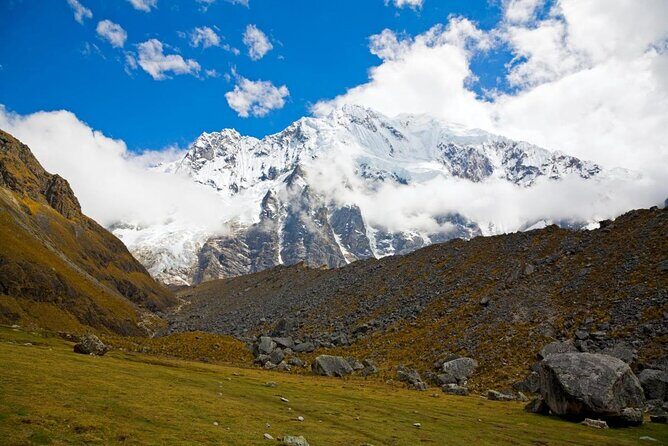
- Altitude highs built into the route: Humantay Lake at 4200 m and Salkantay Pass at 4630 m.
- Food is part of the itinerary: chefs cook on the trek, plus a Pachamanca moment and organic coffee.
- Machu Picchu logistics are early-day focused: you’re in line at 5:30 am for the first bus.
- Optional peak hikes cost extra effort: Huayna Picchu and Montaña need advance booking.
- You’re trading Inca Trail crowds for varied climates: cloud forest downshifts after the high pass.
Salkantay’s altitude remix: from Humantay to Machu Picchu
If you’re chasing Machu Picchu but hate the feeling of hiking shoulder-to-shoulder, the Salkantay trek is a smart alternative. You still end in the same iconic place, but the route feels more like moving through Peru’s climates in fast-forward: glacier country up top, then cloud forest, then back down toward hot springs and Aguas Calientes.
What makes this version especially appealing is how it’s framed as more than just walking. There are moments geared toward culture and reflection, including spiritual ceremonies and meditations, not only check-the-box ruins sightseeing.
You can also read our reviews of more hiking tours in Cusco
Day 1 in Soraypampa: Humantay Lake, organic lunch, and stargazing
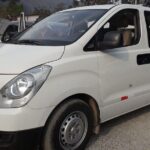
Day 1 starts before sunrise. You’ll be picked up from your hotel at 4:30 am, then driven to Soraypampa (3900 m). By the time you start walking, you’re already in that thin-air feeling where every breath matters and the scenery looks extra crisp.
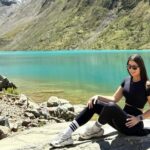
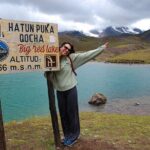
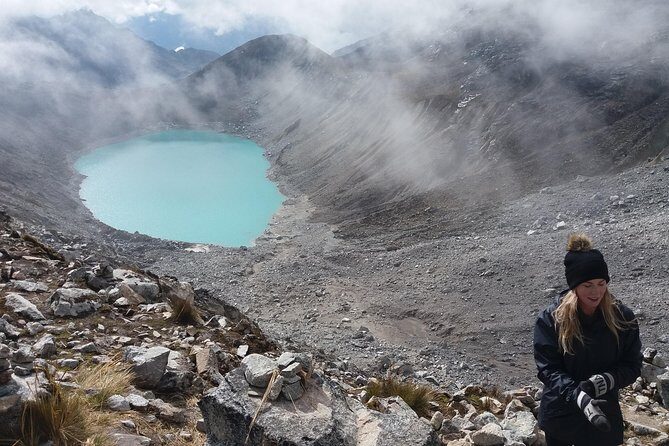
The first payoff is the 2-hour walk up to Humantay Lake at 4200 m. The lake itself is turquoise and bright against the high Andes, and the trail gives you time to adjust without sprinting. You’ll also pass animal sightings that make the hike feel alive, including vizcachas (rabbit-like rodents), deer, and the Andean goose.
Lunch is another practical highlight. You stop for a meal made with organic products from the area, cooked by the chef. That matters because Day 1 is long enough that a real meal keeps you functional instead of just filling you up.
After lunch, it’s another two hours climbing to Salkantay Pampa (4100 m). Once you arrive, the tents are ready, and you get tea time, dinner, and the chance to stargaze before sleeping. If you’re the type who thinks camping means cold and misery, this is one of those evenings where you’ll likely change your mind, as long as you pack warm layers.
Day 2 over Salkantay Pass: coffee, coca tea, and the big downhill
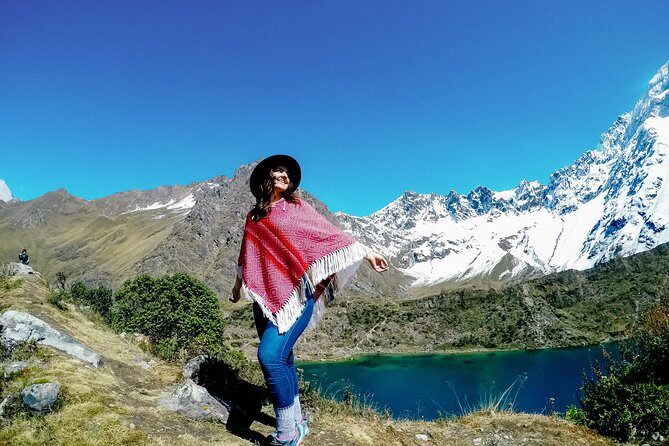
Day 2 begins with hot drinks inside your tent setup. You’ll wake up early with coffee or coca tea, then step out into huge plains and snow-capped peaks.
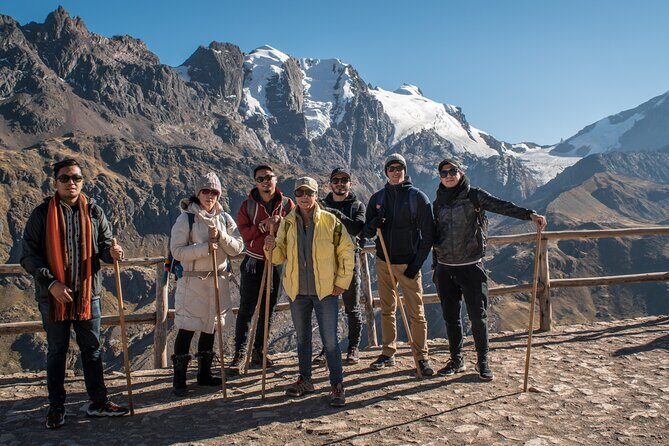
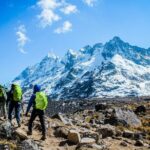
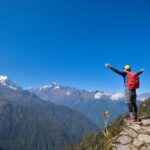
Then comes the main altitude moment: the trek ascends to Salkantay Pass (4630 m). At the summit you’ll take time to look around, including a lake at the mountain base. This isn’t a quick photo stop. It’s the part of the trek where you remind your body to slow down and let your lungs catch up.
After that high point, the rest of the day shifts to a long downhill rhythm. From the pass it’s about a 3-hour descent to the lunch area at Wayracmachay (3800 m). Lunch happens before the day’s later walking continues, and the altitude change is a relief, even when your legs are tired.
One reason I like this day’s structure is that it gives you a clear story arc: climb into the clouds, reach the pass, then earn your way into the next stage of the trek. Guides often make a difference here too. In the feedback I reviewed, people repeatedly praised guides such as Cesar and Miguel for supportive pacing and good English, which helps when your brain is busy fighting altitude.
Day 3 cloud forest to Aguas Calientes: coffee, Pachamanca, and hot springs
Day 3 is where the trek changes vibe. You go from high-alpine to something softer and greener as you hike for about 3 hours along the cloud forest. Even if the air feels cooler or heavier, this part tends to feel more varied underfoot, and it’s visually rewarding in a different way than the pass day.
After breakfast you’ll hike, then drive around 1 hour to Lucmabamba (2000 m). This is a big drop in elevation, and it helps explain why people love this day: you get to feel the Andes breathe out.
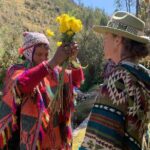
At Lucmabamba, you visit an organic coffee farm and help with a special Pachamanca barbecue experience. It’s one of those culturally grounded food stops that doesn’t feel like a tourist factory. After lunch, you drive to Hidrolectrica and start the final walking stretch of the day.
The last hike to Aguas Calientes is listed as 3 hours, arriving around 4:00 pm. Dinner is at a local restaurant, and you sleep in a hotel there. The schedule matters here: you’re tired, you might be hungry-sour by the time dinner lands, and you may not have a ton of flexibility for exploring the town.
This is also the day that includes the hot springs area: Aguas Termales Cocalmayo de Santa Teresa. The ticket is included, so you can plan on a soak as part of your recovery routine, especially after the long Day 2.
Machu Picchu morning: 5:30 am bus line, guided tour, and optional climbs
Day 4 is the classic Machu Picchu day, but with the Salkantay trek flavor: you get there early, which is half the battle.
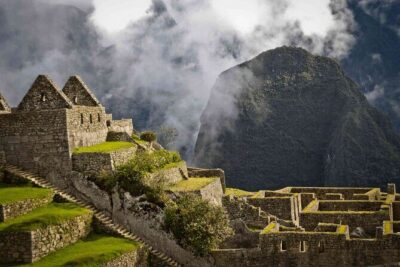
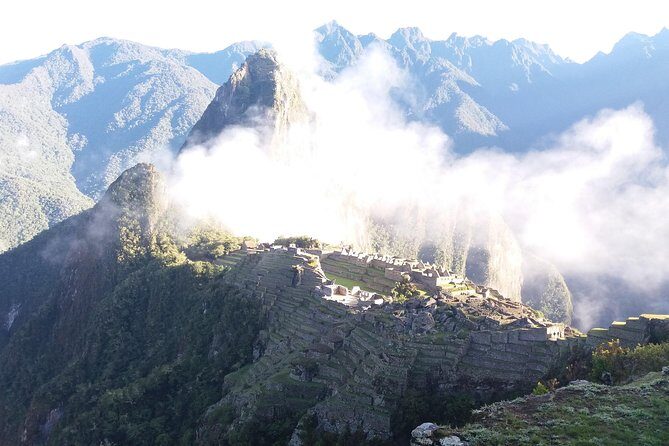
You’ll wake up very early and head straight to the line for the bus at 5:30 am. On a clear morning, you can watch the sky brighten with views of Machu Picchu along the way. It’s one of those moments where you stop thinking about your tired calves and start thinking about how badly you want to take one more photo.
Once you arrive, your guide leads a 2 to 3 hour tour of the site. Then you get time to explore on your own. If you want an extra vertical challenge, you can climb Huayna Picchu or Montaña, but tickets need to be booked in advance.
That advance booking detail is worth your attention. The trek ends with a timed entry system, so your flexibility depends on what you booked earlier. If you don’t get those optional tickets, you can still enjoy a great Machu Picchu visit during your guided time plus self-exploration.
You can also read our reviews of more tours and experiences in Cusco
Food, camping comfort, and support that keeps you safe
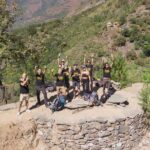
This trek runs on teamwork. You’ll have tent setup and meal support at camp, plus transportation between trail segments and to town. In the feedback I saw, the consistent praise was for staff who keep you comfortable and safe without turning the trip into a rigid drill.
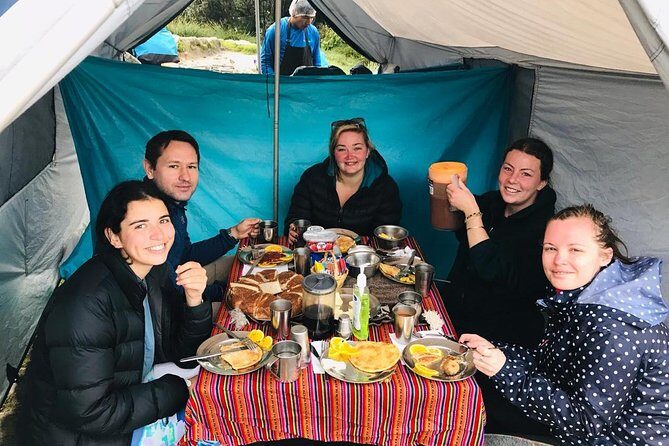
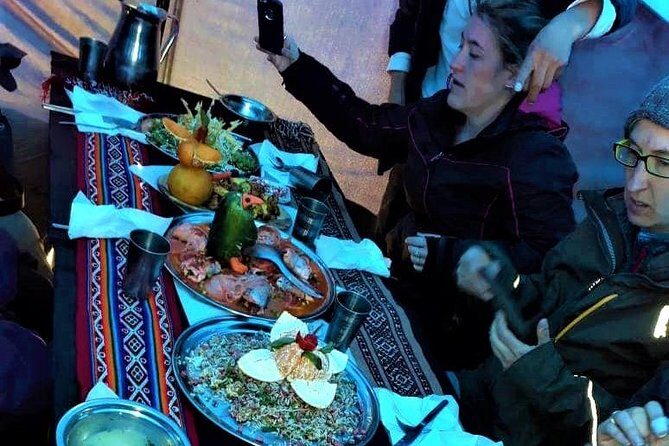
Food quality is a repeated theme. Day 1 includes a chef-prepared lunch with organic ingredients. Days are described with dinner and tea time at camp, and the operator’s kitchen handled dietary restrictions for people who needed vegetarian options. Even if you have simple preferences, it helps to share them at booking so meals stay predictable.
About sleeping gear: sleeping bag, air mats, and trekking poles are not included. You can rent trekking poles from the provider, but you’ll want to plan your own sleeping system. Don’t assume that because you’re camping you’ll only feel cold at night. High altitude can make you shiver after dinner too.
What I like about the camp rhythm is that it gives your body time to recover. Day 1 ends with stargazing. Day 3 ends with a hotel night in Aguas Calientes. That mix keeps the trek from feeling like nonstop misery.
Price and logistics: is $598 good value?
At $598 per person for a 4-day route, the price makes more sense when you look at what’s included.
You’re paying for a full bundle:
- pickup from your Cusco-area hotel in the morning of the tour
- entrance tickets tied to the trek and key stops (Salkantay, hot springs, and Machu Picchu)
- all transportation during the trek
- bus transport up and down for Machu Picchu
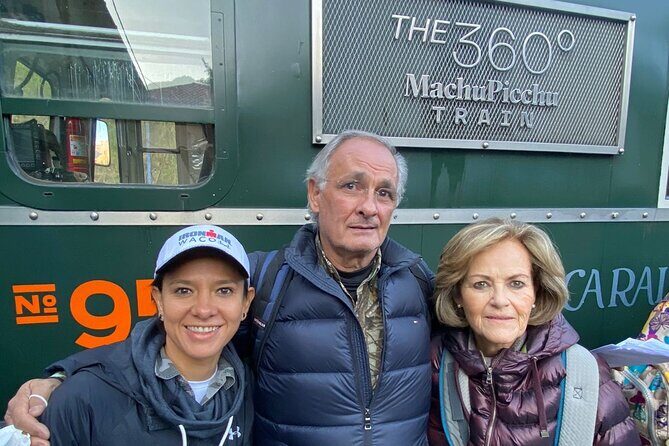
- a panoramic train option back to Cusco on the last day
- organic coffee farm tour and Pachamanca barbecue
This is the kind of pricing where you stop thinking about daily logistics and start thinking about the walking and enjoying the stops. That also helps if you’re not the type who wants to coordinate trains, buses, and timed entry while managing altitude.
What’s not included is where you’ll need to do some small planning: sleeping bag and air mats (and trekking poles if you choose not to rent), plus optional Huayna Picchu or Montaña tickets. Also, Machu Picchu entry is passport-based. You’ll need passport name, number, expiry, and country at booking, and you need a current valid passport on travel day.
One small practical note: the average booking window is 47 days in advance. That’s not a random number. It’s usually about time to lock in limited Machu Picchu options, plus making sure group logistics line up.
Who should book this trek (and who should think twice)
This fits best if you want:
- a classic alternative to the Inca Trail with less crowd pressure
- mixed scenery and climates across four days
- guided history and environment talk while you hike
- strong meal planning, including vegetarian options
The operator states you should have moderate physical fitness. That doesn’t mean you need to be a marathon runner, but it does mean you should be comfortable with uphill climbing and altitude. The route hits 4200 m at Humantay Lake and peaks at 4630 m at Salkantay Pass, so your body needs time to adapt.
If you hate early mornings, this may not feel fun. Starts hit at 4:30 am and the Machu Picchu bus line is 5:30 am. Also, Day 3 lands you in Aguas Calientes around 4:00 pm, so you should treat that as recovery time, not a free-night party schedule.
Should you book the Classic Salkantay Trek?
I’d book it if you want Machu Picchu with a route that actually changes as you walk: lake hike, pass day, cloud forest day, hot springs recovery, then an early-arrival Machu Picchu morning. The combination of guidance plus food support is a big part of why people rate this so highly, and the small group cap (up to 12) makes it feel more human.
Don’t book it on autopilot if you know you struggle with altitude or you’re picky about having zero waiting time in town. Also, if you want Huayna Picchu or Montaña, start planning early because those tickets must be booked in advance.
Lastly, go in expecting weather to matter. This experience requires good weather, and if it can’t run due to weather, you’ll be offered another date or a full refund.
FAQ
FAQ
What time does the tour start?
You’re picked up at 4:30 am on the morning of the tour.
How long is the Classic Salkantay Trek?
It runs about 4 days.
What is included in the price?
Pickup, entrance tickets for Salkantay, hot springs, and Machu Picchu, all transportation during the trek, bus rides up and down to Machu Picchu, an included panoramic train back to Cusco on the last day, plus an organic coffee farm tour and Pachamanca barbecue.
What gear is not included?
Sleeping bag, air mats, and trekking poles are not included. Trekking poles can be rented.
Are Huayna Picchu and Montaña included?
No. Huayna Picchu and Montaña are not included and you need to book them in advance.
Can I request a vegetarian option?
Yes. A vegetarian option is available—advise your needs at booking time.
Do I need a passport for this trip?
Yes. You’ll need passport name, number, expiry, and country at booking, and you must carry a current valid passport on the day of travel.
What group size should I expect?
The maximum group size is 12 travelers.
What altitude points are part of the itinerary?
The route includes Humantay Lake at about 4200 m and the Salkantay Pass at 4630 m, with Lucmabamba down around 2000 m on Day 3.