REVIEW · CUSCO
Inca Jungle Tour to Machu Picchu 4D – 3N Standard
Book on Viator →Operated by Conde Travel · Bookable on Viator
Downhill bikes to Machu Picchu sounds crazy. This 4-day Inca Jungle route strings together mountain biking with an early sunrise visit to Machu Picchu, so the trip feels like one long adventure instead of a stop-and-go shuffle. I also like the door-to-door transfers in Cusco that take some of the strain off before your first big climb.
I’m a fan of the food and sleep setup too. You’ll eat multiple included meals (with local touches like native fruits and tubers), then you’ll rest in a hostel with private bathrooms and hot water plus one night in a rural/local house.
One thing to consider: it’s not a gentle tour. You’re biking from about 4,350 m and walking through high forest for hours, so you’ll want solid stamina (and you may face extra costs for add-ons).
In This Review
- Key things to know before you book
- Day 1: From Cusco to Málaga Pass, then the big bike descent
- Day 1 extras that matter: rafting and safety rhythm
- Day 2: High-forest Inca route trekking, native-food lunch, and Cocalmayo hot springs
- Day 3: Ziplining, a hanging bridge moment, then the Hidroeléctrica to Aguas Calientes walk
- Day 4: Sunrise to Machu Picchu, a guided visit, then train and bus back
- Price and value: what US$470 really covers (and what it doesn’t)
- Fitness and pacing: downhill, jungle walks, and an early Machu Picchu morning
- What the local culture feels like here (not just a photo stop)
- Small group energy: why max 15 people can matter
- Practical tips to make your trip smoother
- Should you book the Inca Jungle Tour to Machu Picchu 4D – 3N Standard?
- FAQ
- What time does the tour start, and where do I meet?
- What lodging is included for the 4 days?
- Which meals are included, and what’s not?
- Are rafting and ziplining included in the price?
- Is sunrise at Machu Picchu part of the itinerary?
- Is Huayna Picchu included?
- What happens if weather is poor or the tour can’t run?
Key things to know before you book
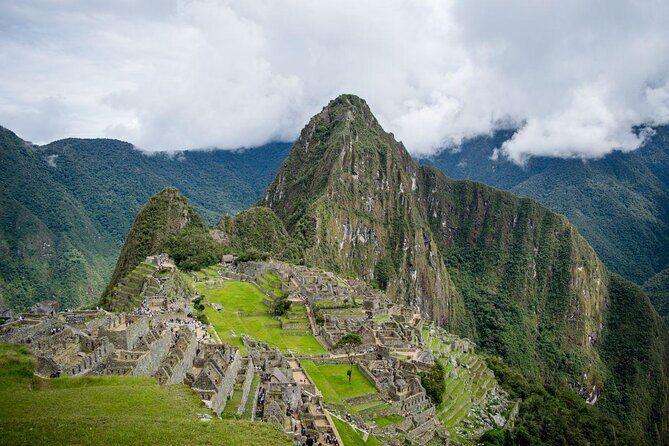
- A full active circuit: bike downhill, then add rafting and/or ziplining, then hike again toward Machu Picchu
- Sunrise ruins time: you get an early Machu Picchu start plus a guided walk on site
- Local meals are part of the plan: lunch and dinner experiences include native foods (fruits and tubers)
- Hot springs are the recovery button: Cocalmayo warm waters help after day 2 walking
- Small group size: maximum of 15 people makes it feel less like a cattle herding situation
- Costs can grow with extras: rafting, zipline, Huayna Picchu, and the final bus ride to the ruins are not all included
Day 1: From Cusco to Málaga Pass, then the big bike descent
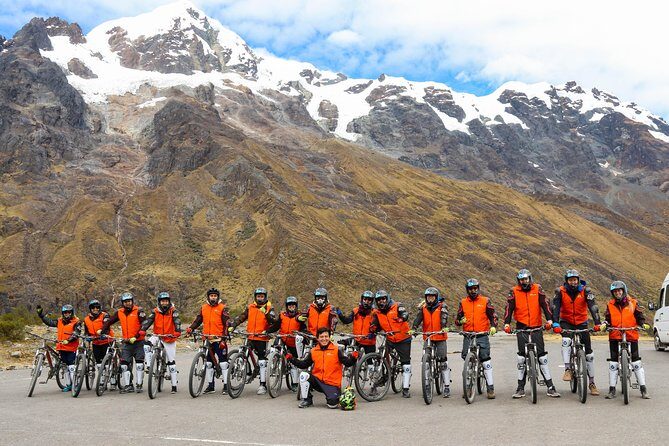
The day starts early, with pickup from your Cusco accommodation (meeting point is Plaza de Armas). After you roll out, you travel to Ollantaytambo where breakfast is served. Then the energy shifts from breakfast mode to altitude and motion mode: you bus up to Málaga Pass at about 4,350 m, near the Verónica snowy area.
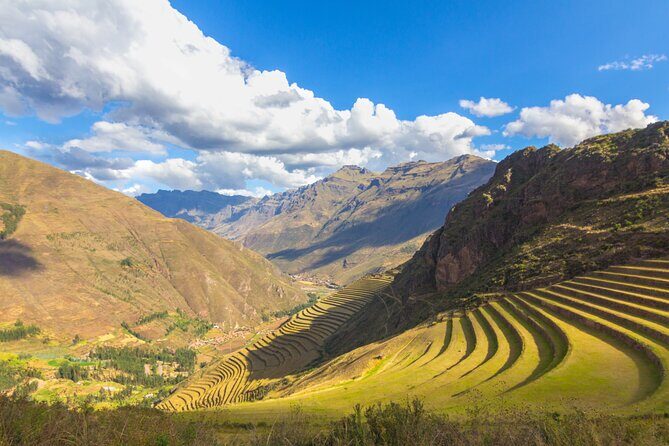
Here’s the part that makes this tour feel different from a classic trek: you’re not just hiking your way through the Andes. You’re biking. And not a flat, casual ride—this is a downhill descent from Málaga Pass down to Huamanmarca / Santa Maria (around 1,890 m). The contrast is dramatic. You start higher, colder, and thinner-air-feeling; you end lower and more jungle-like. If you like variety, this day nails it.
After the descent, you stop for lunch and then the itinerary gives you options. There’s an optional rafting on the Urubamba River. The tour frames it as not too dangerous and not too boring, which is exactly what many people want on day 1—adrenaline, but still manageable. If the river is in a wild mood, you’ll still want a calm head and a good briefing, since rafting depends a lot on conditions.
To finish the day, you transfer onward and then walk to a local house (Bella Victoria). Dinner is hosted by a native family, with coffee and achiote included. This is the kind of ending that makes the day feel more human. You’ve sweated and moved all day, then you’re sitting down with people who live there—often the best way to understand the region beyond the postcard.
Who tends to enjoy this day most: people who like active variety more than long hikes only.
Possible drawback: you need to be comfortable with early starts and a long day that begins at altitude and ends with more walking.
You can also read our reviews of more tours and experiences in Cusco.



Day 1 extras that matter: rafting and safety rhythm
Rafting is listed as optional and not included (US$35.00). Ziplining is also optional later (US$35.00). The practical benefit is choice. You can decide based on your fitness, comfort level, and how your body reacts after the bike day.
Safety-wise, the tour includes biking equipment (so you’re not showing up empty-handed). In past groups, there’s been praise for guides who take precautions and explain what to do. One caution I’d still note from the available info: one guest reported a bike brake issue on their ride. That doesn’t mean it happens to everyone, but it does mean you should do a quick check of your bike brakes and ask the guide to confirm everything before you start descending.
Day 2: High-forest Inca route trekking, native-food lunch, and Cocalmayo hot springs
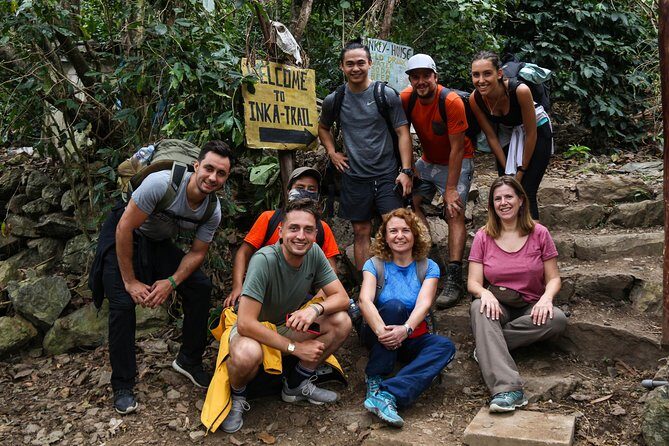
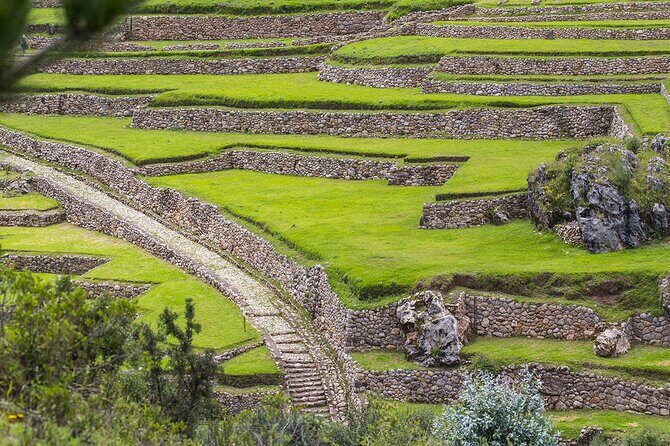
Day 2 is where the tour turns into a true jungle trek. After breakfast, you head to the Inca route and begin walking for about 4 hours through high forest. This isn’t described as a single-file, same-view-for-hours slog. The route is positioned as biodiversity country—expect chances to spot a lot of plant life and birds, and you’re in an area where orchids and other wild species are part of the ecosystem.
After that morning hike, there’s a lunch made by a local community. This is one of those details that’s easy to skip over when you’re scanning itineraries, but it’s meaningful. Native fruits and tubers aren’t just food items—they’re part of what local families know how to grow, cook, and live with in this region. It also keeps the tour from becoming a string of transit days between activities.
Then the day’s payoff is Cocalmayo Hot Springs. Think of it as the recovery stop that turns hiking soreness into a warm-water reset. After soaking and relaxing, you go to bed.
Why day 2 is valuable: you get a slower, nature-forward segment that balances the bike-and-adrenaline feel from day 1.
What you should plan for: uneven terrain and real walking time. If you want a lightweight walking day, this isn’t it.
Day 3: Ziplining, a hanging bridge moment, then the Hidroeléctrica to Aguas Calientes walk
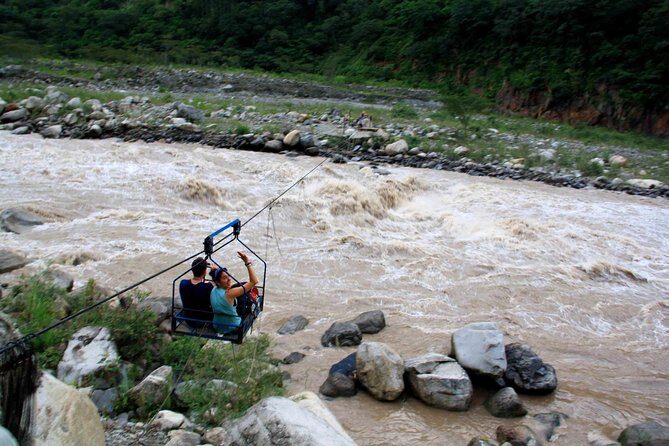
Day 3 starts with ziplining at a nearby location. The tour describes different routes, plus crossing a hanging bridge and doing some light climbing. If you like adrenaline but also like moments where you’re seeing the terrain from a new angle, this day delivers.
Zipline itself is optional and costs US$35.00 if you want it. If you prefer to conserve energy after the hike and bike days, you can weigh that cost against how you feel physically after day 2 and whether you’re comfortable with heights and harness work.
After the ziplining portion, you’ll bus to Hidroeléctrica for lunch. Then you start walking again—about 3 hours—toward Aguas Calientes. This is when the pace shifts into “keep moving, don’t sprint.” You’re building toward Machu Picchu, and Aguas Calientes is your base for the night.
The tour notes that this night is more comfortable, with a hotel in Aguas Calientes. That matters because day 4 is early and physical. You’ll want sleep, not a rougher overnight.
Day 4: Sunrise to Machu Picchu, a guided visit, then train and bus back
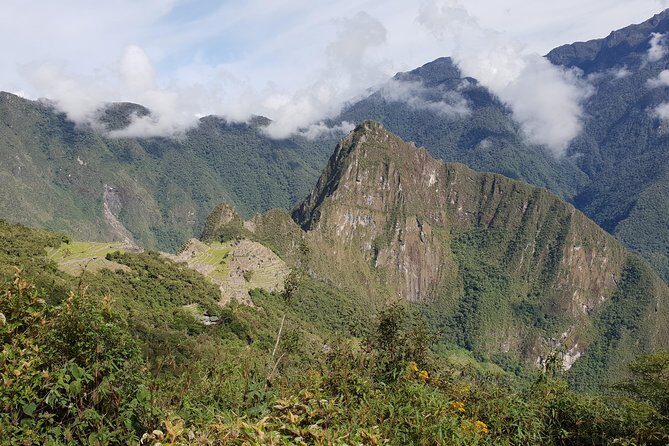
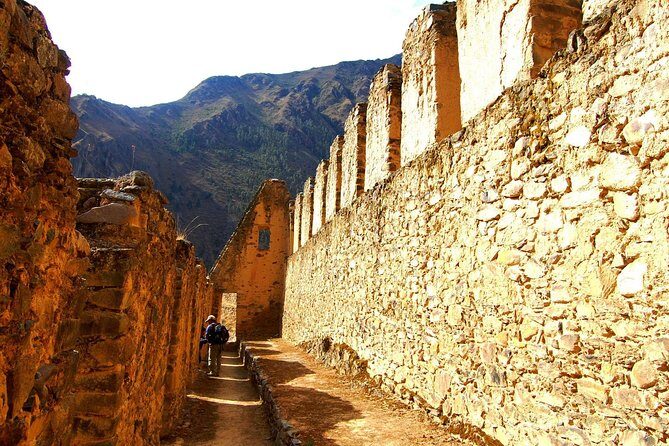
Day 4 is the big one: the group gets up early to go to Machu Picchu, using an ascending route through high forest. The plan includes a chance to see sunrise over the ruins. That early timing also means you’re more likely to experience the site with fewer distractions around you, so your guide can focus on context and orientation.
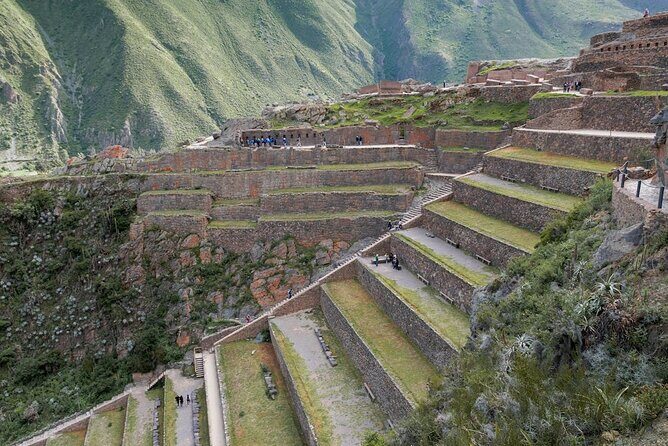
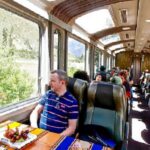
At Machu Picchu, you get a guided tour for about 2 hours, and then you’ll have time to enjoy the ruins on your own. After that, you take the train and bus back to Cusco.
This structure is smart. A guided intro helps you understand what you’re looking at—platforms, pathways, how spaces connect—then free time lets you return to the spots you care about most.
Optional upgrade to know: Huayna Picchu is not included (US$70.00). If you want it, the tour advises booking in advance at least 4 months ahead.



Price and value: what US$470 really covers (and what it doesn’t)
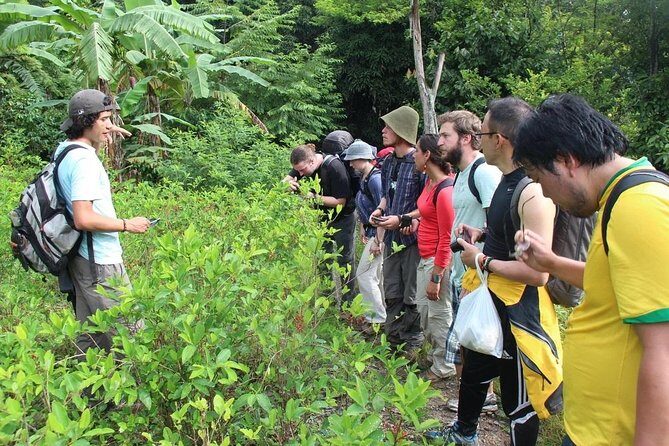
At US$470 per person, the value comes from how much is packaged together. Included items are the heavy-ticket basics that people often end up piecing together separately:
- Bilingual guide (English and Spanish)
- Entrance fees, including Machu Picchu
- Biking equipment
- Multiple meals: 3 breakfasts, 3 lunches, and 3 dinners (plus dinners/lunches tied to local community stops)
- Lodging: 2 nights in a hostel with private bathrooms and hot water, plus 1 night in a local-rural house with a private room
- Private transportation from Cusco to Santa Maria
- Train back from Aguas Calientes to Ollantaytambo, plus the bus to Cusco
Not included (so you’ll budget for these):
- First breakfast and last lunch and dinner (each between US$10)
- Rafting: US$35.00 (optional)
- Zipline: US$35.00 (optional)
- Cocalmayo hot springs: possible to pay on site (between US$10.00)
- Huayna Picchu: US$70.00 (not included)
- Roundtrip bus Aguas Calientes ↔ Machu Picchu: US$24.00 per person
So the question isn’t only whether US$470 is cheap. It’s whether you’d rather spend your time coordinating transport, guides, and tickets—or let the tour handle the structure. If you want a plan that delivers multiple activity types plus lodging and meals without you mapping every connection, this price can make sense.
Fitness and pacing: downhill, jungle walks, and an early Machu Picchu morning
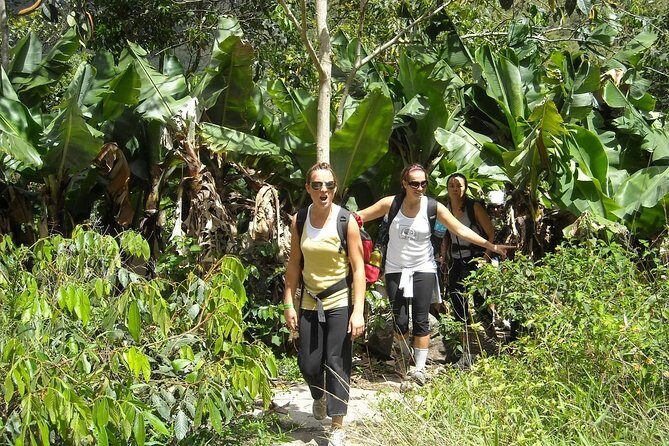
This itinerary stacks exertion across four days. Even though the bike day is downhill, you still have high altitude at the start. Day 2 is about 4 hours walking in high forest. Day 3 includes a zipline segment and then about 3 hours walking from Hidroeléctrica to Aguas Calientes. Day 4 adds an early ascending route for Machu Picchu sunrise.
In short: your day is physically busy, even if not every moment is “hard hiking.” If you’re fit and you enjoy moving, you’ll likely feel proud at the end. If you’re recovering from an injury or you hate sustained climbing, this tour might feel punishing.
One more realism check: the tour depends on good weather. That doesn’t mean every day is perfect outdoors, but it does mean your comfort can swing with rain and cloud.
What the local culture feels like here (not just a photo stop)
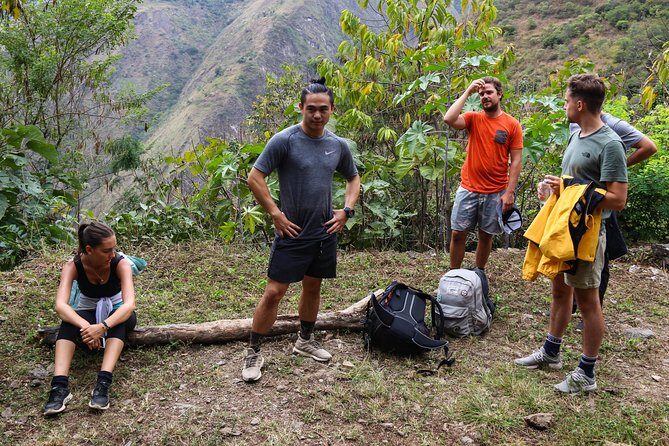
The tour builds culture stops into the flow. Instead of one rushed look and move on, you spend time with local food and local hosted moments.
- Day 1 dinner at Bella Victoria is hosted by a native family, with coffee and achiote (a key flavor ingredient in the region).
- Day 2 lunch is made by a local community using native fruits and tubers.
- The whole route puts you in high forest and river-country, not only museum-style sightseeing.
This is also where guides can make a big difference. In the available feedback, guides such as Alfredo, Eduardo, and Jonathan are singled out for being highly communicative—explaining Inca culture and Peru beyond the basic facts. With a bilingual guide, you can usually ask questions and get answers without feeling lost.
Small group energy: why max 15 people can matter
This tour caps at 15 travelers. That’s not a giant crowd, and it helps with two practical things: pacing and attention. You’re more likely to get clear instructions at activity points (bike, zipline, walking routes) and less likely to get stuck waiting for the slowest person in the group.
You’ll still want to keep up, because the schedule includes early departures and multi-hour walking segments. But compared with very large group tours, the small size usually makes the whole thing feel more controlled.
Practical tips to make your trip smoother
A few practical thoughts based on how this itinerary runs:
- Plan your budget for add-ons: zipline, rafting, and Huayna Picchu are extra. If you want all thrills, add them in your planning from the start.
- Do a quick check before biking: ask your guide to confirm your braking and comfort before the descent.
- Pack for early mornings: sunrise at Machu Picchu means cold starts are likely, even if midday warms up.
- Bring patience for walking time: day 2 and day 3 include hours of trekking. Start the week well-hydrated and don’t go hard partying in Cusco the night before.
- Expect weather-based changes: the tour requires good weather, so keep a flexible attitude.
Should you book the Inca Jungle Tour to Machu Picchu 4D – 3N Standard?
Book it if you want one of the most active ways to reach Machu Picchu: bike downhill from a high pass, walk through high forest, add zipline and/or rafting if you feel up for it, soak at Cocalmayo, and then stand at Machu Picchu at sunrise with a guided introduction.
Skip it (or ask more questions first) if you’re aiming for a relaxed vacation, you get anxious with heights and harness activities, or you know you struggle with sustained walking. This is a stamina trip, just with variety built in.
If that sounds like your kind of challenge, you’ll likely appreciate the value. You’re not only buying entry to Machu Picchu—you’re buying a whole sequence of transportation, lodging, guides, and meals that keeps the days moving.
FAQ
What time does the tour start, and where do I meet?
The tour starts at 6:30 am, with pickup/meeting at Plaza de Armas de Cusco.
What lodging is included for the 4 days?
You’ll get 2 nights in a hostel with private bathrooms and hot water, plus 1 night in a local-rural house with a private room.
Which meals are included, and what’s not?
The tour includes 3 breakfasts, 3 lunches, and 3 dinners. It does not include your first breakfast and your last lunch and dinner (each between US$10).
Are rafting and ziplining included in the price?
Rafting and ziplining are both listed as optional and cost US$35.00 each if you choose to do them.
Is sunrise at Machu Picchu part of the itinerary?
Yes. Day 4 includes an early trip to Machu Picchu through an ascending route, with an opportunity to see sunrise.
Is Huayna Picchu included?
No. Huayna Picchu is not included and costs US$70.00. The tour notes you should book it in advance (at least 4 months ahead).
What happens if weather is poor or the tour can’t run?
This experience requires good weather. If it’s canceled due to poor weather, you’ll be offered a different date or a full refund. It can also be canceled if a minimum number of travelers isn’t met, with the same options.