REVIEW · CUSCO
4-Day Inca Jungle Adventure, Mountain Biking, Rafting and Zipline
Book on Viator →Operated by Chullos Travel Peru · Bookable on Viator
Four days, and you earn Machu Picchu. This Inca Jungle adventure swaps the classic Inca Trail for a mix of downhill biking, ziplining, and rafting through changing climates, then finishes with an early, guided entry into Machu Picchu. With a maximum of 15 people, you get more personal attention than on the big cattle-car tours.
I also like that the package handles a lot of the moving parts: hotel pickup in Cusco, transport to the start of the biking, and meals across the trip. One drawback to plan for is that comfort is basic. Hostal stays are simple, and key Machu Picchu costs (like the citadel ticket) are not included.
In This Review
- Key highlights you’ll feel in your body
- Why this Inca Jungle route is more than a different trail
- Day 1: Cusco pickup, Abra Málaga bike descent, and a Santa María river day
- Day 2: The Waka Yupana trail, zipline time, and relaxing Cocal Mayo hot springs
- Day 3: From Lucmabamba coffee farms to Llactapata, then toward Aguas Calientes
- Day 4: The early climb into Machu Picchu and a guided walkthrough
- Price and value: what the $378 covers, and what you must budget for
- Your pace, your people, and why small groups matter here
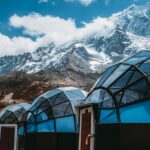
- Where you sleep and what comfort level to expect
- What to pack for biking, humidity, and an early Machu Picchu morning
- Who this tour suits best (and who should choose another option)
- Should you book the 4-Day Inca Jungle Adventure?
- FAQ
- FAQ
- Is this tour limited to a small group?
- What’s included in the tour price?
- What meals do I get during the 4 days?
- Do I need strong fitness to join?
- Is the zipline included?
- Is the thermal bath time included?
- Are Machu Picchu entrance tickets included?
- Is Huayna Picchu included?
- How do I get back to Cusco after Machu Picchu?
Key highlights you’ll feel in your body
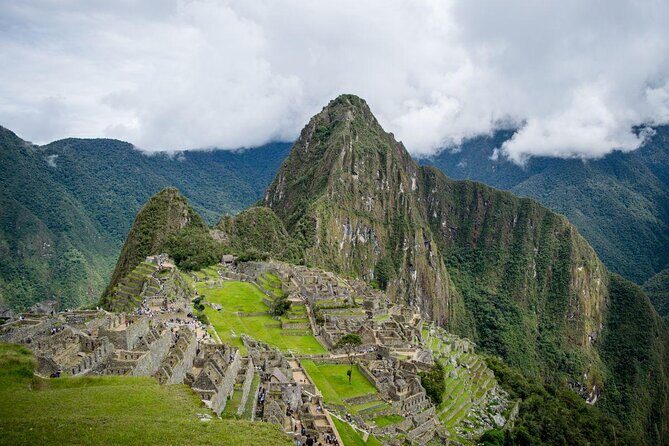
- Small group (max 15): You’re not lost in a crowd, especially on the early Machu Picchu morning.
- Downhill biking from Abra Málaga (4,316 masl): Serious adrenaline, plus great Andes-to-jungle contrast as you descend.
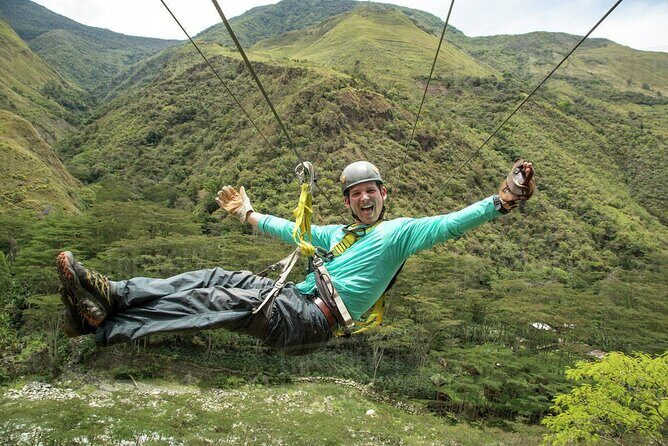
- Zipline over the river zone: A timed, guided ride with safety gear set up for you.
- Jungle hike with real farms: You walk through coca, coffee, cassava, and tropical fruit areas on the way to Waka Yupana.
- Aguas Calientes arrival by hike option: You can take the train or walk the tracks for about 2 hours.
- Early Machu Picchu climb: You start around 4:00 am and get a guided walkthrough of the main sectors.
Why this Inca Jungle route is more than a different trail
If you want Machu Picchu but you don’t want the same exact hiking rhythm as the classic route, this works well. The big idea is simple: you trade long, stone-step trekking for a “moves all day” combo—bike, raft, zipline, and jungle walking—so you’re always doing something instead of just grinding uphill.
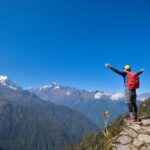
The other reason it feels special is the climate shift. You start up high near Abra Málaga in the Andes zone, then the trip flows into fruit fields and rivers, and the air changes from cold to tropical. That contrast isn’t just pretty. It changes how your body feels on each day—warm, humid sweat on one leg, crisp air when you’re climbing or descending on another.
You can also read our reviews of more cycling tours in Cusco
Day 1: Cusco pickup, Abra Málaga bike descent, and a Santa María river day
Your day starts early. You’ll get picked up in Cusco between 6:00 and 7:00 a.m., then head toward the Sacred Valley. After about an hour, there’s a stop in Ollantaytambo (about an hour later) where you can grab breakfast on your own and handle any last purchases.
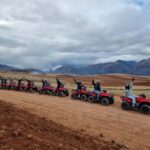
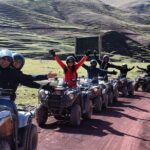
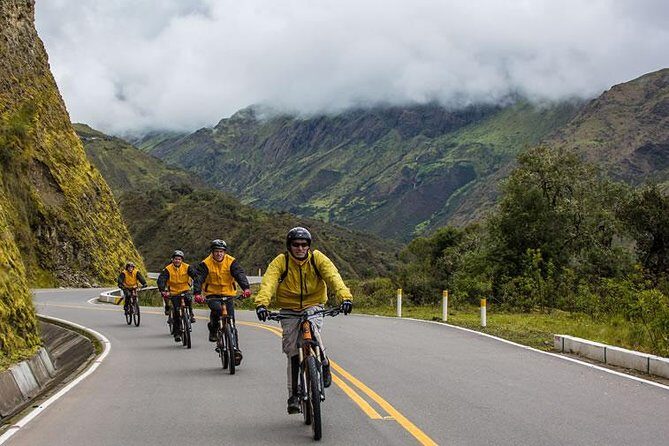
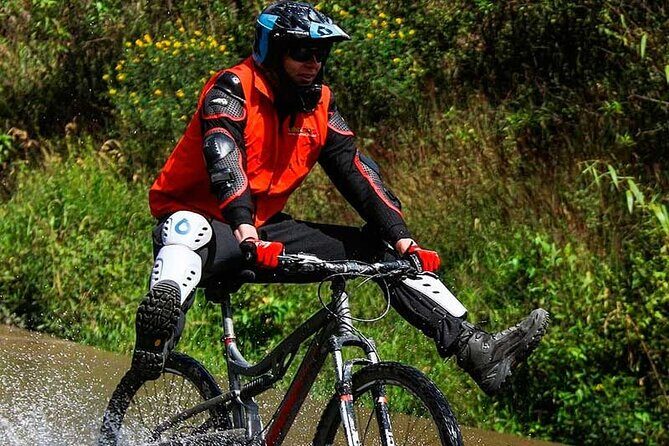
Next comes the “whoa” moment: you continue to Abra Málaga (4,316 masl) and start the downhill by bicycle. Your guide provides the biking equipment, and the ride lasts about 2.5 hours. This is the part that many people describe as beginner-friendly because it’s mostly downhill, but you still need to stay focused. Views distract you. Speed can sneak up on you. Listen to your guide and keep your hands calm on the handlebars.
Midway, you stop at the archaeological center of Huamanmarka, where the guide explains the site and what you’re looking at. After the bikes are finished, the trip shifts into Peruvian Amazonia through fruit fields and rivers. It’s a real change of environment, not just a marketing line.
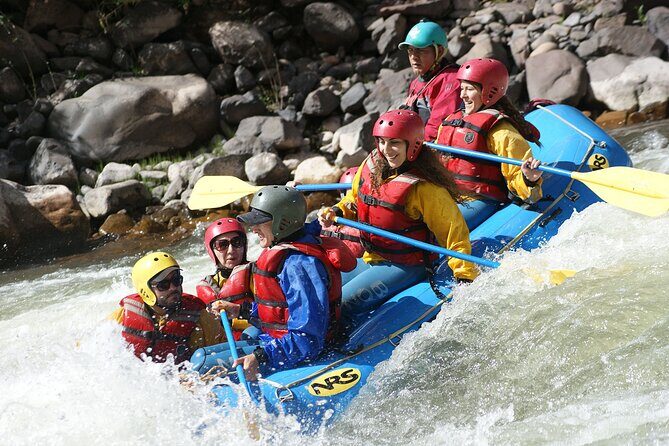
You end in Santa María for lunch and overnight. Rafting is included in the overall trip, and the schedule is built to fit river time in this area—so plan for wet gear, river air, and a shower situation that may not feel glamorous.
What to watch for on Day 1
- Your body may still be adapting to altitude on the morning start, even if the bike is downhill.
- You’ll want water and a snack strategy for the in-between gaps, especially if breakfast in Ollantaytambo is just a quick bite.
Day 2: The Waka Yupana trail, zipline time, and relaxing Cocal Mayo hot springs
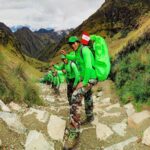
Day 2 is your jungle hiking day, and it’s paced for steady progress. After breakfast, you start walking toward Waka Yupana for about 5 hours. The first part is easier, then you hit two hours uphill, and then you settle into the rhythm again.
Along the trail, you pass through plant zones like coca, coffee, cassava, annatto, and tropical fruits. You’re not just walking past green scenery—you’re moving through working-agriculture areas, so the guide’s job is to connect the plants to how people live here.
At some point you’ll get one of the standout views of the trip: Wankar Q’asa canyon. After that, it’s about a 1-hour descent to Waka Yupana, where transport meets you to take you to Santa Teresa for lunch.
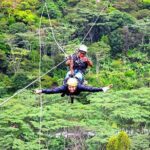
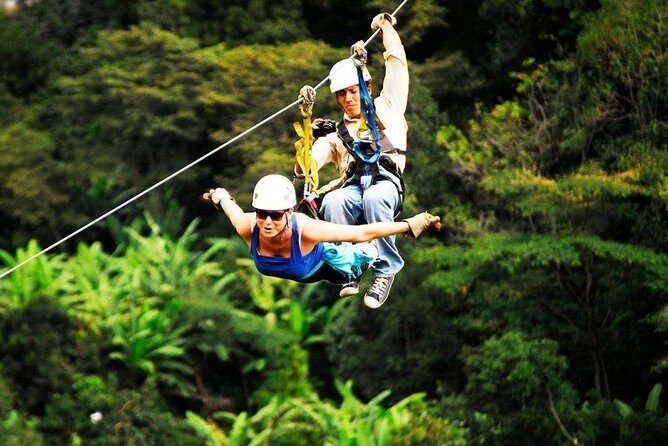
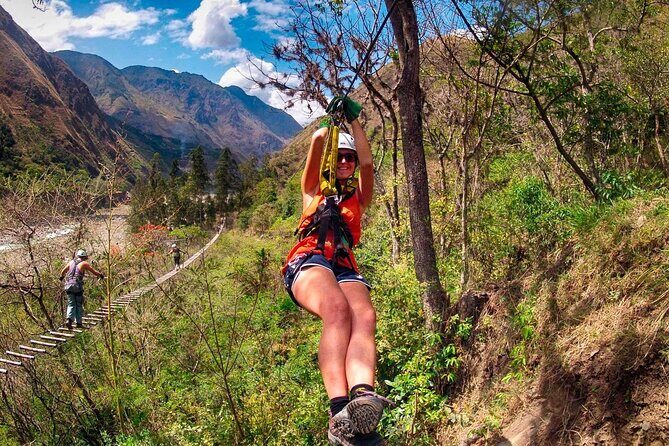
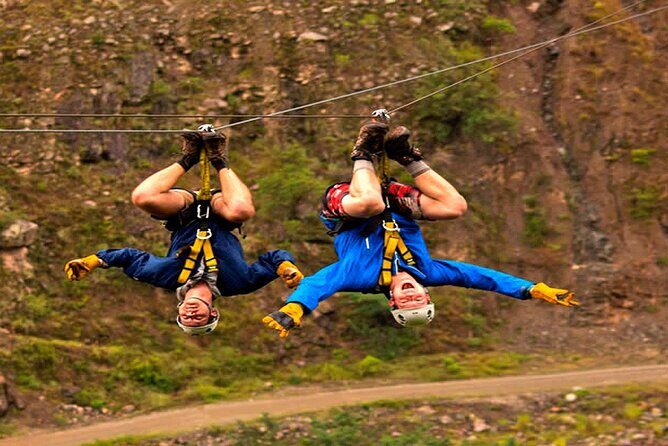
In the afternoon, the adventure gets loud and fast: zipline. The ride lasts about 2 hours. You slide through a pulley system attached to a waist harness, with the guide coordinating the safe flow of each rider.
Then you have a chance to cool down at Cocal Mayo Thermal Baths. It’s listed as optional, and this is where you can stop thinking about effort for a bit and let your muscles loosen. Even if you skip it, you’ll still be grateful the day doesn’t end the moment you’re tired—you have a recovery window.
You sleep in Santa Teresa for the night, with dinner included.
A practical fitness note
Day 2’s hiking includes a real uphill block. If you can do a steep hike at home (not just gentle walks), you’ll be in the right category. If you can’t, you may find it slower and more tiring than you expected.
Day 3: From Lucmabamba coffee farms to Llactapata, then toward Aguas Calientes
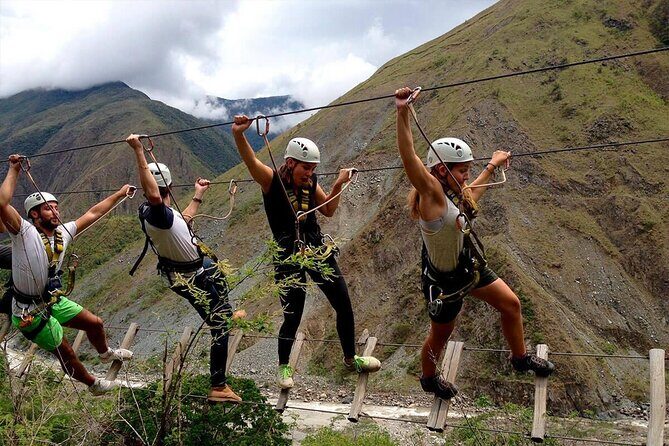
This is the day where the route starts feeling more like a classic trek again—still in the jungle, but with longer walking segments and big scenery payoffs.
You wake up early: breakfast is at 5:30 a.m. After that, you take local transportation for about 45 minutes to Lucmabamba. There, you explore the tropical forest and the organic coffee agricultural field, with the chance to try fresh coffee.
Next, you hike to Llactapata for about 2 hours 50 minutes. After visiting Llactapata, you continue with a 2-hour downhill hike. Along this section, the view works like a moving postcard: you can keep seeing Machu Picchu until you reach Hidroeléctrica for lunch.
After lunch, you move to Intiwatana, an ancient rock used as a sundial in Inca times. Then you continue to the train tracks leading toward the town of Aguas Calientes.
Here’s your fork in the path:
- Option 1: If you’re tired, take the train to Aguas Calientes (not included).
- Option 2: If you still have energy, walk from Hidroeléctrica to Aguas Calientes along the tracks for about 2 hours.
Either way, you overnight in Aguas Calientes.
Why this day is worth the effort
Llactapata plus the downhill to Hidroeléctrica gives you strong perspective on Machu Picchu before you ever enter it. It also spreads the work across the day so you don’t feel like you’re only suffering for one final moment.
Day 4: The early climb into Machu Picchu and a guided walkthrough
Day 4 is built for an early start, and that matters. You wake around 4:00 a.m., then begin the walk to the first Machu Picchu control point. You’ll do about a 30-minute walk to Puente Ruinas, then go up stairs for about 1 hour to reach the main gate.
Before you start walking, you get a packed breakfast. Once inside Machu Picchu, your guide covers the main sectors for about 2.5 hours, explaining the history and culture of the Inca empire.
One guide name I want to flag from a past participant: Eber. People describe him as friendly and focused, and that’s exactly what you want on a day where you’re tired but excited.
After the visit, you return to Aguas Calientes. Lunch is on your own, and you wait for the train departure time. The train takes about 2 hours to Ollantaytambo, and then you transfer by bus back to Cusco.
Machu Picchu tip that can change your day
If you have any choice in your entry circuit timing, I’d aim for the earlier morning slots when possible. Early timing often helps you experience the key areas with less push, and it matches the energy you’ll have after climbing in the dark.
Also, the included day uses a lot of walking (early gates plus stairs). If you’re the type who likes to “save your legs,” you should think twice. This is the kind of morning that becomes part of the memory, not something you dodge.
You can also read our reviews of more tours and experiences in Cusco
Price and value: what the $378 covers, and what you must budget for
At $378 per person for four days, you’re paying for an active itinerary plus a guided Machu Picchu day. A big chunk of value is that the tour includes:
- bike and zipline experiences
- rafting experience (even though it isn’t spelled out in the day-by-day text, it is included in the overall package)
- three nights in hostal
- trained guides for the jungle and the Machu Picchu cultural visit
- train tickets from Aguas Calientes to Ollantaytambo
- transport back to Cusco
What’s not included is where your budget can surprise you:
- Machu Picchu entrance fees (circuit 1 or 2 depending on availability)
- a bus listed as extra for the Aguas Calientes to Machu Picchu round trip
- optional Huayna Picchu entrance (listed as $79 per person when purchased with the company)
So the real question isn’t just the base price. It’s whether you’re ready to add Machu Picchu ticket costs on top of the package. If you treat the $378 as your whole budget, you’ll feel annoyed later. If you treat it as the transport + guiding + adventure portion, it’s a strong value for how much you do.
Your pace, your people, and why small groups matter here
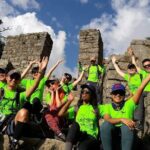
This tour caps at 15 travelers, which changes the vibe. On days like the bike descent, zipline, and the early Machu Picchu morning, small-group attention can mean fewer delays and more help when you’re tired.
The schedule is action-heavy, but it’s not a constant sprint. There are clear breaks: lunches after the major segments, time built into the thermal baths option, and an overnight in each region so you can reset.
The most important “pace reality” is that you’re combining different fitness demands:
- biking downhill
- hiking uphill and downhill in the jungle
- long walking on Day 3
- stairs and a guided citadel day early in the morning
If you’re fit and comfortable walking for hours, you’ll likely feel proud at the end. If your idea of hiking is 45 minutes on a flat path, this will feel like a rude awakening.
Where you sleep and what comfort level to expect
Your lodging is hostal for three nights. That generally means simple rooms and shared spaces. Based on one detailed participant note: Day 1’s hostel was described as very basic, with a cold-water shower after rafting. Day 2 and Day 3 were better in quality, but still in the hostel category. Day 4’s food on the Machu Picchu morning is mostly a packed breakfast, so don’t expect a big hotel-style start.
So here’s the rule I’d use: pack for practicality, not luxury. Bring travel wipes, a small towel if you like, and realistic expectations about showers and room space.
What to pack for biking, humidity, and an early Machu Picchu morning
You’re going through multiple climates—Andes morning chill at altitude, then warm jungle humidity. Pack layers, not just one outfit.
A packing list style that worked well for a past participant included:
- hiking boots and good hiking socks (two solid pairs really help)
- a hat and sunglasses for sun exposure during biking and early walks
- water-focused gear like a water bladder (they used a 2-liter amount)
- sweat-wicking shirts and comfortable underwear
- mosquito repellent for humid zones
- sunscreen
- a waterproof jacket just in case, even if you might not use it much
- money and your passport for Machu Picchu entry (passport is needed for entry per the guidance provided)
You’ll also be carrying what you bring for the week, so go lighter than you think. A bulky backpack turns every uphill and long track walk into a chore.
Who this tour suits best (and who should choose another option)
This fits you if:
- you want Machu Picchu without doing only stone-step trekking
- you’re comfortable with active days and early mornings
- you like variety: bike, raft, zipline, then jungle hikes
- you want small-group attention (max 15)
This may not fit you if:
- you need lots of comfort and a hotel-style setup
- you hate stairs and long walking days
- you’re not ready for a few hours of hiking with an uphill segment
If your main goal is maximum comfort and minimal exertion, a gentler Machu Picchu plan might suit you better. If your goal is a story you can tell—mossy jungle trails, a zipline ride, and an early gate into the citadel—this delivers.
Should you book the 4-Day Inca Jungle Adventure?
I’d book it if you’re the type who gets energized by doing. This is not a sit-and-sightseeing route. It’s a full-body itinerary that trades luxury for momentum, and it’s smart about logistics like included guides, transfers, and the Aguas Calientes to Ollantaytambo train.
Before you say yes, do two things:
- Budget for Machu Picchu entrance fees separately, plus any listed Aguas Calientes to Machu Picchu transport cost.
- Be honest about your fitness. The trip asks for strong physical stamina across biking, jungle hiking, and a very early Machu Picchu morning.
FAQ
FAQ
Is this tour limited to a small group?
Yes. The maximum group size is 15 travelers, which helps keep the experience more personal and manageable during biking, zipline, and the Machu Picchu day.
What’s included in the tour price?
The package includes pre-departure briefing, transport from Cusco to Abra Málaga, biking experience, zipline experience, river rafting experience, an adventure guide for the jungle part, three nights in hostal, Machu Picchu cultural guide time, train tickets from Aguas Calientes to Ollantaytambo, transport from Ollantaytambo to Cusco, and meals (breakfast, lunch, and dinner on the scheduled days).
What meals do I get during the 4 days?
You get breakfast, lunch, and dinner across the trip (3 breakfasts, 3 lunches, 3 dinners). On Machu Picchu morning (Day 4), you also get a packed breakfast.
Do I need strong fitness to join?
Yes. The tour specifies that travelers should have a strong physical fitness level due to biking, hiking, and early walking.
Is the zipline included?
Yes. The zipline is included and lasts about 2 hours.
Is the thermal bath time included?
Cocal Mayo Thermal Baths are listed as optional after the zipline on Day 2.
Are Machu Picchu entrance tickets included?
No. Admission fees for Machu Picchu are not included. The tour notes circuit 1 or 2 will depend on availability, and you’ll need to arrange the ticket with the agent.
Is Huayna Picchu included?
Not automatically. Huayna Picchu entrance is listed as an extra cost ($79 per person) if you purchase it with the company.
How do I get back to Cusco after Machu Picchu?
After your Machu Picchu visit, you return to Aguas Calientes for lunch, take the train to Ollantaytambo (included), and then transfer by bus to Cusco (also included).