REVIEW · CUSCO
The Textile Workshop Experience in Cusco Region
Book on Viator →Operated by Andean Colors · Bookable on Viator
Textiles come alive in the Andes. At Andean Colors in the Cusco region, you do a full hands-on Peruvian weaving workshop, create your own bracelet or bookmark using ancient techniques, and finish with lunch plus a calm llama and alpaca encounter with mountain views. I especially like that you’re not just watching, you’re getting your hands into the process, step by step. I also love the social mission angle and how the day feels more like learning in a rural home than a scripted tourist stop. One real consideration: private transportation isn’t included, so plan for a drive out to Racchi ayllu.
This is a private activity, so it’s just your group. If your Spanish is limited, you’re still fine: guides like Miguel have been noted for clear English and Spanish during the class and meal time, and the work itself is visual and practical.
In This Review
- Key Things I’d Book This For
- Entering Andean Colors: Why This Workshop Feels Different
- The 4-Hour Rhythm: What You’ll Do From Start to Finish
- Arrival and first contact with the space
- Feeding and a short walk with llamas and alpacas
- The workshop: bracelet or bookmark, made the traditional way
- Lunch happens right after the hard work
- Final encounter and optional shopping
- What You Actually Learn: Wool Cleaning, Natural Dye, Spinning, Weaving
- Cleaning the wool (not just skipping ahead)
- Natural dye: where the color comes from
- Spinning: hands-on thread making
- Weaving: your bracelet or bookmark
- Lunch in the Countryside: Simple, Included, and Often a High Point
- Dietary needs: a practical check
- If you’re picky about food style
- The Llama and Alpaca Encounter: Calm Time for Photos and Context
- Value and Price: Is $79 Worth It?
- Why it’s still good value
- The “transport” cost will decide the true total
- Communication, Language, and Comfort in a Private Group
- Practical Advice Before You Book
- Book this early in your Cusco trip
- If you want to combine with Sacred Valley stops
- Bring your shopping mindset
- Should You Book Andean Colors’ Textile Workshop?
- FAQ
- How long is the Textile Workshop Experience?
- What will I make during the workshop?
- What’s included in the price?
- Is lunch included, and do I need to bring water or soda?
- Do I need to arrange transportation from Cusco?
- Can I get a refund if my plans change?
Key Things I’d Book This For
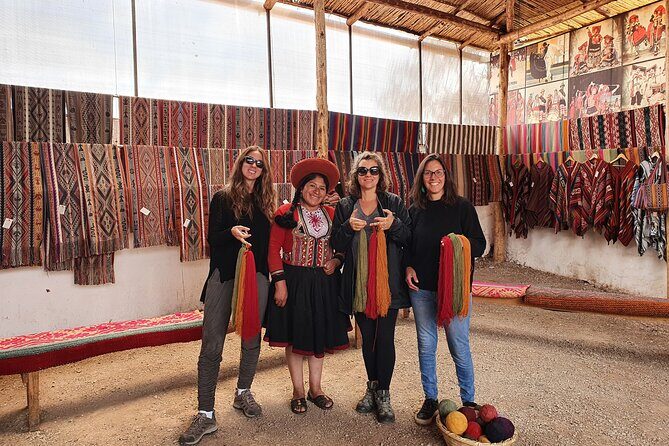
- Hands-on from wool to finished piece: you clean, dye, spin, and weave, not just take photos.
- Natural dyes and real materials: you work with wool, dyes, and tools used in traditional methods.
- Take-home crafting: you create a bracelet or bookmark and keep what you make.
- Food included: you get a traditional Andean lunch after the workshop.
- Animal time with a purpose: fresh grass is included to feed llamas and alpacas during your encounter.
- A strong community mission: purchases support women’s weaving and help sustain authentic craft work.
Entering Andean Colors: Why This Workshop Feels Different
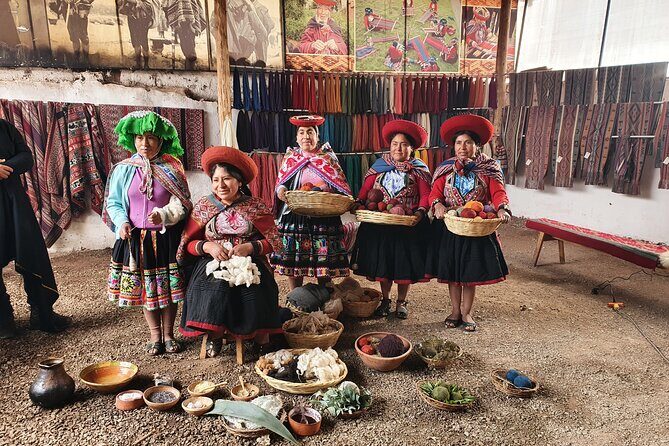
Cusco is packed with textiles. But most of what you see in town is the end product—pretty yarn, folded ponchos, and the quick sales pitch. This experience flips the order. You start with the raw work behind the cloth: fiber, cleaning, color, and hand weaving techniques that come from generations in the Andes.
The setting matters, too. Andean Colors is in the Cusco countryside near Racchi ayllu (your meeting point is Andean Colors, Racchi ayllu, 08670). You’re not stuck in a busy workshop floor. Instead, you’re in a working environment where animals, plants for dye, and the day’s craft rhythm all have a place.
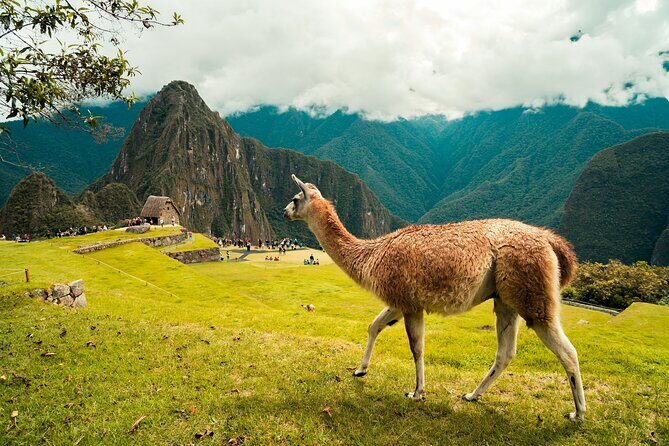
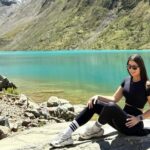
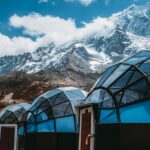
And yes, the photo moments are real. The day ends with a charming llama and alpaca encounter, and the Andes Mountains are the backdrop you can build your souvenir photos around. It’s not just a quick “stand near the animals” moment. You’re part of the routine: feeding, walking, then back to the craft.
You can also read our reviews of more tours and experiences in Cusco
The 4-Hour Rhythm: What You’ll Do From Start to Finish
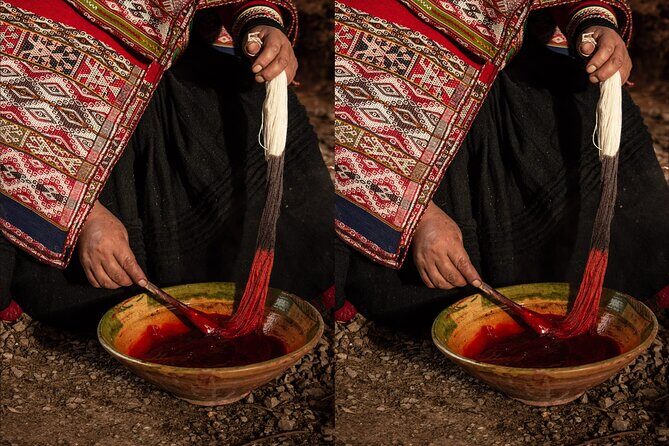
The workshop runs about 4 hours. That’s a great length for a Cusco day because it gives you a complete activity without hijacking your whole schedule. It’s also private, so your pace is easier to manage if you’re traveling with kids or dealing with altitude fatigue.
Arrival and first contact with the space
When you arrive at Andean Colors, your group gets welcomed and oriented. The flow is practical: you see how the work happens, then you move into the animal and fiber portion of the day. Guides such as Miguel, and others like Marco and Paulita/Paolina (names show up across experiences) are part of the welcoming energy.
If you’re hoping for a “start right away” vibe, this is one of those places. You don’t wait around for a scripted slideshow. You get hands-on quickly, and the instructors explain what you’re doing as you do it.
Feeding and a short walk with llamas and alpacas
A key part of the experience is the encounter with the animals. Fresh grass is included so you can feed llamas and alpacas during your visit. In some formats, you also walk with the animals—both to build comfort and to connect the craft to the living farm behind it.
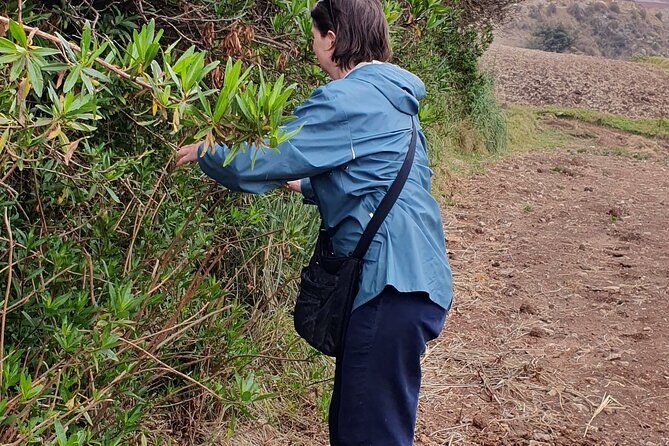
Some experiences also include a short walk to an overlook above the Sacred Valley area, plus a chance to gather plant material used for dye. Even if you don’t get an “epic trek,” it still feels like a countryside reset from the Cusco streets.
The workshop: bracelet or bookmark, made the traditional way
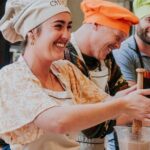
After you’ve met the animals and settled in, the textile workshop becomes the main event. You’ll use wool, dyes, and fabric tools to make your own bracelet or bookmark. The process you do is the point—so you can actually understand why the finished textiles look the way they do.
From the experiences shared, you can expect steps along these lines:
- cleaning wool before it’s spun or dyed
- dyeing yarn/fiber with natural materials
- spinning the fibers into thread or yarn
- weaving to create your bracelet or bookmark
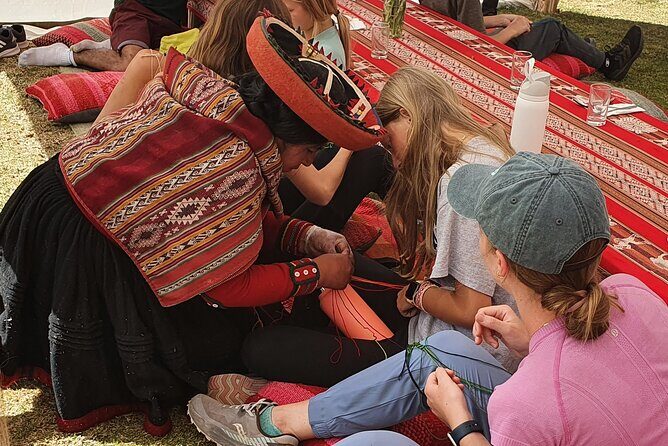
What I like is that your work is guided in a way that makes it feel achievable, even if you’re not crafty. The tools may be simple, but the sequence is real. You’re learning how the craft works, not just copying a pattern.

Lunch happens right after the hard work
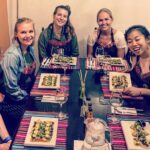
Once the weaving part is done, you eat. Lunch is included, and it’s traditional Andean food. Many people describe it as the best meal on the trip, and the tone is warm and family-style—more “home cooking in the Andes” than “tour cafeteria.”
Final encounter and optional shopping
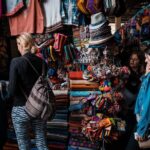
After lunch and craft time, you wrap up with that gentle llama and alpaca encounter and the mountain views. Then there’s usually time to shop on-site at the large boutique. The shop is a real part of the value, not an afterthought. You can buy authentic textiles and fine leather goods from the same project you just learned about.
What You Actually Learn: Wool Cleaning, Natural Dye, Spinning, Weaving
If you’ve ever done a craft workshop that feels like a souvenir factory—ten minutes of instructions, then you assemble something—this is not that. Here, the learning is built into the labor.
Cleaning the wool (not just skipping ahead)
Many craft experiences jump straight to “choose your color.” This one tends to start earlier. You’ll learn about cleaning wool, which matters because clean fiber takes dye better and spins more smoothly. It also gives you a respect for why traditional weavers can make consistent results without modern equipment.
You don’t need to be a science student. The guides explain the purpose of each step in plain terms while you do the work.
Natural dye: where the color comes from
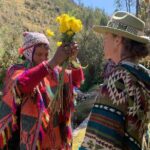
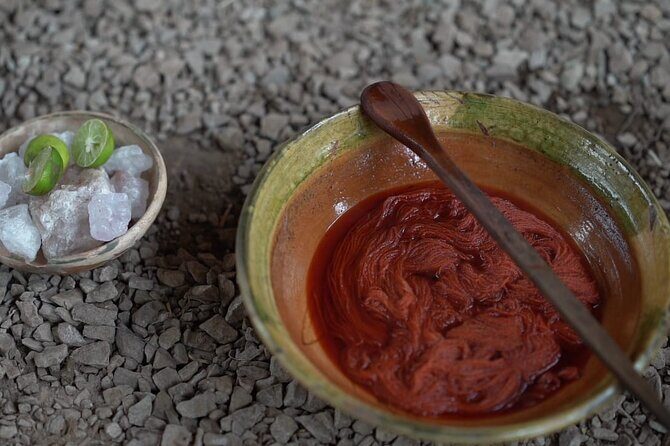
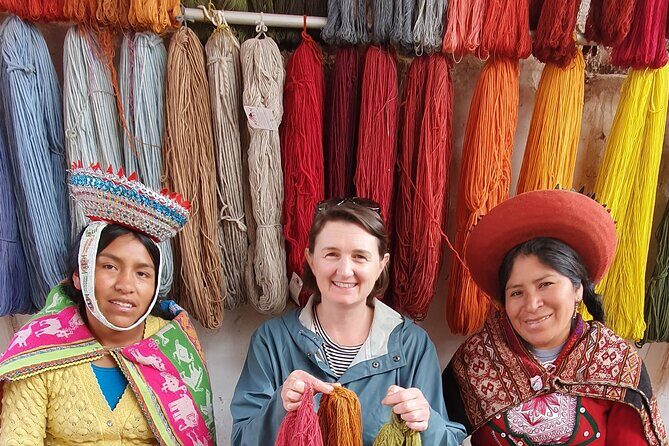
Color is where the Andes make sense. Natural dyes aren’t magic. They come from materials like plants, moss, and other natural sources, and you can often participate in gathering dye plants.
Some experiences include choosing leaves or plants for dye. Others describe specific natural sources (like cactus-related materials or moss) used to create different yarn shades. The big takeaway for you: the colors aren’t random, they’re connected to how local materials behave in dye.
Spinning: hands-on thread making
Spinning shows you the real craft behind the yarn. In some formats, you spin the wool using a simple tool and your hands, rather than a big industrial spinning setup. That makes the process more tactile and slower in a good way.
Spinning can feel tricky at first. Then the guide patiently breaks down how to hold the fiber and keep tension consistent. By the time you’re weaving, you understand why the thread you made matters.
Weaving: your bracelet or bookmark
Weaving is the final skill. You create a bracelet or bookmark using techniques taught in the region. People consistently mention being able to do the key steps themselves—not only watch someone else finish their product.
And you keep the result. That’s important. A “learning day” where you don’t take anything home is fine, but taking home what you made makes the lesson stick. You also get a feel for the effort behind every textile you’ll see later in Cusco.
Lunch in the Countryside: Simple, Included, and Often a High Point
After dye, spinning, and weaving, you’re hungry. That’s exactly when the day’s lunch hits.
Lunch is included, and it’s described as traditional Andean food. Some meals include soup and a main dish, and other experiences mention chicken with potatoes, carrots, and rice. One of the benefits for you is that lunch is part of the rhythm. You don’t rush out to find food in town with altitude and a busy schedule.
Dietary needs: a practical check
One detail that really matters: the guides have been responsive to dietary restrictions (like gluten-free needs and avoiding shellfish or red meat). If you have restrictions, this is the kind of tour where reaching out with specifics is likely to go somewhere.
If you’re picky about food style
Most people rave about the lunch, but one experience described it as lovely but not as spectacular as other parts of the day. So if you’re the kind of person who needs gourmet restaurant food, treat this meal as satisfying Andean home cooking, not fine dining.
The Llama and Alpaca Encounter: Calm Time for Photos and Context
Feeding animals is always a fun moment. What makes this one valuable is the way it connects to the textile story.
Fresh grass is included, and you can interact with llamas and alpacas during your visit. Some experiences also mention baby goats. This is not just a “pose next to an animal” setup. You get a gentle walk and time to observe, feed, and take photos with the mountains in the background.
For families, this part often becomes the kids’ favorite part. For solo travelers, it can be a restorative break from crowds. Either way, it’s a nice counterbalance to the hands-on work.
Value and Price: Is $79 Worth It?
At $79 per person, you’re paying for more than a craft lesson. You’re paying for a full sequence: textile workshop + lunch + materials to make your own bracelet or bookmark + fresh grass for feeding the animals.
Here’s what’s not included: breakfast, soda/pop, bottled water, and private transportation.
Why it’s still good value
Compared with buying textiles in Cusco, you’re effectively paying to learn how the product is made. That changes how you shop afterward. One practical takeaway from these experiences: it can be smarter to wait on big purchases until you see the quality up close and understand what’s behind it.
If you do end up buying, you’re also supporting the project’s mission. The experiences consistently mention humane, authentic weaving work and women’s support through the organization.
The “transport” cost will decide the true total
Since private transport isn’t included, your real all-in cost depends on how you get there. Some people arrange transport through the guide/provider and report costs for round trips from Cusco. If you have a friend group, you can split transport and soften the cost.
Communication, Language, and Comfort in a Private Group
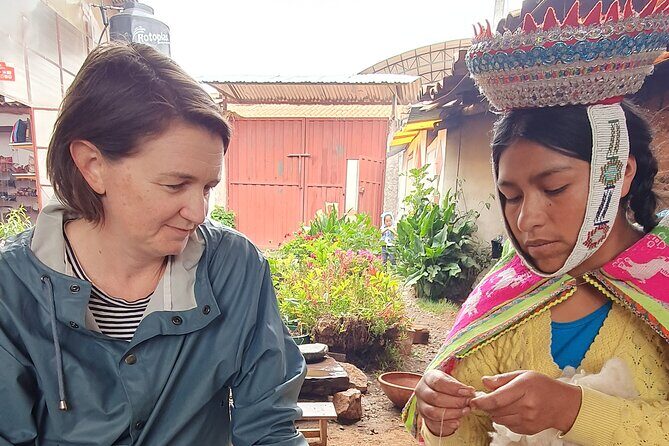
This is a private tour/activity, so only your group participates. That matters because it lowers the pressure. If you need a slower pace, you’re not watching a schedule that moves too fast.
Language-wise, the experiences point to strong communication. Miguel is specifically noted for speaking fluent English and Spanish, and the craft steps are visual enough that non-Spanish speakers typically won’t feel lost.
Comfort-wise, people also mention practical basics like having a bathroom on-site. If you’re comparing experiences, that’s a small detail that makes a big difference mid-day.
Practical Advice Before You Book
Here’s how I’d decide your best timing and expectations.
Book this early in your Cusco trip
Many people recommend doing this on a first full day in Cusco. It’s a calmer activity than big hikes, so it helps you get acclimated without a long, intense outdoor grind. You still get fresh air and countryside views, but your body isn’t forced into a peak exertion day.
If you want to combine with Sacred Valley stops
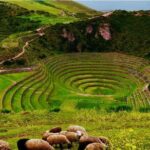
Some people arrange extra time to pair the workshop area with other Sacred Valley highlights like Maras and Moray. That can work well if you plan your transportation already and you’re okay with a longer drive day (one experience mentions 1.5+ hours for those additions).
Bring your shopping mindset
After the workshop, you’ll want to shop. The on-site boutique sells authentic textiles and fine leather goods. If you already bought items in Cusco’s main plaza before this, consider how you compare. Learning the process gives you a sharper eye for quality, and it can change what feels like a fair price.
Should You Book Andean Colors’ Textile Workshop?
Book it if you want a real skill, not a “look and leave” activity. This is especially worth it if you care about natural dyes, fiber-to-yarn work, and learning why Andean textiles look the way they do. I’d also say it’s a strong choice for families, solo travelers, and anyone who prefers quieter countryside time over big-city crowds.
Skip it if your priority is only high-impact sightseeing and you dislike craft work or farm-animal encounters. Also factor in transportation: private transport isn’t included, and you’ll want to plan your day around the drive to Racchi ayllu.
If you’re the type of traveler who enjoys meaningful handicrafts and wants to take home more than a trinket, this one’s a solid yes. You leave with a bracelet or bookmark you made with your own hands, plus a clear understanding of what sits behind every beautiful textile you’ll see next.
FAQ
How long is the Textile Workshop Experience?
It lasts about 4 hours, approximately.
What will I make during the workshop?
You’ll create your own bracelet or bookmark using wool, dyes, and fabric tools provided during the workshop.
What’s included in the price?
The price includes the textile workshop, lunch, wool/dyes/fabric tools to make your bracelet or bookmark, and fresh grass to feed llamas and alpacas.
Is lunch included, and do I need to bring water or soda?
Lunch is included. Soda/pop, breakfast, and bottled water are not included.
Do I need to arrange transportation from Cusco?
Private transportation isn’t included. You’ll want to arrange how you’ll get to the meeting point at Andean Colors, Racchi ayllu, and the experience notes that it’s near public transportation.
Can I get a refund if my plans change?
Free cancellation is available if you cancel at least 24 hours before the experience’s start time for a full refund. If you cancel less than 24 hours before, the amount paid is not refunded.