REVIEW · CUSCO
Cuzco City Tour and Archaeological Ruins in Half Day
Book on Viator →Operated by ParaViajantes Tours · Bookable on Viator
Stone giants, then water wonders. In just one afternoon, you get Cusco’s biggest Inca clues and a reality check on how the Incas shaped stone, worship, and water—close together, not hours apart. I like this format because it’s well-paced for a first look, and it stays practical with a group size capped at 15.
Two things I especially like: you start right in the Plaza de Armas area (the easiest place to orient yourself), and you end at Tambomachay, where the water setup feels almost like a science demo. The sites are also spaced in a way that gives you variety: one minute you’re walking in town, the next you’re staring up at megaliths.
One possible drawback: entries and extra costs aren’t fully covered. The tour price includes a guide and transport, but you should budget for a tourist ticket (about $25) plus tips, and some stops list admission as not included. In other words, it’s a strong half-day, but not a “pay once, see everything forever” deal.
In This Review
- Key highlights you’ll feel on day one
- 1:00 pm pickup and how to plan your afternoon
- Plaza de Armas and the walk toward Qorikancha
- Qorikancha: Inca engineering under the convent of Santo Domingo
- Sacsayhuaman’s megaliths and the view from the hill
- Q’enqo: labyrinth, zigzag, and a puma-like monolith
- Puka Pukara and the “red fortress” theory
- Tambomachay: Inca Baths and the water trick with two waterfalls
- Price, tickets, and tips: getting the true value
- What it’s like with a small bilingual guide and a short attention span
- Who should book this Cusco half-day and who should skip it
- Should you book? The decision in plain terms
- FAQ
- What time does the Cuzco City Tour and Archaeological Ruins start?
- Is hotel pickup included?
- Is the tour in English?
- What sites are included in the itinerary?
- Do I need tickets to enter the ruins?
- Is lunch included?
- How large is the group?
- What happens if weather is bad or I need to cancel?
Key highlights you’ll feel on day one
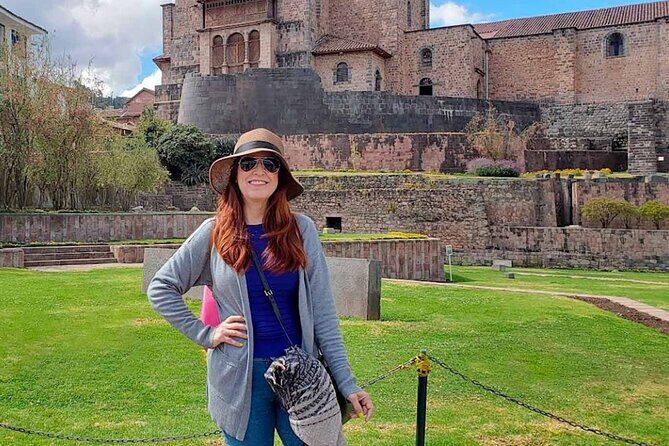
- Plaza de Armas to Qorikancha gives you quick orientation in central Cusco.
- Sacsayhuaman’s enormous stones (some cited as 9 meters / 30 feet and over 350 tons) make the scale real.
- Q’enqo’s puma-shaped monolith and zigzag/labyrinth meaning add story beyond ruins.
- Puka Pukara explains why the stones look red and how sites may have shifted roles.
- Tambomachay’s water system is the “wait, how did they do that?” ending.
- Hotel pickup within Cusco’s urban radius keeps the afternoon from turning into a scavenger hunt.
1:00 pm pickup and how to plan your afternoon
This tour runs in the afternoon, starting at 1:00 pm and lasting about 5 hours. That timing is a sweet spot if your schedule is tight—especially if you’re arriving or leaving Cusco and want structure without committing to a full day.
Pickup is included, with transportation to and from your hotel within the historic center/urban radius of Cusco. If your lodging is outside that radius, you’ll be told the nearest meeting point for pickup and drop-off. The tour also mentions a mobile ticket, and you’ll receive confirmation at booking.
Group size is limited to a maximum of 15 people, which matters more than you might think. Smaller groups usually mean fewer long pauses while everyone scrambles to catch up, and it helps the guide manage questions as you move.
Practical planning tip: since the tour begins at 1:00 pm, I’d try not to schedule anything stressful for the late morning. You want enough time to eat, regroup, and get your head around altitude and walking pace. Even on a “half-day,” you’ll cover multiple sites.
You can also read our reviews of more city tours in Cusco
Plaza de Armas and the walk toward Qorikancha
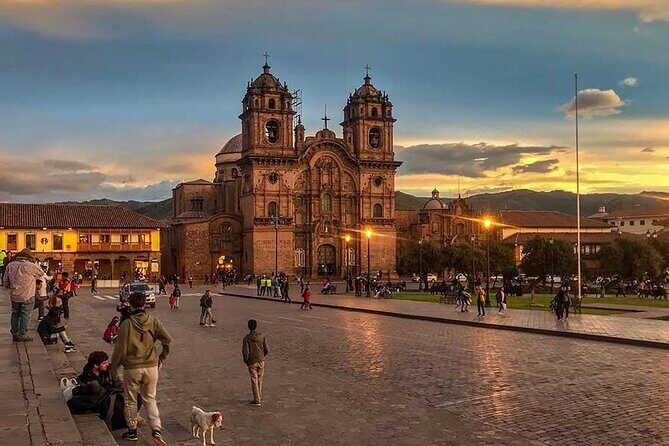
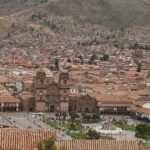
You start at Plaza de Armas Cusco, the main public square. This isn’t just a pretty start. It’s also the easiest way to get your bearings. From here, you head toward Qoricancha, and the guide helps connect today’s city layout with what came before.
This first segment is listed as 1 hour, and it notes that an admission ticket is included. That’s a small detail, but it’s the kind that affects your wallet later. If you’re trying to keep costs predictable, this early “ticket included” part is helpful.
Why I like this opening: it gives you context before you start climbing out of town. Cusco can feel layered and confusing when you first arrive. Starting in the center helps your brain map what you’ll later see at the ruins.
One heads-up: the walk from the square to the Qorikancha area is part of the experience, so you’ll want to move at a comfortable pace. If you get easily tired, this is where you’ll notice it.
Qorikancha: Inca engineering under the convent of Santo Domingo
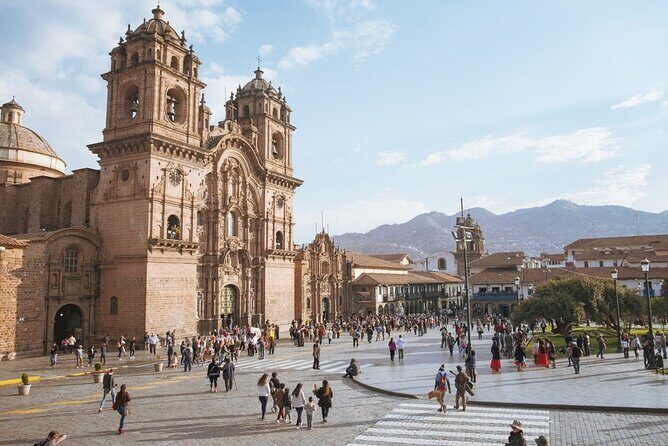
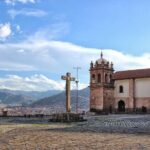
Next up is Qorikancha, described as the Temple of the Sun and also linked to Inca architecture and engineering. Here’s the twist that makes it more than a “look at stones” stop: Qorikancha is also the Convent of Santo Domingo today.
The tour allocates 1 hour at Qorikancha. Importantly, the listed info says admission is not included for this stop. So even though you start the day with one included ticket, you should expect to pay extra for entries as you go.
What you’re really learning here is how Cusco’s power changed hands over time. You’re standing in a space that functioned as an Inca religious focal point, then later became part of a different religious complex. The stones and their precision are the through-line.
If you care about how architecture carries meaning, you’ll like this stop. It’s also a good place to ask your guide to point out the contrast between Inca stonework and later additions—because once you can see the difference, the rest of the ruins start clicking into place.
Sacsayhuaman’s megaliths and the view from the hill
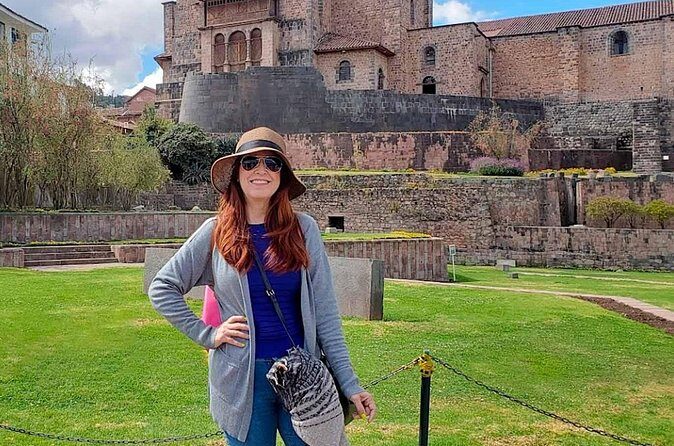
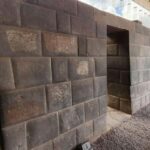
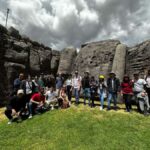
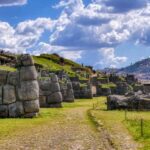
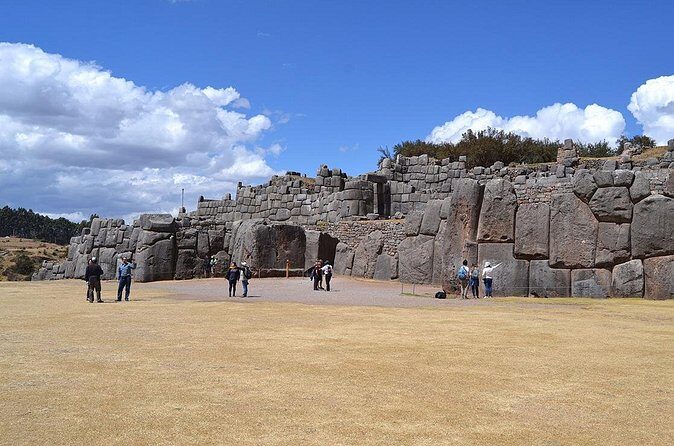
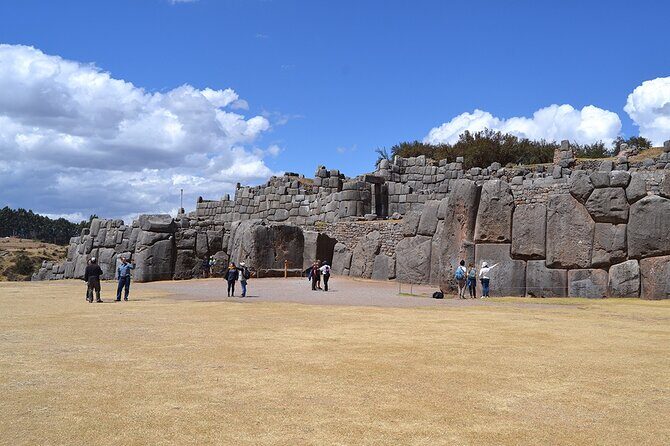
Sacsayhuaman is the fortress on a hill overlooking Cusco. The tour calls out its famous enormous carved stones, including some cited as about 9 meters (30 feet) high and weighing more than 350 tons. Even if you’ve read big numbers before, seeing it framed at a human scale can hit differently.
This stop is also listed for about 1 hour. Admission is noted as not included here, so plan on paying via your tourist ticket or at-the-site entry method (the tour info specifically points to a tourist ticket of about $25).
The real value of Sacsayhuaman is two-fold:
1) You get a sense of how strategically the Incas built places to watch and control movement.
2) You get a panoramic “Cusco makes sense” moment, because the hilltop perspective clarifies where the city sits.
Possible drawback in this stop’s format: a fortress on a hill is still a lot of standing, looking, and walking. If your knees aren’t thrilled, pace yourself and use moments where the guide explains key points to rest rather than sprint between viewpoints.
Q’enqo: labyrinth, zigzag, and a puma-like monolith
After Sacsayhuaman, you head to Q’enqo, about four kilometers northeast of Cusco. The name meaning given here is labyrinth or zigzag, and the tour explains that it likely had a purely religious function.
This stop runs about 1 hour. Admission is listed as not included.
The description gets wonderfully specific:
- You’ll see a semi-circular amphitheater on the outside.
- There are trapezoidal niches.
- There’s a monolith that is said to simulate a puma, measuring roughly six meters.
This is one of the best stops for people who want to understand symbolism. Q’enqo isn’t only about the ruins as a “photo.” It’s presented as designed space—shaped for ritual attention, not random construction.
If you’re the type who likes puzzles, you’ll probably enjoy how the guide connects the layout (zigzags/labyrinth idea) to religious purpose. It also makes the trip feel less like a checklist.




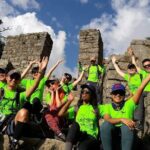
Puka Pukara and the “red fortress” theory
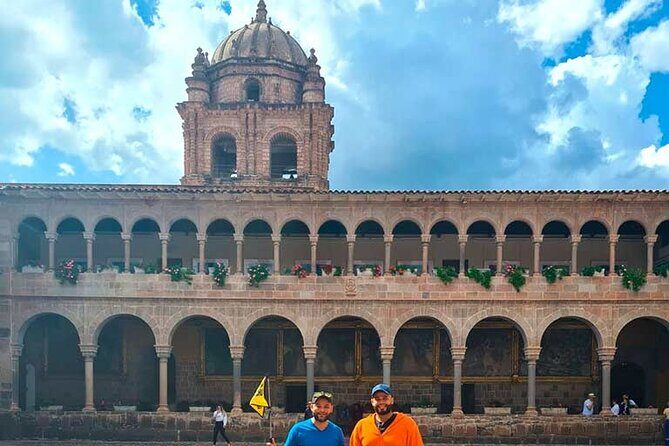
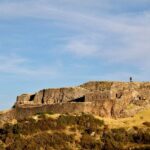
Then you reach Puka Pukara, which the tour translates as red fortress, because calcareous stones reportedly take on a reddish color from the soil—soil with abundant iron is mentioned.
Time here is shorter: 30 minutes. Admission is listed as not included.
The tour also shares two possible interpretations of what Puka Pukara was for:
- One theory is that it helped guard Tambomachay.
- Another idea is that its design and features (the description mentions fountains, aqueducts, and multiple enclosures) suggest it functioned like a tambo, a collective shelter offering food and lodging to travelers and the people accompanying Inca leadership on retreat toward Tambomachay.
Even in half an hour, this stop is useful because it shows how meaning can shift. A site might serve defense and travel support in different ways, or different periods. That kind of nuance makes your overall understanding stronger.
If you have limited mobility, Puka Pukara can still be fine since the time is brief—but you’ll want to keep an eye on uneven ground. This is archaeology, not a flat museum floor.
Tambomachay: Inca Baths and the water trick with two waterfalls
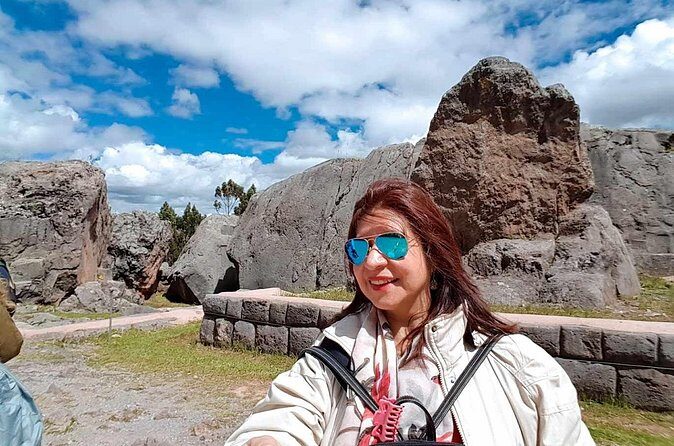
The tour ends at Tambomachay, about 8 kilometers north of Cusco, close to Puka Pukara. The tour says it was intended for worship of water and for the head of the Inca Empire to rest.
This stop is listed at 30 minutes, again with admission marked not included.
Tambomachay is also called Baños del Inca (Inca Baths) in the description. You’ll see a series of aqueducts, canals, and waterfalls flowing through the rocks. The most memorable detail: the description explains that the Incas created two secondary waterfalls that are exactly the same, and that if you place two empty bottles in each waterfall, the two fill at the same time.
That detail is the kind of “wait, that’s precise” fact that makes the ending feel like more than scenery. It’s also where you see the Inca obsession with engineering meet everyday physical reality: water management built into ritual space.
If you only remember one thing from this afternoon, make it this: Tambomachay is a reminder that Inca design wasn’t only about religious symbolism. It was also about making water work—reliably, repetitively, and in a controlled way.
Price, tickets, and tips: getting the true value
The tour costs $60.00 per person and lasts about 5 hours. Included are a professional guide and transportation to and from your hotel. It’s also offered in English and includes a mobile ticket.
Now the part that affects value: tips aren’t included, and the tour info points out a tourist ticket (about $25). The itinerary labels several stops as admission not included (including Qorikancha, Sacsayhuaman, Q’enqo, Puka Pukara, and Tambomachay), while the first segment indicates an admission ticket included.
So I’d treat the $60 as paying for:
- the guide to connect everything into a story,
- the logistics to get you from stop to stop,
- and the “time saved” factor of not figuring out routing in an unfamiliar city.
Then budget additional money for entries and tipping.
Whether it’s good value depends on your travel style. If you like to learn from a guide and want transport handled, $60 is a fair chunk for a tightly packed afternoon. If you prefer self-guided wandering and already planned your own route, you might question the total cost once tickets and tips stack up.
What it’s like with a small bilingual guide and a short attention span
This is a compact half-day with multiple archaeological sites. In a group of up to 15, the guide has to keep momentum while still explaining enough to make each site meaningful.
From the guide names mentioned in the group’s feedback, I’ve seen styles like Jorge, Javier, and Jose show up on this route. The consistent theme is that the guides focus on facts and keep people moving without leaving them totally in the dark.
Language helps too. The tour is offered in English, and some guides appear bilingual, which matters when someone in the group asks a follow-up question and you don’t want the explanation shortened.
One small trade-off of a short outing: you won’t have hours at each site. So if you want to linger in silence with zero talking, you might find it feels a bit brief. But if you want the “best highlights and the story connecting them” in one afternoon, this format fits well.
Who should book this Cusco half-day and who should skip it
This tour is best for:
- your first day in Cusco, when you want quick orientation without over-committing,
- people who like structured sightseeing with a guide,
- anyone who wants a mix of town-center monuments plus Inca ruins in one go.
It’s less ideal for:
- anyone who wants a slow, in-depth dig through one site,
- people who dislike paying multiple admissions on top of a tour price,
- anyone who hates walking on uneven ground, since the sites sit on varied terrain.
My practical take: treat this tour like a “setup” for the rest of your Cusco days. It gives you a baseline so that later, when you see other ruins, you can place them in the bigger picture without constantly guessing.
Should you book? The decision in plain terms
Book it if you want a single afternoon that covers the core Cusco highlights: Plaza de Armas, Qorikancha, Sacsayhuaman, Q’enqo, Puka Pukara, and Tambomachay. The route is logical, the time is efficient, and the ending at Tambomachay gives you a memorable payoff.
Skip it or consider alternatives if you’re trying to keep costs tightly controlled. Between tips and a tourist ticket around $25, the final spending can creep up. Also, if you prefer long stays and deep pacing at just one or two ruins, this itinerary might feel a little too “see it all” for your style.
If you’re arriving or leaving and need a well-run afternoon plan, this one earns its spot.
FAQ
What time does the Cuzco City Tour and Archaeological Ruins start?
It starts at 1:00 pm and runs for about 5 hours (approx.).
Is hotel pickup included?
Yes. Transportation to and from your hotel is included within the urban radius of Cusco’s historic center. If your hotel is outside that radius, you’ll be given the nearest meeting point.
Is the tour in English?
Yes. The tour is offered in English.
What sites are included in the itinerary?
The main stops are Plaza de Armas Cusco, Qorikancha, Sacsayhuaman, Q’enqo, Puka Pukara, and Tambomachay.
Do I need tickets to enter the ruins?
The tour includes a tourist ticket (approximately $25 USD), and admissions are listed as not included for several stops (while the first segment notes an admission ticket included). You should plan for additional entry costs.
Is lunch included?
No. Food and beverages are not included.
How large is the group?
The group size is limited to a maximum of 15 travelers.
What happens if weather is bad or I need to cancel?
The experience requires good weather. If it’s canceled due to poor weather, you’ll be offered a different date or a full refund. You also get free cancellation up to 24 hours in advance for a full refund.