REVIEW · CUSCO
Birdwatching at Huacarpay Wetland in Cusco
Book on Viator →Operated by Peru Unique Destination · Bookable on Viator
Cusco has birds, but Huacarpay turns birding into a simple plan. I like the chance to spot dozens of species close to town, and I also like the small group size (up to eight) that keeps the experience focused on you, not a herd.
The other big win is the guide factor. In English, guides like Jose (praised for strong English and birding skills) and Oscar (praised for tracking species during the outing) can help you move from random spotting to real identification. The only real drawback to consider is timing: this starts at 6:00 am and the trip runs only in good weather.
In This Review
- Key points you’ll actually care about
- Huacarpay Wetland: a bird morning just outside Cusco
- 6:00 am departure and your 4-hour Huarcapay session
- How the outing likely unfolds in the field
- Cusco endemic targets and seasonal migrants you may spot
- What you should expect from the species experience
- Guides who can name birds fast: Jose and Oscar
- Small-group size (max eight) for real spotting
- What $120 gets you: private transport, guidance, and free admission
- How to think about the value for your own trip
- Timing, weather, and what “good weather” means for you
- Practical field tips that fit this style of tour
- Who this birdwatching trip is best for
- Should you book Huacarpay birdwatching at 6:00 am?
- FAQ
- Where do we meet and what time does the tour start?
- How long is the Huacarpay wetland birdwatching tour?
- How much does it cost per person?
- Is the tour offered in English?
- What is the group size limit?
- What’s included, and what happens if weather is poor?
Key points you’ll actually care about
- Small group of max eight means more time with your guide when you’re trying to ID a tricky bird
- Huarcapay Wetland is close to Cusco, so you get real bird time without a long slog
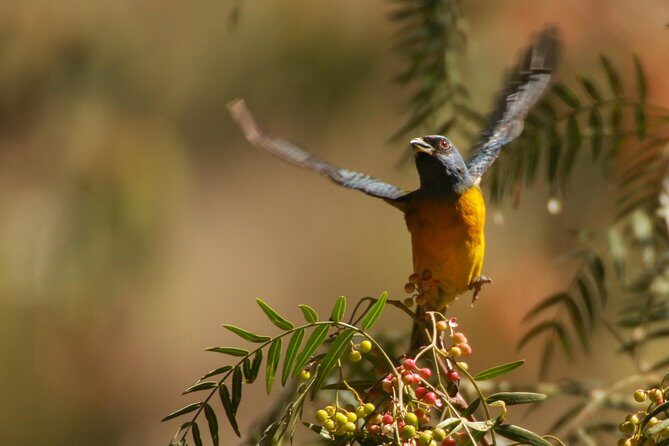
- Cusco endemic species are a real target, including Rusty-Fronted Canastero and Bearded Mountaineer
- Seasonal migrants may show up, depending on the time of year
- Guides focus on learning, not just counting, with strong English support
- Admission is free, so your money goes mostly to transport and expert guiding
Huacarpay Wetland: a bird morning just outside Cusco
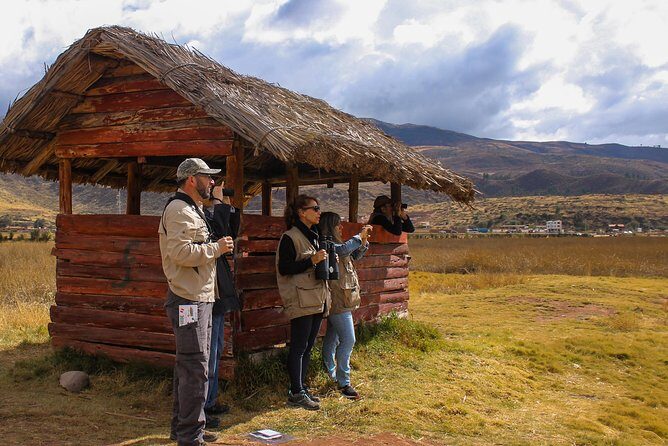
If you’re in Cusco and you want a wildlife outing that feels local, Huacarpay Wetland is a smart move. It is in the Cusco area, close enough that you can spend your morning on birds instead of spending it on logistics. The outing is built around a single main area (Huarcapay), so you’re not bouncing between locations all day.
What I like about this kind of birding trip is how it helps you slow down. You’re not rushing to “see everything.” You’re standing where the birds are, listening, scanning, and getting help turning what you notice into what it actually is. That matters a lot in wetlands, where birds can be small, fast, and easy to misread.
Also, the group format is practical. With a maximum of eight people, the guide can respond to what your group is finding right then. That usually leads to better identifications and less waiting.
You can also read our reviews of more tours and experiences in Cusco.


6:00 am departure and your 4-hour Huarcapay session
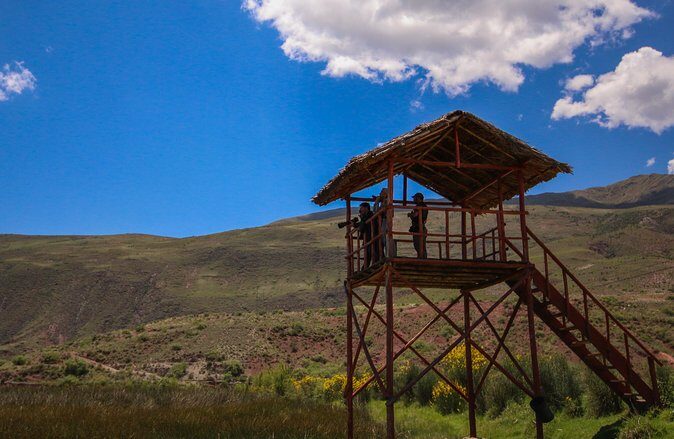
This is a 4-hour outing, starting at 6:00 am. The meeting point is the JW Marriott El Convento Cuscoy (Esquina de la, Ruinas 432, Cusco 08002). Transportation is included, and the trip ends back at the meeting point.
A morning start is not just for show. Early birding often means more activity and calmer conditions for spotting. In wetlands, that can make the difference between hearing birds but not seeing them, versus actually getting clear views.
Because the experience is timed to the conditions, it helps to plan your day around it. If you book it, treat it like your “anchor” activity: get a decent breakfast after, then shift the rest of your schedule accordingly.
How the outing likely unfolds in the field
The experience centers on Huarcapay. Your guide stays focused on the birds you can find in the area, and the species you’re most likely to notice can change with the season. The overall rhythm is simple: arrive, scan and listen, then keep moving to places where birds are active. Even though there’s one main stop, you still get variety from the wetland environment itself.
Cusco endemic targets and seasonal migrants you may spot
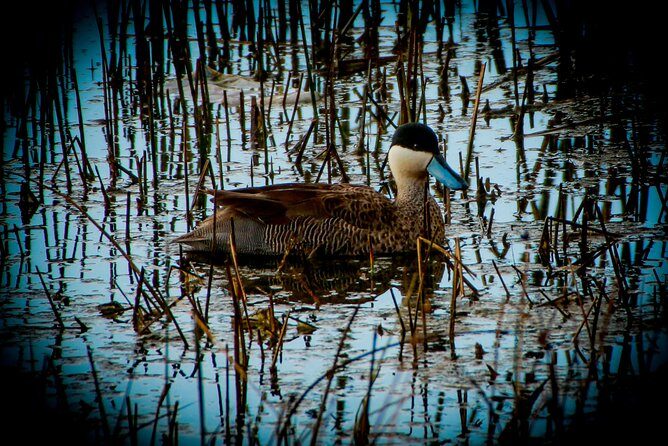
The Huacarpay area is known for supporting birds that live in the Cusco region. That’s a big deal if you’ve already learned that the Andes can be full of unique species. This outing specifically calls out Cusco endemics, including:
- Rusty-Fronted Canastero (Asthenes ottonis)
- Bearded Mountaineer (Oreonimpha nobilis)
Those names are not just trivia. Endemic species mean you have a shot at birds that you can’t easily see elsewhere. If you care about birding “for real,” this is the kind of target list that gives you motivation beyond generic wildlife photos.
The trip also notes that, depending on the time of year, you may see migratory birds as well as native species. That matters because birding is not the same every month. Wetlands act like filters for the seasons, and migrants can change the mood of a birding outing quickly. If you’re visiting Cusco during a migration window, your odds of seeing a wider mix tend to improve.
What you should expect from the species experience
You should expect a mix of:
- Resident birds tied to the wetland
- Possible migrants, if your dates line up with migration timing
- A guided approach that helps you separate similar-looking birds
One of the best clues that this tour delivers comes from guide style. Oscar is praised for knowing a lot about the birds and keeping a list during the outing, then giving it to you at the end. Jose is praised too, with strong English and enough birding skill that one outing logged about 50 birds on eBird. Even if your exact count differs, that kind of guide behavior usually leads to better outcomes.





Guides who can name birds fast: Jose and Oscar
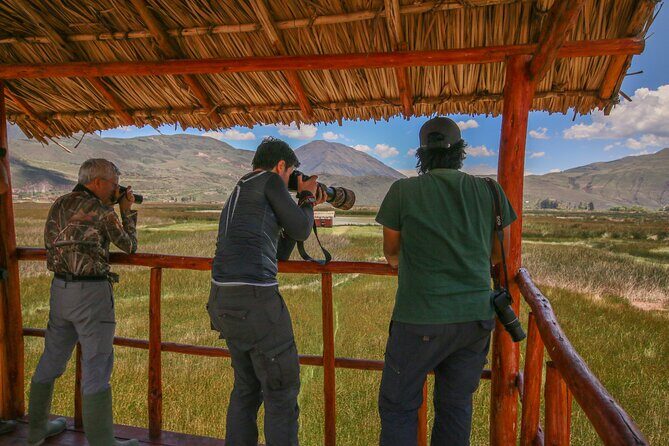
Birdwatching can be frustrating if you’re on your own. Wetlands often involve distant birds, quick movement, and confusing sounds. The value here is that you’re bringing an English-speaking guide into the mix, and the guide’s role is to help you figure out what you’re seeing.
Jose is specifically called out for great English and for running reliable birding tours. Oscar is praised for an excellent birding experience, deep knowledge, and for maintaining a list of birds seen during the trip, which gets shared at the end.
That list thing sounds small, but it’s a practical win. When you’re in the field, your brain fills with names, traits, and calls. Having your guide produce a clean list at the end saves you time and helps you keep your birding record straight, especially if you’re using apps like eBird.
Also note: the tour is offered in English, which is a real benefit in Peru. It means your guide can explain differences clearly rather than relying on gestures and guesswork.
Small-group size (max eight) for real spotting
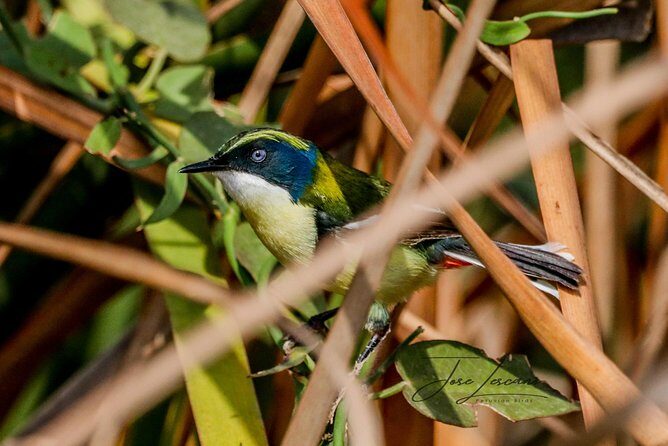
A maximum of eight travelers keeps things manageable. In a larger group, the guide has to spend energy herding people and repeating basics. With a smaller number, you can slow down, ask questions, and get help when you point at something you’re not sure about.
This is especially useful in wetlands, where:
- You might see a bird once, then it’s gone
- Calls might be easier than visuals
- Multiple species can look similar at first glance
Smaller group size also tends to make the experience more enjoyable. You’re not squeezing into a shared viewing pattern that forces you to look in the wrong direction. Instead, you can follow the guide’s spotting strategy and adjust based on what’s actually out that morning.
What $120 gets you: private transport, guidance, and free admission
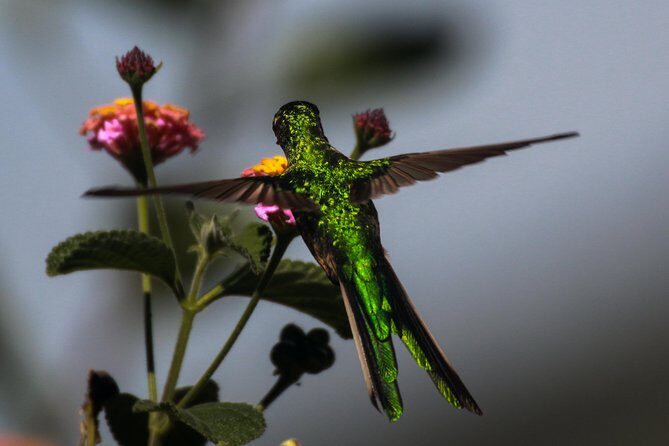
At $120.00 per person for about 4 hours, the price may look high at first glance if you’re comparing it to a DIY walk. But this tour is not only about access to the wetland.
You are paying for:
- Private transportation
- Guide service
- A coordinated morning with a timed start at 6:00 am
- English support for identification and bird learning
And there’s an important detail: admission is listed as free. That means your money is less about paying entry fees and more about the guiding and transport that get you into a productive birding session.
So the value equation is pretty clear. If you want a guided ID-focused experience near Cusco, with a small group and transportation included, $120 can make sense. If you’re the kind of traveler who already has strong bird identification skills, your costs might not feel as efficient. But if you want to learn quickly and make the most of time, a good guide is often worth every dollar.
How to think about the value for your own trip
Ask yourself:
- Do I want help identifying birds, not just seeing them?
- Do I need transport organized so I can start early?
- Am I okay being out for about four hours in the morning?
If you answered yes to those, this is priced like a focused specialist outing rather than a generic activity.
Timing, weather, and what “good weather” means for you
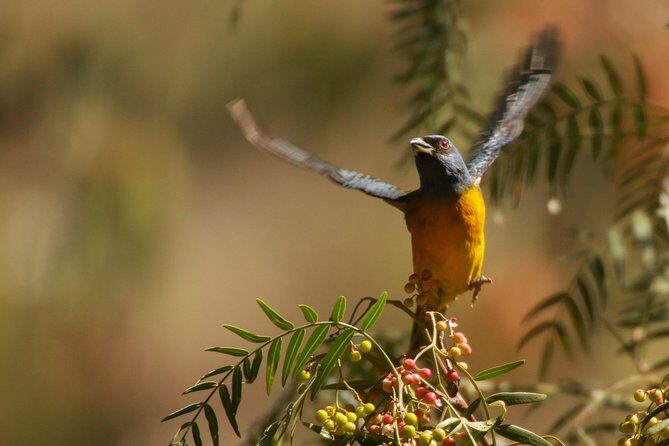
This experience requires good weather. If conditions are poor, it may be canceled and you’ll be offered a different date or a full refund. That’s not a minor fine print detail. Wetlands turn into noise and blur when visibility drops, and bird activity can also change with conditions.
So plan for weather uncertainty like a pro:
- Check conditions for your chosen date
- Keep your schedule flexible around the early start
- If you’re in Cusco during your trip’s first days, consider booking this when you can still adjust your plans
Also, the tour’s confirmation is subject to availability, with confirmation received within 48 hours of booking. That means you want to book with enough room for plan adjustments.
Practical field tips that fit this style of tour
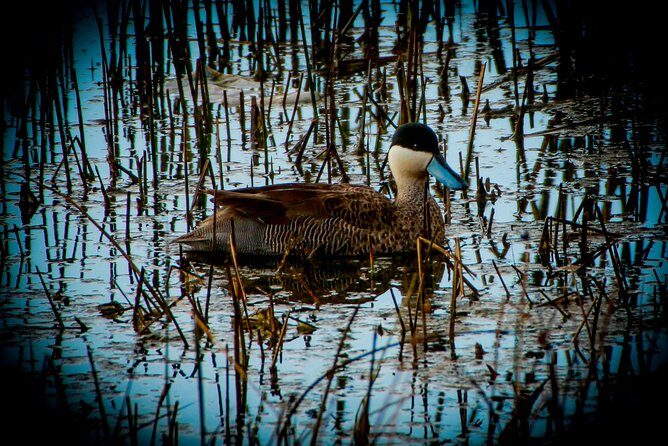
This tour doesn’t spell out gear requirements, so I can’t promise what you’ll be provided. But you’ll get better results if you come prepared for real birding.
Here’s what typically helps on a wetland outing near a major city:
- Wear layers. Morning can feel cooler, and you’ll likely be standing and scanning.
- Bring comfortable walking shoes. Wetland edges can be uneven.
- If you have binoculars, bring them. Wetland birds are often easier to ID up close with optics.
- Plan to pay attention to calls as much as visuals. In wetlands, sound often leads.
The best part is that the guide should help you connect what you see to what the bird is. Your goal is to pay attention. The guide’s goal is to translate your observations into names and behaviors.
Who this birdwatching trip is best for
This fits several traveler types well:
- Bird lovers who want a guided ID lesson in English
- First-time birdwatchers who want help turning sightings into actual species names
- Cusco visitors who want a morning activity that doesn’t eat a whole day
- People traveling in a small group-friendly way, since it’s capped at eight
It also says most travelers can participate, and it runs with a simple format: meet up, go birding for about four hours, then return. That makes it easier to slot into a trip plan.
If you’re an experienced birder, you’ll still benefit from guide knowledge and local spotting skill, especially since the tour targets Cusco endemics and may include migrants depending on season.
Should you book Huacarpay birdwatching at 6:00 am?
I’d book it if you want a focused, low-stress way to see real species near Cusco with expert help. The combination of small group size, English-speaking guidance, and a target list that includes Cusco endemics makes it feel like more than a casual walk.
I would think twice if:
- You hate early mornings
- Your trip is tight and you can’t handle a weather-related reschedule
- You’d rather go DIY with no guide support
If you’re on the fence, one final point tilts it toward booking: the guide-led approach is repeatedly praised for stronger bird knowledge and for keeping a bird list during the outing. That’s exactly what helps you leave with more than just photos.
FAQ
Where do we meet and what time does the tour start?
You meet at the JW Marriott El Convento Cuscoy (Esquina de la, Ruinas 432, Cusco 08002, Peru). The start time is 6:00 am, and the tour ends back at the meeting point.
How long is the Huacarpay wetland birdwatching tour?
It runs for about 4 hours.
How much does it cost per person?
The price is $120.00 per person.
Is the tour offered in English?
Yes, the tour is offered in English.
What is the group size limit?
This activity has a maximum of 8 travelers.
What’s included, and what happens if weather is poor?
The tour includes private transportation and a guide service, and admission is listed as free. The experience requires good weather; if it’s canceled due to poor weather, you’ll be offered a different date or a full refund.
If you want, tell me your travel dates and whether you prefer early starts. I can help you judge whether this will fit your Cusco itinerary and what kind of birding day you should plan for.