REVIEW · CUSCO
City tour in Cusco.
Book on Viator →Operated by Zarate Adventours · Bookable on Viator
Cusco is the kind of place that grabs you fast. This city tour is interesting because it strings together Inca and Spanish-era sights with guided stops at Qorikancha and four nearby archaeological sites, then finishes with panoramic viewpoints. I especially like the small-group feel (max 20) and the smooth pacing with an air-conditioned vehicle; you’ll also get clear explanations in English. The main thing to watch is that entrance fees aren’t included, so your final cost will be a bit higher than the base price.
If you’re visiting Cusco for the first time, this is a practical way to get your bearings without spending half a day hunting for landmarks. The tone is thoughtful but not slow—more like a well-run highlights walk with transport between points. One more consideration: the tour is only about 5 hours, so if you want deep, long stays at fewer places, you may prefer a slower, more specialized tour.
In This Review
- Key highlights at a glance
- Getting oriented in Cusco with smooth pickup and a clear plan
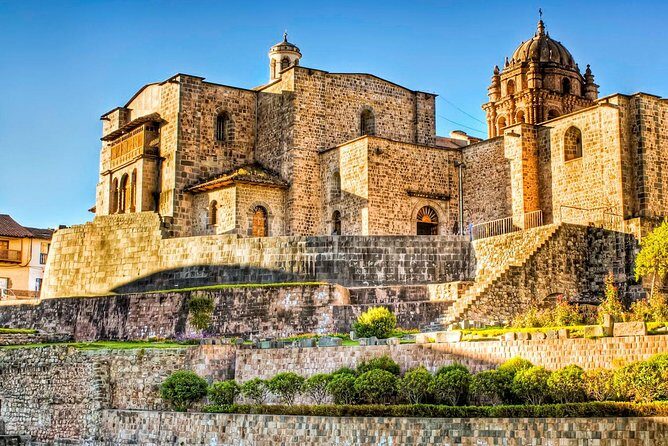
- Qorikancha: the Temple of the Sun and the story in its layers
- Sacsayhuamán: panoramic views and the puzzle of giant stone blocks
- Q’enqo, Puca Pucara, and Tambomachay: the stops that add variety
- Q’enqo
- Puca Pucara
- Tambomachay
- How the 5-hour format works (and when it’s a smart pick)
- Price value: why $14 can be a good deal (and when it isn’t)
- Who should book this Cusco city tour?
- Should you book the Zarate Adventours Cusco city tour?
- FAQ
- How long is the Cusco city tour?
- What’s included in the price?
- Are entrance fees included?
- What stops does the tour visit?
- Does the tour offer pickup from hotels?
- What’s the meeting point if I’m not using pickup?
- What’s the cancellation policy?
Key highlights at a glance
- Hotel pickup that saves altitude energy: you’re collected from your accommodation inside the city.
- Qorikancha with guided focus: Inca stonework plus colonial-era art, explained clearly.
- Four archaeology stops close together: Sacsayhuamán, Q’enqo, Puca Pucara, and Tambomachay.
- Panoramic viewpoints built into the route: you’ll see Cusco with its surrounding guardian mountains.
- Bilingual guide support: offered in English, and the guide handles both English and Spanish.
- Comfort for 5 hours: air-conditioned vehicle and a manageable group size.
Getting oriented in Cusco with smooth pickup and a clear plan
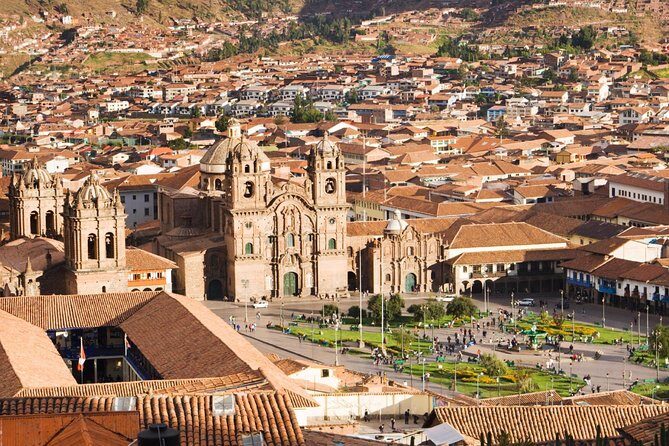
Cusco can feel like a puzzle the first day you arrive—beautiful, chaotic, and full of clues. This tour starts by taking that pressure off you. There’s pickup from your Cusco accommodation, and the departure time fits into two daily windows: either 9:00–14:00 or 13:00–17:00. That flexibility matters because Cusco days often revolve around altitude, jet lag, and when you can realistically start sightseeing.
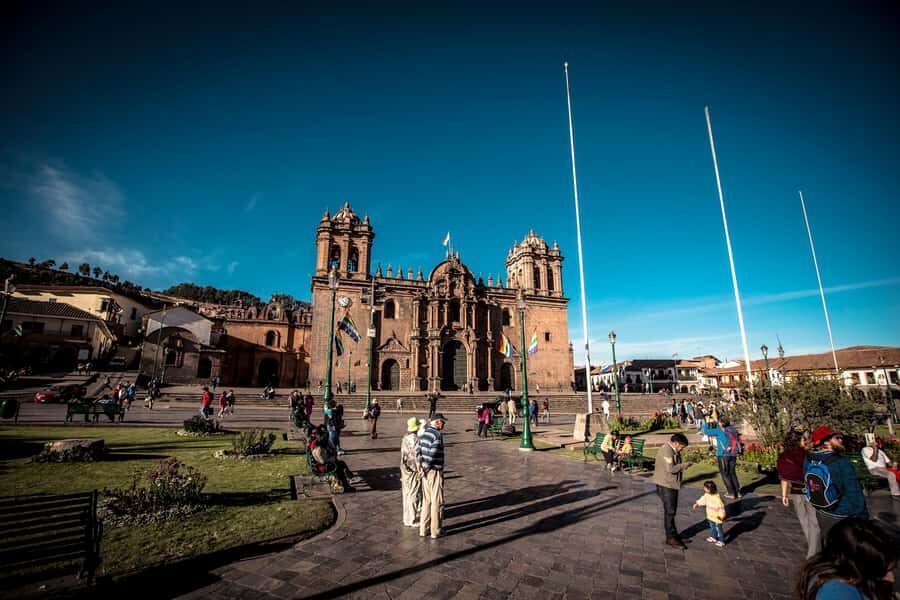
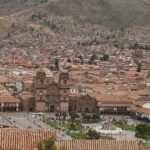
Once you’re together, you’ll get a guided introduction to the city as an imperial capital—where Inca construction meets Spanish additions. That mix is the core idea of Cusco. You’ll notice it in the way walls, layouts, and religious spaces overlap across eras. The tour’s framing helps you spot what you’re looking at instead of just taking photos and moving on.
I also like that the experience is structured for comfort. You’re not doing a nonstop walking tour. Between stops you’re in an air-conditioned vehicle, which is a welcome break in a city where weather can swing and where you might be a little breathless from the altitude (even if you’ve acclimated).
One practical note: the tour’s meeting point is Plaza Regocijo. If pickup is included for you, you’ll still want to be ready to confirm your exact pickup details. The operator asks that you leave a WhatsApp number with the country code in your reservation so they can communicate smoothly.
You can also read our reviews of more city tours in Cusco
Qorikancha: the Temple of the Sun and the story in its layers
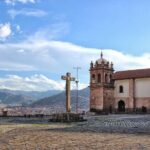
The first true “wow” stop is Qorikancha—the Temple of the Sun. This is one of the best places in Cusco to understand how conquerors didn’t erase the past; they built on top of it. The guided visit is where that becomes obvious.
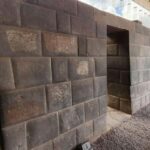
You’ll see notable Inca architecture firsthand, then the tour connects it to what came later with colonial-era religious art. Even if you’re not a deep archaeology person, this stop works because the guide’s job is to translate the visuals into something you can remember.
What I like about doing Qorikancha early in the tour is that it sets your eyes for the rest of the day. After you’ve seen the way the Inca used stone with precision and purpose, the later sites make more sense. You start looking for patterns: defensive walls, ceremonial spaces, and the way water and rock were used to shape belief and daily life.
A small but important drawback: Qorikancha entrances and site costs are not included in the price. You’ll pay entrances (PEN 90.00 per person) on top of the tour fee. If you budget tightly, factor this in early so you don’t get surprised at the start.
Sacsayhuamán: panoramic views and the puzzle of giant stone blocks
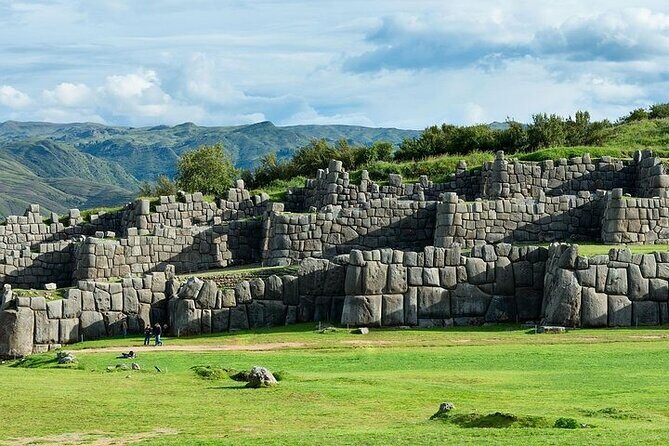
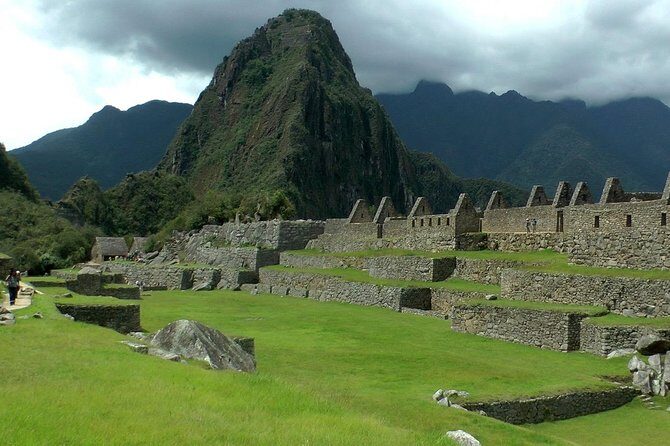
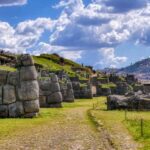
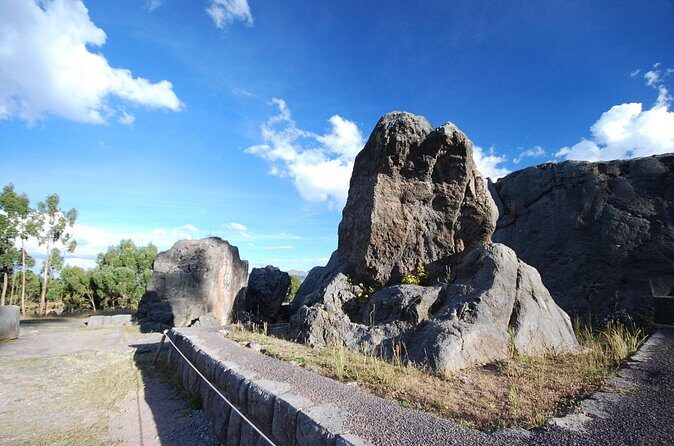
Next comes Sacsayhuamán, and it’s hard not to be impressed quickly. Even without a background in Andean architecture, you can read the purpose in the design. The site is known for its dramatic stonework—colossal structures that feel both defensive and ceremonial.
The guide brings you through it with a focus on context: what the space was used for and why it looks the way it does. Then there’s the other half of Sacsayhuamán—the view. Cusco sits like a stage, and you get a strong sense of the surrounding guardian mountains. This is the part of the tour where the “imperial city” theme becomes real. You can see why rulers would want power visible.
Why this stop is worth your time: Sacsayhuamán doesn’t just give you ruins. It gives you a viewpoint and a sense of scale. That’s crucial in Cusco, where most places are either too close (and you miss the big picture) or too far (and you lose the connection to how the city sits in its region).
If you’re traveling on a tight first-day schedule, Sacsayhuamán is also one of those stops that rewards being efficient. You get strong impact in a relatively short window, which helps the overall tour feel complete without dragging.
Q’enqo, Puca Pucara, and Tambomachay: the stops that add variety

After Sacsayhuamán, the route keeps going to three more major sites: Q’enqo, Puca Pucara, and Tambomachay. These can be easy to treat like “extra stops” on a tour, but when they’re organized right they create variety—different stone formations, different ceremonial ideas, and different scenic vibes.
Q’enqo
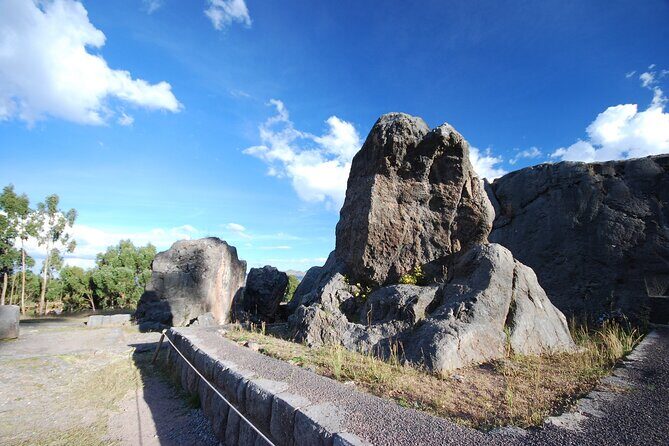
Q’enqo is where you’ll notice the site’s ceremonial feel. The tour frames it with guided explanations about temples and sacred enclosures—so you’re not just walking through rock cuts. You get the sense of how the landscape was used deliberately, not randomly.






Puca Pucara
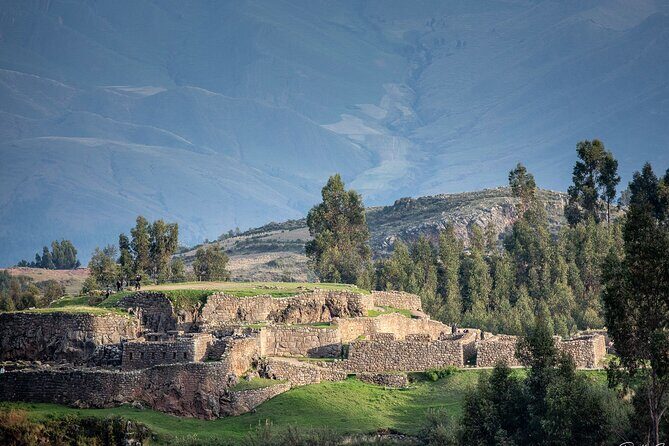
Puca Pucara adds a different visual and emotional tone. The design reads as a strategic space—again with a focus on the way stone structures relate to purpose. You’ll walk away with a better mental map of Cusco’s outskirts and how these sites relate to the city.
Tambomachay
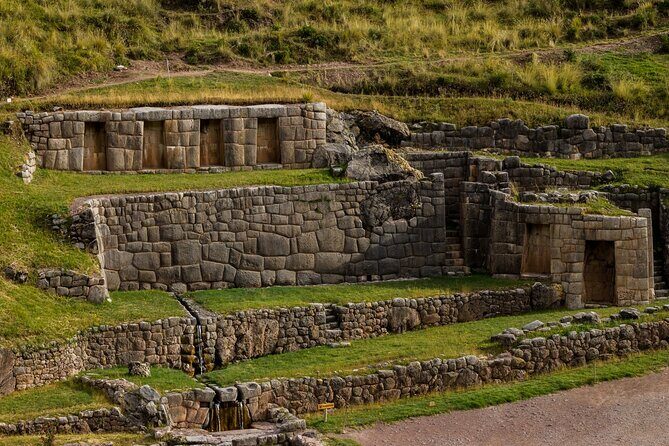
Tambomachay shifts the attention toward water and the way Inca engineering blended with sacred space. Even though this tour stays focused on highlights rather than long explanations, the guide’s interpretation helps you understand what you’re seeing.
What ties all three together is that you’re getting a “mini survey” of key archaeological areas without spending all day. The tour keeps the energy moving, and the vehicle transport means you’re not losing time to logistics between sites.
The one consideration here is pacing. Since all four archaeology sites are packed into about 5 hours, the stops are guided and informative, but not endless. If you’re the type who likes to linger, bring patience for a short, meaningful look rather than a deep self-guided wander.
How the 5-hour format works (and when it’s a smart pick)
This is a 5-hour tour. That’s the sweet spot for a first Cusco day when you want: orientation + top sights + not too much fatigue. With a maximum of 20 travelers, you’re not stuck in a massive crowd where questions vanish into the noise. Group size also tends to keep the guide’s explanations more audible and more responsive.
The tour also includes all information as part of the package, and that matters in Cusco because small details make a big difference. Knowing what you’re looking at—Inca stonework versus later colonial layers, ceremonial functions versus defensive impressions—turns ruins from “rocks” into a readable story.
Timing-wise, the two pickup windows help you plan around the rest of your day. You can choose the earlier slot for full daylight exploring, or the later window if your morning is spent acclimating, eating, or visiting nearby spots at your own pace.
I’d recommend this tour especially if you:
- want a guided overview on day one,
- prefer comfort between stops (the air-conditioned vehicle is a big plus),
- like learning without feeling dragged into a slow, multi-day plan.
If you already know you want to spend longer at fewer places, you might find the schedule brisk. But as a highlights tour, it’s set up to deliver impact fast.
Price value: why $14 can be a good deal (and when it isn’t)
The listed price is $14.00 per person, and that’s why this tour attracts first-timers. For that amount, you’re getting the guide, the vehicle, and the structure that connects multiple major sights without you coordinating transportation yourself.
Here’s the reality check: entrances are not included. You’ll pay PEN 90.00 per person for site entrances. Meals aren’t included either, so plan to eat before or after.
So is it still good value? In most cases, yes—because you’re paying for a bundled experience: guided visits at key sites plus transport and a plan that avoids wasted time. If you were trying to replicate this on your own, you’d likely spend money and energy figuring out routes, timing, and where to focus. With the guide, you also gain interpretation—what the shapes mean, what to pay attention to, and how the stops connect.
When might it feel like less of a deal? If you strongly dislike paying additional entrance fees, or if you already planned to hire a taxi and self-tour multiple sites with your own research, you might decide you want more control. Otherwise, the cost-to-effort ratio is the big win here.
Who should book this Cusco city tour?
This tour works best for people who want an efficient first taste of Cusco. I’d put it at the top of the list if you’re:
- traveling solo and want a friendly, guided structure that keeps you from feeling lost,
- visiting Cusco for the first time and want to see major highlights without choosing between them all day,
- excited by the Inca-to-Spanish overlap and want the guide to point out the differences while you’re actually there,
- okay with a tight schedule in exchange for covering multiple sites.
It also suits people who care about organization. The experience runs with pickup, a professional bilingual guide, and a punctual, responsible driver. That kind of reliability matters when you’re trying to fit sightseeing into a limited time.
If you’re someone who wants to take a slower approach—long stops for photos, lots of time to wander, or multiple repeat passes at the same viewpoint—you may feel the itinerary is too “highlights in motion.” Still, as a first-day orientation tool, it’s a strong choice.
Should you book the Zarate Adventours Cusco city tour?
If you want a guided overview of Cusco that hits Qorikancha plus four major archaeological sites in about 5 hours, I think this is an easy yes. The biggest strengths are the organization, the bilingual guide experience in English, and the comfort of being transported between stops rather than relying on constant navigation.
Just budget for entrance fees (PEN 90.00 per person) and don’t expect long, slow lingering at every viewpoint. If that trade-off works for you, you’ll come away with a clear map of Cusco’s key places and a much better idea of how the Inca and colonial eras overlap in the city.
FAQ
How long is the Cusco city tour?
The tour is about 5 hours.
What’s included in the price?
It includes a professional bilingual guide, an air-conditioned vehicle, and all information.
Are entrance fees included?
No. Entrances cost is listed as PEN 90.00 per person and meals are not included.
What stops does the tour visit?
You’ll visit Qorikancha and four archaeological sites: Sacsayhuamán, Q’enqo, Puca Pucara, and Tambomachay.
Does the tour offer pickup from hotels?
Yes. Pickup is offered from accommodations in Cusco, with two possible windows: 9:00–14:00 or 13:00–17:00.
What’s the meeting point if I’m not using pickup?
The meeting point is Plaza Regocijo (Cusco, Peru).
What’s the cancellation policy?
You can cancel for a full refund up to 24 hours in advance. Changes made less than 24 hours before the start time aren’t accepted, and within 24 hours there’s no refund.