REVIEW · CUSCO
From Cusco: Lake Titicaca with a visit to Uros and Taquile
Book on GetYourGuide →Operated by MPTC GETS · Bookable on GetYourGuide
Titicaca starts before the boat. This 2-day route strings together Andean stops like Andahuaylillas and Raqchi, then pivots to the Uros reed islands and Taquile for a real taste of island life.
I like how the trip pairs big sights with human-scale moments. I especially like the fresh lake fish lunch on Taquile and the Andahuaylillas guided tour, where 16th-century Jesuit artwork puts European and Andean worlds side by side.
The main drawback is the pace: you’re picked up around 6:25 a.m., then spend long stretches on buses and drives, and you head back to Cusco after dinner time (leaving Puno at 9:30 p.m.).
In This Review
- Key highlights worth carving out time for
- Starting From Cusco: The Altiplano Drive That Sets the Mood
- Andahuaylillas Church: Jesuit Art Meets the Andes
- Raqchi Archaeological Complex: Ancient Adobe and Stonework
- La Raya Sacred Views and the Litico Pukara Museum Stop
- Sicuani Lunch Break: A Buffet That Keeps You Moving
- Overnight in Puno: Your 3-Star Base for Titicaca
- Port of Puno to Uros: Reed Islands and a Culture Demonstration
- Taquile Island Walking Tour: Fresh Fish and Quinoa Cream
- Price and Value: What You’re Paying For
- Who This Tour Fits Best (and Who It Doesn’t)
- Tips to Make Day One and Day Two Feel Easier
- Should You Book This Lake Titicaca and Islands Tour?
- FAQ
- How long is the tour from Cusco to Lake Titicaca and the islands?
- What locations does the tour visit?
- Is there an overnight stay?
- Are meals included?
- What about the boat cruise and island visits?
- Do I need to pay extra entrance fees?
- What time is pickup?
- What language is the guide?
- Are alcohol or drugs allowed?
- Who should not book this tour?
- Is free cancellation available?
- FAQ
- How long is the tour from Cusco to Lake Titicaca and the islands?
- What locations does the tour visit?
- Is there an overnight stay?
- Are meals included?
- What about the boat cruise and island visits?
- Do I need to pay extra entrance fees?
- What time is pickup?
- What language is the guide?
- Are alcohol or drugs allowed?
- Who should not book this tour?
Key highlights worth carving out time for
- Comfortable hotel night in Puno so you’re not racing the whole clock
- Andahuaylillas church tour with 16th-century Jesuit art as a standout stop
- Raqchi archaeological complex to see ancient stone and adobe work up close
- Uros reed-island cultural demonstration paired with a guided walking visit
- Taquile island lunch of fresh fried fish and quinoa cream
- Boat cruise from Puno across Titicaca with views of the shore towns
Starting From Cusco: The Altiplano Drive That Sets the Mood
This tour doesn’t start on the lake. It starts in the morning, with pickup from your Cusco hotel and a transfer that gets you moving early. From there, the day turns into a long, scenic loop through the Andes, with stops that explain what you’re looking at before you ever reach Titicaca.
If you like structure, this trip is built for you. A guide keeps the order clear, transport is handled, and you’re rarely left figuring out what comes next. That matters on a route like this, where timing on roads can make or break the day.
It also means you should pack your expectations accordingly. This is not a slow boat-and-nap kind of excursion. You’re in motion most of day one, then you shift to the lake and island rhythm on day two.
You can also read our reviews of more tours and experiences in Cusco.


Andahuaylillas Church: Jesuit Art Meets the Andes
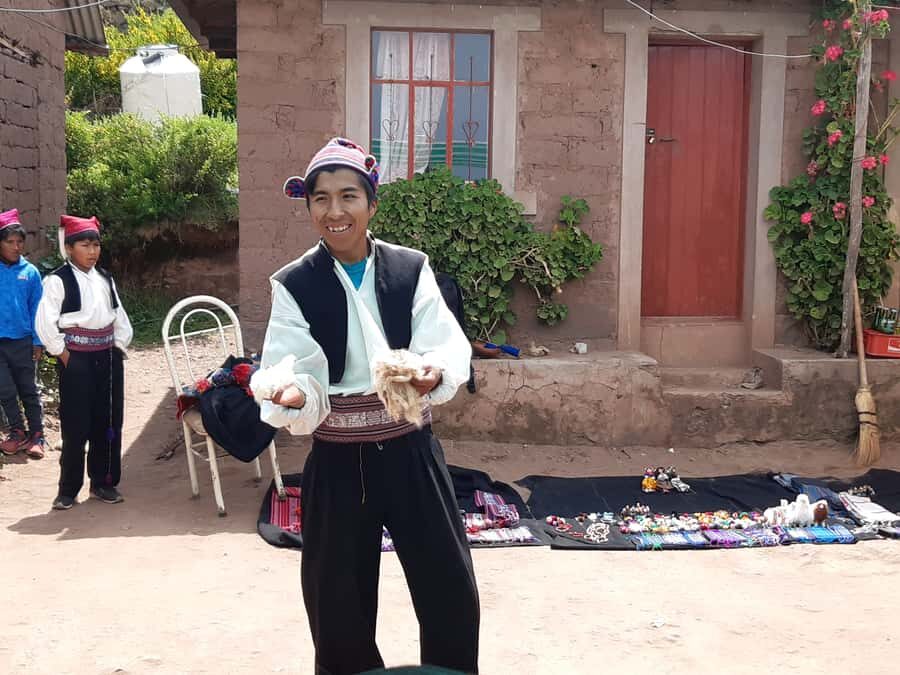
Andahuaylillas is one of those stops that can quietly steal the show. The 16th-century Jesuit church is famous for its artwork, and the guided visit is what turns it from a quick photo stop into something you can actually read with your eyes.
As you tour the church, focus on the contrast. You get European church design blended with local craftsmanship and Andean influence. It’s a visual reminder that the Andes weren’t isolated from the rest of the world—trade, mission work, and politics all left marks.
Practical tip: wear shoes you can stand in for a while. You’ll want to move slowly through the church and take your time with details, not just rush to the exit to catch the next vehicle.
Raqchi Archaeological Complex: Ancient Adobe and Stonework
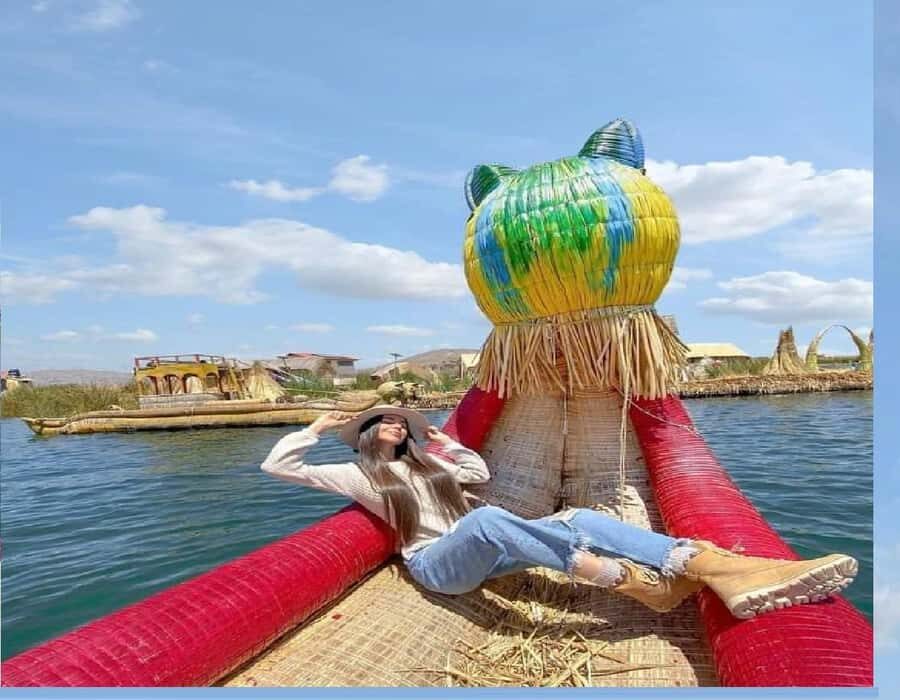
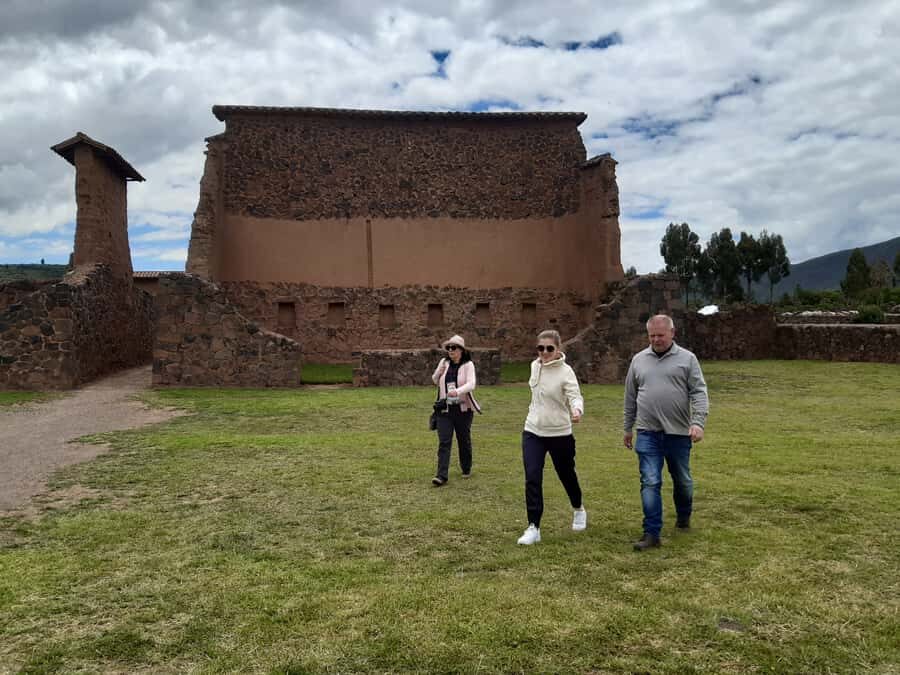
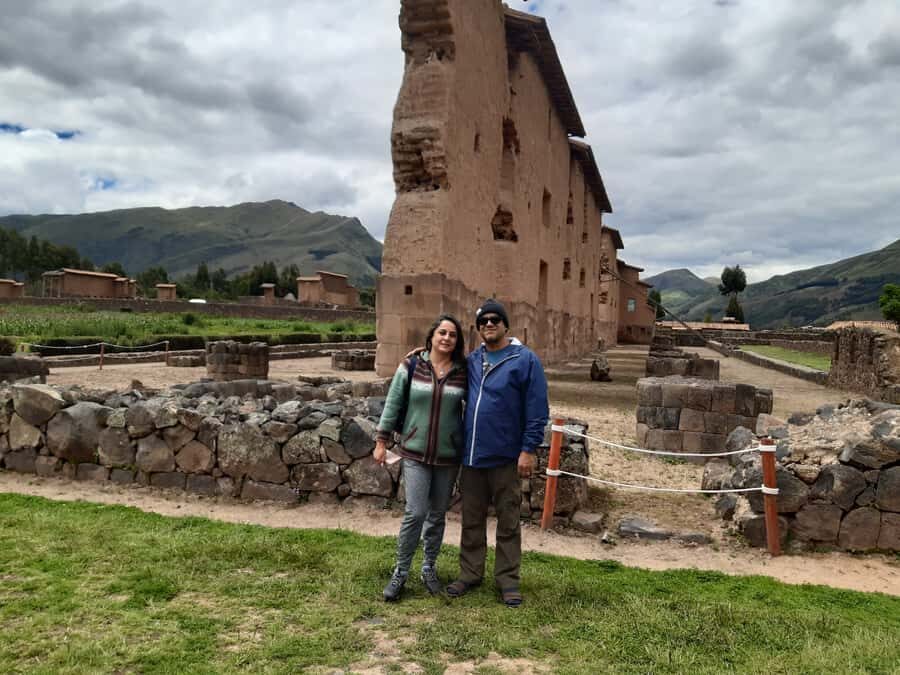
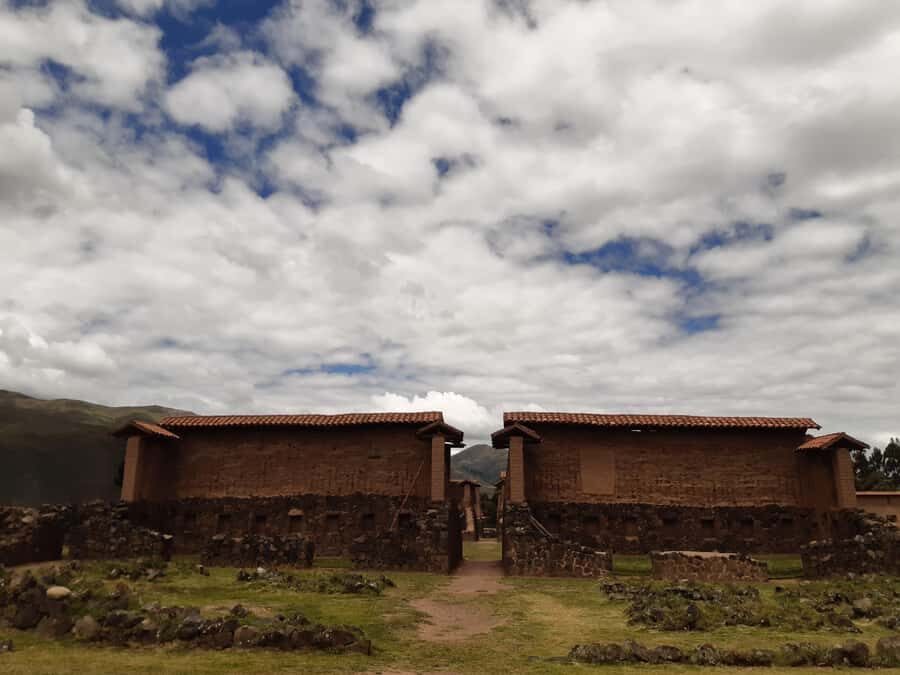
After Andahuaylillas, the route heads toward Raqchi, the Incan archaeological complex. Walking through the site is a chance to see how much of the Andes story is still built into the ground—stone foundations, adobe structures, and a layout that feels purpose-built.
Raqchi is valuable because it gives you context for what you’ll later see on the islands. You’re not only visiting Titicaca as scenery. You’re watching how people adapted to altitude, materials, and water.
A small thing that makes a big difference: go at a walking pace with your guide’s explanations in your head. If you treat it like a sprint, it’ll feel like ruins. If you treat it like a guided walk through a living system, it clicks.
La Raya Sacred Views and the Litico Pukara Museum Stop
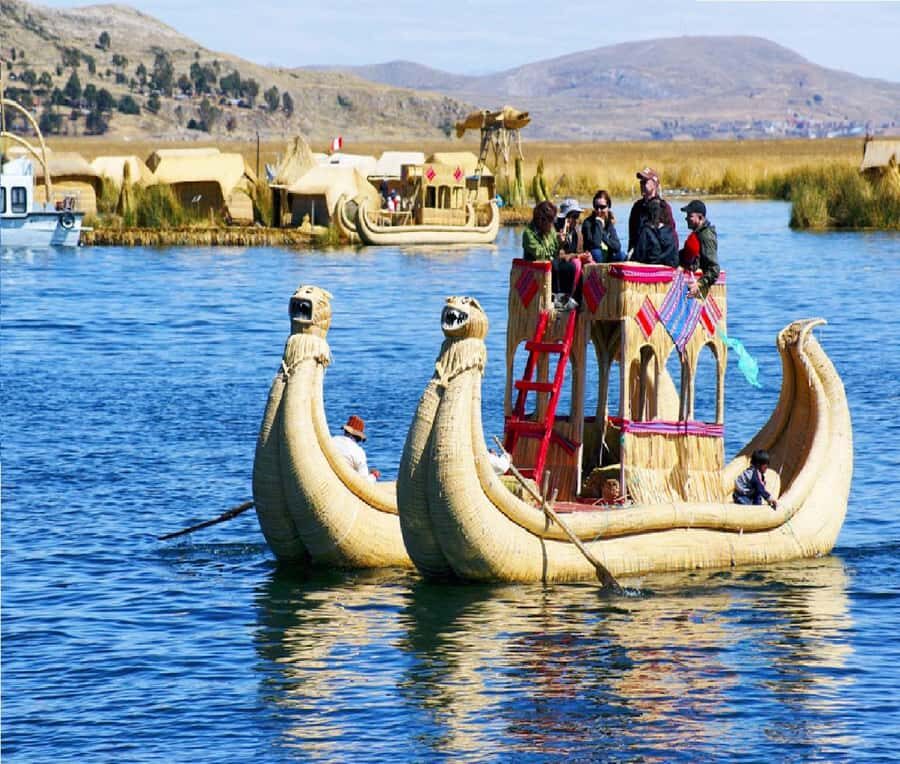
There’s a dramatic stretch near La Raya where the views are considered sacred. You’ll have a moment to take in the high-altitude mountains and understand why this part of the Andes carries spiritual weight.
This is also a good point in the day to reset your energy. You’ve been traveling and walking, and the stop gives your body a chance to switch gears from ruins and churches to wide-open altitude air.
Then the itinerary adds the Litico Pukara museum. This museum stop is useful because it helps tie together the day’s themes—ancient cultures, the region’s meaning, and the idea that the Andes have layers. Without something like this, it’s easy to see the landscape as just a backdrop.
Sicuani Lunch Break: A Buffet That Keeps You Moving
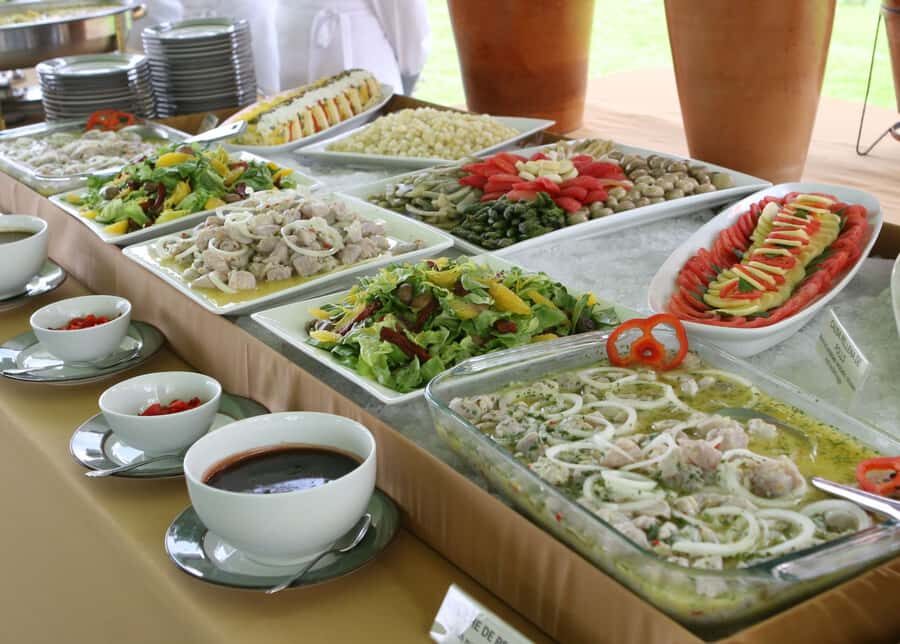
Between altitude viewpoints and archaeological stops, you’ll get a buffet lunch in Sicuani. It’s included, and that’s worth noting because it protects you from decision fatigue. On a day like this, the best meal is the one that comes at the right time and doesn’t derail the schedule.
Even if you eat fast, use the break as a fuel station. You’ll be on the move again soon, and day one includes the drive to Puno and time to rest for the next morning.
If you’re sensitive to altitude, eating lightly but consistently helps. You don’t need to overthink it; just aim for steady energy so you feel okay when you board boats later.




Overnight in Puno: Your 3-Star Base for Titicaca
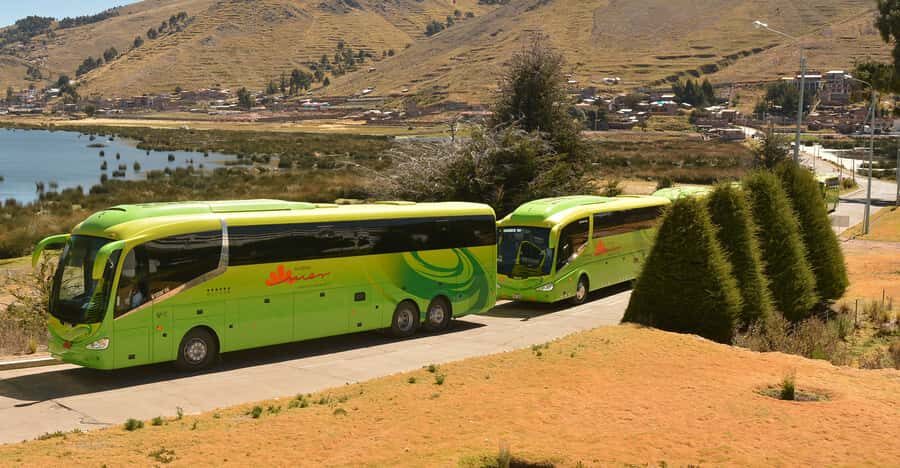
By evening, you transfer to your hotel in Puno and settle in for the night. This matters because Titicaca experiences work best when you’re not rushed. Having a real night’s rest helps you enjoy day two instead of counting minutes until departure.
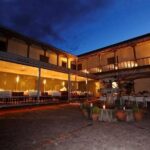
The hotel is described as a comfortable 3-star option. That’s a practical sweet spot for most people: you get a place to sleep and recharge without paying luxury rates.
In the morning, pickup and transportation bring you to the Port of Puno. From there, it’s finally time for the lake.
Port of Puno to Uros: Reed Islands and a Culture Demonstration
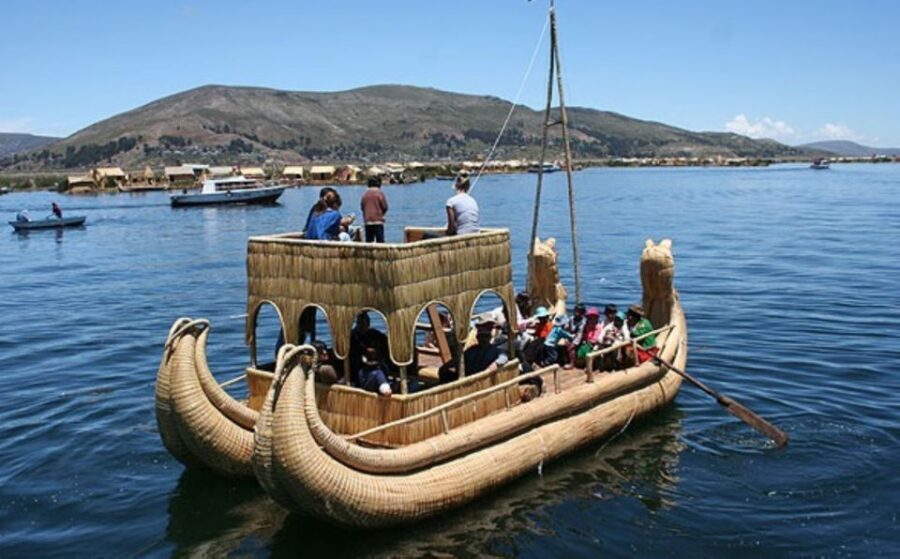
The boat cruise from Puno is the emotional pivot of the trip. As you head across Lake Titicaca, you’ll see mountains and towns along the shoreline, and the water view puts everything you learned on day one into perspective.
Then comes Uros, the reed islands. This portion stands out because it’s not just scenery. You take part in a cultural demonstration designed to explain local life and how the communities manage their environment.
You also get a guided walking tour on the island. That’s a big difference versus looking from the boat. Walking helps you understand scale, materials, and everyday routines—things you can’t really grasp from a quick stop.
One practical note: bring comfortable shoes. Reed surfaces and island walking can be uneven, so plan for stable footing rather than slick soles.
Taquile Island Walking Tour: Fresh Fish and Quinoa Cream

After Uros, you continue to Taquile by boat. Taquile is where the trip shifts from visiting a place to learning about people—especially through a guided walking tour.
The best part is the included meal on Taquile: fresh fried fish and quinoa cream at a local restaurant. This is the kind of food moment that feels real, not touristy. Even if you’re not a huge seafood person, this is an easy local-style plate to try.
Why that lunch matters: it ties the lake to daily life. Titicaca isn’t just a postcard. It’s food, work, and community. A good guide helps you connect what you’re tasting with what you’re seeing.
If you get time to pause during the walk, do it. Taquile’s charm isn’t only in one viewpoint. It’s the gradual shift from shore routines to inland perspective as you move with the group.
Price and Value: What You’re Paying For
At $259 per person for two days, this price looks reasonable for what’s included—especially if you’d otherwise be piecing together transport, guide time, boat time, and a night in Puno on your own.
Here’s where the value comes from:
- One night of lodging in Puno
- A guided tour program across multiple major sites (church + archaeological complex + museums)
- Lake activities: cruise from Puno plus island fees and a guided visit on Uros and Taquile
- Two included lunches, including the Taquile fish meal
There’s also one cost you should budget for: site entrances may add about 53 soles, since that portion isn’t included. Not a dealbreaker, but it’s smart to plan ahead so you don’t reach the cashier stage surprised.
You’re essentially buying a packed but organized “Andes plus islands” sampler. If you want a guided loop with less decision-making and a guaranteed lake day, it’s a good deal.
Who This Tour Fits Best (and Who It Doesn’t)
This is a solid match if you want an efficient 2-day arc: Cusco region highlights plus Lake Titicaca islands. If you enjoy history, architecture, and local culture in the same trip, this itinerary makes sense.
It’s also a good option if you like having a plan handled for you. Pickup and drop-off are included, and a live guide (English or Spanish) keeps explanations moving.
It’s not a good fit if you’re over 95 years old. Also note that alcohol and drugs are not allowed, and the tour expects you to do walking at multiple stops.
If you’re traveling with time constraints from Cusco and you want to see Uros and Taquile without building your own logistics, this trip is one of the simpler ways to do it.
Tips to Make Day One and Day Two Feel Easier
A long day starts with the basics. Wear comfortable shoes and plan for a lot of stepping on uneven surfaces at archaeological sites and on islands.
On day one, the timing can feel intense because the itinerary combines several stops: Andahuaylillas, Raqchi, the La Raya viewpoint, a museum stop, and then lunch and onward travel to Puno. For you, that means pacing matters. Eat during included breaks and keep small water sips going.
On day two, the boat and island walking are the physical focus. That’s why the morning transition from your Puno hotel to the port is important: it keeps the lake experience from feeling rushed.
And for your comfort, keep your packing simple. If you bring layers, you’ll be ready for changing conditions around the high-altitude route.
Should You Book This Lake Titicaca and Islands Tour?
Book it if you want a guided, structured two-day route that includes the key Titicaca islands plus major Cusco-region stops like Andahuaylillas and Raqchi. The included boat time, cultural demonstration on Uros, Taquile walking, and a local fish lunch create a nice balance of scenery and learning.
Skip it if you hate long days and lots of transport. This itinerary is built for efficiency, not slow travel. Also consider the extra entrance budget (about 53 soles) so you can plan your spending cleanly.
If your goal is to leave with more than photos—if you want context for what you’re seeing on Titicaca and you like guided history stops—this is a strong choice.
FAQ
How long is the tour from Cusco to Lake Titicaca and the islands?
It lasts 2 days.
What locations does the tour visit?
You’ll visit Andahuaylillas, Raqchi, and Pukara during the Cusco-to-Puno portion, then head to Lake Titicaca for Uros and Taquile.
Is there an overnight stay?
Yes. The tour includes 1 night in accommodation in Puno.
Are meals included?
Yes. There are 2 included lunches. One is a buffet lunch in Sicuani, and on Taquile you’ll have fresh fried fish and quinoa cream.
What about the boat cruise and island visits?
The tour includes a cruise on Lake Titicaca, with visits and fees for the Uros islands and Taquile island.
Do I need to pay extra entrance fees?
Yes. Entrances are not included, and the tour data notes an amount of 53 soles for entrances.
What time is pickup?
Pickup is included, and it is usually around 6:25 a.m. You’ll be contacted the day before with pickup instructions and timing.
What language is the guide?
The live tour guide speaks English and Spanish.
Are alcohol or drugs allowed?
No. Alcohol and drugs are not allowed.
Who should not book this tour?
It is not suitable for people over 95 years old.
Is free cancellation available?
Yes. You can cancel up to 24 hours in advance for a full refund.
FAQ
How long is the tour from Cusco to Lake Titicaca and the islands?
It lasts 2 days.
What locations does the tour visit?
You’ll visit Andahuaylillas, Raqchi, and Pukara during the Cusco-to-Puno portion, then head to Lake Titicaca for Uros and Taquile.
Is there an overnight stay?
Yes. The tour includes 1 night in accommodation in Puno.
Are meals included?
Yes. There are 2 included lunches. One is a buffet lunch in Sicuani, and on Taquile you’ll have fresh fried fish and quinoa cream.
What about the boat cruise and island visits?
The tour includes a cruise on Lake Titicaca, with visits and fees for the Uros islands and Taquile island.
Do I need to pay extra entrance fees?
Yes. Entrances are not included, and the tour data notes an amount of 53 soles for entrances.
What time is pickup?
Pickup is included, and it is usually around 6:25 a.m. You’ll be contacted the day before with pickup instructions and timing.
What language is the guide?
The live tour guide speaks English and Spanish.
Are alcohol or drugs allowed?
No. Alcohol and drugs are not allowed.
Who should not book this tour?
It is not suitable for people over 95 years old.