REVIEW · CUSCO
Puno: Route Of The Sun to Cusco with Lunch and Ticket Option
Book on GetYourGuide →Operated by Uyuni Experience EIRL · Bookable on GetYourGuide
The Ruta del Sol from Puno to Cusco is one of those rare rides where culture and views are built into the schedule. You’ll hit Andean landmarks like Pukara, Raqchi, and Andahuaylillas, with time for photos at the La Raya pass.
I like that the day doesn’t feel rushed between highlights, and you get a live guide who explains what you’re seeing. A simple plus: the bus transfer is comfortable enough to make an 11-hour day feel manageable, even if it’s long.
One drawback to keep in mind: this is a tight, scheduled route. If pickup coordination goes wrong at the start, you could be stuck hunting for a solution, so take pickup instructions seriously.
In This Review
- Key Highlights You’ll Notice Quickly
- Why This Puno to Cusco Ruta del Sol Day Tour Works
- Starting in Puno: Jirón Tacna 575 and Your First Timing Check
- Pukara Interpretation Center: Bulls, Clay Figures, and Meaning
- La Raya Pass Stop: Photo Time Above 4,300 Meters
- Buffet Lunch on the Route: Fuel Before Raqchi
- Raqchi Archaeological Park: Wiracocha and the Temple Remains
- Andahuaylillas and San Pedro Apóstol: The Sistine Chapel Comparison
- Transportation, Comfort, and Group Reality on an 11-Hour Day
- Price and Value: Is $100 a Good Deal?
- Who This Tour Suits Best (and Who Should Skip It)
- Should You Book Ruta del Sol Puno to Cusco with Lunch?
- FAQ
- How long is the tour?
- Where is the meeting point in Puno?
- Do I get hotel drop-off in Cusco?
- Is lunch included?
- Are entrance tickets included?
- What stops are included during the route?
- Is there a guided component?
- What should I bring?
- Is the tour suitable for wheelchair users?
- Can I cancel for a refund?
- What’s the best way to stay connected before departure?
Key Highlights You’ll Notice Quickly
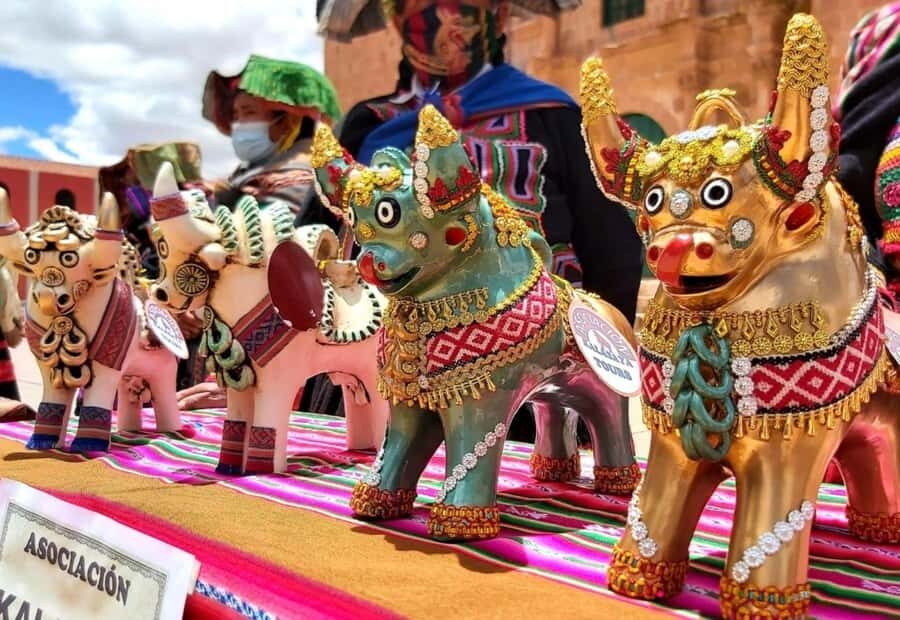
- Pukara Interpretation Center with the famous bull figures and clay pieces tied to protection and prosperity
- La Raya pass photo stop above 4,300 meters (thin air, big skies)
- Raqchi archaeological park and the temple remains connected to Wiracocha worship
- Andahuaylillas church of San Pedro Apóstol—often called the Sistine Chapel of America
- Buffet lunch included at a local restaurant after the high pass stop
- Guide-led pacing across multiple stops, instead of a drop-and-go transfer
Why This Puno to Cusco Ruta del Sol Day Tour Works
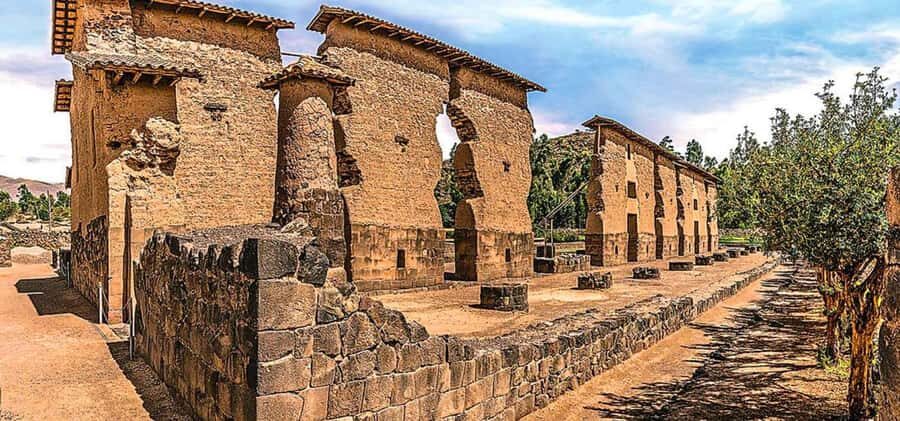
This is not a blank-slate transport day. The route is famous for a reason: you’re moving through southern Peru while stopping at key cultural sites that explain how Andean peoples shaped life long before the Inca.
You get a full loop of contrasts in one day. Think interpretation center artifacts (Pukara), high-altitude atmosphere (La Raya), major pre-Hispanic remains (Raqchi), then a church interior that people compare to the Sistine Chapel (Andahuaylillas). It’s a lot of “place” for one ticket price.
You should go into it with the right expectations. The day is packed, so you’re there to experience, not to linger.
You can also read our reviews of more tours and experiences in Cusco
Starting in Puno: Jirón Tacna 575 and Your First Timing Check
The day begins at Jirón Tacna 575 in Puno (the meeting point listed for the departure). From there, you head toward the town of Pukara, then follow the Ruta del Sol itinerary through to Cusco.
Here’s the practical advice I’d give you: confirm your contact number with the country code and make sure you can use WhatsApp. Since the route is schedule-driven, being reachable helps the operator fix last-minute issues fast—especially on days when a pickup hiccup can happen.
Also, bring what the day demands. You’ll want a camera and cash on hand, and it’s smart to carry your passport or ID card.
Pukara Interpretation Center: Bulls, Clay Figures, and Meaning
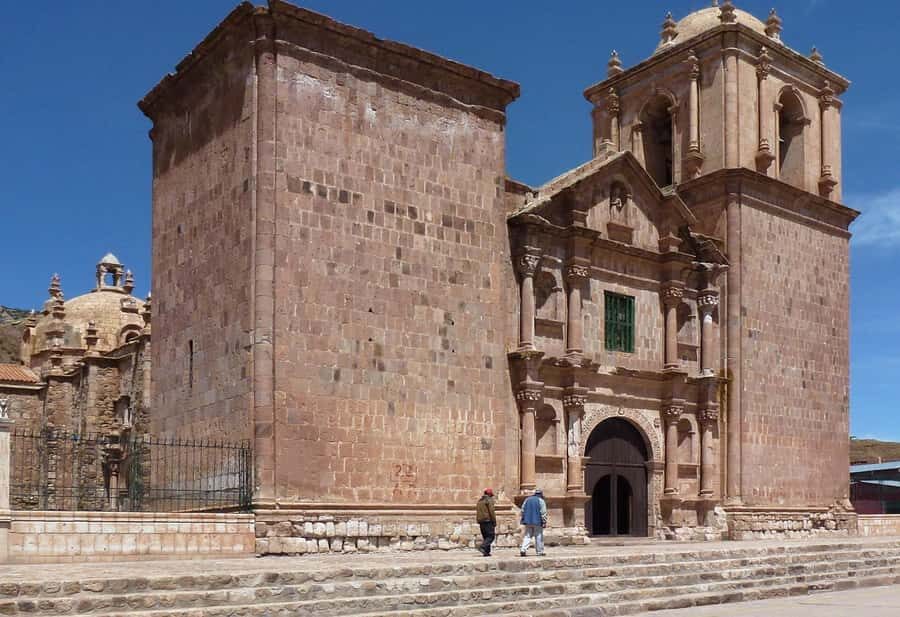
First major stop: Pukara. You’ll visit the Pukara interpretation center, which is designed to give you context before you start touring bigger archaeological places.
The most memorable details here are the Pukara bulls—clay figures painted in different colors. They’re described as symbols of protection, prosperity, and fertility in southern Peru. That explanation matters. It turns the figures from “cool souvenirs” into a clue about how earlier communities connected art with daily survival and community hope.
A small practical note: this stop is one of the easier ones on the route. If you’re feeling the altitude shift already, you’ll likely appreciate that it’s more interpretive and less physically demanding than the high pass photo moment later.
La Raya Pass Stop: Photo Time Above 4,300 Meters
After Pukara, you go up to La Raya pass for a brief stop. The altitude is more than 4,300 meters, and the purpose is simple: take in the pass and get your photos.
This is one of those “respect the altitude” moments. Even if you’re fine at lower elevations, the pass is higher, and your body can react. I’d plan to keep movement slow, breathe normally, and avoid acting like you’re on a casual hike.
You likely won’t get long here. That’s normal. It’s a quick pause for views and pictures—then you’ll head to lunch to recover before the archaeological tour.
Buffet Lunch on the Route: Fuel Before Raqchi
Right after the pass stop, you’ll go to a local restaurant and eat a buffet lunch. This timing is smart. Raqchi is the next stop and it’s a guided visit that benefits from having energy in your tank.
Because lunch is included, you’re not stuck making a last-minute scramble for food. Still, do keep a little cash handy in case you want extra drinks or snacks beyond what’s offered on the buffet.
If you get even slightly cold at altitude, lunch is also a practical reset. Sit down, warm up, then get ready to focus again.
You can also read our reviews of more tours and experiences in Cusco
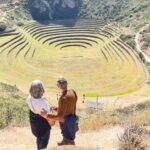
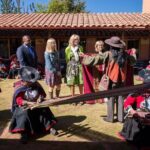
Raqchi Archaeological Park: Wiracocha and the Temple Remains
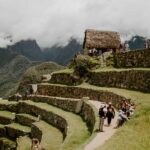
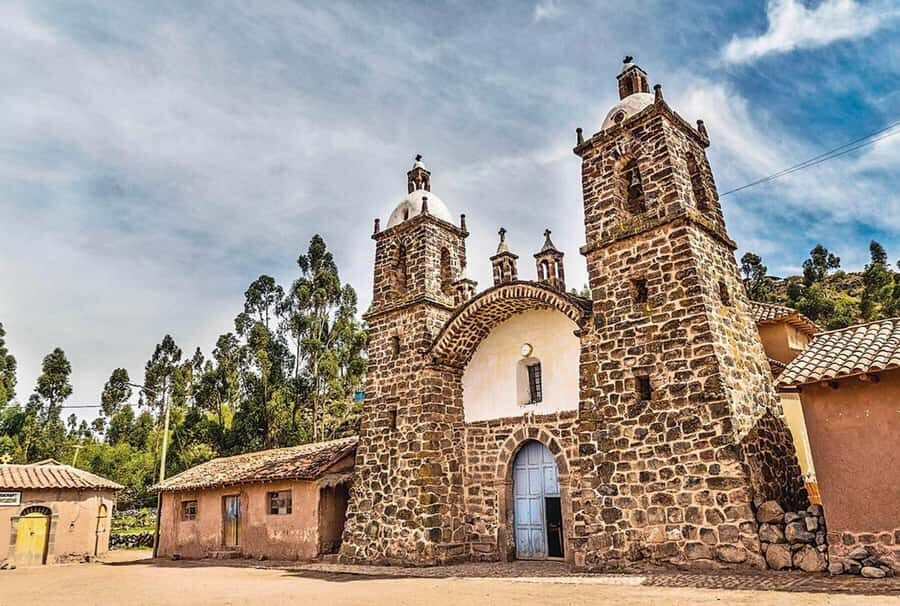
Next up is Raqchi, one of the bigger cultural stops on the day. You’ll have a guided tour of the archaeological park and see remains of the ancient temple linked to the god Wiracocha.
What I appreciate about this stop is that it gives you a “why it mattered” feeling. The tour emphasizes that the veneration of Wiracocha in pre-Hispanic times comes with enigmas, legends, and mysteries. Even if you don’t leave with every answer, you walk away understanding that this wasn’t random stonework. It was part of a serious belief system, tied to how people lived and organized meaning across the Andes.
The park visit is guided, so you’ll get explanations on-site rather than just looking at ruins. That makes it far more satisfying than a quick walk-by.
A realistic expectation: archaeological sites can feel slower than expected if you’re looking for every single detail. Here, the guide helps you see what to focus on.
Andahuaylillas and San Pedro Apóstol: The Sistine Chapel Comparison
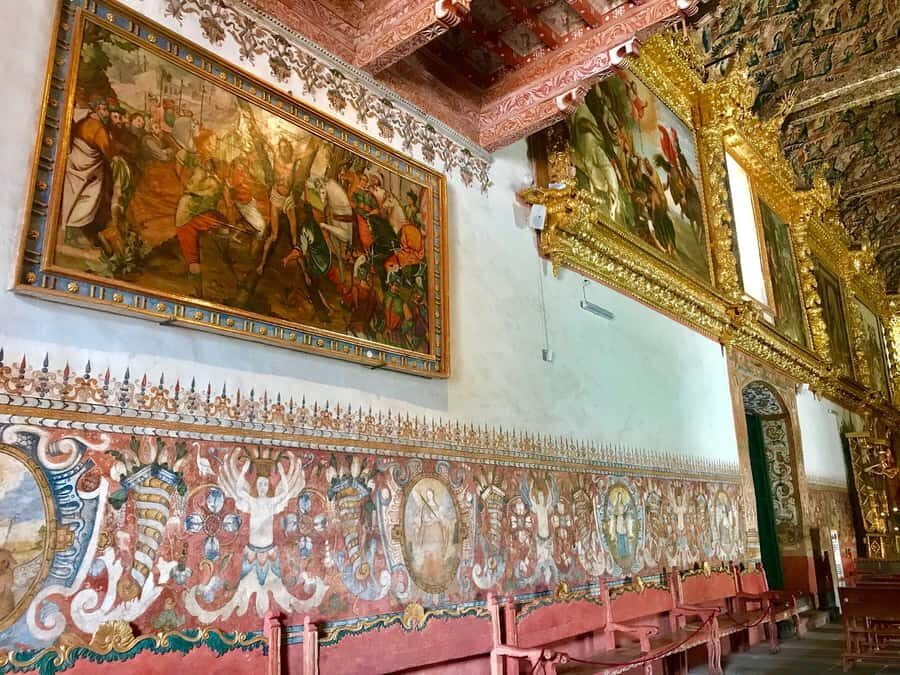
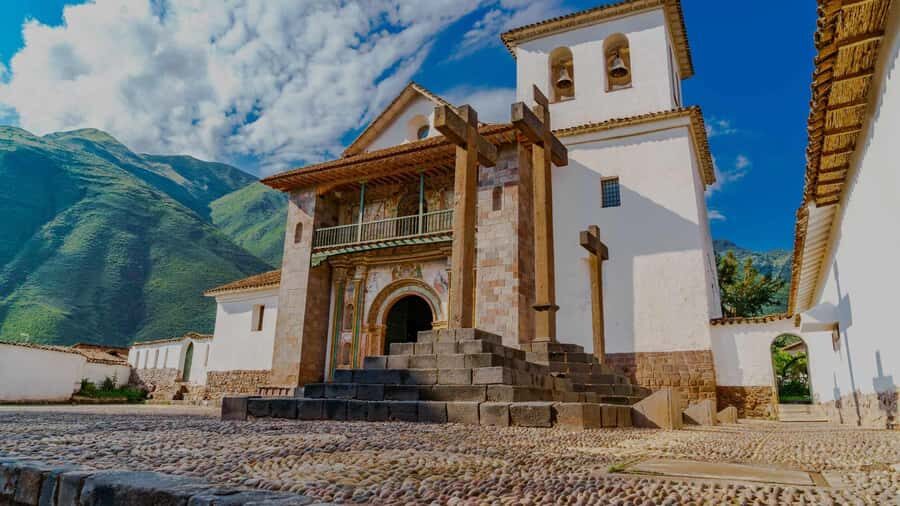
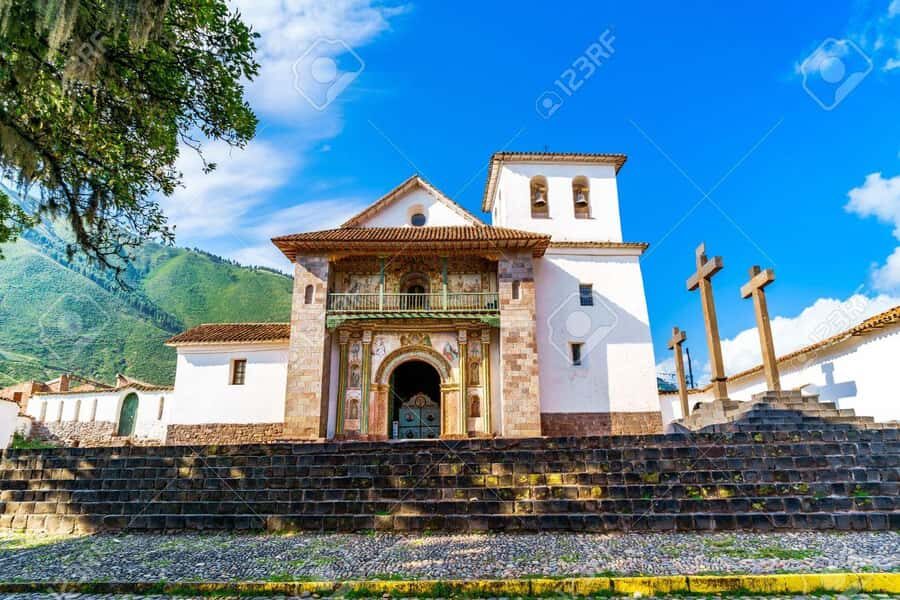
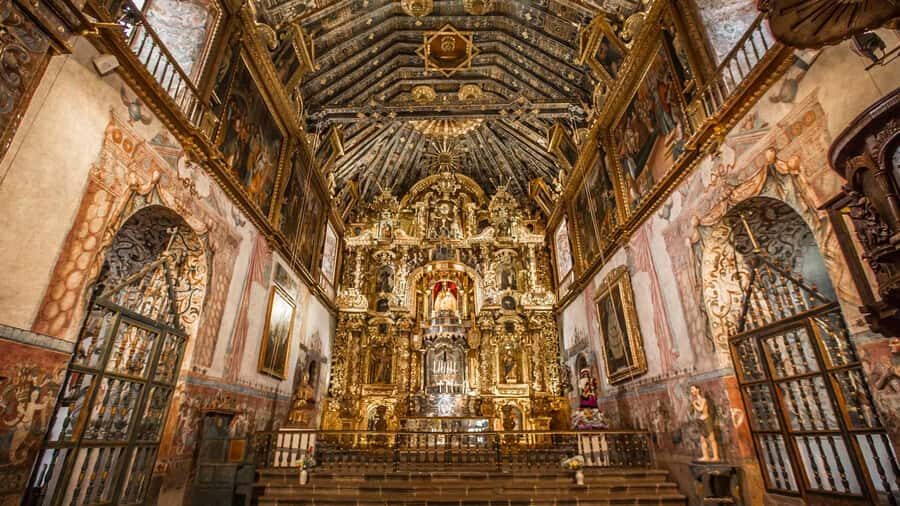
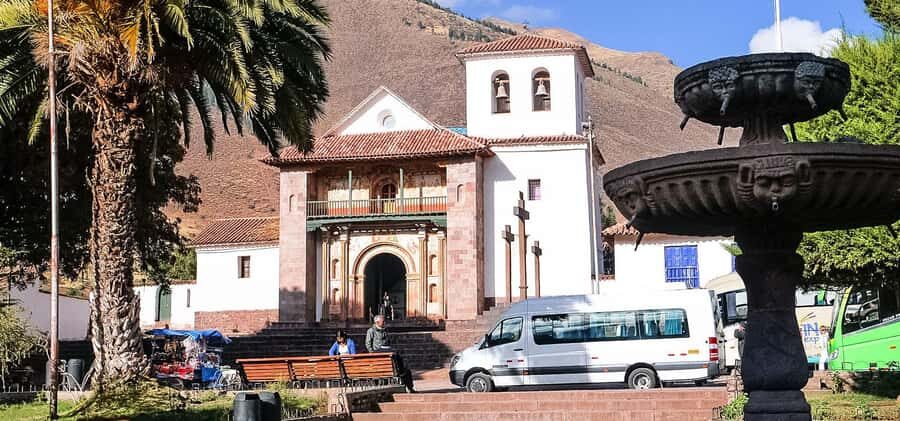
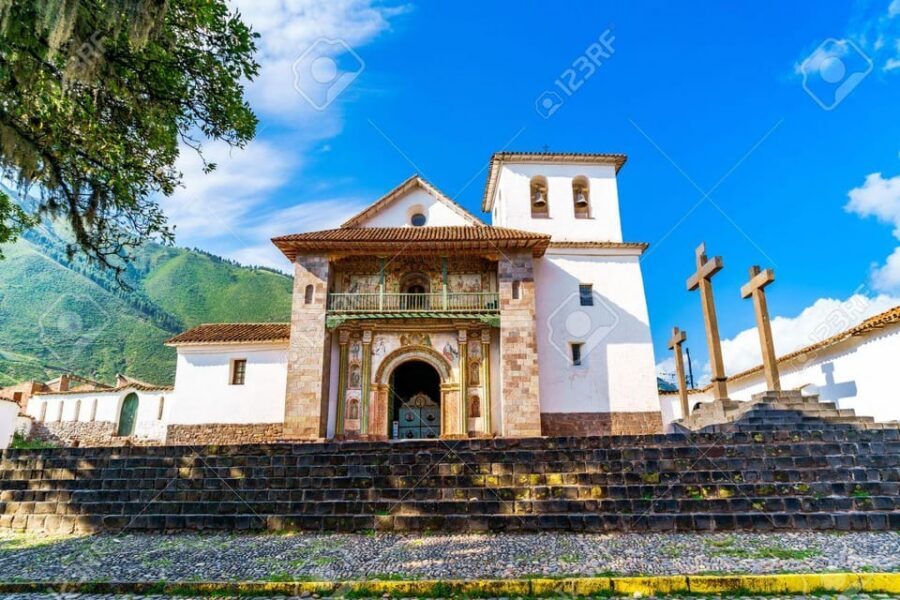
Final major stop: Andahuaylillas, with a visit to the church of San Pedro Apóstol. This church is known as the Sistine Chapel of America, and the comparison isn’t made lightly.
This is the emotional payoff for many people on the Ruta del Sol route. After high passes and ancient stone remains, you step into a church that shows how later eras also expressed belief through art and craft. You’re seeing a shift in style, but the same core human drive: making meaning visible.
Plan for the church visit to be the highlight that feels most visually intense. If you like interiors, religious art, and painted detail, you’ll likely enjoy how much there is to take in during your visit.
After that, you’ll finish the Ruta del Sol day and be taken to your chosen hotel in Cusco.
Transportation, Comfort, and Group Reality on an 11-Hour Day
This experience is built around bus travel, with pickup from your hotel in Puno to the station area, then transportation across the route. It’s listed as 11 hours total, and that duration matters because your day will be structured for stops rather than slow wandering.
One of the most reassuring parts is that the ride is described as comfortable, and the guide is there to keep the day moving with explanations. That combination is often the difference between a tolerable long day and an exhausting one.
Still, because it’s schedule-driven, you should show up prepared at the meeting point and keep your phone available. In at least one bad-case scenario, people were left stranded at the start because no one arrived at the meeting spot. That doesn’t mean it will happen to you, but it does reinforce a simple rule: confirm details, stay reachable, and don’t assume the day will fix itself if something goes off track.
Also, this tour is not suitable for wheelchair users, so plan accordingly if mobility is a concern.
Price and Value: Is $100 a Good Deal?
At $100 per person, you’re paying for far more than transportation. Included in the price are:
- pickup from your hotel in Puno to the bus station area
- bus transportation
- a live guide in Spanish and/or English
- buffet lunch
- and entrance tickets if you select the ticket option
That matters for value. If you did these stops on your own, you’d likely spend time coordinating transport between Puno and Cusco, paying for entry fees, and arranging guided interpretation for sites like Raqchi and the church in Andahuaylillas. Here, the day is packaged to cover those key costs.
The real question for you is style. If you like guided cultural stops and you’re okay with a long day, this price can feel fair. If you want more free time, fewer stops, and slower pacing, the structure may feel tight—especially around La Raya, where the stop is brief by design.
Who This Tour Suits Best (and Who Should Skip It)
This is a great fit if you:
- want one organized way to do the famous Ruta del Sol without stitching together separate plans
- enjoy guided context at archaeological and cultural stops
- want an efficient full day ending in Cusco
- like photography time at a major high pass
You might reconsider if you:
- need lots of downtime between stops
- are sensitive to high-altitude conditions around La Raya
- have mobility needs (since it’s not suitable for wheelchair users)
Should You Book Ruta del Sol Puno to Cusco with Lunch?
I’d book this if you want a guided “best of southern Peru culture” day that ends in Cusco without extra coordination. The strongest appeal is the sequence: Pukara’s symbols, a high pass photo moment, Wiracocha-era ruins at Raqchi, then the visually striking San Pedro Apóstol church in Andahuaylillas.
Just take the planning seriously at the start. Use WhatsApp, confirm your pickup details, and be on time at Jirón Tacna 575. If that’s handled well, this day can feel like a great value blend of transport plus cultural education.
FAQ
How long is the tour?
The duration is listed as 11 hours.
Where is the meeting point in Puno?
The meeting point is at Jirón Tacna number 575.
Do I get hotel drop-off in Cusco?
Yes. After the Ruta del Sol day ends, you’ll be left at the hotel in Cusco that you want.
Is lunch included?
Yes. The tour includes a buffet lunch at a local restaurant.
Are entrance tickets included?
Entrance tickets are included if you select the ticket option.
What stops are included during the route?
You’ll visit Pukara (interpretation center), stop at La Raya pass, tour Raqchi (archaeological park), and visit Andahuaylillas (church of San Pedro Apóstol).
Is there a guided component?
Yes. The tour includes a live tour guide in English and Spanish.
What should I bring?
Bring your passport or ID card, a camera, and cash.
Is the tour suitable for wheelchair users?
No. It is not suitable for wheelchair users.
Can I cancel for a refund?
Yes. It offers free cancellation up to 24 hours in advance for a full refund.
What’s the best way to stay connected before departure?
Make sure your contact number is correct with your country code and that you can use WhatsApp.