REVIEW · CUSCO
5 Days Salkantay Trek Tour To Machu Picchu
Book on Viator →Operated by Peru Top Experience · Bookable on Viator
That first 4:30 am pickup is your ticket to real mountain Peru. This 5-day Salkantay route blends big Andean altitude moments with a guided Machu Picchu visit, plus the practical comfort of tents, hot water, and full meals along the way. I especially like how the day-by-day structure builds from scenic acclimatization to the Abra Salkantay high point, then gives you a gentler finish with Santa Teresa and Aguas Calientes. One possible drawback: you’ll be walking for long hours while working at altitude, so you need to be ready for a serious physical rhythm even though the difficulty is listed as average.
If you want a trek that feels organized but still authentically rugged, this one hits the sweet spot. The vibe is not luxury, but it is well run, and the safety setup (including an oxygen cylinder and radio contact) gives you peace of mind when the air gets thin.
In This Review
- Quick Take: What Makes This Salkantay + Machu Picchu Trip Work
- Cusco 4:30 am Pickup: Why Early Really Matters
- Day 1 to Humantay Lagoon: Callacancha, Soraypampa, and the First High Views
- Day 2 Over Abra Salkantay: The High Point and the Cloud Forest Push
- Day 3 to Santa Teresa: Beach Sector, Lucmabamba, and the Thermal Bath Option
- Day 4 Hydroelectric to Aguas Calientes: A Railway Walk With a Hotel Finish
- Machu Picchu Day: Bus Up, Watchman House Photos, and a 3-Hour Guided Circuit
- Value and Inclusions: What You Pay For in This $710 Package
- Altitude Reality Check: When You Should Take It Seriously
- Who This Trek Fits Best (and Who Might Want a Different Plan)
- Booking Call: Should You Book This Salkantay Trek to Machu Picchu?
- FAQ
- What time is the pickup in Cusco?
- What is the highest altitude on the trek?
- Do I sleep in a tent every night?
- Is food included?
- What safety equipment is provided?
- How do you get to Machu Picchu?
- What costs are not included?
- Is this tour private?
- Can I get a full refund if I cancel?
Quick Take: What Makes This Salkantay + Machu Picchu Trip Work
- 4:30 am Cusco pickup means more daylight on the trail and better odds with weather timing
- Camping gear is provided, including thick foam mats, tents, dining setup, and daily hygiene support
- Meals are fully handled (4 breakfasts, 4 lunches, 4 dinners) with vegetarian and diet requests supported
- Altitude support is real, with an oxygen cylinder, first aid kit, and radio transmitter for the team
- A guided Machu Picchu route covers the classic photo angles and key areas in about 3 hours
- Logistics are stitched together with included bus/train segments to get you to the Cusco return
Cusco 4:30 am Pickup: Why Early Really Matters
Your day starts fast: pickup from your Cusco hotel at 04:30. Then you ride to Mollepata for breakfast before your trek portion begins. It’s early enough that you avoid wasting your morning later, and it also sets the pace for the whole circuit.
This matters because altitude is a stubborn factor. Starting earlier lets you get more walking done while you’re fresher, and it gives your body time to adjust before the day’s most demanding stretches.
You can also read our reviews of more hiking tours in Cusco
Day 1 to Humantay Lagoon: Callacancha, Soraypampa, and the First High Views
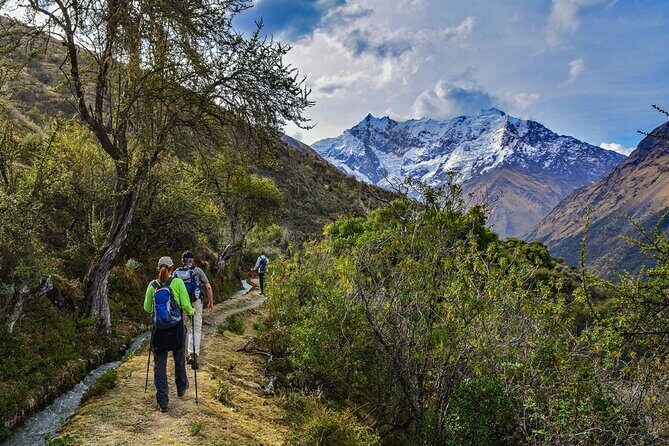
You begin at Callacancha (3600 masl), then walk toward Soraypampa (3900 masl). The walk is around 3 hours, and it’s your first taste of Andean flora and fauna, at a point where you can still find your breathing rhythm.
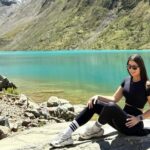
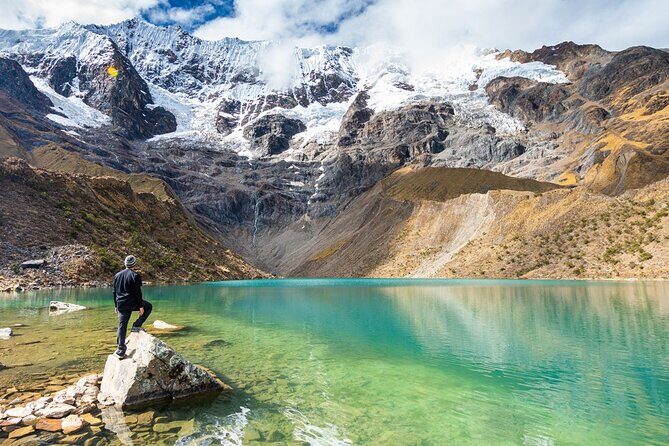
Lunch comes after your rest, and then you head up to Humantay Lagoon (4200 masl). Even if the trail isn’t the longest day, Humantay is where the scenery starts feeling cinematic in a hurry—big skies, steep slopes, and that unmistakable high-mountain stillness.
By the end of the day you return to the area for dinner and rest in camp at about 3900 masl. Your walking total is listed as 7 hours / 11 km, with an average difficulty level, which is a good sign: the day is long, but it’s not trying to crush you immediately.
Day 2 Over Abra Salkantay: The High Point and the Cloud Forest Push
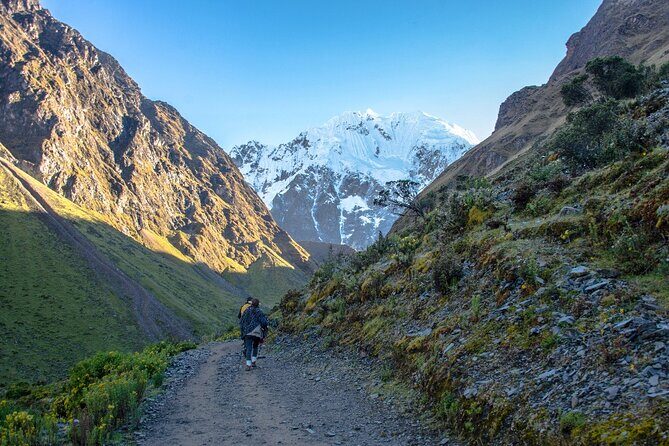
Day 2 is the serious one. You wake up with a mate offered in the morning, eat a solid breakfast, and then start the steep ascent through Salkantaypampa (4150 masl).
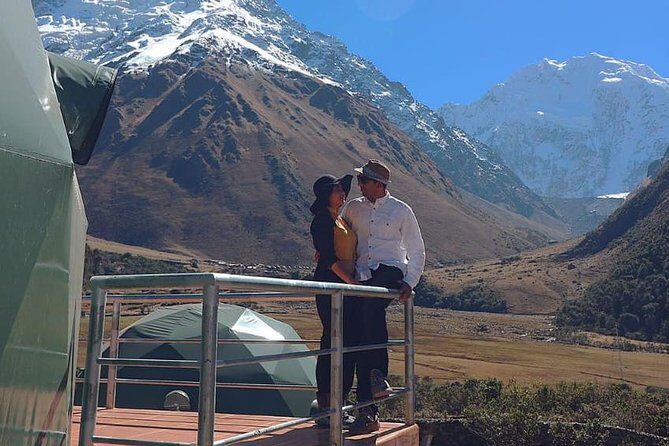
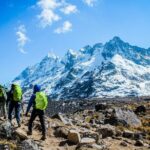
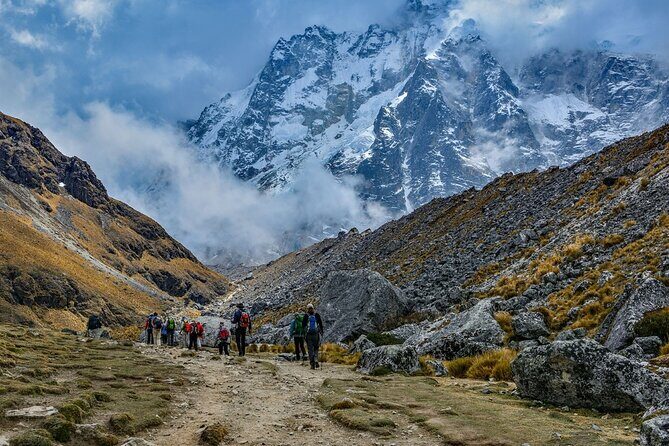
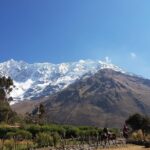
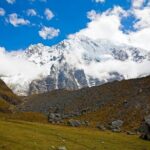
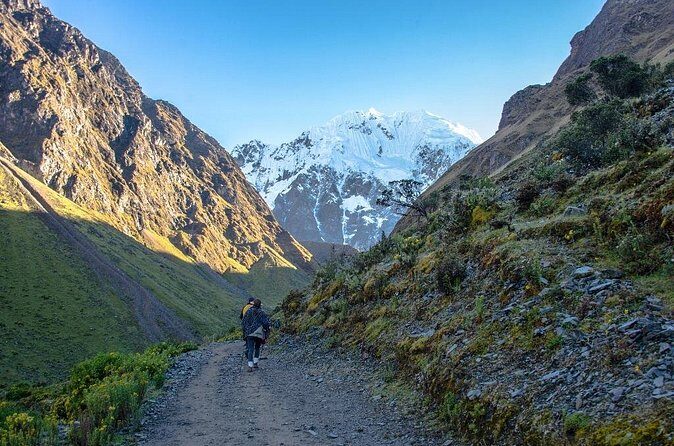
The big target is Abra Salkantay (4600 masl). This is the point of maximum altitude on the trek, and it’s where you pause for views of two snow-capped mountains. If you’ve been wondering how it feels to stand near the top of a trekking route in the Andes, this is that moment—short pause, lots of oxygen-thin air, and then you keep moving.
After the high point, the trek transitions toward a cloud forest area. You’ll have lunch around the middle of the day, and then continue on to your campsite at Chaullay (2900 masl).
Your day’s total is listed as 9 hours / 15 km, and even with “average” difficulty, this is where you’ll feel it most. One reason people love this itinerary is that it gives you a clear arc: Day 2 is hard on purpose, then the next days pay you back with variety and recovery time.
Day 3 to Santa Teresa: Beach Sector, Lucmabamba, and the Thermal Bath Option
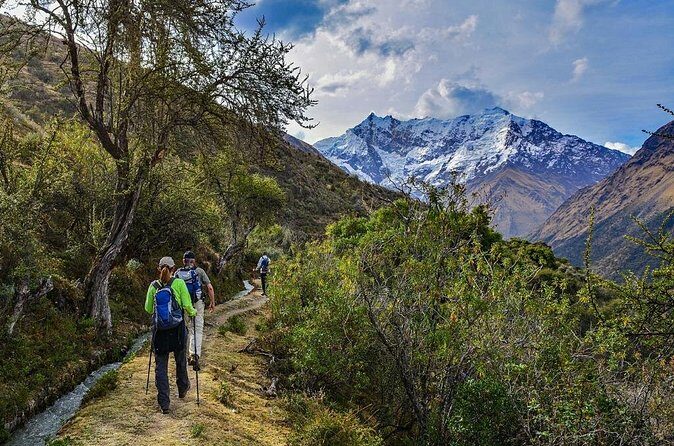
Day 3 is shorter on paper and feels like it in practice. You start after breakfast and move toward the Beach sector, then continue to Lucmabamba (2450 masl) for lunch.
The real shift happens in the afternoon: instead of pushing the trek all the way, you take a tourist transport to Santa Teresa (1550 masl), where your camp is set up for the night. Walking total is 5 hours / 10 km, with an average difficulty and a lower maximum altitude (2450 masl). That drop matters. It gives your legs a break from the higher altitude strain.
Here’s the bonus most people enjoy: you have the option to visit the Cocalmayo thermal baths. The baths are about 5 minutes away, so it’s not a big detour—more like a quick reset after a few long days. Then you return to camp for dinner and rest.
Day 4 Hydroelectric to Aguas Calientes: A Railway Walk With a Hotel Finish
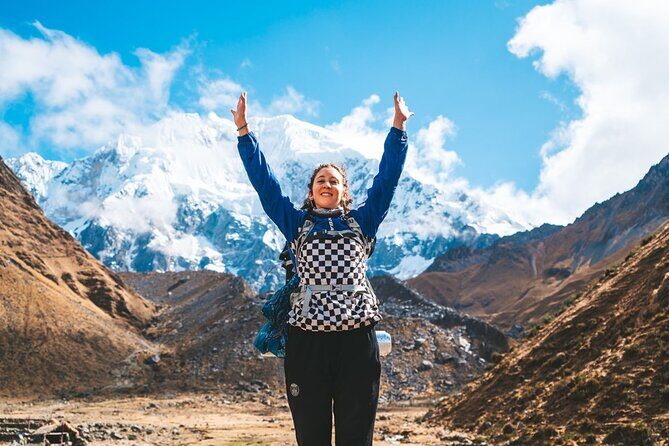
After breakfast, you follow a path toward the hydroelectric plant sector (1890 masl), where lunch is served. Then you continue walking near the railway line, moving deeper into the approach toward Aguas Calientes (2040 masl).
This day has a different character than the earlier days. You’re no longer climbing a high pass or hunting lagoon views. Instead, it’s steady movement along a corridor that funnels you toward Machu Picchu’s gateway town.
Your total walk is listed as 8 hours / 14 km, and your itinerary describes the transport into Aguas Calientes in a way that sounds like you’ll reach town with about 3 hours of that railway-approach segment. Either way, the goal is clear: finish the trek portion and get a real night’s sleep.
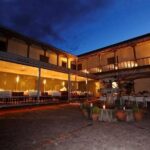
You stay in a hotel room (you can request the room type). This is one of the best value moments of the trip because it lets you recover before Machu Picchu day without having to sleep on the ground again.
You can also read our reviews of more tours and experiences in Cusco
Machu Picchu Day: Bus Up, Watchman House Photos, and a 3-Hour Guided Circuit
Machu Picchu day is built around the rhythm of entering the site, then following a guided route with time for photos. You’ll head to the bus station in Aguas Calientes, pass through a small control, and begin with the fun part: touring the citadel.
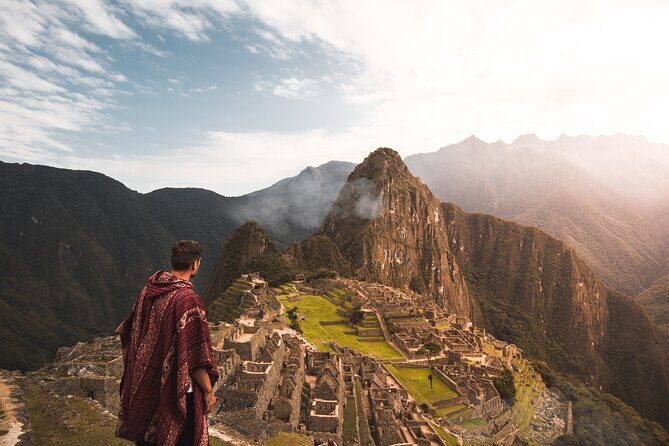
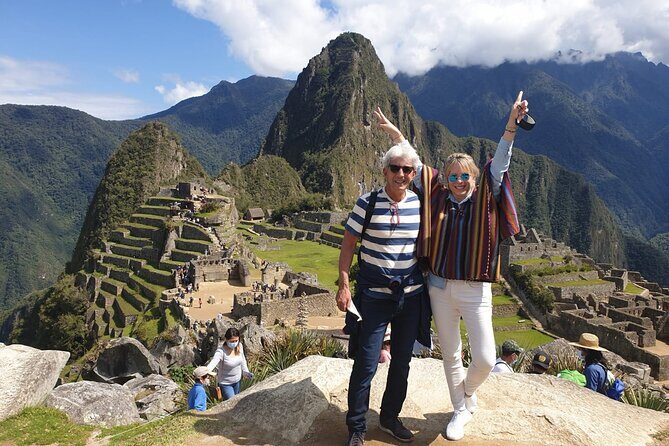
Your guide’s route starts with the ascent toward the watchman’s house, which is the place for the classic photo early in the visit. After that, you get free time to enjoy the panorama, before continuing through key areas like the main square, sundial, royal quarters, Intihuatana, the Temple of the Three Windows, and the Condor area.
The guided visit is listed as about 2 hours regularly, and the tour is extended to get you close to 3 hours total. When a site is this big, time management is everything, and this route structure helps you see the key parts without wandering in circles.
After the tour, you return to Aguas Calientes the same way for lunch (on your own expense). Around 2:00 pm, you head back toward the train station, take the train to Ollantaytambo, and then meet the tourist bus back toward Cusco.
Value and Inclusions: What You Pay For in This $710 Package

At $710 per person for 5 days, the value comes from what’s bundled, not just the trek itself. This package includes a lot of the expensive friction points for independent travel: transport segments, tickets, equipment, food, and safety infrastructure.
Here’s what stands out as real money-savers:
- Full food coverage: 4 breakfasts, 4 lunches, 4 dinners
- Camping setup: tents, thick foam mats, dining tent, and kitchen equipment
- Hygiene support: clean towel each morning and hot water for hygiene
- Hydration help: boiled water so you can refill canteens
- Safety and support: first aid kit, oxygen cylinder, and a radio transmitter for the team
- Guiding and tickets: licensed guide, entrance tickets to Salkantay and Machu Picchu, plus Consettur bus up and down
- Transport chain: train from Aguas Calientes to Ollantaytambo (Expedition/Voyager), then transport from Ollantaytambo back to Cusco (bimodal service)
Now for the catch: a couple costs sit outside the $710 total.
- The train ticket from Hidroeléctrica to Aguas Calientes is listed as an additional $35 USD
- A sleeping bag is not included (you can add it for $25 USD)
- Walking poles are also optional (listed at $15 USD)
So I’d judge the price as fair when you consider the included gear, food, and safety setup. If you’re the type who wants to avoid logistics headaches while still getting the full trek experience, the package makes sense.
Altitude Reality Check: When You Should Take It Seriously
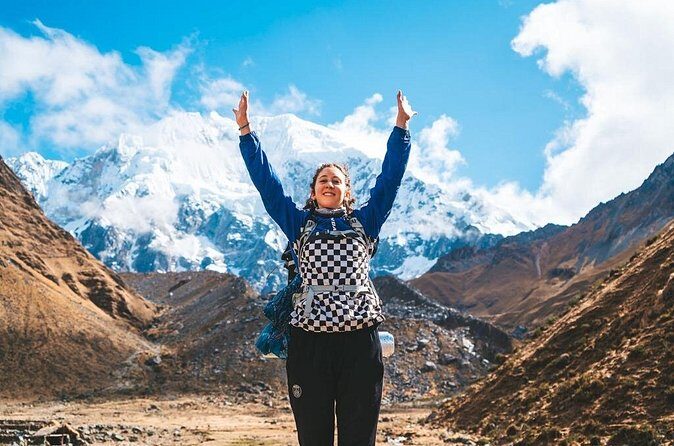
You’ll move through several altitude levels, with the high point at 4600 masl on Day 2. Even if the difficulty is marked average, altitude doesn’t care about marketing labels.
What helps here is that the trek is designed with pacing and support:
- Day 1 starts at Callacancha (3600 masl) and reaches Humantay (4200 masl), which acts like a meaningful warm-up
- Day 2 pushes to the top and then you walk down toward 2900 masl
- Day 3 drops further to Santa Teresa (1550 masl), giving your body a chance to recover
- Day 4 and Day 5 settle into more moderate altitudes around Aguas Calientes (2040 masl)
Also, the safety system is clearly built into the trip: oxygen cylinder and radio transmitter are included, and there’s a first aid kit on hand. That doesn’t remove the need for smart behavior, but it does reduce panic if you or your group has a rough moment.
One practical tip: if you tend to feel altitude quickly, keep your pace conservative on Day 1 and don’t try to “make up time” at the high pass. You’ll get there either way, and feeling comfortable beats forcing speed.
Who This Trek Fits Best (and Who Might Want a Different Plan)
This is aimed at people with moderate physical fitness. The daily walking times range from 5 hours to 9 hours, with Day 2 hitting the highest altitude and a longer distance.
You’ll likely love this if:
- You want a structured trek with meals and tents handled for you
- You care about a guided Machu Picchu visit so you see the key areas efficiently
- You want a route that includes both high mountain views and a recovery stop in Santa Teresa
You might reconsider or choose a different option if:
- Long altitude days make you anxious and you know you struggle in thin air
- You’re looking for a short, low-effort walk. This isn’t that.
The trip is also described as private, meaning only your group participates. That can be a big deal if you want less crowd energy and more consistency with your guide and support team.
Booking Call: Should You Book This Salkantay Trek to Machu Picchu?
I’d book it if your goal is the full Salkantay-to-Machu Picchu story with minimal logistics stress. The inclusion list is strong: cooked meals, camping gear, hot water, and the safety equipment gives you practical confidence. And the Day 2 high pass plus the Humantay visit are exactly the kind of moments that make this route memorable.
Before you commit, double-check the extras that can affect your final budget: the Hidroeléctrica to Aguas Calientes train ticket, and whether you’ll need to rent a sleeping bag or add walking poles. Also, plan for Day 2 to feel harder than the rest.
If you show up ready for early starts and altitude pacing, this is one of those trips where the hard parts feel earned—and the reward at Machu Picchu is neatly organized, not rushed.
FAQ
What time is the pickup in Cusco?
Pickup is scheduled for 04:30 am.
What is the highest altitude on the trek?
The itinerary lists a maximum altitude of 4600 masl (Abra Salkantay) on Day 2.
Do I sleep in a tent every night?
No. You camp on Days 1 through 3, then you stay in a hotel room in Aguas Calientes on Day 4.
Is food included?
Yes. The tour includes 4 breakfasts, 4 lunches, and 4 dinners, plus tea time during the trek. It also offers variety for vegetarian and other food restrictions based on your request.
What safety equipment is provided?
The tour includes a first aid kit and an oxygen cylinder, and the team uses a radio transmitter for safety communication.
How do you get to Machu Picchu?
You take a Consettur bus up and down (ticket included). Then you tour the Machu Picchu citadel with a guide.
What costs are not included?
Not included are the train ticket from Hidroeléctrica to Aguas Calientes (USD $35), a sleeping bag (USD $25 if added), and walking poles (USD $15 if added).
Is this tour private?
Yes. It’s listed as private, so only your group participates.
Can I get a full refund if I cancel?
You can cancel up to 24 hours in advance of the experience start time for a full refund. If you cancel less than 24 hours before, the payment is not refunded.