REVIEW · CUSCO
Sacred Valley Plus 1 Day: Maras, Moray, Pisac, Chinchero & Ollantaytambo
Book on Viator →Operated by FlashpackerConnect LLC · Bookable on Viator
A single day in the Sacred Valley can feel like a whirlwind. This Sacred Valley Plus tour keeps it focused, hitting Maras, Moray, Pisac, Chinchero, and Ollantaytambo with an expert guide and easy between-stop transportation. I especially like the small group limit of 8, and I love that you’re not just sightseeing rocks and ruins—you get the context that makes the sites click.
I also like that you’re there early and the route is structured enough that you can actually enjoy the scenery between stops. The main drawback: it’s a long 10-hour day with lots of walking and stairs, and you’ll want to plan for altitude and fatigue.
In This Review
- Key points to know before you go
- Why This 10-Hour Sacred Valley Route Works
- Group Size and Guides: How You Get Better Explanations
- Maras Salt Mines: The View and the System Behind It
- Moray’s Circular Terraces: Agriculture as Engineering
- Pisac Ruins and Terraces: Big-View History
- Chinchero Textile Traditions and Alpaca Wool Dyeing
- Ollantaytambo Mountain Complex: Inca Power in Stone
- Price and Logistics: What $205.48 Gets You
- What to Pack for a Full Day at Altitude
- Should You Book This Tour?
Key points to know before you go
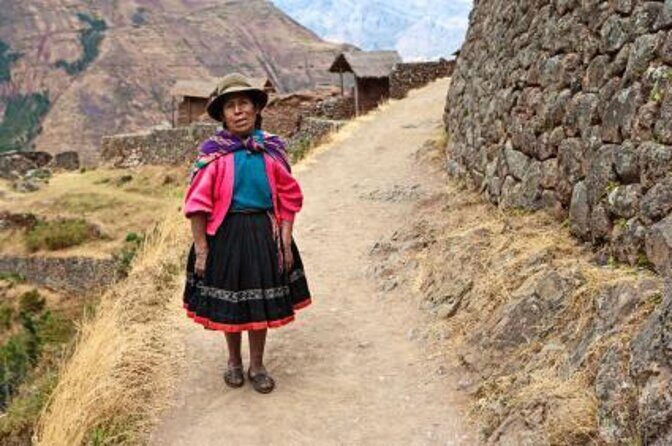
- Small group of up to 8 means more chances to ask questions and get clear explanations at each stop
- Five Sacred Valley highlights in one day is efficient, but it still feels like a guided experience, not a checklist
- Salt mines, farming terraces, and Inca stonework cover different sides of how this region worked
- Chinchero textile time connects culture to something still practiced today
- Hotel pickup and drop-off in Cusco reduces stress when you’re adjusting to altitude
- Meals aren’t included, so you’ll want a simple food plan for the day
Why This 10-Hour Sacred Valley Route Works
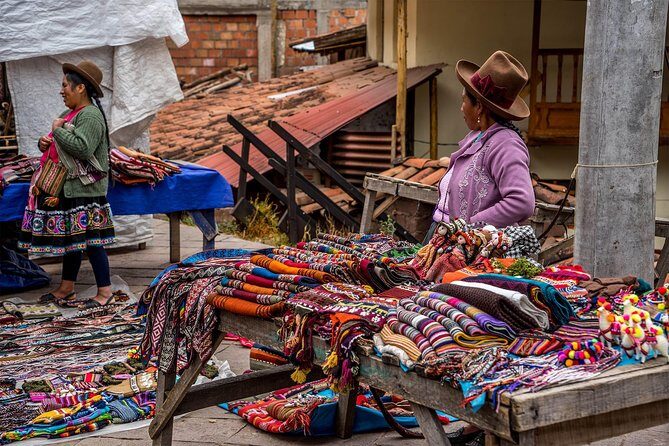
The Sacred Valley can be overwhelming in a good way. You’ve got Inca ruins, pre-Inca layers, colonial-era architecture, and working traditions all in one corridor. This tour makes it manageable by stacking five top sights into one day and keeping the logistics under control.
The other thing I appreciate is the pacing. You’re not expected to figure out where to go next, which matters when you’re learning the region’s geography and altitude at the same time. The result is that you can spend your energy on what you came for: seeing how this place was built to grow food, organize society, and express power.
You can also read our reviews of more tours and experiences in Cusco


Group Size and Guides: How You Get Better Explanations
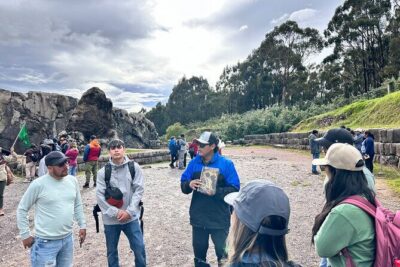
A small group changes the feel. With a maximum of 8 travelers, the guide can slow down when someone has questions, and you’re less likely to get lost in the shuffle at crowded overlooks. It also tends to make the day feel more personal, especially at stops where the details matter.
Guide quality is a major theme in the feedback you’ll see for this operator. Names that come up include Joaquin and Frank, plus Jacob, Dalia, Alberto, and Mario in guide/driver pairings. Even without knowing which guide you’ll get, that pattern signals one thing: you’re hiring the person who can translate stone, terraces, and textiles into something you can actually understand.
Maras Salt Mines: The View and the System Behind It
Maras is one of those places that looks simple from a distance—then you realize it’s a whole working system. The salt pools form a grid of basins cut into the hillside, and the effect is almost unreal when you see how the water moves and how the production is organized.
What I like here is that it’s not just a photo stop. Salt mining in the Andes is tied to survival and trade, so it helps to understand why this would matter to communities in the region. You’ll also get a strong sense of the Valley’s elevation changes, because the mines sit in a dramatic slope position.
Consideration: plan for sun and wind. This isn’t a shaded “walk through a museum” moment. Bring water, use sunscreen, and wear shoes that handle uneven ground.
Moray’s Circular Terraces: Agriculture as Engineering
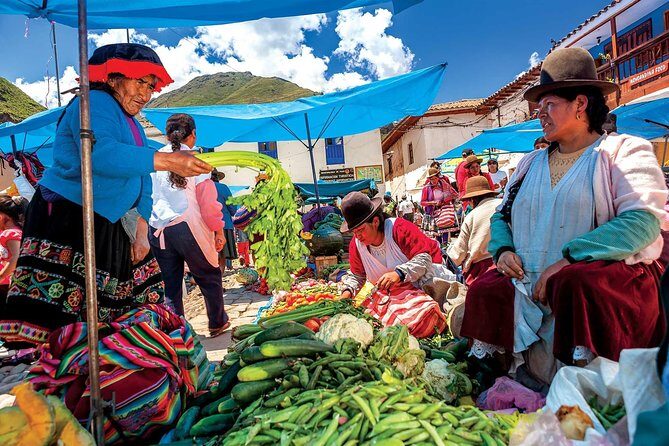
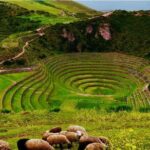
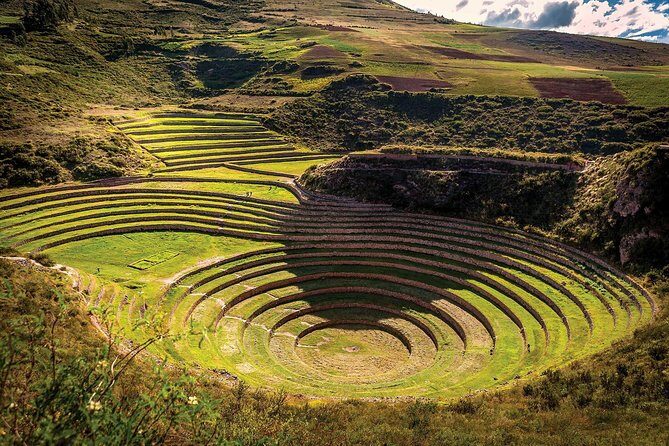
Moray is famous for a very specific visual: circular depressions that look like amphitheater bowls. At first glance, they can seem like weird architecture for architecture’s sake. The key is how you’re taught to read them—as an agricultural experiment using microclimates.
You’re seeing terrace design tuned to temperature and growing conditions. That means the ruins here aren’t just pretty—they’re evidence of a smart approach to farming. It’s also one of those sites where a guide can help you spot patterns you’d otherwise miss.
Consideration: the terrain can be uneven, and you’ll want to move steadily. If stairs and slopes are not your thing, take it slow, pause often, and don’t let the group pressure you into rushing.
Pisac Ruins and Terraces: Big-View History
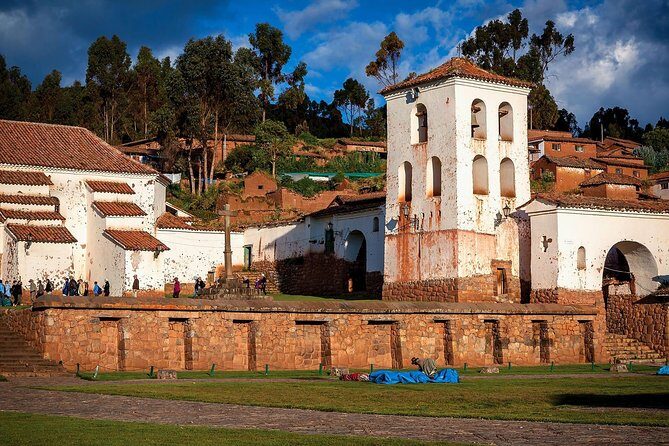
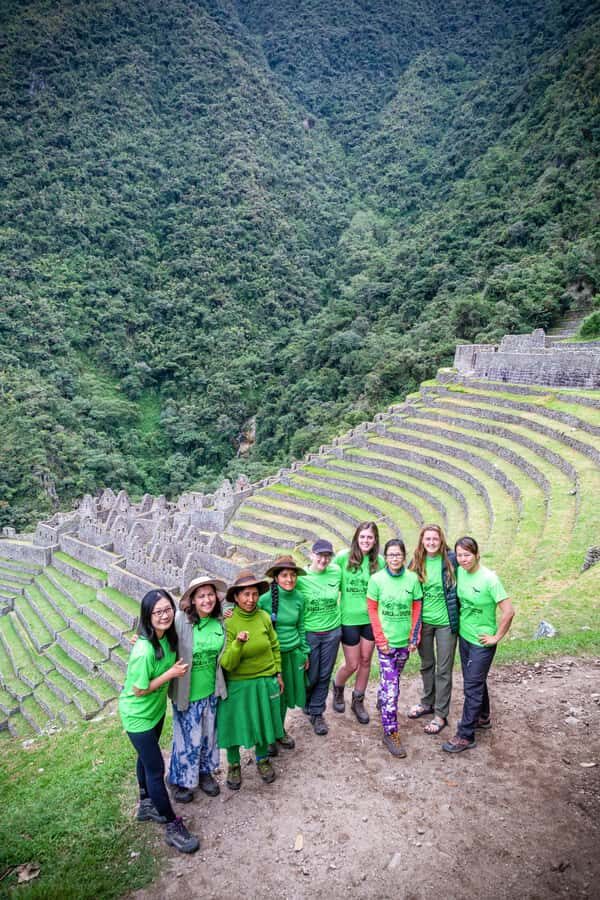
Pisac is a blend of sweeping viewpoints and stone remnants that help you picture how the area worked. The ruins feel grand, especially when you understand that the site fits into a broader network of settlement and production around Cusco.
What makes Pisac worth your time is the contrast. You’re looking at terraces and structures shaped by human planning, but you’re also surrounded by the sense of place—mountains, changing light, and the Valley’s depth. The guide’s job here is to connect the structures to Inca and local history so it doesn’t become “I saw a bunch of ruins.”
Consideration: because this is part of a packed day, Pisac can be mentally tiring. It’s worth taking one or two longer pauses to watch how the terraces shape movement and views, instead of trying to absorb everything at once.


Chinchero Textile Traditions and Alpaca Wool Dyeing
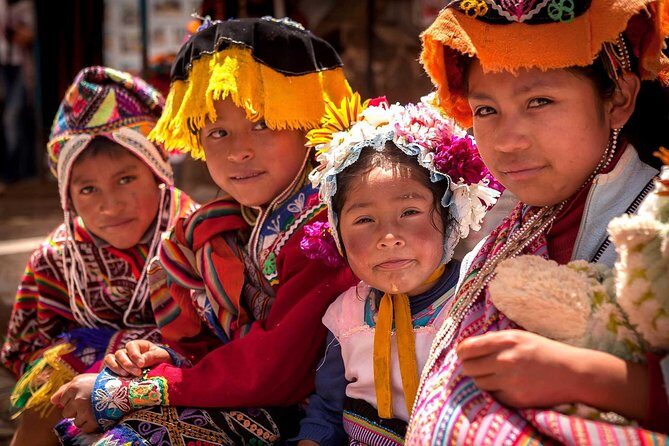
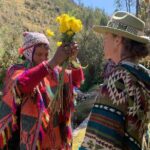
Chinchero brings a different tempo. Instead of focusing only on stone and terraces, you’ll spend time with traditional textile practices that still matter today. This is where the tour becomes more than geography—it turns into culture you can recognize as living.
A standout detail is the textile teaching you’ll get, including how alpaca wool is dyed. If you’ve ever wondered why Andean textiles have such color and character, this part helps explain the craft behind it. It also makes a good contrast after the more physical, outdoorsy stops like salt pools and terraces.
Consideration: if you’re sensitive to time in one place, remember this stop is interactive. Wear layers if the weather changes, and keep an eye on how long you’re spending here so the rest of the day stays comfortable.
Ollantaytambo Mountain Complex: Inca Power in Stone
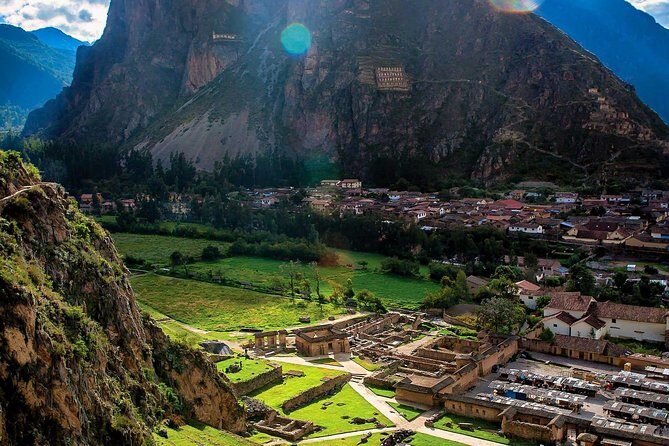
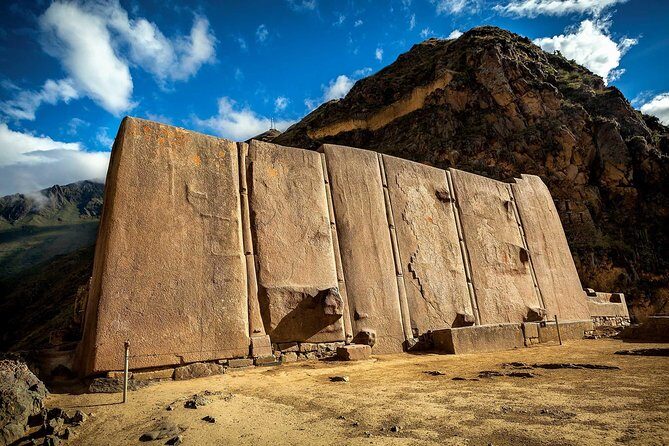
Ollantaytambo hits hard in the best way. The “mountain complex” feeling is real: the site looks built to control the Valley and command routes through it. You’ll see a mix of Inca and pre-Incan influence, plus that signature sense of the Andes being used as a stage for society.
It’s also a key stop for understanding how the Sacred Valley worked as a system, not a scattered set of ruins. When you reach Ollantaytambo after seeing farming terraces and salt production, the pieces connect: land use, resource gathering, and settlement patterns all start to feel linked.
Consideration: this stop often involves walking on uneven ground and dealing with stairs or steep sections. If you’re battling altitude, pace yourself and take short rests when needed. A good guide will help with strategy, like where to pause for views and how to keep moving safely.
Price and Logistics: What $205.48 Gets You
At about $205.48 per person, this tour isn’t a cheap “bus ride” deal. The value comes from a few practical things done for you:
- Hotel transfer in Cusco (pickup and drop-off) so you’re not coordinating transport while you adjust
- Transportation between sites instead of dealing with multiple rides and navigating on your own
- A guided service from site to site, which matters because these places mean more when you understand them
- A partial tourist ticket into the Sacred Valley, so you’re not handling every admission piece on the spot
Meals aren’t included, so you need to budget for lunch and any snacks you’ll buy along the way. That’s the trade-off: you pay for the route and the guide time, and you handle food yourself.
In my view, this is worth it if you want one day that feels educational and efficient. If you’d rather go slow and spend more time lingering in fewer spots, you might prefer a more flexible plan with private timing. But for a tight schedule, this is a solid use of daylight.
What to Pack for a Full Day at Altitude
This tour is long, and the terrain is varied. Even if you consider yourself fit, your body might react to altitude and walking differently than it does at home.
Here’s what I’d plan for, based on what tends to challenge people on this kind of route:
- Comfortable walking shoes with traction
- Layers for changing temperature from morning to afternoon
- Water you can keep sipping through the day
- Sunscreen and a hat, especially for open sites like the salt pools
- Snacks (since lunch isn’t included) so you’re not stuck hungry while trying to keep your pace
Also, don’t underestimate rest. Short breaks beat pushing through. If your group has to stop often, it’s better to build in those pauses early than to suffer late in the day.
Should You Book This Tour?
Book it if you want a big overview of the Sacred Valley without spending hours planning routes or figuring out timing. It’s a smart fit if you like structure, you’re curious about how the Andes worked (farming terraces, salt production, and Inca-era settlement), and you value a guide who can turn scenery into meaning.
Skip it or adjust your expectations if you know you’re sensitive to long walking days, steep sections, and fatigue at altitude. This is not a “sit on a terrace all day” itinerary. It’s a full, active day—worth it for many people, but only if you’re ready for the pace.
If you’re visiting Cusco and you only have one day to dedicate to the Sacred Valley, this tour is one of the cleanest ways to make that day count.