REVIEW · CUSCO
5 Days Salkantay Trek to Machupicchu
Book on Viator →Operated by Peru Adventure Trek · Bookable on Viator
Salkantay feels like altitude with a purpose. This 5-day trek from Cusco to Machu Picchu strings together Humantay Lagoon, the big Abra Salkantay climb, and a walking day on part of the original Inca Trail—then finishes with a guided Machu Picchu visit and train back.
What I like most is the way this trip handles the hard parts for you: transport, a bilingual guide, cooks + muleteers, meals, campsite gear (including inflatable mats and tents), and included entrance fees. A second big win is the guide energy—names like Brayan come up for being friendly, knowledgeable about Inca history, and good at keeping people motivated.
One consideration: you’re going high—up to about 4,650 meters—and the mornings start very early. Also, a few key items are not included, like a sleeping bag, walking stick, and the bus tickets roundtrip to Machu Picchu.
In This Review
- Key things worth your attention
- Cusco starts early: pickup, small group pace, and real comfort
- Day 1: Humantay Lake and the long, scenic build-up to the blue water
- Day 2: Abra Salkantay (4,650 m) and the descent into Colpapampa
- Day 3: Cloud forest trekking toward Cocalmayo’s thermal area
- Day 4: Sunrise walking, Llactapata’s Inca site, and Aguas Calientes logistics
- Day 5: Guided Machu Picchu tour, optional mountain climbs, and the 14:55 train
- Price and logistics: is $550 good value?
- What to pack (and what to bring because it’s not included)
- Who this trek fits best (and who should be careful)
- Should you book the Salkantay Trek to Machu Picchu?
- FAQ
- How long is the trek from Cusco to Machu Picchu?
- What time is the pickup in Cusco?
- Is there a maximum group size?
- What’s included in the price?
- What are the main things not included?
- Can I choose to climb Huayna Picchu or Machu Picchu Mountain?
Key things worth your attention
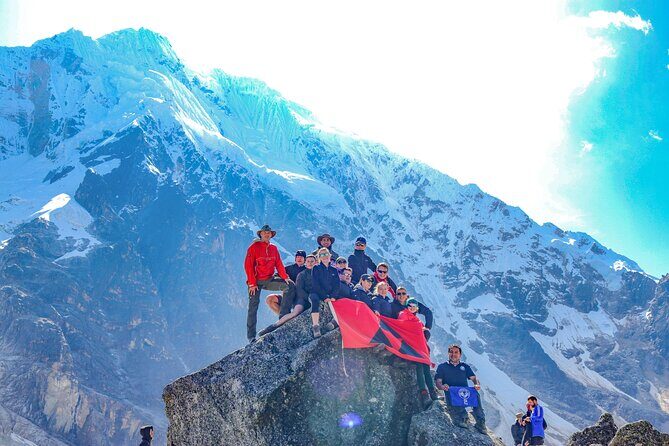
- Humantay Lagoon (Day 1): Blue-green water with the Humantay snow peak behind it, plus an included visit time that’s built into the walk.
- Abra Salkantay high point (Day 2): Wide high-Andes views toward peaks like Humantay, Tucarhuay, and Pumasillo.
- Cloud-forest day (Day 3): Coffee plantations, orchids, and medicinal plants show up along the route.
- Llactapata “taste” of the Inca Trail (Day 4): You reach an Inca site and get a first look at Machu Picchu Mountain and Huayna Picchu Mountain.
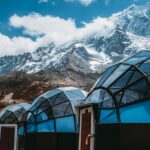
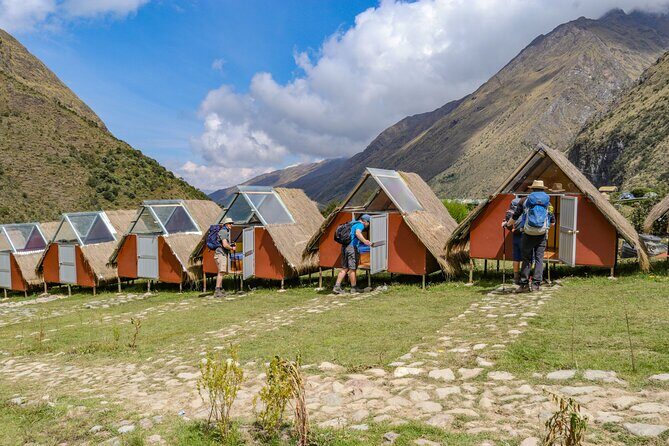
- Meal + camping support: Cooks, muleteers, Andean hut nights, and inflatable mats mean you spend more energy on walking and less on logistics.
- Machupicchu day is guided: You get a structured tour first, then free time for photos and wandering.
Cusco starts early: pickup, small group pace, and real comfort
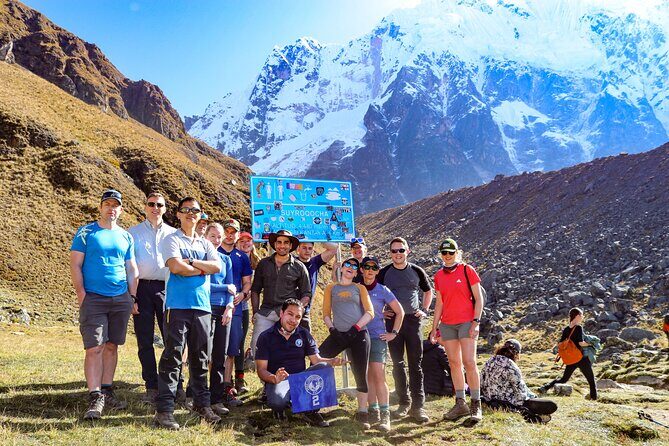
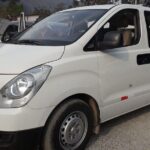
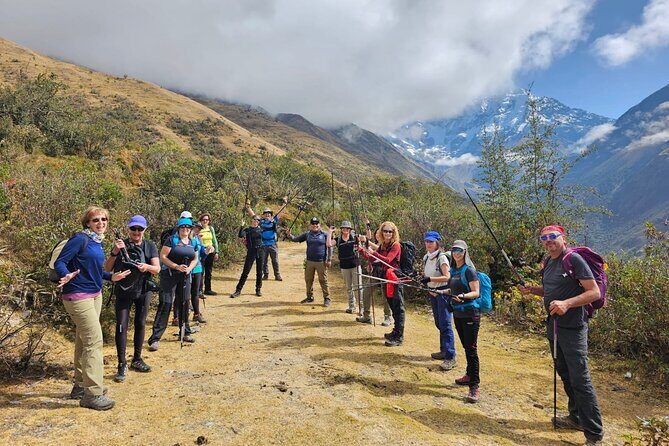
This trek moves with the kind of timing that works in the Andes: early starts, planned drive legs, and long walking blocks that match the altitude changes. You’ll be picked up from your Cusco-area lodging and the group meets with a blue flag. The group size is capped at 10 travelers, which matters. Smaller groups generally feel calmer when you’re tired, because you’re not squeezing space on narrow trail sections or at lunch breaks.
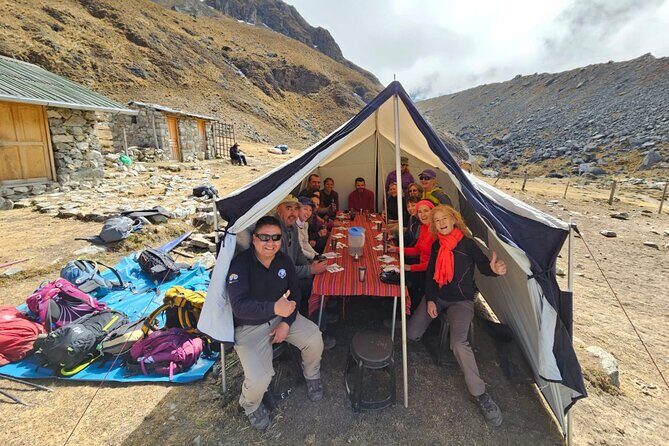
You’re also traveling with a built-in support team—your bilingual guide plus cook, assistant cook, and muleteer. That setup tends to make a huge difference on a trek like this, because it means the food shows up, camp gets set, and you’re not spending the day thinking about what happens next.
Your itinerary is “moderate fitness” territory, but moderate doesn’t mean easy. The route uses big elevation swings and multiple ascent/descent days. If you like steady walking, you’ll probably feel fine. If you hate steep climbs or you get altitude anxiety, you’ll want to prepare carefully.
You can also read our reviews of more hiking tours in Cusco
Day 1: Humantay Lake and the long, scenic build-up to the blue water
Day 1 begins with a 4:30 am pickup in Cusco, then a drive toward Mollepata for breakfast. After that, you keep moving to Challacancha (about 3,380 meters)—the hiking starting point. Along the way, you pass the viewpoint of Hornada Pata, where the valley splits into two. It’s a nice early “you’re really in this” moment, and it helps you understand why the trek opens up into such distinct scenery later.
The hike to Soraypampa runs about three hours and gains you altitude, arriving around 1:30 pm. You’ll reach your campsite area in time for lunch, then you get the chance to visit Humantay Lagoon itself after about 1.5 hours of additional walking.
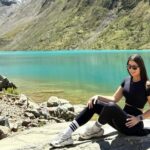
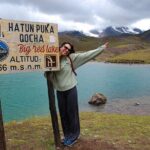
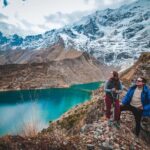
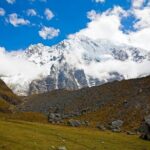
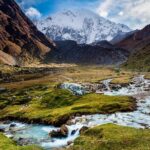
Humantay Lagoon is famous for a reason: you get incredibly blue-green water and a snowy Humantay peak as a backdrop. The climb to the lookout is worth it even if you’re not chasing Instagram. Standing there, you feel the Andes scale fast—how quickly the weather and light can change, and how quickly the trail becomes your whole world.
Practical drawback: this is Day 1, so you’re still adjusting. Start controlled. Don’t sprint the first hours just because the trail looks manageable. Save your legs for the lagoon hike, and plan to enjoy the slower pace.
Day 2: Abra Salkantay (4,650 m) and the descent into Colpapampa
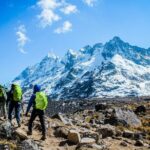
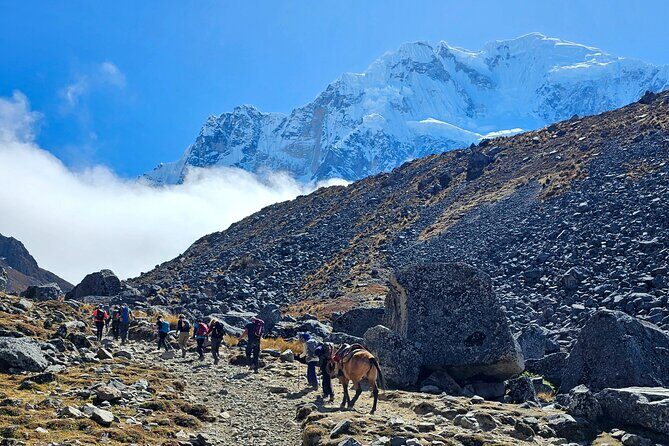
Day 2 is the big altitude day. You start at around 5:00 am with breakfast so you’re fueled before the climb. The hike leaves Soraypampa and climbs for about 3 hours to Abra Salkantay, the highest point at roughly 4,650 meters.
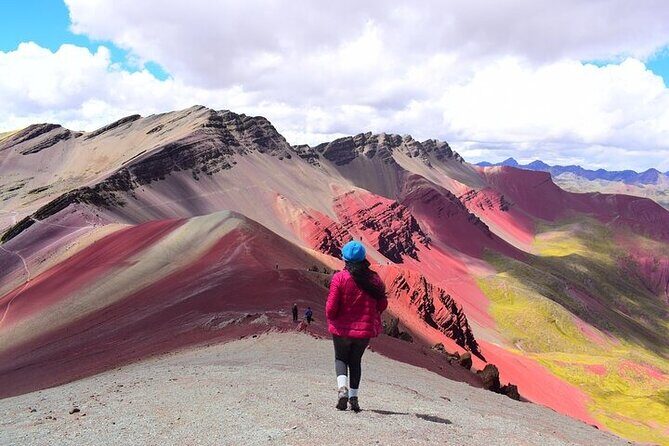
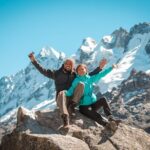
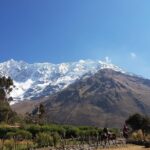
This is where the views pay off. From the high pass, you can look across multiple snow-capped landmarks—Salkantay and Humantay, plus Tucarhuay and Pumasillo. Even if the clouds move through, the sense of open high Andes air is real, and it’s the moment many people remember most.
After the pass, the route continues past Salkantaypampa and Soyrococha and includes a small lake stop. Then it’s downhill: about three hours to Huarachmachhay at around 3,800 meters for lunch, followed by another three hours descending to Colpapampa (about 2,900 meters).
By the time you reach camp, you’ll be lower and breathing should feel easier—assuming you paced well. You’ll have tea and dinner, and you’ll sleep in Andean huts at the campsite. This is a key part of the value: your hard work on the trail is followed by proper recovery, not “good luck, camp is somewhere over there.”
One thing to consider: the descent still taxes your knees. Trekking poles can help a lot, but the walking stick isn’t included—so if you want them, bring your own or be ready for what you can rent/borrow locally.
Day 3: Cloud forest trekking toward Cocalmayo’s thermal area
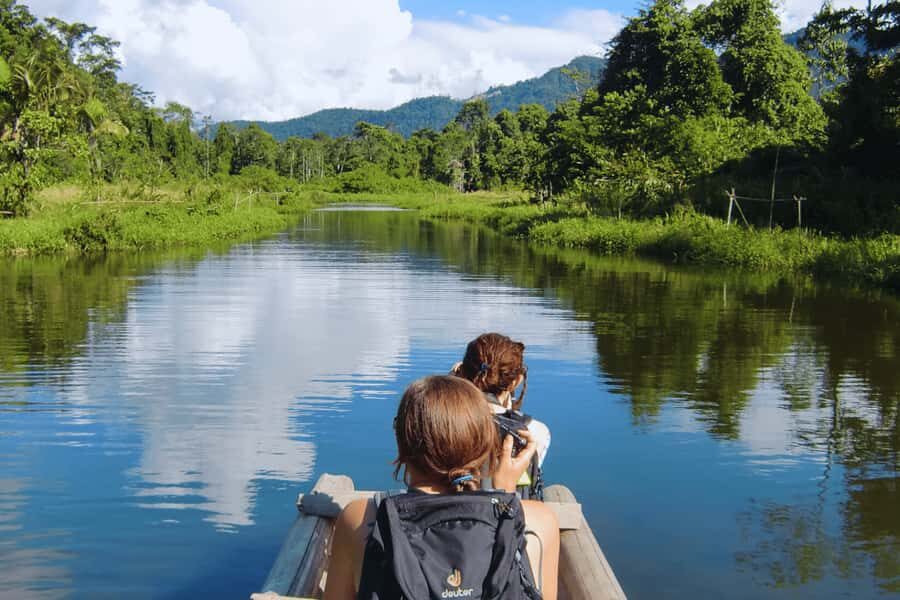
Day 3 shifts the vibe. You start with breakfast, then set out for around 5.5 hours of hiking through the Peruvian jungle / cloud forest zone. This is where you trade wide high views for a greener, more varied trail.
You pass places connected to everyday life and plant life: coffee plantations, orchids, and natural plants used for medicines. That detail matters because it gives you more than scenery—you get context for what people grow and how the forest supports local knowledge.
You’ll reach a lunch point called Playa Sahuayaca for a rest. After that, the itinerary gives you an optional side trip to the thermal baths in Cocalmayo, Santa Teresa, but it’s not included in the tour cost. If you’re aching, this is one of the best optional choices on the route.
By 6:00 pm, you’re back at camp for tea and a freshly prepared dinner, again in the campsite huts. This is also a good day to think about your gear for the Machu Picchu finish line. If anything feels wet or too tight, Day 3 is a good time to deal with it—because Day 4 and 5 are more about steady walking and then timed access.
Day 4: Sunrise walking, Llactapata’s Inca site, and Aguas Calientes logistics
Day 4 begins with sunrise in a lush river-and-waterfall kind of setting, with plantations you’ll recognize (banana, avocado, and coffee). You’ll have a nutritious breakfast and then start hiking along part of the original Inca Trail.
You’ll make an ascent for about 2.5 hours until you reach Llactapata, an Inca archaeological site. This portion is special because you’re not only walking a trek—you’re also walking inside the Inca story. A local guide shares history here, and you’ll get your first clearer glimpses of Machu Picchu Mountain and Huayna Picchu Mountain.
Then it’s downhill toward lunch, and you continue onward to Hidroeléctrica. From there, you have a choice:
- Walk to Aguas Calientes (about 3 hours), or
- Take a train for $32 extra.
This choice is a real quality-of-life factor. If your legs are tired from the day’s ascent/descent, paying the extra can turn Day 4 from exhausting into manageable. If you still feel good, the walk lets you keep moving and take in the final valley approach.
Once you arrive in Aguas Calientes, you’ll have dinner at a local restaurant in the village. You’ll also have a hotel night here, which helps you rest up for the Machu Picchu morning.
You can also read our reviews of more tours and experiences in Cusco
Day 5: Guided Machu Picchu tour, optional mountain climbs, and the 14:55 train
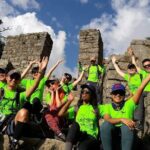
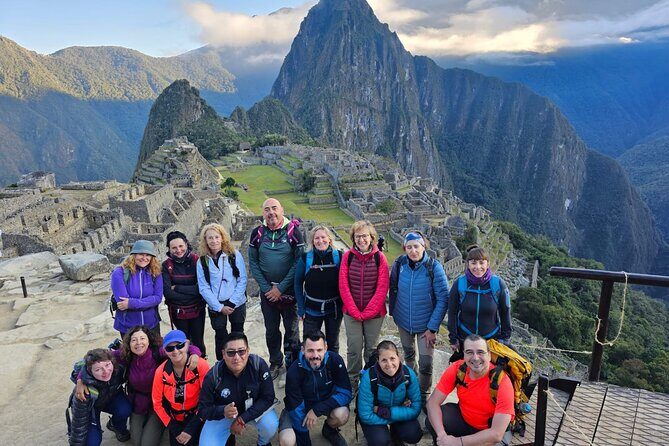
Day 5 is a very early start for Machu Picchu, the Lost City of the Incas. You’ll do a guided tour of the complex first. You’ll see how Machu Picchu functions like a whole town, with quarters, squares, alleys, buildings, terraces, and astronomical observatory areas.
The best part of scheduling it this way is that you get orientation first—why certain areas matter and how the layout connects. Then you have free time to take photos and explore at your own pace. That balance helps: you get meaning from the guide, but you also get unstructured time for the moments you personally care about.
You may also have previously selected to climb Huayna Picchu or Machu Picchu Mountain. If you did, you’ll go at your designated time slot (the first group is listed as 6am to 8am). If you didn’t select a climb, your day is more about Machu Picchu itself.
In the afternoon, you return to Aguas Calientes. Lunch there is not included, so it’s a good moment to try local food. Then you take the train back to Ollantaytambo, leaving at 14:55. From there, your train service connects back toward Cusco, with the Sacred Valley scenery as the payoff on the way.
Practical note: bus tickets roundtrip in Machu Picchu are not included. In other words, you’ll want to budget for that short uphill shuttle cost when you’re planning your total trip.
Price and logistics: is $550 good value?
At $550 per person, this trek is priced like a fully supported hiking package. That matters, because costs on the Salkantay route add up quickly: guides, cooks, mule support, park or entrance fees, and the train components.
Here’s what’s included that you’d otherwise have to manage yourself:
- Transport and pickup
- Camping gear (inflatable mats, dining tent, cooking tent) plus campsite setup with Andean huts for three nights
- Meals: 4 lunches and 4 dinners, plus 4 breakfasts
- A bilingual guide and the team that keeps camp running (cook, assistant cook, muleteer)
- Entrances to Salkantay and Machu Picchu
- Train tickets to return to Cusco
- A hotel night in Aguas Calientes
What’s not included is fairly standard for this type of itinerary:
- The first breakfast and the last lunch after Machu Picchu
- Machu Picchu bus tickets roundtrip
- Sleeping bag and walking stick
- Tips
So is it “cheap”? No. But it’s not a bare-bones trek either. If you want a low-stress plan where someone else handles food, camp, and the timed Machu Picchu entry, this price looks like good value.
What to pack (and what to bring because it’s not included)
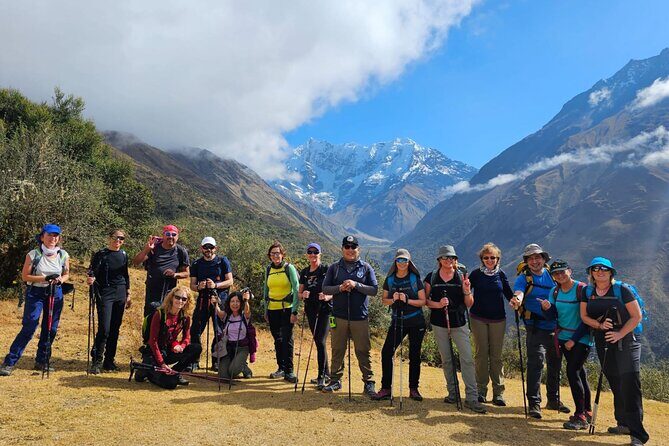
Two items stand out as not included: a sleeping bag and a walking stick. On a multi-day trek at altitude, that can make the difference between tolerable and miserable nights, especially if you run cold. Bring your own sleeping bag if you can. Trekking poles can also help with both uphill effort and downhill knee strain.
Also plan for weather swings. You’re moving from high, thin air into a cloud-forest zone with more moisture. Bring layers you can adjust throughout the day, and something you can rely on if the trail gets damp.
For day-to-day comfort:
- Wear shoes you trust (not your newest pair)
- Bring sunscreen and a hat for the high sections
- Pack a small dry bag for the essentials you don’t want to soak
If you’re flexible with your energy, you’ll likely enjoy the thermal baths option on Day 3 (though it’s not included). It’s one of the best ways to “cash in” on sore muscles while the trek still has to carry you.
Who this trek fits best (and who should be careful)
This is a great match if you want:
- A supported multi-day trek with meals and camp made for you
- A route that varies by ecosystem—high Andes, then cloud forest, then Inca sites
- A guide who can explain what you’re seeing and keep the day moving at a realistic pace (and names like Brayan show up for being friendly and enthusiastic)
It may be less ideal if:
- You’re very sensitive to altitude and haven’t acclimated before coming to Cusco
- You hate early mornings (the start times are early, and you’ll wake even earlier on Machu Picchu day)
- You’re hoping everything is fully included with no add-ons—because you’ll likely pay for Machu Picchu bus tickets, and you may want to cover the Day 4 train shortcut or the optional thermal baths
If you can handle moderate trekking fitness and you like a guided structure, this trip should feel rewarding rather than chaotic.
Should you book the Salkantay Trek to Machu Picchu?
I’d book it if you want the full Salkantay experience without playing logistics roulette. The combination of hut camping, meals, entrance fees, and a planned Machu Picchu morning makes it an easier way to do a very demanding trek. The Day 4 Llactapata moment is also a strong reason to choose this route over the most basic alternatives.
Hold off or ask more questions first if you’re unsure about altitude, you don’t want early mornings, or you prefer to DIY every piece (because some key comfort items—sleeping bag and walking stick—aren’t bundled). Also remember the Machu Picchu bus tickets aren’t included, so that’s a real cost to factor in.
One last practical perk: the company offers free cancellation up to 24 hours before the experience starts. If your plans are fluid, you have some breathing room.
FAQ
How long is the trek from Cusco to Machu Picchu?
It’s listed as 5 days (approx.).
What time is the pickup in Cusco?
Pickup is scheduled for 4:30 am on Day 1.
Is there a maximum group size?
Yes. The tour has a maximum of 10 travelers.
What’s included in the price?
The package includes tourist transport, camping equipment and campsite setup (including inflatable mats and tents), a bilingual guide, meals (4 breakfasts, 4 lunches, 4 dinners), entrances to Salkantay and Machu Picchu, a hotel night in Aguas Calientes, and train tickets to return to Cusco.
What are the main things not included?
Sleeping bag and walking stick are not included, as well as bus roundtrip tickets in Machu Picchu. Also, the first breakfast and the last lunch after the Machu Picchu tour are not included, and tips are not included.
Can I choose to climb Huayna Picchu or Machu Picchu Mountain?
Yes, if you previously selected it. You’ll climb at your designated time slot (the first group is listed as 6am to 8am).