REVIEW · CUSCO
Qarañahui Cave and Qeswachaka Bridge from Cusco
Book on Viator →Operated by CrossoverPeru Tours · Bookable on Viator
Two ancient scenes, one very full morning. This Cusco trip strings together the last Inca rope bridge—rebuilt each year—and a real caving outing in Qarañahui Cave, where you crawl, step, and look for stalagmites and stalactites. It’s a small-group day that keeps the pace human and the experience more personal than big-bus sightseeing.
What I like most is the way the day is timed and structured: you hit the bridge early, then you’re off to the cave while the schedule still feels calm. I also love that the tour includes the essentials you’d otherwise have to hunt down—lunch, entrance fees, and round-trip hotel or port transfers—so you can focus on the sights instead of logistics.
One thing to plan for: this is a long, early start (pickup at 5:30 am) and you can get wet in the cave. Wear the right layers, and bring the little comfort items that make crawling around much less annoying.
In This Review
- Key highlights you’ll care about
- A very early start for two Inca traditions
- The drive south: Cusco to the Q’eswachaka area by way of Pomacanchis Lake
- Q’eswachaka rope bridge: a living Inca craft, not a museum photo
- From bridge to cave: the quiet 10-minute walk that changes the mood
- Qarañahui Cave: finding stalagmites and stalactites (and accepting a little water)
- Gear, safety, and the comfort items that save your day
- Lunch and timing: how the day stays organized
- Price and value: what $149 covers (and what it doesn’t)
- Who this tour is best for (and who might want to skip)
- How to make the day smoother in real life
- Should you book Qarañahui Cave and Q’eswachaka Bridge?
- FAQ
- What time does the tour start from Cusco?
- How long is the Qarañahui Cave and Qeswachaka Bridge tour?
- Is pickup and drop-off included?
- What’s included in the price?
- Is lunch included, and is there a vegetarian option?
- Does the tour include a ticket on your phone?
- What language is the tour offered in?
- What should I bring for the cave?
- What’s not included?
- What is the cancellation policy?
Key highlights you’ll care about
- Max 8 people means more time with your guide and less waiting around
- Private vehicle transfers with a long southbound drive from Cusco (about 4 hours)
- Q’eswachaka rope bridge: an Inca tradition where the grass fibers are renewed annually
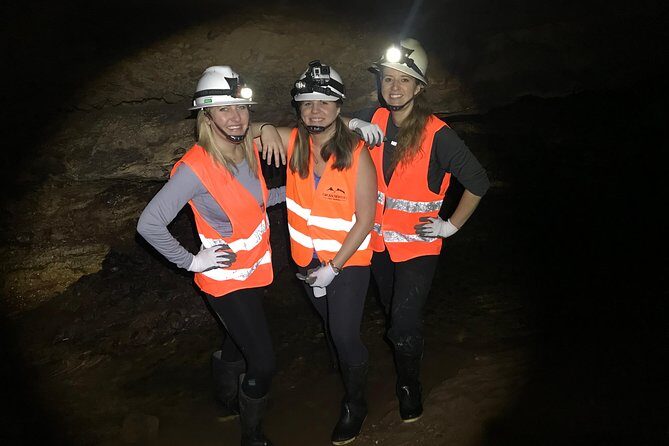
- Qarañahui Cave exploration for several hours, with equipment provided
- Lunch + entrance fees included, so the day stays straightforward on your end
A very early start for two Inca traditions
This tour starts at 5:30 am, and you feel that right away. The early pickup matters because you’re driving south toward the Apurímac River area before the day gets busy, and it also gives you enough hours to do both stops properly.
You’re out for about 12 hours total, including travel time and time at the bridge and cave. It’s not a “quick taste” kind of trip—this is a full outing where you’ll come back to Cusco in the afternoon with your legs a little tired and your head full.
The small-group size (up to 8 travelers) is a real quality-of-life upgrade. You’re not fighting crowds for photos, and your guide can take a more careful approach when it’s time for the cave steps and safety checks.
You can also read our reviews of more tours and experiences in Cusco.
The drive south: Cusco to the Q’eswachaka area by way of Pomacanchis Lake
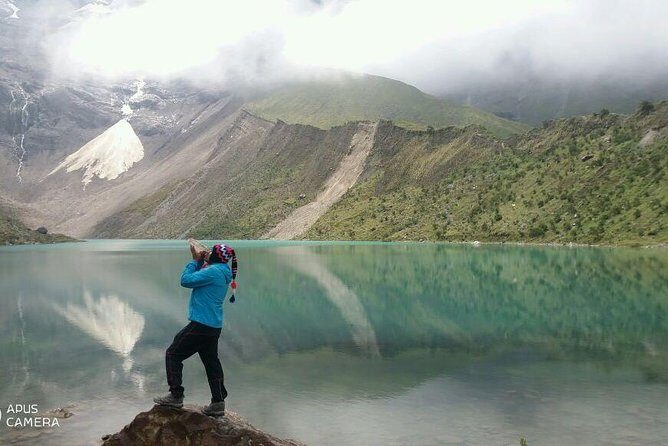
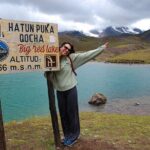
After pickup, you’ll head south in a private vehicle for about 4 hours from Cusco. The route includes a pass by Pomacanchis Lake at roughly 3,600 meters, which is part of why the day feels like an excursion rather than a simple half-day.
That altitude and elevation shift is one reason you should treat the morning calmly. Don’t rush breakfast the night before, and plan to drink water on the drive when you can.
Also, roads around the Cusco region can be winding and bumpy. A good driver helps you arrive less stressed, with less chaos in your head before you start hiking and then enter a cave.
Q’eswachaka rope bridge: a living Inca craft, not a museum photo
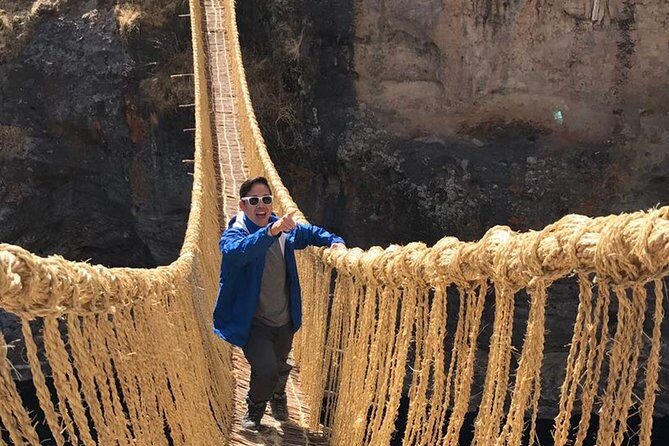
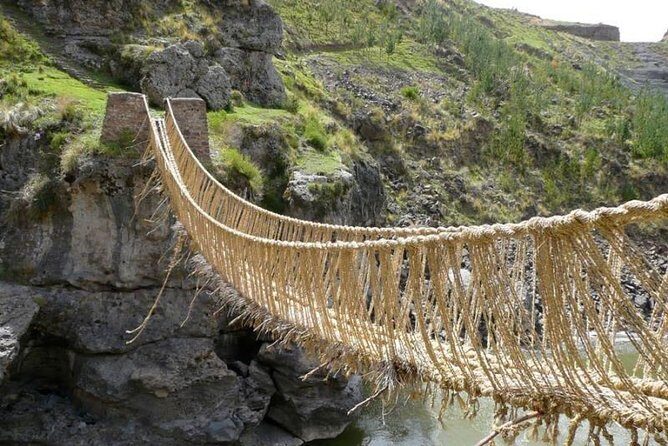
The first major stop is Q’eswachaka Rope Bridge, described as the last Inca bridge still used over the Apurímac River. The details here are what make it special: the bridge’s grass fibers are renewed each year through an annual construction tradition tied to local festivities.
You’ll cross in a way that feels more like joining a living practice than ticking off a sightseeing target. It’s also set up as a story-led visit, with your guide explaining why this bridge still matters and how it connects to ongoing community work.
Time-wise, this stop includes about 2 hours and an admission ticket. That’s enough time to take photos, listen to the explanation, and get your bearings before you head to the cave.
One practical tip: treat the bridge and the approach walk as part of the day’s “warm-up.” Even if you don’t feel you’re working hard, your body is gearing up for several hours underground after.
From bridge to cave: the quiet 10-minute walk that changes the mood
After Q’eswachaka, you’ll move toward the entrance of Qarañahui Cave. Before you gear up, there are some view stops, which helps break up the day so it doesn’t feel like pure driving and pure effort.
Then comes a short walk to the cave entrance—about 10 minutes—which is long enough to shift you from “watching” to “doing.” This is where you’ll start feeling the physical nature of the outing.
Your guide should set expectations clearly here, especially about what to do if sections of the cave are wetter or slippery than you expect. That’s also the moment to adjust layers so you stay comfortable once you’re underground.
Qarañahui Cave: finding stalagmites and stalactites (and accepting a little water)
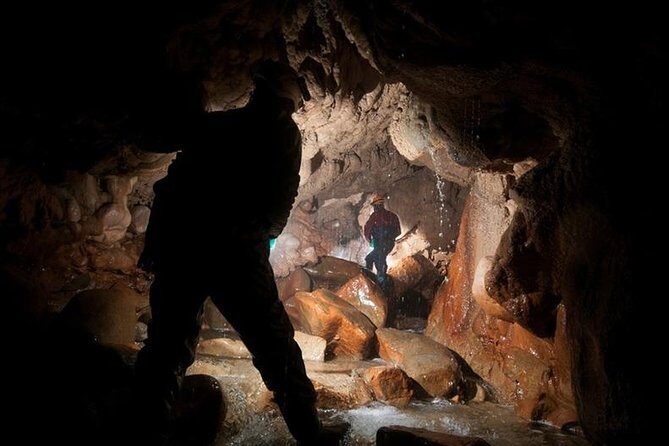
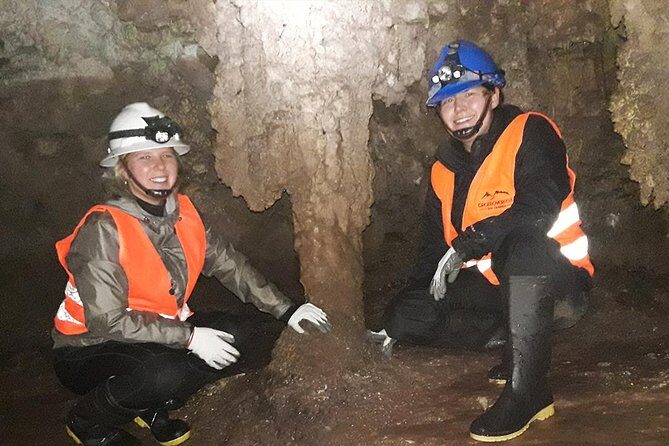
The main event is your guided time exploring Qarañahui Cave. You’ll go in for several hours, and the route is focused on searching out stalagmites and some stalactites—so it’s not just a walk-through.
There’s also an underground river component. In a cave with water movement, the experience isn’t about reaching every corner no matter what—it’s about turning back when conditions require it. That’s normal, and a good guide will set a safe stopping point based on what’s happening underground.
You’re provided with cave equipment, and that helps a lot because you’re not showing up empty-handed. Still, you should assume you’ll get at least somewhat wet, and you’ll want to keep small comfort items in mind for after.
If you’re a cave lover, this tour has the right vibe: the goal is the cave itself, not a rushed grab for a single viewpoint. Your guide’s job here is to keep you safe, pace the group, and help you notice details once you’re actually underground.


Gear, safety, and the comfort items that save your day
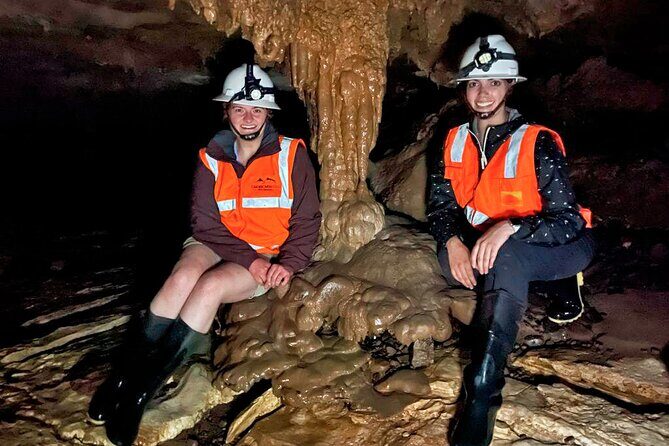
One of the most useful pieces of advice for this tour is simple: bring an extra pair of socks. The cave can get wet, and dry socks afterward are the difference between “fun memory” and “why does my body feel miserable on the drive back?”
Also consider a small water-sealed backpack for anything you don’t want to soak. The tour includes lunch and transport, but it doesn’t list extra personal gear—so packing smart is on you.
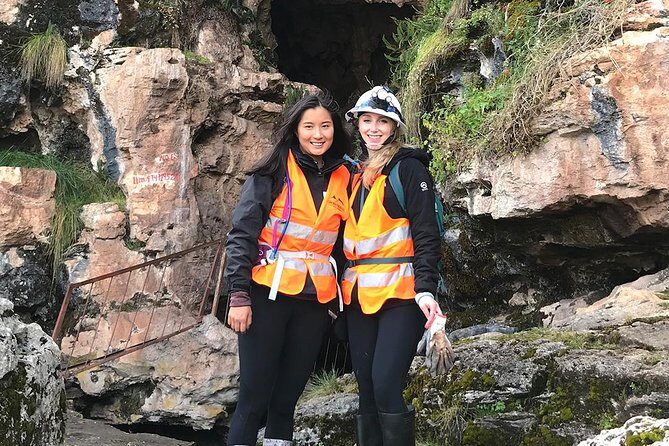
As for safety, a professional guide should handle the important parts: equipment setup, clear instructions, and group management. When you enter a cave, footing and pacing matter, and the better-guided trips feel calm even when the terrain isn’t.
Weather matters too. This tour operates in all weather conditions, so you’ll want to dress for rain and cool air. Wet weather doesn’t mean you’re stuck in the hotel—it means you need to be ready when the cave and outdoors conditions are different than you hoped.
Lunch and timing: how the day stays organized
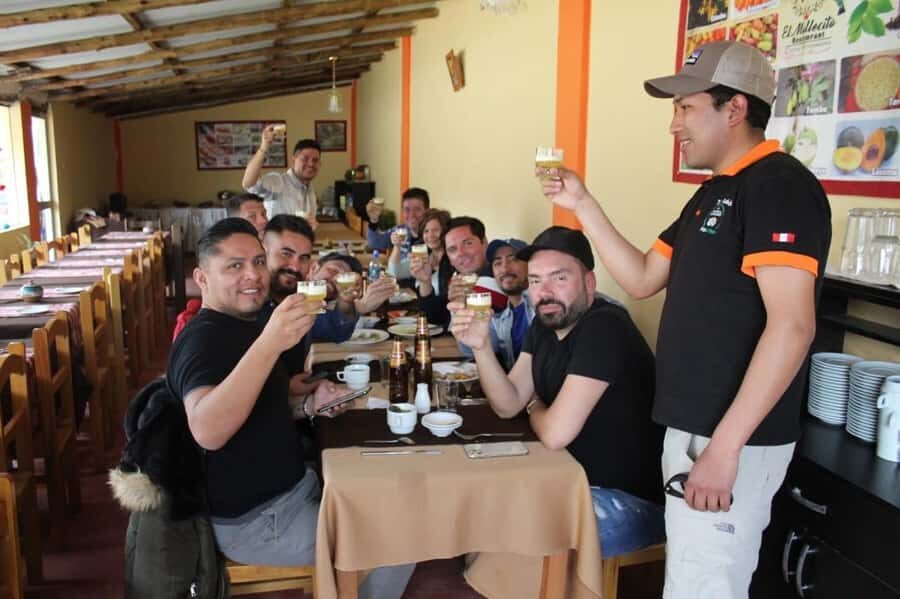
The itinerary includes lunch, and that matters more than it sounds. When you’re on a long excursion with a cave involved, a scheduled meal prevents the common problem: you spend the last third of the day craving food while you’re trying to keep energy up.
Your day is also built to move in a sensible order. Bridge first, then cave. That keeps you from bouncing back and forth between effort levels and reduces the chance that you’re starving or exhausted when it’s time to focus underground.
If your schedule is tight in Cusco, plan around the fact that this tour is about effort and time. You’ll have a full day, so it’s not the best day to stack in extra activities right after.
Price and value: what $149 covers (and what it doesn’t)
At $149 per person, this tour includes a lot of the stuff that tends to add up on your own. You’re getting round-trip hotel or port transfers, a professional guide, entrance fees, lunch, and private transport. For many people, the value is that you’re not spending time arranging separate pieces of the day.
The tour price also buys you something less visible: a plan. The logistics of getting from Cusco to the Q’eswachaka area, then into Qarañahui Cave, are handled for you. You show up early, follow the schedule, and let someone else manage the timing and flow.
What you should budget separately is also clear. Drinks aren’t included, and travel insurance isn’t included. That’s normal for tours like this, but it’s worth noting so you’re not surprised.
Who this tour is best for (and who might want to skip)
This is a great fit if you want two very different experiences in one day: an Inca bridge with ongoing cultural practice and a guided cave exploration with time to actually look for geological features. The small group limit also helps if you prefer a more personal guide relationship rather than chasing your turn in a crowd.
It’s also a solid choice if you like guides who explain what you’re seeing, including the stories behind the bridge tradition. One of the standout moments in the experience is how the bridge visit can include a more ceremonial, tradition-based element before the cave part of the day.
That said, it’s not ideal if you hate getting wet or you’re looking for a gentle, slow-paced outing. The cave experience involves crawling and uneven footing, and the tour is run in all weather.
Finally, there are basic suitability rules: the minimum age is 18, and it’s offered with a vegetarian option if you tell the operator when booking. Also, this requires a minimum of 2 people and runs up to 8, so solo travelers may need to check whether they can join an existing group.
How to make the day smoother in real life
Here’s how you’ll feel the difference between an okay day and a great one.
Pack for wet cave conditions even if the morning looks dry. Bring extra socks, and keep valuables dry with a small sealed bag. Dress in layers so you can adjust as you move from vehicle air to outdoor temperature to the cave’s cooler interior.
Keep your morning simple. Start hydrated, follow the guide’s pace, and don’t treat the first hours like a race. You’re at elevation during the drive, and that helps you enjoy the bridge and cave instead of just surviving them.
Finally, bring your camera mindset. This kind of day rewards patience. You’ll have time for the bridge views and cave exploration, but you’ll get better photos by listening to your guide and standing where they suggest rather than sprinting for shots.
Should you book Qarañahui Cave and Q’eswachaka Bridge?
I think you should book this tour if you want a day that actually connects cultural tradition and real-world nature exploration. The value is strong because lunch, entrance fees, and round-trip transfers are included, and the small-group size makes a difference in how the cave time feels.
Skip it if you’re looking for a light morning, hate wet conditions, or can’t handle uneven cave terrain. Also, because it starts at 5:30 am, you should only book if you’re comfortable with an early start and a full 12-hour day.
If you’re the kind of traveler who likes learning why something still exists—like a rope bridge renewed every year—you’ll probably love this. And if you’re a cave person, this is the kind of itinerary that gives you hours underground instead of a quick pass-through.
FAQ
What time does the tour start from Cusco?
The start time is 5:30 am.
How long is the Qarañahui Cave and Qeswachaka Bridge tour?
The duration is about 12 hours.
Is pickup and drop-off included?
Yes. Hotel/port pickup and drop-off are included.
What’s included in the price?
The tour includes Qarañahui Cave and Qeswachaka Inca hanging bridge, private vehicle transport, lunch, entrance fees, and a professional guide.
Is lunch included, and is there a vegetarian option?
Lunch is included. A vegetarian option is available if you advise at booking.
Does the tour include a ticket on your phone?
Yes, there is a mobile ticket included.
What language is the tour offered in?
The tour is offered in English.
What should I bring for the cave?
You should plan for getting wet in the cave and consider bringing an extra pair of socks and a small water-sealed backpack.
What’s not included?
Drinks and travel insurance are not included.
What is the cancellation policy?
You can cancel for a full refund if you cancel at least 24 hours before the experience’s start time. Cancellations less than 24 hours before the start time are not refunded.