REVIEW · CUSCO
5 Days Private Tour to Cusco and Other Attractions
Book on Viator →Operated by Inca Path Tour Operator · Bookable on Viator
Five days, and you see Peru’s hardest hits. This private itinerary links Cusco’s classic Inca sights to the Machu Picchu sunrise moment, with guided stops across the Sacred Valley. You also get hands-on context for how the Inca shaped the land—then you get time to photograph without feeling rushed.
I especially like the way the days are built around the big names: Qorikancha and the Cusco ruins on Day 1, then a carefully timed Machu Picchu morning on Day 3. I also like the logistics value: you’re not piecing together buses, tickets, and transfers when the schedule gets early and altitude gets real.
The one caution is the timing. You’ll start very early, hike at high elevation, and spend long days on the move, so this tour suits moderate fitness and travelers who don’t mind getting up before the sun.
In This Review
- Key highlights you’ll feel right away
- Cusco First Day: Qorikancha and the Inca ruins in one guided loop
- A small “heads up” on pacing
- Sacred Valley at a real pace: Pisac market, Urubamba lunch, Ollantaytambo photos
- Train to Aguas Calientes (and why it’s worth it)
- Machu Picchu Sunrise without the chaos: early bus, guided citadel, and the train back
- Train schedules can shift—plan to be flexible
- Moray and Maras salt pools: Inca farming engineering meets 3,000 pools
- Chinchero alpaca factory stop
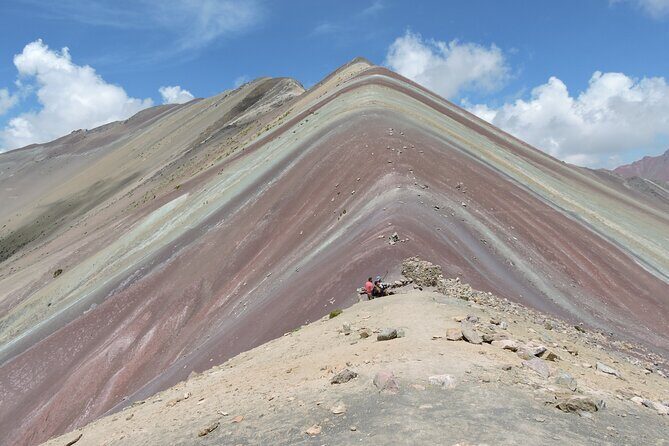
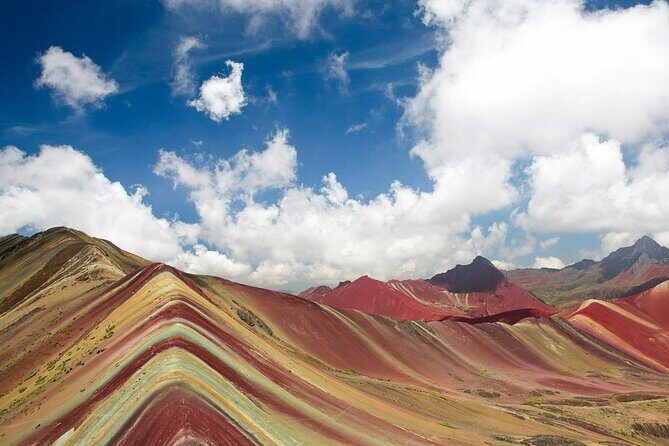
- Rainbow Mountain Vinicunca: hiking to 5,100 meters (and what to expect)
- Practical advice for this altitude hike
- Price and value: what $980 per person is really covering
- Who gets the best deal from this pricing
- The private-tour advantage in Cusco: smoother mornings and a more personal guide
- What could be tough for some people
- Who this Cusco private tour fits best
- Should you book Inca Path Tour’s 5 days private Cusco and highlights loop?
- FAQ
- How much is the 5-day private tour to Cusco and other attractions?
- How long is the tour?
- Is pickup included?
- What language is the tour offered in?
- Are entrance tickets and other site fees included?
- Does the tour include train tickets?
- Where do you stay overnight?
- Is this tour only for my group?
- How physically demanding is Rainbow Mountain?
- Can I cancel for free?
Key highlights you’ll feel right away
- Door-to-door private transfers that keep you from wasting time on logistics in Cusco
- Machu Picchu sunrise access plus a guided walkthrough so you know what you’re looking at
- Sacred Valley photo timing with a late-afternoon stop at Ollantaytambo
- Moray and Maras salt pools where you can connect Inca engineering to a working tradition
- Rainbow Mountain Vinicunca with a guided explanation at 5,100 meters
Cusco First Day: Qorikancha and the Inca ruins in one guided loop
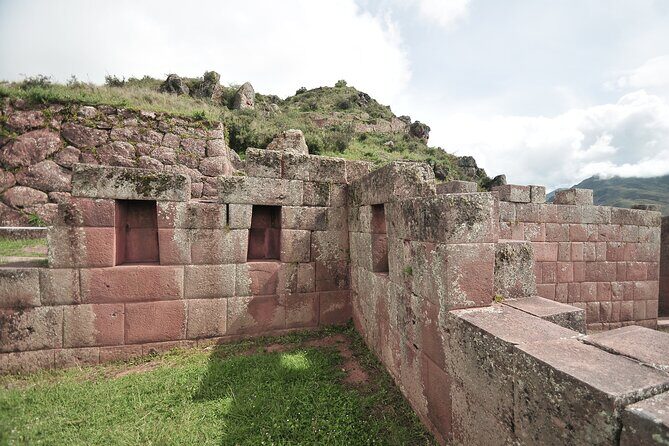
Cusco works best when you get oriented fast. Day 1 does that by starting with Qorikancha (Temple of the Sun) and then walking outward to the main archaeological sites around the city. You’ll move with a guide who helps you read what you’re seeing, not just check boxes.
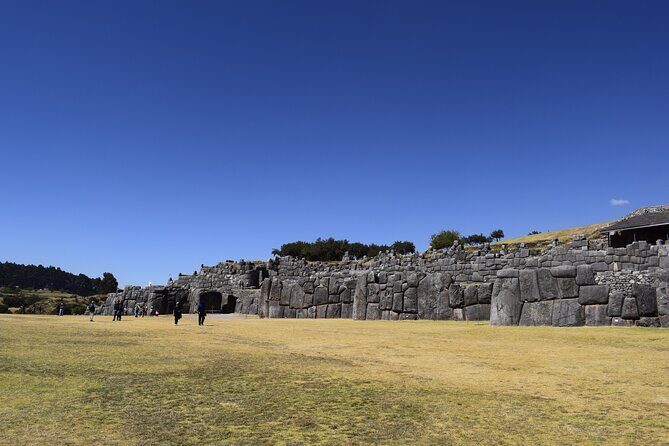
After Qorikancha, you’ll visit the classic Cusco area ruins: Sacsayhuamán, Qenqo, Puka Pukara, and Tambomachay. Each stop gives you a different angle on Inca planning—military-style stonework, ritual spaces, and water-related functions—so the city feels like one connected system instead of separate monuments.
One practical win: the tour ends back at Cusco’s main square around 6:00 p.m. That’s a sweet spot for dinner and a low-stress first evening. You also have time to adjust to altitude before your big Sacred Valley and Machu Picchu days.
You can also read our reviews of more private tours in Cusco

A small “heads up” on pacing
This first day is a guided city loop and not a sit-and-stare museum day. Expect a steady rhythm, some walking, and plenty of stairs or uneven ground depending on where you step, since these are real archaeological sites.
Sacred Valley at a real pace: Pisac market, Urubamba lunch, Ollantaytambo photos
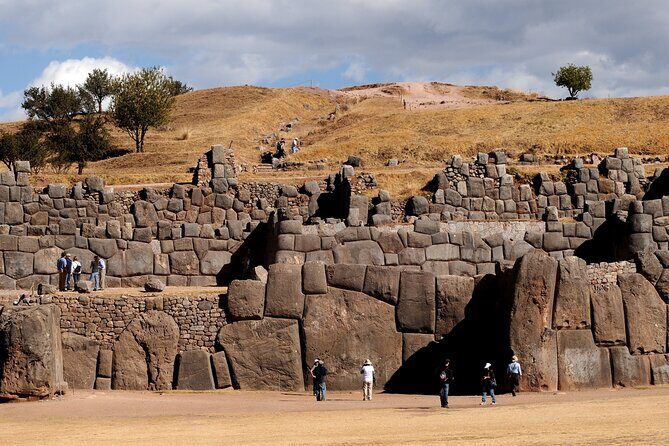
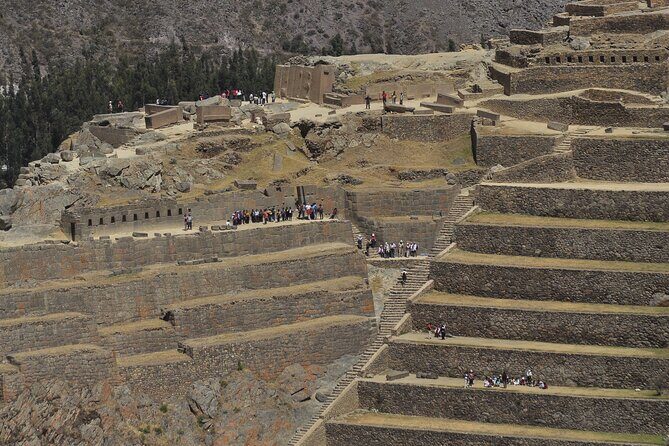
Day 2 is where Cusco starts to feel like a base, not your only destination. You’ll leave Cusco at 8:00 a.m., ride to Pisac (about 45 minutes away), and begin with the Pisac Archaeological Center.
Pisac isn’t only ruins. It’s also known for its craft market, where you’ll see clothing made from alpaca and other local crafts. If you like shopping that actually connects to a place, this is a good moment, because you’ve already seen how Andean culture and design fit together.
At noon you head toward Urubamba for a buffet lunch. This matters because Sacred Valley days can feel long, and a scheduled meal keeps the afternoon from turning into snack anxiety. After lunch, you’ll visit the Fortress of Ollantaytambo, and the tour includes a guided walk so you understand the legends and the function of the site—not just the view.
Then comes a clever little timing detail: the stop is in the afternoon, when the light is less harsh. That’s a big deal for photos, especially with stone textures and mountain backdrops. You’ll also be able to slow down while taking pictures, because your day transitions to train time without a frantic scramble.
Train to Aguas Calientes (and why it’s worth it)
After Ollantaytambo, your guide helps you board the train to Aguas Calientes. The journey is about 2 hours, and when you arrive an assistant is waiting to take you to your hotel.
That handoff reduces stress, especially because Day 3 is sunrise-focused. You’re not trying to figure out where to go in a smaller town while jet-lagged on altitude.
Machu Picchu Sunrise without the chaos: early bus, guided citadel, and the train back
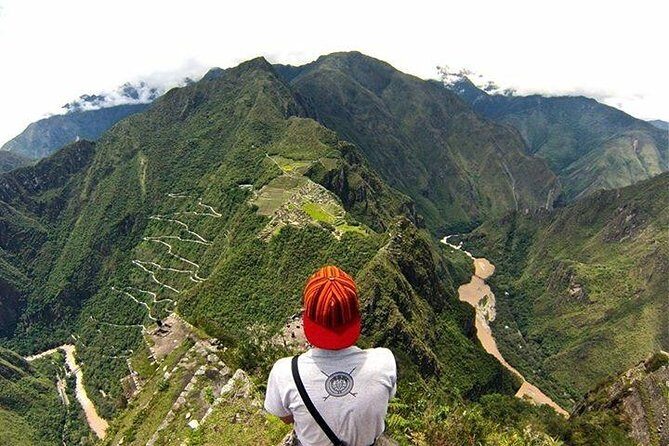
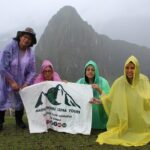
Day 3 is the “morning you’ll remember.” You head to the bus station very early, and the ride to Machu Picchu is about 25 minutes. The plan is to arrive for sunrise, so you get that first light effect and the kind of view people talk about for years.
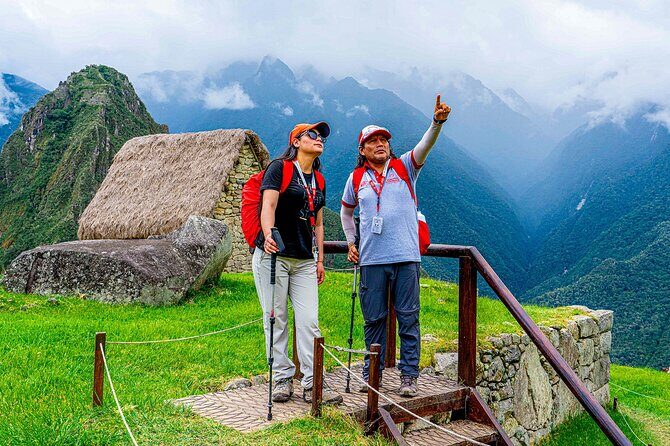
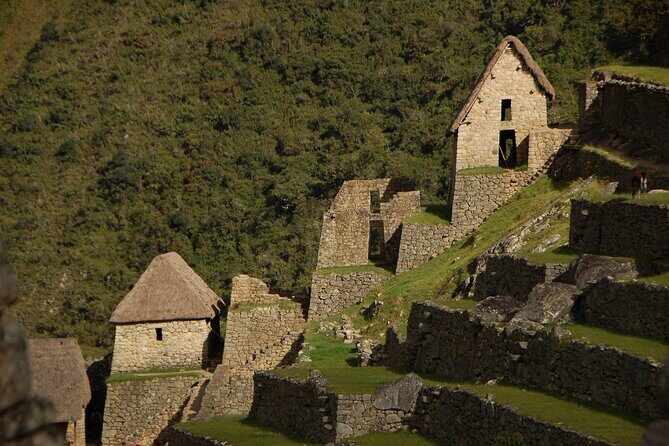
Once you reach the Machu Picchu Archaeological Sanctuary, you’ll do a guided tour led by your guide. This is the part that turns the trip from scenery into understanding: you’ll learn about Inca buildings and temples and how the citadel fits into the surrounding environment. If you want your photos to come with context, this is where you get it.
In the afternoon, you take the train back to Ollantaytambo, and then your pickup transfers you to your Cusco hotel for the night. It’s a clean loop: altitude morning, guided citadel, then a return that brings you back to where you can sleep normally.
You can also read our reviews of more tours and experiences in Cusco

Train schedules can shift—plan to be flexible
You should know the train schedules are described as indicative and may vary based on availability. The good news is your transfers and connections are built into the plan, so you’re not stuck trying to improvise if timing changes slightly.
Moray and Maras salt pools: Inca farming engineering meets 3,000 pools
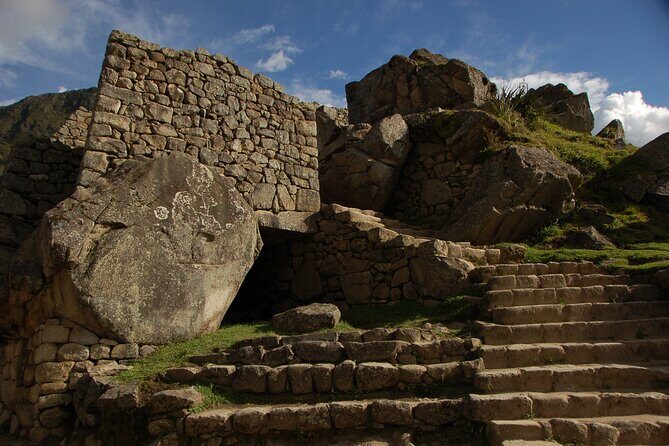
Day 4 gives you a very different Inca story than what you see in Cusco and at Machu Picchu. You’ll be picked up around 7:30 a.m. and head to Moray, about 38 km from Cusco.
At Moray, you’ll get a guided explanation of what you’re looking at and how it functioned in the Inca period. These are the kinds of places where the shapes make sense once you understand the purpose, and a guide helps you connect the visual to the agricultural idea behind it.
Then you continue on to the Salt Mines of Maras, known for around 3,000 pools. The tour frames the salt as historically valuable because it comes from the mountains rather than the sea, and it also mentions medicinal properties. If you want a souvenir you can actually tie to a place, this is where you might look for pink salt, which the tour notes contains a higher level of minerals.
Chinchero alpaca factory stop
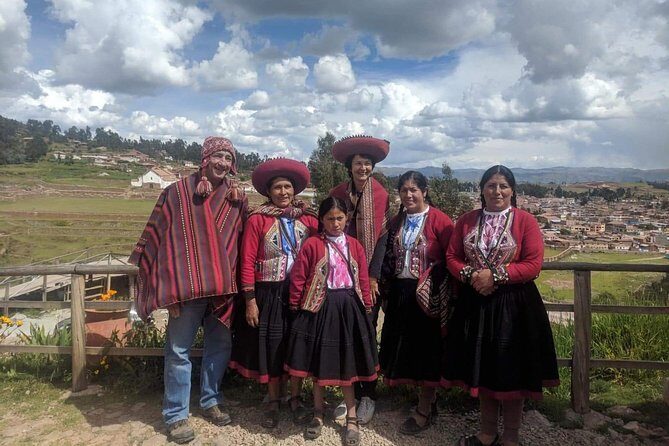
On the return to Cusco, the day includes a stop in Chinchero to visit an alpaca factory. Locals show you the alpaca production process end-to-end, which helps you separate marketing from craft. Even if you don’t plan to buy anything, it’s a useful way to understand what you’re seeing in Cusco markets later.
This is the kind of day that feels varied without being chaotic: engineering at Moray, the working salt pools at Maras, then a cultural production stop in Chinchero. It’s a good balance when you’ve already done a full Machu Picchu day and don’t want only ruins for the entire trip.
Rainbow Mountain Vinicunca: hiking to 5,100 meters (and what to expect)
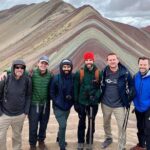
Day 5 is your big final-altitude push: Rainbow Mountain (Vinicunca). You’re picked up from your Cusco hotel at 4:30 a.m., which means you should treat this as an early-morning mission, not a leisurely start.
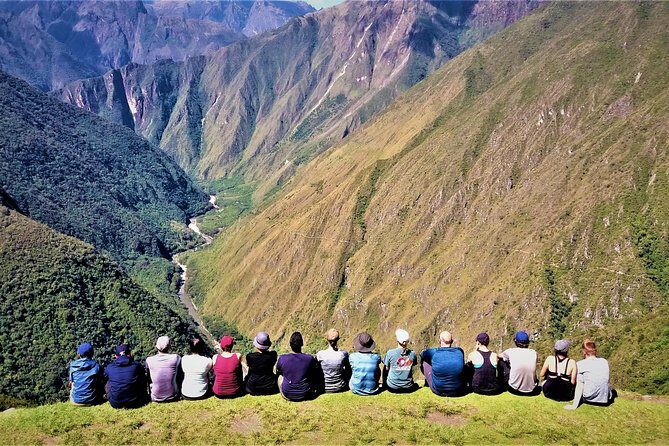
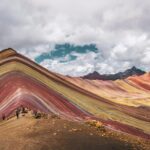
After a short rest, you’ll drive about 20 minutes to the first base control. Then you begin a hike of roughly 1 hour and 40 minutes up to the Red Valley mountain range, where you’ll reach the viewpoint of Vinicunca at around 5,100 meters.
During the hike, your guide points out typical Andes flora and fauna, including llamas and alpacas. This helps break the climb into something more than just breathing and pacing. When you arrive at the viewpoint, your guide explains the topography, the ecosystem, and why the mountain shows its colors.
Afterward, you return along the same trail to the starting point, and transport is waiting for you. You’ll then enjoy an Andean lunch and drive back to Cusco, arriving around 4:00 p.m.
Practical advice for this altitude hike
Because the viewpoint is at 5,100 meters, pacing matters more than speed. If you tend to rush when you feel good, slow down early. This tour is built for a hike-and-look rhythm, so it’s smarter to conserve energy than to try to “win” the climb.
Also, bring clothing you can layer. Winds and temperature swings at altitude can surprise you, even when the sun is up.
Price and value: what $980 per person is really covering
At $980 per person for about 5 days, the value mostly comes from what’s bundled. This isn’t just a guide and a few tickets. The plan includes all entrances, train ticket(s), and all transfers and private transportation, plus a professional guide.
It also includes breakfast and two lunches. And you get hotel transfers set up so you’re not coordinating between Cusco, Aguas Calientes, and the long-day excursions on your own. Considering how many moving parts there are—train schedules, early bus rides, and site timing—that bundling is often what makes the difference between a smooth trip and a stressful one.
So when you compare this to a DIY approach, you’re paying for time-savings and certainty. You also get fewer chances to miss a connection or misunderstand ticket timing, which is a real risk in places where mornings start fast and rules can be strict.
Who gets the best deal from this pricing
If you value convenience and guided context—especially for Machu Picchu and the Inca sites—this price starts to look fair. If you’re the type who enjoys planning every detail and doesn’t mind figuring out transport and entrance timing day by day, you might feel boxed in. Still, the tour’s schedule is designed to hit the major targets efficiently.
The private-tour advantage in Cusco: smoother mornings and a more personal guide
This is a private tour, which means it’s only your group participating. That matters in Cusco because the days are structured tightly and the early starts can feel brutal if you’re stuck waiting on other people. Private means less time wasted and more control over your own pace, especially during city walks and site visits.
The guide role is also central here. You’re not just being transported; you’re getting explanations for Qorikancha, Sacsayhuamán, Moray, and Machu Picchu. That turns the trip into an education you can remember, not a list of names.
You also get support on transitions: your guide helps you board the train to Aguas Calientes, and an assistant meets you there and takes you to your hotel. That kind of coordination is one of those details you appreciate most after the fact—when you’re tired and glad you didn’t have to hunt for directions.
And you get the “help you enjoy your stay” vibe. The service described is friendly and hands-on, including recommendations for how to spend your time in Cusco, which can be useful on your one or two nights without a formal schedule.
What could be tough for some people
This trip is built for adults who can handle altitude and a steady pace. You’ll hike in the Andes, including a 1 hour 40 minute hike at very high elevation on Day 5. Day 4 and Day 5 are also long days, with returns to Cusco that run late enough to leave little room for spontaneous add-ons.
Also, you should expect early mornings on both Day 3 and Day 5. If you struggle with early starts or you’re sensitive to altitude, consider how you’ll manage your energy. This tour specifically says moderate physical fitness is best, so don’t ignore that line.
Who this Cusco private tour fits best
This tour is ideal if you want a guided highlight circuit with minimal logistics stress. It’s a good match for:
- First-time Cusco visitors who want Machu Picchu and the Sacred Valley without planning headaches
- Travelers who like learning what they’re seeing, especially for Inca engineering and site function
- Groups of friends or families who prefer private pacing and a single guide experience
It might be less ideal if you’re trying to move slowly, skip early mornings, or you hate altitude hikes. In that case, you could still enjoy the sites, but you’d likely want a less hike-heavy plan.
Should you book Inca Path Tour’s 5 days private Cusco and highlights loop?
I think this is a strong choice when your priority is a well-connected itinerary and guided explanations for the big sites. The value comes from the bundle—private transport, entrances, and train ticket(s)—and the design is clearly meant to protect you from the most common on-the-ground problems: missed timings, confusing connections, and “wait, where do we go now?” moments.
If you can handle early wake-ups, tolerate altitude, and want your trip to feel organized from Cusco to Machu Picchu and back, this is a book-worthy plan. If you’re hoping to sleep in and keep hikes short, it may feel too intense for your style.
FAQ
How much is the 5-day private tour to Cusco and other attractions?
The price is $980.00 per person.
How long is the tour?
It lasts about 5 days (approximately).
Is pickup included?
Yes. Pickup is offered, including arrival transfer to your Cusco hotel, plus hotel pickup for tour days, using private transportation.
What language is the tour offered in?
The tour is offered in English.
Are entrance tickets and other site fees included?
Yes. All entrances are included, and the itinerary notes admission tickets as free for the listed stops.
Does the tour include train tickets?
Yes. The train ticket is included, including the train connection between Ollantaytambo and Aguas Calientes.
Where do you stay overnight?
You’ll have nights at a hotel in Cusco, and after the train to Aguas Calientes, an assistant takes you to your hotel there.
Is this tour only for my group?
Yes. It’s a private tour/activity, so only your group participates.
How physically demanding is Rainbow Mountain?
The hike is about 1 hour and 40 minutes, reaching a viewpoint around 5,100 meters above sea level. The tour advises travelers should have moderate physical fitness.
Can I cancel for free?
Yes. Free cancellation is available if you cancel up to 24 hours in advance of the experience’s start time, based on local time.