REVIEW · CUSCO
Inca Day Tour to Machu Picchu from Cusco
Book on Viator →Operated by Inca Trail Specialist · Bookable on Viator
Machu Picchu starts long before sunrise. This Inca Trail day tour strings together train to km 104, a hike toward Wiñay Wayna, and a guided walk into Machu Picchu. It’s a full working day on a set schedule, but the “first big view” comes from Puerta del Sol (Inti Punku), which is the kind of payoff you remember.
I like two things right away. One, you get a guided walkthrough at both Wiñay Wayna and Machu Picchu, which helps you understand what you’re seeing instead of just snapping photos and guessing. Two, the price packages the heavy stuff: train and bus tickets, entrance admissions, and a box lunch.
One possible drawback is how rigid the day can feel, especially if you’re expecting a specific hiking version. The itinerary and pricing can change if permits or availability don’t line up, and if that happens you need clarity on refunds before you commit.
In This Review
- Key things to know before you go
- The 4 a.m. send-off in Cusco: how the day really starts
- Riding the Expedition train to km 104 and passing the control
- Wiñay Wayna hike: the moderate climb that sets the tone
- Puerta del Sol (Inti Punku): the first big Machu Picchu panorama
- Entering Machu Picchu from the downhill walk: guided time in the citadel
- Price and value at $535: what you’re paying for, and what to double-check
- What to expect from the group and guide experience (max 15)
- Who this tour fits best (and who should think twice)
- Should you book this Inca Day Tour to Machu Picchu?
- FAQ
- What time does the tour start in Cusco?
- How long is the day tour?
- Is pickup included, and what language is the tour offered in?
- What’s the maximum group size?
- What are the main stops and the hiking time?
- Are Machu Picchu and Huayna Picchu tickets included?
- Does the price include transportation?
- What’s not included in the tour price?
- What happens if the tour is canceled due to bad weather?
Key things to know before you go
- Early pickup in Cusco: you’re heading out around 4:00 a.m., with the day starting extremely early.
- Train ride to km 104: about 1 hour 10 minutes on the Expedition route to the trail start area.
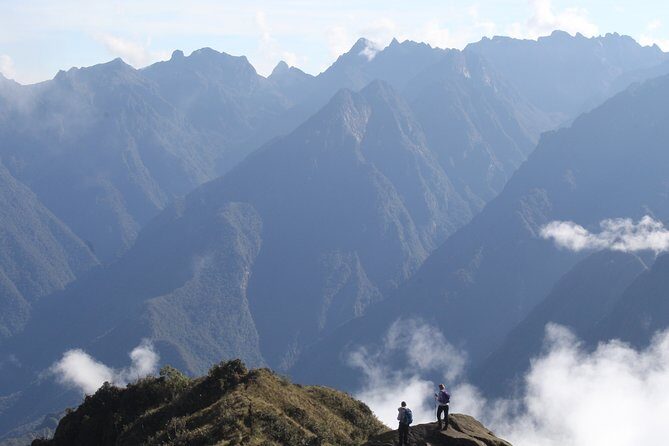
- A true Inca Trail taste: roughly 3 hours of moderate hiking to Wiñay Wayna, with Urubamba Valley views.
- Puerta del Sol timing: you climb up to Inti Punku for one of the first major Machu Picchu panoramas.
- Huayna Picchu is part of the ticket: it’s included, so you’re not paying extra for another big viewpoint.
- Small group size: maximum 15 travelers, which usually means less crowding around your guide.
The 4 a.m. send-off in Cusco: how the day really starts
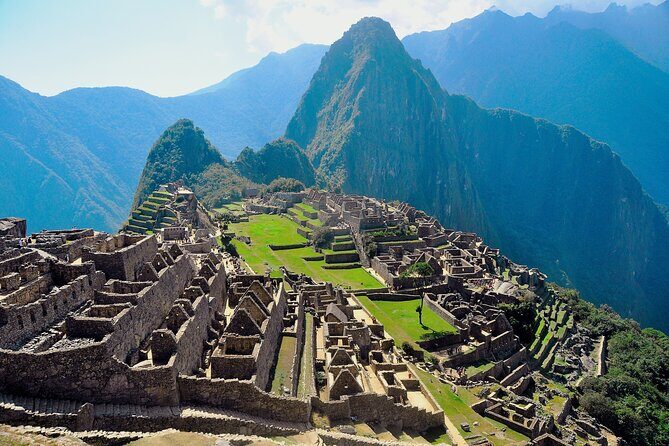
This tour is an all-day commitment, and it begins like one. Your guide will pick you up at your hotel in Cusco around 4:00 a.m., with the official start time listed as 4:30 a.m. Either way, plan to be ready in the dark. Cusco mornings at this hour feel both dramatic and slightly surreal—like the city is holding its breath.
Why I like this start: it helps you get to the trail and Machu Picchu earlier in the day. That matters because you’ll spend less of your day waiting in transit and more of it moving through the sites. It also means you’re less likely to feel rushed when the real sightseeing starts.
Here’s the other side: if you hate early wake-ups, this will test you. You’re also dealing with altitude right out of the gate since Cusco sits high, and the day climbs further. Bring layers you can handle in the early morning cold, and keep the mindset that you’ll “wake up” slowly while your body adjusts.
You can also read our reviews of more tours and experiences in Cusco.



Riding the Expedition train to km 104 and passing the control
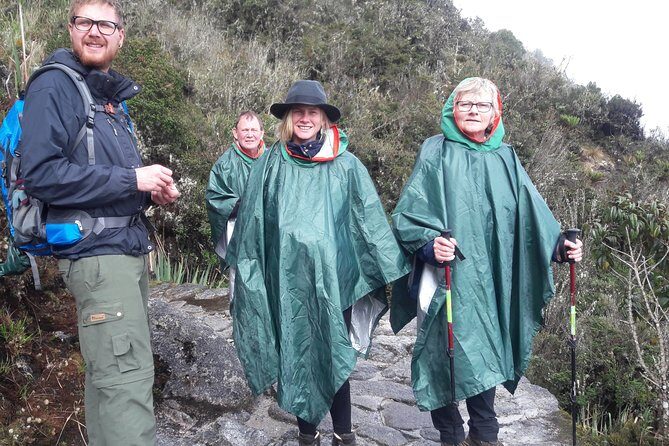
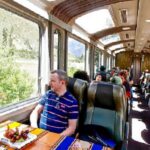
From Cusco, you’re transported to Ollantaytambo train station and then take the Expedition train for about 1 hour and 10 minutes. The destination is kilometer 104, at roughly 2,100 m / 6,927 ft, which is where the hike begins.
This is one of the smart parts of the day: you’re not doing a chaotic, full-day transfer scramble. The train leg is a structured transition from Cusco’s streets to the start of the trail, and it keeps energy for hiking later. If you’ve ever tried to brute-force logistics around the classic Inca Trail, you’ll appreciate having the hard parts handled.
Once you arrive, you start walking and pass through the main control. This is the moment where the day shifts from “getting there” to “doing it.” Expect it to take time, and keep your patience switched on. If you’re prone to getting stressed by checkpoints and lines, give yourself a calm internal mantra: this is part of how the trail is managed.
At this stop, admissions are listed as free, so the money you’re paying is really tied to the Inca areas later in the day—train and bus are part of the package, while the key paid moments come when you’re entering the monitored sites.
Wiñay Wayna hike: the moderate climb that sets the tone
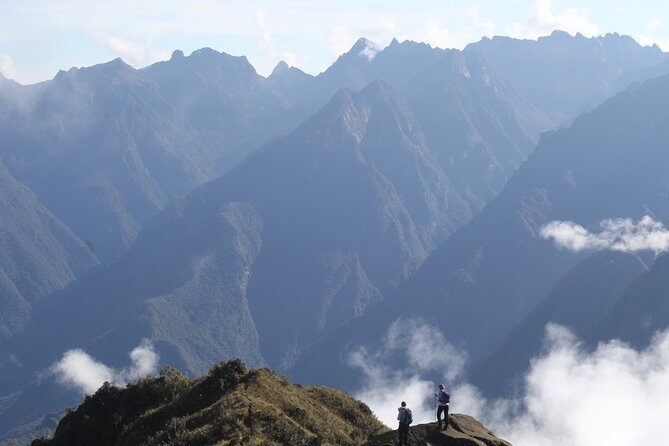
The main hiking portion is about 3 hours to Wiñay Wayna, starting from around 2,100 m and moving upward toward roughly 2,650 m / 8,747 ft. The hike is described as moderate, but altitude can make “moderate” feel harder. You’ll likely feel it in your breathing more than your legs.
What you’ll enjoy here is the Inca Trail logic. Along the way you get views of the Urubamba Valley and you pass Inca sites that connect the dots back to the classic multi-day route. Even if you’re not doing the full 4-day Inca Trail, this section gives you the “why” behind the whole corridor. You can start to understand how the trail is positioned and how Inca engineering ties into sightlines and terrain.
Once you arrive, you’ll have a guided tour of Wiñay Wayna, one of the most iconic stretches on the route. This is where a good guide earns their pay. A clear explanation turns stone steps into a story—what the structures likely meant, how the terraces relate, and why this place feels ceremonial.
Then comes a practical relief: after the tour, you head to Wiñay Wayna camp for lunch and rest. That matters. You’re not just hiking, then powering straight through without a breather. You get a break before the climb toward the viewpoint.
If you can, eat at a steady pace and don’t overdo it. You’ll be switching from “hike mode” to “climb mode” shortly, and your body will thank you for not going full feast right before a steep push.
Puerta del Sol (Inti Punku): the first big Machu Picchu panorama
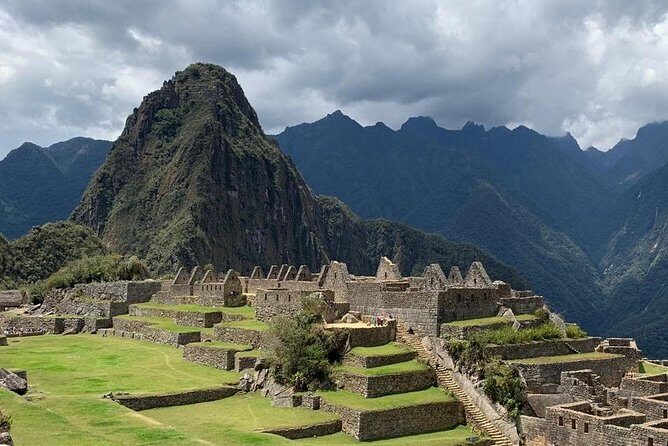
After the Wiñay Wayna portion, you continue the climb up to Puerta del Sol (Inti Punku) at about 2,730 m / 9,007 ft. This section is the part many people remember most, because it’s the first time Machu Picchu becomes real at a panoramic scale.
You’re likely to feel the altitude now more than earlier in the day. Your legs might be okay, but your lungs will probably get a little louder. That’s normal. Take short steps, keep your rhythm, and treat the climb as “work you’re being paid for with views.”
At Inti Punku, you get that first look at Machu Picchu in all its glory. And this is why I think the schedule works: the tour doesn’t throw you into Machu Picchu without context. Instead, you reach a viewpoint first, then you walk downhill into the citadel, which makes the place feel like it’s being revealed, not just visited.
One consideration: this is also the moment where timing and weather matter. You need visibility for the best viewpoint payoff. Even if the day runs perfectly, cloud cover can soften the drama of that first panorama.
Entering Machu Picchu from the downhill walk: guided time in the citadel
From Inti Punku, you walk downhill for about 1 hour until you reach Machu Picchu. Then you visit the citadel with your guide. The itinerary describes Machu Picchu as a mystical spiritual center, and that’s exactly the feeling you get once you’re inside and moving through the site at human scale.
This downhill approach is practical. Instead of arriving and immediately climbing everywhere, you step into the citadel from a position that helps you transition from viewpoint energy into “site understanding.” You’ll still walk, but it’s paced like a guided circuit rather than a sprint between highlights.
The biggest value here is the guidance. Machu Picchu isn’t just impressive because it exists—it’s impressive because it’s laid out with meaning. A guide’s job is to connect stonework to function and to explain how the spaces were likely used. If you’ve ever walked around a complex site alone, you know that without interpretation it can feel like you’re reading a page with missing paragraphs.
Your key admissions are included here, and the tour emphasizes that your visit includes the essential guided experience. Expect a schedule-driven flow, with your time shaped by the guide’s pacing and your group’s movement.
A final heads-up: because this is a day tour that blends hiking and citadel time, you may not feel like you’re lingering in every corner. If you prefer slow, independent wandering, consider whether this format matches your travel style.




Price and value at $535: what you’re paying for, and what to double-check
At $535 per person for an approximately 15-hour day, this isn’t a cheap outing. But it’s also not a bare-bones sightseeing walk. The price includes:
- Entrance tickets for the Inca Trail and Machu Picchu
- Huayna Picchu ticket
- Train and bus tickets
- A box lunch
What’s not included:
- Breakfast and dinner
- Tips
- Batons (trekking poles) are not included
So where does the money go? Mostly into the “big fixed costs” that are hard to piece together yourself. Train and bus logistics around Machu Picchu are the kind of thing that can quietly turn into hours of stress if you try to DIY. Add paid entrance permissions (and Huayna Picchu, in particular), and suddenly this price starts making more sense—especially if you value having a single plan that’s meant to run end-to-end.
That said, there’s one value risk you should treat seriously: itinerary changes. In one clearly frustrating scenario, a last-minute booking got switched from a one-day hike option into a full-day Machu Picchu tour instead, with a partial refund offered afterward. The refund wasn’t close to what the person expected based on the difference between the two options. I don’t know if this is common, but it’s enough of a pattern to justify your caution.
My practical advice: before you pay, ask the operator to explain—plainly—what happens if your original hiking plan can’t run and what refund you’d receive if a substitute tour is offered. You’re paying for certainty as much as you’re paying for scenery.
Also check what you’re emotionally buying. If you’re hoping for maximum flexibility, this format is not built for it. It’s built for a tightly managed day that combines hiking, viewpoints, and a guided citadel visit.
What to expect from the group and guide experience (max 15)
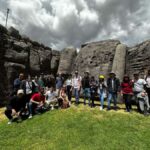
This tour caps at 15 travelers, and it’s offered in English. That matters more than you might think. Smaller groups move more smoothly through checkpoints and guided sections, and it’s easier to hear your guide’s explanation without turning your day into a game of leaning forward and guessing.
One of the most positive elements people usually take from tours like this is the guide’s ability to explain what you’re seeing. When interpretation is good, Wiñay Wayna stops feel connected instead of random ruins, and the Machu Picchu circuit feels purposeful instead of just photo stops.
If you’re the type of traveler who learns best through stories and context, you’ll likely get more from the day than someone who just wants the skyline shot from the famous view.
Who this tour fits best (and who should think twice)
This works well for you if:
- You want a single-day Inca Trail-style experience without doing the full multi-day trek
- You’re comfortable with a moderate hike and at least one big climb up to a viewpoint
- You value guided interpretation at multiple sites
- You want Machu Picchu plus Huayna Picchu in one managed package
It might not fit you if:
- You hate early mornings and early altitude exposure
- You’re sensitive to rigid schedules and don’t want your day shaped by checkpoints
- You’re planning to be very hands-on about solo time in Machu Picchu (this is a guided, paced visit)
Also, if you’re traveling with the expectation that your exact requested hike will always be available even on short notice, plan to confirm details early. This tour’s value depends on the day going as planned.
Should you book this Inca Day Tour to Machu Picchu?
I’d consider booking if you want a structured day that packages train, bus, entrance admissions, and guided time—with Huayna Picchu already built in. The biggest payoff is the flow: hike to Wiñay Wayna, rest, climb to Inti Punku for the first panorama, then walk into Machu Picchu with context.
Before you book, do two things that will save you from regret. First, confirm your pickup location clearly so the early departure doesn’t become a scramble. Second, ask how substitutions and refunds work if availability prevents your exact hiking version from running. This is the one area where people can feel burned if they don’t get clear answers up front.
If you can get that clarity, this tour is a strong way to experience the Inca Trail feel and still land at Machu Picchu in a single day.
FAQ
What time does the tour start in Cusco?
The start time is listed as 4:30 a.m., and pickup from your hotel in Cusco is described as happening around 4:00 a.m. Be ready early and plan for a very early morning.
How long is the day tour?
It runs for about 15 hours (approx.).
Is pickup included, and what language is the tour offered in?
Pickup is offered, and the tour is offered in English.
What’s the maximum group size?
The tour has a maximum of 15 travelers.
What are the main stops and the hiking time?
The day includes Cusco, a train to kilometer 104, a hike of about 3 hours to Wiñay Wayna, time at Wiñay Wayna camp for lunch and rest, a climb to Puerta del Sol (Inti Punku), and then about 1 hour walking downhill to Machu Picchu.
Are Machu Picchu and Huayna Picchu tickets included?
Yes. Entrance tickets for Machu Picchu are included, and the Huayna Picchu ticket is also included.
Does the price include transportation?
Yes. Train and bus tickets are included.
What’s not included in the tour price?
The tour does not include breakfast and dinner, tips, or batons (trekking poles).
What happens if the tour is canceled due to bad weather?
The experience requires good weather. If it’s canceled due to poor weather, you’ll be offered a different date or a full refund. The experience is otherwise listed as non-refundable and cannot be changed for any reason.