REVIEW · CUSCO
Cusco to Ollantaytambo with stops in Chinchero, Maras and Moray
Book on Viator →Operated by Palomino TAXI TOUR · Bookable on Viator
A long Cusco drive that feels like a master class. You’ll connect Chinchero, Moray, Maras, and then Ollantaytambo in one smooth day, with stops that show how Incas (and pre-Incas) actually worked the land.
I especially love the hands-on feel at Chinchero, where you can see the agricultural terraces and how alpaca wool is colored using plants the way locals have done for generations. I also like the built-in variety: Moray makes agriculture feel scientific, and Maras makes it feel real, still worked by locals.
The main catch is money planning. The ride is included, but you’ll still pay entrance fees (including a partial tourist ticket and a separate Salineras de Maras ticket) and lunch isn’t included.
In This Review
- Key highlights to know before you go
- Cusco to Ollantaytambo: why this route works
- Chinchero’s terraces and the alpaca-wool coloring you can watch
- Moray’s agriculture laboratory: how to look at it in 40 minutes
- Salinas de Maras salt pans: a working pre-Inca site
- Ollantaytambo: General Ollanta and a still-alive town
- Price and value: what the $110 really covers
- Timing, comfort, and staying on schedule for your next step
- Language and what to bring for smoother visits
- Who this tour suits best (and who should pick something else)
- Book it or skip it?
- FAQ
- How much does the Cusco to Ollantaytambo tour cost?
- How long is the tour?
- Is this tour private?
- What’s included in the price?
- What is not included?
- What are the main stops during the day?
- Do I need tickets for each site?
- Do I have an option for an official guide?
- Is good weather required?
- What if the tour is mostly in Spanish?
Key highlights to know before you go
- Private group up to 3: only your group rides together, which makes timing easier.
- AC vehicle plus WiFi: a big quality-of-life upgrade on a 7 to 8 hour day.
- Chinchero’s terrace system and alpaca dye process: you’re not just looking at ruins.
- Moray’s agriculture “laboratory”: it helps you understand how the Incas tested crops.
- Salinas de Maras salt pans: you see a pre-Inca style salt harvest still in action.
- Ollantaytambo at the end: a living town tied to General Ollanta, handy if you’re catching a train afterward.
Cusco to Ollantaytambo: why this route works
This is a practical in-between day. Instead of doing Cusco to Ollantaytambo as a bare transfer, you turn it into a focused tour through four different kinds of Andean sites. The total day runs about 7 to 8 hours, so it’s long enough to feel complete, but not so long that you lose daylight before your next step.
I like the logic of the stops. You start with Chinchero (Inca agricultural terraces plus a living craft connection), then move into Moray (a controlled agricultural experiment), then Maras (a salt operation based on evaporation), and finish in Ollantaytambo, which is still inhabited. That sequence gives you a theme you can actually remember: work the land, test it, harvest it, then build a town around it.
One more plus: it’s a private tour with air-conditioned transport and on-board WiFi, so you’re not stuck staring at seatmates’ headphones while you wait to move on. And it’s popular—this experience is commonly booked about 62 days in advance, so if you have a tight train schedule, don’t procrastinate.
You can also read our reviews of more tours and experiences in Cusco.
Chinchero’s terraces and the alpaca-wool coloring you can watch
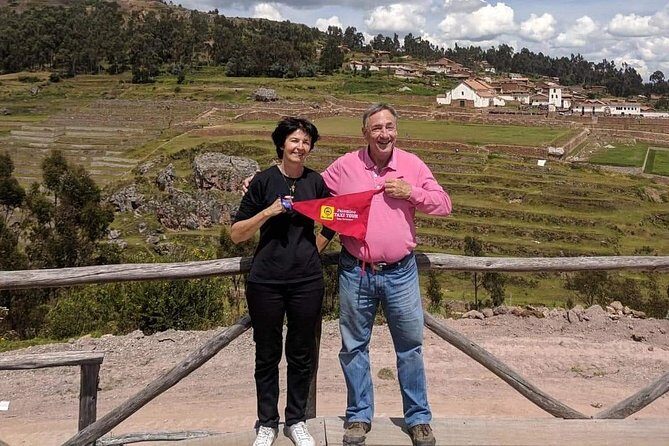
Chinchero is where this day becomes more than sightseeing. You’ll have about 1 hour at the archaeological complex, and you’re going to see the agricultural terraces that helped feed and support communities. On top of that, the site includes a temple built on the palace of the Inca—an important reminder that Inca builders often layered new structures over older power places.
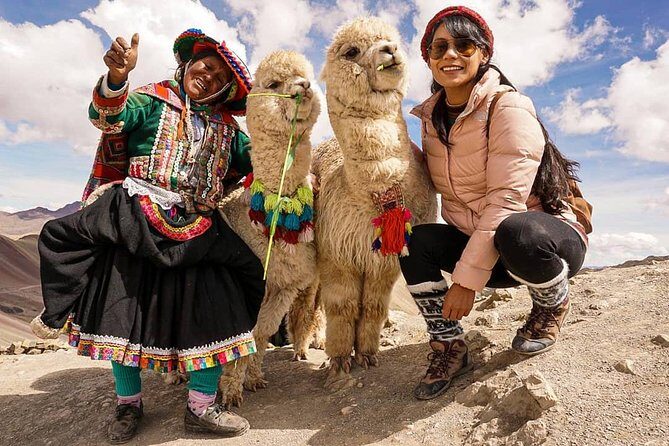
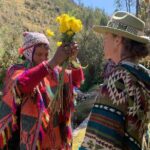
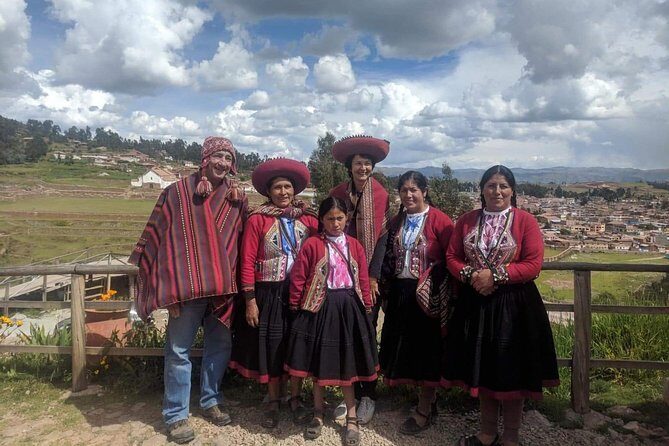
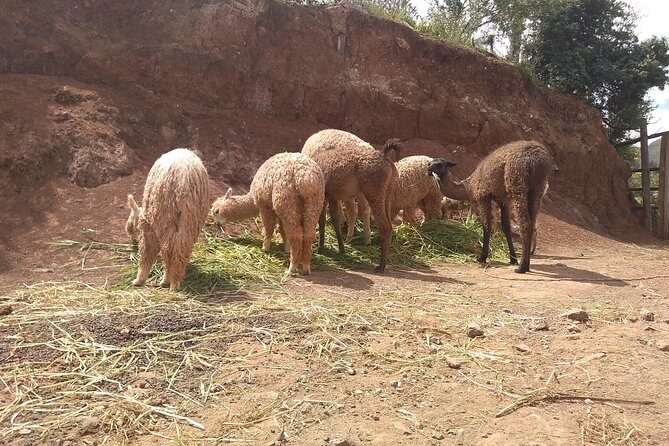
What I really find valuable here is the craft connection. The site highlights hand-made workshops and the process of coloring alpaca wool using native plants, described as the way the Incas did. You’re not just seeing finished products—you’re learning the method, and that changes how you interpret everything else later in the day. Salt at Maras and crop tests at Moray both feel more meaningful once you understand that food and fabric production were both part of the same agricultural world.
Practical heads-up: entry fees are not included, so plan time and budget for tickets. Also, this stop is typically the one where people slow down. Give yourself enough energy to look, ask questions, and actually watch the process rather than rushing through for photos.
Possible drawback: if you’re the type who wants only big monuments and zero craft-focused stops, Chinchero might feel more instructional than dramatic. Still, it’s one of the best ways to understand the rest of the day.
Moray’s agriculture laboratory: how to look at it in 40 minutes
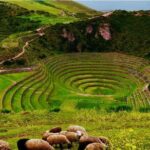
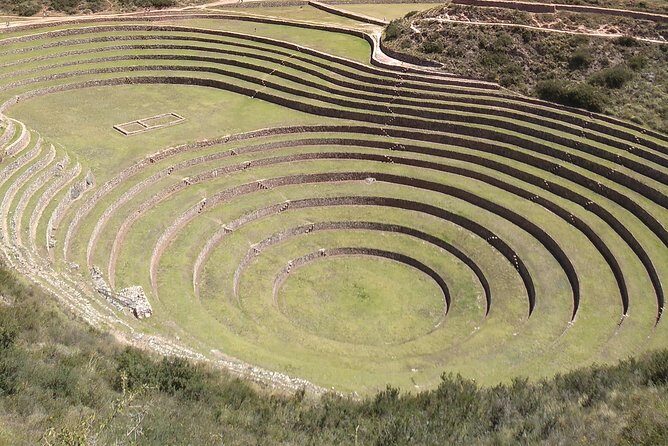
At Moray, you get around 40 minutes—short, but enough if you know what to focus on. This site is described as a sacred place where the Incas used it like a laboratory for agricultural experiments. The idea is simple and fascinating: by controlling variables, they could test conditions and manage production for the sacred valley and for the wider Tawantinsuyo empire.
Here’s how to make the time count. When you arrive, don’t just scan for the famous circular shapes. Pause and think in terms of experiments: What would change from one spot to another? How would that affect crop results? Even if you don’t have every technical detail, the physical layout helps you picture systematic testing rather than random farming.
A quick reality check: 40 minutes goes fast. If you want time for photos and a slower walk, that’s the one moment where you might wish you had 15 minutes more. Still, Moray is the kind of place where the right mindset matters more than extra time.
You’ll likely pay entrance separately here too, since tickets are not included. If you’re traveling with a guide, this is a strong stop to ask questions, because Moray’s purpose can be easier to understand with explanation.
Salinas de Maras salt pans: a working pre-Inca site
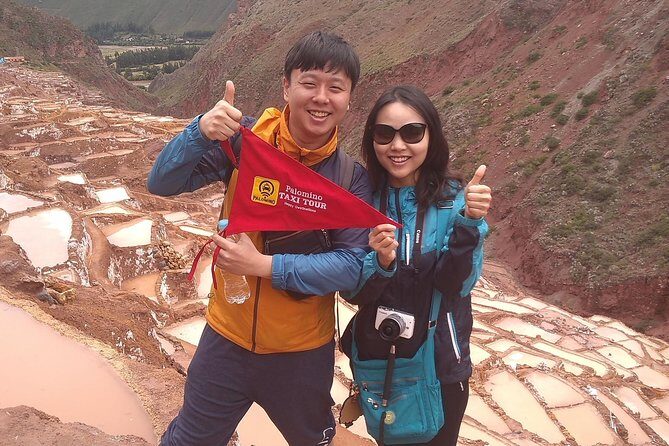
Salinas de Maras is about 40 minutes and it’s a different type of learning. This isn’t a place you visit only to look back—it’s a site where locals harvest salt using an evaporation method. The info frames it as a pre-Inca place and notes the locals use an Inca-style approach.
The best way to enjoy it is to stop treating it like a quick viewpoint. Instead, think about water and time. Salt harvesting here is about controlled evaporation, which means the site makes more sense when you understand it as a process, not a static attraction.
Practical side: the Salineras de Maras ticket is listed separately (PEN 20 per person), so don’t assume the partial tourist ticket covers everything. If you’re traveling in a group, keep the per-person costs in mind when you’re budgeting for the day.
Also, since the experience requires good weather, this is one stop that becomes much more pleasant when the conditions cooperate. On a good day, you’ll enjoy the walk and the details of the pans; on a bad day, you don’t want to be rushing around.
Ollantaytambo: General Ollanta and a still-alive town
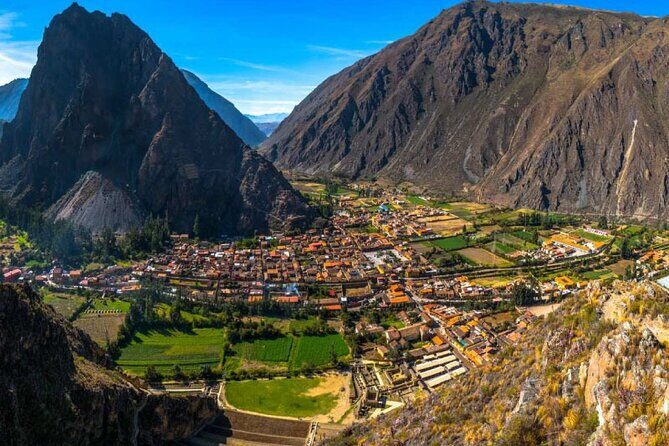
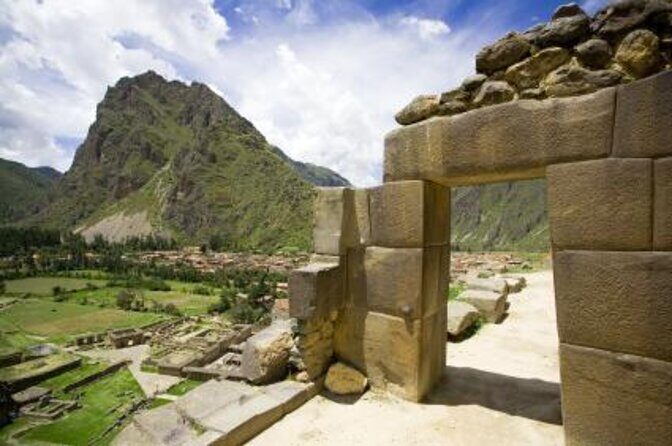
You finish in Ollantaytambo, with about 1 hour at the archaeological park. The site connects to the resting place of General Ollanta and the larger story of why the region mattered. What makes this stop special is that Ollantaytambo isn’t presented as a dead zone. It’s described as the last Inca town inhabited today, and you can even see that on some sites, many houses are built.
That makes a big difference in how you experience it. The Inca world here doesn’t feel like it ended. It feels like the architecture became part of daily life. When you look at the arrangement of structures, you can’t avoid thinking about continuity: how people adapt old stone to new routines.
If you’re connecting to a train, this is also where the timing matters. One driver example from past guests was Ricardo, noted for being careful, getting people to sights on schedule, and helping ensure they made it to the train on time. Even without naming names, the point is clear: this tour is set up for real-world timing, not just a slow museum route.
Entrance tickets aren’t included here either, so again, build that into your plan. And if you want to end the day with your head clear, keep your photos efficient and save any longer exploring for another block of time later.

Price and value: what the $110 really covers
The headline price is $110 per group (up to 3). That’s the cost for private transport with air-conditioning, WiFi on board, and parking fees. For many couples or small groups, that can be good value because you’re splitting the vehicle cost.
But the day has extra line items. Not included:
- Lunch
- Official tourist guide: $60 per booking
- Entrance fee (partial tourist ticket): PEN 70 per person
- Salineras de Maras ticket: PEN 20 per person
So what’s the real value equation? You’re paying $110 for the logistics, comfort, and coordination of multiple sites in one day. Then you’re paying separately for entry and interpretation. If you go without the optional guide, you’ll rely on what you can understand on your own at each stop. If you add the guide, you’ll likely get more out of places like Moray where purpose matters.
My practical advice: budget for the day as two parts—transport + sites. Once you do that, the price feels more transparent.
Timing, comfort, and staying on schedule for your next step
This is one of those tours where your day moves as a sequence, not as separate outings. That’s why the comfort pieces matter. A newer AC car and on-board WiFi make a big difference when you’re sitting for stretches between Cusco-area stops and Ollantaytambo.
The other key detail is that the driver role isn’t just about driving. Past guests highlighted drivers who were careful about timing and getting everyone to the next appointment, including a train. That’s the kind of service you want if you’re not just sightseeing—you’re transitioning to the next part of your trip.
Here’s how to protect your schedule:
- Plan for bathrooms when you can; don’t assume a perfect timing window at every stop.
- Keep your gear simple so you’re not rummaging at the last second.
- If you’re using a guide, ask early what order and pace you’ll follow so you’re not surprised later.
Also note: this experience requires good weather. If weather turns, the operator will offer a different date or a full refund. It’s a smart policy, and it also tells you that daylight and visibility matter for these specific stops.
Language and what to bring for smoother visits
One real-world tip: this experience is mostly in Spanish, so it helps to be ready. If you’re not fluent, bring a plan—using Google Translate can make the difference between feeling lost and actually learning what you’re looking at.
What to bring:
- A way to pay entrance fees (cash is often the easiest in these settings)
- A charged phone for maps and translation
- Water and a small snack plan, since lunch isn’t included
- A light layer, especially if the weather shifts through the day (and because good weather is required, you’ll want to be comfortable when conditions are nice)
Since the tour is private, you can also go at your own pace within reason. If your group likes photos, build extra minutes into the stopping plan. If you’re tired, a guide and a tight focus can help you get the meaning without spending forever wandering.
Who this tour suits best (and who should pick something else)
This tour fits well if you’re:
- Staying in Cusco but need to end your day in Ollantaytambo
- Interested in how the Inca system worked—terraces, controlled agriculture, and salt harvesting
- A couple or small group that wants a private ride (up to 3)
- Traveling with a flexible attitude about languages and wanting to learn through the sites, not just rush through them
It may be less ideal if you:
- Want only major monument-style ruins with zero craft or process-based stops
- Hate managing tickets and separate fees during the day
- Prefer a fully guided experience where a guide fee is automatically included
Also, it notes that most travelers can participate, which is encouraging if you’re planning a day-trip without extreme constraints. Still, it’s a long day, so bring stamina.
Book it or skip it?
If your goal is a smart, efficient Cusco-to-Ollantaytambo day with meaningful stops, I’d book this. The value is strongest when you’re traveling as a small group and you care about understanding the working systems behind what you see—terraces, agricultural experimentation, and salt harvesting.
I’d think twice if your budget is tight once you add entrance fees, or if you strongly prefer lunch included and fully guided interpretation with no extras. But if you can handle the add-ons and you want a real Andean learning day on the way to Ollantaytambo, this is a solid choice.
FAQ
How much does the Cusco to Ollantaytambo tour cost?
It costs $110 per group, for up to 3 people.
How long is the tour?
The duration is about 7 to 8 hours.
Is this tour private?
Yes. It’s private, and only your group participates.
What’s included in the price?
An air-conditioned vehicle, WiFi on board, and parking fees are included.
What is not included?
Lunch, the official tourist guide fee ($60 per booking), entrance fees (partial tourist ticket PEN 70 per person), and the Salineras de Maras ticket (PEN 20 per person) are not included.
What are the main stops during the day?
You stop in Chinchero, Moray, Salinas de Maras, and then the archaeological park in Ollantaytambo.
Do I need tickets for each site?
Entrance tickets are not included. You’ll need the partial tourist ticket (PEN 70 per person) and an additional Salineras de Maras ticket (PEN 20 per person).
Do I have an option for an official guide?
Yes. An official tourist guide is available for $60 per booking, but it’s not included in the base price.
Is good weather required?
Yes. The experience requires good weather, and if it’s canceled due to poor weather, you’ll be offered a different date or a full refund.
What if the tour is mostly in Spanish?
The tour is mostly in Spanish, so using tools like Google Translate can help you follow along.